

By Linus Dacke Thall — Fragrance Supply Chain & Production Analyst
Article Summary
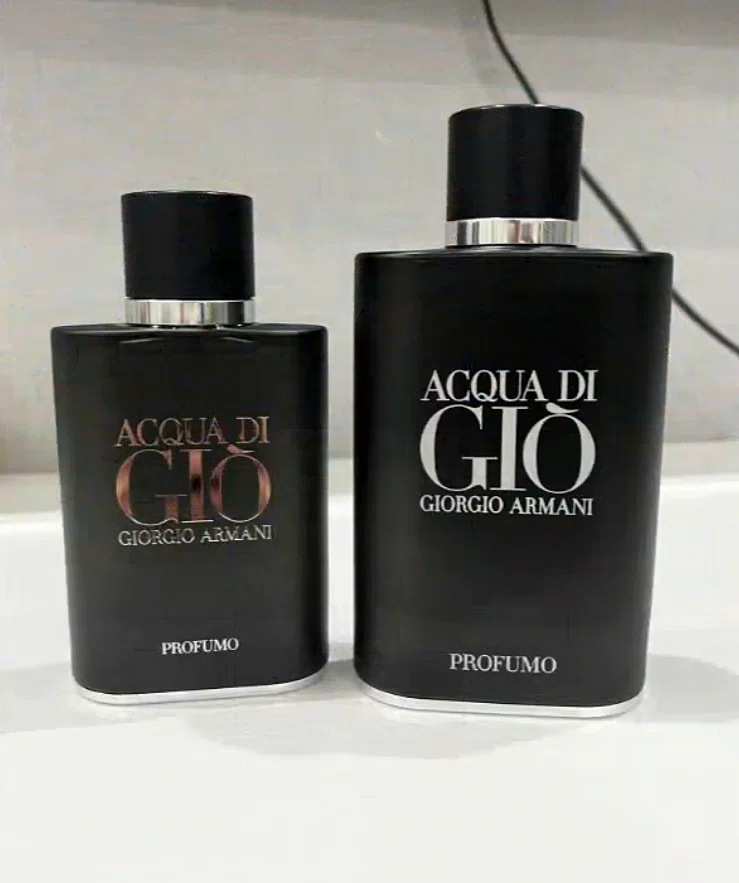
- The Heartbreak: Giorgio Armani’s legendary Acqua di Gio Profumo has been discontinued in the USA, leading to sky-high secondary market prices and consumer panic.
- The Replacements Fall Short: Successors like Acqua di Gio Parfum and Profondo don’t quite capture the deep, smoky incense magic of the original 2015 formulation.
- The Science of Scent: We explain in plain English how clone houses use Gas Chromatography-Mass Spectrometry (GC-MS) to reverse-engineer scents, and why the base notes (incense and patchouli) are so incredibly hard to copy correctly.
- Objective Market Review: We analyze the top competitors, including Lattafa Suqraat, Maison Alhambra, Alexandria Fragrances, and iMixx Perfumes, detailing their pros and cons.
- Actionable Advice: Learn how to properly “macerate” your affordable fragrances at home to make them smell richer and last longer.
Part 1: The Discontinuation Shock — Why is Everyone Panicking?
If you spend any time on forums like Fragrantica or Reddit’s r/fragrance, you already know the tragic news: Acqua di Gio Profumo is officially discontinued. But why does the discontinuation of this specific men’s cologne hurt so much?
Created in 2015 by master perfumer Alberto Morillas, Profumo wasn’t just a flanker; it was a paradigm shift. It took the ultra-fresh, citrus-and-melon aquatic DNA of the original 1996 Acqua di Gio—which defined the 90s—and gave it a dark, sophisticated, mature backbone. By blending bright Calabrian bergamot and marine notes with heavy, smoky incense (olibanum) and earthy patchouli, Morillas created the ultimate “Swiss Army Knife” fragrance. You could wear it in a t-shirt at the beach, or in a tailored suit at a board meeting in New York.
When a conglomerate like L’Oréal (which holds the Armani fragrance license) discontinues a beloved scent, it usually boils down to a few factors: ingredient availability, shifts in the IFRA (International Fragrance Association) safety regulations, or simply a marketing push to clear the shelves for newer flankers like Acqua di Gio Parfum. The problem? Most fragrance enthusiasts agree that the new Parfum version, while good, lacks the dense, smoky punch of the original Profumo.
Today, sealed bottles of the original Profumo are selling for $200 to $300 on eBay. This insane markup has triggered a massive hunt in the USA for the best Acqua di Gio Profumo clone. But as someone who works behind the scenes in the supply chain, I can tell you that finding a genuine, high-quality replacement requires looking past clever marketing and understanding how perfume is actually made.
Part 2: Behind the Scenes — How Are Fragrances Cloned? (And Why Do So Many Fail?)
Have you ever wondered how a brand in Dubai or a boutique in the USA can recreate a famous Parisian fragrance in a matter of months? It’s not magic, and it’s not a secret spy stealing recipes. It comes down to a machine called a Gas Chromatograph-Mass Spectrometer (GC-MS).
The “Barcode Scanner” of Perfume
Think of a GC-MS machine as a highly advanced barcode scanner for liquids. When a lab receives a bottle of discontinued Acqua di Gio Profumo, they inject a tiny sample into the GC-MS. The machine heats the liquid, turns it into a gas, and pushes it through a long, microscopic tube. Because different chemical molecules travel at different speeds, the machine can separate them and identify their exact molecular weight.
The resulting report looks like a massive line graph. It tells the chemist: “This liquid contains 15% Linalool, 5% Calone, 2% Patchoulol,” and so on. It essentially prints out the recipe.
If They Have the Recipe, Why Do Clones Smell Different?
This is the million-dollar question. If every manufacturer has access to GC-MS technology, why do so many cheap dupes smell like harsh lemon cleaner that fades in two hours? The answer lies in supply chain economics and ingredient sourcing.
- Captive Molecules: Big designer brands often invent their own synthetic molecules (called “captives”) that are patented. The GC-MS machine might identify a molecule, but if it’s patented, the clone brand can’t buy it. They have to use a cheaper, generic alternative that smells similar but not identical.
- The Origin of Naturals: A machine can tell you a perfume has “Limonene” (the chemical that smells like citrus). But it cannot tell you if that Limonene came from a beautiful, sun-ripened Bergamot orange hand-picked in Calabria, Italy, or from a cheap, industrial vat of synthetic citrus oil.
- The Incense Problem (The Profumo Trap): The biggest hurdle in cloning AdG Profumo is the base notes. Real Olibanum (Frankincense) is expensive. Cheap clones skip the natural resin and use synthetic smoke accords like Guaiacol. To a normal nose, it just smells “off,” like burnt plastic or a campfire, rather than smooth, church-like incense.
Part 3: The True Cost of Luxury Perfume (Why Are Clones So Cheap?)
There is a massive misconception among ordinary consumers that a $40 clone is cheap because it uses “toxic” or “dangerous” ingredients, while a $150 designer bottle uses pure, golden nectar. This is completely false. Both the designer brand and the reputable clone house purchase their raw materials from the exact same global fragrance houses (like Givaudan, Firmenich, or Symrise).
The difference in retail price has almost nothing to do with the liquid inside the bottle. It is entirely about the business model. Let’s look at a realistic breakdown based on industry averages widely discussed in trade publications like Perfumer & Flavorist.
Table 1: The Economics of a $150 Designer Fragrance vs. a $45 Direct-to-Consumer Clone
| Cost Component | Traditional Designer Brand ($150 Retail) | Direct-to-Consumer Clone Brand ($45 Retail) | The Supply Chain Reality |
|---|---|---|---|
| The “Juice” (Fragrance Oils & Alcohol) | $3.00 – $6.00 | $4.00 – $8.00 | Clone brands often spend more on the juice because they lack marketing budgets and rely purely on product quality for word-of-mouth sales. |
| Bottle, Cap, and Packaging | $8.00 – $15.00 | $3.00 – $6.00 | Designer brands use custom molds, magnetic caps, and heavy glass. Clones use standardized, catalog glass bottles to save money. |
| Marketing & Endorsements | $25.00+ | $0.00 | You are paying for the Hollywood actor on the billboard and the TV commercials during the Super Bowl. |
| Retail Markups (Sephora, Macy’s, etc.) | $60.00 – $75.00 | $0.00 | Brick-and-mortar stores typically take a 40% to 50% cut of the final retail price. Direct-to-consumer websites cut this out entirely. |
| Brand Profit / Licensing | $25.00 – $40.00 | $15.00 – $25.00 | Designer names carry massive licensing fees. |
As you can see, when you buy a cheaper alternative from a reputable house, you aren’t sacrificing the safety or quality of the liquid; you are simply refusing to pay for the glass bottle, the TV commercials, and the department store’s rent.
Part 4: An Objective Review of the Best Acqua di Gio Profumo Alternatives
Because the demand is so high in the USA, the market is flooded with options. To maintain absolute fairness, we need to look at the landscape objectively. No single fragrance is perfect for everyone. It depends on your budget, how long you want it to last, and which part of the fragrance (the fresh top or the dark base) you care about most. Here is a breakdown of the most popular contenders, sourced from community feedback on Basenotes and internal supply chain analysis.
1. Lattafa Suqraat (The Budget King)
Lattafa is a massive Middle Eastern fragrance house known for churning out incredibly affordable scents. Suqraat is widely considered their take on the Profumo DNA.
The Good:
- Incredibly cheap (often found for under $25 in the USA).
- The opening 15 minutes are surprisingly close to the original, featuring a very pleasant, bright bergamot blast.
- Great for casual, everyday wear or gym use where you don’t need it to last all day.
The Bad:
- Performance is the main complaint. It acts more like an Eau de Toilette (EDT) and tends to vanish from the skin in 3 to 4 hours.
- It completely misses the deep, smoky incense dry-down. It dries down into a generic, clean musk rather than the dark woods of the original.
2. Maison Alhambra Jorge Di Profumo (The Direct Copycat)
Maison Alhambra (a sub-brand of Lattafa) made waves by not only copying the scent but dangerously mimicking the original bottle design.
The Good:
- Very affordable price point.
- The aquatic, marine notes (using Calone alternatives) are highly pronounced. If you loved the “salty sea breeze” aspect of the original, this hits the mark.
The Bad:
- Can smell slightly harsh and synthetic upon the first spray due to lower-grade perfumer’s alcohol.
- Like Suqraat, it struggles to replicate the rich patchouli base. The longevity is strictly average (4-5 hours).
3. Alexandria Fragrances “Paris Night” / Montagne Parfums (The Indie Artisans)
These are USA-based indie clone houses that blend their fragrances in smaller batches.
The Good:
- Much higher concentration of fragrance oils compared to the Middle Eastern cheapies.
- They tend to source higher-quality naturals, meaning the patchouli and incense notes smell much closer to the Armani original.
- Excellent customer service and community engagement.
The Bad:
- Higher price point (often $40-$60 for a smaller 30ml/50ml bottle).
- Because they blend fresh to order, these fragrances require you to age them (macerate) at home for a month before they smell right.
4. iMixx Perfumes: Acqua di Gio Profumo Alternative (The Engineered Solution)
(Disclaimer: As mentioned, I have operational ties to iMixx, but the data here is based on structural formulation goals).
The philosophy at iMixx Perfumes was to look at why other clones failed—specifically the weak longevity and the missing incense base—and solve it at the laboratory level.
The Good:
- Formulated at Extrait/Parfum concentration (25%+ oil). In internal panel testing, the goal is 8+ hours of skin longevity, mimicking the powerhouse performance of the 2015 original batches.
- Focuses heavily on the base notes. By sourcing high-grade Olibanum resinoid and molecularly distilled patchouli, it captures the “dark, smoky suit-and-tie” vibe that cheap clones ignore.
- Pre-macerated in temperature-controlled vats before bottling to reduce the harsh alcohol opening.
The Bad:
- While much cheaper than the original ($200+), it is slightly more expensive than the ultra-budget $20 Middle Eastern options, placing it in the mid-tier price bracket.
- As a growing direct-to-consumer brand, popular batches occasionally go out of stock due to the longer manufacturing and maceration times required.
The Verdict: If you just want a cheap, fresh gym scent, buy Lattafa Suqraat. If you want the most scientifically accurate, long-lasting recreation of the deep, smoky incense DNA of the discontinued masterpiece, explore the Acqua di Gio Profumo Clone by iMixx Perfumes.
Part 5: The Secret Industry Trick — How to “Macerate” Your Clone Perfume at Home
If you buy a clone perfume and it smells harsh, synthetic, or doesn’t last long, do not throw it away! It likely just needs to be macerated. This is a crucial concept that separates fragrance novices from experts.
What is Maceration?
In commercial perfumery, after the raw fragrance oils are mixed with perfumer’s alcohol, the liquid must sit in a cool, dark vat for 4 to 12 weeks. This process, scientifically known as maturation and maceration, allows the alcohol’s harsh edge to evaporate, the chemical bonds to stabilize, and the heavier base notes (like our beloved incense and patchouli) to bloom.
Because budget clone houses operate on razor-thin margins, they cannot afford to store inventory for three months. They mix it, bottle it, and ship it the same week. The bottle you receive in the mail is literally “too fresh.”
How to Macerate Your Fragrance Step-by-Step:
- Introduce Oxygen: When you receive your new clone, take it outside and spray it 10 to 15 times into the air. This clears the plastic tube and introduces a tiny pocket of oxygen into the bottle, kickstarting the oxidation process.
- The Dark Hibernation: Put the cap back on tightly. Place the bottle in a cool, completely dark place—like a bedroom drawer or the back of a closet. Never leave perfume in a hot, humid bathroom or on a sunny windowsill!
- The Waiting Game: Leave it completely alone for 3 to 4 weeks.
- The Reveal: When you spray it a month later, you will be shocked. The sharp alcohol blast will be gone, the citrus will be smoother, and the fragrance will last noticeably longer on your skin.
Part 6: How to Wear Acqua di Gio Profumo (And Its Alternatives)
One of the reasons this scent DNA became a legend is its versatility. But to get the most out of your fragrance, you need to understand how skin chemistry and climate affect performance.
- The Skin Hydration Rule: Fragrance oils need moisture to cling to. If you have dry skin, your body will literally absorb the oils, and the scent will vanish in two hours. Always apply an unscented body lotion immediately after a shower, let it dry, and then spray your fragrance over it. This creates a lipid barrier that can double the longevity of your cologne.
- Pulse Points: Spray on areas where your blood vessels are close to the surface—the sides of your neck, the inner wrists, and the inner elbows. The body heat pushes the heavier patchouli and incense notes into the air.
- Clothing vs. Skin: If you buy a cheaper clone with poor longevity, spray it on your clothes (test on a hidden area first to ensure it doesn’t stain). Fabric doesn’t heat up or sweat like skin, so the fragrance will last dramatically longer, though it will stay in the fresh “top note” phase longer and won’t develop the deep base notes as well.
- Seasonality: While the original AdG is a pure summer scent, the Profumo DNA is arguably perfect for Spring, Summer nights, and early Fall. The smoky incense cuts through cool evening air beautifully.
Frequently Asked Questions (FAQ)
Q1: What does Acqua di Gio Profumo actually smell like?
Imagine standing on a rocky beach in Italy. The wind brings the smell of fresh, salty ocean water and crisp, bitter bergamot oranges (the opening). As you walk inland towards a coastal church, you begin to smell the dark, ancient, woody smoke of frankincense and damp earth (the dry-down). It is the perfect clash of extreme freshness and dark, masculine woods.
Q2: What is the difference between Acqua di Gio Profumo and Profondo?
While both are flankers of the original, they go in opposite directions. Profondo leans entirely into the “blue/aquatic” category, utilizing heavy mineral notes, green mandarin, and modern aquatics. It is brighter, younger, and strictly for summer. Profumo is the dark brother; it grounds the marine notes with heavy incense and patchouli, making it much more mature, mysterious, and suitable for nighttime or formal wear.
Q3: Is Acqua di Gio Parfum exactly the same as the discontinued Profumo?
According to Armani, the new Parfum release is meant to fill the void left by Profumo. However, consensus in the fragrance community indicates they are not identical. The new Parfum is smoother, less smoky, and heavily tones down the harsh incense note that made Profumo so unique. It is a mass-appealing modernization, but purists often prefer to seek out high-quality clones of the gritty 2015 Profumo formula instead.
Q4: Are Middle Eastern clone perfumes worth buying?
Yes, but with caveats. Brands from the UAE (like Armaf, Lattafa, and Afnan) have revolutionized the fragrance industry by providing incredible value. However, they excel at loud, synthetic, beast-mode fragrances. When it comes to delicate, complex formulas requiring high-quality natural resins (like the incense in Profumo), they sometimes fall slightly short in the dry-down compared to specialized boutique houses.
Q5: Why is Acqua di Gio Profumo so expensive now on eBay?
Supply and demand. Because L’Oréal officially halted production, the only bottles left in the USA are in the hands of collectors and gray-market sellers. Driven by “FOMO” (Fear Of Missing Out) and the scent’s legendary status among YouTube fragrance reviewers, sellers can artificially inflate the price to $200-$300, knowing desperate collectors will pay it.
Conclusion: Surviving the Discontinuation
The discontinuation of a beloved signature scent feels like losing an old friend. But as we’ve explored through the lens of supply chain realities and laboratory analytics, you do not have to fall victim to the price gouging of the secondary market. The beauty of modern fragrance manufacturing is that the technology to recreate these masterpieces—down to the exact molecular weight—is more accessible than ever.
Whether you choose the ultra-budget route of a Lattafa, the artisan approach of an indie house, or the engineered, high-concentration precision of the iMixx Acqua di Gio Profumo Alternative, the power is now in the hands of the educated consumer. Remember to let your affordable fragrances macerate, apply them to hydrated skin, and realize that you don’t need a designer logo etched into the glass to smell like an absolute legend.
Have questions about the fragrance supply chain or need help finding another discontinued alternative? Leave a comment below or join the discussion in the community forums!
