

About the Author: Linus Dacke Thall | Supply Chain & Fragrance Development Director
Executive Summary: What You Will Learn in This Guide
- The $200 Question: Why luxury fragrances cost what they do, and how the supply chain actually works.
- The Science of Scent: A beginner-friendly breakdown of Gas Chromatography-Mass Spectrometry (GC-MS), maceration, and why “beast mode” performance is all about the chemistry.
- An Unbiased Market Review: A fair, comparative look at the top alternatives available in the US market, including Zara, Dossier, Middle Eastern clones, and our own IMIXX formulations. No single brand holds the perfect answer for everyone.
- How to Choose and Wear: Practical advice on finding the right concentration (EDT vs. EDP vs. Parfum) for your skin chemistry and lifestyle.
Introduction: The Enigma of the Ultimate Dark Floral
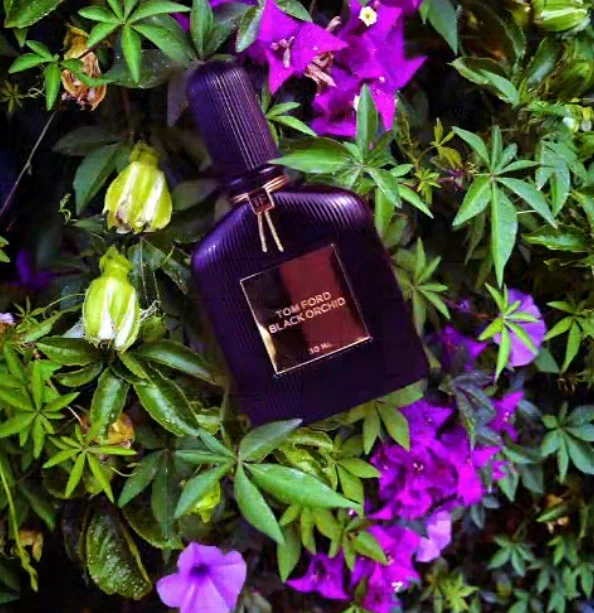
In the expansive world of high-end perfumery, few fragrances command attention quite like the iconic dark orchid scent profile. Originally launched in 2006, it fundamentally shifted the market. It is dramatic, earthy, unabashedly opulent, and inherently polarizing. You either fall in love with its rich, gothic decadence, or you find it entirely overwhelming.
However, for everyday consumers in the USA, the soaring retail prices—often exceeding $200 for a standard 50ml bottle—have fueled an aggressive search for the best long lasting Black Orchid clone. We live in an era where consumers are smarter, more connected, and highly suspicious of arbitrary “brand taxes.” You work hard for your money, and you want to smell incredible without sacrificing a car payment to do so.
As a supply chain director working behind the scenes in the fragrance industry, I watch the internet’s “dupe culture” with a critical eye. TikTok and YouTube are flooded with influencers screaming about “perfect matches” and “cheap alternatives.” But here is the industry secret that many marketers don’t want you to know: true perfumery is not about simply throwing together cheap synthetic vanilla and patchouli and calling it a day.
Creating a complex, bottom-loaded fragrance requires molecular precision, strict aging processes, and the right concentration ratios. If you are tired of weak, alcohol-heavy knockoffs that smell like hand sanitizer after thirty minutes, this comprehensive guide is for you. I am going to take you behind the factory doors to explain exactly how luxury scents are built, why some affordable alternatives fail miserably, and how you can navigate the market to find a fragrance that truly delivers luxury on a budget.
1. The Anatomy of a Masterpiece: Deconstructing the Scent Profile
To understand why most high-street alternatives fail to capture the magic, we must first look at the architectural complexity of this specific dark floral DNA. This is not a light, linear citrus scent that you can easily mimic with basic lemon oils. It is a heavy, bottom-loaded fragrance with dozens of interacting compounds.
At the top, you are hit with an almost savory, earthy blast of Black Truffle and French Jasmine. This opening is notoriously difficult to replicate because natural truffle absolute is incredibly rare and unstable. In the lab, perfumers use trace amounts of sulfurous compounds paired with rich floral bases to trick the brain into smelling “damp, luxurious earth.”
The heart of the fragrance relies on the narcotic sweetness of Ylang-Ylang and a fantasy “Black Orchid” accord. (Fun fact: orchids generally do not yield extractable essential oils for perfumery. The “orchid” smell is a masterful laboratory creation—a fantasy note built from salicylates and floral isolates, as detailed by the Fragrance Foundation).
Finally, the base, which accounts for 60% of the fragrance’s lifespan on your skin, is anchored by dark chocolate, incense, amber, and aged patchouli. If a manufacturer cheapens out on these base fixatives, the perfume will vanish quickly.
Table 1: Scientific Breakdown of the Dark Floral Scent Pyramid
| Scent Phase | Key Olfactory Notes | Chemical & Industry Counterpart | Why It’s Hard to Replicate |
|---|---|---|---|
| Top Notes (0-30 mins) | Black Truffle, Blackcurrant, Bergamot, Ylang-Ylang | Dimethyl Sulfide (trace for earthiness), Linalool, Benzyl Acetate | Truffle notes can easily smell like rotting vegetables if the chemical balance is off by even 0.1%. It requires extreme precision. |
| Heart Notes (30 mins – 4 hours) | Fantasy Orchid accord, Lotus wood, Rich Spices | Salicylates, Hedione (for diffusion), various lactones | Creating a “dark” floral without making it smell like an old potpourri requires high-quality, modern aromachemicals. |
| Base Notes (4 – 12+ hours) | Dark Chocolate, Patchouli, Incense, Vetiver, Vanilla | Vanillin, Ethyl Maltol, Patchouli Essential Oil (fractionated), Ambroxan | Cheap vanillin smells like a candle. Premium formulations use expensive, purified isolates that melt into the skin’s natural oils. |
2. Behind the Factory Doors: The Reality of Reverse-Engineering
When you type “Tom Ford Black Orchid Zara dupe” into a search engine, you are usually looking for a quick fix. But what actually happens in a fragrance laboratory when a brand decides to create an “inspired by” scent? It is a fascinating blend of art and hardcore chemistry.
The Role of GC-MS (Gas Chromatography-Mass Spectrometry)
In modern manufacturing, creating a scent alternative begins with a machine called a Gas Chromatograph-Mass Spectrometer (GC-MS). You can read more about the underlying science of this technology at the American Chemical Society. Essentially, a sample of the target perfume is injected into the machine, which then heats it up and breaks it down, printing out a chart that identifies the exact molecular weight and presence of specific chemical compounds.
However, many consumers and marketing campaigns misunderstand this tool. Reading a GC-MS report is like reading a list of ingredients for a five-star restaurant’s cake. It gives you the flour, the sugar, and the eggs, but it does not tell you the baking temperature, the mixing technique, or the source of the vanilla.
If a lab report identifies Ethyl Maltol (which provides a cotton candy/sweetness) and Patchoulol (the earthy core of patchouli), a budget factory will buy industrial-grade synthetics from the cheapest supplier. A premium laboratory, on the other hand, will source highly purified isolates that comply with the strict safety guidelines set by IFRA (The International Fragrance Association). This distinction is the difference between a fragrance that causes a headache in the humid US summer heat and one that unfolds beautifully and safely on your skin over twelve hours.
3. EDP vs. Parfum: The Concentration Conundrum Explained
One of the most frequent questions we see in USA search trends is: Tom Ford Black Orchid EDP vs Parfum? Which is better? To answer this, we need to talk about what actually constitutes a bottle of perfume. A fragrance is a mixture of aromatic oils (the scent), alcohol (the carrier), and sometimes distilled water.
The concentration of those aromatic oils dictates entirely how the fragrance behaves.
- Eau de Toilette (EDT): Typically contains 5-15% perfume oil. It projects loudly for the first hour because the high alcohol content evaporates quickly, pushing the scent into the air. However, it rarely lasts beyond 3-4 hours. Many cheap high-street dupes fall into this category.
- Eau de Parfum (EDP): Contains 15-20% perfume oil. This is the industry standard for most designer brands. It offers a balanced projection and generally lasts 5-8 hours.
- Extrait de Parfum (Parfum): Contains 20-30%+ perfume oil. Because there is less alcohol, it doesn’t shout across the room immediately. Instead, it creates a dense, luxurious “scent bubble” around you that lasts 10 to 24 hours.
Heavy, dark floral profiles demand higher oil concentrations. If you try to make a dark chocolate and patchouli fragrance as a weak EDT, the base notes will simply evaporate before they have a chance to settle. When you are shopping for a high-quality alternative, always check the concentration level. A true “beast mode” performance almost always requires an EDP or Parfum formulation.
4. The Maceration Secret: Why Time is Money in Perfumery
Have you ever bought an affordable fragrance online, eagerly sprayed it, and been repulsed by a harsh, rubbing-alcohol smell? You might have thought you were scammed, but the real issue is likely a skipped step in the supply chain: Maceration.
Maceration is the process of allowing the perfume oils, alcohol, and water to age and bind together in a temperature-controlled vat. Think of it like aging a fine wine or letting a stew simmer. During this time (which can take anywhere from a few weeks to several months), a chemical process occurs. The harsh edges of the alcohol soften, and the disparate aromatic molecules bond to form a cohesive, smooth scent.
Prestigious niche fragrance houses macerate their juices extensively. However, mass-market brands and ultra-cheap clone houses often bottle the juice immediately after mixing to cut down on warehousing costs and speed up cash flow. They rely on the fragrance macerating while it sits on the store shelf or during transit. A reputable fragrance brand will always enforce a strict maceration protocol before bottling, ensuring the delicate truffle and floral notes are perfectly married before you take your first spray.
5. The Cost Illusion: Demystifying the $200 Perfume Price Tag
To truly understand the modern fragrance market, we must look at empirical supply chain economics. A common question is: how can alternative brands offer similar olfactory experiences for a fraction of the cost? Are they using toxic chemicals? The answer lies not in the liquid, but in the business model.
According to various industry analyses, including insights often discussed in business publications like the Harvard Business Review regarding luxury goods markups, the actual cost of goods sold (COGS) for a luxury perfume is surprisingly low. You are paying for a sprawling ecosystem of prestige.
Table 2: Estimated Traditional Luxury vs. Direct-to-Consumer Cost Structure
| Cost Category | Traditional Luxury Brand ($200+ Bottle) | Direct-to-Consumer Alternative ($40-$60 Bottle) | Supply Chain Insight |
|---|---|---|---|
| Perfume Juice (The Liquid itself) | $4 – $10 | $5 – $12 | The raw materials, even high-quality ones, rarely exceed $15 per bottle unless using massive amounts of natural Oud or pure Iris butter. |
| Packaging (Bottle, Cap, Box) | $10 – $25 | $3 – $8 | Luxury brands use custom glass molds, magnetic metal caps, and velvet-lined boxes. DTC brands use standardized, elegant glass bottles. |
| Marketing & Celebrity Endorsements | $40 – $70 | $5 – $10 | Global ad campaigns, magazine spreads, and celebrity faces cost millions. This is the “Brand Tax.” |
| Retail Markup & Distribution | $80 – $100 | $0 – $5 | Department stores in the US take a massive cut (often 50% or more) just to place the bottle on their glass counters. |
*Note: This is a generalized industry estimation for educational purposes and reflects broader beauty industry pricing strategies.
6. The Ultimate Unbiased Guide: Comparing Top Dark Floral Dupes in the USA
Now that you understand the science and the economics, let’s look at the actual market. If you are searching for the best Tom Ford Black Orchid dupe, you have several distinct tiers to choose from. As a professional in the industry, I believe in looking at the whole market objectively. Every brand has its strengths and its target audience.
1. The High-Street Budget Tier: Zara and Fast Fashion
The Profile: Often searched as “Zara perfume smells like Black Orchid,” fast fashion brands frequently release limited-run fragrances that heavily mimic trending luxury scents.
The Pros: Accessibility and price. You can walk into almost any mall in the USA, spend $20-$30, and walk out with a decent approximation of the top notes.
The Cons: Because these are mass-produced at breakneck speeds, they are usually Eau de Toilettes with minimal maceration. The opening might be a 90% match, but within two hours, the complex chocolate and patchouli base vanishes, leaving a faint, generic sweet musk. They are fantastic for a quick refresh, but they are not “beast mode.”
2. The Middle Eastern “Beast Mode” Tier: Maison Alhambra / Lattafa
The Profile: Brands from the UAE, such as Maison Alhambra (known for ‘Black Origami’) or Just Jack (‘Orchid Noir’), have taken the US market by storm via TikTok.
The Pros: Incredible value for money and nuclear projection. Middle Eastern fragrance houses excel at creating heavy, enduring base notes. If you want a fragrance that lasts 24 hours on your jacket, this is a great tier to explore. You can read more about the history of robust Middle Eastern perfumery on dedicated forums like Basenotes.
The Cons: The opening can often be very synthetic or harsh. Because they focus heavily on projection, the delicate balance of the truffle and orchid can sometimes be overpowered by heavy synthetic woods and ambers in the first hour. It requires patience to let it dry down.
3. The Accessible D2C Mid-Tier: Dossier Spicy Orchid
The Profile: Searching for a “Dossier Spicy Orchid review” is incredibly common. Dossier has done an excellent job mainstreaming the “inspired by” movement in the USA with clean packaging and a transparent return policy.
The Pros: It is widely available, relatively affordable, and offers a very pleasant, wearable interpretation of the original. It removes some of the polarizing “damp earth” elements and amps up the spices.
The Cons: As the name suggests, it leans heavily into cinnamon and spice. Purists often note that it lacks the true dark, gothic depth of the original’s chocolate-patchouli dry down. It is a fantastic fragrance in its own right, but it is an “interpretation” rather than a precision clone. It is generally formulated as an EDP, offering moderate 5-7 hour longevity.
4. The Precision & Concentration Tier: IMIXX No.32 Parfum
The Profile: At IMIXX Perfumes, we cater to a specific segment of the market: consumers who want the molecular precision of the original, combined with Extrait de Parfum concentration for maximum longevity.
The Pros: IMIXX No.32 is formulated strictly as a Parfum. By utilizing high-grade, IFRA-compliant materials and enforcing a strict maceration protocol, the fragrance bypasses the harsh alcohol opening. The focus here is on the dry-down: ensuring the dark chocolate, incense, and patchouli remain rich and velvety for 10-14 hours on the skin. It bridges the gap between Dossier’s accessibility and the original’s luxurious depth.
The Cons: Because it is an Extrait de Parfum and uses higher-grade fixatives, it may be slightly more expensive than a fast-fashion Zara alternative. Furthermore, because Parfums have less alcohol, they do not project as loudly across a room in the first five minutes; instead, they create a dense, long-lasting scent trail (sillage) that stays with you all day.
7. How to Wear a Dark Floral Fragrance in the USA
Purchasing a high-quality fragrance is only half the battle; knowing how to wear it based on your body chemistry and environment is crucial.
- Skin Chemistry Matters: If you have dry skin, fragrances will evaporate much faster. To maximize the longevity of a Tom Ford Black Orchid dupe, apply an unscented body lotion to your pulse points (wrists, neck, inner elbows) before spraying. The oils in the lotion give the fragrance molecules something to bind to.
- Seasonality: Dark florals are traditionally cold-weather scents. In the crisp autumn or freezing winter of New York or Chicago, the heavy patchouli and chocolate notes feel warm and comforting. However, in the high humidity of a Florida summer, these notes can become cloying and suffocating. If you choose to wear it in the summer, stick to a single spray on the back of the neck.
- Layering: To make the scent your own, try layering. If the earthiness is too much for you, layer it with a simple, linear vanilla fragrance to sweeten it. If you want it to lean more masculine, layer it with a dry cedarwood or leather scent.
8. Frequently Asked Questions (FAQ)
To further empower your purchasing decision, I have compiled and answered the most common questions US consumers have regarding dark floral clones and fragrance chemistry.
What is the absolute best dupe for Tom Ford Black Orchid?
There is no single “best” for everyone. If you prioritize budget and don’t mind reapplying, Zara offers great options. If you like a spicier, more mainstream take, Dossier Spicy Orchid is fantastic. If you demand maximum longevity, exact note precision, and a smooth dry-down without the premium price tag, a Parfum-concentration option like IMIXX No.32 is the superior choice.
Is Tom Ford Black Orchid for men or women?
It is emphatically unisex. When it was launched, it was marketed primarily to women. However, the heavy use of earthy truffle, dark woods, and rich patchouli made it an instant, cult-favorite among men. Today, the fragrance DNA is celebrated globally as a genderless masterpiece. Scent has no gender; wear what makes you feel confident.
How long does a good Tom Ford Black Orchid dupe last?
Longevity is entirely dependent on the concentration (EDT vs EDP vs Parfum) and the quality of the base note fixatives used. A cheap fast-fashion dupe may last 2-3 hours. A mid-tier EDP like Dossier might last 5-7 hours. A properly macerated Extrait de Parfum (like the original Parfum release or IMIXX No.32) can easily last 10-14 hours on the skin, and remain on clothing for days.
Why is Tom Ford Black Orchid so expensive?
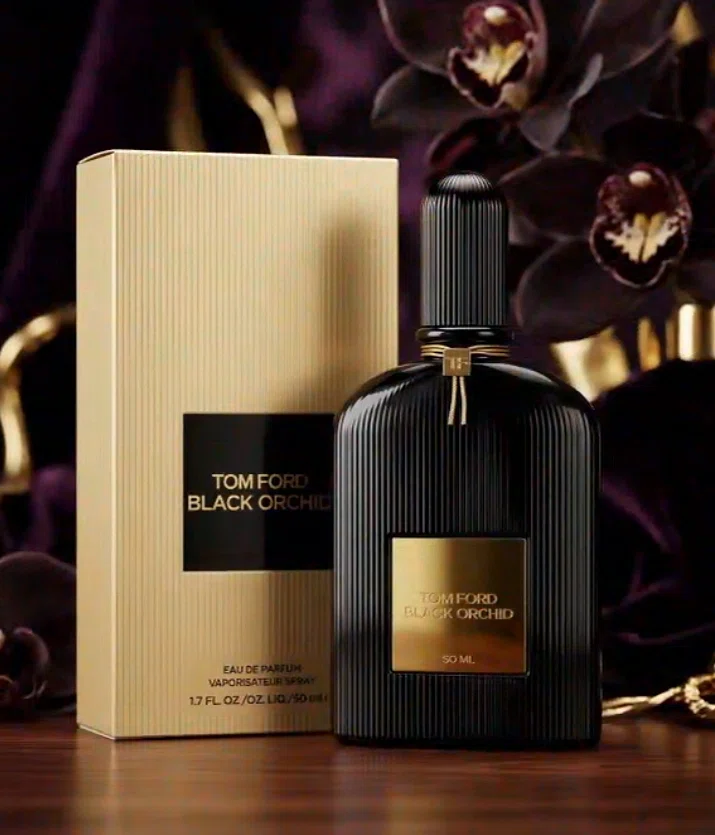
As detailed in our cost breakdown table, you are paying for the prestige of the designer name, the iconic ribbed glass bottle, massive global marketing campaigns, and heavy retail markups in department stores. While the juice inside is undeniably high quality, a significant portion of the $200+ price tag is the “brand tax.”
Do Tom Ford perfume dupes smell exactly the same?
No two batches of perfume—even from the original designer brand—smell exactly the same from year to year due to variations in natural crop yields (like weather affecting the harvest of patchouli or ylang-ylang). However, advanced GC-MS analysis allows premium alternative brands to match the molecular structure up to 95-98%. The average human nose, even an enthusiast’s, will struggle to tell the difference in the air, especially during the dry-down phase.
Is Velvet Orchid similar to Black Orchid?
They share a familial DNA, but they are distinctly different. Velvet Orchid takes the dark, earthy core of Black Orchid and sweetens it significantly with honey, rum, and an abundance of brighter florals. It is generally considered much more approachable, sweeter, and traditionally feminine compared to the dark, gothic earthiness of Black Orchid.
Are cheap perfumes safe to use on my skin?
This is a vital question. The safety of a perfume depends entirely on the manufacturer’s compliance with safety regulations. Reputable clone houses and alternative brands (including IMIXX) adhere strictly to IFRA (International Fragrance Association) guidelines, which regulate the safe usage levels of potential allergens. Always ensure you are buying from a brand that explicitly mentions safety standards or IFRA compliance, rather than unbranded, anonymous sellers on marketplace apps.
9. Conclusion: Smart Luxury for the Modern Consumer
The era of gatekeeping luxury fragrance behind velvet ropes and $200 price tags is rapidly coming to an end. As supply chains become more transparent and consumers across the USA become more educated on the actual science of perfumery—understanding concepts like GC-MS, the importance of maceration, and the vital differences between EDT, EDP, and Parfum concentrations—the justification for exorbitant brand taxes diminishes.
You do not have to compromise on scent quality, complexity, or longevity. The market today is rich with options, from fast-fashion fixes like Zara to spicy interpretations like Dossier, all the way to precision-engineered Parfums.
If you are ready to experience the ultimate dark floral with uncompromising depth, I invite you to explore the wider market with these tools in hand. And if you are looking for a meticulously crafted, lab-tested homage that prioritizes concentration and quality over marketing, discover the depth of IMIXX No.32. Elevate your fragrance wardrobe intelligently, and let your scent do the talking.
Disclaimer: This article is for educational and informational purposes regarding fragrance chemistry and supply chain mechanics. Names, trademarks, and copyrights are properties of their respective manufacturers and/or designers. IMIXX Perfumes has no affiliation with the manufacturers/designers mentioned. Our references to these brands are strictly for comparison purposes to give the consumer an idea of scent character and scent accords.
