
Why Is Cologne So Important in Fashion? How I Use Fragrance to Complete a Personal Style
When I think about personal style, I do not stop at shirts, tailoring, shoes, watches, or grooming. I also think about scent. That is why the question Why Is Cologne So Important deserves a better answer than “because it smells good.” Cologne is an invisible part of presentation: it can support the mood of an outfit, create a consistent grooming ritual, and give someone another way to express taste without adding another visible item.
I also think fragrance advice should be more responsible than the usual promises about attraction, success, or instant confidence. A cologne cannot guarantee that someone will like you, remember you, or see you as more sophisticated. What it can do is help you build a more intentional sensory identity. In this guide, I separate what research can reasonably support from what is personal preference, and I explain the practical method I use when deciding whether a scent actually fits a wardrobe, an occasion, and the person wearing it.
If you are asking Why Is Cologne So Important because you are building a fragrance wardrobe, I would start with versatility rather than hype. I would choose one scent that works in most everyday settings, learn how it behaves on skin and clothing, and only then add more specialized options for evenings, warm weather, cold weather, or formal events. That approach is easier to live with and usually more useful than buying several fragrances simply because they are trending.
My quick answer
I treat cologne as the scent equivalent of a finishing accessory. It should support the clothes, setting, climate, and impression I want to create without overpowering the people around me. The best fragrance choice is not always the strongest or most expensive one; it is the one that feels coherent with the rest of the presentation.
Why I Consider Cologne Part of Fashion, Not Just Grooming
Fashion is partly about visual composition, but personal presentation is multi-sensory. Clothing creates shape, color, texture, and movement. Grooming affects polish. Voice, posture, and behavior affect presence. Fragrance adds a sensory layer that cannot be seen, yet it can become part of the experience people associate with an outfit or occasion.
I find the “accessory” analogy useful because it keeps fragrance in proportion. A watch can sharpen a tailored look, but it cannot rescue a badly fitting suit. In the same way, a cologne can complete a well-considered appearance, but it cannot replace clean clothes, good hygiene, situational awareness, or respectful behavior. That distinction matters because fragrance marketing often asks scent to do far more than a cosmetic product can realistically do.
For me, the strongest style choices have coherence. A crisp citrus-aromatic scent can feel natural with a light shirt, clean sneakers, and a warm afternoon. A dry woody scent can feel at home with textured knitwear, boots, and a cooler evening. A rich amber profile may suit a formal dinner better than a crowded office at 9 a.m. None of those pairings is a rule; they are examples of how I think about harmony between scent and context.
What “matching fragrance to style” actually means
I do not mean that a black suit requires a dark fragrance or that a summer outfit requires citrus. I mean that I look at the same variables I would use when styling clothes: weight, contrast, formality, temperature, and personality. A very dense fragrance can feel like a heavy coat in a small, warm room. A transparent fragrance can feel elegant in the same environment because it leaves more space around the wearer.
| Style variable | What I look at | Fragrance implication | Example use |
|---|---|---|---|
| Formality | Dress code, venue, distance from others | Cleaner or more restrained profiles often feel easier in formal shared spaces | Office, wedding, dinner |
| Temperature | Heat, humidity, indoor climate control | Fresh and airy structures can be easier in heat; richer structures can feel comfortable in cool air | Summer commute vs. winter evening |
| Texture | Linen, denim, wool, leather, tailoring | I use scent families to echo or contrast the tactile mood | Woody with knitwear; citrus with linen |
| Personality | Quiet, expressive, classic, experimental | Projection and complexity should feel comfortable to the wearer | Minimal skin scent vs. statement fragrance |
What Research Really Says About Scent, Memory, and Emotion
I want to be careful here because fragrance articles frequently turn a real scientific topic into a marketing slogan. Odor and memory are genuinely connected, but the evidence does not justify saying that a pleasant cologne automatically makes a person unforgettable or attractive. A recent systematic review and meta-analysis of odor-evoked autobiographical memory found that olfactory cues showed advantages over other cue types for some qualities, including emotional intensity, pleasantness, evocativeness, and the age of recalled memories. The same analysis did not find a universal advantage for every memory characteristic, including vividness and specificity.
That is a more useful conclusion than “smell controls memory.” It suggests that scent can be an especially evocative cue under some conditions, while individual responses and study methods still matter. I therefore use fragrance as a way to create personal associations rather than as a tool to manipulate other people. If I wear the same scent during a particular season, trip, job, or period of life, it may become linked with those experiences for me. That is a meaningful role for fragrance even without making exaggerated social claims.
For readers who want to inspect the research instead of taking my summary on faith, the 2026 systematic review is available through the U.S. National Library of Medicine’s PubMed Central archive: systematic review and meta-analysis of odor-evoked autobiographical memory.
Knowledge point: memory is not the same as persuasion
A scent can become associated with an experience, but that does not mean it makes every wearer more attractive, competent, successful, or likable. I avoid treating psychological research as a promise about social outcomes.
How I Think Cologne Affects First Impressions
First impressions are complex. Clothing, grooming, eye contact, body language, speech, context, and prior expectations all matter. Fragrance can be one part of that total picture, but I do not rank it above everything else. In fact, an overly strong scent can work against an otherwise polished appearance, especially in offices, airplanes, restaurants, classrooms, medical environments, or any space where people cannot easily move away.
My rule is simple: I want a fragrance to be discovered, not announced. If someone has to cross a room before meeting me, I do not need my cologne to arrive first. That usually means starting with fewer sprays, observing how the scent develops, and adjusting only after I know its strength. Projection varies by formula, skin, climate, application location, and even how recently the bottle was sprayed, so a fixed “number of sprays” is less useful than attention to context.
I also separate “memorable” from “positive.” A very loud fragrance can be memorable for the wrong reason. For style purposes, restraint is often more sophisticated because it communicates that I understand the setting. This is particularly important in professional environments where fragrance sensitivity is a real consideration.
My first-impression checklist
- Is the setting enclosed? I reduce application in small rooms, cars, and crowded venues.
- Will I be close to people? Interviews, meetings, dates, and dinners call for more restraint than an outdoor event.
- Is the scent appropriate for the climate? Heat can make some fragrances feel more forceful.
- Does it fit my clothes? I look for harmony in mood, not a literal one-to-one match.
- Am I wearing it for myself or for a reaction? I prefer the first motivation because other people’s responses are unpredictable.
Does Cologne Increase Confidence? I Treat It as a Ritual, Not a Guarantee
I understand why people say fragrance boosts confidence. Getting dressed with intention can change how prepared a person feels, and fragrance can be part of that preparation. I experience the concept in the same way I think about wearing a favorite jacket or shoes: the object can support a mindset because I associate it with being ready, polished, or comfortable. But I would not claim that a perfume ingredient directly creates confidence in everyone.
For that reason, I describe fragrance as a confidence ritual rather than “liquid confidence.” The ritual may be useful because it marks a transition: getting ready for work, going out to dinner, attending an event, or simply starting the day. Repetition can make the scent feel familiar and personal. If that helps me feel more put together, the benefit is real at the level of routine, even if it is not a universal psychological effect.
I also think the best confidence comes from wearing a scent I genuinely enjoy at an intensity I am comfortable with. If I am constantly wondering whether everyone can smell me, the fragrance is no longer supporting confidence; it is creating self-consciousness.
Fragrance and Attraction: What I Will and Will Not Claim
Fragrance is often marketed with language about seduction, chemistry, pheromones, and irresistible attraction. I do not think that language is helpful when choosing a cologne. Attraction is highly personal and depends on far more than a scent profile. A fragrance someone loves can be unpleasant to somebody else, and even a popular perfume can be a poor fit for a particular relationship, environment, or memory.
What I can reasonably say is that scent contributes to the sensory experience of being close to another person. On a date, for example, a clean and well-controlled fragrance can become part of the overall impression, just as grooming and clothing do. The right target is not “make everyone attracted to me.” The right target is “wear something I enjoy, that suits the situation, and that does not overwhelm my company.”
Key point
I choose fragrance for compatibility, not conquest. Personal taste, skin chemistry, dosage, and context are more useful decision factors than claims about guaranteed attraction.
How I Choose a Cologne That Actually Complements an Outfit
I use a repeatable decision process because it prevents impulse buying. I do not need a fragrance to match a garment note-for-note; I need it to make sense with the total look and the environment. Here is the framework I use.
1. I start with the occasion
I ask where I will wear the scent most often. A daily office fragrance needs to be easy to control and pleasant at close range. A weekend scent can be more casual or playful. An evening fragrance can be richer because the environment may be cooler and the dress code more expressive. A formal event often rewards polish and restraint.
2. I account for temperature and humidity
Climate changes the way I experience fragrance. In hot weather, dense sweet, resinous, or very powerful compositions can feel heavier, while citrus, aromatic, green, aquatic, tea-like, and lighter woody profiles often feel easier. In colder weather, amber, spice, woods, tobacco-like accords, leather-style accords, and sweeter notes can feel more comfortable. These are tendencies, not laws, and individual formulas can behave differently.
3. I decide how much projection I actually want
Projection is not the same as quality. A fragrance can be beautifully constructed and still sit close to the skin. I ask whether I want a quiet personal scent, a moderate social aura, or a more noticeable evening presence. For most fashion situations, moderate projection is the easiest to style because it is present without becoming the entire room’s experience.
4. I evaluate the drydown, not just the opening
The first minute of a fragrance can be exciting because volatile top notes are prominent. But most of my wearing time happens after that opening fades. I therefore care about the 30-minute, two-hour, and later stages. If I like only the first burst but dislike the drydown, the fragrance is not a good wardrobe piece for me.
5. I compare it with what I already own
I do not need five bottles that all solve the same problem. I prefer a compact fragrance wardrobe with distinct roles: a versatile daily option, a warm-weather option, a cooler-weather option, and perhaps one more expressive evening scent. That approach gives me more styling range with fewer purchases.
6. I test on skin before making performance claims
Paper strips are useful for comparing openings, but skin testing matters because temperature, application amount, and personal perception affect the experience. I also avoid treating one person’s wear time as a universal number. “Eight hours” on one wearer does not guarantee eight hours on another.
7. I consider the people who share the space
A fragrance choice is personal, but the air is shared. If I know I will be around someone with fragrance sensitivity, I reduce or skip fragrance. That is not anti-fashion; it is good social judgment.
My Practical Fragrance Wardrobe: Four Roles Instead of Twenty Bottles
I think fragrance becomes much easier when I organize it by function rather than by hype. The table below shows the four roles I would fill first. The examples are scent families and note directions, not guarantees that every fragrance in that family will behave the same way.
| Wardrobe role | Scent directions I consider | Best use | Style pairing idea | Application mindset |
|---|---|---|---|---|
| Everyday versatile | Citrus, aromatic herbs, clean woods, musk | Work, errands, casual meals | Oxford shirt, denim, simple tailoring | Keep projection moderate |
| Warm-weather fresh | Bergamot, lemon, neroli-style, green notes, aquatic facets | Daytime, travel, outdoor plans | Linen, polos, light sneakers | Reassess in heat before adding sprays |
| Cool-weather textured | Cedar, sandalwood-style, spice, amber, vanilla | Fall and winter, dinner, evening | Knitwear, wool, boots, jackets | Let warmth build naturally |
| Statement evening | Resins, dark woods, leather-style, gourmand or smoky facets | Dinner, nightlife, special occasions | Monochrome looks, formalwear, dramatic outerwear | Use restraint indoors |
Product Comparison Cards: The Three Scent Directions I Would Compare First
Fresh & Versatile
Best for: daily wear, work, warm weather, minimalist wardrobes.
I look for: citrus, aromatic, green, clean woody, tea-like or soft musky structures.
Why I like the role: it is usually the easiest category to wear repeatedly without feeling overdressed.
Woody & Polished
Best for: smart casual outfits, dinner, transitional seasons, understated evening wear.
I look for: cedar, sandalwood-style accords, vetiver, dry spice and restrained amber.
Why I like the role: woods often bridge casual and formal clothing without demanding a dramatic outfit.
Warm & Expressive
Best for: cool evenings, date nights, events and more dramatic wardrobes.
I look for: amber, vanilla, resinous notes, spice, darker woods and gourmand accents.
Why I like the role: it adds contrast and depth when lighter everyday fragrances feel too quiet.
Cologne, Eau de Toilette, and Eau de Parfum: Why the Label Is Only a Starting Point
I do not choose a fragrance by concentration label alone. Terms such as cologne, eau de toilette, and eau de parfum can suggest different concentration ranges in common industry usage, but the real wearing experience also depends on the formula, materials, volatility, dosage, and the wearer. A higher concentration does not automatically mean “better,” louder, or longer-lasting in every case.
For fashion purposes, I care more about behavior than category. Does the fragrance stay close or project? Does it remain balanced after an hour? Does it become sweeter as it dries? Does it feel comfortable at close range? Those questions tell me more about how I can style it than a concentration label by itself.
Knowledge point: longevity is not the same as quality
A fragrance that lasts twelve hours is not automatically superior to one that lasts five. I judge performance against the intended use. For a short dinner, moderate longevity may be ideal. For travel or an all-day event, I may value more persistence.
How I Evaluate Inspired-by Fragrances Without Making Unverifiable Similarity Claims
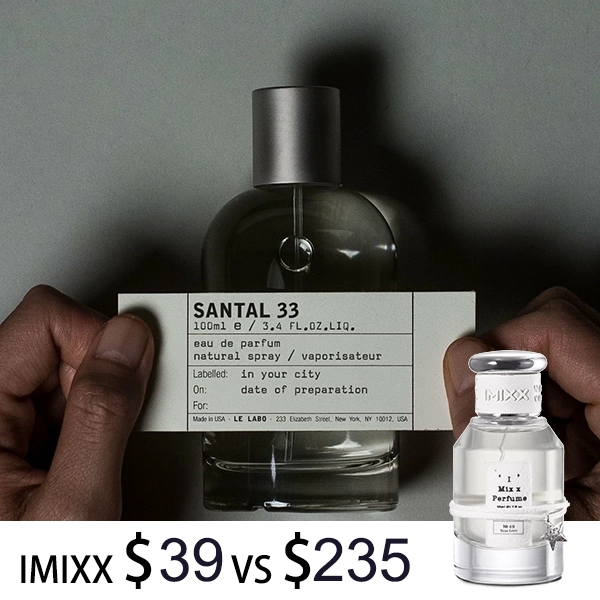
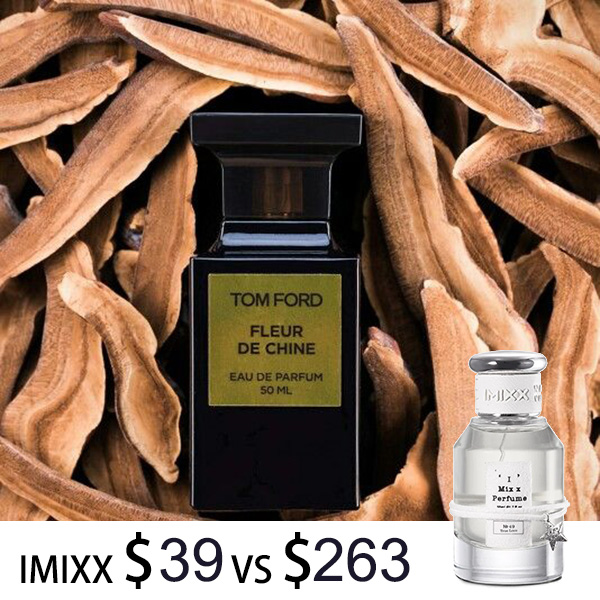
Affordable fragrances inspired by recognizable scent profiles are popular because they let shoppers explore styles at lower price points. That can be useful, but I think this category deserves especially clear language. I do not assume that “inspired by” means chemically identical, and I do not treat an exact similarity percentage as meaningful unless the seller publishes a transparent testing method, sample design, comparison criteria, and independent verification.
When I compare an Imixx perfume with the scent direction that inspired it, I would focus on practical questions: Is the opening recognizable? Does the central accord move in a similar direction? Is the drydown balanced? How does the projection compare? How long does it remain perceptible on my skin? Is the price reasonable for the experience? Is there clear ingredient, usage, shipping, and return information? Those questions are more useful than a dramatic number without methodology.
I also make room for difference. Two fragrances can share a recognizable style while using different materials, proportions, textures, or transitions. Some shoppers want very close resemblance; others simply want a similar mood. The article should tell readers which kind of comparison is being made instead of treating all resemblance as identical.
My comparison framework
| Criterion | What I compare | What I do not assume |
|---|---|---|
| Opening | Immediate aromatic direction and balance | That a similar first minute means the whole wear will be similar |
| Heart | Dominant accord after the volatile top notes settle | That listed notes reveal the exact formula |
| Drydown | Texture, sweetness, woods, musks, resins and persistence | That every wearer will get the same result |
| Performance | Wear time and projection in a specific test context | That one test becomes a universal performance guarantee |
| Value | Price, size, wearability and purchase terms | That lower price automatically means better value |
How I Build Trust Into Fragrance Recommendations
A useful fragrance article should make it easy for a reader to distinguish observation, preference, research, and marketing. I would rather say “I prefer this style for an office because it is easier to control” than pretend there is a scientific rule that professionals must wear a certain note. I would rather say “this scent direction may remind some people of a familiar luxury profile” than publish an exact similarity percentage without a published method.
I also think commercial context should be visible. Imixx perfume sells fragrances, so product recommendations on an Imixx perfume page have a commercial purpose. That does not make the information automatically unreliable, but it does mean I should be transparent about what is editorial guidance and what is a product invitation. The practical sections in this guide are designed to stand on their own even if the reader does not buy anything.
For the same reason, I use outside sources where outside expertise matters. Fragrance safety is not something I want to improvise. The U.S. Food and Drug Administration explains that perfumes and colognes sold as cosmetics are subject to cosmetic safety and labeling requirements, and it notes that some people can be allergic or sensitive to fragrance ingredients. Readers can review the FDA’s consumer information on fragrances in cosmetics.
I also look to industry safety standards rather than marketing slogans. The International Fragrance Association describes the IFRA Standards as a risk-management system that can prohibit, restrict, or specify conditions for certain fragrance materials based on safety considerations. IFRA also makes clear that conformity with its standards does not replace a safety assessment and that companies remain responsible for safe products. The standards can be reviewed on the official IFRA Standards page.
Fragrance Safety and Etiquette: The Part of Style I Never Skip
Style is not just self-expression; it is also awareness of other people. Fragrance can cause discomfort for people with sensitivities, and some individuals may react to particular ingredients. I therefore think “how much should I wear?” is partly a social question, not just a performance question.
I follow label directions, avoid spraying near the eyes or irritated skin, and stop using a product if it causes a reaction. I also avoid assuming that “natural” automatically means safer; natural fragrance materials can still contain components that cause irritation or sensitivity in some people. When someone has a known allergy or medical concern, product-specific guidance from a qualified healthcare professional is more appropriate than a fashion article.
In shared environments, I apply less. If the event is close-contact, I give the fragrance time to settle before arriving. I do not overspray clothing to create a cloud that lasts all day. If I need more fragrance later, a small reapplication is usually easier to control than starting too strong.
Places where I use extra restraint
I am especially conservative in offices with close seating, interviews, hospitals and clinics, classrooms, airplanes, rideshares, theaters, tasting menus, wine events, and any situation where scent is not the main experience. At a fragrance-focused event or outdoor nightlife setting, I may allow more presence, but I still pay attention to distance and ventilation.
How I Test a New Cologne Before I Call It a “Signature Scent”
I do not decide based on a single sniff from a bottle cap. My preferred process is slower because it reveals whether I actually enjoy living with the fragrance.
Step 1: I smell it on paper for structure
A paper strip lets me compare several options without putting all of them on my skin. I note the opening direction and whether anything feels immediately unpleasant. I do not make a final judgment here.
Step 2: I wear one or two finalists on skin
I apply a controlled amount to separate areas and avoid adding other scented products. I notice how the scent changes after roughly half an hour, a few hours, and later in the day. I also pay attention to whether I keep wanting to smell it or whether I get tired of it.
Step 3: I test it in the environment where I will actually wear it
A fragrance that feels perfect in an air-conditioned store may behave differently during a hot commute. I try to evaluate it in realistic conditions. If I want it for work, I wear it on a normal workday. If I want it for evening events, I test it at night and with the kind of clothing I expect to wear.
Step 4: I ask for specific feedback, not a popularity vote
If I ask someone else, I prefer questions such as “Can you smell this from normal conversation distance?” or “Does this feel too strong for dinner?” Those questions are more actionable than “Do you like it?” Personal taste is subjective, so a simple yes or no can push me away from a scent I genuinely enjoy.
Step 5: I decide whether it adds a new role
Before buying, I ask whether the fragrance solves a real wardrobe need. If I already own two fresh citrus-woody scents I wear constantly, a third may not add much. I would rather add a different role than collect small variations that compete for the same days.
Common Cologne Mistakes I Try to Avoid
Buying for compliments
Compliments are unpredictable. They depend on who I meet, how close they are, whether they like fragrance, and whether they feel comfortable commenting. I choose for personal enjoyment and situational fit first.
Assuming more sprays mean better performance
More product can increase intensity, but it can also flatten nuance and make a scent unpleasant at close range. I would rather start low and adjust after I understand the formula.
Judging only the opening
The opening is designed to make an impression, but the drydown is what I live with. I give the fragrance enough time before deciding.
Using season labels as hard rules
I use “summer,” “winter,” “day,” and “night” as shortcuts, not laws. A warm amber fragrance can work in summer if applied lightly and worn in the right setting; a citrus scent can be beautiful in winter. Context matters more than the label.
Confusing price with sophistication
Price can reflect materials, brand positioning, packaging, distribution, retail margins, and many other factors. It does not tell me whether I will enjoy wearing the fragrance. I judge the scent, performance, presentation, purchase terms, and how often I realistically expect to wear it.
Treating note lists as formulas
Marketing note pyramids are useful descriptions, but they are not ingredient lists or exact recipes. I use them to understand the intended profile, then I rely on actual wear to decide whether the scent works for me.
Why Fragrance Can Be the Most Efficient Upgrade to a Simple Wardrobe
I like simple clothing because it gives accessories room to work. A white shirt, dark trousers, clean shoes, and a restrained fragrance can feel more considered than an outfit with too many competing details. In that sense, fragrance is efficient: it adds character without changing the visual silhouette.
It is also repeatable. I may not wear the same jacket every day, but I can wear the same signature scent across several outfits. That repetition can create continuity in my personal style. The scent becomes a thread connecting different looks rather than a separate statement every time.
This is why I would prioritize one versatile bottle before building a large collection. A well-chosen everyday scent teaches me what projection level I enjoy, which note families I return to, how my skin affects performance, and when I prefer to skip fragrance entirely. That experience makes later purchases more informed.
When an Imixx Perfume Makes Sense in a Fragrance Wardrobe
I see an Imixx perfume as one possible way to explore a familiar fragrance direction at a different price point. The value depends on what the shopper wants. If the goal is to experience a recognizable style without paying luxury-brand pricing, an inspired-by fragrance may be worth considering. If the goal is collecting a specific original bottle, packaging, brand history, or exact formulation, then an inspired-by product serves a different purpose.
I would compare products on more than resemblance. I would check size, price per milliliter, stated concentration, ingredient and safety information, return terms, shipping terms, and how the scent performs during my own wear. I would also separate my personal preference from objective facts. “I like this drydown” is a preference. “This bottle contains X milliliters” is a fact. Good reviews should make that distinction clear.
My buying rule
I do not buy because a fragrance is described as a “must-have.” I buy when I can explain the role it will play, when I like the full drydown, and when the price and purchase terms make sense to me.
FAQ: Cologne, Fashion, Performance, and Personal Style
Why is cologne important in fashion?
I see cologne as an invisible finishing accessory. It can support the mood, formality, and personality of an outfit, but it works best when it complements good grooming and appropriate clothing rather than trying to replace them.
Can cologne really make someone more attractive?
I would not promise that. Attraction is subjective and depends on many personal and social factors. A fragrance can contribute to the sensory experience of being near someone, but no scent can guarantee attraction or a particular reaction.
Does scent improve memory?
Research suggests odor cues can be especially evocative for some aspects of autobiographical memory, but the effect is not universal across every memory measure. I therefore describe scent as a potentially powerful memory cue, not as a guaranteed way to make people remember the wearer.
How many sprays of cologne should I use?
I do not use one fixed number for every fragrance. I start conservatively, consider the formula’s strength, the temperature, ventilation, and how close I will be to other people, then adjust after I understand the scent’s projection.
What type of cologne is best for an office?
I prefer fragrances that are easy to control at close range: clean citrus, aromatic, light woody, tea-like, or soft musky profiles are common starting points. The specific formula matters more than the family name, and I wear less in enclosed offices.
Should I match cologne to the season?
I use seasons as a practical guide, not a strict rule. Lighter profiles often feel easier in heat and richer profiles can feel comfortable in cool weather, but application level, venue, humidity, and personal taste matter just as much.
Are inspired-by fragrances identical to the fragrances that inspired them?
I would not assume they are identical. Similar scent direction does not prove identical formula, materials, concentration, performance, or drydown. I prefer to compare the opening, heart, drydown, projection, longevity, value, and purchase terms separately.
How do I choose a signature scent?
I test a fragrance on skin over multiple wears, including in the climate and setting where I plan to use it. A signature scent should be something I enjoy repeatedly, can apply appropriately, and can wear across enough of my real life to become familiar.
Final Take: I Use Cologne to Add Coherence, Not to Chase Hype
For me, the best answer to the importance of cologne is not that fragrance has supernatural power over memory, attraction, or status. Its real value is more practical and more personal. Cologne gives me another way to shape the mood of an outfit, create a grooming ritual, mark an occasion, and build continuity across different looks.
I get the most from fragrance when I choose it with the same care I use for clothes: I think about fit, setting, season, comfort, restraint, and authenticity. I test the full wear instead of judging a first spray. I distinguish evidence from marketing. I do not promise that a fragrance will make someone irresistible, and I do not use an exact similarity percentage unless there is a transparent method behind it.
If I were building a fragrance wardrobe from zero, I would begin with one versatile scent, wear it enough to understand my preferences, then add a warm-weather, cool-weather, or evening option only when I can explain the role it fills. That slower approach creates a collection that feels personal instead of random—and that, to me, is what makes fragrance genuinely relevant to fashion.