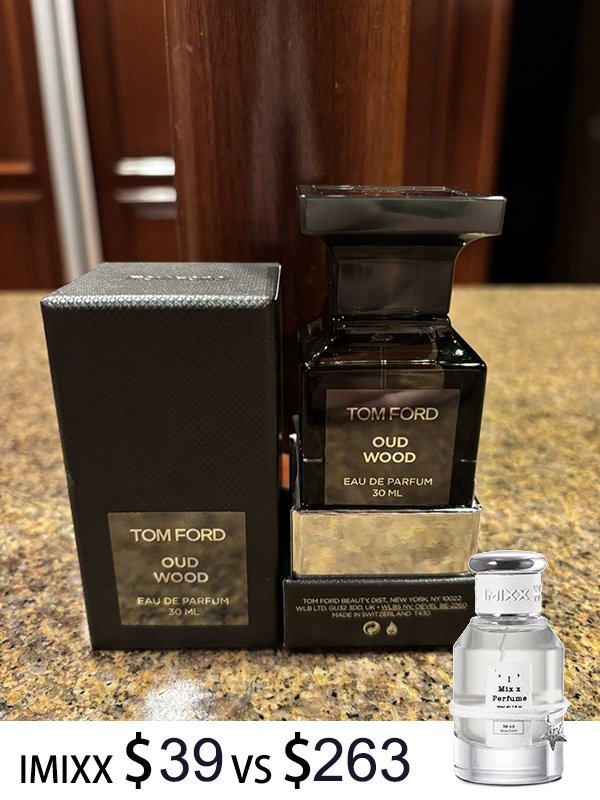
10 Surprising Facts About tom ford oud wood You Didn’t Know
I have tested, studied, and compared woody fragrances for years, yet few compositions generate as much curiosity as tom ford oud wood. It is often described as dark, luxurious, and mysterious, but those familiar labels do not fully explain why the fragrance has remained so recognizable in the modern perfume market.
In this guide, I will take a closer look at tom ford oud wood from the perspective of an experienced fragrance wearer. I will explain its scent structure, the role of oud, how it behaves on skin, why it feels more approachable than many traditional oud fragrances, and what buyers should understand before making a purchase.
This article is based on hands-on fragrance evaluation, ingredient research, comparison testing, and publicly available information from recognized beauty, regulatory, and cultural sources. Fragrance performance is inherently personal, so I also separate verifiable product information from my own sensory impressions.
Key Points at a Glance
- It is a woody-spicy fragrance rather than an aggressively animalic oud perfume.
- Cardamom plays a major role in its polished opening.
- Sandalwood and amber help create its smooth, wearable character.
- It was designed to be worn by anyone, regardless of gender.
- Its apparent simplicity comes from careful balance, not a lack of complexity.
- Skin chemistry, climate, application method, and clothing can significantly affect performance.
My Quick Assessment of the Fragrance
| Category | My Assessment | What It Means for You |
|---|---|---|
| Fragrance family | Woody, spicy, ambery | Expect dry woods and warm spice rather than a sweet dessert-like scent. |
| Opening impression | Cardamom, peppery warmth, polished wood | The first stage feels refined and noticeable without becoming loud. |
| Dry-down | Creamy sandalwood, amber, vetiver, soft sweetness | The fragrance becomes smoother and more intimate over time. |
| Projection | Moderate in most conditions | It creates a controlled scent bubble rather than filling an entire room. |
| Best settings | Work, dates, dinners, formal events | Its restrained profile makes it easier to wear in shared spaces. |
| Best seasons | Fall, winter, and cool spring weather | Cool air helps preserve the fragrance’s woody depth and spicy detail. |
| Overall character | Confident, composed, understated | It suits people who prefer quiet sophistication over obvious sweetness. |
Fact 1: It Is Not the Harsh, Animalic Oud Many People Expect
One of the biggest misconceptions I hear is that every oud fragrance must smell intensely smoky, medicinal, leathery, or animalic. Natural agarwood can display those qualities, but an oud-themed perfume does not have to reproduce every challenging characteristic of raw agarwood oil.
When I smell this composition, I do not experience an overwhelming barnyard or medicinal effect. Instead, I notice a smooth woody framework shaped by spice, sandalwood, vetiver, amber, and subtle sweetness. The oud character adds darkness and depth, but it does not dominate the fragrance with an aggressively traditional profile.
This distinction matters for first-time oud buyers. Someone who has smelled a concentrated Middle Eastern oud oil may approach the fragrance expecting something extremely powerful. In practice, the perfume is much more polished and accessible. It introduces the idea of oud through a modern luxury lens rather than attempting to recreate the full intensity of burning agarwood or pure oud oil.
“Oud fragrance” is a broad category. Some compositions are smoky and animalic, while others use an oud accord primarily to create depth, dryness, shadow, or a dark woody effect.
Fact 2: Cardamom Is One of the Fragrance’s Most Important Features
Although oud receives the attention in the name, cardamom is one of the first elements I notice when testing the fragrance. It gives the opening a cool, aromatic, slightly green spiciness that immediately makes the darker woods feel cleaner and more tailored.
Without that spicy lift, the composition could have become dense or heavy. Cardamom creates contrast. It brightens the first impression while still fitting naturally into the warm wooden structure. I find that this tension between cool spice and dark wood is a major reason the fragrance feels sophisticated rather than blunt.
The official product description highlights oud notes, exotic woods, warm amber, spices, and cardamom. Readers who want to review the brand’s current presentation can consult the official Tom Ford Beauty product page.
On my skin, cardamom is clearest during the opening stage, but its influence remains present as the fragrance dries down. It acts like a thread connecting the brighter introduction to the creamier woody base.
Why Cardamom Changes the Wearing Experience
Cardamom is not merely decorative here. It performs several practical functions within the scent:
- It adds freshness without turning the perfume citrusy.
- It softens the transition into darker woods.
- It creates an elegant, aromatic quality suitable for professional settings.
- It helps the composition feel lighter than its name might suggest.
- It gives the opening a recognizable signature.
Fact 3: The Famous “Oud” Effect May Be an Accord Rather Than a Simple Ingredient
Consumers often assume that seeing “oud” in a fragrance name means the bottle contains a large amount of natural agarwood oil. In modern perfumery, however, a named note does not always correspond to one isolated raw material. Perfumers regularly construct accords by combining multiple materials to create a specific sensory impression.
A natural material can be rare, expensive, variable, difficult to source, or challenging to formulate consistently. An oud accord allows a perfumer to emphasize selected facets—such as dry wood, smoke, leather, warmth, resin, or shadow—while maintaining stability and consistency across production batches.
I cannot verify the exact confidential formula inside a commercial fragrance, and ingredient formulas are generally proprietary. Under U.S. cosmetic-labeling rules, fragrance ingredients may also be declared collectively as “fragrance” rather than individually. The U.S. Food and Drug Administration’s fragrance guidance explains this labeling framework.
For buyers, the important lesson is simple: fragrance notes describe how a composition is intended to smell. They should not automatically be read as a complete ingredient list or as proof of a particular concentration of natural oud oil.
A perfume note is an olfactory description. An ingredient is a physical material used in the formula. One note may be created from several ingredients, and one ingredient may contribute to several perceived notes.
Fact 4: It Helped Make Oud More Approachable to Western Luxury Shoppers
Oud has a long history in Middle Eastern, South Asian, Southeast Asian, and East Asian cultural traditions. Its use in incense, personal scenting, ceremonies, hospitality, and trade existed long before oud became fashionable in Western designer perfumery.
The wider cultural history of agarwood is worth understanding because it prevents the mistaken idea that oud is a recent invention. A useful overview of its origins and cultural role is available through AramcoWorld’s examination of the fragrant world of oud.
What this modern composition did particularly well was translate the idea of oud into a smoother format for shoppers accustomed to polished designer fragrances. Rather than presenting oud as a raw, ceremonial, or challenging material, it combined the dark-wood impression with familiar luxury cues such as cardamom, sandalwood, amber, vetiver, and soft vanilla-like warmth.
From my experience recommending woody fragrances, this accessibility is central to its popularity. It gives curious buyers a recognizable oud identity without demanding that they immediately appreciate the most intense expressions of natural agarwood.
Approachable Does Not Mean Boring
Some fragrance enthusiasts equate power with quality. I do not. A composition can be quiet and still contain meaningful contrast, progression, and texture. Here, the intrigue comes from balance: cool spice against warm wood, dryness against creaminess, and darkness against subtle sweetness.
The perfume does not need to overwhelm the wearer to communicate luxury. Its controlled presentation is part of the design.
Fact 5: It Is More Versatile Than Its Dark Name Suggests
The words “oud” and “wood” can make the fragrance sound like a heavy winter scent reserved for formal evenings. I also prefer it in cooler weather, but I have found it more adaptable than the name suggests.
Its moderate projection and smooth structure make it practical for offices, dinner dates, business events, galleries, hotels, and other settings where a loud perfume could become distracting. I would simply adjust the number of sprays according to the environment.
For an office, I usually recommend a conservative application. For an outdoor evening or a well-ventilated event, a slightly fuller application may be appropriate. In warm weather, one or two carefully placed sprays may work better than applying it heavily to the neck and chest.
My Suggested Application by Setting
| Setting | Suggested Approach | Reason |
|---|---|---|
| Office or meeting | 1–3 sprays | Maintains a personal scent bubble without distracting coworkers. |
| Dinner date | 2–4 sprays | Allows the woody dry-down to remain noticeable at conversational distance. |
| Formal evening | 3–5 sprays | Adds presence while preserving the fragrance’s refined personality. |
| Hot weather | 1–2 sprays | Heat can amplify sweetness and projection. |
| Cool outdoor event | 3–5 sprays | Cold air generally reduces diffusion and can support a fuller application. |
These numbers are starting points, not universal rules. Spray strength, skin moisture, temperature, humidity, clothing, and personal sensitivity can all change the result.
Fact 6: It Was Built as a Gender-Inclusive Scent
Woody fragrances have historically been marketed heavily toward men in the United States, but scent materials themselves do not have a biological gender. Cardamom, sandalwood, vetiver, amber, vanilla, and oud can be worn by anyone.
I find the fragrance especially successful as a gender-inclusive composition because it avoids several common extremes. It is not dominated by sugary sweetness, sharp citrus, powdery florals, or aggressively smoky leather. Instead, it occupies a balanced space between dry, creamy, spicy, and warm.
On some wearers, the cardamom and vetiver may feel crisp and tailored. On others, sandalwood, amber, and soft sweetness may become more prominent. Neither result is more correct. Skin temperature, application location, and individual scent perception can shift the balance.
Fragrance marketing categories can be useful shopping shortcuts, but they should not prevent anyone from wearing a scent they genuinely enjoy.
Fact 7: The Dry-Down Is Softer Than the Opening
Many first impressions focus on the spicy opening, but I believe the dry-down is where the fragrance reveals its most wearable character. As the opening settles, the sharper spice becomes quieter and a smoother combination of sandalwood, amber, vetiver, tonka-like warmth, and restrained sweetness moves forward.
This development explains why testing only on paper for a few minutes can be misleading. A blotter can show the broad structure, but it cannot fully reproduce the way body heat and skin oils affect diffusion. When possible, I recommend wearing the fragrance for several hours before deciding whether it suits you.
How I Evaluate the Scent Over Time
First 15 minutes: I notice aromatic cardamom, dry peppery spice, and polished dark woods.
15 to 90 minutes: The woods become fuller, while sandalwood starts to smooth the composition. The fragrance feels less sharp and more rounded.
Two to five hours: Amber, vetiver, soft sweetness, and creamy woods become more noticeable. Projection often moves closer to the body.
Late dry-down: I usually detect a quiet woody-amber trace with a clean, slightly sweet warmth.
The exact timeline varies. A person with warm skin may move through the stages more quickly, while fabric may preserve the woody base much longer.
Fact 8: Longevity Reports Differ for Legitimate Reasons
Fragrance discussions often produce conflicting performance claims. One person may report several hours of wear, while another believes the scent disappears quickly. I do not automatically assume that either person is wrong.
Performance varies because fragrance is affected by numerous conditions:
- Dry skin may hold fragrance differently from moisturized skin.
- Heat can increase projection but accelerate evaporation.
- Cold air can reduce projection while preserving the scent closer to the skin.
- Fabric often retains base notes longer than bare skin.
- Nose fatigue may cause the wearer to stop noticing a scent that others can still detect.
- Application volume and spray placement change the size of the scent cloud.
- Storage conditions can influence a bottle over time.
In my testing, I treat longevity, projection, and sillage as separate measurements. Longevity is how long I can detect the fragrance. Projection is how far it radiates at a particular moment. Sillage is the trail it leaves as the wearer moves.
A fragrance can last for hours while projecting softly. That does not mean it has disappeared. It may simply have become a close-wearing skin scent.
How I Test Performance More Reliably
I use the same number of sprays on clean skin, avoid testing multiple strong perfumes simultaneously, and check the scent at planned intervals rather than smelling it every few minutes. Constantly sniffing the application area increases the chance of olfactory fatigue.
I also ask another person whether they can detect the fragrance before concluding that it has vanished. This simple step often reveals that the perfume is still present even though my brain has begun filtering it out.
Fact 9: Proper Storage Matters More Than Many Owners Realize
A luxury fragrance is not improved by displaying it in direct sunlight or storing it in a hot bathroom. Light, heat, oxygen exposure, and repeated temperature changes can gradually affect perfume materials.
I store my bottles upright in a cool, dry, dark location. A bedroom cabinet, drawer, or closed closet is generally more suitable than a sunny windowsill. I also keep the cap secured when the bottle is not being used.
Bathrooms can be problematic because showers cause repeated shifts in heat and humidity. A bottle may look attractive on a bathroom shelf, but the environment is not ideal for long-term preservation.
My Storage Checklist
- Keep the bottle away from direct sunlight.
- Avoid leaving it inside a hot vehicle.
- Store it upright to reduce unnecessary contact with the atomizer seal.
- Choose a location with relatively stable temperature.
- Do not repeatedly remove the sprayer assembly.
- Keep the original box if you want additional protection from light.
A perfume does not necessarily become unusable immediately after a brief exposure to heat or light. My advice is preventive: stable storage gives the formula the best chance of maintaining its intended aroma for years.
Fact 10: Its Simplicity Is Actually Carefully Engineered
At first, the fragrance can seem straightforward: spice, dark wood, smooth sandalwood, amber, and a touch of sweetness. However, simplicity in perfumery is often difficult to achieve. When a composition has fewer obvious distractions, every transition and imbalance becomes easier to notice.
The fragrance succeeds because no single element completely overwhelms the others. Cardamom lifts the opening. The oud effect provides shadow. Sandalwood adds creaminess. Vetiver introduces dryness. Amber and soft sweetness round the base.
I think of it as the olfactory equivalent of a well-tailored dark jacket. The design may appear restrained from a distance, but the quality is revealed in proportion, texture, and fit.
This is also why the scent can work as a signature fragrance. It has a recognizable identity without being so unusual that it becomes difficult to wear repeatedly. It communicates confidence without requiring a dramatic entrance.
How the Main Notes Work Together
| Note or Accord | Typical Impression | Role in the Composition |
|---|---|---|
| Cardamom | Cool, aromatic, green, spicy | Brightens the opening and prevents the woods from feeling too dense. |
| Peppery spice | Dry, energetic, gently sharp | Adds texture and movement around the cardamom. |
| Oud accord | Dark, resinous, woody, mysterious | Creates depth and provides the central identity. |
| Sandalwood | Creamy, soft, warm | Smooths the darker materials and supports the dry-down. |
| Vetiver | Dry, earthy, root-like | Adds structure and keeps the base from becoming overly sweet. |
| Amber | Warm, glowing, enveloping | Connects the woods to the softer base. |
| Tonka and vanilla-like warmth | Softly sweet, comforting | Rounds the edges without turning the scent into a gourmand. |
Original Fragrance and an Accessible Inspired Option
Tom Ford Oud Wood Eau de Parfum
Best for: Buyers who want the official luxury presentation and original branded experience.
Scent direction: Polished cardamom, dark woods, sandalwood, vetiver, amber, and restrained sweetness.
Character: Refined, smooth, intimate, and understated.
Consideration: The premium designer positioning may place it outside some shoppers’ preferred budget.
imixx perfume Inspired Option
Best for: Buyers seeking a more accessible way to explore a similar dark woody-spicy direction.
Scent direction: Designed around recognizable oud, warm wood, spice, amber, and creamy base-note characteristics.
Character: Bold, warm, modern, and easy to incorporate into an everyday fragrance wardrobe.
Consideration: An inspired fragrance should be judged as its own formula; exact performance and development may differ from the original.
What I Look for When Comparing the Two
I do not compare fragrances by asking whether every second of the development is identical. Instead, I examine the opening profile, the balance between spice and wood, the smoothness of the transition, the character of the dry-down, projection, longevity, and overall value.
An inspired fragrance can be useful for daily wear, travel, experimentation, or budget-conscious shopping. The original may appeal more strongly to collectors who value official packaging, brand history, and the exact artistic composition.
The best choice depends on what matters most to the individual buyer. Price alone does not determine enjoyment, and brand prestige alone does not guarantee that a fragrance will perform perfectly on every person’s skin.
Who Is Most Likely to Enjoy This Scent Profile?
Based on my testing, this fragrance profile is particularly suitable for people who enjoy:
- Dry, smooth, or creamy woods
- Aromatic spices such as cardamom
- Warm amber that is not excessively sweet
- Refined fragrances with moderate projection
- Gender-inclusive scent compositions
- Luxury fragrances that feel composed rather than flashy
- Autumn, winter, and evening scent wardrobes
It may be less suitable for someone seeking a bright aquatic fragrance, a juicy fruit scent, a sugary gourmand, a prominent floral bouquet, or an extremely smoky natural-oud experience.
How I Recommend Testing Before Buying
Start With Skin, Not Just a Paper Strip
A blotter is useful for initial screening, but I prefer to complete at least one full skin test. I apply the fragrance to clean skin, avoid using scented lotion underneath, and allow it to develop naturally.
Do Not Judge It in the First Five Minutes
The opening spice can be more assertive than the base. Give the perfume time to reveal the sandalwood, amber, vetiver, and softer warmth that define the later stages.
Test It in the Climate Where You Will Wear It
A fragrance sampled inside an air-conditioned store may behave differently outdoors in summer heat. Whenever possible, I test it under realistic conditions.
Avoid Testing Too Many Fragrances at Once
After smelling several strong perfumes, the nose becomes less reliable. I usually limit serious skin comparisons to two fragrances at a time, one on each arm.
Check the Dry-Down on Clothing Carefully
Fabric can preserve woody base notes for a long time, but perfume may stain delicate materials. I spray from a safe distance and test an inconspicuous area when dealing with light-colored or fragile fabric.
How to Make a Woody Fragrance Last Longer
No technique can guarantee a specific number of hours, but several habits may improve the wearing experience.
Moisturize first: Unscented moisturizer can help fragrance adhere more evenly to dry skin.
Apply to warm areas: The sides of the neck, upper chest, and inner elbows can support diffusion. I avoid rubbing my wrists together because friction can disturb the opening and spread the application unevenly.
Use clothing strategically: A light spray on compatible fabric may extend the woody dry-down, although staining precautions are important.
Do not overspray immediately: Start modestly, observe the fragrance for a full wearing, and adjust during the next use.
Reduce competing scents: Strongly scented body wash, lotion, hair products, and deodorant can interfere with the intended profile.
Apply fragrance after moisturizing and before getting fully dressed. This gives you greater control over skin and fabric placement while reducing accidental overspray.
Common Mistakes Buyers Make
Assuming Every Oud Perfume Smells the Same
Oud compositions can range from clean and woody to smoky, sweet, floral, leathery, medicinal, or animalic. The word “oud” alone does not predict the entire experience.
Confusing Projection With Longevity
A scent may stop projecting strongly but remain detectable on skin. Check at close range before deciding it has completely disappeared.
Buying Solely Because of Online Hype
Popularity does not guarantee compatibility with your skin or preferences. I use reviews to identify patterns, but I do not treat them as substitutes for personal testing.
Applying Too Much During the First Test
Overspraying can flatten subtle transitions and cause sensory fatigue. A controlled test provides more useful information.
Expecting an Inspired Fragrance to Be a Molecular Duplicate
Inspired products are separate formulations. They may pursue a similar mood or scent direction, but differences in materials, concentration, texture, and development should be expected.
My Final Verdict
After spending time with this fragrance style, I understand why it has become a reference point for modern woody perfumery. Its success is not based on raw power. It comes from the controlled balance of aromatic cardamom, dark woods, creamy sandalwood, dry vetiver, amber, and soft sweetness.
The most surprising discovery is how approachable the scent actually is. The name suggests a challenging, intensely smoky oud, but the wearing experience is smoother, cleaner, and more versatile. It can feel elegant at work, intimate on a date, and polished at a formal event.
I recommend it most strongly to fragrance lovers who appreciate quiet confidence. Buyers who want maximum projection or an intensely animalic oud may need a different composition. For everyone else, it remains a useful benchmark for understanding how oud can be translated into a refined contemporary fragrance.
Frequently Asked Questions
What does tom ford oud wood smell like?
I experience it as a smooth woody-spicy fragrance with aromatic cardamom, dry peppery warmth, a dark oud effect, creamy sandalwood, vetiver, amber, and restrained sweetness. It is polished rather than aggressively smoky or animalic.
Is tom ford oud wood suitable for everyday wear?
Yes. Its moderate projection and refined woody character can work well in offices, restaurants, meetings, and social settings. I recommend adjusting the number of sprays to the temperature and environment.
Is it a masculine or feminine fragrance?
It is widely treated as a gender-inclusive fragrance. Its balance of spice, dry woods, sandalwood, amber, and soft sweetness can work on anyone who enjoys the scent profile.
What season is best for wearing it?
I prefer it during fall, winter, and cool spring weather. It can still be worn in summer, but a lighter application is usually more comfortable in high heat.
How long does the fragrance last?
There is no universal result. Skin condition, climate, application volume, clothing, and olfactory fatigue all affect perceived longevity. It may remain detectable close to the skin after its stronger projection has faded.
Does it contain real oud?
The complete commercial formula is proprietary, so consumers should not assume that a listed fragrance note reveals the quantity or form of every raw material. In perfumery, an oud impression may be constructed through an accord combining multiple ingredients.
Why does it smell different on different people?
Skin moisture, body temperature, application area, climate, personal scent perception, and surrounding products can alter which aspects appear most prominent.
Can I wear it to work?
Yes, provided it is applied conservatively. Its polished, close-wearing character is generally better suited to professional spaces than highly sweet or extremely projecting fragrances.
How should I store the bottle?
Keep it upright in a cool, dry, dark place with a stable temperature. Avoid direct sunlight, hot cars, windowsills, and bathrooms with frequent heat and humidity changes.
Is an inspired alternative worth considering?
It can be worthwhile for buyers who enjoy the dark woody-spicy direction but prefer a more accessible price. I recommend judging each inspired formula on its own scent quality, performance, and value rather than expecting an exact duplicate.