

Executive Summary: Since 1996, the world of aquatic men’s cologne has been dominated by the legendary Giorgio Armani Acqua Di Gio DNA. However, modern fragrance enthusiasts often find themselves torn between two heavyweights: the contemporary, ice-cold marine blast of Acqua Di Gio Profondo and the dark, smoky, incense-laden mastery of the now-discontinued Acqua Di Gio Profumo.
If you are a normal guy just trying to smell great for a date, the office, or a beach vacation, figuring out which one to buy can be confusing. This comprehensive guide breaks down the actual differences between these two giants in plain English. We will explore how they smell, how long they last, why perfumes cost so much, and how independent alternative houses—including Armaf, Lattafa, Dossier, and iMixx Perfumes—use modern science to recreate discontinued legends without the massive luxury retail markup.
The Evolution of an Olfactory Masterpiece: From Ocean Breeze to the Deep Sea
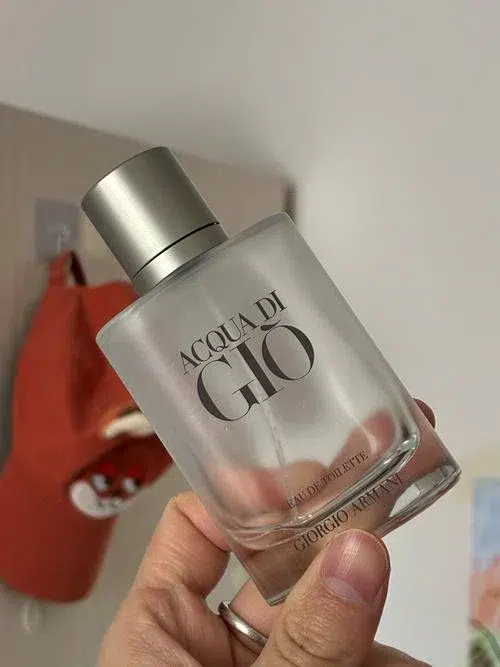
To understand the current debate between Acqua Di Gio Profondo and Acqua Di Gio Profumo, we have to travel back in time. When master perfumer Alberto Morillas created the original Acqua Di Gio Eau de Toilette in 1996, he literally changed the world of men’s grooming.
Before 1996, men’s colognes were heavy, spicy, and often smelled like a 1980s barbershop. Morillas used a revolutionary synthetic ingredient called Calone. To a normal person, Calone smells like a crisp sea breeze mixed with a hint of fresh melon. It was light, refreshing, and universally loved. It became the ultimate “white t-shirt” fragrance.
But as the years passed, consumer tastes changed. Guys didn’t just want to smell like a light sea breeze anymore; they wanted fragrances that lasted longer, projected further, and had more depth. The fragrance industry responded with the “blue fragrance” trend. Perfumers started exploring the darker, colder, and more mysterious aspects of the ocean. This push for better performance and richer scents led to the birth of two distinct flankers that would divide the fragrance community: the mature, smoky Profumo (released in 2015) and the bright, sporty Profondo (released in 2020).
What is Acqua Di Gio Profondo? The Modern Mineral Aquatic
Launched in 2020, Acqua Di Gio Profondo was created to update the classic 1990s DNA for a brand new generation. If the original Acqua Di Gio is a sunny beach in Italy, Profondo is taking a plunge into the freezing depths of the ocean.
Profondo completely moves away from the soft, floral edges of the original. Instead, it relies on modern fragrance chemistry, specifically a captive ingredient called Aquozone. You don’t need a chemistry degree to understand Aquozone—just imagine the smell of ice-cold sea spray hitting your face on a fast-moving boat. This icy aquatic feel is blended with bright, juicy green mandarin and bergamot sourced from Brazil and Italy.
As the fragrance dries down on your skin over a few hours, it reveals what perfumers call a mineral accord. Have you ever walked past wet river stones baking in the summer sun? That metallic, slightly salty, wet-stone smell is exactly what Profondo captures. It is anchored by a clean, freshly-washed musk and a touch of patchouli.
Who is this for? Profondo is undeniably fresh and sporty. It is an exceptional summer cologne, perfect for the gym, the office, or a blazing hot day at the beach. However, some traditional fragrance purists argue that its heavy reliance on modern synthetic aquatic notes gives it a somewhat linear, “shower gel” vibe that lacks the emotional depth of its older brother.
What Makes Acqua Di Gio Profumo a Discontinued Legend?
Introduced in 2015, Acqua Di Gio Profumo was universally hailed as a modern masterpiece. It took the bright, happy aquatic DNA of the original and plunged it into darkness.
The absolute genius of Profumo lies in its contrast. It opens with that familiar, crowd-pleasing burst of bergamot and oceanic notes (using an ingredient called Cascalone), but within twenty minutes, it transitions into a rich, aromatic heart of geranium, rosemary, and sage. It smells like a sophisticated Mediterranean herb garden right on the coastline.
But the true magic—and the reason people are so obsessed with it—resides in the base notes. Profumo utilizes a rich, heavy dose of incense (frankincense) and earthy patchouli. Mixing fresh sea water with smoky, dark incense sounds like it shouldn’t work, but it creates a scent profile that is incredibly sophisticated and masculine.
Who is this for? Profumo is the ultimate versatile fragrance. It is a cologne that you could easily wear with a casual t-shirt on a hot summer day, but it has enough smoky depth to wear with a tailored tuxedo for a winter evening in New York.
When Armani decided to discontinue Profumo recently, it sent shockwaves through the fragrance community. Fans began frantically searching for remaining stock, and it left many guys wondering how they could ever replace their signature scent.
Chemical Composition & Scent Profile Analysis
To truly understand how to choose between Acqua Di Gio Profondo and Profumo, we need to look beyond the slick marketing commercials and examine the actual “fragrance pyramids” (the layers of scent you smell over time).
Table 1: Olfactory Pyramid & Vibe Comparison
| Feature | Acqua Di Gio Profondo (The Modernist) | Acqua Di Gio Profumo (The Classic) |
| Top Notes (First 15 mins) | Sea Notes (Aquozone), Green Mandarin, Bergamot | Sea Notes (Cascalone), Bergamot |
| Heart Notes (1-3 Hours) | Rosemary, Lavender, Cypress, Mastic | Rosemary, Sage, Geranium |
| Base Notes (Dry-down) | Mineral notes, Musk, Patchouli, Amber | Incense, Patchouli |
| The Core Vibe | Bright, Icy, Metallic, Sporty, “Out of the shower” | Dark, Smoky, Earthy, Mature, Elegant, “CEO” |
| Key Ingredients | High reliance on Aquozone and clean, laundry-like musks | Heavy use of natural Patchouli and Olibanum (Incense) |
As you can see in the table, the real split happens in the dry-down. Profondo uses modern mineral notes and amber-woods to push its longevity, which smells incredibly clean but can sometimes come off as a bit sharp. Profumo, on the other hand, relies on the age-old perfumery tradition of using rich, natural-smelling resins (incense) to ground the citrus top notes. This results in a much smoother, richer, and more rounded finish that lingers beautifully in the air.
The Supply Chain Perspective: Why Do Luxury Fragrances Cost $150 to $300?
If you are just getting into fragrances, you might experience “sticker shock.” Why does a bottle of scented water cost $200? As industry insiders, we believe it is vital to demystify the economics of the perfume world for the everyday consumer.
When a consumer in the USA purchases a designer fragrance for top dollar at a department store, a shockingly small percentage of that cost goes into the actual liquid inside the bottle (affectionately known as the “juice”).
Here is a realistic breakdown of traditional luxury fragrance pricing:
Marketing & Endorsements (30-40%): When you see A-list actors swimming in the ocean on a giant billboard or in a Super Bowl commercial, you are paying for that ad with every bottle you buy.
Retail Margins (40-50%): The giant department stores and beauty retailers where you buy the cologne typically take a massive cut just to put it on their shelves.
Packaging & Presentation (5-10%): Custom heavy glass molds, magnetic caps, metallic plaques, and elaborate presentation boxes add significant manufacturing costs.
Licensing Fees: Many famous designer clothing brands do not actually make their own perfumes. They license their name to massive beauty conglomerates (like L’Oréal or Coty), who also take a large cut of the profits.
The Fragrance Oil itself (1-5%): The actual aromatic oils, essential extracts, and perfumer’s alcohol usually account for a tiny fraction of the final retail price you pay.
The Rise of Direct-to-Consumer Fragrance Alternatives
Understanding this bloated supply chain is exactly why the “alternative” or “clone” fragrance market has absolutely exploded in recent years. Brands like Armaf, Lattafa, Dossier, Alt Fragrances, and iMixx Perfumes have stepped in to offer consumers a different way to shop.
By eliminating expensive celebrity endorsements, bypassing traditional retail middlemen, and utilizing standardized, minimalist packaging, these independent brands redirect their budgets toward what actually matters: the raw materials and the blending process.
This transparent business model allows consumers to purchase high-quality, long-lasting Eau de Parfum or Extrait de Parfum concentrations directly from the factory at a fraction of the cost. Finding a high-quality alternative to a discontinued fragrance is no longer a “cheap compromise”; it is a financially smart choice for the modern consumer.
The Science of Reconstruction: How Independent Brands Revive Discontinued Legends
When a beloved fragrance like Acqua Di Gio Profumo is discontinued, it leaves a massive void. Many guys turn to eBay or the grey market, risking hundreds of dollars on potentially expired, sour, or outright counterfeit bottles. Fortunately, modern perfumery science offers a much safer solution. How exactly do independent companies clone a fragrance so accurately?
1. Gas Chromatography-Mass Spectrometry (GC-MS)
The foundation of recreating a complex scent is analytical chemistry. Modern fragrance laboratories utilize a highly advanced piece of technology called a Gas Chromatograph-Mass Spectrometer (GC-MS).
Imagine you ate the best chocolate cake of your life, but the chef refused to give you the recipe. A GC-MS machine essentially takes a slice of that cake, vaporizes it, and spits out a highly detailed list of every single ingredient and exact measurement used to make it.
When a fragrance sample is put through a GC-MS machine, it identifies the exact molecular structure of the perfume. However, the machine is not a magic printer. Natural ingredients (like the real patchouli and bergamot used in Profumo) contain hundreds of trace molecules that change depending on where they were harvested. Therefore, this raw chemical data must be interpreted by highly skilled human perfumers.
The best alternative brands take this GC-MS data and use their own trained noses to source the finest aromachemicals and natural oils, tweaking the formula until they recreate that precise, nostalgic balance of smoky incense and marine freshness.
2. Maceration and Maturation (The Aging Process)
One of the most critical steps in making a great perfume is called maceration. Think of this like aging a fine wine or letting a pot of chili sit in the fridge overnight so the flavors can blend.
During maceration, the concentrated fragrance oils are blended with perfumer’s alcohol and left to rest in a dark, temperature-controlled environment for several weeks. During this time, harsh alcohol edges evaporate, and the different notes (citrus, wood, resin) meld together to create a smooth, unified scent.
Mass-market commercial brands often rush this process to meet quarterly sales quotas. High-quality alternative houses often allow their batches to macerate properly before shipping. This is why a meticulously crafted dupe can sometimes smell richer and perform better than a brand-new, un-macerated bottle of designer cologne.
3. IFRA Compliance and Skin Safety
A major concern with buying cheap, unregulated knock-offs from flea markets is safety. The global legitimate fragrance industry is strictly regulated by the International Fragrance Association (IFRA). They set strict limits on chemical compounds to prevent skin allergies and rashes.
Whether you are buying a clone from an established Middle Eastern house like Armaf, a US-based brand like Alexandria Fragrances, or directly from iMixx Perfumes, reputable independent houses adhere strictly to IFRA guidelines. This ensures that the tribute fragrance is completely dermatologically safe.
Performance, Wearability, and Scenario Guide
How do these fragrances actually perform when you step outside into the real world? Here is a realistic breakdown based on consumer testing in various US climates, from the muggy, humid summers of Florida to the dry, baking heat of Arizona.
Table 2: Performance & Ideal Usage Scenarios
| Metric | Acqua Di Gio Profondo | Acqua Di Gio Profumo (and Premium Alternatives) |
| Longevity on Skin | 6 – 8 Hours | 8 – 10+ Hours (Boosted by the heavy incense/resins) |
| Sillage (Scent Trail) | Strong for the first 1.5 hours, then sits closer to the skin | Moderate to strong for 2.5 hours, leaves a distinct, heavy scent trail in the air |
| Best Season | High Summer, Spring (Perfect for hot daytime wear) | All Seasons (Incredibly versatile, cuts through winter cold but works on summer nights) |
| Ideal Setting | The Gym, the Beach, Casual Office, Weekend Outings | Date Night, the Boardroom, Weddings, Evening Events |
| Vibe & Demographic | Modern, sporty, energetic, laid back (Ages 18-35) | Sophisticated, confident, mature, mysterious (Ages 25+) |
The Verdict on Wearability: If you live in a perpetually hot climate (like Texas or Miami) and want a fragrance that cuts right through the high humidity with a cold, icy blast, Profondo is an excellent, safe choice. However, if you are looking for a true “signature scent”—one single bottle that transitions effortlessly from a stressful business meeting to a romantic anniversary dinner—the deeper, woodier, and smokier profile of Profumo remains entirely unmatched.
How to Navigate the Market: Exploring the Best Alternatives
With Armani officially halting production of Profumo (and replacing it with the new “Parfum” version, which many hardcore enthusiasts feel lacks that heavy, magical incense punch of the original), consumers are left with a dilemma.
The Risks of the Grey Market:
If you search for “buy Acqua Di Gio Profumo USA,” you will find listings on eBay, Mercari, or Reddit fragrance swap boards. Purchasing discontinued fragrances this way is incredibly risky. Prices are often inflated to $200-$350 for a single bottle. Furthermore, there is a massive market for counterfeit bottles. Even if the bottle is real, if the previous owner stored it in a hot, steamy bathroom for five years, the delicate citrus top notes will likely have “gone off” or soured.
The Best Alternatives to Consider:
Instead of paying exorbitant secondary market prices, savvy consumers have a few great options to explore:
Acqua Di Gio Parfum (By Giorgio Armani): If you want to stick with the official brand, this is Armani’s current replacement. It is excellent, very high quality, and shares the same DNA. Just be aware that it is smoother and slightly sweeter than Profumo, lacking that aggressive, smoky incense note.
Lattafa Suqraat: A highly affordable, popular alternative from the famous Middle Eastern clone house. It captures the general vibe of Profumo for under $30, though some users report that the longevity is a bit fleeting compared to the original.
iMixx Perfumes: Utilizing precise GC-MS data of vintage Profumo batches, our direct-to-consumer model strips away the luxury markup. By focusing strictly on premium raw materials and proper maceration, we have formulated an exact olfactory match. You can experience that legendary blend of marine notes, aromatic rosemary, and rich incense by exploring our dedicated Acqua Di Gio Profumo alternative.
Alexandria Fragrances / Montagne Parfums: Other highly respected independent US-based alternative houses that focus on high-concentration Extraits and precise scent replication.
The beauty of today’s fragrance market is that the consumer has all the power and endless choices. You don’t have to be held hostage by a brand’s decision to discontinue a classic.
Frequently Asked Questions (FAQ)
To make sure you have all the facts before making a purchase, we’ve compiled the most common questions fragrance lovers ask about this iconic DNA.
Is Acqua Di Gio Profondo better than the original 1996 EDT?
It depends entirely on your personal preference. Profondo offers significantly better longevity and a much more modern, icy-marine profile compared to the original Eau de Toilette. However, the original EDT has a softer, slightly floral dry-down that some vintage purists still prefer. If you want modern performance and projection, Profondo wins easily.
What exactly does Acqua Di Gio Profondo smell like?
Profondo smells like diving off a boat into a cold, deep ocean. It opens with bright green mandarin and a synthetic aquatic note called Aquozone. It dries down into a clean, slightly metallic mineral base mixed with musk. It smells incredibly fresh, sporty, and vibrant.
How long does Acqua Di Gio Profondo last on the skin?
On average, Acqua Di Gio Profondo lasts between 6 to 8 hours on the skin, depending on your individual skin chemistry and the weather. As an Eau de Parfum, it performs exceptionally well for a “fresh” summer fragrance, with strong projection for the first hour or two.
Is Acqua Di Gio Profondo discontinued?
No, Acqua Di Gio Profondo is not discontinued. It remains one of Armani’s best-selling current pillars in their men’s fragrance line and is widely available at Sephora, Ulta, and Macy’s across the USA. Only the black-bottle Profumo version has been discontinued.
What is the main difference between Acqua Di Gio Profumo and Profondo?
The main difference lies in the base notes (the smell that lingers after 3 hours) and the overall attitude. Profondo is bright, mineralic, and focuses on cold marine notes, making it perfect for hot, casual days. Profumo incorporates heavy incense and patchouli, giving it a dark, smoky, and elegant character that is versatile enough for both daytime wear and formal evening events.
Which Acqua Di Gio flanker is best for summer?
For pure, high-heat summer days at the beach or playing sports, Acqua Di Gio Profondo is arguably the best choice due to its refreshing, icy marine nature. However, for summer evening dinners or dates, the discontinued Profumo (or a high-quality alternative) adds a seductive, sophisticated edge that Profondo lacks.
Does Acqua Di Gio Profondo smell synthetic or metallic?
Yes, to some noses, Profondo can come across as slightly synthetic or metallic in the dry-down. This is not a mistake; it is intentional. The perfumer utilized mineral accords and modern aromachemicals to recreate the specific scent of cold, deep sea water crashing against wet rocks.
Why was Acqua Di Gio Profumo discontinued in the first place?
While Armani never released a direct official statement, industry experts suggest a few reasons. First, brands often discontinue older hits to streamline their product line and push consumers toward newer, more expensive releases (like the new “Acqua Di Gio Parfum”). Second, constantly shifting IFRA regulations regarding certain raw natural materials (like specific oakmoss or patchouli derivatives) often force brands to either severely reformulate or discontinue older scents entirely.
Is the new Acqua Di Gio Parfum exactly the same as Profumo?
No. While they share a very similar overarching DNA and fill the same role, Acqua Di Gio Parfum is generally perceived by the fragrance community as smoother, slightly sweeter, and less smoky than Profumo. It notably lacks the heavy, distinct frankincense note that gave Profumo its legendary dark, mysterious edge.
Should I buy Acqua Di Gio Profondo or the new Parfum?
If you are under 30 or want a highly energetic, sporty, and fresh daytime scent, choose Profondo. If you want something more mature, woody, and versatile for the office and date nights, Parfum is a better choice. However, many enthusiasts still prefer to seek out high-quality reproductions of the original vintage Profumo.
Where can I find a reliable alternative to Acqua Di Gio Profumo in the USA?
Instead of paying extreme markups on eBay for old, potentially expired stock, look for scientifically formulated alternatives from reputable clone houses. Brands like Lattafa, Armaf, and our own iMixx Perfumes utilize GC-MS technology and premium raw materials to offer incredibly close olfactory matches to the original vintage formulations, providing you with that authentic smoky-marine experience safely and affordably.
What is fragrance maceration, and why does it actually matter?
Maceration is the process of allowing the raw fragrance oils to age and properly blend with the alcohol base over several weeks or months. It is crucial for smoothing out harsh, screechy top notes and allowing the complex base notes (like incense and patchouli) to fully bloom. Independent factories often have stricter, longer maceration protocols than mass-market designer brands that rush products to shelves.
How does fragrance layering work with aquatic scents?
Fragrance layering involves applying a complementary scent over a base fragrance to create a unique, customized profile. For aquatic scents like Profondo, layering it with a simple Iso E Super or Ambroxan-based molecule (like Escentric Molecules 01 or 02) can massively boost its longevity. For Profumo alternatives, layering it with a pure woody or leather note can enhance its evening elegance.
What do perfume concentration classes mean (EDT, EDP, Extrait)?
Concentration classes dictate the ratio of raw perfume oil to perfumer’s alcohol. An Eau de Toilette (EDT) typically contains 5-15% oil, making it lighter and more volatile. An Eau de Parfum (EDP) contains 15-20% oil, offering a deeper scent and better longevity. An Extrait de Parfum can contain 20-40% oil. Higher concentrations usually result in longer skin longevity and a richer scent profile, which is why premium alternative supply chains usually focus on EDP and Extrait formulations.
Are independent “clone” fragrances safe to spray on my skin?
Yes, provided they are formulated by reputable, established houses that adhere to IFRA (International Fragrance Association) guidelines. These global standards ensure that aromachemicals and natural absolutes are used at safe, dermatologically tested levels, avoiding harmful allergens while still maximizing olfactory performance. Always buy from brands that list their ingredients and stand by their safety compliance.
Conclusion: Making the Right Olfactory Choice
Choosing between Acqua Di Gio Profondo and Acqua Di Gio Profumo ultimately comes down to your personal lifestyle, the climate you live in, and how you wish to project your presence to the world.
Profondo is a masterful execution of modern, synthetic freshness. It is a brilliant, icy dive into the deep sea that excels in casual, high-heat environments. It is readily available at any local mall and serves perfectly as a reliable daily driver for the active, modern man.
However, the discontinued Acqua Di Gio Profumo represents a pinnacle of perfumery artistry that is increasingly rare to find on modern department store shelves. Its brilliant juxtaposition of bright marine notes with the ancient, grounding depth of incense created a signature scent that defined a generation of men.
Just because commercial luxury brands pivot their marketing strategies or discontinue a classic does not mean you have to abandon your favorite scent profile forever. By understanding the real mechanics of fragrance manufacturing—from the magic of GC-MS analysis to the importance of proper maceration—you as a consumer can make informed, sophisticated, and economically smart choices.
Whether you choose to explore offerings from excellent alternative brands on the market or decide to experience our own scientifically crafted tribute to the legendary Profumo at iMixx Perfumes, the power to reclaim that smoky, aquatic elegance of the past is entirely in your hands.
For further reading on fragrance safety, chemistry, and community reviews, we highly recommend exploring the rigorous consumer safety guidelines set forth by the International Fragrance Association (IFRA) and reading the wealth of user-generated opinions on popular independent forums like Basenotes and Fragrantica.
