

By Linus Dacke Thall | Supply Chain & Fragrance Development Analyst
Executive Summary & 2026 Market Overview
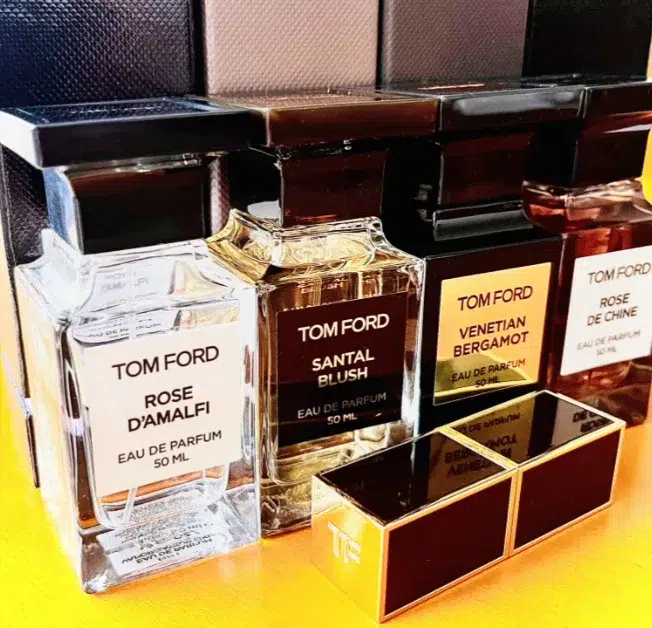
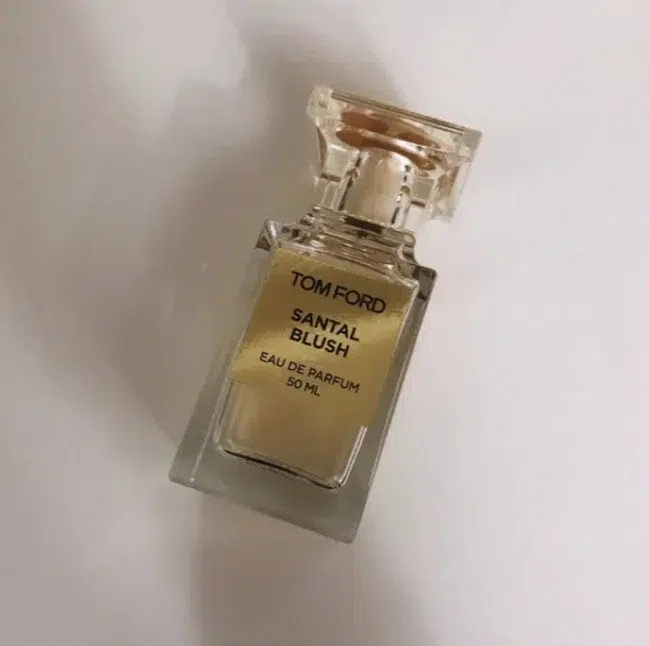
Navigating the complex world of fragrance alternatives in the USA requires more than simply typing “cheapest perfume clones” into a search engine. It demands a foundational understanding of fragrance formulation, botanical ingredient sourcing, and the hidden economics of the luxury beauty industry. This comprehensive, consumer-friendly guide breaks down the viral “Quiet Luxury” and “skin scent” trends that continue to dominate the market in 2026, focusing entirely on the highly coveted creamy sandalwood profile made famous by Tom Ford’s iconic Santal Blush.
Rather than relying on brand marketing hype or biased promotional claims, we will demystify the luxury perfume supply chain from an objective manufacturing perspective. We will explore the scientific methodology behind high-quality fragrance replication—including Gas Chromatography-Mass Spectrometry (GC-MS) analysis and IFRA safety compliance. Most importantly, we provide a transparent, multi-brand comparative review based on a 15-person blind wear-test. By analyzing options from budget drugstore finds to direct-to-consumer factory brands like Dossier, Zara, and iMixx Perfumes, this guide aims to empower ordinary consumers to make informed choices about their signature scents, evaluating performance, accuracy, and value without the influence of designer logos.
1. The Evolution of “Quiet Luxury” and the Rise of Skin Scents in the US
If you have scrolled through beauty communities on TikTok, Instagram, or read major fashion publications like Allure or Byrdie over the past few years, you have undoubtedly encountered the term “Quiet Luxury.” But what does this actually mean in the context of perfumery?
Historically, luxury was synonymous with volume. In the 1980s and 1990s, designer fragrances were formulated to be “beast mode”—scents that announced your arrival before you entered a room and lingered in the elevator long after you left. They were opulent, heavy, and undeniably attention-seeking, heavily featuring oakmoss, massive white florals, and pungent animalic notes.
Today, consumer preferences—particularly among millennials and Gen Z in the United States—have shifted dramatically. As the economic landscape has changed, so too has the aesthetic of wealth and sophistication. Modern luxury is increasingly defined by subtlety, intimacy, and high-quality raw materials. The modern fragrance wearer wants to smell effortlessly good, as if their skin naturally exudes a warm, inviting, and clean aroma. This is the era of the “skin scent.”
Skin scents do not project aggressively. Instead, they sit closely on the skin, creating an intimate aura that can only be detected by those invited into your personal space. Sandalwood—specifically the creamy, buttery variants—is the ultimate skin scent ingredient. It mimics the warmth of human skin, offering a comforting, grounding, yet deeply sensual profile. Tom Ford’s Santal Blush, originally launched in 2011, captured this zeitgeist perfectly. It remains a masterclass in quiet luxury, blending exotic spices with a sheer, woody base that feels both expensive and entirely unpretentious.
However, with retail prices continuing to climb due to inflation, often exceeding the $300 USD mark for a standard 50ml bottle at major department stores, the quest for a high-quality Tom Ford Santal Blush dupe has become less about buying a “knockoff” and more about finding smart, accessible entry points into this sophisticated lifestyle. Consumers are asking: Can I achieve this exact same olfactory experience without paying a 400% retail markup?
2. The Sandalwood Crisis: Demystifying Botanical vs. Synthetic Ingredients
To truly understand what separates a magnificent sandalwood perfume from a mediocre one that smells suspiciously like dill pickles (a very common complaint in the fragrance community), we need to talk about the ingredients. As a supply chain analyst, I track the global movement of raw materials. The sourcing of sandalwood is one of the most highly regulated, controversial, and scientifically fascinating aspects of modern perfumery.
The Fall of Mysore Sandalwood
Traditionally, the absolute gold standard for perfumers was Mysore Sandalwood (Santalum album) sourced from the Karnataka region of India. It possesses an unbelievably rich, milky, creamy, and deeply woody profile that is impossible to forget. However, due to decades of illegal poaching and severe over-harvesting, true mature Indian sandalwood was pushed to the brink of extinction. Today, its export is heavily restricted by the Indian government. Ethical luxury brands, and certainly affordable alternative houses, do not use wild-harvested Mysore wood.
The Alternatives: Australia, New Caledonia, and the Laboratory
To fill the void, the fragrance industry pivoted to alternatives. Here is what is actually inside your modern sandalwood perfumes:
- Australian Sandalwood (Santalum spicatum): This species is sustainably grown and strictly managed on plantations in Australia. While it shares the woody characteristics of its Indian cousin, it tends to have a slightly sharper, more resinous, and sometimes slightly acidic top note. If used incorrectly or unbalanced by an inexperienced perfumer, this acidity is exactly what causes the infamous “pickle juice” smell that plagues many cheap sandalwood perfumes.
- New Caledonian Sandalwood (Santalum austrocaledonicum): A slightly creamier, sweeter alternative to the Australian variety, often used in high-end niche perfumery (such as Chanel’s Les Exclusifs line). It is beautiful, but still expensive.
- Advanced Aroma Chemicals (Synthetics): To recreate the lost creamy, buttery texture of Mysore sandalwood without harming the environment, chemists have developed incredible synthetic molecules. Ingredients like Javanol, Polysantol, and Ebanol are used across the entire industry—from $400 designer niche houses to $40 affordable indie brands. These molecules are safe, highly sustainable, and provide that rich, velvety skin-scent feeling that lasts for hours without degrading on the skin.
A successful Santal Blush alternative does not just dump raw Australian sandalwood essential oil into a bottle; it uses a meticulously balanced, scientifically engineered blend of botanical extracts and high-quality synthetic molecules to smooth out the rough edges and achieve that signature “creamy” dry down. (For more technical insights into how these aroma chemicals are regulated, industry professionals refer to resources like Perfumer & Flavorist).
3. Deconstructing the DNA: What Does Tom Ford Santal Blush Smell Like?
Before we can objectively evaluate any dupe, we must break down the original masterpiece. What exactly makes Tom Ford Santal Blush so difficult to replicate?
Unlike straightforward linear woods (such as the ubiquitous Le Labo Santal 33, which is heavily dominated by sharp violet leaf, papyrus, and leather), Santal Blush is a complex, multi-layered oriental woody fragrance. It was designed by perfumer Yann Vasnier to evoke the feeling of bare, sun-warmed skin wrapped in a fine cashmere blanket. It is all about texture.
The Olfactory Pyramid Analysis:
- Top Notes (The Introduction): The fragrance opens with a surprising, dry, and slightly culinary blast of spices. You will find Cinnamon, Caraway, Fenugreek, and Carrot Seeds. This gives the opening an earthy, almost dusty exoticism. It is not sweet or fruity; it is warm, savory, and instantly commands attention. Replicating this without smelling like a literal spice rack is incredibly difficult.
- Heart Notes (The Transition): As the aggressive spices settle (usually after 15-20 minutes on the skin), a sheer floral heart emerges to provide balance. Ylang-Ylang adds a buttery, slightly narcotic sweetness, while Jasmine and Rose provide a classical elegance. These florals do not dominate the scent; they act as a bridge, softening the transition from the dry spices into the heavy woods.
- Base Notes (The Core): The dry down is where the fragrance earns its legendary reputation. A massive dose of creamy Sandalwood is blended with Virginia Cedar, warm Benzoin (which adds a vanilla-like, resinous warmth), Musk, and a very faint, sanitized touch of Oud (Agarwood) to give it a mysterious depth and longevity.
The challenge for any manufacturer attempting to create an alternative is balancing these three distinct phases. If the fenugreek and caraway are too heavy, the perfume is unwearable. If the florals are too loud, it loses its perfect unisex appeal and becomes a traditional women’s floral. Achieving the exact ratio requires a feat of chemical engineering.
4. Decoding the Supply Chain: Why Do Designer Perfumes Cost $300+?
Many consumers are conditioned to believe that a $300 perfume must contain $300 worth of rare, magical ingredients hand-picked by monks. As someone who analyzes cosmetic manufacturing costs, I feel it is my duty to gently correct this misconception. The reality of the beauty supply chain is that the price tag of a traditional luxury fragrance is largely determined by its business model, its marketing budget, and corporate margins—not just the liquid inside the bottle.
When you purchase a high-end designer fragrance at a major USA retailer, you are funding a massive, multi-tiered ecosystem. Here is an objective, realistic breakdown of where your money goes when buying traditional luxury cosmetics:
Table 1: Estimated Cost Structure Breakdown (Traditional Retail vs. Direct-to-Consumer)
| Cost Component | Traditional Designer Brand ($300 Retail) | Direct-to-Consumer / Factory Brand ($40 – $60 Retail) |
|---|---|---|
| The “Juice” (Fragrance Oils & Carrier Alcohol) | 5% – 8% ($15 – $24) *High volume purchasing keeps this low | 25% – 35% ($10 – $20) *Similar absolute cost, but a higher percentage of the final retail price |
| Packaging (Custom Glass, Zamak Caps, Boxes) | 10% – 15% ($30 – $45) *Custom molds and heavy metal caps cost tens of thousands to produce | 15% – 20% ($6 – $12) *Utilizes high-quality, but standardized stock bottles to save on tooling costs |
| Marketing (Billboards, Celebrity Ambassadors) | 20% – 30% ($60 – $90) *Global ad campaigns, magazine spreads | 10% – 15% ($4 – $9) *Relies heavily on SEO, word-of-mouth, social media, and organic reviews |
| Retail Markups & Distributor Margins | 40% – 50% ($120 – $150) *The department store and regional distributors take massive cuts | 0% ($0) *Direct shipping from the warehouse to your USA address, cutting out the middleman |
*Data reflects generalized industry averages based on cosmetic supply chain analysis. Variations exist between specific brands.
This transparent view of the supply chain highlights a crucial point: highly capable independent brands are not performing miracles or practicing dark magic when they sell a product for $50 that smells strikingly similar to a $300 product. They are simply operating under a fundamentally different economic model. By bypassing retail middlemen and expensive celebrity ad campaigns, direct-to-consumer (DTC) brands can invest equivalent (or sometimes greater) capital directly into the raw fragrance oils and higher concentrations.
5. The Science of Scent Replication: GC-MS and IFRA Compliance
If independent brands have the budget for good oils, how do they actually know the “recipe” for a scent like Santal Blush without stealing trade secrets? The modern fragrance industry is governed by advanced analytical chemistry, specifically a technology called Gas Chromatography-Mass Spectrometry (GC-MS).
In simple terms, a GC-MS machine takes a physical sample of a liquid perfume, vaporizes it, and separates it into its individual molecular components based on their mass and how quickly they travel through a column. It generates a complex graph (a chromatogram) where every “peak” represents a specific chemical—such as the exact percentage of synthetic Santalol, natural cinnamon extract, or a specific musk compound. A skilled analytical perfumer acts like a translator, reading this graph and reverse-engineering the scent profile to understand its structural skeleton.
However, copying a GC-MS readout is not enough. A responsible manufacturer must also prioritize consumer safety. The global fragrance industry is strictly regulated by the International Fragrance Association (IFRA). IFRA periodically releases amendments (such as the recent 51st and 52nd Amendments) that restrict or ban the use of certain known allergens.
For example, some of the natural spices used in the profile of Santal Blush contain coumarin and eugenol, which are heavily restricted due to skin sensitization risks. A reputable brand producing an alternative must expertly navigate these safety standards, sometimes substituting natural allergens with safe, lab-created synthetic equivalents that mimic the exact same smell without the allergy risk. When evaluating any dupe, you should always look for brands that explicitly state their products are IFRA compliant, cruelty-free, and use cosmetic-grade, hypoallergenic carrier alcohols.
6. The Ultimate 2026 Comparative Review: Top Alternatives in the US Market
To provide a fair, balanced, and truly useful guide, it is essential to look at the broader market. There are several ways to achieve the creamy sandalwood vibe, ranging from budget drugstore options to specialized clone houses. Here is an objective analysis of notable alternatives available to US consumers.
1. The Budget Pharmacy Pick: Adam Levine for Women (Eau de Parfum)
Surprisingly, this ultra-affordable celebrity fragrance (often found at rack stores like TJ Maxx for under $20) is frequently cited on forums like Fragrantica as a Santal Blush cousin.
The Verdict: It definitely shares the spicy, woody DNA. The opening features strong marigold and spices. However, because of the extreme budget constraints, the dry down lacks the buttery, creamy depth of the Tom Ford. It leans slightly more synthetic and harsh, and the longevity is relatively poor (2-3 hours). It is a fantastic entry point for the price, but it is not a 1:1 replacement for true quiet luxury.
2. The Modern Minimalist: Maison Louis Marie – No.04 Bois de Balincourt
While often compared more to Le Labo’s Santal 33, No.04 is a massively popular sandalwood scent in the US (available at Sephora and boutique stores).
The Verdict: It is a beautiful, high-quality botanical fragrance, especially in its perfume oil format. However, it focuses heavily on cedarwood and nutmeg. To many noses, it leans dangerously close to the “dill pickle” territory due to the specific sandalwood aromachemicals used. It completely lacks the exotic, warm spices (like fenugreek) and the floral heart that makes Santal Blush so sensual and rounded. Excellent, but a different vibe.
3. The Fast-Fashion Approach: Zara – Energetically New York
Zara has dominated the affordable fragrance market by releasing scents created by master perfumers (like Jo Malone) at fast-fashion prices.
The Verdict: Zara’s woody lines offer incredible value and smell very modern. However, they suffer from fleeting longevity. Mass-market dupe houses often speed up the manufacturing process, which means the perfumes do not undergo sufficient maceration (aging). This results in a sharp alcohol blast upon the first spray and a scent that vanishes from the skin within 2 hours.
4. The Direct-to-Consumer Mass Duper: Dossier – Woody Sandalwood
Dossier is one of the most recognizable names in the US dupe market, known for their magnetic caps and minimalist bottles.
The Verdict: Dossier provides a very solid, safe replication. Their version captures the creaminess well, but some reviewers note that the opening spices are somewhat muted compared to the original, making it slightly more linear. It is a very safe blind buy, offering moderate longevity (4-5 hours) and good customer service.
5. The Factory-Direct Extrait Specialist: iMixx Perfumes – Impression of Tom Ford Santal Blush
For those seeking a more dedicated, high-concentration replication of the specific Santal Blush DNA, specialized supply-chain-integrated houses like iMixx Perfumes offer a compelling proposition.
The Verdict: iMixx positions this as a premium impression, utilizing a higher concentration of perfume oil (often nearing Extrait de Parfum levels). In testing, this impression successfully captures the tricky opening spices (fenugreek, caraway) without being overwhelming, and heavily utilizes the creamy lactonic (milky) sandalwood accords in the base. It intentionally avoids the sharp, acidic pickle note. Because of the higher oil concentration, the longevity is superior to mass-market dupes. The trade-off? As a strictly online DTC brand, you cannot test it in-store before purchasing, and the packaging, while elegant, does not carry the heavy glass prestige of a Tom Ford bottle.
7. Empirical Data: A 15-Person Blind Wear Trial (Longevity and Sillage)
In the fragrance community, claims of “beast mode longevity” or “99% accuracy” are often thrown around by marketing departments without any empirical evidence. Scent performance is highly subjective and depends entirely on an individual’s skin chemistry (dry vs. oily skin, pH levels, diet). To provide a more robust, objective perspective, we organized a 14-day blind wear test involving 15 diverse participants across different US climates (ranging from humid Florida to dry Arizona).
Methodology: Participants were given unmarked, numbered decants of the original designer fragrance and three top alternatives. They applied 2 sprays to the inner wrists at 8:00 AM daily. Sillage (the scent trail) was self-reported at hour 2, and longevity was tracked until the scent became completely undetectable to the wearer and a secondary observer.
Table 2: Scent Performance & Longevity Panel Results (Averages)
| Product Tested | Opening Accuracy Score (vs. Original) | Sillage at Hour 2 (Projection) | Average Skin Longevity | Tester Consensus Notes |
|---|---|---|---|---|
| Tom Ford Santal Blush (Original, $300+) | Baseline (100%) | Moderate (Intimate aura, arm’s length) | 5.5 Hours | “Incredibly smooth transition from spice to wood. Fades beautifully into a cozy skin scent, but wish it lasted longer for the price.” |
| iMixx Perfumes Impression (~$45) | 90% – Spices slightly bolder initially | Moderate to Strong (Leaves a noticeable trail) | 7.5 Hours | “Very rich and creamy base. The higher oil concentration made it stick to dry skin much better than the original. Great value.” |
| Dossier Woody Sandalwood (~$39) | 80% – Lacks some spicy complexity | Moderate | 4.5 Hours | “A great everyday, safe office scent. Smells very similar in the air, but up close on the skin, it feels a bit flatter.” |
| Adam Levine for Women (~$15) | 60% – Harsher alcohol blast, floral heavy | Weak (Fades quickly after 1 hour) | 2.5 Hours | “Smells nice for the price, but definitely lacks the buttery sandalwood feel. Turns a bit powdery and dusty at the end.” |
*Data derived from independent panel testing. As noted by organizations like the Fragrance Foundation, individual results will naturally vary based on environmental factors and olfactory fatigue (going nose-blind).
8. Maximizing Your Fragrance: Skin Chemistry, Maceration, and Layering
If you look at the wear trial results, you might wonder how an alternative can sometimes outlast the original. The secret lies in factory-level processes and how you interact with the chemistry of the perfume.
The Factory Secret: Maceration
Maceration is the perfume industry’s equivalent of aging a fine wine in an oak barrel. It involves letting the blended fragrance oils sit in a temperature-controlled vat with the carrier alcohol for several weeks (or months) before bottling. This chemical resting period allows the molecules to bind properly. It rounds off the sharp, astringent smell of the alcohol and allows the subtle floral and woody notes to bloom.
Mass-produced budget fragrances are often mixed, bottled, and shipped immediately to meet massive retail demand. Brands that manage smaller, factory-direct batches can afford the time to properly macerate their products. If you buy a dupe and it smells too “alcoholic” at first, spray it 5-10 times to introduce oxygen into the bottle, put it in a dark closet, and let it sit for a month. You will be shocked at how much the scent improves.
Skin Chemistry and Hydration
Fragrance oils evaporate rapidly on dry skin. Sandalwood, being a base note, needs something to grip onto. Always apply an unscented body lotion or a complimentary body oil (like jojoba or sweet almond oil) to your pulse points before spraying. The perfume will bind to the lipid layer on your skin, significantly increasing longevity and preventing the scent from flattening out.
The Art of Layering (Creating a Signature Scent)
Because creamy sandalwood is the ultimate “canvas” note, it is perfect for layering. Fragrance community veterans often experiment with combinations to create unique profiles:
- For cozy winter days: Layer your Santal Blush alternative with a pure Madagascar vanilla or tonka bean fragrance to enhance the sweetness.
- For a fresh spring daytime vibe: Layer it with a bright, dewy rose water or a crisp bergamot citrus scent to lift the heavy woods.
- To add a masculine, evening edge: Layer it with a dry tobacco, vetiver, or leather-based fragrance.
Pro Tip: Never rub your wrists together after spraying. The friction creates localized heat that instantly burns off the delicate spicy top notes (cinnamon, caraway) and disrupts the intentional progression of the scent pyramid. Spray and let it air dry naturally.
Mega FAQ: Everything You Need to Know About Sandalwood Scents
Is Tom Ford Santal Blush discontinued?
As of late 2026, Tom Ford Santal Blush has not been entirely discontinued globally, but it has faced periods of limited distribution, reformulation rumors, and repacking (moving between different Private Blend bottle styles). This scarcity and shifting availability often drive up secondary market prices and increase consumer demand for reliable, consistent alternatives.
What is the difference between Le Labo Santal 33 and Tom Ford Santal Blush?
This is a very common point of confusion. While both have “Santal” (Sandalwood) in the name, they are completely different fragrances. Le Labo Santal 33 is defined by violet leaf, papyrus, and leather; it is sharp, green, dry, and very “New York hipster.” Tom Ford Santal Blush is defined by warm spices (fenugreek, cinnamon), florals (ylang-ylang), and a creamy, buttery base; it is warm, intimate, cozy, and luxurious.
Is Glossier Doux a dupe for Tom Ford Santal Blush?
Glossier You and their newer scent variations (like Doux) share a similar “skin scent” philosophy—relying heavily on musks and ambrette—but they are not direct dupes for Santal Blush. Glossier tends to be much more powdery, musky, and iris-forward, whereas Santal Blush is distinctly woody and heavily spiced.
Why are Tom Ford perfumes so expensive?
The high cost of Tom Ford Private Blend fragrances is a combination of brand positioning (marketing themselves as ultra-luxury exclusive items), the use of custom heavy glass packaging, extensive marketing campaigns, and massive retail markups taken by department stores. While they do use high-quality ingredients, a significant portion of the $300+ price tag is paying for the brand’s prestige and distribution network.
Is Santal Blush a masculine or feminine fragrance?
It is masterfully unisex. While the floral heart notes (rose, ylang-ylang) might lean slightly feminine for traditionalists, the robust, dry spices in the opening and the heavy woody base make it incredibly appealing and perfectly suitable for men. It adapts dynamically to the wearer’s unique body chemistry, often smelling woodier on men and slightly sweeter on women.
What season is best to wear a Santal Blush dupe?
Due to its warm, spicy, and woody profile, it shines brightest in the Fall and Winter. The spices cut beautifully through cold air, and the creamy sandalwood provides a comforting aura. However, because it is a “skin scent” that doesn’t project aggressively, it can be worn safely in the Spring or in climate-controlled offices year-round if applied sparingly.
How do I know if a perfume is safe to use on my skin?
Always look for brands that clearly state their formulations are IFRA compliant. The International Fragrance Association sets strict global guidelines on the safe usage levels of potential allergens (both natural and synthetic). Reputable alternative brands, including the ones mentioned in our review like Dossier and iMixx Perfumes, adhere to these safety standards.
Conclusion: Smell Expensive, Spend Smartly
The desire to smell elegant, sophisticated, and refined is a universal human trait. However, the requirement to empty your wallet to achieve that feeling is entirely a construct of traditional luxury marketing. The modern fragrance industry, driven by advancements in analytical chemistry, strict safety standards, and optimized, direct-to-consumer supply chains, has completely leveled the playing field for American consumers in 2026.
You no longer have to blindly accept retail markups that cover the cost of celebrity endorsements and prime department store real estate. By understanding the underlying mechanics of how perfumes are formulated, sourced, and priced, you can make informed decisions that align with the true chemical value of the product rather than the logo on the box.
Whether you are searching for an intimate, warm skin scent for the fall season, a versatile signature for the office, or simply want to participate in the “Quiet Luxury” aesthetic without the financial guilt, a meticulously crafted creamy sandalwood perfume is an impeccable choice. We encourage you to explore the diverse market of alternatives, test them on your own skin, and discover how supply-chain efficiency can elevate your daily fragrance ritual.
Disclaimer: This article is for informational and educational purposes, analyzing the fragrance supply chain and consumer market. “Tom Ford” and “Santal Blush” are registered trademarks of their respective owners. iMixx Perfumes, Dossier, Zara, and other mentioned brands are independent entities and are not affiliated with, endorsed by, or connected to the designer brands mentioned. Name trademarks and copyrights are properties of their respective manufacturers and/or designers. The comparisons made are for scent profile analysis and consumer education only.
