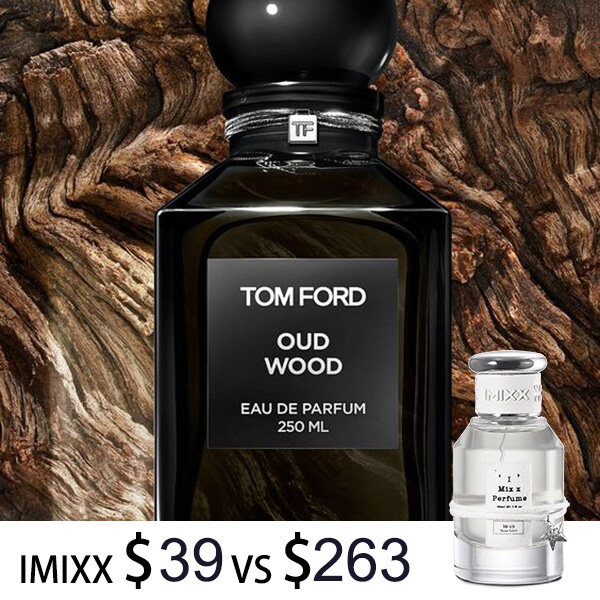

8 Key Features of tom.ford oud wood You Need to Know
When I evaluate tom.ford oud wood, I do not judge it only by whether it smells pleasant in the opening minutes. I consider how the composition develops, how wearable it is across different situations, how strongly it projects, how long it lasts, and whether its overall character justifies its position in the luxury fragrance market.
After wearing and assessing tom.ford oud wood in different environments, I have found that its appeal comes from restraint rather than raw intensity. It introduces oud through a polished, approachable woody structure instead of the aggressively smoky, medicinal, or animalic profile that some people associate with traditional oud fragrances.
That distinction matters. Many fragrance buyers are interested in oud but hesitate because they expect something extremely heavy or difficult to wear. This composition offers a more accessible interpretation, balancing aromatic spice, smooth woods, soft sweetness, and understated warmth. The result feels refined without becoming theatrical.
In this guide, I explain the eight features that define the fragrance, including its scent profile, oud interpretation, versatility, performance, seasonality, gender presentation, luxury identity, and overall value. I also address practical questions about application, longevity, occasions, and buying expectations.
Quick Overview of the Fragrance
| Feature | My Assessment |
|---|---|
| Fragrance family | Woody, spicy, amber-toned |
| Prominent impressions | Cardamom, rosewood, oud accord, sandalwood, vetiver, amber, and tonka-like sweetness |
| Overall character | Smooth, dry, polished, warm, and quietly sophisticated |
| Oud intensity | Moderate and highly approachable |
| Projection | Moderate at first, becoming more intimate during the dry-down |
| Typical longevity | Approximately five to eight hours, depending on skin, climate, and application |
| Best seasons | Fall, winter, and cool spring weather |
| Best occasions | Professional settings, dinners, dates, formal events, and refined everyday wear |
| Gender presentation | Genuinely unisex, with a slightly dry and traditionally masculine woody structure |
1. It Offers an Approachable Interpretation of Oud
The first key feature is the way the fragrance handles oud. Oud, also called agarwood, is associated with the aromatic resin that develops in certain Aquilaria trees. Depending on its origin, quality, processing, and use in perfumery, oud can smell woody, smoky, leathery, balsamic, earthy, medicinal, sweet, or animalic.
Traditional oud materials and intense oud accords can be challenging for people accustomed to fresh citrus, aquatic, or clean aromatic fragrances. They may feel dense, dark, or culturally unfamiliar. In this composition, however, the oud effect is deliberately controlled.
I perceive the oud as a smooth, dry, shadowy woodiness rather than as a forceful blast of smoke or barnyard-like animalic material. It adds depth to the structure without taking over the entire fragrance. This makes the scent significantly easier to wear than many traditional oud-centered compositions.
What the Oud Smells Like Here
The oud impression sits between dry timber, polished dark wood, faint incense, and soft resin. It does not smell like freshly cut lumber, nor does it resemble a heavy religious incense blend. Instead, it creates a dark foundation beneath the cardamom, sandalwood, vetiver, amber, and subtle sweetness.
The official Tom Ford Beauty description characterizes the fragrance as a composition involving oud wood notes, rosewood, cardamom, and amber. Readers who want to compare the brand’s current description can consult the official Tom Ford Beauty product page.
This approach explains why the fragrance often appeals to people who believe they dislike oud. They may dislike highly animalic or medicinal oud, but they can still appreciate a smoother woody accord that uses oud primarily to create depth, dryness, and sophistication.
The word “oud” on a fragrance label does not guarantee one standardized smell. Oud-related materials and accords vary substantially. A fragrance may emphasize smoky, leathery, sweet, medicinal, earthy, or polished woody facets, so the name alone cannot predict the wearing experience.
Who Will Appreciate This Oud Style?
I would recommend this interpretation to people entering the oud category for the first time, office professionals who want a discreet woody signature, and experienced fragrance users seeking something less aggressive than a traditional Middle Eastern-style oud.
Someone searching for an extremely smoky, animalic, tarry, or medicinal oud may find it too restrained. That is not necessarily a weakness. It simply means the fragrance has a different objective: sophistication and wearability rather than raw material realism or maximum intensity.
2. Cardamom Gives the Opening Its Signature Identity
The second defining feature is the cardamom-driven opening. When I first spray the fragrance, the opening does not feel dominated by citrus. Instead, I notice a cool, dry, aromatic spice effect that immediately establishes a refined mood.
Cardamom can produce several impressions in perfumery. It may smell green, slightly citrusy, gently peppery, aromatic, or subtly sweet. Here, it adds lift to the heavier woods without making the fragrance sharp or culinary.
Why the Cardamom Matters
Without the cardamom, the woody base could feel flat or overly dense. The spice creates contrast. It brings brightness to the opening while maintaining the fragrance’s dry, elegant personality.
I also find that cardamom helps the scent transition between formal and casual contexts. Strong smoke or leather can make a fragrance feel immediately nocturnal, while bright aquatic notes can make it feel too casual. Aromatic cardamom occupies the middle ground. It is distinctive but not disruptive.
In the opening stage, I perceive the fragrance as cool and dry. As it develops, the cardamom becomes less prominent and begins to merge with the rosewood-like warmth and creamy sandalwood. That gradual blending gives the composition a smoother progression than fragrances built around abrupt contrasts.
How Long Does the Spicy Opening Last?
On my skin, the clearest cardamom effect is most noticeable during approximately the first 20 to 45 minutes. Environmental conditions can change this. In cool weather, the aromatic spice may remain perceptible longer. In high heat, the opening may move more quickly into the woody heart.
I would not describe the opening as loud. It creates a controlled scent cloud around the wearer, but it does not normally overwhelm a room when applied conservatively.
3. The Woody Structure Is Smooth, Dry, and Layered
The third feature is the layered wood construction. Although oud receives the most attention in the name, the composition does not depend on oud alone. Its character emerges from the interaction of several woody impressions.
I detect a progression from aromatic rosewood and cardamom toward darker oud, smoother sandalwood, and earthy vetiver. Each component contributes a different texture.
Rosewood Effect
Adds aromatic warmth and a lightly polished quality to the opening. It bridges the spicy top and darker woods.
Oud Effect
Provides depth, dryness, subtle darkness, and a restrained incense-like dimension.
Sandalwood Effect
Softens the composition with a creamy, smooth, and slightly warm texture.
Vetiver Effect
Introduces dry earthiness and prevents the base from becoming excessively sweet or creamy.
A Polished-Wood Impression
The overall effect reminds me more of polished wood in a carefully designed interior than of a forest, campfire, or raw piece of agarwood. That distinction is important because it defines the fragrance’s luxury image.
It smells composed and finished. The woods seem sanded down, balanced, and integrated rather than presented in an untreated form. This polished quality makes the fragrance suitable for tailored clothing, professional spaces, upscale restaurants, and formal events.
Dryness Versus Sweetness
The fragrance contains warmth and a soft sweetness, but I would not classify it as a sugary fragrance. The vetiver-like dryness and dark woods control the sweeter amber and tonka facets.
This balance is one reason it works for fragrance users who avoid dessert-like vanilla compositions. There is enough sweetness to create comfort, but not enough to make the scent smell edible.
4. Amber and Tonka Create a Warm, Sensual Dry-Down
The fourth feature appears most clearly after the opening fades. The dry-down becomes warmer, softer, and more intimate as amber and tonka-like facets emerge around the woods.
In fragrance language, amber usually describes an accord rather than a single natural ingredient. It commonly creates an impression of warmth, resin, sweetness, and skin-like radiance. Tonka bean effects can suggest vanilla, almond, hay, tobacco, or soft spice.
Here, these elements round off the rougher edges of the oud and vetiver. They make the base feel inviting without erasing its woody identity.
How the Dry-Down Changes the Mood
The opening feels cool, aromatic, and controlled. The dry-down feels warmer and more personal. I find this evolution particularly effective for evening wear because the fragrance becomes smoother as it sits closer to the skin.
It is not overtly seductive in the style of a dense vanilla, boozy amber, or sweet tobacco fragrance. Its sensuality is quieter. It comes from warmth, texture, and proximity rather than sweetness or extreme projection.
That makes it appropriate for dinner dates, theater outings, cocktail events, and close social settings where a powerful fragrance could become distracting.
The later dry-down is the most intimate stage of the fragrance. At this point, I mainly notice smooth woods, amber warmth, soft sweetness, and a faint earthy dryness. People expecting the opening to remain equally spicy for the entire wear may be surprised by how much softer it becomes.
Does It Become Powdery?
I do not experience it as strongly powdery. Some wearers may interpret the combination of smooth wood, amber, and tonka as slightly powdery or cosmetic, especially on dry skin. However, the dominant effect remains woody and warm rather than makeup-like.
5. It Is More Versatile Than Many Oud Fragrances
The fifth key feature is versatility. Oud fragrances often carry a reputation for being formal, intense, or limited to cold evenings. This composition is easier to use across a wider range of settings because its projection and sweetness are controlled.
I can wear it with a suit, a wool coat, smart-casual clothing, or a minimal everyday outfit. It does not require ceremonial clothing or a special occasion to feel appropriate.
Professional and Office Wear
For office wear, I recommend two to three sprays at most, depending on the size of the room and the workplace fragrance policy. One spray on each side of the neck may be enough in a small indoor environment.
The fragrance communicates maturity and attention to detail without smelling like a conventional blue shower-gel fragrance. Its moderate projection also makes it easier to control than highly diffusive sweet or spicy scents.
However, “office-safe” never means universally acceptable. Some workplaces discourage fragrance, and some colleagues may be sensitive to scented products. Application should always reflect the environment.
Date Nights and Evening Events
The warm woody dry-down works particularly well at close range. I prefer it for refined date settings rather than loud clubs or crowded outdoor events. In a noisy venue, a stronger fragrance may be more noticeable, but stronger is not automatically more elegant.
For a dinner or cocktail event, three to five sprays can create a noticeable but controlled presence. Applying part of the fragrance to clothing may extend the woody dry-down, although testing on an inconspicuous area is prudent because fragrance oils can mark delicate fabrics.
Casual Wear
I also consider it suitable for casual use, especially in cool weather. It pairs naturally with knitwear, jackets, dark denim, leather shoes, and clean minimalist clothing.
Its luxury positioning may make some owners reserve it for special occasions, but the scent itself is not too formal for routine use. The main limitation is cost per wear, not olfactory appropriateness.
6. Performance Is Refined Rather Than Overpowering
The sixth feature is performance, and this is also one of the most debated aspects of the fragrance. Some wearers expect every luxury oud fragrance to project strongly for ten or more hours. This composition does not consistently behave that way.
On my skin, I generally expect moderate projection during the opening and early heart, followed by a closer woody scent during the dry-down. Typical longevity may fall around five to eight hours, although individual results can be shorter or longer.
Why Longevity Varies
Fragrance performance is affected by more than the formula. Skin condition, climate, humidity, temperature, application amount, clothing, and olfactory adaptation all influence the experience.
Dry skin can cause the fragrance to appear to fade more quickly. Warm skin can increase diffusion but may also accelerate evaporation. Clothing often retains woody base notes longer than bare skin. High humidity can increase perceived projection, while very dry air may make the scent seem quieter.
Olfactory adaptation also matters. After continuous exposure, the wearer’s brain may reduce its attention to a familiar smell. This can create the impression that a fragrance has disappeared even when other people can still detect it.
Projection Timeline
| Wearing Stage | Typical Impression |
|---|---|
| First 15 minutes | Noticeable aromatic spice and polished woods |
| 15 minutes to 2 hours | Moderate personal scent cloud with cardamom, oud, sandalwood, and vetiver |
| 2 to 5 hours | Softer woody-amber presence, generally closer to the body |
| 5 hours and beyond | Possible skin scent or fabric trace, depending on application and environment |
How I Improve Its Longevity
I apply fragrance to clean, moisturized skin rather than extremely dry skin. An unscented moisturizer can reduce rapid absorption and support a more consistent evaporation curve.
I also avoid rubbing my wrists together after spraying. Rubbing does not instantly destroy a fragrance, but it can spread the liquid unevenly and accelerate the disappearance of delicate top notes through heat and friction.
For longer wear, I use a combination of skin and clothing application. A practical routine is two sprays on the neck, one on the upper chest, and one light spray on a jacket or shirt from a safe distance.
The fragrance should not be evaluated as a projection-focused “beast mode” scent. Its performance strategy is controlled diffusion followed by an elegant skin-level dry-down. Buyers who prioritize maximum room-filling power may prefer a more concentrated or more aggressively structured woody fragrance.
7. It Has a Genuinely Unisex Character
The seventh key feature is its gender flexibility. Although its dry woods, vetiver, and restrained sweetness may align with conventional masculine fragrance codes, I do not find the composition inherently limited to men.
Fragrance materials do not possess a biological gender. Gender associations are primarily created through marketing, cultural habits, packaging, and the historical organization of fragrance categories.
On one person, the fragrance may emphasize dry cardamom and vetiver. On another, sandalwood, amber, and soft tonka may become more prominent. Skin temperature, personal scent, styling, and application can all influence how the composition is perceived.
How It May Present on Different Wearers
On someone who frequently wears dry woods, leather, incense, and vetiver, the fragrance may feel smooth and understated. On someone accustomed to florals, vanilla, or fruit, the oud and dry woods may feel darker and more assertive.
I have found that the fragrance works particularly well for people who prefer understated unisex scents rather than obviously masculine colognes or conventionally feminine floral-gourmand compositions.
Styling the Fragrance
For a sharper presentation, I pair it with tailored clothing, structured outerwear, and minimal accessories. For a softer presentation, I use fewer sprays and wear it with neutral knitwear, cream tones, or relaxed evening clothing.
This adaptability is one reason the fragrance can work well as a shared bottle between partners. Both wearers can experience the same composition differently without the scent feeling inappropriate on either person.
8. Its Luxury Appeal Comes from Restraint and Composition
The eighth feature is its luxury identity. Luxury fragrance is not defined only by price, bottle design, rarity claims, or brand recognition. From my perspective, the more meaningful question is whether the composition creates a coherent and distinctive experience.
This fragrance feels luxurious because it avoids obvious excess. The spice is controlled, the sweetness is measured, the woods are polished, and the oud is integrated rather than displayed as a novelty.
Minimalism Instead of Maximum Impact
Some fragrances demonstrate value through intensity. They project strongly, last for many hours, and use an immediately recognizable signature. This composition demonstrates value through proportion and texture.
The transition from cool cardamom to dark wood and then to warm amber feels gradual. No single note must dominate for the fragrance to maintain its identity. That compositional continuity contributes to its premium character.
Is It Worth the Price?
Value depends on the buyer’s priorities. A person who measures value primarily through projection and longevity may question the price. A person who values smooth blending, restrained elegance, brand presentation, and versatility may consider it worthwhile.
I recommend sampling before purchasing a full bottle. The scent is widely admired, but its quiet performance and controlled oud profile may not satisfy everyone. Sampling is especially important for buyers who expect a dark, forceful, or highly traditional oud fragrance.
For additional background on the broader oud category, The Perfume Society provides an overview of oudh as a perfumery ingredient. Sephora’s product description also summarizes the fragrance’s relationship among rosewood, cardamom, oud, sandalwood, vetiver, tonka, and amber on its Oud Wood Eau de Parfum page.
How the Eight Features Work Together
These eight features should not be viewed separately. The fragrance succeeds because each one supports the others.
The approachable oud makes the fragrance wearable. Cardamom gives the opening definition. Rosewood, sandalwood, and vetiver create texture. Amber and tonka soften the base. Moderate projection makes the composition suitable for close social and professional settings. Its unisex character expands its audience, while its restraint supports the luxury image.
If any one of these elements were exaggerated, the overall balance could weaken. More oud might reduce versatility. More sweetness could obscure the dry woods. Greater projection could make office wear difficult. More citrus could undermine the dark, polished identity.
This is why I consider balance—not raw power—the fragrance’s most important technical and aesthetic feature.
Best Seasons for Wearing It
Fall
Fall is my preferred season for this fragrance. Cool air supports the cardamom and woody notes, while the amber dry-down complements jackets, knitwear, and evening settings. The scent feels substantial without becoming oppressive.
Winter
It also works well in winter, especially indoors. In very cold outdoor conditions, moderate projection may become subdued, so I may apply an additional spray to clothing. Once indoors, the sandalwood and amber warmth become more noticeable.
Spring
Cool spring days are suitable, particularly in the morning or evening. I reduce the number of sprays as temperatures rise because the warm base can feel heavier in direct sunlight.
Summer
Summer use requires restraint. I generally avoid wearing it during hot, humid afternoons. However, one or two sprays can work during a cool summer evening, in an air-conditioned restaurant, or at a formal indoor event.
How Many Sprays Should I Use?
| Situation | Suggested Application |
|---|---|
| Small office or meeting | 1–2 sprays |
| Normal workday | 2–3 sprays |
| Dinner or date | 3–5 sprays |
| Formal evening event | 4–6 sprays, depending on venue size |
| Hot weather | 1–2 sprays |
These numbers are starting points, not universal rules. Spray output varies by bottle, and skin chemistry influences diffusion. I recommend beginning conservatively and increasing only after observing how the fragrance performs in the actual environment.
Who Should Consider This Fragrance?
It May Be a Good Match If You:
- Want an accessible introduction to oud-style fragrances.
- Prefer dry woods over sugary gourmand notes.
- Need a fragrance that works in professional and social settings.
- Appreciate moderate projection rather than room-filling intensity.
- Like cardamom, sandalwood, vetiver, amber, and restrained sweetness.
- Want a fragrance that can be worn by any gender.
- Value smooth transitions and compositional balance.
It May Not Be the Best Match If You:
- Want an intensely animalic or medicinal oud.
- Expect extremely strong projection for an entire day.
- Prefer bright citrus, aquatic, or tropical fragrances.
- Judge value mainly by longevity per dollar.
- Want a highly sweet vanilla, tobacco, or dessert-like scent.
- Need a fragrance designed primarily for hot weather.
My Final Verdict
After examining its structure and practical wearability, I consider tom.ford oud wood a carefully controlled woody fragrance rather than a dramatic traditional oud statement. Its most important quality is the way it makes a dark fragrance profile feel polished, familiar, and socially versatile.
The cardamom opening creates recognizable character. Rosewood, oud, sandalwood, and vetiver form a layered woody center. Amber and tonka-like warmth soften the dry-down. Moderate projection keeps the fragrance refined, while its unisex structure allows it to adapt to different wearers and styles.
Its limitations should also be acknowledged. Performance may feel modest to people accustomed to highly concentrated fragrances, and the oud may seem too clean to purists. These are not hidden defects; they are consequences of the fragrance’s restrained design.
I recommend it most strongly to someone who wants an elegant, non-sweet woody signature that can move from a professional environment to an evening setting. I would not recommend buying it solely because of the oud name. The better reason to choose it is the overall balance of aromatic spice, smooth wood, dry earthiness, and intimate amber warmth.
Frequently Asked Questions About tom.ford oud wood
What does tom.ford oud wood smell like?
It smells dry, woody, spicy, warm, and lightly sweet. I primarily notice aromatic cardamom, polished wood, a restrained oud effect, creamy sandalwood, earthy vetiver, amber, and soft tonka-like warmth.
Is it a strong oud fragrance?
No. I consider it an approachable and polished oud fragrance. It avoids the aggressively animalic, smoky, medicinal, or leathery characteristics found in some traditional oud compositions.
How long does it last?
A reasonable expectation is approximately five to eight hours, although performance depends on skin type, temperature, humidity, application quantity, clothing, and individual perception.
Does it project strongly?
It usually projects moderately during the opening and early heart before becoming more intimate. I view it as a controlled personal scent rather than a room-filling fragrance.
Can women wear it?
Yes. The fragrance is genuinely unisex. Its dry woods may lean masculine by conventional marketing standards, but the sandalwood, amber, and soft sweetness allow it to work naturally on different wearers.
What season is best for it?
I prefer it in fall, winter, and cool spring weather. It can be worn on summer evenings with minimal application, but it may feel too warm during very hot afternoons.
Is it suitable for the office?
Yes, when applied conservatively. One to three sprays are generally sufficient for professional environments, depending on room size, ventilation, and workplace fragrance policies.
Is it better for daytime or nighttime?
It works for both. During the day, its dry cardamom and woods feel professional. At night, the amber and tonka dry-down becomes warmer, smoother, and more intimate.
Should I sample it before buying?
Yes. Sampling is advisable because buyers may have different expectations about oud strength, projection, sweetness, and longevity. A skin test provides more useful information than smelling only from a paper strip.
How can I make it last longer?
Apply it to clean, moisturized skin, use several separated pulse points, and consider one light spray on suitable clothing. Avoid overspraying in enclosed spaces, and do not rely only on wrist application.