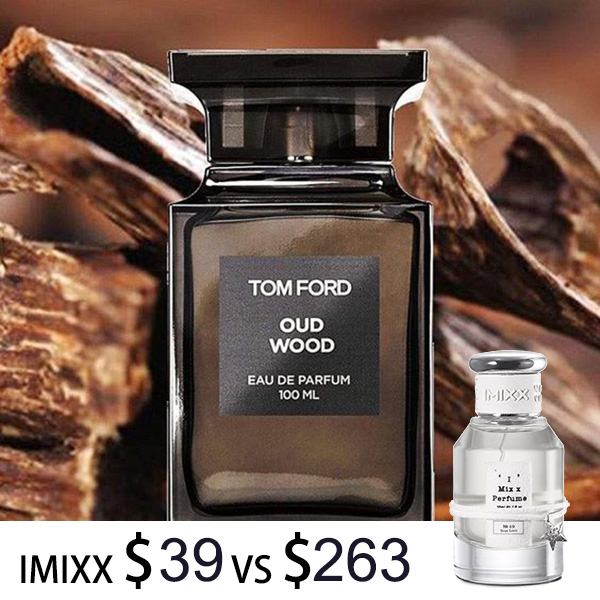
5 Best Ways to Wear oud wood by tom ford
After wearing oud wood by tom ford in different seasons, social settings, and climates, I have learned that the fragrance performs best when I treat it as part of an overall scent strategy rather than simply spraying it the same way every day. Its dry woods, aromatic cardamom, smooth sandalwood, vetiver, amber, and restrained oud accord can feel polished and intimate in one setting but overly dense in another if I use the wrong number of sprays.
In this guide, I explain the five most practical ways I wear oud wood by tom ford, including how I adjust the application for work, evenings, cold weather, warm weather, and fragrance layering. My objective is not to prescribe one universal method. Skin chemistry, humidity, clothing, airflow, and personal tolerance all affect how a woody fragrance develops, so the best approach is controlled experimentation.
The official Tom Ford Beauty description presents the fragrance as a composition built around oud notes, exotic woods, cardamom, and warm amber. That description is useful because it explains why the scent is more versatile than many people expect from an oud fragrance. It is woody and spicy, but it is neither aggressively smoky nor overwhelmingly sweet. Readers who want to compare the published note profile can consult the official Tom Ford Beauty product page.
My main conclusion: I get the best results by changing spray placement and dosage rather than trying to force the fragrance to perform identically in every situation. Two strategic sprays may be ideal in a warm office, while four carefully distributed sprays can work better outdoors in cold weather.
What Oud Wood Smells Like on My Skin
Before deciding how to wear oud wood by tom ford, I first evaluate how it develops on my skin. The opening is usually the most aromatic stage. I notice a dry cardamom effect with a peppery, slightly green quality. It does not smell like a sugary spice blend. Instead, the opening feels cool, clean, and controlled.
Within the next 20 to 40 minutes, the fragrance becomes smoother. The sandalwood impression grows creamier, while the sharper spice begins to recede. The oud accord remains present, but on my skin it behaves more like a dark, polished wood than an animalic or medicinal oud oil. Vetiver adds dryness and structure, preventing the composition from becoming too soft.
Several hours later, the drydown sits closer to the skin. I perceive warm woods, amber, and a subtle sweetness. At this stage, the fragrance feels understated and tactile, almost like the scent of polished furniture, warm fabric, and dry spices in a quiet room.
This development matters because application decisions influence which stage other people experience. When I spray near the chest and under clothing, the scent warms slowly and emphasizes the smooth woody base. When I spray on the sides of my neck, the cardamom and aromatic opening become more noticeable. Spraying clothing can preserve the dry wood effect for longer, although I test delicate materials first because fragrance oils and alcohol may mark certain fabrics.
Oud Wood Wearing Guide at a Glance
| Situation | My Spray Range | Best Placement | Desired Effect | Main Risk |
|---|---|---|---|---|
| Office or professional setting | 1–2 sprays | Chest and lower neck | Controlled, polished, close to the body | Overspraying in enclosed rooms |
| Date night or evening dinner | 2–4 sprays | Neck, chest, and one wrist | Warm, intimate, noticeable at conversation distance | Applying immediately before entering the venue |
| Cold weather | 3–5 sprays | Chest, neck, and outer clothing | Stronger projection through layers | Staining delicate fabric |
| Warm weather | 1–2 sprays | Lower torso or behind knees | Soft diffusion without a heavy cloud | Heat amplifying the woody amber base |
| Layering | 1–2 sprays of each scent | Separate skin areas | Brighter, warmer, or more personalized profile | Creating a muddy or overly complex blend |
Way 1: Wear It Lightly for Work and Professional Settings
My first and most frequently used method is a restrained office application. Oud wood by tom ford can work well in a professional environment because it smells composed, dry, and polished. However, its suitability depends on dosage. A fragrance that feels elegant at arm’s length can become distracting when it fills a meeting room, elevator, clinic, classroom, or shared office.
My Two-Spray Office Method
I normally apply one spray to the center of my chest and one spray to the lower part of my neck. The chest spray remains partially covered by clothing, which reduces the initial projection and allows the fragrance to escape gradually. The lower-neck spray provides enough diffusion for me to smell the fragrance while moving, but it does not create a strong cloud around my head.
For a very conservative workplace, I use only one spray on the chest. This approach is especially appropriate in healthcare environments, small offices, airplanes, shared vehicles, or any setting in which people cannot easily move away from a scent.
I avoid applying several sprays to both sides of my neck before work. That placement puts the fragrance close to other people during conversation and can create rapid olfactory fatigue. When I stop smelling a fragrance after an hour, I do not assume it has disappeared. My nose may simply have adapted to it.
Why This Method Works
Oud Wood has enough aromatic structure to remain interesting at low dosage. Cardamom provides a clean, professional opening, while sandalwood and vetiver create a dry foundation. Because the fragrance is not dependent on a large sugary trail, it can still feel complete when worn close to the skin.
Knowledge point: Projection and longevity are different. A fragrance may stop projecting strongly but remain detectable on the skin for several more hours. I judge performance by asking another person from a normal distance rather than repeatedly adding sprays.
What I Wear With It
I find that this application style pairs naturally with business-casual clothing, tailored jackets, knitwear, wool trousers, leather accessories, and neutral colors. The fragrance does not require formal clothing, but its smooth woody character tends to reinforce an organized, intentional presentation.
I also avoid strongly fragranced deodorants, hair products, or body lotions when wearing it to work. Multiple unrelated fragrances can produce a louder combined effect than expected. An unscented moisturizer is usually a safer base.
Way 2: Make It Warmer and More Intimate for Date Night
My second method is designed for dinner, a cocktail bar, a theater, or an evening date. In these settings, I want oud wood by tom ford to be noticeable during close conversation without announcing itself across the room.
My Three-Spray Evening Method
I apply one spray to each side of my neck and one spray to my chest approximately 30 to 45 minutes before leaving. This timing allows the sharper opening to settle. By the time I arrive, the fragrance has usually moved into its smoother sandalwood, vetiver, and amber phase.
For an outdoor evening or a larger venue, I may add a fourth spray to the back of my neck. I avoid adding that fourth spray when I expect to spend most of the evening in a small restaurant or car.
The back-of-neck placement creates a trail when I move. It also keeps some of the fragrance farther from my nose, reducing the likelihood that I will become accustomed to it too quickly.
Why Timing Matters
Applying fragrance immediately before sitting close to someone can expose them primarily to the alcohol-heavy opening and strongest spice phase. Applying it earlier gives the composition time to integrate with the skin.
I treat this waiting period in the same way I might allow a wine to breathe or a jacket to settle after putting it on. The fragrance becomes less abrupt and more natural. It feels like part of my presence rather than a product I applied seconds earlier.
How I Keep It Intimate
I do not spray both wrists, both sides of the neck, the chest, and clothing all at once for an indoor date. That may produce six or more sprays, which can overwhelm the understated character that makes the fragrance attractive.
I also avoid rubbing my wrists together. Friction is often said to affect the way the opening develops, but the more practical reason is that rubbing spreads the liquid unpredictably and may transfer it to clothing or surfaces. I simply let the application dry naturally.
My date-night rule:
The fragrance should become clear when someone enters my conversational space. It should not arrive several seconds before I do.
Way 3: Use Clothing and Strategic Placement in Cold Weather
Cold air generally slows evaporation, while coats, scarves, and layered clothing can trap fragrance close to the body. For that reason, I change both the number and location of my sprays during fall and winter.
My Four-Spray Cold-Weather Method
I start with one spray on the chest and one on each side of the neck. I then add one spray to a scarf, the inside of a coat, or the shoulder area of a sturdy outer garment. Before spraying fabric, I test an inconspicuous area and avoid silk, suede, pale leather, or any material that could stain.
The clothing application holds the dry woody profile longer than my skin usually does. It also helps the fragrance remain detectable when a coat covers the skin applications.
For extended outdoor use, I may add a fifth spray to the back of the neck. I do not automatically use five sprays indoors simply because the weather is cold. Heating systems can make enclosed spaces warm and dry, causing fragrance to become more noticeable once I remove my coat.
Why Oud Wood Fits Cooler Temperatures
The fragrance’s cardamom, sandalwood, amber, and vetiver feel naturally compatible with knitwear, cool air, leather, and wool. In low temperatures, the woods remain smooth and controlled instead of becoming dense or overly sweet.
I find that the scent performs particularly well during evening walks, fall dinners, winter travel, holiday events, and formal occasions. The composition has enough warmth to feel comforting, but it does not become as heavy as some tobacco, resin, or gourmand fragrances.
How I Avoid Overspraying in Winter
The main mistake I see is compensating too aggressively for the cold. Someone may apply six or eight sprays at home because the fragrance seems quiet, then enter a heated restaurant where the entire application becomes much stronger.
I solve this by separating indoor and outdoor needs. When most of my time will be outside, I place one controlled spray on outerwear. When most of my time will be indoors, I rely primarily on skin sprays and use a lower total dosage.
Knowledge point: Fabric often retains fragrance longer than skin because it does not produce the same heat, oils, and perspiration. However, the scent may develop less dynamically on fabric, and some materials can be damaged or discolored.
Way 4: Apply It Low and Light in Warm Weather
Many people reserve oud fragrances for fall and winter, but I can wear oud wood by tom ford in spring and moderate summer weather when I reduce the dosage and move the application away from my face.
My One- or Two-Spray Warm-Weather Method
For temperatures around 70 to 80 degrees Fahrenheit, I use one spray on the lower chest or abdomen. If I will be outdoors, I may add one spray behind a knee or to the lower back of the torso.
Lower placement allows the fragrance to rise gradually as I move. It also reduces the immediate concentration around my neck and face, which can feel oppressive in heat.
For very hot, humid weather, I usually choose one spray or select a fresher fragrance. Oud Wood is relatively smooth, but heat can magnify its amber, wood, and spice facets. A method that feels restrained in an air-conditioned room may become much stronger outside.
Prepare the Skin Without Adding Competing Scent
I apply an unscented moisturizer before fragrance when my skin is dry. Moisturized skin can slow evaporation and help the scent develop more evenly. The Perfume Society similarly recommends nourishing the skin and using strategic pulse-point placement when trying to improve fragrance wear in warm conditions. Its practical guidance is available in this hot-weather fragrance application guide.
I avoid petroleum-heavy application hacks directly on clothing, and I do not apply fragrance to irritated, sunburned, or freshly shaved skin. Alcohol-based fragrance can sting compromised skin.
Do Not Use Heat as an Excuse to Respray Constantly
Perspiration, wind, and outdoor airflow may make a fragrance seem weaker to the wearer. However, other people can still detect it. Before reapplying, I wait until I am in a stable environment and check the scent on my skin or clothing.
When I do refresh, one spray is normally enough. Reapplying the full morning dosage can create excessive accumulation, especially if some of the earlier fragrance remains on fabric.
Way 5: Layer It With Citrus, Vanilla, Musk, or Amber
Layering is the most creative way I wear oud wood by tom ford, but it is also the easiest method to misuse. I layer to emphasize one aspect of the fragrance, not to bury it under several competing perfumes.
My Basic Layering Rule
I begin with one spray of Oud Wood on the chest and one spray of the second fragrance on a different area, such as the wrist or side of the neck. Keeping the applications separate allows the scents to diffuse together in the air while preserving some definition.
I test the combination at home before wearing it to an event. Two fragrances that smell attractive independently may produce an unpleasant accord when their dominant materials overlap.
Layering With Citrus for Brightness
A dry citrus, bergamot, neroli, or light cologne can make the opening feel brighter and more suitable for daytime use. I avoid very sweet citrus fragrances because they may conflict with the restrained spice structure.
My preferred ratio is two sprays of the citrus fragrance and one spray of Oud Wood. The brighter scent creates the initial impression, while the woody base provides depth as the citrus fades.
Layering With Vanilla for Warmth
Vanilla can soften the dryness and create a warmer evening profile. I choose a relatively simple vanilla rather than a dense caramel, chocolate, or dessert-style gourmand.
I generally use one spray of each fragrance. Too much vanilla can suppress the cardamom and vetiver, turning a balanced woody composition into an indistinct sweet cloud.
Layering With Clean Musk for Subtlety
A clean musk can make the scent feel softer and more skin-like. This combination works well when I want the fragrance to remain close and understated.
I apply the musk to the chest and Oud Wood to the back of the neck. The musk forms a quiet base, while the woody fragrance creates a gentle trail during movement.
Layering With Amber for a Stronger Evening Effect
An amber fragrance adds warmth, resinous depth, and projection. I reserve this combination for cold weather or evening use because it can become heavy in warm rooms.
I use one spray of amber and one spray of Oud Wood. I do not combine two full applications. Layering should produce a deliberate variation, not double the normal fragrance load.
Citrus Layer
Best for: Daytime, spring, business-casual settings
Effect: Brighter and more energetic
My ratio: Two citrus sprays to one Oud Wood spray
Vanilla Layer
Best for: Dates, dinners, cool evenings
Effect: Softer, sweeter, and warmer
My ratio: One spray of each
Clean Musk Layer
Best for: Close-contact and understated wear
Effect: Softer, cleaner, and more intimate
My ratio: One spray of each on separate areas
Amber Layer
Best for: Winter evenings and formal events
Effect: Deeper, warmer, and more projecting
My ratio: One spray of each
How Many Sprays of Oud Wood Should I Use?
There is no scientifically fixed number of sprays that will suit every person. Atomizers release different volumes, and fragrance performance varies with skin condition, temperature, humidity, airflow, clothing, and batch storage.
My normal range is one to four sprays. I use one spray in sensitive professional environments, two sprays for everyday wear, three sprays for most evening situations, and four sprays for cold outdoor conditions. I rarely exceed five sprays.
A useful method is to begin with two sprays and ask a trusted person to evaluate the scent after 30 minutes, two hours, and five hours. This gives more reliable information than judging only from the opening.
I also distinguish between personal detectability and social projection. I may stop noticing the fragrance while it remains obvious to someone standing nearby. This adaptation is common when fragrance is applied close to the nose.
Where Should I Spray It?
Chest
The chest is my preferred location for controlled wear. Clothing moderates projection, and body heat helps the fragrance develop gradually. This placement is useful for work, travel, and close indoor settings.
Sides of the Neck
The sides of the neck increase projection and make the aromatic opening more apparent. I use this placement for evening events but limit the total number of sprays.
Back of the Neck
This location creates a trail and reduces direct exposure to my nose. It is useful outdoors, at social events, or whenever I want moderate movement-based diffusion.
Wrists
The wrists make it easy to monitor development, but handwashing can remove fragrance quickly. I use one wrist rather than both when testing a layering combination.
Behind the Knees
This lower pulse point works well in warm weather because scent rises as the body moves. I use it only when the skin is clean and uncovered enough for natural diffusion.
Clothing
Clothing can retain the woody drydown for a long time. I spray from a reasonable distance and test the fabric first. I avoid delicate, pale, or expensive materials unless the manufacturer indicates that alcohol-based fragrance is safe.
How I Make Oud Wood Last Longer
My first step is proper storage. I keep the bottle in a cool, dark place with relatively stable temperature. I do not display it in direct sunlight, leave it in a hot car, or store it next to a steamy shower. Heat, ultraviolet exposure, and repeated temperature fluctuations can accelerate changes in a fragrance formula.
Second, I apply it to clean, moisturized skin. An unscented lotion helps reduce rapid evaporation from very dry skin without changing the scent profile.
Third, I use placement strategically. A chest spray under clothing often lasts longer than an exposed wrist spray. A carefully tested clothing spray can preserve the drydown even longer.
Fourth, I avoid repeatedly opening or decanting the bottle without a reason. A properly sealed atomizer minimizes exposure to air and contamination.
Finally, I set realistic expectations. Projection naturally declines over time. A fragrance does not need to produce a large scent cloud for ten hours to be performing adequately. A smooth skin scent can be desirable, especially in professional or intimate settings.
Common Mistakes I Avoid
Applying Too Much Before Entering a Small Room
Oud Wood is smooth, but it is still a woody amber fragrance. Several fresh sprays in a car, office, airplane cabin, or small restaurant can become intrusive. I apply it in advance and allow the opening to settle.
Assuming I Need More Because I Cannot Smell It
Olfactory adaptation can occur quickly when I spray the front of my neck. Instead of immediately reapplying, I check a wrist, clothing area, or ask someone else for an honest assessment.
Spraying Delicate Fabric Without Testing
Fragrance can leave marks or interact with dyes and finishes. I test an inconspicuous area and avoid spraying silk, leather, suede, jewelry, or light-colored formalwear.
Layering Too Many Products
A scented shower gel, deodorant, lotion, hair product, and two fragrances can create an incoherent result. I normally use unscented grooming products when I want the perfume composition to remain clear.
Using the Same Application in Every Season
Temperature and humidity change evaporation and perception. I reduce the dosage in heat and increase it cautiously in cold outdoor conditions.
Buying Oud Products Without Considering Sourcing
Natural agarwood is associated with conservation and international trade controls involving agarwood-producing Aquilaria and Gyrinops species. Consumers interested in natural oud materials should evaluate sourcing claims carefully rather than assuming that every “oud” label represents the same raw material. CITES provides technical documentation on the conservation and regulated trade of agarwood-producing taxa.
Important distinction:
A fragrance marketed with an oud note may use a composed oud accord, natural agarwood-derived material, synthetic aroma molecules, or a combination. A note description is an olfactory description, not necessarily a complete disclosure of raw materials.
Is Oud Wood Appropriate for Men and Women?
I consider it fully unisex. The fragrance does not depend heavily on traditional gender signals such as strong sweetness, powdery florals, aquatic freshness, or aggressive leather. Its main identity comes from spice, dry woods, smooth sandalwood, vetiver, and amber.
On some people, the cardamom and vetiver may feel sharper and more traditionally masculine. On others, sandalwood and amber may create a softer, creamier result. Skin chemistry and personal styling matter more than the marketing category.
I recommend testing it on skin rather than making a decision from a paper strip. A blotter can show the general structure, but it cannot reproduce the interaction between the fragrance, body heat, skin oils, and personal grooming products.
When I Would and Would Not Wear It
I wear it most often for professional meetings, dinners, date nights, galleries, theaters, weddings, fall travel, winter events, and evenings when I want to smell polished without wearing an extremely loud fragrance.
I am more cautious at the gym, on very hot beaches, in hospitals, around fragrance-sensitive people, during close air travel, or at events where food and wine evaluation are central. In those settings, fragrance can interfere with other people’s comfort or sensory experience.
The best fragrance etiquette is contextual. Personal preference does not override the shared nature of indoor air. I would rather apply too little and remain considerate than create a strong impression for the wrong reason.
My Final Recommendation
The best way to wear oud wood by tom ford is to treat it as a flexible woody fragrance rather than a one-season statement scent. For work, I use one or two sprays under clothing. For a date, I use three controlled sprays and apply them in advance. In cold weather, I add cautious clothing placement. In warm weather, I spray low on the body and reduce the dose. When layering, I combine it with only one complementary fragrance at a time.
This approach preserves what I value most about the composition: restraint, texture, dry spice, and polished woods. Overspraying does not necessarily make it more luxurious. In my experience, controlled diffusion makes the scent feel more refined because people discover it gradually.
I recommend testing each method independently for several full wears. Record the temperature, number of sprays, placement, duration, and feedback from another person. That small amount of documentation is more useful than relying on a single first impression or an online claim about universal performance.