

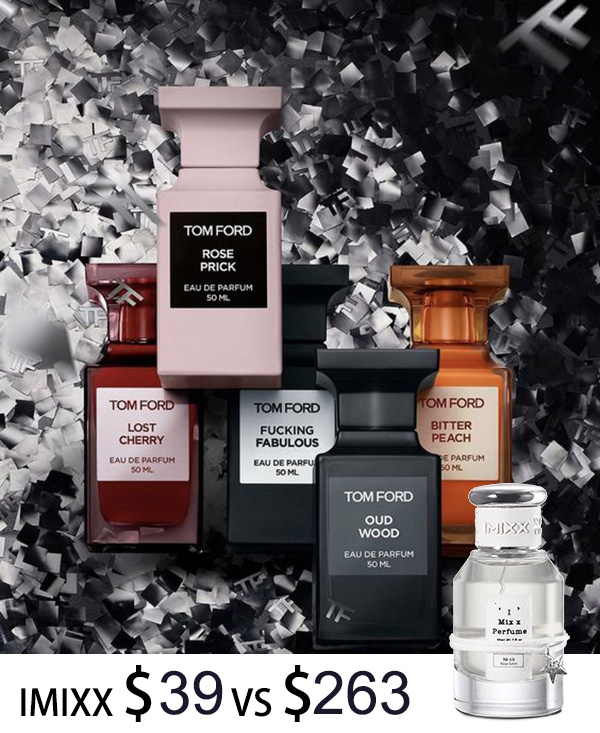
Why tom ford oud wood parfum Is the Ultimate Luxury Fragrance
When I evaluate a luxury fragrance, I look beyond the logo, bottle, and price. I want to understand how the scent develops, whether its materials feel balanced, how naturally it fits into real life, and whether I will still want to wear it after the excitement of the first spray has faded. From that perspective, tom ford oud wood parfum stands out as a sophisticated interpretation of modern woody perfumery.
My interest in tom ford oud wood parfum comes from the way it combines depth with restraint. It does not rely on excessive sweetness, aggressive smoke, or an overwhelmingly animalic oud effect. Instead, it creates a polished structure built around warm spices, sandalwood, vetiver, amber, and a controlled oud accord. The result feels luxurious without becoming theatrical.
In this guide, I will explain what makes the fragrance distinctive, how it compares with Oud Wood Eau de Parfum and other woody fragrance styles, how I approach performance and application, and who is most likely to appreciate it. I will also separate practical observations from marketing language so that readers can make a more informed purchasing decision.
This fragrance succeeds because it makes oud feel refined, wearable, and contemporary. Its luxury is communicated through texture, balance, and controlled intensity rather than sheer loudness.
What Makes Tom Ford Oud Wood Parfum Different?
The most important distinction is concentration and composition. A parfum is not simply an Eau de Parfum with more fragrance oil added. In a well-designed release, the balance of materials is adjusted so that the richer concentration has its own pacing, texture, and emphasis.
According to the official Tom Ford Beauty product description, Oud Wood Parfum emphasizes sandalwood, vetiver, oud notes, warm spices, cardamom, pink pepper, and amber. That note structure helps explain why the fragrance feels denser and warmer than the original Oud Wood Eau de Parfum while retaining the recognizable woody-spicy identity of the collection.
On my skin, the parfum format feels less transparent and more enveloping. The original Oud Wood Eau de Parfum is known for its smooth, airy, spicy-wood character. The parfum moves the experience toward deeper sandalwood, glowing amber, and a darker woody base. It feels more substantial, but it does not abandon the refinement that made the original composition appealing.
A More Concentrated Sense of Texture
What I notice first is not simply “strength.” I notice texture. The fragrance feels smoother, darker, and more compressed. The woods appear closer together, creating the impression of polished timber rather than dry wood chips or smoky incense.
This distinction matters because many consumers use concentration labels as performance guarantees. In reality, concentration influences the fragrance, but projection and longevity also depend on formula design, evaporation rates, skin condition, weather, application method, and individual perception. A parfum may stay closer to the skin while remaining detectable for a long time.
Oud Without Excessive Harshness
Natural agarwood can smell resinous, leathery, medicinal, smoky, earthy, sweet, or animalic depending on its origin and processing. In Western luxury perfumery, however, “oud” often describes a constructed accord rather than a simple presentation of one raw natural oil.
The Perfume Society’s overview of oudh explains its long association with incense and perfumery traditions in Arabic, Indian, and Japanese cultures. It also notes the rarity and expense associated with high-quality agarwood. This cultural and material background is useful, but consumers should not assume that every fragrance carrying “oud” in its name smells like pure oud oil.
Here, the oud effect is highly polished. I perceive it as part of a broader woody structure rather than as an isolated, dominant material. The sandalwood contributes creaminess, vetiver introduces dryness and definition, and amber creates warmth. The oud accord provides shadow, depth, and prestige without pushing the fragrance into an aggressively barnyard-like or medicinal direction.
My First-Person Scent Experience
Fragrance is subjective, so I prefer to describe the wearing experience in stages rather than present a note list as though it were an objective measurement. Skin chemistry, temperature, humidity, and application quantity can all change the result.
The Opening: Cardamom, Pink Pepper, and Controlled Warmth
During the first several minutes, I perceive a warm spicy lift. Cardamom gives the opening a cool-aromatic quality, while pink pepper adds brightness and a subtle sparkling effect. Neither note makes the fragrance smell like a culinary spice blend. They function more like illumination, revealing the contours of the woods underneath.
The opening is polished rather than explosive. I do not experience a sharp citrus burst, sugary top note, or overwhelming cloud of spice. Instead, the fragrance begins with a measured transition into the central woody structure.
The Heart: Sandalwood Becomes the Main Luxury Signal
As the fragrance settles, sandalwood becomes central to my experience. It has a creamy, slightly milky smoothness, but it does not become sweet or lotion-like. This is one of the reasons the composition feels expensive to me: the sandalwood effect provides density without becoming heavy.
The oud accord is more noticeable at this stage, though it remains integrated. It contributes a dark resinous impression around the edges of the sandalwood. I also notice a gentle amber warmth that makes the fragrance feel illuminated from within rather than covered in smoke.
The Drydown: Vetiver, Amber, and Dark Woods
In the drydown, the fragrance becomes drier and more intimate. Vetiver adds an earthy, root-like sharpness that prevents the sandalwood and amber from feeling too soft. The oud effect becomes quieter, while the woody base remains persistent.
This stage is where I find the fragrance most elegant. It does not collapse into generic sweetness. It retains a dry, structured, slightly mysterious character. On clothing, the woods may remain noticeable well into the following day, although fabric performance should not be treated as identical to performance on skin.
A published note list is a communication tool. It does not necessarily identify every ingredient in the formula, nor does it prove that a natural version of each named material is present. Perfumers can create sandalwood, oud, amber, leather, smoke, or mineral effects through combinations of natural and synthetic aromatic materials.
Tom Ford Oud Wood Parfum Note Profile
| Stage | Prominent Impression | What It Contributes | My Practical Interpretation |
|---|---|---|---|
| Opening | Cardamom and pink pepper | Aromatic lift, brightness, and dry spice | Polished and immediately recognizable without feeling loud |
| Early heart | Sandalwood and warm woods | Creaminess, body, and smoothness | The main source of the fragrance’s luxurious texture |
| Heart | Oud accord | Darkness, resinous depth, and contrast | Refined and integrated rather than animalic or medicinal |
| Drydown | Vetiver and amber | Dryness, warmth, persistence, and structure | Elegant, controlled, and suitable for close-range wear |
Why It Feels Like a Genuine Luxury Fragrance
1. It Uses Restraint as a Design Principle
Luxury fragrance is often confused with maximum projection. I do not consider loudness a reliable indicator of quality. A fragrance can fill a room and still smell unbalanced, synthetic in an unpleasant way, or conceptually simplistic.
Oud Wood Parfum takes a more disciplined approach. The spices, woods, amber, and oud accord remain legible, but no single element overwhelms the structure. This creates a sense of control. In design terms, it resembles a well-tailored garment: the value lies in proportion, material interaction, and construction rather than decoration alone.
2. It Creates Depth Without Becoming Inaccessible
Traditional oud oils and highly animalic oud fragrances can be challenging for people accustomed to clean woods, citrus, or fresh aromatics. This composition offers a bridge between those worlds. It suggests darkness and resin without requiring the wearer to accept an aggressively fermented, leathery, or medicinal profile.
That accessibility does not mean the fragrance is simple. The transition from spice to creamy woods and then to vetiver and amber gives it enough development to remain interesting. It is approachable, but it still rewards attention.
3. It Avoids Trend-Dependent Sweetness
Many contemporary fragrances rely heavily on vanilla, caramel, tonka, praline, or fruit-syrup effects. Those profiles can be appealing, but they also make parts of the market feel repetitive. Oud Wood Parfum maintains a comparatively dry structure.
I detect warmth, but not dessert-like sweetness. This makes the fragrance feel less tied to a short-lived trend and more compatible with a long-term wardrobe. For someone building a selective fragrance collection, that distinction matters.
4. It Supports a Strong Personal Image Without Dominating the Wearer
A well-chosen fragrance should reinforce personal presence rather than replace it. This composition communicates composure, taste, and seriousness. It works particularly well when I want to appear refined without using an obviously fresh “office scent” or an excessively sweet evening fragrance.
Its identity is clear, but it leaves room for the wearer. That balance is difficult to achieve and contributes significantly to its luxury positioning.
Price may reflect brand positioning, packaging, distribution, retail margins, advertising, formula costs, and scarcity. I judge fragrance quality separately by assessing balance, development, distinctiveness, wearability, and whether the experience remains satisfying after repeated use.
Oud Wood Parfum vs. Oud Wood Eau de Parfum
The most useful comparison is with the original Oud Wood Eau de Parfum. They share a family identity, but they are not interchangeable.
Oud Wood Parfum
Overall style: Darker, richer, warmer, and more concentrated.
Dominant impression: Creamy sandalwood, amber, dry spice, vetiver, and polished oud.
Best suited to: Evening wear, cooler weather, formal occasions, and people who want more depth.
My view: The stronger luxury statement and the more enveloping experience.
Oud Wood Eau de Parfum
Overall style: Airier, drier, more transparent, and easier to wear casually.
Dominant impression: Cardamom, smooth woods, amber, and a restrained oud effect.
Best suited to: Office wear, mild weather, daytime use, and understated styling.
My view: The more versatile option, though it may feel less substantial.
| Comparison Factor | Oud Wood Parfum | Oud Wood Eau de Parfum |
|---|---|---|
| Texture | Dense, smooth, and enveloping | Dry, airy, and transparent |
| Warmth | Higher | Moderate |
| Perceived richness | More pronounced | More restrained |
| Daily versatility | Moderate | High |
| Formal presence | High | Moderate to high |
| Best weather | Fall, winter, and cool evenings | Fall, spring, and temperature-controlled settings |
How It Compares With Other Woody Fragrance Styles
Versus Sweet Amber-Wood Fragrances
Oud Wood Parfum is drier and less gourmand. It emphasizes polished woods and spice instead of vanilla, caramel, or sugary amber.
Choose it when: You want warmth without dessert-like sweetness.
Versus Smoky Oud Fragrances
It is smoother and less aggressive. The oud effect creates depth without heavy smoke, tar, leather, or animalic intensity.
Choose it when: You want an accessible Western luxury interpretation of oud.
Versus Fresh Woody Fragrances
It is warmer, darker, and more formal than citrus-wood, marine-wood, or shower-fresh compositions.
Choose it when: You want gravitas rather than sporty freshness.
Performance: Longevity, Projection, and Sillage
Performance is one of the most searched aspects of luxury fragrance, but it is also one of the most inconsistently reported. Two people can wear the same formula and describe dramatically different results.
On my skin, Oud Wood Parfum behaves like a concentrated woody fragrance rather than a room-filling projection bomb. The opening creates a noticeable personal aura, after which the scent becomes smoother and sits closer to the body. Its woody base remains detectable for an extended period, especially on moisturized skin and clothing.
My Typical Longevity Range
I would generally expect approximately eight to twelve hours of detectable wear under favorable conditions, although this should be treated as an experiential range rather than a universal guarantee. Some wearers may perceive less because of dry skin, warm outdoor conditions, light application, or olfactory adaptation. Others may experience greater persistence on fabric.
My Projection Assessment
During the opening phase, projection is moderate to strong. After the initial development, it becomes more controlled. This makes it appropriate for dinners, formal events, upscale social environments, and professional situations where a sophisticated scent is welcome but excessive projection would be distracting.
My Sillage Assessment
The scent trail is smooth and woody rather than sharp or sugary. People nearby may notice it as the wearer moves, but it is less likely to create the dense sweetness associated with many high-projection modern releases.
After repeated exposure, the brain may reduce attention to a persistent odor. I avoid judging longevity only by repeatedly smelling my wrist. Instead, I check the fragrance after leaving the room, changing environments, or asking a trusted person whether it remains noticeable.
When and Where I Would Wear It
Formal Evening Events
This is the setting where the parfum performs most naturally. Its combination of dark woods, spice, and amber complements tailored clothing, elegant restaurants, private events, hotel bars, galleries, and formal celebrations.
The fragrance creates presence without requiring excessive application. Two or three carefully placed sprays are often more effective than creating a large cloud around the body.
Professional Environments
I would wear it in a professional setting, but I would reduce the quantity. One or two sprays under clothing can create a restrained personal scent bubble. Because workplaces differ in ventilation, culture, and fragrance sensitivity, application should always be conservative.
Dates and Close-Range Social Situations
The warm sandalwood and amber make the fragrance attractive at conversational distance. It feels intimate once the opening settles, which can work well for dinners and evening dates.
I would apply it at least twenty to thirty minutes before meeting someone. That allows the initial spice to soften and gives the central woody character time to emerge.
Travel and Hotel Settings
Its polished style works well in refined indoor environments, but I would avoid overspraying before flights, trains, rideshares, or other enclosed spaces. Luxury fragrance should demonstrate awareness of other people, not disregard for them.
Best Seasons and Weather Conditions
Fall
Fall is an ideal season for the composition. Cool air gives the spices and woods clarity, while the amber base feels naturally compatible with the weather. The fragrance works during both daytime and evening, provided the application is adjusted.
Winter
In winter, the parfum’s density becomes especially useful. Cold conditions can reduce the diffusion of lighter fragrances, but the sandalwood, amber, and oud structure retains presence.
Spring
It can work in early spring or on cool rainy days. I would use fewer sprays as temperatures rise, particularly in humid conditions.
Summer
This is not my first choice for very hot outdoor weather. Heat can amplify amber, spice, and dense woods, potentially making the fragrance feel heavier than intended. For summer use, I would reserve it for air-conditioned interiors or cooler evenings and apply only one or two sprays.
Is Tom Ford Oud Wood Parfum Masculine, Feminine, or Unisex?
I consider the fragrance fully wearable across genders. Its marketing presentation and dark woody profile may be interpreted as traditionally masculine by some consumers, but there is nothing inherently gender-specific about sandalwood, cardamom, vetiver, amber, or oud.
On one person, the sandalwood may appear creamy and smooth. On another, vetiver and pepper may become more prominent. Styling, application, body temperature, and personal association all influence how the fragrance is perceived.
I recommend evaluating it according to personal taste rather than a gender label. People who enjoy dry woods, warm spice, restrained amber, and sophisticated evening scents are the most relevant audience.
Who Is Most Likely to Enjoy It?
I would recommend sampling Oud Wood Parfum to people who appreciate:
- Dry, polished woody fragrances
- Cardamom and warm spice
- Creamy sandalwood
- Controlled amber rather than intense sweetness
- Oud accords that are refined instead of aggressively animalic
- Formal or evening-oriented fragrance wardrobes
- Scents that feel luxurious at close range
- Gender-neutral woody compositions
Who May Not Enjoy It?
I would be cautious about recommending it to someone who primarily wants:
- A bright citrus opening
- Aquatic or marine freshness
- A sweet vanilla-heavy drydown
- Extremely loud projection
- A raw, traditional, intensely animalic oud profile
- A lightweight fragrance for hot outdoor weather
- A low-cost everyday fragrance for frequent unrestricted spraying
How I Apply Oud Wood Parfum
For Moderate Everyday Wear
I use two sprays: one on the upper chest and one behind the neck. Applying beneath clothing moderates projection while allowing body warmth to release the scent gradually.
For Evening Wear
I use three or four sprays distributed across the chest, back of the neck, and forearms. I avoid spraying all applications in one location because distribution generally creates a more balanced scent aura.
For Close Professional Settings
I use one spray on the chest beneath clothing. In a small office, clinic, classroom, aircraft, or meeting room, restraint is more appropriate than maximizing performance.
Applying to Clothing
Fabric may retain the fragrance longer than skin, especially with wool, cotton, and outerwear. However, fragrance oils and coloring materials may stain delicate or light-colored fabrics. I test an inconspicuous area first and avoid spraying silk, jewelry, watches, or finished leather.
Skin Safety and Responsible Use
Fragrance is a cosmetic product, and some people may experience sensitivity or allergic reactions. The U.S. Food and Drug Administration’s fragrance guidance explains that fragrance ingredients must be safe under labeled or customary conditions of use, although cosmetic formulas generally do not receive FDA premarket approval in the same way as medicines.
I do not apply fragrance to broken, irritated, or freshly shaved skin. Anyone with known fragrance sensitivity, eczema, asthma triggers, or contact allergies should review product labeling and consult an appropriate healthcare professional when necessary.
A patch test cannot guarantee that a reaction will never occur, but it may help identify obvious irritation before broader application. Discontinue use if redness, swelling, burning, breathing difficulty, or persistent discomfort develops.
The goal is not to make every person in a room smell my fragrance. I apply enough to create a controlled personal aura while respecting shared spaces and people with fragrance sensitivities.
How to Improve Fragrance Longevity
Moisturize First
Fragrance generally adheres better to moisturized skin than very dry skin. I use a fragrance-free moisturizer so that the lotion does not compete with the perfume.
Apply to Warm Areas
The upper chest, neck, inner elbows, and forearms can help diffuse fragrance gradually. I do not consider every traditional “pulse point” equally useful; placement should reflect clothing, weather, and the desired projection level.
Do Not Rub the Fragrance Aggressively
Rubbing the wrists together does not instantly destroy a perfume, but it can spread the liquid, increase evaporation at the surface, and change how I experience the opening. I prefer to spray and allow the fragrance to dry naturally.
Use Clothing Strategically
A light spray on a suitable garment can extend the woody drydown. I remain cautious with delicate, pale, or expensive fabrics.
Store the Bottle Correctly
I keep fragrance away from direct sunlight, radiators, hot vehicles, and repeated temperature fluctuations. A cool, dark cabinet is generally more suitable than a humid bathroom shelf or bright windowsill.
How I Evaluate Authenticity and Purchase Risk
Luxury fragrances are frequently counterfeited. Packaging alone is not always sufficient to confirm authenticity because counterfeit boxes and bottles can appear convincing in photographs.
I reduce risk by purchasing from the brand, an authorized department store, an established beauty retailer, or a seller with transparent business information and a credible return policy. I am cautious when the price is dramatically lower than the normal retail range without a clear explanation.
Warning Signs I Take Seriously
- A seller using only stock images and refusing to show the actual product
- A price that is implausibly low
- Missing business information or a vague return policy
- Obvious spelling or printing errors
- Poorly fitted caps, leaking atomizers, or inconsistent bottle finishing
- A scent that disappears almost immediately or smells sharply unlike verified samples
- Pressure to pay through an unprotected payment method
Batch codes, cellophane seams, labels, and bottle details may contribute to an evaluation, but no single feature provides absolute proof. Seller reliability and purchase protection remain more important than internet authenticity checklists.
Is It Worth the Luxury Price?
Whether it is worth the price depends on usage, income, priorities, and the rest of the buyer’s collection. I would not describe any perfume as financially necessary. Luxury fragrance is a discretionary purchase.
However, the parfum can make sense for someone who values a refined woody signature, wears fragrance selectively, and prefers a few distinctive bottles rather than a large collection of similar scents. Because the formula is concentrated and does not require heavy application, a bottle may last a long time for an occasional wearer.
Reasons I Consider It Worth Sampling
- The woody-spicy identity is distinctive and recognizable
- The sandalwood and amber create a convincingly luxurious texture
- The oud effect is sophisticated and accessible
- The composition is less trend-dependent than many sweet fragrances
- It transitions effectively from formal events to selective professional use
- A small number of sprays can provide a complete wearing experience
Reasons I Would Delay a Full-Bottle Purchase
- The retail price is substantial
- The style may feel too dark for warm climates
- Projection may not satisfy consumers seeking maximum loudness
- The difference from the Eau de Parfum may not justify owning both for every buyer
- People unfamiliar with dry woody fragrances may need several wearings before deciding
My Recommended Buying Process
Step 1: Smell It on Paper
A blotter gives me an initial view of the composition and allows me to identify immediate dislikes. It is useful for comparing the parfum with the Eau de Parfum without overloading my skin.
Step 2: Test It on Skin
I apply one spray to clean skin and avoid testing too many other fragrances at the same time. I observe the opening, heart, drydown, and how the scent behaves after several hours.
Step 3: Wear It in a Real Situation
A store test cannot fully reproduce normal use. I prefer to wear a sample to dinner, work, or an evening event. This reveals whether the fragrance feels natural as part of my clothing, environment, and personal routine.
Step 4: Compare It With the Original
I test Oud Wood Parfum on one arm and Oud Wood Eau de Parfum on the other. The comparison helps me determine whether I prefer richness and warmth or transparency and versatility.
Step 5: Wait Before Buying
I avoid purchasing solely because of the opening or the prestige of the brand. If I still want to wear the fragrance after several complete tests, the decision is more likely to reflect genuine preference.
My Final Verdict
Oud Wood Parfum earns its luxury status through compositional discipline. It does not attempt to impress only through volume, sweetness, or aggressive oud intensity. Instead, it creates a controlled progression from cardamom and pink pepper into creamy sandalwood, polished oud, vetiver, and amber.
I consider it one of the stronger options for people seeking a refined woody fragrance with evening presence and a clear upscale identity. It is darker and more enveloping than the Eau de Parfum, yet it remains wearable for people who might find traditional oud compositions too challenging.
Its limitations are equally clear. It is expensive, not ideal for intense summer heat, and unlikely to satisfy consumers who judge fragrance primarily by extreme projection. It should be sampled carefully rather than purchased only because of the name.
For my own fragrance wardrobe, its greatest strength is balance. It smells distinctive without becoming eccentric, sensual without relying on sugar, and formal without feeling old-fashioned. That combination is why I regard it as an ultimate luxury fragrance rather than merely another expensive oud release.
Frequently Asked Questions
What does Tom Ford Oud Wood Parfum smell like?
It smells like a polished blend of warm cardamom, pink pepper, creamy sandalwood, dark woods, vetiver, amber, and a restrained oud accord. I find it smooth, dry, warm, and sophisticated rather than strongly sweet or animalic.
How long does Oud Wood Parfum last?
On my skin, I would generally expect approximately eight to twelve hours of detectable wear under suitable conditions. Results vary according to skin type, climate, application quantity, clothing, and individual sensitivity to the aroma materials.
Is Oud Wood Parfum stronger than Oud Wood Eau de Parfum?
It usually feels denser, warmer, and richer, but “stronger” depends on whether the wearer means concentration, projection, or longevity. The parfum provides a more substantial texture, while the Eau de Parfum feels airier and more transparent.
Is it suitable for everyday wear?
Yes, but application should match the environment. I would use one or two sprays for daily professional wear and reserve heavier application for evenings, formal events, or cooler outdoor conditions.
Is it a masculine fragrance?
I consider it unisex. Its dry woods and spice may be marketed or perceived as traditionally masculine, but the fragrance can be worn by anyone who enjoys sandalwood, vetiver, amber, cardamom, and refined oud accords.
What season is best for wearing it?
I prefer it in fall, winter, and cool spring weather. It can also work during summer evenings or in air-conditioned settings when applied lightly.
Does it contain real oud?
A fragrance name or note list does not disclose the complete formula. Oud effects may be produced with natural oud, synthetic aroma materials, or a combination of materials. Consumers should not assume that the name alone confirms the quantity or origin of natural agarwood.
How many sprays should I use?
I recommend starting with two sprays. One spray may be sufficient in close professional settings, while three or four can work for evening use in cooler weather. More is not automatically better.
Should I buy the Parfum or the Eau de Parfum?
Choose the Parfum for greater warmth, density, sandalwood richness, and evening presence. Choose the Eau de Parfum for a lighter, drier, and more versatile interpretation. I recommend testing both side by side before purchasing.
Is Oud Wood Parfum worth buying without testing it?
I do not recommend a blind full-bottle purchase at this price. The composition is refined, but its dry woody character, moderate sweetness, and controlled projection will not suit every preference. A skin test or sample is the more responsible approach.

