
How tom ford fragrance oud wood Stands Out Among Competitors
Luxury fragrance shoppers have more choices than ever, but the number of options can make it surprisingly difficult to identify a scent that feels distinctive, wearable, and worth its price. After exploring many woody, spicy, amber, and oud-inspired compositions, I have found that tom ford fragrance oud wood occupies an unusually balanced position in the market. It introduces the mystery of oud without becoming excessively smoky, animalic, sweet, or ceremonial.
That balance is the main reason the fragrance continues to stand apart. Many competitors emphasize one dramatic quality: intense sweetness, forceful projection, heavy leather, dense rose, or a dark medicinal oud accord. Oud Wood takes a more controlled approach. Its identity comes from the interaction of woods, spices, amber-like warmth, and restrained sweetness rather than from one overwhelming note.
In this guide, I will compare its scent architecture, versatility, performance, presentation, emotional character, and practical value with those of other fragrances in the luxury woody category. I will also explain what I personally look for when comparing fragrances, because the most expensive or powerful option is not automatically the best choice for everyday life.
My Quick Assessment of Oud Wood
Before comparing it with competitors, I think it is important to establish what Oud Wood actually smells like. The official Tom Ford description presents it as a composition built around oud notes, exotic woods, spices, cardamom, and warm amber. Major retailers also identify sandalwood and pepper among its defining elements.
On my skin, the opening feels dry, aromatic, and lightly spicy. Cardamom creates an immediate sense of refinement, while pepper adds energy without making the fragrance aggressively sharp. The woody center soon becomes smoother, with sandalwood softening the darker oud effect. As the fragrance settles, gentle amber, tonka-like warmth, and restrained sweetness create a comfortable finish.
The result is not the loudest interpretation of oud. It is better understood as an elegant woody fragrance shaped around an oud accord. That distinction matters. Someone expecting the dense, fermented, leathery, or animalic qualities associated with traditional agarwood may find Oud Wood surprisingly clean. Someone who wants a sophisticated introduction to the style, however, may see that accessibility as its greatest advantage.
Tom Ford describes the fragrance as a blend of oud notes, exotic woods, spices, cardamom, and amber on its official Oud Wood product page. Sephora classifies it as a woody and earthy fragrance with oud, sandalwood, and pepper among the key notes on its Oud Wood listing. These descriptions closely match the dry, spicy, and polished character I experience while wearing it.
Oud Wood at a Glance
| Category | My Assessment | Why It Matters |
|---|---|---|
| Overall style | Dry, spicy, smooth, woody, and subtly warm | It feels sophisticated without becoming difficult to wear. |
| Oud intensity | Moderate and highly polished | It can appeal to people who normally avoid strong oud fragrances. |
| Sweetness | Low to moderate | The scent is less likely to feel cloying in offices or social settings. |
| Projection | Controlled rather than room-filling | It creates a personal scent aura instead of dominating a space. |
| Best settings | Work, dinner, dates, events, and smart casual wear | One bottle can cover several roles in a fragrance wardrobe. |
| Seasonal range | Fall, winter, spring, and mild summer evenings | The dry structure gives it more flexibility than many sweet oud scents. |
| Gender presentation | Naturally unisex | Its woods and spices are not dependent on conventional gender coding. |
Why Oud Wood Feels Different From Typical Oud Fragrances
It Prioritizes Refinement Over Raw Intensity
The oud category contains some of the most dramatic fragrances in modern perfumery. Certain compositions emphasize barnyard-like facets, smoke, leather, incense, tar, medicinal sharpness, or dense sweetness. Those characteristics can be fascinating, but they can also limit how often a fragrance is worn.
Oud Wood takes a different path. Its oud character is filtered through smooth woods and airy spices. Instead of trying to reproduce every challenging dimension of natural agarwood, the composition presents an idealized interpretation suited to contemporary luxury fragrance.
I do not see this as a weakness. A fragrance does not need to be maximally authentic to a raw material in order to be artistically successful. It needs to create a convincing and enjoyable experience. Oud Wood succeeds by giving me the sensation of dark, expensive woods while maintaining enough cleanliness and softness for regular wear.
It Uses Cardamom as a Signature
Cardamom is one of the most important reasons the fragrance feels immediately recognizable. The note has fresh, aromatic, lightly sweet, and gently cooling qualities. Here, it adds lift to the woods and prevents the opening from feeling flat or overly dense.
Many competing oud fragrances begin with saffron, rose, citrus, or heavy spices. Cardamom gives Oud Wood a quieter and more tailored personality. It reminds me of clean fabric, polished wood, and subtle personal grooming rather than a thick cloud of incense.
This opening also creates continuity with the rest of the fragrance. The cardamom does not disappear abruptly. Its aromatic dryness blends naturally into pepper, rosewood-like facets, sandalwood, and the central oud accord.
It Avoids the Common Rose-and-Oud Formula
Rose and oud can create a beautiful combination, but it is one of the most familiar structures in luxury Middle Eastern-inspired perfumery. Many competitors use a prominent rose note to contrast with dark woods. Oud Wood avoids making rose the center of attention.
That choice gives it a cleaner, more abstract identity. The fragrance does not smell like a floral bouquet placed over oud. It smells like a continuous landscape of polished woods, dry spices, and amber warmth.
For me, this makes it easier to wear with different clothing styles. It complements a suit, a wool coat, a leather jacket, a knit sweater, or a simple white shirt without creating a strong floral association.
How Oud Wood Compares With Major Competitor Styles
A useful comparison should not pretend that every fragrance is trying to achieve the same goal. Some competitors are brighter, sweeter, stronger, or more traditionally masculine. The question is not whether Oud Wood defeats every alternative in every category. The more practical question is whether its combination of qualities is better suited to a particular wearer.
Oud Wood vs. Sweet Amber-Oud Fragrances
Competitor profile: Rich vanilla, resin, amber, sugar, saffron, and dark woods.
How Oud Wood differs: It is drier, less syrupy, and more restrained. The cardamom and pepper create air around the composition, while the sweetness remains supportive.
My preference: I choose Oud Wood when I want elegance and versatility. I choose a sweeter amber-oud style when I want maximum warmth and a more dramatic evening presence.
Oud Wood vs. Rose-Oud Fragrances
Competitor profile: Jammy, velvety, powdery, or spicy rose contrasted with smoky oud.
How Oud Wood differs: It removes the dominant floral contrast and focuses on an uninterrupted woody-spicy progression.
My preference: Oud Wood is easier for understated daily wear. Rose-oud fragrances can be more expressive and ceremonial, especially for formal evenings.
Oud Wood vs. Smoky Leather-Oud Fragrances
Competitor profile: Leather, smoke, charred woods, incense, and animalic darkness.
How Oud Wood differs: Its surface feels smoother and cleaner. It suggests shadow and warmth without creating the impression of heavy smoke or worn leather.
My preference: I reach for Oud Wood in professional and intimate settings. I reserve leather-heavy oud fragrances for occasions when I want a deliberately bold statement.
Oud Wood vs. Fresh Blue Fragrances
Competitor profile: Citrus, marine notes, aromatic herbs, ambroxan, and bright modern woods.
How Oud Wood differs: It offers greater warmth, depth, and textural richness. It feels more intimate and less sporty.
My preference: Fresh blue scents are often more practical in high heat. Oud Wood is more distinctive when I want a refined signature that does not smell conventionally aquatic or shower-clean.
Oud Wood vs. Sandalwood-Centered Fragrances
Competitor profile: Creamy, milky, musky, soft, and sometimes slightly sweet woods.
How Oud Wood differs: Sandalwood contributes smoothness, but oud, pepper, cardamom, and amber add darker contrast.
My preference: A pure sandalwood fragrance may feel calmer and more minimal. Oud Wood feels more dimensional and dressed-up while retaining sandalwood’s comforting texture.
The Balance Between Distinctiveness and Wearability
One of the hardest things for a perfumer to achieve is a recognizable scent that remains easy to wear. Highly distinctive fragrances often rely on unusual or exaggerated materials. They may be memorable in a store but tiring over an entire day. Very wearable fragrances can have the opposite problem: they smell pleasant but disappear into a familiar category.
Oud Wood operates between these extremes. The cardamom-and-dark-wood signature gives it identity, while the smooth blending prevents individual notes from becoming disruptive. I can recognize it in the air, yet I rarely experience it as abrasive.
This balance is especially useful when choosing a signature scent. A signature fragrance must work repeatedly. It should feel appropriate on ordinary days, not only during special events. It should also have enough personality to become associated with the wearer.
GQ has highlighted Oud Wood as a versatile year-round signature option in its discussion of notable Tom Ford fragrances. I agree with the broader reasoning: its spicy, woody, and amber-like qualities provide character, but its controlled structure prevents it from being trapped in one narrow season or occasion.
Why Its Controlled Projection Can Be an Advantage
Fragrance performance is often reduced to two questions: How long does it last, and how far does it project? Those questions are useful, but they do not capture the full wearing experience. A fragrance that fills a room is not automatically better than one that remains closer to the body.
Oud Wood generally creates a refined personal aura rather than an enormous scent cloud. Skin chemistry, weather, application method, batch variation, and spray count can all affect the result, so I would never promise identical performance for every wearer. In my experience, the fragrance is most expressive during the opening and early dry-down before gradually becoming more intimate.
That behavior can be beneficial in several real-life situations:
- It is less likely to overwhelm coworkers in an office.
- It can feel inviting during close conversation.
- It complements formal clothing without competing for attention.
- It gives the wearer more control through the number and placement of sprays.
- It is easier to reapply than an extremely powerful fragrance that remains dominant for many hours.
Some buyers will still prefer stronger projection, and that preference is completely valid. However, I judge performance according to purpose. For a fragrance designed around polished intimacy, controlled diffusion can support the aesthetic rather than weaken it.
Its Development Feels Smooth and Coherent
Some fragrances are built around sharp transitions. A citrus opening may disappear into flowers before giving way to a completely different sweet base. That structure can be exciting, but it can also make a fragrance feel fragmented.
Oud Wood develops more gradually. The spices introduce the woody theme, the central woods deepen it, and the warm base softens it. Each stage feels related to the one before it.
I notice the following general progression:
- Opening: Aromatic cardamom, dry pepper, and polished rosewood-like facets.
- Early heart: A darker oud accord emerges alongside smooth sandalwood.
- Late heart: Vetiver-like dryness reinforces the structure and keeps the scent composed.
- Dry-down: Amber, tonka-like warmth, vanilla nuances, and soft woods remain close to the skin.
This coherence is a major competitive strength. Even when the fragrance becomes softer, it does not lose its identity. The dry-down still feels connected to the spicy woods of the opening.
Why Oud Wood Works as a Modern Unisex Fragrance
I do not believe fragrance ingredients have an inherent gender. Marketing traditions may associate leather, vetiver, and woods with masculinity or vanilla, flowers, and powder with femininity, but individual experience is much more flexible.
Oud Wood demonstrates this flexibility well. Its dry woods and pepper can feel tailored and structured, while sandalwood, amber, tonka, and restrained vanilla add softness. The fragrance does not depend heavily on a barbershop accord, aquatic freshness, sugary gourmand notes, or a dominant floral bouquet.
As a result, it adapts to the wearer. On one person, the spices may feel crisp and assertive. On another, the sandalwood and amber may create a smoother, more sensual impression. This adaptability broadens its audience and distinguishes it from competitors built around more conventional gender signals.
Seasonal Versatility: Where It Performs Best
Fall
Fall is probably the most natural season for Oud Wood. Cool air supports the spices, while sweaters, jackets, and textured fabrics complement its warm woody character. The scent feels rich enough for the season without entering the heavy gourmand territory common in cold-weather releases.
Winter
In winter, the fragrance becomes more intimate. Cold temperatures can reduce diffusion, so I may apply it slightly more generously or place one spray beneath clothing where body warmth can help it develop. It works especially well for indoor dinners, holiday gatherings, and professional events.
Spring
Spring reveals the aromatic side of the composition. Cardamom and pepper feel brighter in mild air, while the dry woods avoid the dense sweetness that can become uncomfortable as temperatures rise. I find it particularly appealing during cool mornings and evenings.
Summer
Oud Wood is not my first choice for extreme heat or intense outdoor humidity. In those conditions, a citrus, green, or aquatic scent may feel more refreshing. However, it can work well during air-conditioned events, summer dinners, and mild evenings when applied conservatively.
This seasonal flexibility distinguishes it from many competitors. Heavy rose-oud, leather-oud, and sugary amber-oud fragrances may feel spectacular in winter but exhausting in warm weather. Oud Wood’s dry structure gives it a wider practical range.
Occasions Where Oud Wood Stands Out
Professional Environments
In an office, I want a scent that communicates care without creating distraction. Oud Wood feels polished and mature, but its controlled projection can keep it from becoming intrusive when applied carefully.
Two or three sprays may be enough for many indoor settings, although application should always be adjusted to skin, climate, ventilation, and workplace expectations. I prefer applying it to the chest and one side of the neck rather than spraying heavily around the entire collar.
Date Nights
The fragrance works well for dates because it encourages closeness. Its warm woods and amber-like base feel sensual, but the composition avoids the obvious sweetness of many fragrances marketed specifically for romantic evenings.
It creates the impression of calm confidence rather than deliberate seduction. For me, that subtlety often feels more sophisticated.
Formal Events
Oud Wood pairs naturally with formal clothing. The dark bottle, restrained scent trail, and smooth woody structure all support an elegant presentation. It does not smell casual or sporty, yet it remains approachable enough for dinners, receptions, and ceremonies.
Everyday Smart-Casual Wear
One reason the fragrance stands out is that it does not require a suit. I can wear it with dark denim, boots, a clean knit, or a simple button-down shirt. The scent elevates an outfit without making it feel overdressed.
The Role of Presentation and Brand Experience
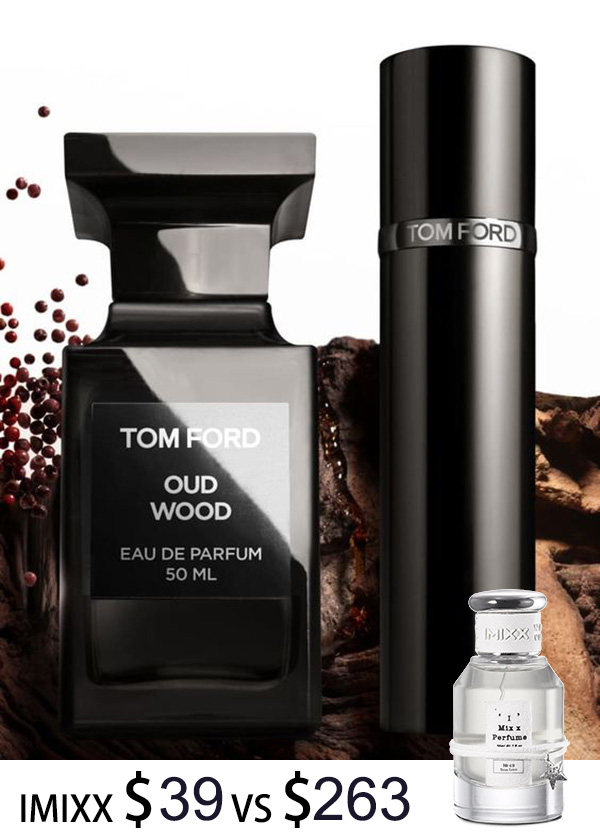
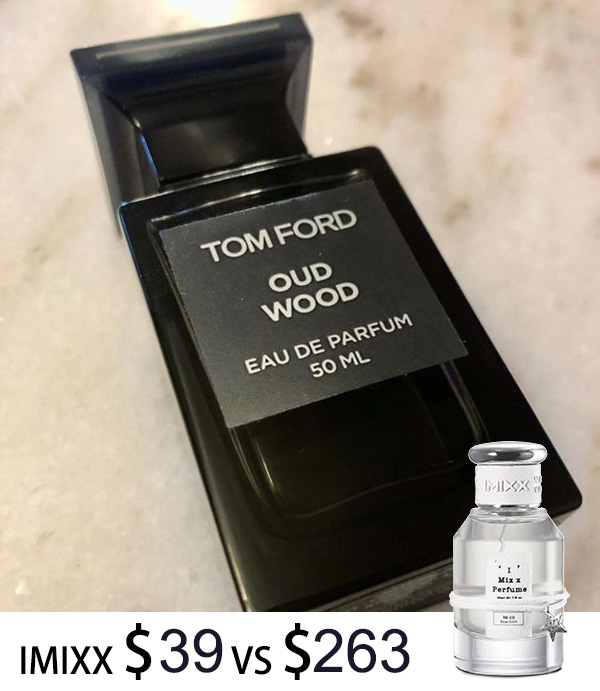
Fragrance is primarily about smell, but presentation affects the ownership experience. Oud Wood’s bottle uses the understated visual language associated with the Private Blend line: dark tones, clean geometry, a substantial cap, and restrained labeling.
The design communicates luxury without excessive decoration. It also matches the scent. A brightly colored or highly ornamental bottle might feel disconnected from the fragrance’s quiet, polished personality.
Competitors sometimes use elaborate bottles to create immediate shelf impact. That approach can be attractive, but Oud Wood relies more on proportion and material impression. I appreciate that consistency because the bottle looks appropriate in both a minimalist bathroom and a larger fragrance collection.
Brand recognition also contributes to the product’s appeal. Tom Ford has cultivated a strong association with fashion, grooming, and cinematic luxury. However, I do not recommend buying a fragrance solely because of the name. The brand can create expectations, but the scent must still suit the wearer’s taste and lifestyle.
Is Oud Wood Worth the Luxury Price?
Value is one of the most personal parts of fragrance evaluation. A luxury fragrance can be worth the price to one buyer and completely unreasonable to another. Income, collection size, wearing frequency, emotional connection, and performance expectations all influence the answer.
I evaluate value through five questions:
- Does the fragrance have a recognizable identity?
- Can I wear it in several settings?
- Do I enjoy the entire development rather than only the opening?
- Will I reach for it often enough to justify the purchase?
- Does the scent experience offer something I cannot easily replace?
Oud Wood performs well in identity, versatility, and smooth development. Its main value challenge is performance expectation. Buyers who equate luxury pricing with maximum projection may be disappointed. Buyers who prioritize composition, refinement, and flexibility may judge it more favorably.
I strongly recommend sampling before purchasing a full bottle. A fragrance can receive excellent reviews and still behave differently on individual skin. Testing also makes it easier to determine whether the projection matches personal expectations.
What Oud Wood Does Better Than Many Competitors
It Makes Oud Approachable
A traditional or highly animalic oud profile can be challenging for beginners. Oud Wood offers a smoother entry point. It preserves the sense of darkness, rarity, and exotic woods while removing many of the sharper edges that can make the category intimidating.
It Avoids Excessive Sweetness
Sweet fragrances are extremely popular, but dense vanilla, caramel, amber, and resin can become tiring. Oud Wood uses warmth carefully. Its base supports the woods rather than covering them in sugar.
It Maintains a Consistent Identity
The fragrance remains recognizable from opening to dry-down. Cardamom, pepper, smooth woods, and gentle amber are integrated into one continuous idea.
It Fits More Occasions
Many oud competitors are reserved for winter nights or formal events. Oud Wood can move from work to dinner, from cool spring weather to fall, and from tailored clothing to elevated casual wear.
It Feels Luxurious Without Demanding Attention
Some fragrances communicate expense through power. Oud Wood communicates it through polish. That distinction is important for people who prefer discreet luxury.
Where Competitors May Have an Advantage
A balanced review should also acknowledge where other fragrances may outperform it. Oud Wood is not the automatic winner for every buyer.
Stronger Projection
Many amber-oud and synthetic woody fragrances project more forcefully. A wearer who wants to be noticed immediately across a room may prefer a more powerful option.
Longer Perceived Longevity
Dense vanilla, leather, musk, patchouli, and resin can remain perceptible for a very long time. Depending on skin chemistry, some competitors may deliver a longer or more obvious dry-down.
Greater Traditional Oud Character
Enthusiasts seeking fermented, medicinal, smoky, earthy, or animalic agarwood effects may find Oud Wood too polished. More traditional compositions can offer greater raw-material realism or cultural specificity.
Lower Cost
The luxury price places Oud Wood beyond many budgets. Other brands and inspired fragrance houses may offer woody-spicy profiles at lower prices, although the exact balance, development, and presentation will differ.
More Dramatic Sweetness or Darkness
Oud Wood is deliberately controlled. Buyers looking for a dessert-like amber, dense incense, aggressive leather, or strong rose may find specialized competitors more emotionally satisfying.
How I Recommend Testing It Against Competitors
Comparing fragrances in a store can become confusing because the nose adapts quickly. I use a structured process to avoid making a decision based only on the first few minutes.
- Start with paper strips. This helps eliminate fragrances I clearly dislike without covering my skin in multiple scents.
- Choose two finalists. I apply one to each arm so that I can compare them throughout the day.
- Avoid rubbing the application. I let each fragrance evaporate and develop naturally.
- Check at several intervals. I smell the fragrances after approximately 15 minutes, one hour, three hours, and near the end of the day.
- Evaluate the scent in motion. I pay attention to the scent trail while walking rather than repeatedly pressing my nose against my skin.
- Consider social distance. I ask whether the fragrance is pleasant at conversational range.
- Repeat on another day. Weather, hydration, mood, and environment can change my perception.
This process is more reliable than choosing the fragrance with the loudest opening. Oud Wood often becomes more appealing after the initial comparison because its strength is smooth development rather than immediate spectacle.
How to Apply Oud Wood for Better Results
Application cannot transform a fragrance into a completely different formula, but it can improve consistency and wearing comfort.
Apply to Clean, Moisturized Skin
Very dry skin may cause fragrance to seem less persistent. I use an unscented moisturizer and allow it to settle before applying perfume. This creates a more comfortable base without introducing a competing aroma.
Use Warm Areas Strategically
The neck, upper chest, and inner elbows can help diffuse fragrance. I avoid applying every spray to one small spot because distributing the scent can create a more natural aura.
Do Not Overspray Immediately
Oud Wood may seem quiet when smelled directly on the skin, but other people can sometimes detect it more easily in the air. I begin with a moderate application and increase only after understanding how it behaves in a specific environment.
Consider Clothing Carefully
Fabric can retain fragrance longer than skin, but perfume may stain delicate or light-colored materials. I test an inconspicuous area before spraying clothing and avoid applying directly to silk, jewelry, or sensitive finishes.
Store the Bottle Properly
I keep fragrance away from direct sunlight, high heat, and repeated temperature fluctuations. A drawer, cabinet, or shaded shelf in a stable room is generally preferable to a sunny windowsill or humid bathroom counter.
Who Is Most Likely to Enjoy Oud Wood?
I would recommend sampling Oud Wood to someone who:
- Enjoys dry woods, cardamom, sandalwood, pepper, amber, or vetiver.
- Wants an accessible introduction to oud-style fragrances.
- Prefers understated sophistication over extreme projection.
- Needs a fragrance suitable for both work and evening wear.
- Wants a unisex scent that adapts naturally to the wearer.
- Finds many modern fragrances too sweet.
- Appreciates smooth blending and gradual development.
- Wants a recognizable luxury fragrance without a conventional aquatic profile.
Who May Prefer a Competitor?
A different fragrance may be more suitable for someone who:
- Wants very powerful projection throughout the day.
- Expects a strongly animalic or traditional oud experience.
- Prefers prominent rose, leather, incense, or gourmand sweetness.
- Needs a bright fragrance specifically for hot and humid weather.
- Judges value primarily by longevity and scent-cloud size.
- Wants a highly youthful, sporty, or casual composition.
- Has a strict fragrance budget and does not prioritize prestige presentation.
My Final Verdict
Oud Wood stands out among competitors because it does not treat oud as an excuse for excess. Instead, it builds a controlled, modern fragrance around dry spices, smooth woods, subtle amber, and restrained sweetness.
Its greatest achievement is balance. It is dark but not oppressive, warm but not syrupy, distinctive but not difficult, and luxurious without becoming unnecessarily theatrical. Cardamom gives the opening identity, sandalwood gives the heart smoothness, and the warm woody dry-down makes the fragrance comfortable enough for repeated wear.
It is not the strongest oud fragrance, the sweetest, the most traditional, or the least expensive. Buyers seeking those extremes will find competitors that better satisfy their priorities. However, very few fragrances combine this level of polish, versatility, recognizability, and unisex wearability in one composition.
For me, that combination explains its lasting appeal. Oud Wood feels designed for a person who wants to be remembered at conversational distance rather than announced from across the building. Its confidence comes from restraint, and that restraint is precisely what separates it from many louder alternatives.
Frequently Asked Questions About Oud Wood
What makes Oud Wood different from other oud fragrances?
Oud Wood uses a polished and accessible oud accord supported by cardamom, pepper, sandalwood, vetiver, amber, and gentle sweetness. It is generally smoother and less animalic, smoky, floral, or syrupy than many traditional oud-centered fragrances.
Is Oud Wood suitable for everyday use?
Yes. Its controlled projection and balanced woody profile can work well for offices, dinners, dates, formal events, and smart-casual situations. Application should still be adjusted to the environment.
Is Oud Wood masculine or feminine?
It is naturally unisex. The dry spices and woods may feel structured, while sandalwood, amber, tonka, and soft vanilla nuances create warmth and smoothness. The final effect depends heavily on the wearer and skin chemistry.
What season is best for Oud Wood?
Fall and spring are especially suitable, but it also works well during winter and on mild summer evenings. In extreme heat, a lighter application is usually more comfortable.
How many sprays of Oud Wood should I use?
I normally recommend starting with two to four sprays, depending on climate, skin chemistry, ventilation, and the occasion. It is better to begin conservatively and adjust after observing how the fragrance projects.
Does Oud Wood smell strongly animalic?
No. Its oud presentation is generally clean, smooth, and abstract rather than strongly barnyard-like or animalic. This makes it more accessible to people who are new to oud fragrances.
Is Oud Wood a good signature scent?
It can be an excellent signature scent for someone who enjoys dry woods and understated luxury. It is recognizable, adaptable, and appropriate for more situations than many heavier oud fragrances.
Should I sample Oud Wood before buying it?
Yes. Sampling is strongly recommended because longevity, projection, sweetness, and woodiness can vary according to skin chemistry and environmental conditions. A full-day skin test provides more useful information than smelling only the opening on paper.