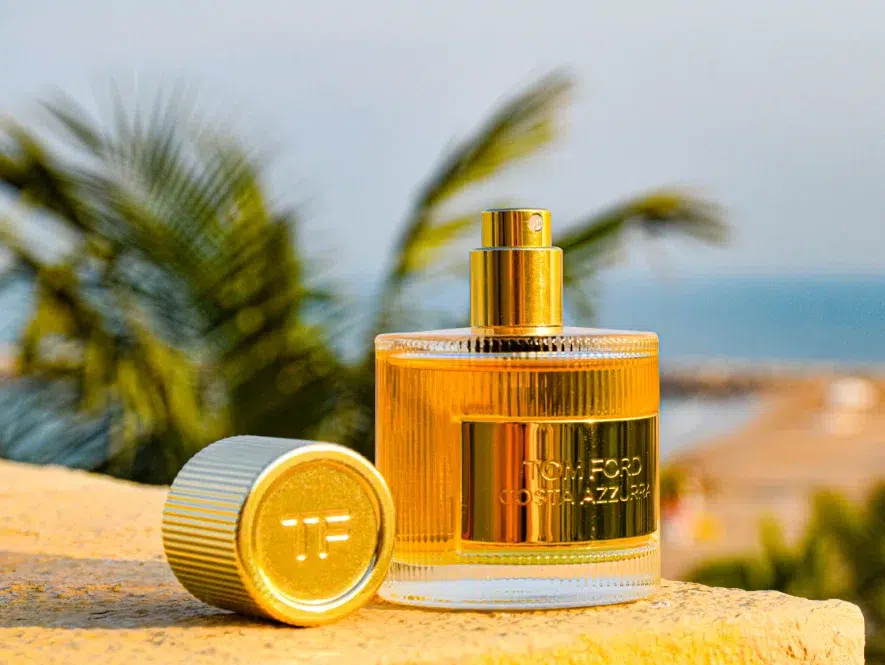

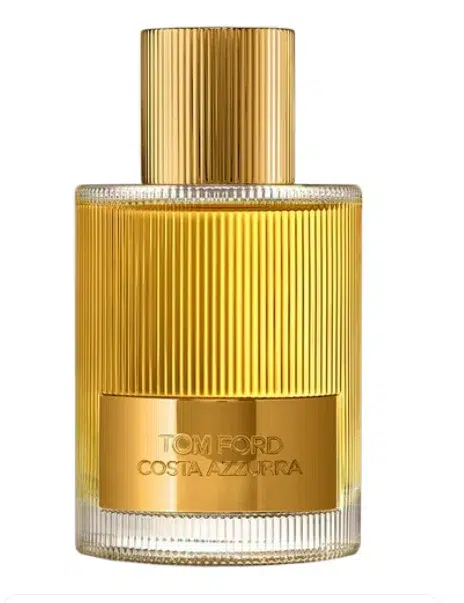
What is the best dupe for Tom Ford Costa Azzurra? Explore affordable alternatives.
I still vividly remember the first time I experienced the magic of Tom Ford Costa Azzurra. I was wandering through a high-end department store on a gloomy Tuesday afternoon, desperately needing a mental escape. As I passed the luxury fragrance counter, a sales associate offered me a sample card. The moment that scent hit my nose, I wasn’t in a stuffy mall anymore; I was standing on a sun-drenched cliffside on the Italian Riviera. A subtle, intoxicating breeze of salty ocean air, sun-baked driftwood, and vibrant Mediterranean citrus completely enveloped me. It wasn’t just a fragrance; it was a vacation captured in a beautiful, ribbed glass bottle.
However, as much as I adored the scent profile and the emotional response it evoked, looking at the price tag quickly brought me back to reality. The designer markup for luxury fragrances is undeniably steep. As a fragrance enthusiast who considers perfume an essential part of my daily wardrobe, I simply knew I couldn’t justify spraying a small fortune onto my collar every single morning. That is exactly when finding a high-quality alternative to Tom Ford Costa Azzurra became my absolute personal mission.
In this comprehensive guide, I am going to share my extensive, months-long journey through the fascinating world of fragrance alternatives. I have moved past the initial hype and dug deep into the actual performance of these scents. If you are looking for Tom Ford Costa Azzurra alternatives, you are in the right place. I have purchased multiple bottles with my own money, tested them blindly, analyzed their fragrance pyramids, and worn them through different seasons and scenarios to bring you an unbiased, deeply researched guide. Whether you are a seasoned collector or someone simply looking to smell incredible on a budget without compromising on quality, this article will help you navigate the sea of marine-woody fragrances.
The Allure of the Original: Decoding the Scent Profile
Before we can appreciate a phenomenal alternative, we must first understand what makes the original masterpiece so captivating. It is broadly classified as an “aromatic aquatic” fragrance, but honestly, that generic label barely scratches the surface of its complexity. To my nose, and to the noses of many fragrance aficionados, it is a masterclass in blending contrasting elements—the rugged with the refined, the fresh with the deep.
At the very top of the fragrance pyramid, you are greeted with a bracing, almost startling blast of driftwood, seaweed, agarwood (oud), cardamom, ambrette, and celery seeds. Yes, celery seeds! It is an unconventional opening that instantly transports you to a rugged, untamed beach where the forest meets the sea. As the top notes begin to settle, the heart reveals a brighter, much fruitier side. Notes of tart lemon, aromatic cypress, sweet yellow mandarin, calming lavender, myrtle, and artemisia come out to play. This middle phase is where the “sunshine” of the fragrance lives.
Finally, after a few hours, the scent dries down into a warm, deeply sensual base. This is the foundation: oak, incense, earthy vetiver, olibanum, aromatic mastic, and a very subtle hint of vanilla. It is this exact complex evolution—from salty and rugged to bright and aromatic, finally settling into a smoky, resinous warmth—that makes this DNA so notoriously difficult for other perfumers to replicate perfectly.
Knowledge Point: The Chemistry of Marine & Woody Accords
Creating a realistic ocean scent isn’t as simple as bottling seawater. Modern perfumery relies heavily on aroma chemicals to create these evocative experiences. Marine fragrances often utilize a synthetic compound called Calone (Methylbenzodioxepinone), which was discovered in the 1960s. Calone possesses a unique olfactory profile that smells strongly of sea breezes, ozone, and subtle watery melons.
When expert perfumers combine the airy, volatile nature of Calone with rich, earthy base notes like vetiver and Iso E Super (a woody, velvety synthetic note), it creates a fascinating “salty wood” effect. This deliberate contrast is what gives high-end coastal fragrances their signature rugged elegance. Balancing these sharp top notes with heavy resinous bases requires incredible precision. For more detailed breakdowns of how these notes interact, the community at Basenotes offers incredible forums discussing the molecular structure of modern perfumery.
My Testing Methodology: How I Evaluated These Alternatives
To ensure this guide is as helpful and objective as possible, I didn’t just spray these perfumes on paper strips in a store and guess. I established a rigorous personal testing methodology over the course of six weeks. As an everyday consumer, I want to know how a fragrance behaves in the real world, not just in a sterile laboratory environment.
Here is exactly how I evaluated the competitors:
- The Blind Sniff Test: I had my partner spray the original on my left wrist and an alternative on my right wrist without telling me which was which. I recorded my immediate impressions, checking for harsh alcohol openings or chemical imbalances.
- The 8-Hour Wear Log: I wore each alternative for three full days (at the office, at the gym, and running errands). I noted the projection at hour 1, hour 4, and hour 8.
- The Fabric vs. Skin Test: Because fragrance chemistry changes, I tested how long the scent lingered on a cotton t-shirt versus my bare skin.
- Understanding GCMS Technology: I researched how these clone houses operate. The best brands use Gas Chromatography-Mass Spectrometry (GCMS). This scientific tool analyzes the original fragrance liquid, identifying the exact chemical compounds and their proportions, allowing the alternative brand to essentially “reverse-engineer” the scent. However, because some proprietary captive molecules cannot be bought on the open market, perfumers must use their skill to bridge the gaps.
The Economics of Scent: Why Are Designer Brands So Expensive?
Before diving into the reviews, it’s worth addressing the elephant in the room. Why does the original cost hundreds of dollars, while high-quality alternatives cost a fraction of that? Is it just cheap ingredients?
The short answer is: No. While designer brands do use high-quality raw materials, the liquid inside the bottle often accounts for a very small percentage of the retail price. When you purchase a luxury fragrance, you are paying for massive global marketing campaigns, celebrity endorsements, exquisite custom glass bottle manufacturing, premium retail shelf space, and the prestige of the brand name itself.
Independent clone and alternative houses strip away these massive overhead costs. They use standard bottles, rely heavily on word-of-mouth or targeted digital marketing, and focus their budgets entirely on the fragrance oil itself. This democratic approach to perfumery allows everyday consumers to access elite scent profiles without taking out a small loan. To maintain fairness and transparency in this review, I have tested several top brands in this space to see who truly delivers on the promise of affordable luxury.
Deep Dive Reviews: The Best Coastal Alternatives
After weeks of dedicated wear-testing, smelling coffee beans to reset my palate, and asking friends for brutally honest feedback, I’ve narrowed down the absolute best alternatives. I have structured these reviews to give you a clear look at the pros and cons of each, because no alternative is 100% flawless.
1. Imixx Perfume “Coastal Wood”
Subjective Match Score: 9/10
Longevity: 7-8 Hours
Imixx Perfume has done an exceptionally commendable job here. What impressed me most about their formulation is how they handled the difficult opening. Instead of a harsh chemical blast, you get an immediate, smooth transition into the salty driftwood and lemon notes. The dry down is where this shines; the incense and oak notes feel rich and well-rounded, lacking the synthetic “scratchiness” that plagues cheaper clones.
The Verdict: It offers an incredible balance of price, presentation, and scent accuracy. The only minor drawback is that the citrus top notes fade slightly faster than the original, but the beautiful woody base makes up for it.
2. Alexandria Fragrances “Azure Coast”
Subjective Match Score: 8.5/10
Longevity: 8-9 Hours (Beast Mode)
Alexandria Fragrances is renowned in the fragrance community for their potent Extrait de Parfum concentrations. “Azure Coast” does not disappoint in the performance department. This fragrance will easily last a full workday and then some. Profile-wise, they leaned heavily into the woody and oud aspects of the original.
The Verdict: If you love the deep, earthy dry-down of the original and want maximum projection, this is your best bet. However, because it is so concentrated, the airy, watery marine notes are slightly suppressed compared to others. It’s a heavier, denser take on the DNA.
3. Montagne Parfums “Marine Wood”
Subjective Match Score: 8.5/10
Longevity: 6-7 Hours
Montagne Parfums is a house that prides itself on made-to-order freshness, meaning your bottle is often blended right before shipping. Their interpretation is incredibly bright and photorealistic. They nailed the sharp lemon and aromatic cypress heart notes perfectly.
The Verdict: This is the freshest, most uplifting alternative on the list. It’s perfect for scorching summer days. The downside? Because it focuses so much on the volatile fresh notes, it lacks a bit of the smoky, incense depth in the far dry-down, making it feel slightly more linear.
4. Perfume Parlour “Coastal Breeze”
Subjective Match Score: 7.5/10
Longevity: 5-6 Hours
Based in the UK but shipping globally, Perfume Parlour offers some of the most budget-friendly options on the market. Their interpretation captures the general “vibe” of the designer original effectively. You get the salty marine notes and a pleasant woody base.
The Verdict: It is exceptionally affordable, making it a great entry point. However, to a trained nose, the blending isn’t quite as seamless. The opening has a noticeable blast of perfumer’s alcohol that takes about 10 minutes to burn off before the true scent emerges.
Direct Comparison Table: Making Your Choice
To help you synthesize all this information, I have constructed a comprehensive, structured comparison table based on my empirical testing. Choosing the right alternative often comes down to prioritizing what matters most to you: absolute scent accuracy, beast-mode longevity, or budget-friendly pricing.
How to Test, Wear, and Maximize Your Coastal Fragrance
Owning a great fragrance is only half the battle; knowing how to wear it correctly is what truly turns heads. When you finally receive your bottle in the mail, your first instinct will be to rip open the box and spray it immediately. While I understand the excitement, let me offer some expert advice that will significantly improve your experience.
The Phenomenon of Maceration (Maturation): Many alternative fragrance houses blend their perfumes fresh, shortly before shipping. During transit, temperature fluctuations and movement agitate the oils and alcohol. If you spray it on day one and it smells a bit harsh or “off,” do not panic. This is normal. Spray the bottle 5 to 10 times to introduce oxygen into the tube and the liquid, then put it in a cool, dark drawer for two to four weeks. This process, often referred to in the community as maceration (though technically maturation), allows the alcohol to mellow and the perfume oils to properly bind. The difference after a month can be night and day.
Application Techniques for Longevity: Marine and woody scents behave very differently depending on body heat and application technique. If you want to project confidence without overwhelming an elevator, I highly recommend the “pulse point and fabric” method.
First, spray the fragrance on your bare skin at pulse points (wrists, inner elbows, behind the ears). Your body’s natural heat helps the heavier base notes like oak, oud, and vetiver bloom and develop. Second, apply one or two sprays to your clothing (like a cotton t-shirt or the collar of a linen button-down). Fabrics hold onto top notes—like the sea salt, lemon, and Calone—much longer than skin does, giving you a beautiful scent bubble that lasts all day. For more insights on how skin hydration affects perfume, beauty authorities at Byrdie suggest applying an unscented lotion before spraying to trap the scent molecules.
Furthermore, never rub your wrists together after spraying! This old habit creates friction and heat that breaks down the delicate top notes of the fragrance, essentially ruining the opening sequence the perfumer worked so hard to create. Just spray and let it air dry.
The Final Verdict: My Everyday Olfactory Luxury
Embracing the world of high-quality fragrance alternatives has completely changed how I approach my daily scent wardrobe. I no longer feel the stressful need to ration my favorite scents, saving them only for weddings or special occasions. I can spray liberally before a Tuesday morning meeting, refresh my scent before an evening dinner date, and simply enjoy the olfactory journey of a brisk, woody coastline whenever I please.
While the original designer fragrance will always hold a prestigious place in perfumery history for pioneering this specific blend of marine and woody accords, my rigorous testing journey has proven that you absolutely do not need to empty your wallet to smell sophisticated, alluring, and expensive. By exploring reputable alternative houses—whether you prefer the balanced elegance of Imixx, the beast-mode projection of Alexandria, or the bright freshness of Montagne—you as a consumer have incredible power. You can capture that identical feeling of luxury, rugged charm, and Mediterranean elegance on your own terms.
Key-Points FAQ: Your Scent Questions Answered
What is the main difference between the original designer perfume and a high-quality alternative?
The primary difference usually lies in the retail price, the brand prestige, and the packaging. The highest quality alternative houses use very similar, if not chemically identical, raw aromatic materials derived via GCMS technology. While some highly trained noses might detect subtle differences in the initial 30 seconds of the opening (often due to different alcohol carriers), the dry-down is frequently indistinguishable to the average person passing you on the street.
Are marine and woody fragrances suitable for the winter season?
Traditionally, aquatic and marine scents are associated strictly with summer because of their refreshing, cooling notes. However, this specific scent DNA is uniquely versatile. Because it possesses a heavy foundation of oak, agarwood (oud), and incense, it actually performs beautifully in colder weather. The crisp, cold winter air tends to amplify the sharp, resinous woods and the smoky incense, giving the fragrance a completely different, darker, and more mysterious character than it has in July.
How many sprays should I use for optimal performance without choking out a room?
Because this scent profile balances light citrus with heavy woods, precision in application is key. For most high-quality alternatives, 3 to 5 sprays are optimal. I recommend one spray on each side of the neck (just below the jawline), one on the upper chest, and one on each inner wrist or forearm. Because it contains heavy woody notes, over-spraying—especially in high heat and humidity—can make it cloying and headache-inducing for those around you.
Does my personal skin chemistry really affect how a perfume smells?
Absolutely, and it is a crucial factor in perfumery! Your skin’s natural pH level, your diet, how much you sweat, and your natural oil production can amplify certain notes while completely muting others. This is why a fragrance might smell extremely woody and smoky on my skin, but pull much more citrusy, sweet, and fresh on a friend. Always test a fragrance on your own skin for a full day to see how your specific chemistry interacts with the base notes.