

Article Summary & Expert Context
In the rapidly shifting American fragrance market, everyday consumers are actively walking away from $300+ designer labels, searching instead for high-quality, budget-friendly alternatives. However, the internet is absolutely flooded with low-quality “drugstore dupes” that smell like harsh rubbing alcohol and vanish from your skin in mere minutes. This comprehensive guide is written from my perspective as an industry insider—someone who has spent over a decade working closely with fragrance supply chains and laboratory formulations. I am writing this to demystify the secretive world of scent replication for the average consumer. We will bypass the aggressive marketing fluff and dive into the fascinating science of Gas Chromatography, the art of scent aging (maceration), and why safety regulations matter. Most importantly, I will provide a fair, unbiased look at the market, comparing several top-tier brands so you can confidently build a luxurious fragrance wardrobe without draining your bank account.
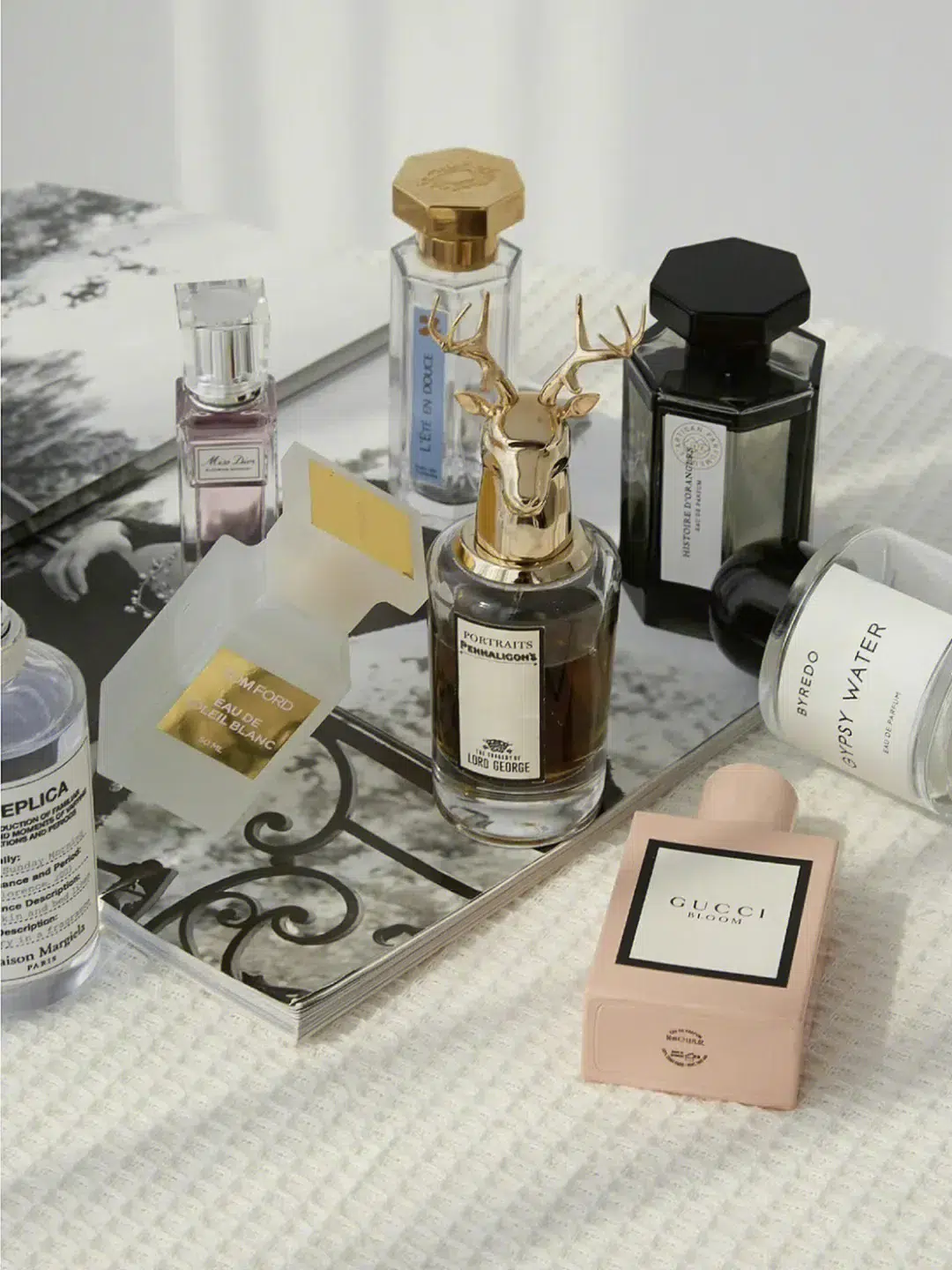
The Changing Landscape of Perfumery for the Everyday Consumer
If you have strolled through a high-end department store like Saks Fifth Avenue or Nordstrom recently, you have likely experienced a severe case of sticker shock. Luxury fragrances have become astronomically expensive. A single, standard-sized bottle of popular scents from prestigious houses like Hermès, By Kilian, or Maison Francis Kurkdjian will now easily set you back anywhere from $300 to over $500. Having worked behind the scenes in the fragrance industry for years, I can tell you quite frankly: for the average person who simply wants to smell nice for work, a date night, or running errands, this pricing model is no longer sustainable.
This economic reality brings us to the world of the knock off perfume. I know that historically, that term carried a bit of a negative stigma. It usually conjured up memories of slightly sketchy mall kiosks or flea markets selling heavily watered-down, headache-inducing liquids in cheap, tacky glass bottles. But I have witnessed a massive technological revolution in this industry over the last ten years.
Today, the absolute best knock off perfume brands are not making “fakes” in a bathtub. They are creating highly sophisticated, meticulously reverse-engineered olfactory tributes. They are utilizing the exact same global suppliers for their raw materials as the luxury fashion houses. My goal here is to pull back the curtain on this industry. I am going to show you the chemical and economic reasons why certain affordable alternatives can easily outperform a $300 designer bottle, and how you can spot the high-quality gems from the cheap, synthetic messes.
Understanding the Legalities: Clones vs. Fakes (And Why It Matters)
Before we get into the fun stuff like how these scents are made, we need to clear up a major ethical and legal misconception. The terminology used on TikTok and Reddit can be confusing, but understanding the stark difference between a “fake” and a “clone” is step one in becoming an educated shopper.
❌ The Illegal Counterfeit (The “Fake”)
A counterfeit perfume is a product designed with malicious intent to trick you. These black-market operations illegally copy the trademarked brand name, the exact logo, the proprietary bottle shape, and the outer box of luxury brands like Chanel or Dior. Buying these is illegal, but more importantly, it is highly dangerous. Counterfeiters do not follow safety laws. Confiscated fakes tested in labs have repeatedly been found to contain industrial antifreeze, animal urine, and toxic, banned chemical stabilizers that can cause severe skin burns. Never buy a fake.
✅ The Inspired Expression (The “Clone”)
A true inspired fragrance operates in a 100% legal and highly ethical space. Under global IP law, a scent itself (the liquid formula) cannot be copyrighted. It is legally viewed as a chemical recipe, much like a recipe for a chocolate chip cookie. Ethical clone brands legally analyze the scent profile of iconic perfumes and recreate that smell using their own high-quality ingredients. They sell it in their own unique bottles, under their own brand names. There is zero deception; you know exactly who you are buying from.
The Economics of Scent: Why Are Designer Perfumes So Expensive?
To understand how a $40 alternative can genuinely smell just as incredible as a $350 niche fragrance, we have to look at the supply chain. The biggest secret the legacy brands desperately want to hide is this: the actual fragrant liquid inside a luxury perfume bottle usually accounts for less than 5% of the total retail price you pay.
When you purchase a high-end designer cologne, you are not paying for rare flowers hand-picked by fairies at midnight. You are paying for a bloated corporate infrastructure. You are funding multi-million dollar television commercials starring Hollywood actors, massive billboard campaigns, and the extremely high retail markups demanded by department stores.
By stripping away the celebrity marketing and the middle-man retailers, independent brands can actually afford to put more money into the raw fragrance oils than the luxury houses do, while passing incredible savings directly to you.
How It Works: The Science of Gas Chromatography (GC-MS)
People often ask me, “How do they copy a smell so perfectly? Do they just sniff it and guess?” Absolutely not. Modern perfumery relies on advanced, highly precise analytical chemistry.
The secret weapon is a machine called a Gas Chromatograph-Mass Spectrometer (GC-MS). Think of this machine like a highly advanced barcode scanner, but for smells. When a chemist wants to recreate a famous $300 cologne, they inject a tiny sample of it into this machine. The machine vaporizes the liquid and separates every single chemical molecule based on its weight. It then prints out a detailed graph (a spectrum) that tells the perfumer exactly what makes up the scent. It will say, for example: “This perfume contains 12% Ambroxan, 5% Linalool, 2% natural bergamot oil,” and so on.
🧪 The Human Element: The Master Perfumer
While the GC-MS machine gives you the recipe, you still need a master chef to bake the cake. The machine might tell you there is vanilla in the formula, but it takes a human expert to know whether it’s a dry, smoky vanilla from Madagascar or a sweet, floral vanilla from Tahiti. Cheap clone brands just blindly follow the machine’s printout, which is why they often smell “flat.” The best alternative brands use the data as a starting point, and then rely on expert human noses to blend the ingredients until the “soul” of the original fragrance is perfectly captured.
The Magic Step Cheap Brands Skip: Maceration
If you have ever bought a cheap dupe from a big-box store and felt it smelled harsh, it is likely because the brand skipped a crucial step called maceration.
Maceration is simply the fragrance industry’s term for aging. Just like a fine wine needs to sit in oak barrels to develop its complex flavors, a freshly mixed perfume needs time to rest. When you mix raw fragrant oils with perfumer’s alcohol, the chemicals need several weeks to bind together properly. This resting period softens the sharp, alcoholic edges and creates a smooth, rounded scent. Mass-market fast-fashion brands refuse to wait; they mix the liquids and ship them to stores the very next day to make a quick buck. High-quality alternative houses let their juices macerate in temperature-controlled vats for 4 to 8 weeks before bottling them.
Natural vs. Synthetic Ingredients: The Great Myth
There is a pervasive myth in the beauty community that $300 designer perfumes use only “100% natural” ingredients, while dupes use “cheap synthetics.” As a lab professional, I can assure you this is entirely false.
Almost all modern perfumes—whether they cost $50 or $500—are a careful blend of natural extracts and synthetic aromachemicals. Synthetics are not bad; in fact, they are miracles of modern science. We need synthetics. For instance, creating a natural musk scent historically required hunting and killing the endangered Himalayan musk deer. Thanks to synthetic musks created in labs, perfumery is now largely cruelty-free.
Furthermore, certain beautiful smells—like the scent of ocean water, fresh rain, or a crisp apple—cannot be extracted naturally. They must be created synthetically. The difference between a good brand and a bad brand is not whether they use synthetics, but the purity and quality of the synthetics they buy from global suppliers.
Safety First: Transparency and Regulations
When we talk about applying chemicals to your skin, safety is paramount. According to resources from the U.S. Food & Drug Administration (FDA), fragrance formulas are heavily protected as “trade secrets.” This means companies do not have to list every single chemical on the back of the box; they can just write the word “Fragrance” or “Parfum.”
Because of this loophole, independent consumer advocacy groups like the Environmental Working Group (EWG) frequently point out that some low-quality fragrances contain hidden phthalates (used to make scents last longer) or parabens. When you are shopping for an affordable alternative, it is vital to look for brands that actively state they are free of phthalates, parabens, and strictly adhere to safe usage guidelines. Good brands will be transparent about their safety standards.
How to Spot Quality: Extrait de Parfum vs. EDT
The biggest complaint about cheap perfumes is that they do a “disappearing act”—they smell great for 20 minutes and then vanish completely. This all comes down to oil concentration.
Fragrances are a mixture of concentrated aromatic oils diluted in alcohol. The more oil, the longer it lasts on your skin. Most department store fragrances are sold as Eau de Toilette (EDT) or Eau de Parfum (EDP) to keep corporate profits high.
- Eau de Toilette (EDT): Contains 5% to 15% fragrance oil. Expect it to last 3 to 5 hours.
- Eau de Parfum (EDP): Contains 15% to 20% fragrance oil. Expect it to last 5 to 8 hours.
- Extrait de Parfum: Contains 20% to 40% fragrance oil. Expect it to last 10 to 24+ hours.
The smartest consumer move is to find alternative brands that formulate their products at Extrait de Parfum concentration. By doing this, your affordable bottle actually lasts twice as long on your skin as the $300 designer original.
Expert Advice: How to Make Any Fragrance Last All Day
Even if you buy a highly concentrated Extrait, your daily habits dictate how well it performs. As a perfumer, here are my top practical tips for maximizing your scent cloud.
1. Hydrate Your Skin (The Unscented Lotion Trick)
Fragrance oils desperately need something to hold onto. If you spray perfume on dry skin, your pores will drink up the alcohol and oils like a sponge, causing the scent to disappear. Always apply an unscented body lotion or a tiny dab of petroleum jelly to your pulse points right before you spray. This creates a barrier, keeping the fragrance on top of your skin where it can project outward.
2. Never Rub Your Wrists Together
We have all seen people spray their wrists and aggressively rub them together. Stop doing this! Friction creates intense heat. That heat literally burns off the delicate, highly volatile “top notes” (the fresh citrus and fruits you smell in the first 10 minutes), ruining the progression of the scent. Just spray and let it air dry.
3. Store Your Bottles Properly
The absolute worst place to keep your perfume collection is on your bathroom counter. The daily heat and high humidity from your shower will quickly degrade the delicate aromatic chemicals, turning the liquid sour. Keep your bottles in a cool, dark place, like a bedroom dresser drawer, entirely away from direct sunlight.
A Fair Look at the Market: My Top Recommended Brands
As an industry professional, I believe in transparency and fairness. There is no single “perfect” brand; different houses excel at different things. If you are ready to explore this world, here is an objective, honest comparison of some of the most respected names in the alternative fragrance space right now.
Conclusion: Smell Incredible, Spend Wisely
The days of blind brand loyalty and happily swiping a credit card for a $300 logo are fading fast. The modern consumer is much more educated. By understanding how the supply chain works, knowing the difference between an illegal fake and an ethical clone, and demanding transparency in ingredients, you now hold the power to build an extraordinary, diverse fragrance wardrobe on a reasonable budget.
Whether you decide to brave the harsh opening of a cheap Armaf for that long-lasting dry down, wait patiently for a Montagne batch to age, or opt for the immediate, high-concentration luxury of Imixx Perfumes, the choice is yours. Look beyond the massive advertising campaigns and the heavy glass bottles. At the end of the day, it is just about the juice. Demand quality, wear what makes you feel confident, and smell expensive while spending wisely.
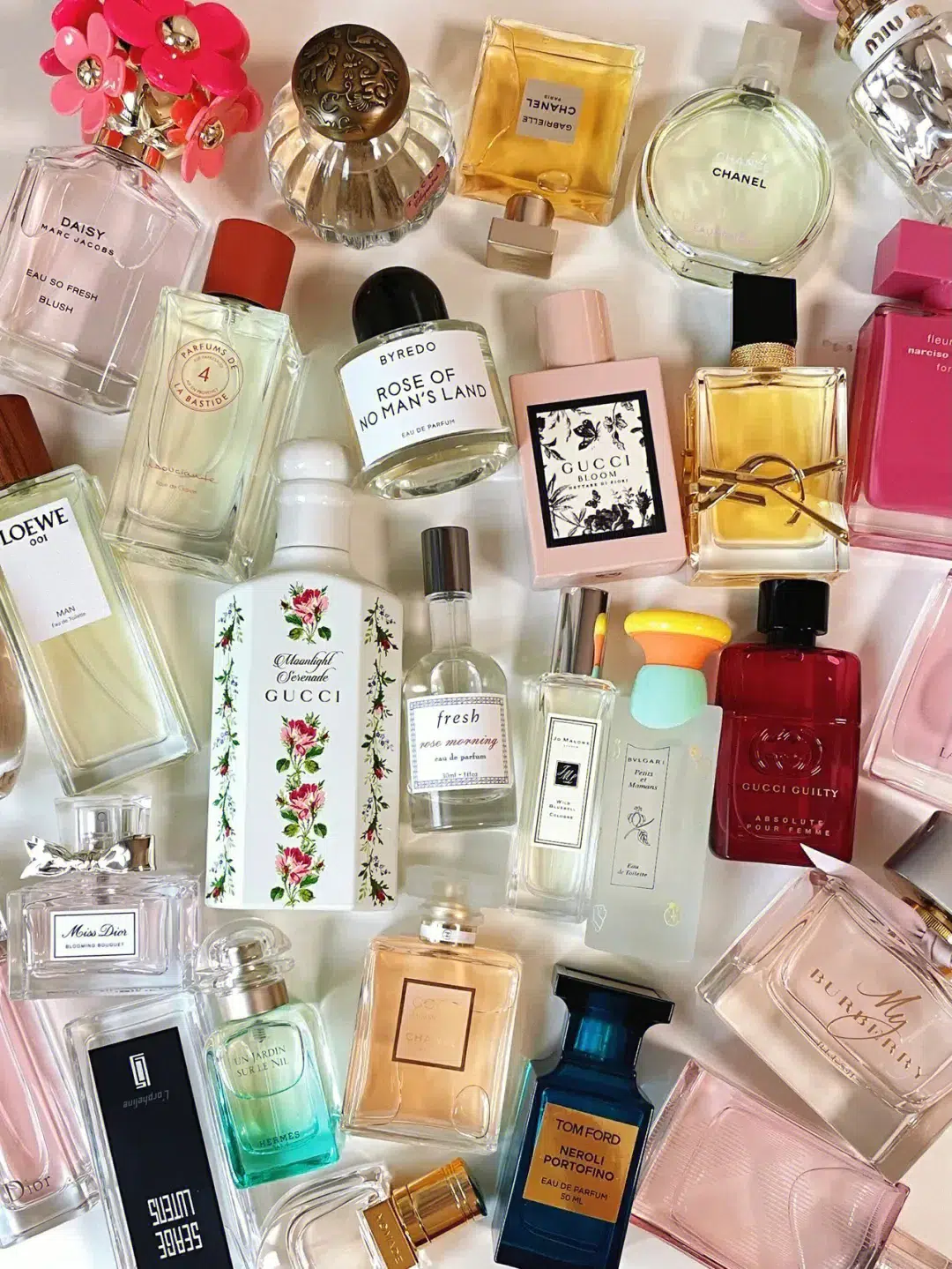
Frequently Asked Questions (FAQ)
Are alternative perfumes safe for my skin?
Yes, as long as you buy from legitimate, transparent brands (like the ones mentioned in this article) rather than counterfeiters. Ethical brands use skin-safe ingredients and follow global safety guidelines. If you have particularly sensitive skin, always patch-test a new fragrance on your arm first, regardless of whether it is a $300 designer scent or a $40 clone.
Why do some cheap perfumes give me a headache?
Headaches are typically caused by two things: an overwhelming blast of harsh, poorly denatured industrial alcohol used in very cheap drugstore body sprays, or a sensitivity to a specific synthetic aromachemical. Better-quality alternative houses use triple-filtered perfumer’s alcohol and let the mixture age (macerate), which significantly smooths out the scent and reduces that initial sharp, headache-inducing blast.
How close to the original do these clones actually smell?
Thanks to advanced GC-MS laboratory technology, premium alternatives routinely achieve a 95% to 98% match to the original designer fragrance. In the air, as you walk past someone, they are completely indistinguishable. The only minor differences you might detect are usually in the first 5 minutes after spraying, before the scent settles into the skin.
Does my body chemistry actually change how a perfume smells?
Absolutely. Your skin’s pH level, your natural diet, and how oily or dry your skin is will subtly alter how a fragrance projects. A scent that pulls very sweet and vanilla-heavy on your friend might smell slightly more woody or musky on you. This is totally normal and happens with both expensive luxury perfumes and their affordable counterparts.
