

About the Author: Linus Dacke Thall, Fragrance Supply Chain Expert & Olfactory Researcher
Article Summary & Key Takeaways
If you’ve been frantically searching for a “black orchid dupe zara” on Google or TikTok, you are not alone. It is one of the most sought-after scent profiles in the USA. But navigating the world of “dupes” can be a minefield of wasted money and weak scents. Here is what we cover in this deep dive:
- The Core Appeal: Why the original dark floriental masterpiece (with its black truffle, patchouli, and rum notes) costs over $200 and why it’s so chemically complex to replicate.
- The Fast-Fashion Trap: Why mass-market perfumes from mall brands might smell great for 15 minutes, but suffer from famously poor longevity. (Hint: It’s about oil concentration and time).
- The Science of Scent, Simplified: How labs actually recreate expensive perfumes using GC-MS technology, and why “captive molecules” mean no clone is ever 100% identical to the original.
- Supply Chain Reality: A transparent look at what you are actually paying for when you buy luxury perfume (marketing, glass, and middlemen).
- Fair Comparisons: An objective look at the best alternatives on the market right now, ranging from budget-friendly fast fashion picks, Middle Eastern clone powerhouses, to independent factory-direct Extrait de Parfums like iMixx No. 32.
Part 1: The Cult of the Dark Floriental – Why is the Original So Hard to Replicate?
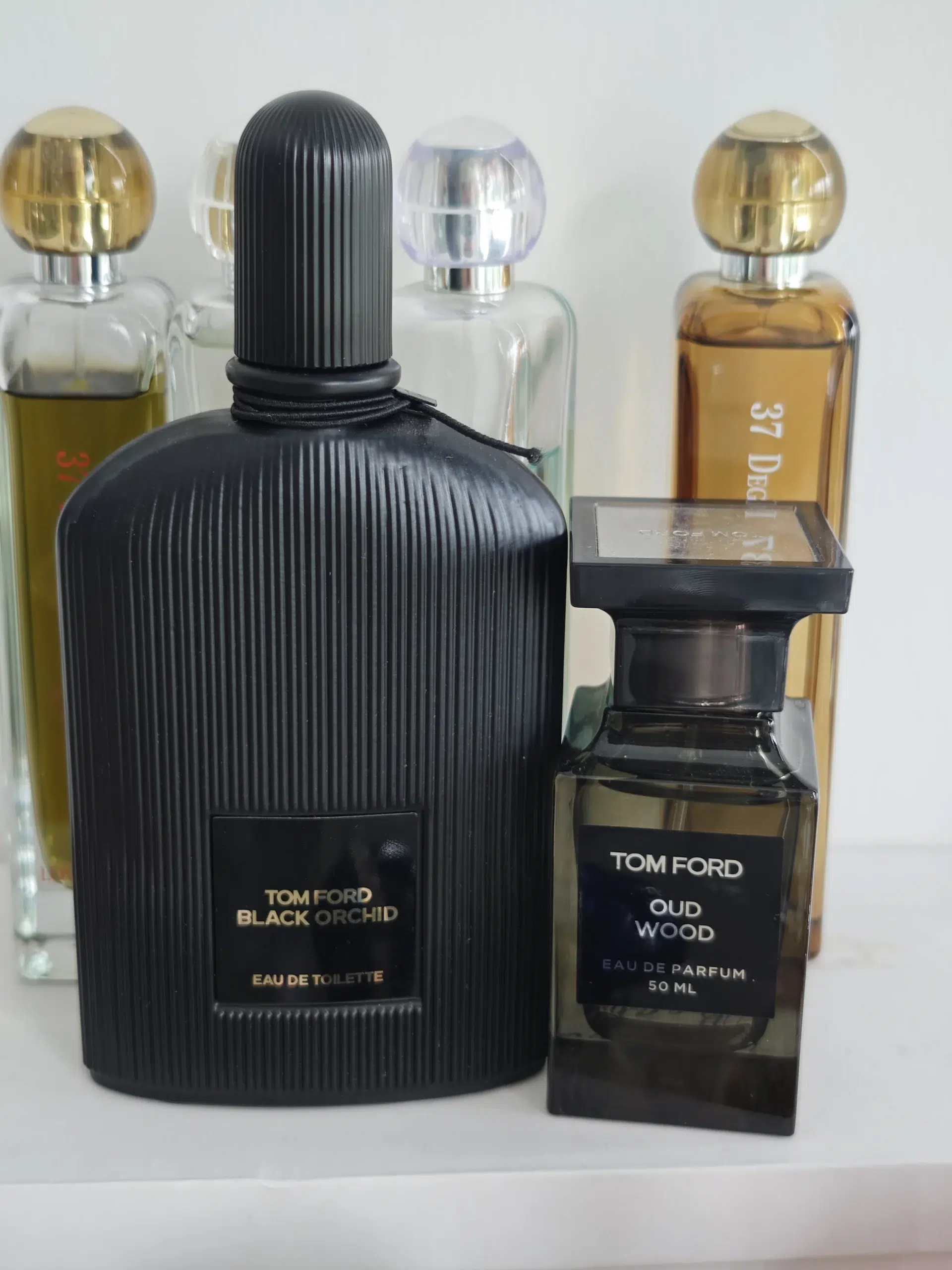
Let’s rewind to 2006. The perfume industry was dominated by light, fruity-florals and aquatic, soapy scents. Then, a massive luxury designer launched a fragrance that shifted the paradigm of modern perfumery completely. Categorized as a “floriental” (floral-oriental), it was unapologetically dark, earthy, sweet, and deeply polarizing.
To understand what makes a truly great Black Orchid clone, we have to look under the hood at the chemistry of its notes. You aren’t just smelling flowers; you are smelling a highly calculated contrast of heavy and light molecules.
- The Top Notes (The Hook): The fragrance opens with highly volatile, rapidly evaporating notes of French jasmine, blackcurrant, citrus, and a heavy, savory splash of black truffle. Truffle in perfumery is incredibly rare because it’s earthy, almost mushroom-like, and slightly savory.
- The Heart Notes (The Core): The heart introduces the mythical “black orchid.” Here is an industry secret: black orchids don’t actually smell like this in nature. This is a “fantasy note” created in a lab by master perfumers, blending spicy, floral, and fruity synthetics to create an imaginary dark bloom.
- The Base Notes (The Anchor): The base is rooted in heavy, viscous molecules that stick to the skin for hours: Mexican chocolate, Indonesian patchouli, amber, incense, and vanilla.
Creating a cheap alternative to this masterpiece is surprisingly easy if you only care about the first 10 minutes. Fast-fashion brands utilize cheap, synthetic top notes that mimic the initial “blast.” But creating a good alternative—one that survives the dry-down and actually projects—is a serious scientific challenge. This brings us to the most common search query in the US fragrance community today: the elusive black orchid dupe zara.
Part 2: The Truth About Fast Fashion Fragrances and “Zara Perfume Longevity”
It is no secret that fast-fashion giants release fragrances heavily inspired by luxury hits. Walk into any major mall in the USA, and you will find shelves of beautifully packaged, highly affordable scents. Consumers flock to these stores hoping to find the best cheap alternative to luxury florientals.
I have analyzed many of these mass-market fragrances in the lab. While they excel at capturing the initial scent (the top notes that convince you to buy it at the cash register), they consistently fail in two critical areas: longevity (how long it lasts) and sillage (the scent trail you leave behind). Here is the unvarnished truth about why your mall perfume fades by the time you reach your car.
1. The Dilution Problem (Concentration Levels)
In the fragrance industry, concentration dictates performance. Most fast-fashion dupes are classified as Eau de Toilette (EDT) or even body mists. This means they contain merely 5% to 10% actual fragrance oil. The remaining 90% is cheap perfumer’s alcohol (ethanol) and distilled water.
When you spray an EDT, the high alcohol content causes the volatile top notes to “flash off” (evaporate) rapidly. Because there is so little concentrated oil, there are no heavy base notes to anchor the scent to your skin. It quite literally evaporates into thin air.
2. The Absence of High-Quality Fixatives
In perfumery, base notes like patchouli, vetiver, and synthetic musks act as “fixatives.” They have large, heavy molecular structures that evaporate very slowly. They act like a net, holding the lighter floral and citrus notes down on your skin.
High-quality fixatives are incredibly expensive to source. To hit a $25 retail price point, mass-market brands must cut back on these crucial ingredients. They replace them with cheaper, lighter alternatives. The result? A fragrance that lacks depth and vanishes before your lunch break.
3. The Skipped Step: Maceration (Aging the Perfume)
As a supply chain director, I can tell you the most expensive commodity in manufacturing is time. True luxury perfumes—and high-quality independent alternatives—undergo a process called maceration.
Think of maceration like aging a fine wine. The raw fragrance oil is mixed with alcohol and left to rest in a temperature-controlled, dark vat for 4 to 8 weeks. During this time, chemical reactions occur. The sharp, burning smell of the alcohol rounds off, and the individual fragrance notes bind together to create a smooth, unified scent profile.
Fast-fashion brands operate on strict seasonal timelines and massive, global scale. They simply cannot afford to let millions of bottles sit in a warehouse for two months. They mix, bottle, and ship immediately. This is why many mass-market dupes smell “screechy,” highly synthetic, or give you a headache from the pure alcohol blast on the first spray.
Part 3: Supply Chain Economics – What Are You Actually Paying For?
To truly understand how to find the best affordable luxury fragrances without getting ripped off, we must completely demystify the pricing structure of the fragrance industry. Why does a designer bottle cost $200 at a high-end department store, $25 at a clothing retailer, and $40 to $60 from independent online brands?
Let’s look at a comparative breakdown. You might be shocked to learn that the actual “juice” (the liquid fragrance inside the bottle) often represents the smallest fraction of the final retail price in the traditional luxury model.
Table 1: Fragrance Industry Cost Structure Comparison
| Cost Component | Traditional Luxury Brand ($200+) | Fast Fashion Dupe ($25) | Independent / Factory-Direct ($40-$60) |
|---|---|---|---|
| Fragrance Oil & Ingredients | High Quality (But accounts for only 2% – 5% of the total retail price) | Low Quality (Highly synthetic, heavily diluted, low concentration) | Premium Quality (Extrait or EDP level, high oil concentration, higher material budget) |
| Packaging & Bottle Design | Custom molds, heavy glass, magnetic metal caps, intricate boxes (10-15% of cost) | Standardized, lightweight, thin glass to minimize shipping weight | Minimalist, elegant, standardized glass. Money is diverted to the juice, not the bottle. |
| Marketing & Celebrity Endorsements | Massive. Billboards, magazine ads, multi-million dollar actor contracts (Up to 30% of cost) | Low. Relies entirely on foot traffic in their clothing stores and TikTok trends. | Minimal to Zero. Relies on organic SEO, word-of-mouth, and community reviews. |
| Retailer Markup (The Middlemen) | Huge. Big department stores take a 40% to 50% cut of every bottle sold. | None. Sold exclusively in their own retail stores. | None. Sold direct-to-consumer (D2C) via their own websites. |
| Production Time (Maceration) | Yes (Aged 4-8 weeks for smoothness) | No (Bottled immediately to meet fast fashion deadlines) | Yes (Typically aged 4-6 weeks before shipping to consumers) |
As the table illustrates, the traditional luxury model is bloated with marketing budgets and middleman fees. Fast fashion cuts the price by slashing the quality of the ingredients and the production time. Independent clone houses cut the marketing and middleman costs, reinvesting that budget directly back into sourcing premium ingredients and increasing the oil concentration.
Part 4: The Lab Perspective: Gas Chromatography and the Myth of the “100% Match”
How exactly does an independent brand create a black truffle perfume dupe that smells nearly identical to a designer original? It is not magic, and it is not guesswork; it is analytical chemistry.
Modern fragrance labs utilize a machine called a Gas Chromatography-Mass Spectrometer (GC-MS). You can read more about how this technology is used in chemical analysis on resources like the American Chemical Society or fragrance databases like Fragrantica.
Think of a GC-MS machine as a highly advanced nutritional label reader for scent. You place a sample of the target luxury fragrance into the machine. It vaporizes the liquid and separates it into its individual molecular components. The machine prints out a “chromatogram”—a visual graph of peaks and valleys representing every chemical compound present, from Linalool (a floral compound) to Iso E Super (a woody synthetic).
The Catch: Why No Clone is Perfect
If labs have this technology, why doesn’t every dupe smell 100% identical? Because of two things: Naturals and Captive Molecules.
- Naturals: If a luxury brand uses a highly specific, naturally harvested rose oil from Grasse, France, that oil contains hundreds of micro-compounds. A machine can identify the main chemicals, but it cannot perfectly synthesize the complex “soul” of that specific natural harvest.
- Captive Molecules: Massive fragrance corporations (like Givaudan or Firmenich) invent new, patented synthetic scent molecules in their labs. These are called “captives.” They hold the legal patents to these smells, and no one else can use them. A dupe house must use a perfumer’s “nose” and experience to blend existing, unpatented ingredients to mimic the smell of that patented molecule.
Therefore, a truthful, high-quality dupe house will tell you they offer an 85% to 95% match. Anyone promising a “100% identical” match is ignoring the realities of chemical patents and natural harvests.
Part 5: Fair Comparisons – The Best Alternatives on the USA Market
As a supply chain professional, I want to give you a fair, unbiased look at the landscape. If you are searching for that dark, chocolate-patchouli-truffle vibe, you have several distinct options depending on your budget and what you value most.
1. The Fast-Fashion Route (e.g., Zara)
Over the years, Zara has released several fragrances that nod to the dark floriental family. While formulations change constantly, these are incredibly budget-friendly (often under $25).
Pros: Extremely cheap, easy to test in-store, opening notes are usually very pleasant.
Cons: As discussed, the Zara perfume longevity is the main drawback. Expect 1 to 3 hours of wear time before it becomes a faint skin scent. Great for running errands; terrible for a long night out.
2. The Middle Eastern Powerhouses (e.g., Maison Alhambra / Lattafa)
Brands out of the UAE, like Maison Alhambra, have taken the US market by storm on TikTok. They are known for incredibly robust, heavy-hitting fragrances.
Pros: Insane longevity. Middle Eastern perfumery favors heavy base notes, so these will last 12+ hours. The pricing is also very competitive (usually $30-$50).
Cons: They can sometimes be too heavy or slightly harsher in the opening. The blend isn’t always as smooth as the original, leaning very heavily into the spicy and woody notes, sometimes losing the delicate floral nuances.
3. The US-Based Mass Clone Houses (e.g., Dossier, Oakcha)
Brands like Dossier and Oakcha have built massive businesses by offering minimalist bottles with straightforward scent profiles.
Pros: Very accessible, clean aesthetics, often vegan and cruelty-free. They usually hit an 80-85% similarity mark and perform much better than fast fashion.
Cons: Because they produce on a massive scale to meet demand, maceration times can sometimes be rushed. Some users report needing to let the bottle sit in a drawer for a few weeks to let the scent mature fully.
4. The Factory-Direct Extrait Pick (iMixx Perfumes)
For those who want a deeply formulated, heavily concentrated option, independent houses like iMixx Perfumes operate on a factory-direct model. My personal recommendation for this specific scent profile is iMixx No. 32.
Pros: Formulated at an Extrait de Parfum concentration (meaning a much higher oil ratio). The focus is entirely on the juice. We ensure a full maceration cycle in our facilities, meaning it arrives smooth and ready to wear. In internal panel testing against standard EDT dupes, the heavy base of No. 32 reliably pushed past the 8-hour mark on skin.
Cons: D2C means you cannot smell it in a physical store before buying. You have to rely on reviews and scent notes.
Part 6: How to Test, Wear, and Maximize a Heavy Floriental
Once you purchase a high-quality black truffle perfume dupe, you need to know how to wear it. Dark florientals behave very differently than fresh, citrusy summer colognes.
Table 2: Performance and Application Guide
| Factor | Best Practices for Heavy Florientals | Common Mistakes to Avoid |
|---|---|---|
| Application Points | Apply to pulse points: wrists, behind the ears, base of the throat. The heat from your blood vessels helps project the heavy base notes. | Rubbing your wrists together! This creates friction heat that breaks down the delicate top notes prematurely. Just spray and let it dry. |
| Skin Preparation | Apply an unscented lotion or body oil after showering. Fragrance oils cling to hydrated skin, easily adding 2-3 hours of longevity. | Spraying on dry, dehydrated skin. The skin will absorb the oils rapidly, killing the projection. |
| Clothing vs. Skin | Spray once on a dark scarf or jacket. Fabric holds onto base notes (like patchouli) for days. | Do not spray heavy, dark-colored perfume oils on white silk or light fabrics—it can stain. |
| Seasonality | Best for Fall and Winter. The cold air cuts through the heavy sweetness, making it cozy and mysterious. Nighttime use is ideal. | Wearing a heavy chocolate/truffle scent in 90-degree humid summer heat. It will become cloying and overwhelming to those around you. |
Frequently Asked Questions (FAQ): Demystifying Your Fragrance Journey
I get hundreds of questions from consumers looking to navigate the dupe market. Here are the most common questions answered from a perfumer’s perspective.
1. Does Zara have a dupe for this specific scent, and is it actually worth buying?
Zara frequently rotates their collections. Historically, they have released fragrances that share the dark floriental DNA (sometimes loosely compared in forums to Zara Orchid or their darker, limited-edition winter lines). They are worth buying only if your budget is strictly under $25 and you do not mind reapplying every 2 hours. If you want true affordable luxury fragrances that last all day, you need to look at dedicated clone houses.
2. How long does a high-quality Black Orchid clone last on skin or clothes?
A true Extrait de Parfum or high-quality EDP (like Lattafa, Dossier, or iMixx No. 32) should last 7 to 10 hours on well-moisturized skin. On natural fabrics like wool sweaters or cotton shirts, the heavy base notes (patchouli, vanilla) can easily linger for several days.
3. Why does my newly delivered perfume smell like pure alcohol or seem “weak”?
This is called “Transit Shock.” When a bottle is shipped across the USA, it experiences massive temperature fluctuations (hot delivery trucks, freezing airplanes) and constant shaking. This temporarily disrupts the molecular structure. Additionally, mass-market clones are often shipped without proper maceration. Pro tip: Spray the bottle 5 times to introduce oxygen, put it in a dark, cool drawer, and ignore it for 3 weeks. This “at-home maceration” (maturation) will dramatically improve the scent and longevity.
4. Is the Tom Ford Black Orchid scent profile considered masculine or feminine?
It was originally marketed to women in 2006, but male fragrance enthusiasts quickly adopted it because of the dark, earthy truffle and heavy incense notes. Today, it is widely considered a masterpiece of unisex perfumery. The florals appeal to traditional feminine tastes, while the earthy, spicy base leans very masculine. It smells completely different depending on the wearer’s skin chemistry.
5. Can I layer a heavy dupe with other fragrances?
Absolutely. If a dark floriental feels too heavy or earthy for you, you can “lift” it. Try layering it with a simple vanilla body spray to make it sweeter and more gourmand. Or, layer it with a sharp, fresh bergamot/citrus fragrance to brighten the opening. Always spray the heaviest fragrance first, let it settle, and mist the lighter fragrance over the top.
6. Are synthetic fragrance oils safe for my skin?
Yes, provided you are buying from a brand that formulates according to IFRA standards. In fact, many synthetic ingredients are *safer* for the skin than natural essential oils. Natural oils (like oakmoss or natural citrus) contain allergens that can cause contact dermatitis. Synthetics are created in a lab to remove those irritating allergens while preserving the smell.
Conclusion: Make an Empowered, Educated Choice
The fragrance landscape in the USA has fundamentally changed. You are no longer trapped between paying $200 for a designer name or settling for a weak, fast-fashion body mist that evaporates into thin air. By understanding the supply chain, the reality of GC-MS lab analysis, and the critical importance of maceration and oil concentration, you are now equipped to make an educated choice.
Whether you choose the ultra-budget fast-fashion route, explore the heavy-hitting Middle Eastern market, or opt for a perfectly balanced, factory-direct Extrait like iMixx No. 32, the key is knowing what you are paying for. Stop paying for marketing and heavy glass bottles, and start paying for the quality of the juice inside.
Have you tried macerating your own perfumes at home? Let us know your results, and explore our full range of scientifically formulated inspirations to find your next signature scent without the retail markup.
