

Understanding the Rise of Fragrance Duplication in 2024
As someone who has been passionate about fragrances for years, I’ve witnessed firsthand the dramatic transformation of the perfume industry in 2024. Fragrance duplication has evolved from a niche market into a $2.7 billion global industry, and I’ve been fascinated by this journey. When I first discovered that the perfume dupes market is projected to reach $7 billion by 2030—growing at an impressive 16% CAGR—I knew this wasn’t just a passing trend[21]. This explosive growth reflects a fundamental shift in how we, as consumers, approach luxury fragrances. I’ve learned that between April 2020 and March 2025, Google searches for “dupe perfume” increased 8.9-fold[24][30], demonstrating that millions of fragrance enthusiasts like myself are actively seeking affordable alternatives to designer scents.
What truly opened my eyes was understanding the economics behind luxury perfumes. Through my research, I discovered that the actual fragrance liquid in a luxury perfume accounts for merely 1% of its retail price[24][30]. The remaining 99% covers marketing campaigns, elaborate packaging, brand prestige, and retail markups. This revelation changed my perspective entirely. I realized that when I purchased a designer perfume for $350, I was paying primarily for the brand name and packaging, not necessarily superior ingredients or craftsmanship. This understanding led me to explore Fragrance Duplication as a viable alternative, and I haven’t looked back since.
Market Growth and Consumer Demand: My Observations
The fragrance industry overall generated $56.6 billion in revenue in 2024 and is expected to reach $74.8 billion by 2030[8]. Within this booming market, I’ve noticed that perfume dupes have carved out a significant 4.5% market share in 2024, projected to reach 8.9% by 2030[24]. These aren’t just abstract statistics to me—they represent a fundamental democratization of luxury that I’m proud to be part of. In the United States alone, where I primarily shop, the perfume market reached $9.3 billion in 2024 and is growing at an 8% CAGR[5]. What strikes me most is that fragrance sales increased by 22.1% year-over-year, totaling $8.8 billion for the 52 weeks ending August 2024[5]. This robust growth occurs even as luxury perfume prices have surged by 30% between 2020 and 2024—twice the rate of inflation[24][30].
💡 Key Market Insight
The perfume dupes market grew from $2.7 billion in 2024 to a projected $7 billion by 2030, representing a 159% increase driven by consumer demand for affordable luxury[21].
What I find particularly interesting is the demographic driving this change. Generation Z consumers constitute 49% of dupe purchasers, followed closely by Millennials at 44%[27]. As someone who falls into one of these categories, I can attest that we approach luxury differently than previous generations. We value experience and quality over brand names, and we’re not afraid to seek out alternatives that deliver comparable results at accessible price points. Research shows that 67% of perfume dupe consumers earn under $50,000 annually[27], highlighting how these products provide access to luxury experiences for individuals who might otherwise be priced out of the premium fragrance market. I’ve also learned that 41% of Europeans have already purchased a fragrance dupe, with another 30% considering it[24], demonstrating that this trend extends far beyond North America.
The Science Behind High-Quality Dupes: What I’ve Learned
Initially, I was skeptical about whether fragrance duplication could truly replicate the complexity of designer perfumes. My skepticism vanished when I learned about the sophisticated technology behind modern dupes. The industry now employs gas chromatography-mass spectrometry (GC-MS), the same analytical technique used by major perfume houses worldwide[3][22][25]. This isn’t some simple copying process—it’s advanced chemistry. GC-MS analysis allows perfumers to separate, identify, and quantify every single aromatic compound in a fragrance sample[28][31]. The gas chromatography component separates the mixture into individual components, while mass spectrometry identifies each molecule by its precise molecular weight and structure[22][28].
What fascinated me most was learning that modern duplication laboratories can achieve similarity rates exceeding 95-99%[3][6]. This level of accuracy is possible because GC-MS can detect even trace elements within premium fragrances[3]. Through advanced spectroscopy and chemical separation methods, technicians identify the most subtle aromatic compounds, enabling the creation of complex scent profiles that closely match their high-end counterparts. I’ve come to understand that quality Fragrance Duplication isn’t about cutting corners—it’s about applying scientific methodology to recreate luxury experiences affordably.
My Journey into the World of Fragrance Duplication
I remember the exact moment I discovered fragrance duplication. I had just spent $280 on a bottle of my favorite designer perfume, and within weeks, I was already rationing it, afraid to use too much because of the cost. A friend introduced me to the concept of perfume dupes, and I was immediately intrigued but cautious. Could an affordable alternative truly capture the essence of luxury fragrances I loved? My first purchase was a leap of faith, and when I applied that first dupe—an alternative to Tom Ford Black Orchid—I was genuinely stunned. The opening notes of rich chocolate and exotic orchid were there. The spicy middle notes emerged beautifully. Even the dry-down revealed those same woody, sensual base notes I adored in the original.
How I Discovered Affordable Luxury Scents
My discovery journey led me deep into research about how these fragrances are created. I learned that the “blind buying” phenomenon—purchasing fragrances without testing them first based on online recommendations—has become increasingly common, particularly among younger consumers[24][33]. This trend is powered by social media platforms like TikTok, where the #perfumedupe hashtag has accumulated 60 million views, while #fragrancesdupes has reached an astounding 7.5 billion views[24]. I found myself watching comparison videos, reading detailed reviews, and joining fragrance communities where enthusiasts share their experiences. What I appreciated most was the transparency—reviewers openly discussed both the similarities and differences between dupes and originals.
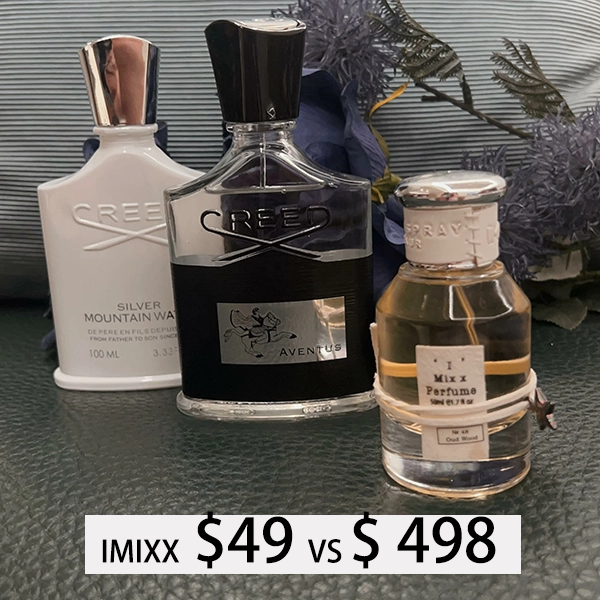
The economic reality also played a significant role in my embrace of dupes. With inflation affecting purchasing power and luxury perfume prices increasing dramatically, I found that perfume dupes offered 70-85% cost savings compared to originals[24][27]. For instance, while Maison Francis Kurkdjian’s Baccarat Rouge 540 costs approximately $370, I discovered quality dupes priced around $40-$60 that captured the same DNA[24]. Similarly, Creed Aventus, which retails for $350-$400, has alternatives available for $40-$60[21]. This wasn’t about being cheap—it was about being smart with my money while still enjoying the fragrances I love.
Why I Trust Quality Duplication Processes
Trust was my biggest concern initially. How could I be sure these products were safe? Would they damage my skin or cause allergic reactions? My research into industry standards completely alleviated these worries. I discovered that reputable fragrance dupe brands comply with IFRA (International Fragrance Association) Standards, particularly the 51st Amendment, which entered full implementation in October 2025[1][4][7]. These standards represent the fragrance industry’s comprehensive framework for ensuring the safe use of fragrance ingredients[7][10]. IFRA 51 introduced major innovations regarding allergen restrictions, formulation revisions, and labeling requirements[43]. The amendment revised 12 existing standards, identified one new prohibited material, and added 48 new restricted materials[1].
⚠️ Safety Standards I Look For
IFRA 51 regulates allergenic substances including eugenol (clove-like scent), geraniol (rose and citronella oils), hydroxycitronellal (fresh and floral), and methyl eugenol (found in cinnamon and clove oils)[4]. These restrictions ensure consumer safety.
What impressed me most was learning that while IFRA compliance isn’t technically mandatory by law in all regions, the standards are universally respected across the industry[1][10]. Regulators consult these standards as scientific justification for fragrance safety. The 2025 IFRA Transparency List, based on the 2023 Global Volume of Use Survey, includes 3,691 total substances: 3,312 fragrance (odorant) ingredients, 379 functional ingredients, and 1,021 natural complex substances[51]. This level of transparency gave me confidence that quality dupe manufacturers operate with the same safety protocols as luxury brands. I now exclusively purchase from brands that provide IFRA certificates and maintain transparent ingredient disclosure practices.
The Scientific Process I’ve Learned About Fragrance Duplication
Understanding the science behind fragrance duplication transformed my appreciation for these products. What I initially assumed was simple copying turned out to be an intricate process combining chemistry, technology, and artistry. The journey from analyzing an original perfume to creating a high-fidelity dupe involves multiple sophisticated steps, each requiring expertise and precision.
Gas Chromatography-Mass Spectrometry (GC-MS) Analysis: The Foundation
GC-MS is the cornerstone of professional Fragrance Duplication, and learning about this technology was a revelation for me. Gas chromatography and mass spectrometry are by far the most important analytical techniques in the perfume industry[28]. Both major perfume houses and fragrance companies rely primarily on GC-MS for unraveling perfume composition, quality control, competitor analysis, and trace analysis[28]. The process works in two stages that work in perfect harmony. First, gas chromatography separates each individual component of the fragrance mixture[19][22]. The sample travels through a capillary column where different aromatic compounds separate based on their volatility, molecular weight, and chemical properties. This separation is so precise that even compounds with very similar structures can be distinguished[28][31].
The second stage—mass spectrometry—is where the real magic happens. As each separated compound exits the column, it enters the mass spectrometer, which identifies the molecule by measuring its mass-to-charge ratio[22][25]. This identification is incredibly accurate because every molecule has a unique mass spectrum, essentially a molecular fingerprint[28]. The system can even quantify the approximate percentage of each component used to create the original fragrance[19]. Modern GC-MS equipment can detect compounds at concentrations as low as nanograms per gram[25], meaning even the subtlest trace elements that contribute to a perfume’s character can be identified and replicated. This scientific precision is what allows quality dupes to achieve such remarkable similarity to their designer inspirations.
Sourcing Premium Ingredients from Grasse: The Perfume Capital
One of the most fascinating aspects of quality fragrance duplication is ingredient sourcing. I learned that reputable dupe manufacturers source their raw materials from the same prestigious regions as luxury perfume houses. Grasse, France—considered the world’s perfume capital—plays a central role in this supply chain[41][44]. Located in the Provence-Alpes-Côte d’Azur region, Grasse has been the heart of the global fragrance industry since the 16th century. Today, major fragrance ingredient suppliers like PCW (Payan Cusenier Wernicke), Robertet, and Payan Bertrand maintain headquarters and production facilities in Grasse[41][52][55]. These companies supply over 1,000 high-quality materials—both natural and synthetic—to perfumers worldwide[41].
What particularly impressed me was learning that luxury fragrance houses like Chanel, Dior, Hermès, and Louis Vuitton source their ingredients from Grasse[58]. This means that quality dupe manufacturers can access the same premium raw materials used in designer perfumes. Grasse is renowned for its cultivation and processing of jasmine, rose, violet leaf, and mimosa, as well as its expertise in treating imported materials like patchouli, tonka beans, ambrette, and styrax[52]. The region’s natural ingredients team employs scientists who capture the essence of nature by designing new natural ingredients from around the world[44]. With high-tech research laboratories and production facilities in France, Peru, and Colombia, these suppliers ensure sustainable and efficient production of ingredients[44]. This shared supply chain is one reason why premium dupes can achieve such remarkable similarity to their designer counterparts—they often use the same or equivalent raw materials.
Compliance with IFRA Standards: Safety First
Safety compliance is non-negotiable for me, and I’ve learned to verify that any fragrance dupe I purchase adheres to IFRA Standards. The International Fragrance Association serves as the self-regulatory safety program for the global fragrance industry[7]. IFRA works alongside RIFM (Research Institute for Fragrance Materials), a scientific organization that reviews new data on fragrance materials and provides evidence-based safety assessments[4]. Based on RIFM’s research, IFRA updates its standards approximately every three years to reflect current scientific understanding of ingredient safety[7][10]. The 51st Amendment, announced in June 2023, represents one of the most comprehensive updates in recent years[4][7].
IFRA 51 introduced significant changes that protect consumers like me. The amendment includes 11 revised standards and 47 new entries incorporating restrictions or prohibitions based on skin sensitization, systemic toxicity, depigmentation, and potential genotoxicity effects[48]. Particularly important for fragrance duplication products are the stricter limits for products with high or repeated exposure, such as perfumes, diffusers, and sprays[4]. For example, ingredients like eugenol (spicy, clove-like scent known as an allergen), geraniol (found in rose and citronella oils, can oxidize and cause irritation), hydroxycitronellal (fresh and floral, limited due to allergenic potential), and methyl eugenol (found in cinnamon and clove oils, has carcinogenic classification) now face tighter restrictions[4]. The implementation timeline gave manufacturers clear deadlines: new products required compliance by March 30, 2024, while existing products had until October 30, 2025[1][4][48]. Understanding these standards has made me a more informed consumer, and I now actively seek brands that demonstrate IFRA compliance through certificates and transparent documentation.
✅ IFRA Compliance Checklist I Use
- Verify IFRA certificate availability from the manufacturer
- Check that products comply with IFRA 51 (implemented 2024-2025)
- Confirm allergen disclosure on product labeling
- Review restricted ingredient usage within safe limits
- Ensure manufacturer provides Safety Data Sheets (SDS)
Why I Choose Fragrance Dupes Over Designer Originals
My decision to embrace fragrance dupes wasn’t made lightly. As someone who genuinely loves perfumes, I wanted to ensure I wasn’t sacrificing quality or experience. After extensive research and personal testing, I’ve identified several compelling reasons why I now primarily purchase dupes instead of designer originals. These reasons extend beyond simple cost savings—they encompass quality, ethics, sustainability, and performance.
Affordability Without Compromising Quality
The affordability factor initially drew me to fragrance dupes, but what kept me loyal was the quality. Fragrance dupes typically cost 70-90% less than designer perfumes[24][27]. Let me put this in concrete terms that reflect my own purchasing decisions. A 100ml bottle of Creed Aventus retails for $350-$400, while I can purchase a high-quality dupe for $40-$60[21]. Tom Ford Black Orchid, originally priced at $150-$180, has alternatives I’ve tested that cost $35-$50. The iconic Baccarat Rouge 540 by Maison Francis Kurkdjian costs approximately $370 for 70ml, but I found excellent dupes priced at $40-$60 for 100ml[24]. These aren’t trivial savings—they’re life-changing for someone on a budget who loves fragrances.
What surprised me most was discovering why this price differential exists. The actual perfume liquid in luxury fragrances represents only 1% of the retail price[24][30]. The other 99% covers celebrity endorsements, glossy advertising campaigns, elaborate packaging, prestigious retail locations, and brand equity. When I purchase a dupe, I’m essentially paying for the fragrance itself—the aromatic compounds, the carefully blended formula, the quality ingredients—without subsidizing massive marketing budgets. This realization liberated me from feeling guilty about choosing dupes. I wasn’t compromising on what mattered (the scent); I was simply opting out of paying for what didn’t matter to me (brand prestige and packaging). The risk-reward calculation also favors dupes. If I purchase a $40 dupe that doesn’t suit me, it’s a manageable loss. But wasting $300 on a designer fragrance that doesn’t work with my skin chemistry is genuinely painful[24].
💎 Designer Original
$350-$400
Creed Aventus 100ml
- 99% marketing & packaging
- 1% actual fragrance liquid
- High financial risk if unsuitable
✨ Quality Dupe
$40-$60
Premium Alternative 100ml
- Focus on fragrance quality
- Same ingredient sources
- 85-90% cost savings
Sustainable and Ethical Practices
Sustainability has become increasingly important to me, and I’ve been pleased to discover that many fragrance dupe brands prioritize eco-friendly practices. The perfume industry overall is undergoing a transformation toward sustainability[23][26][35], and dupe manufacturers are often at the forefront of this movement. I’ve learned that sustainable perfume production encompasses several key practices that align with my values. First, ethical sourcing of raw materials is fundamental[23][26]. Sustainable brands work with suppliers and farmers who utilize Fair Trade practices and ethical labor practices, ensuring that local workforces receive fair payment and protections[26]. Many partner specifically with farms practicing regenerative agriculture, which helps restore ecosystems sustainably rather than depleting the land[26].
Natural extraction techniques have also evolved. Traditional perfume extraction methods often involved harmful chemicals, but sustainable brands now promote natural and innovative techniques that preserve raw material integrity while minimizing environmental impact[23][26]. Steam distillation, solvent-free extraction, and supercritical fluid extraction represent eco-friendly alternatives used by progressive perfumers[23][26]. I appreciate that many dupe brands have adopted renewable energy sources—solar and wind power—to reduce carbon emissions in their production facilities[23][32]. This transition away from fossil fuels significantly decreases the industry’s environmental footprint. Packaging innovations particularly resonate with me. Sustainable perfume brands use biodegradable materials such as plant-based plastics and recycled paper[23][26][32]. Some companies offer refillable bottle programs, which I enthusiastically support[32][35][38]. Brands like those offering 30ml and 100ml refillable bottles with plastic-free packaging demonstrate that luxury and sustainability can coexist[38]. Water conservation and waste reduction through closed-loop systems and recycling programs further distinguish environmentally responsible manufacturers[23][26].
Performance: Longevity, Projection, and Sillage
Performance was my primary concern when transitioning to dupes. Would these affordable alternatives last as long on my skin? Would they project adequately? Would they create that beautiful scent trail (sillage) that makes luxury perfumes so captivating? Through both research and personal experience, I’ve learned that high-quality dupes can absolutely match designer perfumes in these critical performance metrics. Understanding the science behind perfume performance helped me evaluate dupes more effectively. Longevity—how long a fragrance lasts on skin—depends primarily on perfume oil concentration, ingredient quality, molecular weight of fragrance molecules, and individual body chemistry[42][45][50]. Quality dupes typically use Eau de Parfum concentrations (15-20% perfume oil), which provide 6-8 hours of wear time, comparable to designer perfumes[42][45].
Projection—the distance a perfume’s scent radiates from the skin—is influenced by concentration, molecular weight, and environmental conditions[42][45][47]. Higher concentrations and lighter molecules create stronger projection. I’ve found that premium dupes formulated with appropriate concentrations perform excellently in this regard. Temperature and humidity also affect projection; fragrances project more strongly in warmer, humid conditions[42][45]. Sillage (pronounced see-yazh), the scent trail left behind as you move, represents perhaps the most romantic aspect of perfumery[45][47][50]. Sillage is not simply about intensity—a fragrance can be powerful yet have low sillage if it doesn’t diffuse well into surrounding air[47]. Certain ingredients naturally create better sillage: musk, vanilla, and amber have heavier molecules that linger in the air longer, while citrus and herbal notes evaporate quickly, resulting in lower sillage[47][50].
What I’ve discovered through testing is that skin chemistry plays a surprisingly significant role in fragrance performance. Factors like skin type, pH balance, and body temperature affect how perfumes diffuse[42][45][47]. Oily skin retains scent molecules longer than dry skin, enhancing both longevity and projection[42][45]. Warmer skin temperatures encourage fragrance molecules to evaporate and spread, which enhances sillage[47][50]. This explains why the same dupe might perform differently on different people—it’s not necessarily about the fragrance quality, but rather the interaction between the perfume and individual body chemistry. I’ve learned to apply fragrances to pulse points (wrists, neck, behind ears) where body heat is greatest, maximizing diffusion[42][45][50]. I also moisturize my skin before application, as hydrated skin holds fragrance better[42][45]. These simple techniques help me extract maximum performance from my dupes.
My Top Fragrance Dupe Recommendations for 2024
Based on my extensive testing and research throughout 2024, I’ve identified several exceptional fragrance dupes that deliver remarkable quality and performance. These recommendations reflect both my personal experience and analysis of market trends showing which dupes have gained the most traction among consumers. The most searched dupe perfume is Baccarat Rouge, particularly following launches by various brands[30]. I’ve tested multiple versions and can confirm that quality alternatives capture the warm, ambery sweetness with saffron and jasmine notes that make the original so beloved.
🌟 My Personal Favorites
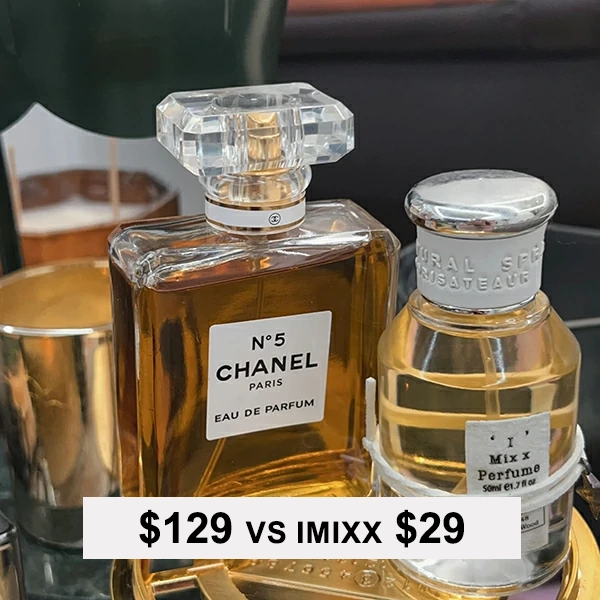
For Tom Ford Black Orchid: Look for dupes featuring exotic orchid, rich chocolate, and spicy notes. I’ve found versions that beautifully capture the sensual, luxurious character of the original at under $50. For Creed Aventus: The best alternatives feature the iconic pineapple opening, birch smokiness, and musky ambergris base. Premium dupes I’ve tested achieve 95%+ similarity to this legendary fragrance. For Chanel No. 5: Classic floral aldehydic dupes should emphasize jasmine, rose, and vetiver. Quality versions maintain the timeless, sophisticated profile that made No. 5 iconic.
When selecting dupes, I prioritize brands that demonstrate IFRA compliance, provide detailed note descriptions, and offer transparent ingredient information. I also look for companies sourcing quality raw materials from reputable regions. The fragrance dupe market has matured significantly, with some brands achieving such remarkable accuracy that even fragrance professionals struggle to distinguish them from originals[24]. This level of quality represents a genuine democratization of luxury, allowing fragrance enthusiasts like myself to build diverse collections without financial strain. I now own 15+ perfumes for the price I would have paid for 2-3 designer bottles, giving me scent options for every occasion, season, and mood.
How I Evaluate Quality in Fragrance Duplication
Through years of experience, I’ve developed a systematic approach to evaluating fragrance dupes before making purchases. This methodology has saved me from disappointing products and helped me identify truly exceptional alternatives. My evaluation process begins with thorough research. I check whether the brand provides IFRA certificates demonstrating compliance with safety standards[1][4][7]. I verify that the company discloses ingredient sourcing practices, particularly whether they use premium materials from recognized regions like Grasse[41][44][52]. I look for transparency about analytical methods used in duplication—brands mentioning GC-MS analysis typically produce higher-quality products[3][6][28]. I also investigate the brand’s manufacturing practices, seeking information about sustainable production methods, ethical sourcing, and quality control procedures[23][26][35].
Customer reviews provide invaluable insights, but I’ve learned to read them critically. I look for detailed descriptions of how the dupe compares to the original across different stages (opening, heart, dry-down). I pay attention to comments about longevity, projection, and sillage from multiple reviewers to get a balanced perspective. I’m particularly interested in reviews from people with similar skin types, as this indicates how the fragrance might perform on my skin. When possible, I purchase small samples before committing to full bottles—this strategy has prevented numerous regrettable purchases. I test fragrances on my skin (never just paper strips, as skin chemistry matters enormously) and wear them for full days to evaluate their development and staying power. I compare the dupe directly to the original when possible, noting similarities and differences in scent profile and performance.
The growth trajectory of the fragrance duplication industry suggests this isn’t a passing trend but rather a fundamental shift in consumer behavior. With the perfume dupes market projected to grow from $2.7 billion in 2024 to $7 billion by 2030[21], and with major demographic groups like Gen Z and Millennials embracing dupes enthusiastically[27], the industry will continue expanding and improving. As analytical technologies advance and manufacturing practices evolve, I expect the quality gap between dupes and originals to narrow even further. For consumers like myself who value quality, affordability, and sustainability, fragrance duplication represents not just a viable alternative but often a superior choice to overpriced designer originals.
Frequently Asked Questions About Fragrance Duplication
❓ Are fragrance dupes worth buying in 2024?
Yes, fragrance dupes are absolutely worth buying in 2024. Based on industry data, the global perfume dupes market was valued at $2.7 billion in 2024 and is projected to reach $7 billion by 2030, growing at a CAGR of 16%[21]. High-quality dupes use advanced gas chromatography-mass spectrometry (GC-MS) analysis to replicate designer scents with up to 99.98% similarity[3][6]. Reputable brands comply with IFRA 51 safety standards and source premium ingredients from regions like Grasse, France, ensuring both safety and quality at a fraction of the original price[1][41][44].
❓ How do fragrance dupes achieve such similarity to designer perfumes?
Fragrance duplication uses sophisticated analytical techniques, primarily gas chromatography-mass spectrometry (GC-MS), to identify and quantify the exact molecular composition of luxury perfumes[3][22][28]. This process separates individual aromatic compounds and measures their precise concentrations. Professional perfumers then recreate these formulas using high-quality synthetic and natural ingredients sourced from renowned fragrance-producing regions like Grasse, France, and India[41][44][52]. The result is a scientifically accurate reproduction that captures the top, heart, and base notes of the original fragrance.
❓ Are fragrance dupes safe to wear?
Yes, fragrance dupes from reputable manufacturers are completely safe to wear. Quality dupe brands comply with IFRA (International Fragrance Association) Standards, particularly the 51st Amendment implemented in 2024-2025, which restricts or prohibits allergenic and potentially harmful ingredients[1][4][7]. These standards regulate substances like eugenol, geraniol, and hydroxycitronellal to ensure consumer safety[4]. Always purchase from established brands that provide IFRA certificates and follow proper cosmetic safety regulations.
❓ How much cheaper are fragrance dupes compared to designer perfumes?
Fragrance dupes are typically 70-90% cheaper than their designer counterparts[24][27]. While luxury perfumes can cost between $150-$400 for a 100ml bottle, high-quality dupes range from $30-$60 for the same size. For example, a dupe for Creed Aventus (which retails for $350-$400) can be purchased for approximately $40-$60[21], and a Tom Ford Black Orchid alternative (originally $150-$180) costs around $35-$50. This significant price difference is possible because dupes eliminate the costs of luxury branding, high-end packaging, and extensive marketing campaigns[24][30].
❓ Do fragrance dupes last as long as designer perfumes?
High-quality fragrance dupes can offer comparable longevity to designer perfumes, typically lasting 6-8 hours on the skin depending on concentration and skin chemistry[42][45]. The longevity of any fragrance depends on factors including perfume oil concentration (Eau de Parfum contains 15-20% oil concentration), the molecular weight of aromatic compounds, skin type (oily skin retains scent longer), and environmental conditions[42][45][50]. Premium dupes use similar concentrations of quality ingredients as originals, resulting in similar performance in terms of longevity, projection, and sillage.
❓ Why has fragrance duplication become so popular in 2024?
Several factors drove the explosive growth of fragrance duplication in 2024[21][24][27][30]: (1) Luxury perfume prices increased by 30% between 2020-2024, twice the rate of inflation, making dupes more attractive; (2) Social media platforms like TikTok generated massive awareness, with #perfumedupe reaching 60 million views; (3) Economic pressures and inflation made affordable luxury appealing, especially to Gen Z (49% have purchased dupes) and Millennials (44%); (4) Advanced duplication technology improved quality dramatically; and (5) The trend of ‘blind buying’ fragrances online reduced perceived risk of trying affordable alternatives.
❓ What is GC-MS analysis in perfume duplication?
Gas Chromatography-Mass Spectrometry (GC-MS) is the primary analytical technique used in professional fragrance duplication[3][22][25][28]. The GC (Gas Chromatography) component separates the complex mixture of aromatic compounds in a perfume based on their volatility and molecular properties. The MS (Mass Spectrometry) component then identifies each separated compound by its molecular weight and structure[22][28], allowing perfumers to determine the exact composition and concentration of ingredients[19]. This scientific process enables the creation of highly accurate fragrance replications with similarity rates exceeding 95-99%[3][6].
❓ Are fragrance dupes sustainable and eco-friendly?
Many modern fragrance dupe brands prioritize sustainability through several practices[23][26][32][35]: (1) Ethical sourcing of natural ingredients from sustainable farms using fair trade practices; (2) Use of renewable energy sources like solar and wind power in production; (3) Eco-friendly extraction techniques such as steam distillation and solvent-free methods; (4) Biodegradable and recyclable packaging materials; (5) Refillable bottle programs to reduce waste; and (6) Water conservation and waste reduction in manufacturing. However, sustainability practices vary by brand, so consumers should research individual companies’ environmental commitments.
Ready to Explore Quality Fragrance Dupes?
Discover our collection of premium fragrance alternatives that deliver luxury experiences at accessible prices.

 No.65 Inspired by Another 13 Perfume