

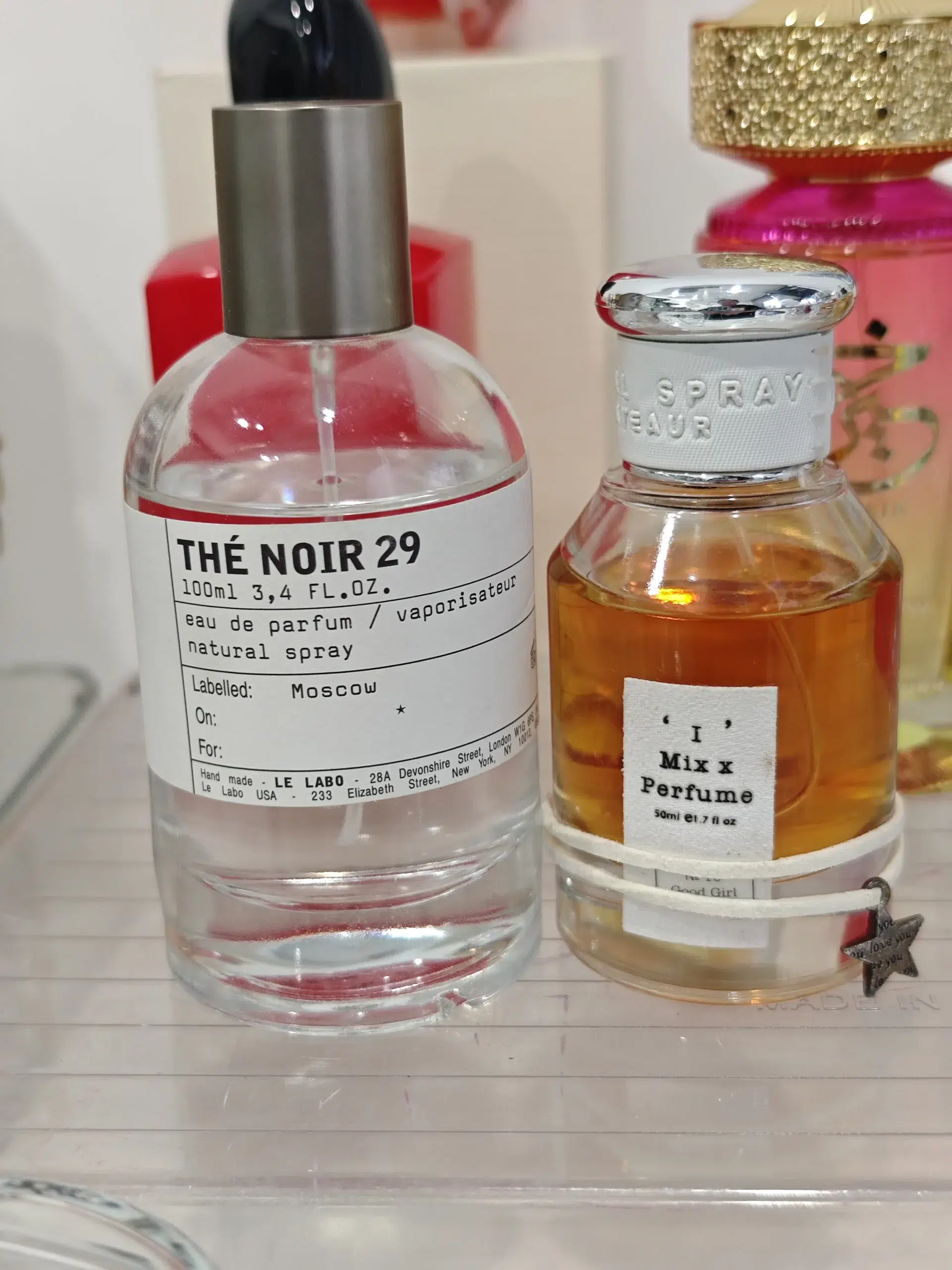
The Cult Phenomenon of Thé Noir 29 in the USA
If you have walked through the upscale arts districts of New York, Los Angeles, or Chicago recently, you have undoubtedly encountered it. It is an intoxicating, mysterious scent trail—a beautiful paradox of fresh, dewy fig and dark, smoky cedarwood that immediately commands attention. Le Labo’s Thé Noir 29 has transcended being just another niche perfume; it has become a cultural signature for the modern, sophisticated individual in the US.
However, with a retail price often exceeding $320 for a 100ml bottle, this masterpiece represents a significant financial investment. For many fragrance enthusiasts in the USA, the search for the perfect Le Labo The Noir 29 dupe is not merely about finding a cheap thrill or saving a few dollars; it is a quest for consumer fairness. Shoppers today are incredibly educated. They want to know: why does a liquid composed primarily of alcohol and aromatic compounds cost as much as a luxury car payment? And more importantly, is it scientifically possible to recreate a highly comparable experience for a fraction of the cost?
As an analyst with years of experience navigating the intricate supply chains of global fragrance manufacturing, I want to pull back the curtain for you. We are going to abandon the typical “sales pitch” and delve into the empirical science of scent replication, the strict compliance standards of the International Fragrance Association (IFRA), and the exact reasons why some budget alternatives succeed brilliantly while others fail miserably.
Decoding the Scent: The Architecture of a Black Tea Masterpiece
To understand how any brand attempts to replicate a fragrance, one must first understand its molecular architecture. According to fragrance databases like Fragrantica, Thé Noir 29 is famously deceptive. Despite its name (which translates from French to “Black Tea 29”), it contains no actual black tea extract in its primary top or heart notes. Instead, the perfumer utilized a brilliant orchestration of 29 distinct ingredients to create the illusion and olfactory sensation of a dark, steeped cup of black tea alongside crushed dry leaves.
The Top Notes: The Ephemeral Sparkle (Fig, Bergamot, Bay Leaf)
The opening of the fragrance relies on highly volatile compounds—the ones you smell the second you spray the bottle. The brightness comes from Bergamot oil, which provides a sharp, uplifting citrusy introduction. The true genius, however, is the fig accord. In modern perfumery, natural fig cannot be extracted efficiently through traditional distillation. Therefore, chemists use safe, synthetic molecules (often lactones) to create that milky, green, slightly sweet, and fleshy fig aroma. Most low-quality Le Labo The Noir budget alternatives fail right at this stage. They use cheap fruit esters that smell like generic shampoo rather than the sophisticated, earthy fig found in the original.
The Heart Notes: The Woody Core (Cedarwood, Vetiver, Musk)
As the top notes evaporate (usually within 15 to 30 minutes depending on your skin chemistry and the ambient US climate), the heart of the fragrance emerges. Here, we see the prominent use of cedar-like aromachemicals (such as Iso E Super) and natural Vetiver. The vetiver used in high-end perfumery often hails from specific regions like Haiti, offering a grassy, slightly smoky, and deeply earthy profile. Creating a faithful reproduction requires sourcing high-grade vetiver essential oils, not just relying on flat, one-dimensional synthetic stand-ins.
The Base Notes: The Lingering Shadow (Tobacco, Hay, Black Tea Sensation)
The dry-down is where a true, long-lasting black tea perfume proves its worth. The base utilizes dry, resinous materials. Notes of cured tobacco and sweet hay (often achieved using coumarin and absolute extractions) create a dry, slightly astringent, and profoundly comforting finish. This is the stage that lasts for hours on the skin and days on your favorite sweater.
The Science of Scent Replication: How Factories Decode Luxury
In the past, creating a perfume clone relied entirely on the nose of a master perfumer—a process of trial, error, and approximation. Today, the USA market demands precision, which brings us to the core of modern fragrance manufacturing: Gas Chromatography-Mass Spectrometry (GC-MS).
When an independent fragrance house sets out to create a highly accurate alternative, they rely on technology. A sample of the original luxury fragrance is injected into a GC-MS machine. The gas chromatograph separates the complex mixture into individual chemical components based on how quickly they evaporate. Then, the mass spectrometer identifies the molecular weight and structure of each component. This scientific approach is widely documented in industry publications like Perfumer & Flavorist.
Through GC-MS, chemists obtain a detailed blueprint of the fragrance. They can see the precise balance of citrus oils, the specific type of musks used, and the trace elements that give the perfume its unique signature. However, a GC-MS report is just a recipe. Knowing the ingredients does not automatically make someone a Michelin-star chef. Execution is everything.
The Missing Link: The Importance of Maceration (Maturation)
If the recipe is known and the ingredients are available, why do so many dupes smell like a blast of cheap rubbing alcohol that fades in 20 minutes? The answer lies in the supply chain and manufacturing process, specifically a step called Maceration.
Think of maceration like aging a fine wine or letting a stew simmer overnight. It is the process of allowing the blended fragrance oils and perfumer’s alcohol to sit together in a temperature-controlled, dark environment. During this period (typically taking anywhere from 4 to 12 weeks), the chemical compounds bind, soften, and round out. The harsh, astringent bite of the ethanol dissipates, and the heavy base notes integrate fully with the delicate top notes.
Mass-market clone brands often operate on razor-thin margins and demand high-volume turnover. Financially, they cannot afford to let their inventory sit in vats for two months. They mix the oils with alcohol and ship it immediately to warehouses. When you spray it, the molecules haven’t bonded properly, resulting in an unrefined, linear scent that vanishes quickly. Premium alternative brands differentiate themselves precisely here: they build the cost of maceration time into their business model to ensure a smoother, longer-lasting product.
Data Analysis: The Economics of Luxury Perfumery
To truly understand why you can get an exceptional affordable clone of The Noir 29 in the US without sacrificing safety or quality, we must look at the cost structure of the traditional luxury fragrance industry. It is an open secret within the supply chain that when you buy a designer or niche fragrance, the aromatic liquid inside the bottle represents a surprisingly small percentage of the final retail price.
Below is an estimated breakdown based on general industry pricing models for high-end cosmetics and perfumery. While precise internal numbers of specific luxury brands are proprietary, these figures reflect standard supply chain markups recognized by retail analysts.
Table 1: Estimated Industry Cost Breakdown (Luxury Retail vs. Direct-to-Consumer)
| Cost Component | Traditional Luxury Brand Model (Est. $320 Retail) | Premium Direct-to-Consumer Model (Est. $45-$60 Retail) |
|---|---|---|
| Fragrance Concentrate (The “Juice”) & Alcohol | $10 – $20 (High-grade naturals, captives & synthetics) | $10 – $18 (Similar high-grade materials based on GC-MS profiling) |
| Bottle, Cap, Sprayer & Packaging | $15 – $30 (Custom heavy glass, proprietary molds, artisanal labels) | $5 – $10 (Standardized, elegant, but non-proprietary glass & packaging) |
| Marketing, PR, & Brand Ambassadors | $60 – $100 (Global ad campaigns, influencer seeding, high-end magazine spreads) | $3 – $8 (Organic social media reach, word-of-mouth, SEO, targeted digital ads) |
| Retailer & Distributor Markup | $120 – $160 (Department stores and boutiques typically take 40-50% margins) | $0 (Sold directly to the consumer via brand website) |
| Brand Profit Margin / Overhead | $50 – $90 (Covers boutique rent in premium locations, corporate overhead) | $10 – $20 (Leaner corporate structure, warehouse operations) |
*Disclaimer: The above table represents industry-standard estimations designed to illustrate typical pricing models. It does not reflect the exact confidential accounting of Le Labo or any specific alternative brand.
As the table demonstrates, by stripping away the massive retailer markups, expensive physical boutique overheads, and multi-million dollar marketing budgets, a brand operating with an agile, direct-to-consumer supply chain can invest heavily in the raw materials and still deliver a highly comparable olfactory experience at a fraction of the price.
Evaluating the Market: Top Alternatives to Thé Noir 29 in the USA
Because I want this guide to be genuinely useful and objective, it is important to acknowledge that there are several reputable players in the US market attempting to capture the magic of Thé Noir 29. Different brands take different approaches, and what works best for you depends on what you value most (price, exactness, longevity, or presentation).
- Dossier (Citrus Tea): Dossier is widely known for making fragrances accessible. Their take on this scent profile is very affordable and easy to find in the US. Pros: Great price point, transparent note breakdown, clean packaging. Cons: Many users report that while the opening is very similar, it lacks the deep, smoky tobacco and hay resonance in the far dry-down, making it feel slightly lighter and more linear than the original.
- Montagne Parfums (Eau Noir): Montagne is a highly respected indie house in the USA known for meticulous blending. Pros: They focus heavily on high-quality ingredients and often compound to order. The depth of the cedar and fig is excellent. Cons: Because they operate in small batches, popular items frequently go out of stock, which can be frustrating for buyers looking for a reliable signature scent.
- Alexandria Fragrances (Mystère 29): Alexandria offers Extrait de Parfum concentrations, meaning the oil ratio is very high. Pros: Exceptional longevity and projection. If you want a scent that lasts 12+ hours, this is a strong contender. Cons: Higher oil concentrations can sometimes suppress the bright top notes (like the bergamot), making the fragrance feel heavier and less “sparkling” right out of the bottle.
- IMIXX Perfumes (Inspired by Le Labo Collection): IMIXX takes a factory-direct approach, focusing on the balance between GC-MS precision and proper aging. Pros: By ensuring a strict maceration process, the transition from the fresh fig opening to the dry tobacco base is incredibly smooth and mirrors the dynamic evolution of the original very closely. Highly competitive pricing due to streamlined supply chains. Cons: Packaging is minimalist and utilitarian, focusing purely on the juice rather than unboxing aesthetics.
Table 2: Scent Evolution Matrix (What to Expect on Your Skin)
A true test of an “Inspired By” fragrance is how it evolves linearly over an 8-hour period. Cheap formulations are linear; they smell the same at minute one as they do at hour three (right before they vanish). A well-crafted formulation must be dynamic.
| Time / Phase | Original Thé Noir 29 Profile | Low-Tier / Drugstore Knockoff | High-Quality US Alternatives (e.g., Montagne, IMIXX) |
|---|---|---|---|
| 0-15 Mins (Opening) | Sharp bergamot, creamy and green fig, complex bay leaf. | Harsh alcohol blast, synthetic sweet fruit, screechy citrus. | Smooth bergamot, authentic green/milky fig accord, well-rounded right from the spray. |
| 1-4 Hours (Heart) | Deep cedarwood, earthy vetiver, slightly smoky. Moderate projection. | Fades quickly to a generic, flat woody note. Minimal projection. | Robust cedar warmth, earthy vetiver, sustained projection that mimics the original’s aura. |
| 4-8+ Hours (Dry Down) | Dry tobacco, sweet hay, lasting “black tea” sensation hugging the skin. | Completely vanished or leaves a cheap, powdery white musk residue. | Rich tobacco and hay finish. Remains perceptible on skin and easily sticks to clothing for 24+ hours. |
Safety, Compliance, and Why “Cheap” Can Sometimes Be Dangerous
A critical, often overlooked aspect of purchasing alternative fragrances is safety. Not all replica perfumes are created equal. In fact, many unbranded oils sold on generic marketplaces or flea markets in the USA use unregulated, potentially dermal-sensitizing ingredients to cut costs.
Legitimate fragrance manufacturers, regardless of whether they sell $300 originals or $50 alternatives, formulate their compounds in strict adherence to IFRA guidelines. The International Fragrance Association sets rigorous safety standards regarding the maximum allowable concentrations of specific allergens (such as coumarin, which gives the hay note, or linalool found in citrus oils) to prevent skin irritation and allergic contact dermatitis.
When you are looking for a substitute, ensuring the brand explicitly uses IFRA-compliant ingredients and high-grade perfumer’s alcohol (typically SD Alcohol 40-B) is paramount. This guarantees that the product is not only beautiful to smell but dermatologically safe for daily wear. Brands that operate transparently will never hide their safety standards.
FAQ: Answering the USA’s Top Questions About Thé Noir 29 Alternatives
Based on extensive search trends and common questions asked on forums like Reddit (r/fragrance) and Basenotes, consumers have specific, recurring inquiries regarding this scent profile. Here are detailed, authoritative answers.
1. What is the best Le Labo The Noir 29 dupe?
There is no single “perfect” answer, as fragrance is subjective. However, the best alternatives prioritize formula accuracy via GC-MS analysis, use IFRA-compliant ingredients, and undergo a proper maceration process. For US consumers, reputable indie brands like Montagne Parfums, Dossier, and IMIXX Perfumes are frequently cited by enthusiasts as top contenders depending on whether you prioritize price, exact note matching, or overall longevity.
2. Why is Le Labo The Noir 29 so expensive?
As detailed in our supply chain breakdown above, the high cost is rarely about the liquid itself. You are paying for the brand’s prestige, the prime real estate of their physical boutiques, custom packaging, marketing, and the unique “experiential” retail concept of having labels freshly printed in-store. The raw materials themselves account for a very small fraction of the final price tag.
3. What does The Noir 29 actually smell like?
It is a sophisticated study in contrasts. It opens with a bright, juicy, yet distinctly green aroma of fig and bergamot. As it settles on the skin, it transitions into a deep, dry, woody scent dominated by cedar and vetiver. The final dry-down introduces smoky tobacco and hay, which collectively create an olfactory illusion of a rich, dark, slightly sweetened cup of black tea.
4. Is Le Labo The Noir 29 considered unisex?
Absolutely. In modern niche perfumery, rigid gender labels are largely obsolete. Thé Noir 29 is masterfully balanced. The fruity sweetness of the fig appeals to those who traditionally prefer feminine scents, while the heavy cedar, tobacco, and vetiver base notes provide a ruggedness often associated with masculine colognes. It smells distinctly unique and flattering depending on the wearer’s individual skin chemistry.
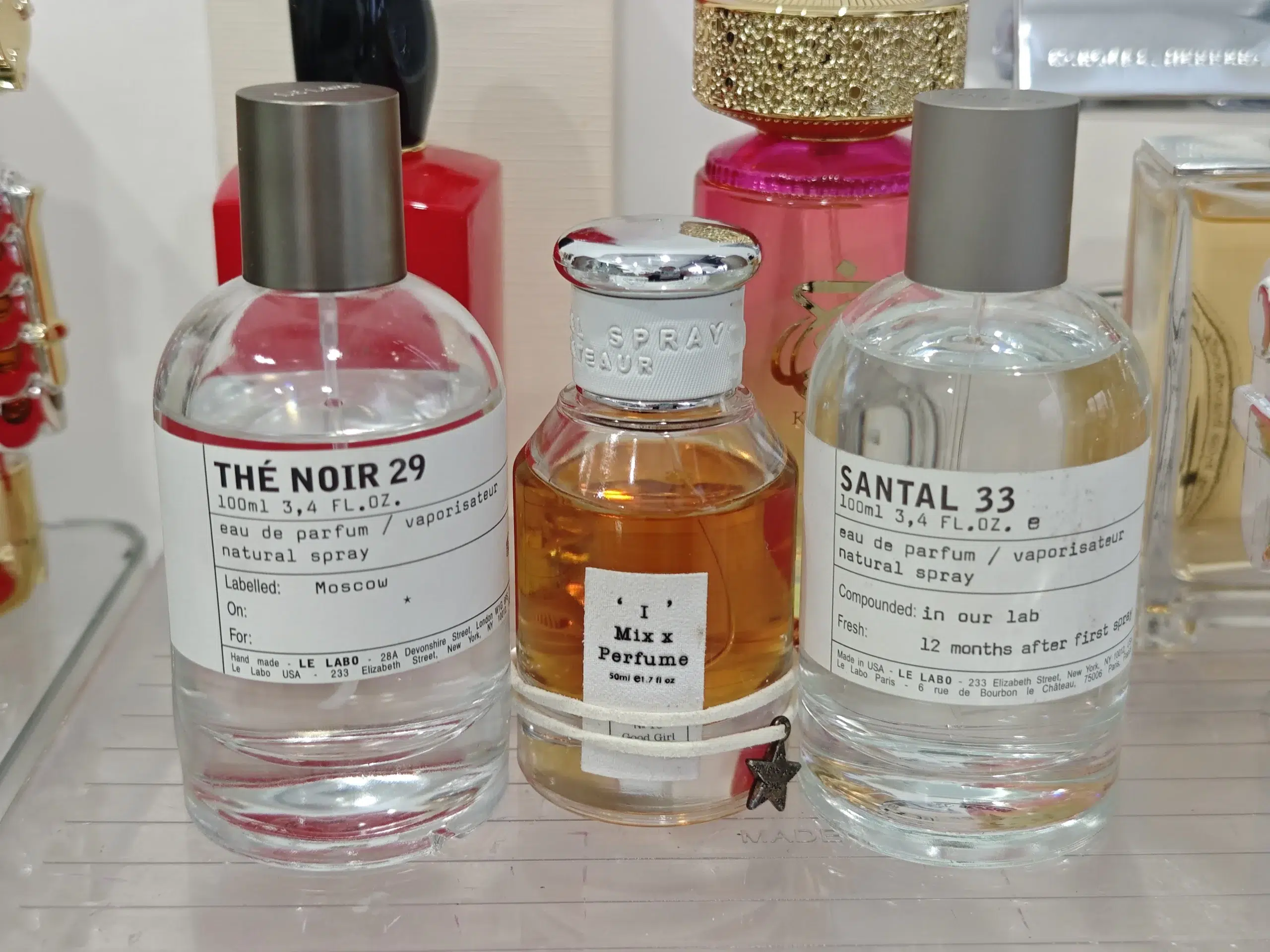
5. What is the difference between The Noir 29 and Santal 33?
While both are iconic Le Labo creations, they are vastly different. Santal 33 is heavily focused on Australian sandalwood, papyrus, and leather—it is creamy, dusty, and sometimes described by people as having a “dill pickle” nuance due to the specific sandalwood/cardamom mix. The Noir 29 is much darker, fruitier (fig), and leans heavily into cedar, tobacco, and the illusion of black tea. The Noir is often considered more mysterious and slightly more suited for evening wear compared to the daytime versatility of Santal.
6. How long does The Noir 29 last on the skin?
The original is an Eau de Parfum (EdP) known for very good longevity. You can typically expect 7 to 10 hours on well-moisturized skin, and it can linger on clothing for days. A high-quality alternative, provided it is formulated at a strong EdP concentration and properly macerated, should match this longevity closely.
7. Is there a cheap alternative to Le Labo The Noir 29 like Zara or Bath and Body Works?
Mainstream brands occasionally release scents with similar “vibes.” Zara has released several woody/fig scents in collaborations (like the Jo Malone line) that share a passing resemblance, though they are usually not direct clones and tend to have poorer longevity. Bath and Body Works occasionally has seasonal tea or fig candles/lotions, but these are highly synthetic and do not offer the complex, multi-layered dry-down of a fine fine fragrance. For a true alternative, you must look to dedicated fragrance clone houses.
8. Are perfume oils better than alcohol sprays for Le Labo dupes?
This is a matter of preference and physics. Perfume oils (roll-ons) stay closer to the skin (lower sillage/projection) but tend to last longer because they do not evaporate as quickly as alcohol. Alcohol-based sprays, however, provide better “lift” and projection, allowing the top notes like bergamot and fig to sparkle and diffuse properly into the air around you, creating that famous scent trail.
9. How to know if a perfume clone is of high quality?
Look for three major indicators: 1. Transparency about their process (do they discuss their formulation or maceration?). 2. IFRA compliance for safety. 3. The absence of a harsh alcohol smell during the first 10 seconds of spraying. A high-quality fragrance will smell smooth and deliberate from the very first moment it touches your skin.
10. What season is best to wear a black tea perfume?
Due to its woody, smoky, and slightly spicy profile, this DNA shines brilliantly in the Fall and Winter. The crisp air enhances the cedar and tobacco notes perfectly. However, because of the fresh fig and bergamot opening, it is versatile enough to be worn on cool Spring evenings or as a signature nighttime scent year-round.
11. Can you layer The Noir 29 with other fragrances?
Yes. Fragrance layering is an excellent way to customize your scent. This profile layers beautifully with linear vanilla fragrances (to add sweetness and soften the tobacco) or with Iso E Super-heavy scents (like Escentric Molecules 01) to amplify its woody, diffusive characteristics.
12. Where can I buy an affordable clone of The Noir 29 in the US?
For US consumers looking for quality, avoiding retail markup is key. You can explore meticulously crafted formulations directly through specialized online purveyors. Whether you choose a respected indie house like Montagne, an accessible option like Dossier, or the lab-focused approach of the Inspired by Le Labo collection at IMIXX, make sure to read reviews and understand their specific supply chain philosophy before purchasing.
Final Thoughts: Empowering the Modern US Consumer
The days of gatekeeping in the luxury fragrance industry are rapidly coming to an end. Information is democratized. As a consumer in the USA, you now possess the knowledge of how supply chains operate, how ingredients are analyzed at the molecular level via GC-MS, and why you do not necessarily have to pay a 1000% markup just to cover a brand’s boutique rent and celebrity marketing campaigns.
Finding your signature scent shouldn’t be a financial burden. Whether you are drawn to the mysterious allure of dark tea, the comforting warmth of cedarwood, or the fresh, green pop of bergamot and fig, the profile of Thé Noir 29 is undeniably a masterpiece of modern perfumery.
By understanding the science of scent replication and the crucial role of maceration, you are no longer just a passive buyer; you are an informed connoisseur. You can navigate the market, see past hollow marketing claims, and choose a product based on its substantive value, longevity, and structural integrity. Whether you decide to invest in the original Le Labo masterpiece or opt for a high-fidelity alternative from transparent brands like IMIXX or others mentioned in this guide, you can now wear your fragrance with confidence, knowing exactly what went into the bottle.
