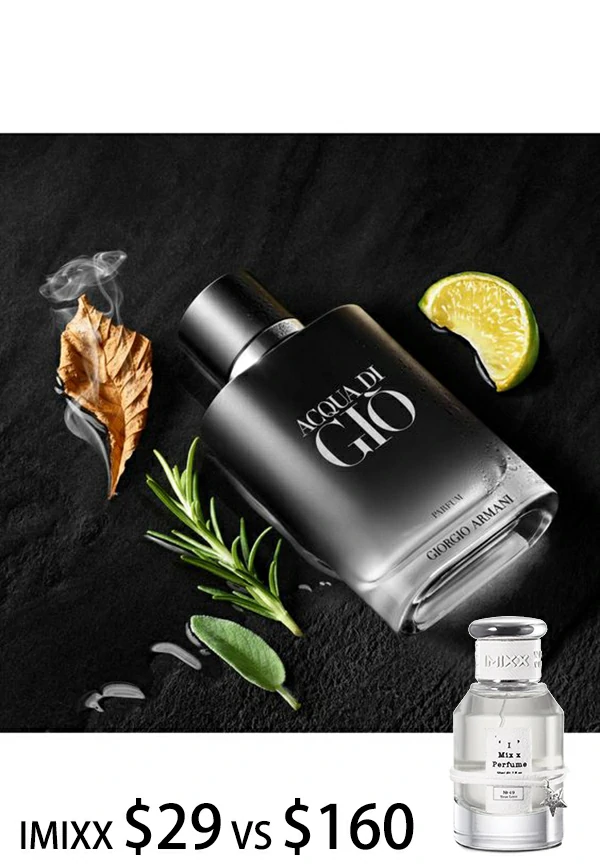
Where to Find the Best Cologne Perfume Store? 5 Places with the Best Deals!
When I look for a reliable Cologne perfume store, I do not begin with the biggest discount banner. I start by asking what I am actually trying to buy. Do I want an affordable scent for everyday wear, an original designer bottle, a fragrance I can smell in person before purchasing, or simply the lowest reasonable price on something I already know I like? Those are different shopping goals, and I have found that treating them as different problems leads to much better decisions.
Disclosure: this article is published by IMIXX Perfume, so I want to make the commercial relationship clear before making any recommendation. IMIXX sells fragrances and therefore has a financial interest in being considered in this comparison. I am not presenting this guide as an independent laboratory ranking, and I do not claim that one retailer is objectively best for every shopper. If you want to see the products sold by the publisher while comparing your options, you can browse this Cologne perfume store. I evaluate IMIXX below alongside other shopping channels using the same practical questions: product type, price structure, shopping risk, testing opportunities, returns, convenience and who each option is actually suited to.
I also avoid assigning arbitrary scores such as 9/10 or 8/10. Unless a score is supported by a disclosed testing methodology, sample size and measurable criteria, it can create more confidence than the evidence deserves. Instead, I use a decision framework that anyone can repeat. I compare what a seller offers, what I can verify before checkout, what trade-offs I accept, and whether the purchase matches the reason I started shopping in the first place.
I use “best” to mean “best suited to a particular shopping goal,” not “universally superior.” An affordable inspired-fragrance retailer may be the better fit when I want to explore scent styles on a controlled budget, while an authorized beauty retailer may be the stronger fit when I specifically want an original designer bottle. That distinction is important because a trustworthy recommendation should tell me who an option is for, not simply declare a winner.
Article Table: The 5 Places I Compare Before Buying Cologne or Perfume
| Shopping Option | When I Would Use It | Main Advantage | Main Trade-Off | What I Verify |
|---|---|---|---|---|
| IMIXX Perfume | I want to explore luxury-inspired scent directions without starting with luxury-brand pricing. | Lower financial barrier to exploring different fragrance styles. | It is not the same purchase as buying an original designer-branded bottle. | Scent description, bottle size, product terms, current price, shipping and returns. |
| Authorized Beauty Retailers Examples: Sephora, Ulta Beauty | I specifically want the original branded fragrance and standard retail support. | Straightforward sourcing, current releases and loyalty-program opportunities. | Regular pricing may be higher than discount channels. | Size, concentration, promotion restrictions, return terms and included extras. |
| Department Stores Examples: Macy’s, Nordstrom | I want to smell a fragrance before committing to a bottle. | In-person testing, gift sets and access to fragrance counters. | A full-price purchase may cost more than an online deal. | Set contents, bottle volume, promotion value and return restrictions. |
| Established Online Discounters Examples: FragranceNet, FragranceX | I already know which designer fragrance I want and am price shopping. | Potentially lower pricing on widely distributed or older releases. | I need to pay closer attention to condition descriptions and seller policies. | Tester/unboxed status, seller terms, final checkout cost and returns. |
| Warehouse Clubs & Duty-Free Shops Examples: Costco, airport duty-free retailers | I encounter a fragrance I already planned to buy at an attractive total price. | Occasional strong value or large-format deals. | Selection is inconsistent and availability can create impulse pressure. | Bottle size, exact version, membership/travel constraints and comparable market price. |
I treat this table as a decision map rather than a ranking. Inventory, promotion terms and prices change. A store that offers the strongest value for one fragrance this week may not be the strongest choice for another fragrance next month. My goal is therefore to make the comparison process repeatable instead of pretending that one permanent ordering can settle every purchase.
1. IMIXX Perfume: When I Want Affordable Fragrance Exploration
Because IMIXX is the publisher of this article, this section requires more transparency than a conventional recommendation. IMIXX benefits commercially if readers purchase its products. I therefore do not treat the brand’s own marketing claims as independent evidence that it is better than every alternative. I evaluate it according to the shopping problem it is designed to solve: giving buyers access to luxury-inspired fragrance directions at a lower entry price than many traditional designer and niche bottles.
That distinction matters to me. When I buy an inspired fragrance, I am not buying the original luxury-house product under another name. I am buying a separate fragrance with its own formulation, packaging, price and performance characteristics. If my goal is to own an original designer bottle, then an inspired-fragrance retailer is not the correct substitute for that goal. If my goal is to explore a scent style without making a large initial investment, it may be relevant.
What I Would Compare Before Ordering From IMIXX
I start with scent direction. Instead of treating a product name as enough information, I read the description for clues about the fragrance structure. If I normally enjoy fresh, woody scents, for example, I look for notes and accords associated with bergamot, aromatic herbs, cedar, vetiver, musk or dry woods. If I want something warmer for evenings, I look for amber, vanilla, spice, resinous notes, tobacco-style accords or darker woods.
I then check bottle size and current price rather than assuming that “affordable” automatically means good value. Two products can both look inexpensive while offering different amounts of fragrance. I also check shipping thresholds and return conditions because the total transaction matters more than the product-page price alone.
I treat an inspired fragrance as its own product. Similar scent direction does not guarantee identical opening notes, development, projection, longevity or dry-down. This is one reason I avoid claiming that one fragrance is a perfect one-to-one replacement for another unless controlled comparative evidence supports that statement.
A Concrete Way I Would Use IMIXX
Suppose I am interested in the general style of a warm woody-amber fragrance but I am not yet certain that I want to spend heavily on that scent family. Rather than purchasing several high-priced bottles immediately, I could begin with one affordable option and pay attention to what I actually enjoy: Do I like the sweetness? Do I reach for it during daytime or evening? Do I prefer woods over vanilla? Do I still want to wear that style after several weeks?
That experience gives me useful preference data even without pretending that it is a laboratory comparison. The important point is that I am learning about my own habits. If I discover that the scent profile does not suit me, I have avoided overcommitting. If I discover that I wear the style constantly, I have learned something meaningful before considering other purchases.
Who I Think This Option Fits
I would consider IMIXX when my priorities are fragrance exploration, variety and budget control. I would not frame it as the automatic answer for a collector who specifically wants original designer packaging, official brand presentation or a particular luxury-house bottle. That shopper should compare authorized retail channels instead.
2. Authorized Beauty Retailers: When Original Designer Products Are My Priority
When I know I want an original designer fragrance, I usually begin by checking authorized beauty retailers. In the U.S., examples include Sephora and Ulta Beauty, depending on the brand and product. I name these retailers as examples of the channel, not because I have independently audited every fragrance listing or promotion they offer.
This category is useful because the shopping proposition is different from an inspired-fragrance retailer. I am paying not just for the liquid but for the original brand’s product, bottle design, packaging, distribution and retail experience.
How I Look for Value Without Chasing Fake “Deals”
I do not expect popular designer fragrances to be permanently discounted by huge percentages at authorized retailers. I look instead for loyalty rewards, point multipliers, seasonal promotions, gift cards and gift sets.
For example, if I am considering a mainstream fragrance such as Dior Sauvage Eau de Toilette, Yves Saint Laurent Y Eau de Parfum or Giorgio Armani Acqua di Giò, I would compare the exact concentration and bottle size across retailers rather than simply comparing product names. A 60 ml bottle and a 100 ml bottle are not equivalent purchases, and an eau de toilette is not automatically interchangeable with an eau de parfum from the same fragrance line.
I also look at gift sets carefully. A set can offer good practical value if I genuinely want the travel spray or accompanying product. It provides poor value if the extras are things I would never use.
Before calling one retailer cheaper, I verify concentration, bottle size, edition, set contents and condition. Comparing a 50 ml eau de parfum with a 100 ml eau de toilette can create a misleading price comparison even when the fragrance family name looks the same.
When Paying More Can Still Be Rational
Sometimes I knowingly pay more at an authorized retailer because the additional purchase confidence is worth something to me. If I am buying a gift, for example, presentation and straightforward return handling may matter more than minimizing every dollar. If I am buying a newly released fragrance, reliable availability may also matter.
This is why I avoid reducing “best deal” to the lowest sticker price. Value can include confidence, convenience, service and the exact product I want.
3. Department Stores: When I Want to Smell Before I Buy
Department stores such as Macy’s or Nordstrom remain useful to me for a simple reason: fragrance is sensory. A note pyramid can guide me, but it cannot tell me exactly how I will perceive the fragrance after twenty minutes on my skin.
This is especially important when I am considering an expensive bottle. A fragrance can open with bright citrus and later become strongly woody, musky, sweet or resinous. If I buy based only on the opening description, I may be judging the least persistent part of the experience.
My Testing Method Is Simple and Repeatable
I do not claim to have laboratory-tested every fragrance mentioned in this article. Instead, when I evaluate a scent in person, I use a basic method that any shopper can reproduce.
First, I smell only a limited number of fragrances. If I test ten or fifteen scents rapidly, my ability to compare them becomes poor. Second, I use paper blotters to narrow the field. Third, if one fragrance still interests me, I test it on skin and allow time for the opening to change. Finally, I avoid forcing an immediate purchase when I am uncertain.
For me, the useful question is not “Does this smell impressive for the first thirty seconds?” It is “Would I willingly wear this for several hours, and can I imagine reaching for it repeatedly?”
A Practical Example of Why Testing Matters
Consider two fragrances that both appear under a “fresh” category. One may lean heavily citrus-aquatic, while another may develop into aromatic woods and musk. A product description can indicate those differences, but smelling them side by side can make the distinction much clearer.
The same applies to sweet fragrances. A vanilla-forward scent can feel airy and musky, dense and amber-heavy, spicy, smoky or dessert-like. “Vanilla” alone is not enough information for me to predict whether I will enjoy wearing it.
Where Department-Store Deals Can Be Worth Watching
Gift seasons are often the most interesting time for me to compare department-store offerings. I look for sets that include a full bottle and a useful travel spray rather than assuming that every multi-piece box is automatically a bargain.
I then compare the total value against authorized beauty retailers, discount sellers and the relevant online Cologne perfume store options I am considering. This comparison tells me whether I am paying more for a service I actually value or simply paying more because I have not checked alternatives.
4. Established Online Fragrance Discounters: When I Already Know What I Want
Online discounters can be useful when I already know the fragrance, concentration and bottle size I want. Examples in the U.S. market include FragranceNet and FragranceX. Again, I mention these as recognizable examples of the channel rather than making a blanket claim about every product, shipment or price.
The advantage is obvious: widely distributed designer fragrances, older releases or certain bottle sizes may appear below traditional department-store pricing. The trade-off is that I need to read the listing more carefully.
What “Tester,” “Unboxed” and Similar Labels Mean to My Decision
If a listing says “tester,” “unboxed,” “damaged box” or another condition-related term, I do not ignore it. The product may still be suitable for my own use, but it may not be appropriate as a gift.
I therefore ask two separate questions: Is the price attractive? And is the condition acceptable for my purpose? A low price does not answer the second question.
The U.S. Federal Trade Commission advises online shoppers to research sellers and products, read deal terms carefully, check refund policies and keep transaction records. I use the FTC’s online shopping consumer guidance as a useful baseline because those practices apply directly to fragrance purchases as well as many other online transactions.
My Red Flags for Unfamiliar Sellers
I become cautious when a seller has vague contact information, unclear returns, unusual payment demands or a price that seems disconnected from the normal market without a reasonable explanation.
A professional-looking website alone is not enough for me. Good design can be created quickly. What I want is a transaction structure that makes sense: clear company information, specific product descriptions, understandable policies and normal payment options.
I do not use a dramatic markdown as proof that a seller is reputable. Price and trust are separate questions. I evaluate seller credibility first and then decide whether the price is attractive.
5. Warehouse Clubs and Duty-Free Shops: When the Opportunity Matches My Existing Plan
Warehouse clubs and duty-free shops occupy a different place in my fragrance strategy. I do not normally rely on them to have a specific scent on demand. I check them when I encounter an item I already know or when I am already traveling or shopping through a membership.
Costco is one familiar warehouse-club example. Airport duty-free shops provide another channel. Selection can vary considerably, which is why I view these as opportunistic shopping environments rather than dependable fragrance catalogs.
Why I Still Compare Duty-Free Prices
The phrase “duty free” can make a purchase feel automatically advantageous. I do not assume that. I compare the exact product, bottle size and currency-adjusted total with other channels whenever practical.
The fact that a product is sold in an airport does not guarantee that it is the lowest available price. It simply means I should evaluate that offer in context.
Why Limited Selection Can Lead to Bad Decisions
Scarcity creates pressure. If a warehouse club has only three fragrances available, I may start asking which of the three I should buy instead of asking whether I wanted any of them before walking into the store.
I try to reverse that logic. I decide what I want first. Then I ask whether the available deal serves that decision.
Product Comparison Cards: How I Match the Buying Channel to the Product Goal
Luxury-Inspired Everyday Fragrance
Where I would look: IMIXX Perfume
Why: My goal is exploring a scent direction at a lower entry price rather than obtaining an original designer-branded bottle.
Evidence I check: Product description, bottle size, listed price, shipping and returns.
What I do not assume: I do not assume inspired means chemically identical or performance-identical to another fragrance.
Original Designer Bottle
Where I would look: Sephora, Ulta Beauty or another authorized seller for the relevant brand.
Why: I specifically want official branded presentation and straightforward retail sourcing.
Evidence I check: Exact concentration, volume, promotion exclusions and return policy.
What I do not assume: Higher price automatically means I will like the fragrance more.
Expensive Fragrance I Have Never Smelled
Where I would look: A department store such as Macy’s or Nordstrom.
Why: In-person testing can reduce the risk of an expensive blind buy.
Evidence I check: How the fragrance develops on paper and skin, available bottle sizes and gift-set value.
What I do not assume: The first minute of the opening represents the entire wear experience.
Designer Fragrance I Already Know
Where I would look: An established online fragrance discounter.
Why: Once I know the exact product, price comparison becomes more important than discovery.
Evidence I check: Bottle size, product condition, final checkout total and return terms.
What I do not assume: Every listing with the same fragrance name is the same concentration, size or condition.
Opportunistic Travel or Club Deal
Where I would look: Costco or a reputable duty-free retailer.
Why: The channel can occasionally offer an attractive price on a product I already intended to buy.
Evidence I check: Exact version, price after currency conversion where relevant, bottle volume and comparable prices elsewhere.
What I do not assume: Limited availability automatically means exceptional value.
How I Decide Whether a Cologne Perfume Store Deal Is Actually Good
My comparison method uses numbers where numbers are useful and judgment where judgment is unavoidable. I do not mix the two. Price per milliliter is measurable. Whether a fragrance suits my taste is personal. A trustworthy buying guide should make that distinction clear.
1. I Calculate Cost Per Milliliter
The formula is straightforward:
Cost per ml = total product price ÷ bottle volume in ml
Here is a worked example using hypothetical prices, not live retailer quotes. If a 50 ml bottle costs $84, the cost is $1.68 per ml. If a 100 ml bottle of the same fragrance and concentration costs $126, the cost is $1.26 per ml.
On pure unit economics, the 100 ml bottle is better value. But that does not automatically make it the better purchase.
2. I Estimate Whether I Will Actually Use the Bottle
If I finish 40 ml of a 50 ml bottle, the smaller purchase may be efficient. If I buy 100 ml because the unit price looks better but use only 20 ml before losing interest, I have spent more total money to obtain unused product.
This is why I treat cost per milliliter as one data point rather than the final answer.
3. I Think in Cost Per Wear
Cost per wear is necessarily approximate because spray volume varies, but the idea is useful.
Suppose I buy a $48 fragrance and wear it 120 times. Ignoring the precise number of sprays, the purchase cost averages about $0.40 per wearing occasion. If I spend $190 on another fragrance and use it eight times, the effective purchase cost is $23.75 per wearing occasion.
The more expensive fragrance may still be worth it if I deeply value those eight wears, but I should not call it the better economic value simply because it is more prestigious.
4. I Compare Concentration Carefully
Eau de cologne, eau de toilette, eau de parfum and parfum are useful concentration-related categories, but I do not use them as rigid performance guarantees. Formulation matters. Two eaux de parfum from different brands can behave very differently.
| Label I May See | How I Interpret It | What I Do Not Assume |
|---|---|---|
| Eau de Cologne | Usually associated with a lighter fragrance format. | That every product carrying the label performs identically. |
| Eau de Toilette | Often positioned as lighter than the corresponding parfum-style concentration. | That it must be weak or short-lived. |
| Eau de Parfum | Often indicates a higher fragrance concentration than EDT within a line. | That it automatically projects farther or suits me better. |
| Parfum / Extrait | Generally associated with a higher-concentration format. | That concentration alone determines quality. |
5. I Calculate the Final Checkout Cost
A deal is not the price in the largest typeface on the product page. It is what I actually pay.
If one seller charges $69 plus $10 shipping and another charges $75 with free shipping, the apparent $6 price advantage has disappeared. Taxes, membership requirements, return shipping and minimum-spend thresholds can also affect value.
I am particularly careful with free-shipping thresholds. If I add a $30 product I did not want to avoid an $8 shipping charge, I did not save $8. I spent an additional $22.
My E-E-A-T Checklist for Evaluating a Fragrance Retailer
Because this page has a commercial connection to IMIXX, I think it is especially important to explain the standards I would want readers to apply to IMIXX as well as every other seller.
Experience: Does the Advice Show a Real Decision Process?
I prefer advice that tells me what to do with the information. “This fragrance is amazing” is not very useful. “Compare the 50 ml and 100 ml versions, check the concentration, test it before buying if the return policy is restrictive, and calculate your final checkout cost” gives me a repeatable process.
I also distinguish between actual firsthand evidence and hypothetical examples. The price calculations in this article are labeled as examples rather than live offers. Store names are used to explain retail channels, not to imply that I personally audited every location.
Expertise: Are Fragrance Terms Used Correctly?
I expect a competent fragrance guide to distinguish concentration, bottle size, tester condition, scent family and retail channel rather than treating all perfume listings as interchangeable.
I also expect it to acknowledge uncertainty. A concentration label is informative, but it does not allow me to promise exact longevity. A note list is helpful, but it cannot guarantee that every person will perceive a scent the same way.
Authority: Are Important Claims Supported by Appropriate Sources?
For U.S. fragrance shoppers, the Food and Drug Administration explains that perfumes and colognes intended to be applied to the body for attractiveness are generally regulated as cosmetics, and it explains relevant safety and labeling responsibilities. I use the FDA’s Fragrances in Cosmetics guidance when I want primary-source information instead of relying on retailer marketing language.
Trust: Is the Commercial Relationship Obvious?
This is the criterion I consider most important for this particular article. Because IMIXX publishes the guide and sells fragrance, I should not pretend to be a disinterested third-party reviewer.
That is why I disclose the relationship at the beginning, avoid unsupported scores, explain when IMIXX is and is not the appropriate shopping option, and provide alternative retail channels. A reader should be able to understand both the recommendation and the commercial context in which it appears.
What I Look for on a Trustworthy Cologne Perfume Store Website
Clear Product Identification
I want to know exactly what I am buying: bottle size, fragrance type or concentration where applicable, product condition and enough descriptive information to distinguish one listing from another.
Vague copy makes comparison harder. Precise information makes it easier for me to decide whether two prices actually refer to comparable products.
Understandable Shipping and Return Terms
I check how long I have to make a return, whether opened fragrance can be returned, whether final-sale products are treated differently and who pays return shipping.
I read those terms before purchasing, not after a problem appears.
Normal, Traceable Payment Options
With an unfamiliar retailer, I prefer a standard payment method that provides transaction records and appropriate consumer protections.
The FTC specifically recommends keeping purchase records and, when possible, using payment methods that provide stronger consumer protections for online shopping. That advice is directly relevant when I am evaluating a fragrance seller.
Responsible Safety and Ingredient Practices
The International Fragrance Association publishes industry standards and a Code of Practice concerning the safe use of fragrance ingredients and mixtures among its members. I treat this as an industry framework, not as a substitute for U.S. law or a guarantee about every fragrance company. Readers who want the primary source can review the IFRA Code of Practice.
I distinguish government regulation from voluntary or membership-based industry standards. FDA information describes U.S. regulatory requirements, while IFRA publishes an industry Code of Practice and standards used by its members. Treating those sources as interchangeable would overstate what each one represents.
How I Choose a Fragrance Online When I Cannot Smell It First
The biggest limitation of online fragrance shopping is obvious: I cannot smell a webpage. I therefore use scent-family information to narrow my choices rather than treating descriptions as guarantees.
Fresh, Citrus and Aquatic Profiles
When I want something that feels easy for daytime or warm weather, I often examine fragrances described with citrus, bergamot, marine notes, green accords, aromatic herbs or light woods.
I still look at the base notes. A bright citrus opening can lead into dry woods, amber, musk or sweetness, and those later stages may matter more because they remain longer.
Woody and Aromatic Profiles
Cedar, vetiver, sandalwood, patchouli and aromatic herbal notes can create very different results depending on what surrounds them. Some woody fragrances feel dry and crisp; others feel creamy, smoky or sweet.
I therefore avoid buying based on the word “woody” alone.
Amber, Vanilla and Gourmand Profiles
These are categories where I pay close attention to my existing collection. If I already own several warm vanilla fragrances, another one needs to offer a reason to exist in my rotation.
I ask whether the new scent is more spicy, smoky, resinous, musky, creamy or dessert-like than what I already own.
Floral Profiles
“Floral” is a category, not a complete description. Rose, jasmine, iris, tuberose, orange blossom and peony can feel dramatically different.
I look at the supporting notes. Citrus can make florals brighter. Woods can make them drier. Musk can soften them. Amber and vanilla can create warmth and sweetness.
Full Bottle, Travel Size or Sample: How I Decide
I base bottle size on certainty, not on the desire to win the lowest cost-per-milliliter calculation.
When I Choose a Full Bottle
A full bottle makes the most sense when I already understand the scent and realistically expect to wear it regularly.
When I Choose a Travel Size
A travel size can be useful when I like the fragrance but am not yet convinced that I need 50 ml or 100 ml. It also works when I rotate many fragrances and rarely finish large bottles.
When I Prefer a Sample
For an expensive unfamiliar fragrance, sampling can be the most rational option when available. A lower cost per milliliter on a 100 ml bottle is irrelevant if I discover after three wears that I do not enjoy it.
I would rather finish a smaller bottle than own a larger bottle that becomes unused inventory. Cost per milliliter tells me what the liquid costs. It does not tell me how much of that liquid I will enjoy.
Fragrance Shopping Mistakes I Try to Avoid
I Do Not Buy a Fragrance Only Because It Is Popular
Popularity tells me that many people are interested in a fragrance. It does not tell me that I will enjoy wearing it.
I use reviews to identify recurring descriptions, but I do not outsource my taste to star ratings or social media enthusiasm.
I Do Not Treat Longevity as a Quality Score
A fragrance that remains detectable for twelve hours is not automatically superior to one designed for a lighter experience. Context matters. A restrained fragrance may suit an office or close environment better than a highly projecting one.
I ask whether performance fits the intended use.
I Do Not Buy Duplicates Without Realizing It
Before purchasing, I compare the new fragrance with the roles already filled in my collection. Do I already own a citrus-woody daytime fragrance? Do I already have three sweet amber scents for cold weather?
If the new bottle fills no new role and does not offer a scent I clearly prefer, I reconsider the purchase.
I Do Not Let a Countdown Timer Become My Decision Maker
Urgency is powerful. I use one question to counter it: Would I still want this fragrance if the sale banner disappeared?
If the answer is no, the promotion may be the product I am reacting to—not the fragrance.
A Worked Shopping Example: How I Compare Three Offers
To make my method more concrete, here is a hypothetical comparison. These are illustrative numbers, not live prices from any retailer.
Suppose I want a woody eau de parfum and have three options:
| Example Offer | Bottle | Product Price | Shipping | Total Before Tax | How I Interpret It |
|---|---|---|---|---|---|
| Offer A | 50 ml | $55 | $8 | $63 | Lower commitment, but shipping raises effective cost. |
| Offer B | 100 ml | $88 | Free | $88 | Better cost per ml, but only if I expect to use the larger bottle. |
| Offer C | 50 ml + 10 ml travel spray | $72 | Free | $72 | Potentially useful if I genuinely value the travel format. |
I would not automatically choose Offer B. If the fragrance is new to me, Offer A may reduce risk. If I travel frequently, Offer C may provide more practical value. If I already know I love the fragrance and wear it constantly, Offer B becomes much more attractive.
This example is why I prefer transparent criteria over a generic “best deal” label.
How I Would Build a Beginner Fragrance Collection
If I were starting from zero, I would not buy ten bottles at once. I would build around use cases and learn what I enjoy.
Step 1: One Everyday Fragrance
I would begin with something versatile enough for normal daytime use. That might be a citrus-aromatic, fresh woody, clean musky or balanced floral profile.
Step 2: One Evening or Cool-Weather Fragrance
Next I would add contrast: perhaps amber, vanilla, woods, spice, resinous notes or a richer floral profile.
Step 3: One Fragrance That Tests My Boundaries
Only after learning my basic preferences would I try something more unusual—perhaps smoky, leather-like, highly green, strongly floral or especially gourmand.
This approach gives every bottle a reason to exist and makes each new purchase more informative.
When an Affordable Cologne Perfume Store Makes the Most Sense for Me
I find affordable fragrance shopping most useful during discovery. When I am still learning whether I prefer dry woods to creamy woods, fresh citrus to aquatic notes, or soft amber to dense vanilla, keeping the financial commitment controlled can make experimentation easier.
It can also make sense if I enjoy switching fragrances frequently. Someone who wants a different scent for work, evenings, weekends and changing seasons may value variety differently from someone who wears one signature fragrance every day.
Neither approach is automatically better. A good retailer matches the way I actually use fragrance.
When I Would Pay More Instead
I would pay more when the higher price buys something I specifically care about.
That could include an original designer bottle, a collectible presentation, a gift set, access to a new release, an in-person testing experience or a particular fragrance that I have already sampled and genuinely love.
What I try to avoid is paying more simply because a higher price makes a product feel inherently better. Price can reflect brand, distribution, packaging, formula, marketing and positioning. My job as a shopper is to decide which parts of that package matter to me.
My Final View: Which of These 5 Places Should I Check First?
I no longer think the useful question is “Which fragrance retailer wins?” The useful question is “What am I trying to accomplish with this purchase?”
If I want to explore luxury-inspired scent directions while keeping the initial spend controlled, IMIXX Perfume is commercially relevant to that goal. Because IMIXX publishes this article, I disclose that recommendation rather than presenting it as an independent award.
If I want an original designer bottle, I would compare authorized retailers such as Sephora or Ulta Beauty for the relevant brand. If smelling the fragrance first is important, I would visit a department store such as Macy’s or Nordstrom. If I already know the exact designer fragrance and want to compare pricing, I would investigate established online discounters. If I encounter a warehouse-club or duty-free deal, I would compare it with the market rather than assuming the setting guarantees the best price.
For me, the best Cologne perfume store is therefore the one that matches the job I need it to do while providing enough product information, clear terms and purchase confidence to make the transaction sensible.
I decide on the fragrance goal first, choose the appropriate type of seller second and compare the actual economics third. I look at bottle size, concentration, final checkout cost, return terms and how often I realistically expect to wear the scent. That process does not produce a dramatic universal winner, but it produces better purchasing decisions—and it is a method I can apply whether I am shopping IMIXX or any other fragrance retailer.
Key-Points FAQ: Cologne Perfume Store Questions I Would Ask Before Buying
Conclusion: I Let the Shopping Goal Determine the Store
Finding the right fragrance retailer is easier when I stop expecting one store to be perfect at everything. The five channels in this guide solve different problems.
IMIXX is relevant when I want affordable exploration of luxury-inspired scent profiles, and I have disclosed the publisher’s commercial interest in that recommendation. Authorized beauty retailers make more sense when I want official designer products and conventional retail support. Department stores are useful when smelling before buying matters. Established online discounters become more useful after I already know exactly which fragrance I want. Warehouse clubs and duty-free shops can offer opportunistic value when the product already matches my plan.
I also use measurable criteria wherever possible. I calculate cost per milliliter, compare final checkout totals and read the return terms. Where the decision is subjective—how a fragrance smells to me, how often I expect to wear it or whether I value the original bottle—I describe it as subjective rather than disguising it as a numerical score.
That distinction is the foundation of how I now evaluate a Cologne perfume store. I want enough information to understand the product, enough transparency to understand the seller’s incentives and enough flexibility to choose the retail channel that matches what I am actually trying to buy.