
Last reviewed: November 2026. I use this guide to answer a practical question behind searches for Women’s Best Perfume Brands: which fragrance houses are genuinely worth exploring, what makes each one distinctive, and how can I choose intelligently without getting pulled into hype? Rather than treating “best” as a single ranking, I look at heritage, recognizable creative identity, breadth of women’s fragrance options, enduring releases, modern relevance, and the usefulness of each brand for different scent preferences.
When I evaluate Women’s Best Perfume Brands, I do not assume that the most expensive bottle is automatically the best, and I do not treat popularity as proof of quality. Perfume is personal. A floral that feels luminous and polished on one person may turn sharp or overly sweet on another. Skin chemistry, climate, application amount, fragrance concentration, and even the time allowed for the drydown can change the experience. My goal is therefore to give readers a framework they can actually use, not a sales list disguised as editorial advice.
If you want to browse inspired-by options after comparing the houses in this guide, I keep that shopping choice separate from the editorial ranking. You can explore Women’s Best Perfume Brands inspirations and other fragrance styles at IMIXX, but I recommend first deciding which scent family, mood, and wearing occasion fit you. That order matters: I prefer choosing a fragrance because the scent profile makes sense for me, not because a brand name or a discount does.
My editorial standard: I separate what I can verify from what is subjective. I do not use exact similarity percentages unless a published method, test conditions, sample size, and results are available. I also avoid claims that two perfumes use “the same ingredients” unless there is reliable formula-level evidence. Fragrance formulas are complex and often proprietary, so note lists and scent impressions should not be presented as proof of identical composition.
How I Chose the Best Women’s Perfume Brands
I built this guide around criteria that are more useful than a bare popularity table. First, I look for a clear olfactory identity: does the house have fragrances that are recognizable for a particular style or creative direction? Second, I look for staying power. A brand does not need to be old, but it should offer more than one viral moment. Third, I consider variety: can someone find fresh, floral, woody, amber, gourmand, musky, or more experimental options within the brand? Fourth, I consider accessibility, including whether discovery sizes, travel sprays, counters, or samples make it possible to test before committing to a full bottle.
I also distinguish between objective facts and subjective judgments. Whether a fragrance is sold as an eau de parfum is factual. Whether it feels “sexy,” “elegant,” or “youthful” is interpretation. The science is also more nuanced than common perfume marketing suggests. A useful overview in the NCBI Bookshelf chapter on perfume explains that modern perfumes can combine natural extracts, synthetic aromatic chemicals, fixatives, and solvents, and that fragrances evolve over time because materials evaporate at different rates. That is one reason I pay attention to the drydown instead of judging a fragrance only in the first minute.
Knowledge point: natural does not automatically mean better.
I do not rank perfume quality by whether a formula sounds “natural” or “synthetic.” Contemporary perfumery commonly uses both. Synthetic aroma materials can improve consistency, create effects that are difficult to extract from nature, and reduce pressure on scarce natural materials. Natural extracts can add complexity and texture. What matters is how the formula is composed, how it performs, how safely it is made, and whether you enjoy wearing it.
My Shortlist of Women’s Best Perfume Brands
The table below is not a mathematical ranking, and I do not pretend that one house can objectively beat every other house for every wearer. Instead, I use it as a map. Each brand represents a different strength, from classic aldehydic florals and couture-style compositions to modern woods, amber florals, and minimalist skin scents.
| Brand | A Strong Starting Point | Why I Include It | Best For |
|---|---|---|---|
| Chanel | N°5, Coco Mademoiselle, Chance | A benchmark for polished French perfumery with multiple recognizable fragrance pillars. | Classic elegance, aldehydic florals, sophisticated citrus-patchouli styles |
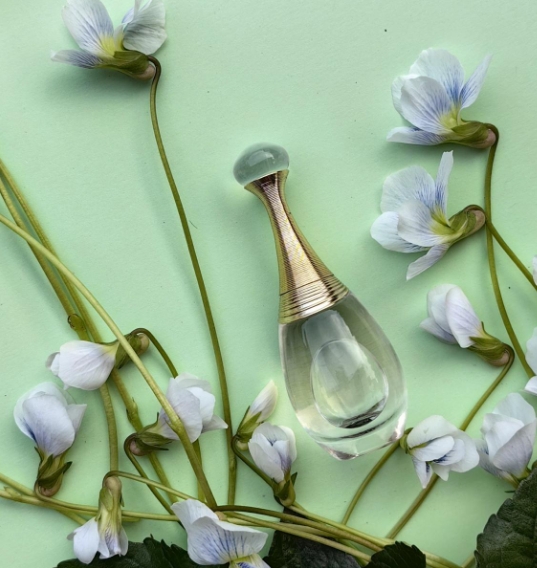
| Dior | J’adore, Miss Dior, Hypnotic Poison | A broad women’s portfolio that moves from luminous florals to sweeter and deeper evening scents. | Floral lovers, gifting, versatile designer fragrance |
| Yves Saint Laurent | Libre, Black Opium | Modern, high-impact signatures with recognizable floral, coffee, vanilla, and aromatic contrasts. | Confident evening scents and bold modern florals |
| Guerlain | Shalimar, Mon Guerlain, Aqua Allegoria | Historic depth plus a wide range from rich amber styles to fresher contemporary releases. | Perfume history, vanilla-amber profiles, refined classics |
| Hermès | Twilly d’Hermès, Barénia, Un Jardin series | Elegant compositions that often feel airy, textured, botanical, or leather-inflected rather than overtly sweet. | Understated luxury and distinctive fresh-to-woody scents |
| Jo Malone London | English Pear & Freesia, Wood Sage & Sea Salt | Easy-to-understand scent concepts and a layering-friendly approach. | Fresh, transparent, office-friendly fragrance |
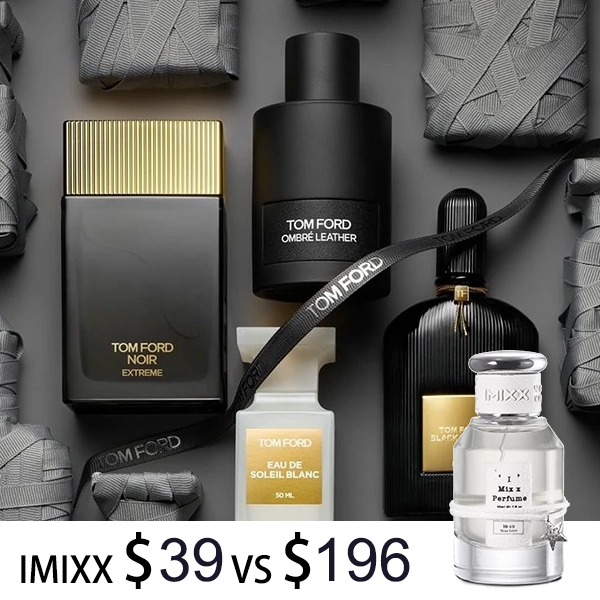
| Tom Ford | Black Orchid, Lost Cherry, Soleil Blanc | High-impact profiles with strong mood, texture, and evening presence. | Statement scents, amber, spice, fruit, woods |
| Maison Francis Kurkdjian | Baccarat Rouge 540, À la rose, Gentle Fluidity | A modern luxury house known for distinctive diffusion and polished contemporary compositions. | Modern niche-luxury style and memorable scent trails |
| Le Labo | Santal 33, Another 13, Rose 31 | A recognizable minimalist aesthetic with woody, musky, aromatic, and skin-scent directions. | Woody minimalism and gender-fluid fragrance wardrobes |
| Creed | Aventus for Her, Carmina, Wind Flowers | A luxury house with polished fruit, floral, musk, and wood structures and strong brand recognition. | Premium gifting and elegant fruity-floral profiles |
One accuracy note matters here: I use Twilly d’Hermès, Barénia, and the Un Jardin collection as more relevant examples in a women’s fragrance guide. I would not use Terre d’Hermès as the representative women’s fragrance in this table. That distinction may look small, but this is exactly the kind of detail that determines whether a guide feels researched or merely assembled from familiar brand names.
Why These Women’s Perfume Brands Stand Out
Chanel: My Pick for Timeless, Polished Structure
Chanel belongs in any serious discussion of women’s fragrance because the house offers several different entry points rather than one famous bottle. N°5 is the obvious historical reference, but I would not assume it is the best first Chanel for every modern wearer. Coco Mademoiselle is often easier for people who like a brighter citrus opening with a polished floral-patchouli character, while the Chance line offers multiple lighter and more playful directions.
What I think Chanel does especially well is structure. Even when individual releases vary greatly, the brand identity tends to feel composed and intentional rather than casual. If I were helping someone build a first “grown-up” fragrance wardrobe, I would suggest sampling across at least two Chanel pillars instead of buying N°5 simply because it is iconic.
Dior: A Versatile Starting Point for Floral Lovers
Dior earns its place because it covers a wide range of women’s scent preferences without losing a recognizable luxury positioning. J’adore is a strong reference for a luminous, polished floral direction. Miss Dior explores a more romantic floral identity across its versions, while Hypnotic Poison moves into a sweeter, deeper, more enveloping space. I like Dior as a brand to sample when someone knows she wants something distinctly feminine in the traditional fragrance-market sense but has not yet decided between fresh floral, soft floral, or richer vanilla-amber territory.
Yves Saint Laurent: Modern Contrast and Strong Personality
Yves Saint Laurent is particularly useful for people who want a fragrance to feel noticeable. Libre plays with aromatic lavender and orange-blossom style contrasts, while Black Opium is known for a darker sweet profile built around coffee and vanilla associations. I would not describe the entire house with one adjective, but many of its major women’s releases are designed to project a clear mood quickly. If you prefer your perfume very quiet, YSL may require careful spraying; if you like immediate personality, it is a logical brand to test.
Guerlain: Heritage Without Being Frozen in the Past
Guerlain gives me one of the strongest examples of why perfume heritage can still be relevant. Shalimar represents a historically important amber-vanilla direction, but the house is not limited to vintage-style richness. Mon Guerlain offers a smoother contemporary profile, while Aqua Allegoria provides lighter, fresher possibilities. I recommend Guerlain to readers who want to understand how classic perfumery ideas can be reinterpreted rather than simply copied from one decade to another.
Hermès: Elegant, Textural, and Often Less Obvious
Hermès is one of my favorite brands to suggest when someone says, “I want luxury, but I do not want to smell like the most obvious perfume in the room.” Twilly d’Hermès, Barénia, and the garden-themed Un Jardin fragrances show different sides of the house. The appeal is often in texture and contrast: green notes, spice, woods, florals, leather-like effects, or a transparent botanical feeling rather than straightforward sugar.
Jo Malone London: Simple Concepts That Are Easy to Explore
Jo Malone London works well for shoppers who feel overwhelmed by dense note pyramids. Many of its best-known scents communicate a clear idea directly, such as pear and freesia or mineral-salty woods. I would not choose the brand primarily for maximum projection or the heaviest possible longevity. I would choose it for an airy, polished style, layering possibilities, and easy day-to-day wear.
Tom Ford: Fragrance as a Statement Piece
Tom Ford makes sense when I want fragrance to act like clothing for a specific mood. Black Orchid can feel dark and dramatic; Lost Cherry leans into a bold fruit-and-sweetness effect; Soleil Blanc evokes a sun-warmed, resort-like atmosphere. The brand can be polarizing, and I consider that a strength in this context. A best-brand guide should not only contain universally “safe” scents. It should include houses that give wearers a clear point of view.
Maison Francis Kurkdjian: Contemporary Luxury and Diffusive Style
Maison Francis Kurkdjian is a modern reference point for people interested in niche-leaning luxury. Baccarat Rouge 540 is the famous name, but I would encourage sampling beyond it. À la rose and Gentle Fluidity demonstrate different creative directions. What matters to me here is not internet hype; it is the house’s ability to make fragrances that feel technically polished and stylistically distinct across several families.
Le Labo: Woody, Musky, and Minimalist
Le Labo became a recognizable name partly because fragrances such as Santal 33 established a strong woody identity in modern urban perfumery. Another 13 goes in a more musky, abstract direction, while Rose 31 complicates the usual idea of a soft romantic rose. I include Le Labo for readers who do not necessarily want a conventional “women’s perfume” profile. Many women prefer woods, musks, leather-like effects, and aromatic notes over sweet florals, and this guide should reflect that reality.
Creed: Polished Luxury with Fruit, Floral, Musk, and Woods
Creed remains relevant for shoppers who want a premium house with recognizable status and a refined style. Aventus for Her, Carmina, and Wind Flowers offer different interpretations of feminine luxury. I would sample these on skin before buying because high price does not guarantee personal compatibility. That rule applies to every brand in this article: prestige can justify craftsmanship, presentation, distribution, or creative direction, but it cannot decide whether you will actually enjoy the scent for six hours.
The Fragrance Families I Use to Narrow the Search
One of the most useful ways I reduce decision fatigue is by identifying a fragrance family before I look at brands. The family is not a rigid box, and different retailers may classify the same perfume differently, but it gives me a working vocabulary. I also prefer the term amber for many warm, resinous, sweet-spicy compositions that older fragrance guides may have grouped under a more dated category label.
| Family | What I Usually Notice | Who May Enjoy It | Typical Note Examples |
|---|---|---|---|
| Floral | Petal-like, creamy, airy, green, or lush effects depending on the flowers used. | Someone who wants classic femininity, romance, or polished versatility. | Rose, jasmine, tuberose, orange blossom, iris |
| Fruity | Juicy, tart, sparkling, jammy, or creamy fruit effects. | Someone who likes approachable, lively, playful scents. | Pear, peach, berries, cherry, plum |
| Woody | Dry, creamy, pencil-like, smoky, earthy, or smooth textures. | Someone who prefers understated, modern, or less traditionally feminine profiles. | Sandalwood, cedar, vetiver, patchouli |
| Amber | Warmth, sweetness, resin, spice, balsamic depth, or enveloping softness. | Someone looking for evening wear, cool-weather comfort, or sensual depth. | Vanilla, labdanum, benzoin, spices, resins |
| Fresh / Citrus | Bright, clean, sparkling, aromatic, watery, or green impressions. | Someone who wants easy daytime wear or warm-weather freshness. | Bergamot, lemon, mandarin, neroli, herbs |
| Gourmand | Edible associations such as pastry, caramel, coffee, cocoa, or creamy vanilla. | Someone who enjoys cozy sweetness and a more dessert-like scent profile. | Vanilla, tonka, coffee, caramel, chocolate accords |
| Musky / Skin Scent | Soft, clean, warm, sheer, or “your skin but smoother” effects. | Someone who dislikes loud perfume and wants intimacy over projection. | White musk effects, ambrette, soft woods, clean florals |
How I Choose a Perfume by Occasion Instead of Hype
I think occasion is more useful than vague labels such as “best overall.” For work or close indoor settings, I usually prefer something controlled: soft florals, citrus, tea, clean musk, or transparent woods. For evenings, I am more open to amber, vanilla, deeper florals, spice, leather-like effects, coffee, or richer woods. In hot weather, I often reduce sweetness and heaviness; in cold weather, I may want more warmth and density.
Everyday & Office
I look for: clean musk, citrus, pear, tea, airy florals, transparent woods.
Why: these styles can feel polished without dominating a shared space. I still control the number of sprays because even a “fresh” perfume can become intrusive when overapplied.
Date Night & Evening
I look for: amber, vanilla, coffee, dark fruit, tuberose, warm woods, spices.
Why: richer materials and sweeter effects often suit lower temperatures and nighttime settings, but I still test the drydown because some openings are much louder than the later scent.
Special Occasion
I look for: a fragrance with a distinctive signature rather than simply maximum strength.
Why: a memorable scent should match the setting and the wearer. I would rather wear something personally meaningful than choose the most expensive bottle in the room.
Designer vs. Niche Perfume: The Difference Is More Nuanced Than Marketing Suggests
I avoid the simplistic claim that designer perfumes use mostly cheap synthetic ingredients while niche perfumes use rare natural materials. That is not a reliable distinction. Both designer and niche perfumery can use sophisticated combinations of natural and synthetic aromatic materials. Both can produce simple or complex formulas. Both can be mass distributed or selectively distributed depending on the brand. “Niche” usually tells me more about market positioning, distribution, creative focus, and brand identity than it does about a guaranteed ingredient standard.
| Aspect | Designer Fragrance | Niche Fragrance | My Take |
|---|---|---|---|
| Brand context | Usually part of a larger fashion, beauty, or luxury house. | Usually centered primarily on fragrance. | This is a useful business distinction, not a quality score. |
| Distribution | Often broad retail distribution. | Often more selective, though many niche houses are now globally distributed. | Availability changes as brands grow. |
| Ingredients | May use both natural and synthetic materials. | May also use both natural and synthetic materials. | I do not infer ingredient quality from the niche/designer label alone. |
| Creative direction | Often aims for broad appeal, though exceptions are common. | May take greater stylistic risks, though not always. | I sample the perfume, not the category stereotype. |
| Price | Can range from accessible to very expensive. | Can also range widely, often with premium pricing. | Price is not a dependable proxy for how much I will like the scent. |
Why Some Niche Perfumes Cost More
There are legitimate reasons some niche fragrances cost more: smaller production runs, specialized packaging, higher retail margins at selective boutiques, costly raw materials in certain formulas, extensive development work, independent distribution, or simply luxury positioning. I treat each case individually. I do not repeat “rare ingredients” as a universal explanation because a high price can also reflect branding and market strategy.
Knowledge point: concentration is not the same thing as quality.
An eau de parfum is not automatically “better” than an eau de toilette. Concentration can influence intensity and wear, but formula design matters. Different versions of the same fragrance may also be reformulated creatively rather than simply made stronger or weaker. I always compare the actual version name on the bottle.
Where IMIXX Fits: Affordable Inspired-By Fragrance Without Unsupported Claims
I think inspired-by fragrance is most useful when the expectation is clear. A lower-priced interpretation can help someone explore a scent direction, build a larger fragrance wardrobe, or enjoy a familiar style without paying luxury retail pricing. What I do not do is call an inspired-by perfume chemically identical to the original, promise an exact percentage match, or claim it uses the same formula. Without transparent analytical evidence, those statements are stronger than the evidence supports.
Instead, I describe IMIXX Perfume in practical terms: it offers affordable fragrances inspired by well-known luxury scent profiles. The useful question is not “Is this literally the same liquid?” The useful questions are: Does the opening remind me of the style I wanted? Does the heart develop in a satisfying way? Is the drydown pleasant on my skin? Does the performance fit my routine? And does the price make sense for how often I plan to wear it?
Best when provenance matters most
I choose the original when I care about the house’s exact creative work, official presentation, bottle design, brand experience, or collection value. I also choose it when I have tested the perfume and know I specifically love that formula rather than just the general scent idea.
Best when value and scent direction matter most
I consider this route when I want an affordable interpretation of a recognizable fragrance style. I judge it on its own wear, development, and value rather than assuming formula identity. Readers can compare the current selection in the IMIXX fragrance-by-brand collection.
Best when I am undecided
My preferred strategy is to sample first whenever possible. I compare the scent on paper and skin, then revisit it after the opening has passed. This prevents me from buying a full bottle based on a five-minute impression or a social-media recommendation.
My Side-by-Side Fragrance Testing Method
If I am comparing a luxury scent with an inspired-by interpretation, I use a simple repeatable method instead of guessing from memory. This is not a laboratory assay and it cannot prove chemical equivalence, but it gives me a much more useful wearing comparison.
- I start with labeled blotters. I spray each fragrance on a separate strip and write the name immediately. This lets me compare the opening without mixing the liquids on my skin.
- I compare the first 5–10 minutes. I note brightness, sweetness, alcohol flash, fruit, citrus, spice, florals, and any obvious difference in intensity.
- I check again around 30–60 minutes. This is where I pay more attention to the heart and to whether the two perfumes move in a similar or different direction.
- I test on skin on another wear. Skin adds warmth, oils, and individual chemistry. I avoid placing two strong scents too close together because cross-contamination makes comparisons unreliable.
- I record drydown and wear. After several hours I note what remains: musk, woods, vanilla, amber, patchouli, florals, or a faint skin scent. I also record whether I actually enjoyed the fragrance rather than obsessing over similarity alone.
Key point: “similar” should describe a sensory impression, not pretend to be a lab result.
Two fragrances can remind me strongly of one another while still differing in ingredients, concentration, texture, diffusion, or drydown. That is why I use descriptive language such as “similar direction,” “inspired by,” or “reminiscent of” unless there is objective testing that supports a stronger claim.
Fragrance Safety, Ingredients, and Sensitive Skin
Quality also includes responsible use. The International Fragrance Association’s IFRA Standards set restrictions, prohibitions, or specifications for certain fragrance materials based on safety assessments. IFRA also makes clear that its standards do not replace applicable laws or a finished-product safety assessment. I find that distinction important because “compliant” should not be used as a vague marketing badge without context.
For U.S. consumers, the FDA’s fragrance guidance explains that perfumes are generally regulated as cosmetics when used to make the body smell attractive, that fragrance formulas can contain many natural and synthetic ingredients, and that some individuals may be sensitive or allergic to components of fragrance. If I know I have a fragrance sensitivity, I read labels, follow product directions, and contact the manufacturer when I need more ingredient information. If a product causes a significant reaction, I stop using it and seek appropriate medical advice.
I also avoid making health promises about perfume. A pleasant scent may influence mood through memory and personal association, but I do not present fragrance as a treatment for anxiety, insomnia, headaches, or any medical condition. That kind of claim moves far beyond what a fragrance-shopping guide should promise.
How I Find a Signature Scent Without Wasting Money
I use a three-stage process: shortlist, sample, then live with the fragrance. At the shortlist stage, I choose no more than five scents based on family, budget, and occasion. At the sample stage, I test only a few at a time so my nose does not become overwhelmed. At the “live with it” stage, I wear a candidate on ordinary days, not only in a perfume store. I want to know how it behaves in my real commute, office, home, weather, and social life.
I also pay attention to how often I reach for a sample. A fragrance can be beautiful and still not fit me. If I admire it but never choose it in the morning, that is useful information. Conversely, a scent that seems simple at first can become a favorite because it feels easy, comfortable, and recognizably “me.” This is why I prefer a wearable wardrobe over a shelf of expensive trophies.
My Budget Rule
I set a price ceiling before I shop. Then I compare full bottles, travel sizes, discovery sets, and inspired-by options. This prevents the common mistake of falling in love with a luxury bottle first and trying to justify the expense afterward. If a less expensive fragrance gives me the mood and wearing experience I want, I consider that a successful purchase. If only the original satisfies me, I would rather save for it than buy multiple substitutes I do not truly enjoy.
My Performance Rule
I do not chase longevity as if twelve hours were always better than six. A perfume for dinner does not need to survive until the next morning. A work fragrance may be better if it stays closer to the skin. I evaluate performance against purpose: projection, longevity, and scent trail are features, not universal measures of quality.
Quick Recommendations by Scent Personality
Chanel, Dior, Guerlain.
Yves Saint Laurent, Tom Ford.
Hermès, Jo Malone London.
Maison Francis Kurkdjian, Le Labo.
Chanel, Dior, Creed.
I compare samples, travel sizes, and IMIXX inspired-by options before committing to a full-size luxury bottle.
Frequently Asked Questions About Women’s Best Perfume Brands
What are the best perfume brands for women?
My shortlist includes Chanel, Dior, Yves Saint Laurent, Guerlain, Hermès, Jo Malone London, Tom Ford, Maison Francis Kurkdjian, Le Labo, and Creed. I do not rank one as universally best because each house serves different preferences. Chanel and Dior are strong classic starting points, Hermès suits more understated tastes, and brands such as Le Labo or Maison Francis Kurkdjian appeal to people looking for a more niche-leaning identity.
Which women’s perfume brand is best for beginners?
I usually start with a house that offers multiple recognizable styles and easy sampling, such as Chanel, Dior, or Yves Saint Laurent. The goal is not to buy the most famous bottle immediately; it is to learn whether you prefer fresh, floral, woody, amber, gourmand, or musky scents.
Why are some women’s perfumes so expensive?
Price can reflect formula development, certain costly materials, packaging, bottle engineering, marketing, retail margins, selective distribution, smaller production runs, and luxury positioning. I do not assume that every expensive perfume uses rarer ingredients or that price directly predicts quality.
Are niche perfumes always better than designer perfumes?
No. I treat “niche” and “designer” as market and brand-positioning categories, not quality grades. Both can use natural and synthetic materials, both can be creative or conventional, and both can produce excellent or disappointing fragrances depending on the wearer.
Is eau de parfum always better than eau de toilette?
No. Eau de parfum is generally positioned at a higher fragrance concentration than eau de toilette, but the exact formula matters. An eau de toilette can be beautifully balanced and more appropriate for warm weather or daytime. I compare the specific versions rather than assuming the stronger concentration is automatically superior.
Are IMIXX perfumes identical to luxury originals?
I would not describe them as identical without formula-level and analytical evidence. I describe IMIXX perfumes as affordable inspired-by fragrances designed around recognizable luxury scent directions. I judge them by how they smell and wear on their own, not by an unsupported claim of chemical identity or an exact similarity percentage.
How should I test a perfume before buying?
I test first on a blotter, then on skin on a separate wear. I smell the opening, revisit the fragrance after 30–60 minutes, and check the drydown several hours later. I also wear it in the setting where I expect to use it, because office, outdoor, heat, and evening conditions can change how a fragrance feels.
How can I make perfume last longer?
I apply fragrance to clean skin and avoid rubbing my wrists together after spraying. Moisturized skin can help some fragrances feel more persistent, and clothing may hold scent longer than skin, although I first check that the product will not stain delicate fabric. I also remember that longevity varies with formula, climate, dose, and individual skin.
My Final Take
The best way I know to use a list of Women’s Best Perfume Brands is as a starting map, not a command to buy. Chanel, Dior, Yves Saint Laurent, Guerlain, Hermès, Jo Malone London, Tom Ford, Maison Francis Kurkdjian, Le Labo, and Creed each offer a recognizable point of view, but the right choice depends on the wearer. I pay more attention to scent family, occasion, climate, skin behavior, and repeat wear than to prestige alone.
I also believe fragrance content becomes more trustworthy when it says what it cannot prove. I will not turn a subjective scent resemblance into a fake scientific percentage, and I will not claim two formulas use identical raw materials without evidence. If I am considering an affordable inspired-by fragrance, I evaluate it as an interpretation: how convincing is the scent direction, how enjoyable is the drydown, how well does it perform for my use case, and does the price feel fair?
That approach gives me a more useful answer than any one “best brand” ranking. It lets me appreciate an iconic original when I love the house’s exact work, choose a niche fragrance when I want something distinctive, or explore an IMIXX Perfume when value matters more than owning the original bottle. The best perfume is ultimately the one I enjoy wearing repeatedly—and the best guide is the one that helps me reach that decision with clear information instead of exaggerated promises.