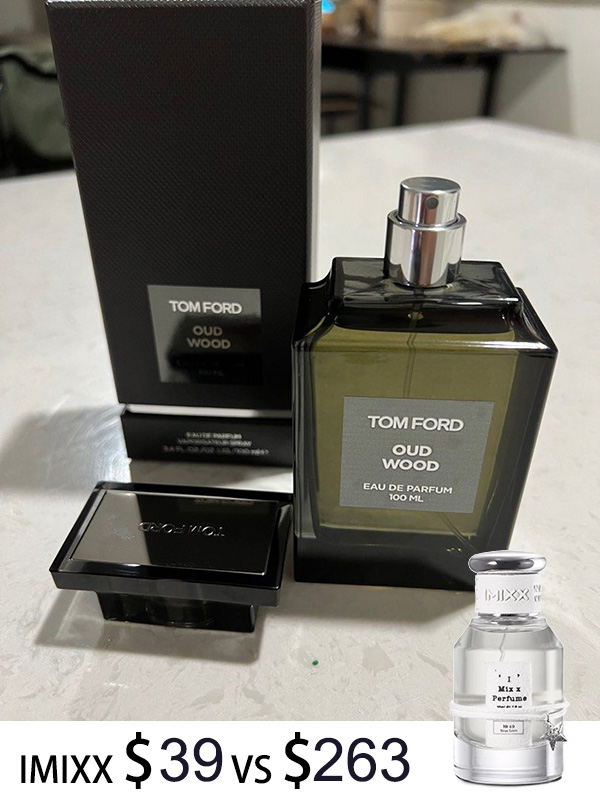


Why tom ford wood oud intense Is a Game-Changer in Men’s Fragrance
When I evaluate a men’s fragrance, I look beyond the opening spray. I want to know how the scent develops, how naturally it sits on skin, what kind of presence it creates, and whether it still feels distinctive after several hours. That is why tom ford wood oud intense continues to attract attention from men who want something darker, more assertive, and less predictable than a conventional fresh fragrance.
For anyone researching this distinctive woody profile, tom ford wood oud intense represents more than a simple oud scent. It reflects a style of perfumery built around contrast: dry woods against animalic warmth, aromatic freshness against smoke, and polished luxury against something deliberately raw. That tension is what makes the fragrance feel memorable rather than merely pleasant.
In my view, its real significance is not that it is universally easy to wear. It is significant because it challenges the familiar definition of a modern men’s fragrance. Instead of relying on bright citrus, aquatic notes, sweet tonka bean, or a generic blue-fragrance structure, it moves toward dense woods, bitter aromatics, leather-like nuances, and a shadowy oud character. The result feels more personal, more uncompromising, and more likely to generate a strong reaction.
This article explains what makes the fragrance profile different, how I assess its performance and wearability, who is most likely to appreciate it, and how to approach inspired alternatives without confusing similarity with exact duplication. I will also compare it with related woody fragrances, discuss application strategy, and answer the practical questions buyers usually ask before committing to this kind of scent.
This fragrance is a game-changer because it treats intensity as texture and character, not simply loudness. Its appeal comes from dryness, darkness, aromatic sharpness, and an almost tactile woody-leathery effect.
What Makes tom ford wood oud intense So Different?
The first thing I notice about this style of fragrance is that it does not try to be immediately agreeable. Many mainstream men’s fragrances are engineered to create fast familiarity. They open with sparkling citrus, move through aromatic herbs or lavender, and settle into sweet woods, amber, or musk. That structure is effective, but it is also common.
Tom Ford Oud Wood Intense takes a more confrontational route. Its recognizable profile has been associated with notes and accords such as oud, angelica root, ginger, cypress, juniper, and castoreum-like leatheriness. The exact experience can vary by skin chemistry and perception, but the general impression is dry, woody, smoky, bitter-green, musky, and animalic.
I do not experience this as a sweeter or simply stronger version of a smooth oud fragrance. The word “intense” can create the wrong expectation. In this context, intensity is not only about greater projection. It also refers to a darker tonal range, more pronounced texture, and a more challenging balance of aromatic and leathery effects.
Aromatic Sharpness Instead of Conventional Freshness
The opening can feel fresh, but it is not the shower-gel freshness many men expect. Ginger, juniper, cypress, and root-like facets create a dry, bracing sensation. I would describe it as botanical, bitter, and slightly medicinal rather than juicy or aquatic.
This distinction matters because freshness is usually associated with cleanliness and simplicity. Here, the aromatic opening creates tension. It sharpens the woods and prevents the fragrance from becoming heavy, syrupy, or overly sweet. The freshness feels like cold air moving through a dark forest rather than sunlight reflecting off water.
A Darker, More Animalic Woody Core
As the fragrance develops, the oud and castoreum-like facets become more important. Castoreum in perfumery refers to a leathery, smoky, animalic effect that may be created through modern fragrance materials and accords. It can suggest worn leather, warm skin, smoke, and fur-like muskiness.
This is one reason the fragrance can be polarizing. Some wearers interpret the drydown as luxurious, rugged, and sensual. Others may find it medicinal, harsh, or too animalic. I consider that division part of the fragrance’s identity. A scent does not become influential by pleasing everyone; it becomes influential by establishing a recognizable point of view.
Minimal Sweetness
One of the most important differences is the restraint of sweetness. Contemporary masculine perfumery frequently uses vanilla, amber, tonka bean, caramelized woods, or sweet tobacco effects to make dark fragrances more accessible. Tom Ford Oud Wood Intense does not depend on that strategy.
The relative dryness gives it a more austere personality. It feels tailored rather than comforting, architectural rather than edible. For men who are tired of fragrances that become sugary after an hour, that dryness can be the main attraction.
My Fragrance Evaluation Method
To assess a fragrance fairly, I do not rely on a single spray, one paper strip, or the first ten minutes of wear. Fragrance materials evaporate at different rates, and the smell perceived in the opening may differ substantially from the drydown. Skin temperature, humidity, clothing, application quantity, and individual olfactory sensitivity also affect the experience.
I use a practical four-stage evaluation:
I assess the first 15 minutes for sharpness, alcohol lift, aromatic clarity, and immediate balance.
I check the fragrance after 30 minutes to see which woods, spices, and leather-like facets emerge.
I revisit it several hours later, when base materials and skin interaction become easier to judge.
I consider distance, environment, clothing, temperature, and whether the scent becomes tiring over time.
This approach is particularly important for tom ford wood oud intense because its opening may be more challenging than its later stages. A quick test can overemphasize the medicinal, green, or animalic aspects. A full wearing reveals whether those elements become smoother, warmer, and more integrated.
Longevity and projection depend on dose, skin condition, climate, fabric, olfactory adaptation, and the wearer’s sensitivity. Claims such as “exactly 12 hours” should be treated as individual observations rather than universal guarantees.
Fragrance Profile at a Glance
| Category | My Assessment | What It Means for the Wearer |
|---|---|---|
| Overall family | Woody, aromatic, leathery, smoky | A darker alternative to fresh or sweet masculine scents |
| Opening character | Dry, bitter-green, spicy, root-like | May require patience if you prefer smooth citrus openings |
| Core impression | Oud, woods, leather, smoke, musk | Creates a mature, assertive, unconventional presence |
| Sweetness | Low | Suitable for wearers who dislike gourmand-style drydowns |
| Perceived intensity | Medium-high to high, depending on application | Conservative spraying is advisable in shared spaces |
| Best climate | Cool or mild weather | Heat may amplify the sharper and more animalic facets |
| Best occasions | Evenings, formal events, selective personal wear | Works best when intentional rather than automatic |
| Blind-buy risk | High | Sampling is strongly recommended |
Why I Consider It a Game-Changer
It Redefines What “Intense” Can Mean
In many fragrance lines, an intense edition is sweeter, denser, warmer, and louder than the original. It may add vanilla, amber, or extra spice while preserving the same familiar structure. Tom Ford Oud Wood Intense takes a more conceptual approach.
Its intensity comes from dryness, contrast, and material character. The aromatic notes feel sharper. The leather effect feels rougher. The woods feel darker. The overall fragrance seems less polished in the conventional sense, yet more expressive. It communicates intensity through personality rather than simple volume.
I find this important because it gives experienced fragrance users a different kind of option. Someone who already owns several amber, tobacco, vanilla, and sweet-woody scents may not need another variation on the same formula. This fragrance offers a genuinely different mood.
It Brings Niche-Like Character to a Recognizable Luxury Context
The dividing line between designer and niche fragrance has never been perfectly clear. Still, mainstream luxury releases often prioritize broad appeal, while niche perfumery may accept greater risk in pursuit of originality. This scent combines a recognizable luxury identity with a less conventional composition.
I associate that approach with the broader purpose of a private-blend-style collection: fragrances can function as creative statements rather than only mass-market crowd-pleasers. The result is a scent that feels intentionally specific. It does not smell as though every sharp edge has been removed by a focus group.
It Challenges the Safe Definition of Masculinity
Men’s fragrance marketing frequently presents masculinity through predictable signals: blue bottles, ocean imagery, sports references, clean woods, pepper, citrus, and abstract amber. Tom Ford Oud Wood Intense presents a more complex image.
Its masculinity is not based on athletic freshness. It feels mature, shadowy, self-contained, and tactile. The scent can suggest dark tailoring, aged leather, polished wood, smoke, and cold forest air. At the same time, fragrance itself is not biologically restricted by gender. Anyone who enjoys the profile can wear it.
I use “men’s fragrance” here because that is how many shoppers search and categorize the product, not because the materials belong exclusively to men. In practical terms, the composition can work on any wearer who is comfortable with dry woods, aromatics, smoke, and animalic leather effects.
It Makes Restraint More Powerful Than Easy Likeability
A fragrance does not have to be cheerful or universally complimentary to be effective. Some scents work more like a leather jacket, tailored coat, or piece of dark furniture: their appeal comes from texture, presence, and consistency of style.
This is where tom ford wood oud intense can feel genuinely transformative. It encourages the wearer to choose a scent based on identity rather than approval. That does not mean ignoring other people in shared environments. It means recognizing that personal fragrance can communicate aesthetic preference, not only cleanliness or attractiveness.
How the Scent Develops on Skin
The First 15 Minutes
The opening is the most decisive part of the experience. I detect a dry, aromatic blast that can feel green, root-like, spicy, and slightly medicinal. Ginger contributes energy, while juniper and cypress create a cool, coniferous impression. Angelica-like nuances can add earthy bitterness and a musky botanical quality.
This stage may surprise anyone expecting the smoother cardamom-and-wood character associated with the standard Oud Wood style. The intense profile feels less creamy and less immediately refined. I recommend withholding judgment until the alcohol has evaporated and the top notes have settled.
The 30- to 90-Minute Stage
As the fragrance develops, the sharp opening begins to connect with darker woods and leather-like facets. This is the point at which I start to understand the composition as a complete structure rather than a collection of aggressive notes.
The oud effect does not necessarily smell like pure natural agarwood. In modern perfumery, “oud” can refer to a constructed accord that evokes smoky wood, resin, leather, medicinal facets, earthiness, or animalic warmth. The exact formula and sourcing are proprietary, so I avoid assuming that a fragrance name proves the concentration of any specific natural raw material.
The authoritative Tom Ford Beauty description of the current Oud Wood Eau de Parfum emphasizes oud notes, exotic woods, spices, cardamom, and warm amber. Readers interested in the brand’s official description can consult the Tom Ford Beauty Oud Wood product page. The intense profile should nevertheless be evaluated as its own olfactory experience rather than treated as a simple concentration change.
The Later Drydown
In the drydown, the fragrance becomes more settled, but it does not lose its identity. The leathery, musky, and woody elements remain central. On some skin, the composition may feel smoother and warmer. On other skin, the smoky or animalic effect may remain pronounced.
I find the later stages more wearable than the opening because the ingredients appear less separated. The drydown can create the impression of dark wood absorbing traces of smoke, leather, and aromatic oils. It is not cozy in the conventional vanilla-amber sense, but it can feel intimate and compelling.
A perfume labeled “oud” may use natural agarwood materials, reconstructed oud accords, other woods, smoky molecules, leathery materials, or a combination of these. The name describes the intended scent direction; it does not disclose the complete formula.
tom ford wood oud intense Compared With Related Fragrance Styles
Oud Wood Eau de Parfum
I consider the standard Oud Wood profile smoother, warmer, and more approachable. Its spicy woods and amber-like warmth are easier to integrate into professional or social settings.
Best for: Someone who wants elegant woods without a strongly animalic edge.
Oud Wood Intense Style
This is the driest, darkest, and most textural direction in the comparison. Aromatic sharpness, leather, smoke, and animalic woods produce a more forceful identity.
Best for: An experienced wearer seeking character rather than universal approval.
Oud Wood Parfum
The current Parfum is officially presented around sandalwood, vetiver, oud notes, and warm spices. I see it as a richer extension of the polished Oud Wood identity rather than a replacement for the sharper intense style.
Best for: Someone seeking richness while retaining a smoother luxury presentation.
Oud Minérale
Oud Minérale combines an oud direction with marine minerality. It creates greater openness and atmospheric freshness than the dry leather-and-forest character discussed here.
Best for: Someone who wants oud paired with a cooler, more oceanic environment.
Who Should Wear This Fragrance?
I would recommend this fragrance profile primarily to someone who already understands what they enjoy in woody perfumery. It is not necessary to be an expert, but it helps to have experience with leather, smoke, oud accords, bitter aromatics, incense, or dry forest notes.
It May Suit You If You Prefer:
- Dry fragrances rather than sweet or gourmand compositions
- Leather, smoke, woods, roots, herbs, and dark musks
- Distinctive scents that do not resemble common department-store releases
- Fragrances that evolve gradually instead of delivering instant softness
- Cool-weather evening scents with a mature atmosphere
- Personal style over maximum compliment potential
It May Not Suit You If You Prefer:
- Bright citrus and aquatic freshness
- Sweet vanilla, tonka bean, caramel, or dessert-like notes
- Quiet fragrances designed for unrestricted office use
- Soft, clean musk with minimal smoke or leather
- Safe blind buys that are immediately familiar
I do not consider those preferences more or less sophisticated. Fragrance appreciation is subjective. A challenging fragrance is not automatically better than an easy fragrance, and complexity does not guarantee pleasure. The relevant question is whether the composition fits the wearer’s taste, environment, and intended use.
When and Where I Would Wear It
Cool Fall Evenings
Fall is one of the most natural settings for tom ford wood oud intense. Lower temperatures help control the sharper and more animalic facets, while the woody profile complements dry leaves, cold air, dark clothing, and heavier fabrics.
I would start with one or two sprays and evaluate the scent outdoors and indoors. Temperature transitions can affect projection. A fragrance that seems moderate outside may become much stronger after entering a heated restaurant or event space.
Winter Events
Winter allows darker fragrances to feel more balanced. This scent can work with formal tailoring, wool coats, leather footwear, and evening environments. It has enough presence to remain noticeable in cold weather without depending on sugary warmth.
For a formal event, I would apply it below the collar rather than directly onto the front of clothing. That placement allows the scent to rise gradually and reduces the risk of creating an overwhelming cloud around other guests.
Dates and Intimate Social Settings
The fragrance can be sensual, but it should be applied carefully. Animalic woods and leather can create warmth and intimacy at low volume. At high volume, the same materials may feel aggressive.
I would use one spray on the upper chest and, if necessary, one light spray behind the neck. More is not automatically more attractive. The objective is to let someone discover the fragrance at conversational distance, not announce it from across the room.
Selective Office Wear
I would not describe this as a universal office fragrance. In a private office, creative workplace, or spacious environment, one controlled spray may be acceptable. In healthcare, education, aviation, hospitality, shared transportation, or scent-sensitive workplaces, it may be inappropriate.
Fragrance etiquette is part of expertise. A technically beautiful perfume can still be badly worn. I consider dose control, ventilation, proximity, and workplace policy before choosing any intense fragrance.
How Many Sprays Should You Use?
My starting recommendation is one or two sprays. This is not because every bottle, batch, or inspired interpretation performs identically. It is because the fragrance profile itself contains assertive aromatic, woody, smoky, and animalic elements.
| Environment | Suggested Starting Dose | Application Strategy |
|---|---|---|
| Office or shared indoor space | 1 spray | Upper chest beneath clothing |
| Dinner or date | 1–2 sprays | Chest and back of neck |
| Outdoor evening event | 2–3 sprays | Chest, neck, or one controlled clothing spray |
| Hot weather | 0–1 spray | Test cautiously; heat may amplify harsh facets |
I also recommend avoiding repeated respraying simply because you stop noticing the fragrance. Olfactory adaptation can reduce your awareness even while other people can still smell it. Before adding more, step outside, smell a clean fabric, or ask a trusted person for an honest assessment.
Performance: Longevity, Projection, and Sillage
Longevity
Woody, leathery, musky, and ambery materials often remain perceptible longer than volatile citrus top notes, but actual longevity varies. On well-moisturized skin and fabric, this fragrance style may remain detectable for much of the day. On dry skin, the projection may decline more quickly even when a close skin scent remains.
I avoid promising a fixed duration. A realistic evaluation should separate three questions:
- How long can I smell it clearly without searching?
- How long can another person detect it at conversational distance?
- How long does a faint trace remain close to skin or clothing?
Those are different performance metrics. A fragrance may project strongly for two hours, remain moderate for several more, and continue as a close trace well beyond that.
Projection
The opening generally creates the strongest impression. Ginger, juniper, aromatic woods, and leathery effects can travel noticeably, especially in warm indoor air. Projection should become more controlled as the fragrance dries down, although clothing application may extend its reach.
Sillage
Sillage is the scented trail left as the wearer moves. Tom Ford Oud Wood Intense can create a more distinctive trail than a simple fresh fragrance because the leather, smoke, and dark woods remain recognizable in the air.
I consider moderate sillage more effective than maximum sillage for this composition. At the right level, it feels mysterious and textured. At excessive volume, bitter aromatics and animalic facets may dominate the room.
Why Skin Chemistry Matters
Skin chemistry is often used as an overly broad explanation for every difference in fragrance performance. The phrase can include skin temperature, hydration, oil level, microbiome, application area, environmental humidity, and individual perception.
On warmer skin, the fragrance may diffuse more rapidly and emphasize sharp aromatics or musky leather. On cooler or drier skin, it may sit closer and feel more woody. Moisturized skin can slow evaporation, while fabric can preserve top and base notes differently from skin.
I test a fragrance on both a paper blotter and clean skin. The blotter helps me examine the formula without as much biological variation. Skin testing tells me whether the scent becomes smoother, harsher, sweeter, drier, or more animalic during actual wear.
A fragrance reaction is not determined only by its note list. Personal memories, cultural associations, prior experiences, and emotional context can influence whether the same smell feels comforting, luxurious, clinical, smoky, or unpleasant.
Research indexed by the U.S. National Library of Medicine has examined the relationship between scent-evoked memory, nostalgia, and emotional response. One relevant overview is available through PubMed.
Original Fragrance Versus an Inspired Alternative
When evaluating an inspired fragrance, I use a different standard from the one I use for the original. I do not assume that two formulas are chemically identical simply because they pursue a similar scent direction.
A useful inspired interpretation should capture the major recognizable relationships: aromatic sharpness, dry woods, oud character, smoke, leather, musk, and restrained sweetness. However, differences may appear in the opening, ingredient texture, transition speed, projection, and drydown.
What I Compare
- Opening accuracy: Does it create the same dry, aromatic first impression?
- Structural similarity: Do the woods, leather, and oud-like facets appear in comparable proportions?
- Texture: Does it feel smooth, rough, smoky, mineral, musky, or synthetic?
- Development: Does it change meaningfully over time or remain linear?
- Wearability: Is the inspired version easier, sweeter, cleaner, or more aggressive?
- Performance: How do projection and longevity compare under the same conditions?
- Value: Does the experience justify the cost for the intended buyer?
I advise readers to judge an alternative on its own quality as well as its resemblance. A fragrance can be highly similar but unpleasantly balanced, or less exact but more wearable. The better purchase depends on whether the buyer values historical fidelity, daily usability, bottle presentation, collectibility, or cost efficiency.
How to Sample It Properly
Step 1: Begin With a Blotter
Spray once on a clean fragrance strip and record your first impression. Do not rub the strip. Smell it from several inches away before bringing it closer. This helps prevent the alcohol and strongest volatile materials from overwhelming your nose.
Step 2: Revisit After 15 and 60 Minutes
The opening should not determine the entire verdict. Return after 15 minutes, then again after approximately one hour. Note whether the ginger and aromatic materials soften, whether leather becomes stronger, and whether the oud character feels smoky, medicinal, earthy, or polished.
Step 3: Test One Spray on Skin
Apply one spray to the forearm without layering lotion, soap fragrance, or another perfume. Avoid placing multiple candidates close together. Strong fragrances can overlap and make evaluation unreliable.
Step 4: Wear It in a Normal Environment
A fragrance that smells impressive at a counter may feel excessive in a car, office, restaurant, or heated room. Wear it during a normal day and observe how it behaves around clothing, movement, and temperature changes.
Step 5: Ask for Specific Feedback
Instead of asking, “Do you like it?” ask more useful questions: “Can you smell it from three feet away?” “Does it seem smoky, leathery, or medicinal?” “Does it feel too strong in this room?” Specific questions produce more actionable feedback.
How to Store a Woody Fragrance Correctly
Fragrance should be stored away from direct sunlight, high heat, and repeated temperature fluctuations. A bedroom drawer, closed cabinet, or climate-controlled closet is generally more suitable than a sunny bathroom shelf or hot vehicle.
I keep bottles upright with the cap secured. The original box can provide additional light protection, although the box is not essential when the bottle is already stored in a dark location.
Normal aging does not automatically mean a fragrance has spoiled. Some color change may occur over time. More concerning signs include a dramatically sour odor, an unusual loss of structure, leakage, a damaged atomizer, or prolonged exposure to heat.
Fragrance Safety and Responsible Use
Fragrances contain complex mixtures, and individual sensitivity is possible. I recommend patch testing unfamiliar products, avoiding broken or irritated skin, and discontinuing use if persistent irritation develops. People with known fragrance sensitivities should review available ingredient information and consult an appropriate healthcare professional when necessary.
The International Fragrance Association maintains a risk-management framework that may restrict, limit, or prohibit certain fragrance materials based on safety assessments and intended product use. Readers can review the organization’s explanation through the official IFRA Standards resource.
IFRA compliance does not mean that every person will tolerate every fragrance. Standards manage ingredient use at the industry level, while individual allergies and sensitivities still require personal caution.
Is tom ford wood oud intense Worth Buying?
My answer depends on what the buyer expects. For a person seeking a universally pleasant signature scent, this may be an unnecessarily risky choice. For someone who values dark woods, leather, smoke, botanical bitterness, and an unconventional masculine presence, it can be exceptionally rewarding.
The fragrance is most compelling when evaluated as a creative statement. It is not simply a louder Oud Wood. Its personality comes from the way sharp aromatics, animalic warmth, and dry woods interact. That structure gives it a level of individuality that many safer releases lack.
Value also depends on availability and format. A collector may prioritize an original bottle and its place in fragrance history. A practical wearer may prefer a well-made interpretation that provides a related experience at a more accessible cost. Neither objective is inherently more valid, but the buyer should understand which one is driving the purchase.
My Buying Checklist
- Have I tested dry, leathery, or animalic fragrances before?
- Did I wear the sample for at least several hours?
- Do I enjoy the opening as well as the drydown?
- Will I realistically wear it in my climate and routine?
- Am I buying for personal use, collectibility, or similarity?
- Is the seller transparent about product identity and condition?
- Does the price make sense for my expected frequency of use?
The Broader Impact on Modern Men’s Fragrance
The most influential fragrances do not always become the most widely worn. Some are important because they expand the boundaries of what a commercial fragrance can smell like. Tom Ford Oud Wood Intense demonstrates that a men’s luxury fragrance can be dry, animalic, botanical, smoky, and challenging without depending on a familiar sweet base.
It also reflects the continued influence of oud-inspired perfumery on Western fragrance markets. Oud can appear in many forms: medicinal, smoky, floral, leathery, sweet, mineral, earthy, or polished. This composition emphasizes a drier and more forceful interpretation.
For me, that is the central reason it remains relevant. It offers a contrast to increasingly sweet masculine fragrances and to clean, interchangeable aromatic releases. Even people who dislike it can usually identify that it has a specific character. In a crowded market, recognizability is valuable.
Final Verdict
Tom Ford Oud Wood Intense is a game-changer because it does not treat men’s fragrance as a contest to create the safest compliment-getter. It treats fragrance as style, atmosphere, and self-definition.
I experience the composition as dry, woody, bitter-green, leathery, smoky, and animalic. Its sharp aromatic opening can demand patience, while its later stages create a darker and more integrated woody-musky effect. The restrained sweetness distinguishes it from many modern intense fragrances.
It is not a fragrance I would recommend as an automatic blind buy. It is too specific, and individual responses to animalic, medicinal, and smoky materials vary too widely. Sampling is essential. Application should also be conservative, especially indoors.
For the right wearer, however, tom ford wood oud intense can become more than an occasional fragrance. It can function as an olfactory signature: controlled, unconventional, mature, and immediately recognizable. That ability to establish a complete identity, rather than simply smell pleasant, is what makes it genuinely important in men’s perfumery.
Key-Points FAQ
What does tom ford wood oud intense smell like?
It has a dry woody, aromatic, leathery, smoky, musky, and oud-centered profile. Many wearers also perceive bitter-green, root-like, spicy, medicinal, or animalic nuances.
Is Oud Wood Intense simply a stronger Oud Wood?
No. I consider it a substantially different interpretation. It is generally sharper, drier, darker, more leathery, and more animalic than the smoother Oud Wood style.
Is it suitable for beginners?
It may be challenging for beginners who mainly wear fresh, aquatic, sweet, or clean fragrances. Sampling before purchasing is strongly recommended.
Is it appropriate for the office?
It can work in some offices at one controlled spray, but it is not universally appropriate. Consider ventilation, proximity to coworkers, workplace policy, and fragrance sensitivity.
What season is best for wearing it?
Cool fall and winter weather generally provide the most balanced setting. High heat may intensify the sharper, smokier, or more animalic facets.
How many sprays should I use?
I recommend beginning with one or two sprays. Increase only after assessing the fragrance in the actual environment where it will be worn.
Is the fragrance sweet?
Sweetness is relatively restrained. The dominant impression is dry, woody, aromatic, leathery, and smoky rather than gourmand or vanilla-heavy.
Can women wear this fragrance?
Yes. Fragrance has no biological gender restriction. Anyone who enjoys dry woods, leather, smoke, oud, and animalic musk can wear it.
Should I apply it to skin or clothing?
Skin reveals the fragrance’s natural development, while clothing may increase longevity. Test fabric carefully because some fragrance oils may mark delicate or light-colored materials.
Is it a safe blind buy?
No fragrance is universally safe to buy without testing, and this one presents an especially high blind-buy risk because of its dry, bitter, smoky, leathery, and animalic characteristics.