

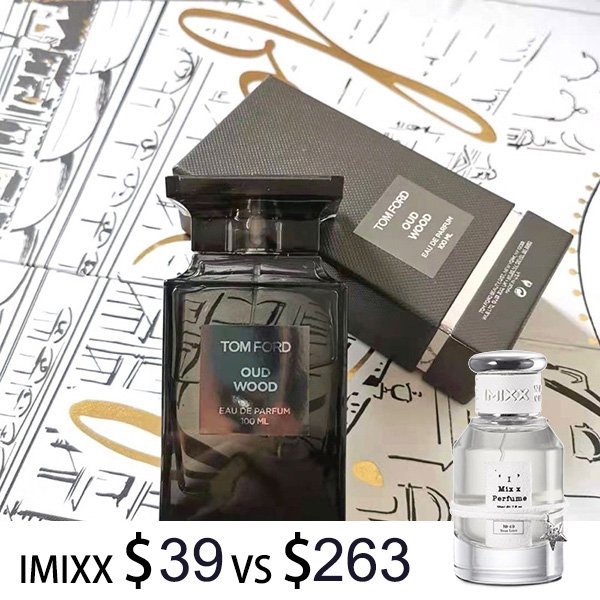
7 Trustworthy tom ford oud wood reviews You Can Rely On
When I read tom ford oud wood reviews, I often notice the same problem: one person calls the fragrance a dark oud powerhouse, while another describes it as a smooth, restrained woody scent. Both reactions may be sincere, but neither is especially useful without context. Skin chemistry, temperature, application method, bottle age, scent expectations, and even the reviewer’s familiarity with oud can substantially affect the experience.
I created this guide to provide a more dependable way to evaluate Oud Wood. Rather than offering a single dramatic opinion, I examine the fragrance from seven practical perspectives: composition, opening, drydown, performance, versatility, value, and purchasing strategy. My goal is not to tell every reader that the fragrance is perfect. It is to explain who is most likely to appreciate it, who may be disappointed, and what should be tested before buying.
Readers comparing the original fragrance with a more accessible woody interpretation can also review this
tom ford oud wood reviews
resource. I recommend comparing any alternative on its own merits, especially its opening balance, drydown texture, projection, wear time, and price per milliliter.
My central conclusion
Oud Wood is best understood as a polished woody-spicy fragrance with an oud impression, not as an aggressively animalic or medicinal oud perfume. Its strongest qualities are refinement, wearability, texture, and social versatility. Its most common weakness is performance variability relative to its premium price.
Article Table: Oud Wood at a Glance
| Evaluation Area | My Assessment | Best For | Potential Drawback |
|---|---|---|---|
| Scent profile | Smooth woods, dry spice, soft amber, sandalwood, vetiver, and a controlled oud accord | People who prefer sophisticated woods | May feel too restrained for oud enthusiasts |
| Opening | Aromatic cardamom and peppery spice over polished woods | Fans of dry, elegant spice | Can appear sharp on paper strips |
| Drydown | Creamy, quiet, slightly smoky wood with amber warmth | Close-range professional and evening wear | Can become subtle after several hours |
| Projection | Moderate initially, usually closer to the skin later | Controlled environments | Not ideal for buyers seeking room-filling power |
| Longevity | Variable; often moderate, with longer persistence on fabric | Users comfortable reapplying | Price may create higher performance expectations |
| Seasonality | Excellent in fall, winter, and cool spring weather | Cool-weather wardrobes | May feel dense in extreme heat |
| Overall value | High artistic and brand value, but performance-to-price value is subjective | Buyers prioritizing refinement | Less compelling for performance-focused shoppers |
How I Built These Seven Reviews
A trustworthy fragrance assessment needs more than a list of notes. I separate the wearing experience into stages and conditions. First, I consider what the official composition is trying to communicate. Second, I distinguish the opening from the heart and late drydown. Third, I account for environmental variables, including indoor climate control, outdoor temperature, humidity, and the number of sprays used.
I also distinguish scent quality from performance. A perfume may smell beautifully blended while projecting modestly. Conversely, a fragrance may project strongly without displaying much refinement. Treating these as separate criteria makes a review more useful and prevents longevity from becoming the only measure of quality.
The official Tom Ford description characterizes Oud Wood as a composition of oud notes, exotic woods, spices, cardamom, and warm amber. I use that description as a reference point rather than assuming that the perfume contains a large amount of natural oud oil. Fragrance note lists describe an intended olfactory effect; they are not necessarily complete ingredient disclosures.
Knowledge point: a fragrance note is not the same as an ingredient
“Oud,” “amber,” “smoke,” and “wood” may describe accords created from multiple materials. I therefore judge whether the perfume produces a convincing oud-like and woody impression instead of making unsupported claims about the amount or origin of natural oud.
Review 1: The Scent Profile Is Refined Rather Than Aggressive
My first review focuses on the most important question: what does Oud Wood actually smell like? I experience the concept as dry, polished, spicy wood with a controlled amber background. The fragrance does not immediately resemble the intensely barnyard-like, leathery, fermented, or medicinal oud styles that some niche perfume buyers expect.
Cardamom gives the opening a cool aromatic brightness. Peppery facets create definition, while rosewood-like and sandalwood-like textures make the composition feel smooth and architectural. The oud accord adds shadow and dryness, but it does not dominate every stage. As the fragrance settles, vetiver contributes an earthy, slightly rooty structure and amber softens the edges.
I would describe its personality as tailored rather than theatrical. It reminds me more of dark wood paneling, clean wool, leather accessories, and a quiet hotel lounge than incense smoke pouring through an ancient temple. That distinction explains why Oud Wood has broad appeal. It provides enough darkness to feel distinctive without forcing the wearer into an overtly challenging oud profile.
This composition is especially suitable for someone moving from mainstream woody fragrances into luxury or niche-style perfumery. It introduces an oud theme in a controlled form. However, experienced collectors seeking a dense natural-oud character may find the treatment too clean, abstract, or commercially polished.
Review 2: The Opening Needs Time on Skin
My second review concerns the opening, because this is where rushed testing often creates inaccurate conclusions. A paper blotter can emphasize the fragrance’s dryness and aromatic spice. On skin, warmth usually allows the woods and amber to emerge more naturally.
During the first several minutes, cardamom is prominent. I perceive it as cool, slightly green, and lightly sweet, but not dessert-like. A peppery edge follows, creating an almost sparkling dryness. The woods appear early, although the complete creamy character develops later.
Someone expecting thick sweetness may interpret the opening as austere. Someone accustomed to fresh blue fragrances may interpret it as dark. An oud specialist may consider it mild. These different reactions do not necessarily contradict one another; they reflect different reference points.
I recommend testing one or two sprays on clean skin and waiting at least 30 minutes before deciding. Smelling the application point continuously can also produce olfactory fatigue. I prefer checking it at intervals and noticing the scent in the air around me rather than pressing my nose directly against my wrist every minute.
Knowledge point: blotter testing is only the first stage
A test strip is useful for comparing multiple fragrances under similar conditions, but it cannot reproduce skin temperature, natural oils, perspiration, clothing contact, or personal scent perception. For an expensive bottle, I consider a full skin test essential.
Review 3: The Drydown Is the Main Attraction
My third review centers on the drydown, which I consider the most compelling phase. After the aromatic opening settles, the fragrance becomes smoother, warmer, and more intimate. Sandalwood-like creaminess begins to balance the drier oud and vetiver effects.
The late stage is not sugary, although a soft amber warmth prevents the perfume from becoming severe. I detect a subtle smoky impression, but it remains clean and controlled. There is also a faint resinous quality that gives the woods depth without turning the composition into a heavy incense perfume.
At close range, the drydown communicates sophistication. It works well when another person is standing nearby, sitting across a table, or leaning in during conversation. This is not necessarily a fragrance designed to announce the wearer’s arrival from across a large room.
The restrained drydown is also why some users call Oud Wood sensual. The effect comes from texture and proximity rather than sweetness or overwhelming projection. I find it particularly suitable for dinners, dates, formal events, client meetings, and quiet evening settings.
There is a tradeoff. Buyers who equate luxury with extreme strength may regard the soft late stage as disappointing. Buyers who value controlled diffusion may see the same characteristic as evidence of good taste. I place myself between those positions: the drydown smells expensive, but stronger persistence would improve the value proposition.
Review 4: Performance Is the Most Divisive Issue
My fourth review addresses the criticism that appears most often: longevity and projection. Performance can vary considerably. Application amount, skin moisture, weather, clothing, storage, and olfactory fatigue can all change the apparent result.
I would categorize Oud Wood as moderate rather than explosive. The initial projection is usually noticeable, but the scent tends to become more personal as it develops. On fabric, woody and amber traces may remain detectable longer than they do on warm, dry skin. That does not mean spraying delicate clothing is always appropriate; fragrance can mark certain fabrics, so a discreet patch test is prudent.
Nose blindness also deserves attention. Woody amber materials can become difficult for the wearer to detect even when someone nearby can still smell them. Before concluding that the fragrance disappeared, I suggest asking a trusted person whether it remains noticeable at conversational distance.
Nevertheless, I do not dismiss the performance criticism. Premium pricing reasonably creates premium expectations. A buyer who wants powerful projection for an entire workday may not consider this a strong value. A buyer who wants a refined scent bubble for meetings or dinner may be satisfied.
How I would test longevity accurately
- Apply a measured number of sprays to clean, unscented skin.
- Avoid scented lotion, detergent residue, and strongly fragranced hair products.
- Record the application time instead of estimating later.
- Check projection at 30 minutes, two hours, four hours, and six hours.
- Ask another person to verify detectability before assuming the scent has vanished.
- Repeat the test in both indoor and outdoor conditions.
Review 5: It Is More Versatile Than Its Name Suggests
My fifth review evaluates when and where the fragrance works. The word “oud” can make a perfume sound extremely formal, heavy, or culturally specific. Oud Wood is considerably more adaptable than that expectation suggests.
I find it most natural in fall and winter, especially during evenings or cool daytime weather. The spices feel crisp in cold air, while the woods and amber provide warmth. It also performs well during mild spring weather. In intense summer heat, the composition can feel denser, although light application in an air-conditioned setting remains possible.
Professionally, Oud Wood is a strong choice when applied with restraint. It smells polished and mature without relying on the bright citrus-aromatic profile common in conventional office fragrances. Two controlled sprays may be sufficient in close quarters, while more application can be appropriate outdoors or in a larger evening venue.
I also consider it effectively gender-inclusive. Its dry woods, spice, and amber are not limited to one gender. Personal taste and styling matter more than marketing categories. On one wearer, the cardamom may appear crisp and tailored; on another, sandalwood and amber may become softer and more enveloping.
Clothing can shift the impression. With a suit or dark overcoat, Oud Wood feels formal and authoritative. With knitwear, boots, or a simple jacket, it becomes relaxed and intimate. It is less obvious with athletic summer clothing, but fragrance does not need to follow rigid fashion rules.
Knowledge point: application should match the setting
More sprays do not automatically create a better experience. In offices, restaurants, airplanes, theaters, medical environments, and other shared spaces, controlled application is considerate and often makes a sophisticated fragrance smell more refined.
Review 6: The Luxury Is in the Blending, Not Just the Strength
My sixth review considers whether Oud Wood actually smells luxurious. I believe it does, but not because it is the loudest woody fragrance available. Its luxury character comes from proportion, transition, and texture.
The cardamom does not remain isolated from the woods. The oud effect does not sit awkwardly on top of the amber. The sandalwood-like creaminess appears gradually and softens the dry elements. These transitions create a coherent structure rather than a collection of recognizable notes competing for attention.
Smoothness can sometimes be misread as simplicity. In perfumery, however, an apparently effortless result may require careful balancing. Oud Wood avoids several extremes: it is not excessively sweet, animalic, smoky, medicinal, leathery, or fresh. Remaining distinctive while avoiding those extremes is a meaningful part of its design.
Still, brand prestige contributes to the retail price. The buyer is not paying only for liquid performance. Presentation, recognition, retail positioning, distribution, and the Private Blend identity also affect perceived value. I think a trustworthy review should acknowledge this openly rather than pretending that price is based solely on raw materials.
For a collector, the fragrance can represent an influential modern interpretation of oud. For a practical shopper, the same money may purchase several competent fragrances. Neither perspective is automatically correct. The decision depends on whether the specific scent profile creates enough personal satisfaction to justify the premium.
Review 7: It Is Worth Buying Only After a Proper Wear Test
My seventh review answers the purchase question. I do not recommend blind-buying an expensive fragrance solely because it is popular, frequently complimented, or associated with luxury. Oud Wood is approachable by oud standards, but its dry spice and reserved performance are not universal preferences.
A travel spray, official sample, or in-store skin test provides more useful information than dozens of enthusiastic comments. I would wear it through a complete day and evaluate four things: whether I enjoy the opening, whether the drydown remains interesting, whether the performance meets my expectations, and whether I still want to smell it again after the test.
I would also compare the cost per wear rather than focusing only on the bottle price. A fragrance worn twice a week for several years may deliver more personal value than a less expensive bottle that remains unused. Conversely, an admired fragrance that never fits the wearer’s routine is a poor purchase regardless of reputation.
Purchase channel matters. Luxury fragrance counterfeits and improperly stored bottles can complicate online shopping. I prefer authorized retailers, established sellers with clear return policies, or the brand’s official channel. An unusually low price is not proof of a counterfeit product, but it should prompt closer examination of the seller, packaging, batch information, and return terms.
I would buy Oud Wood when the scent itself feels compelling and the moderate performance is acceptable. I would skip it when projection is the primary goal, when sweet fragrances dominate my wardrobe, or when the purchase would create financial discomfort. Luxury fragrance should be discretionary and enjoyable, not a source of pressure.
Product Comparison Cards
Tom Ford Oud Wood Eau de Parfum
Character: Smooth, spicy, dry, woody, and quietly warm
Projection: Moderate at first, intimate later
Best setting: Office, dinner, dates, formal events
Best buyer: Someone prioritizing polish and brand experience
Main caution: Performance may feel modest for the price
Oud Wood Parfum
Character: Richer woods, warmer spice, and a denser amber effect
Projection: Potentially fuller, depending on skin and application
Best setting: Evenings, formal occasions, cool weather
Best buyer: Someone seeking a more concentrated interpretation
Main caution: Higher cost and less everyday flexibility
A Woody-Inspired Alternative
Character: Designed around a comparable woody-spicy direction
Projection: Must be assessed independently
Best setting: Everyday wear and budget-conscious testing
Best buyer: Someone prioritizing affordability and accessibility
Main caution: Similar inspiration does not guarantee identical development
Who Is Most Likely to Enjoy Oud Wood?
I think Oud Wood is especially suitable for people who already enjoy sandalwood, vetiver, cardamom, dry amber, polished woods, and understated spice. It also makes sense for someone who wants a dark fragrance that remains socially manageable.
It is a logical choice for professionals who want something more distinctive than a conventional fresh cologne but less intrusive than a dense tobacco, leather, or incense fragrance. Its controlled projection can be an advantage during meetings, dinners, and close conversations.
Collectors interested in modern oud interpretations may also appreciate its historical position in contemporary luxury perfumery. It helped make the idea of oud more accessible to a broad Western market by combining it with familiar woods, spice, and amber.
Who May Be Disappointed?
I would be cautious if the buyer expects a highly animalic, medicinal, leathery, or resin-heavy oud. Oud Wood is too polished to satisfy every traditional-oud preference. Its name may create an expectation of greater darkness and intensity than the actual scent provides.
Performance-driven shoppers may also be disappointed. If the main requirement is strong projection for eight to twelve hours, there are fragrances designed more explicitly around that objective. Oud Wood’s appeal lies in the quality of its scent bubble, not necessarily in dominating a room.
People who primarily enjoy sweet vanilla, gourmand, tropical fruit, or bright aquatic perfumes may perceive the composition as dry or serious. That does not make it inaccessible, but it increases the importance of sampling.
How to Apply Oud Wood for Better Results
I prefer applying fragrance to clean skin after an unscented moisturizer has absorbed. Hydrated skin may slow evaporation compared with extremely dry skin. I avoid rubbing my wrists together because friction can alter the way the opening is experienced and spreads the fragrance unevenly.
For an office, two to three sprays may be appropriate: one near the upper chest and one or two around the neck. For an outdoor evening, additional application may be reasonable. Exact amounts depend on spray output, room size, climate, and personal sensitivity.
Spraying under clothing can create a slower, more intimate diffusion. Spraying exposed skin increases immediate projection but may lead to faster evaporation outdoors. A small amount on suitable fabric can extend the woody drydown, although I test fabric first and avoid silk, light-colored material, jewelry, and delicate finishes.
Knowledge point: storage affects fragrance quality
I store perfume upright in a cool, dark, stable environment. Repeated exposure to heat, direct sunlight, and major temperature changes can accelerate degradation. A bathroom shelf or hot vehicle is therefore less suitable than a bedroom drawer or closed cabinet.
Safety, Sensitivity, and Responsible Testing
Fragrance is a cosmetic product, and individual sensitivity varies. The U.S. Food and Drug Administration notes that fragrances can be associated with allergic reactions or sensitivities in some consumers. Anyone with known fragrance sensitivity should review the available label information, contact the manufacturer when necessary, and consult an appropriate medical professional for individualized advice.
I do not apply fragrance to irritated, broken, or recently shaved skin. When testing an unfamiliar product, I use a limited amount and discontinue use if persistent irritation, swelling, rash, breathing difficulty, or another concerning reaction occurs. Serious symptoms require prompt medical attention.
The International Fragrance Association maintains standards that may restrict, prohibit, or establish purity requirements for certain fragrance materials. These standards provide a recognized industry risk-management framework, but they do not mean every product will be suitable for every person.
Authoritative References
- Tom Ford Beauty: Oud Wood Eau de Parfum official product information
- International Fragrance Association: IFRA Standards
- U.S. Food and Drug Administration: Fragrances in Cosmetics
Final Assessment
After examining Oud Wood from seven practical angles, I consider it a well-composed, highly wearable woody-spicy fragrance with a smooth oud impression. Its cardamom opening is distinctive, its creamy wood drydown is elegant, and its restrained personality makes it adaptable to professional, formal, and intimate settings.
I do not consider it the best option for everyone. People seeking animalic oud, pronounced sweetness, or extreme projection may find it too controlled. Its retail price also makes moderate performance more difficult to overlook.
The most reliable conclusion is therefore conditional: Oud Wood is worth considering when scent quality, refinement, and versatility matter more than maximum strength. It is less persuasive when longevity per dollar is the dominant criterion.
My strongest recommendation is to wear it on skin before purchasing a full bottle. A complete wear test reveals far more than the opening on a paper strip or a collection of anonymous ratings. Evaluate the fragrance after 30 minutes, several hours, and a full day. Then decide whether you miss it once it is gone. That reaction is often more useful than any numerical score.
Key-Points FAQ
What does Tom Ford Oud Wood smell like?
I describe it as a smooth woody-spicy fragrance built around cardamom, dry woods, sandalwood-like creaminess, vetiver, soft amber, and a polished oud accord. It is refined rather than strongly animalic.
How long does Tom Ford Oud Wood last?
Longevity varies by skin, climate, application, and olfactory fatigue. I generally classify it as a moderate performer that becomes closer to the skin over time, with woody traces often lasting longer on suitable fabric.
Is Tom Ford Oud Wood suitable for everyday use?
Yes. Its restrained projection and polished woody profile can work for offices, dinners, dates, formal occasions, and cool-weather daily wear. Application should be adjusted for the setting.
Is Tom Ford Oud Wood unisex?
I consider it gender-inclusive. Its cardamom, woods, vetiver, amber, and oud accord can be worn by anyone who enjoys dry, elegant woody fragrances.
What is the best season for Tom Ford Oud Wood?
I prefer it in fall, winter, and cool spring weather. It can also work on mild summer evenings or in air-conditioned environments when applied lightly.
Does Tom Ford Oud Wood contain real oud?
The official description refers to oud notes or an oud blend. A note description does not disclose the precise formula or prove a particular quantity of natural oud oil, so I treat it as an oud accord unless the manufacturer provides more specific information.
Is Tom Ford Oud Wood worth the price?
It can be worth the price for someone who values smooth blending, understated luxury, versatility, and the specific scent profile. It may offer weaker value to a buyer who prioritizes maximum longevity and projection.
Should I sample Tom Ford Oud Wood before buying?
Yes. I recommend a full skin test because the opening, drydown, performance, and perceived value can differ substantially from one wearer to another.

