

Why Tom Ford Perfume Oud Wood Is Perfect for All Seasons
Some fragrances feel inseparable from a particular time of year. Bright citrus scents often belong to summer, while heavy amber perfumes can feel most comfortable in winter. In my experience, tom ford perfume oud wood is different. Its balance of dry woods, aromatic spice, creamy warmth, and subtle sweetness allows it to adapt naturally to changing temperatures without losing its identity.
I have worn tom ford perfume oud wood on cold winter evenings, rainy spring afternoons, warm summer nights, and crisp fall mornings. What continues to impress me is not simply its woody character, but the way the fragrance changes with its surroundings. Cooler air emphasizes its smooth amber and sandalwood qualities, while warmer weather brings out its peppery freshness, cardamom, and polished dryness.
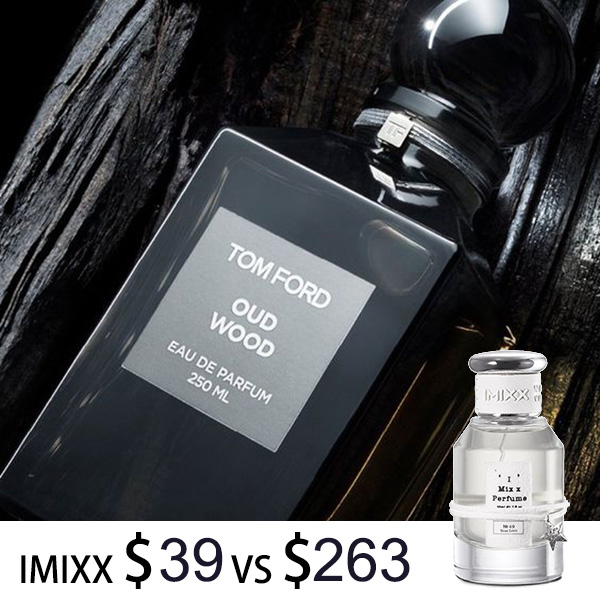
For readers who appreciate this fragrance profile but are also exploring a more accessible option, I recommend reviewing this interpretation of tom ford perfume oud wood. I always recommend comparing fragrances on your own skin because body chemistry, weather, application style, and personal sensitivity can significantly affect how a scent develops.
My seasonal verdict: Oud Wood succeeds year-round because it is warm without becoming overly sweet, woody without feeling rough, spicy without becoming sharp, and distinctive without overwhelming the people around me.
What Makes Oud Wood So Adaptable?
The secret to Oud Wood’s versatility is contrast. It combines elements that normally belong to different fragrance seasons. Cardamom and pepper create an airy, aromatic lift. Rosewood and sandalwood provide a smooth woody center. Oud contributes darkness and depth, while amber, tonka bean, and vanilla soften the dry structure.
According to the official Tom Ford Beauty Oud Wood product description, the composition centers on oud notes, exotic woods, spices, cardamom, and warm amber. Sephora also classifies the fragrance within the woody and earthy family and highlights oud wood, sandalwood, and pepper among its defining notes. Readers can review that retailer description on the Sephora Oud Wood product page.
That combination is important because no single part dominates for the entire wear. I initially notice a dry, gently spicy opening. As the fragrance settles, the woods become smoother and more rounded. Later, a warm ambered softness remains close to the skin. This progression helps the fragrance feel appropriate in different environments rather than locked into one season.
A Dry Opening That Works in Warm Weather
Many oud fragrances begin with an intensely smoky, medicinal, leathery, or animalic effect. Oud Wood is considerably more polished. Its opening feels dry, peppery, and aromatic rather than dense or aggressive. Cardamom introduces freshness without relying on the obvious lemon, orange, or bergamot opening found in many summer fragrances.
I find this especially useful in spring and summer. The scent has enough lift to avoid feeling suffocating, but it does not become generic or disappear into a simple fresh-cologne profile. It maintains a refined woody identity even when the temperature rises.
A Smooth Woody Center for Transitional Seasons
As the opening settles, sandalwood, rosewood-style nuances, vetiver, and oud create a smooth, dry heart. This is the stage I associate most strongly with early fall, cool spring evenings, business settings, and smart-casual occasions.
The woody center feels composed and quietly confident. It does not demand attention through excessive sweetness or projection. Instead, it creates a clean, tailored atmosphere that works well with a jacket, sweater, button-down shirt, or even a simple T-shirt when applied lightly.
A Warm Base That Feels Natural in Cold Weather
In cooler air, the amber, tonka, vanilla, and sandalwood facets become more noticeable to me. However, the sweetness remains controlled. Oud Wood never turns into a dessert-like fragrance on my skin. The base is warm enough to feel comforting in winter while retaining the dryness and elegance established earlier in the wear.
This balance matters because many cold-weather perfumes become too rich for indoor heating, crowded restaurants, offices, or long events. Oud Wood provides warmth without creating the heavy cloud I sometimes experience with stronger tobacco, syrupy vanilla, or resin-dominant compositions.
My Seasonal Performance Overview
| Season | What I Notice Most | Suggested Application | Best Situations |
|---|---|---|---|
| Spring | Cardamom, dry woods, pepper, and gentle amber | Two to four sprays | Work, dinners, weekend outings, changing weather |
| Summer | Peppery freshness, aromatic spice, and clean sandalwood | One to three light sprays | Evenings, air-conditioned venues, dates, formal events |
| Fall | Oud, rosewood character, vetiver, sandalwood, and spice | Three to five sprays | Daily wear, business meetings, travel, evening events |
| Winter | Warm amber, creamy woods, tonka, vanilla, and oud | Three to six sprays, adjusted for the venue | Holiday gatherings, dinners, offices, and dressed-up occasions |
These spray counts are only starting points. Skin moisture, climate, clothing, bottle age, and individual sensitivity all affect performance. I usually begin with fewer sprays when testing a new bottle or entering a shared indoor space. It is much easier to add a spray later than to reduce an application that has become too strong.
Why I Enjoy Oud Wood in Spring
Spring can be surprisingly difficult for fragrance. Mornings may feel cold, afternoons can become warm, and rain often adds humidity. A fragrance that works at breakfast may become too sweet or too sharp by late afternoon.
Oud Wood handles these changes well because its structure contains both freshness and warmth. The aromatic spices feel clear in mild air, while sandalwood and amber provide enough substance when temperatures fall. I do not experience a dramatic disconnect between a cool morning commute and a warmer afternoon.
It Matches Spring’s Unpredictable Temperatures
On a cool spring morning, I notice more of the dry wood and amber. When the day becomes warmer, cardamom and pepper appear brighter. This makes the fragrance feel responsive rather than static.
I particularly enjoy wearing it during transitional weeks when heavy winter fragrances feel outdated but bright aquatic perfumes still seem premature. Oud Wood occupies the space between those categories. It feels seasonally appropriate without trying too hard to smell green, floral, or citrusy.
It Works Well in Professional Environments
Spring often brings conferences, weddings, business travel, interviews, and social events. Oud Wood fits many of these situations because it feels polished without being excessively formal.
For work, I generally apply two or three sprays: one near the upper chest and one or two around the sides or back of the neck. This creates a personal scent bubble that remains noticeable to me without projecting across a room.
It Complements Rainy Weather
Woody fragrances often feel especially natural in rainy conditions. The combination of damp air, cool pavement, clothing, and polished woods gives Oud Wood an atmospheric quality. The scent feels grounded, calm, and slightly mysterious rather than bright or playful.
I would not call it a literal rain fragrance, but the dry woods contrast beautifully with humidity. The fragrance retains definition instead of dissolving into sweetness.
Why Oud Wood Can Work in Summer
Summer is the season most likely to make people question an oud fragrance. Traditional oud compositions can be powerful, smoky, leathery, or intensely resinous. In high heat, those qualities may become overwhelming. Oud Wood takes a more restrained approach.
The oud effect is surrounded by dry spice, sandalwood, vetiver, and subtle sweetness. For me, that makes the fragrance wearable in summer when I control the number and placement of sprays.
Dryness Is the Key to Summer Wear
Sweetness often expands in heat. A rich vanilla, caramel, honey, or heavy amber fragrance can become much louder outdoors than expected. Oud Wood contains warm and sweet elements, but its overall impression remains dry.
That dryness prevents it from feeling sticky or syrupy. The pepper, cardamom, vetiver, and wood tones give the composition space. I still avoid overspraying it on extremely hot afternoons, but I find it comfortable during moderate summer weather and especially effective after sunset.
It Is Excellent for Summer Evenings
Oud Wood becomes especially appealing when temperatures begin to fall in the evening. It has more character than a standard citrus fragrance, yet it does not carry the weight of a dense winter scent.
I enjoy it for rooftop dinners, evening walks, weddings, hotel lounges, date nights, and air-conditioned restaurants. One spray on the chest and one on the back of the neck are often enough for me in warm conditions.
It Feels Refined Without Becoming Formal
Some warm-weather fragrances feel very casual because they emphasize marine, sporty, or shower-fresh effects. Oud Wood brings a more tailored atmosphere. It works with linen, lightweight tailoring, a dark polo shirt, or an evening outfit without seeming disconnected from the season.
The fragrance is not limited to formal clothing, though. Its smoothness also works with clean, minimal casual wear. I think of it as elegant rather than ceremonial.
Warm-weather application tip:
In summer, I avoid spraying heavily on the front of my neck. Heat and constant exposure can make a fragrance feel stronger than expected. Applying lightly to the chest beneath clothing or to the back of the neck creates a softer, more controlled effect.
Why Fall May Be Oud Wood’s Best Season
Although I consider Oud Wood an all-season fragrance, fall may be the season in which every part of the composition feels equally expressive. The air is cool enough to support amber, vanilla, and oud, but not so cold that the spices disappear.
Fall also naturally complements woody scents. Dry leaves, cooler evenings, textured clothing, and indoor gatherings create an environment in which sandalwood, vetiver, cardamom, and amber feel completely at home.
The Woody Notes Gain More Definition
In fall, I experience the fragrance as deeper and more dimensional than in summer. The peppery opening remains noticeable, but the transition toward the woody center becomes smoother. Sandalwood feels creamier, oud feels darker, and the subtle sweetness becomes easier to detect.
This does not mean the fragrance suddenly becomes heavy. Instead, cooler air gives each stage more time to unfold. The overall impression remains restrained and sophisticated.
It Pairs Naturally With Fall Clothing
Fragrance is invisible, but I often associate scents with texture. Oud Wood matches wool, suede, leather accessories, cotton jackets, knitwear, and tailored coats. Its dry-spicy character feels consistent with those materials.
I also find that fragrance lasts differently on clothing. A light spray on a scarf or jacket lining may retain the woody base for an extended period. However, I always test a hidden area first because perfume oils and alcohol may affect delicate, light-colored, or specialty fabrics.
It Transitions Easily From Day to Night
A major advantage of Oud Wood in fall is its ability to move from work to an evening event. It is composed enough for daytime, but the warm base becomes more noticeable later in the day.
I rarely feel the need to switch fragrances before dinner. A small refresh, such as one spray to the chest or back of the neck, can restore the opening without creating an excessive fragrance cloud.
Why Oud Wood Feels Naturally Suited to Winter
Winter is the easiest season for many woody and amber fragrances, but versatility still matters. A perfume may smell beautiful outside and become oppressive once I enter a heated room. Oud Wood avoids this problem more successfully than many dense cold-weather compositions.
Its warmth comes from smooth woods, amber, tonka, and restrained vanilla rather than thick sweetness. The result feels comforting but controlled.
Cold Air Emphasizes Its Warmth
In low temperatures, the fragrance sits closer to my skin at first. As my body warms beneath clothing, the woody and ambered notes gradually rise. I enjoy this slower development because it creates a personal, intimate effect.
The sandalwood becomes especially appealing in winter. It adds creaminess without turning milky or sugary. The oud provides depth, while cardamom prevents the composition from becoming flat.
It Performs Well at Indoor Gatherings
Holiday dinners, offices, restaurants, and family gatherings require restraint. A fragrance may be suitable for winter yet inappropriate for a crowded dining table. Oud Wood’s smoother projection makes it easier for me to manage.
I still adjust application based on the venue. For a quiet dinner, two or three sprays may be sufficient. For an outdoor event or a large open space, I may use four or five. The goal is to let people discover the fragrance when they are near me rather than announce it before I enter the room.
It Offers Warmth Without Excessive Sweetness
Many popular winter fragrances rely heavily on vanilla, caramel, cinnamon, tobacco, or boozy effects. I enjoy those styles in the right setting, but they are not always versatile. Oud Wood offers a drier alternative.
The mild vanilla and tonka effect softens the composition, yet the woods remain in control. This makes it suitable for people who want winter warmth without smelling overtly gourmand.
Understanding the Oud in Oud Wood
Oud, also called agarwood or oudh, is associated with a broad range of aromas. Depending on the material, extraction, dosage, and surrounding notes, it may smell woody, smoky, resinous, leathery, earthy, sweet, medicinal, or animalic.
The Perfume Society’s overview of oudh describes natural oud as having complex bittersweet, woody, and earthy nuances. That description helps explain why oud can behave so differently from one fragrance to another.
Oud Wood does not present the most forceful version of oud. I experience it as a refined interpretation in which the idea of oud is integrated into a smooth woody accord. This makes the fragrance easier to approach for people who may find traditional oud oils or highly animalic oud perfumes challenging.
Is the Oud Strong or Animalic?
On my skin, it is neither aggressively animalic nor intensely medicinal. The oud contributes darkness, dryness, and depth, but the fragrance remains polished. Sandalwood, rosewood-like tones, cardamom, pepper, and amber create a more approachable structure.
Experienced oud collectors may consider it restrained. Beginners may see that restraint as an advantage because it introduces the character of oud without requiring an immediate commitment to the most intense style.
Why the Supporting Notes Matter
Cardamom gives the opening aromatic brightness. Pepper creates dryness and energy. Sandalwood adds creaminess. Vetiver contributes an earthy, slightly smoky structure. Amber, vanilla, and tonka round the edges.
Without those supporting notes, the oud could feel darker and more demanding. Together, they produce a fragrance that remains recognizable across different temperatures.
Knowledge point: Oud does not have one universal smell.
The word “oud” can describe a natural material, an extracted oil, a reconstructed accord, or a creative interpretation. Therefore, two perfumes labeled as oud fragrances may smell dramatically different. I judge each composition by the complete formula rather than expecting every oud scent to share the same intensity or character.
How Oud Wood Develops on My Skin
Fragrance development varies from person to person, but understanding the general progression can make testing more useful. When I wear Oud Wood, I divide the experience into three stages.
The Opening: Aromatic, Dry, and Spicy
The first impression is cardamom-forward, dry, and slightly peppery. I do not experience a bright citrus burst. Instead, the opening feels smooth and immediately woody, with enough spice to create movement.
This stage is one reason the fragrance works across seasons. It is fresh without smelling aquatic and warm without feeling heavy.
The Heart: Polished Woods and Soft Oud
After the opening settles, the fragrance becomes smoother. Sandalwood and rosewood-like qualities create a creamy but dry wood effect. Vetiver adds structure, while oud gives the heart a darker outline.
This is my favorite stage because it feels elegant without being decorative. The fragrance does not rely on a loud floral, fruity, or sugary centerpiece. It creates interest through texture.
The Drydown: Warm, Close, and Comforting
Later, amber, tonka, and vanilla become more noticeable. The drydown is softer and warmer than the opening, but it maintains a woody backbone.
On my skin, this stage becomes relatively intimate. I can still detect it, particularly when moving or when clothing releases trapped warmth, but it no longer projects with the same clarity as the opening.
Performance, Projection, and Longevity
Performance is one of the most discussed aspects of Oud Wood, and experiences vary considerably. Some wearers report satisfying longevity, while others find it softer than expected for its price and reputation.
My own results depend heavily on weather and application. In cooler conditions, I often notice the fragrance for much of the day, although its projection becomes restrained. In high heat, the opening may feel stronger initially, but the scent can move toward the drydown more quickly.
Why Performance Can Vary
Several factors affect how a perfume performs:
- Skin hydration and natural oil levels
- Ambient temperature and humidity
- Indoor heating or air conditioning
- Number and placement of sprays
- Whether the fragrance is applied to skin or clothing
- Personal scent sensitivity and olfactory adaptation
- Storage conditions and bottle age
Because of these variables, I avoid promising an exact number of hours. A fragrance that lasts eight hours for one person may feel faint after four hours to someone else. Testing on skin across multiple days is more informative than relying on a single wearing.
How I Improve Longevity
I apply fragrance to clean, moisturized skin. An unscented moisturizer can reduce the rapid evaporation I sometimes experience on dry skin. I also apply one spray beneath clothing, where the scent is protected from wind and direct sunlight.
I do not rub my wrists together after spraying. Instead, I allow the fragrance to dry naturally. Rubbing does not destroy every perfume, but it can spread the liquid unevenly and change how I perceive the opening.
Product Comparison Cards
Tom Ford Oud Wood Eau de Parfum
Best for: Buyers seeking the official designer presentation and original composition.
Profile: Dry spice, smooth woods, soft oud, sandalwood, amber, and controlled sweetness.
Seasonal range: Excellent in fall and winter, highly wearable in spring, and suitable for careful summer application.
My impression: Refined, understated, versatile, and easy to dress up or down.
imixx perfume Oud Wood-Style Interpretation
Best for: Fragrance enthusiasts exploring a similar woody-spicy direction at a more accessible price point.
Profile: Designed around a dark, smooth, woody, spicy, and ambered scent experience.
Seasonal range: Appropriate for year-round testing, with spray count adjusted for temperature.
My recommendation: Compare it directly on skin and evaluate the opening, drydown, projection, and value based on your own preferences.
Travel-Size Woody Fragrance Option
Best for: Travelers, cautious testers, and people who prefer carrying fragrance for controlled reapplication.
Profile: The same general woody-spicy style in a portable format, depending on the product selected.
Seasonal range: Particularly useful in summer because a lighter morning application can be refreshed after sunset.
My recommendation: A travel spray can be more practical than applying a large number of sprays before leaving home.
Who Is Oud Wood Best For?
I recommend Oud Wood to people who prefer subtle complexity over immediate sweetness or loud projection. It is especially suitable for someone building a small fragrance wardrobe because it can cover many settings and seasons.
It may appeal to you if you enjoy sandalwood, cardamom, vetiver, amber, dry vanilla, or polished woody fragrances. It can also be a useful introduction to oud for someone who is curious about the note but hesitant about highly smoky or animalic compositions.
It Works Across Different Style Preferences
Oud Wood is often marketed and discussed in masculine fragrance spaces, but I do not think its character needs to be limited by gender. Dry woods, spice, amber, and sandalwood can complement many personal styles.
On one person, it may feel sharply tailored. On another, the creamy sandalwood and warm drydown may appear softer. I view it as a fragrance for anyone who enjoys the smell and feels comfortable wearing it.
It Is Suitable for Minimalist Fragrance Wardrobes
Someone who owns only a few fragrances may need each bottle to perform several roles. Oud Wood can function as a work scent, date-night scent, dinner fragrance, travel option, cool-weather signature, and warm-evening fragrance.
It does not replace every category. I would still choose something brighter for extremely hot outdoor activities and something richer when I specifically want dramatic winter projection. However, Oud Wood covers more situations than many fragrances with a similarly dark identity.
When I Would and Would Not Wear It
I would wear Oud Wood to the office, dinner, a wedding, a gallery, a business meeting, a date, a hotel bar, a holiday gathering, or a relaxed weekend event. Its controlled character makes it adaptable.
I would use more caution at the gym, on a very hot beach day, in a hospital environment, during air travel, or in any fragrance-sensitive workplace. Even a refined perfume can become distracting when people cannot move away from it.
Best Daytime Settings
For daytime, I prefer a lighter application. Two or three sprays work well for an office, lunch, shopping, or travel. The fragrance feels polished without creating the impression that I am wearing a dedicated evening scent in the middle of the day.
Best Evening Settings
In the evening, I may apply an additional spray. The warm base pairs naturally with restaurants, lounges, dates, and formal events. Its subtle sensuality feels more intimate than attention-seeking.
Situations That Require Restraint
Shared transportation, medical settings, classrooms, small offices, and close seating arrangements call for minimal fragrance. In those environments, one spray beneath clothing may be enough, or I may choose not to wear fragrance at all.
How to Test Oud Wood Before Buying
I never recommend judging a fragrance only from a paper strip. A blotter is useful for identifying the general direction, but it cannot reproduce the warmth, moisture, and chemistry of skin.
I begin with one spray on the wrist or inner forearm. I smell it briefly, then allow it to develop without repeatedly checking every minute. I evaluate it after approximately 15 minutes, one hour, four hours, and near the end of the day.
Questions I Ask During a Skin Test
- Do I enjoy the opening, or am I only waiting for it to disappear?
- Does the woody heart feel smooth, dry, sharp, or smoky on me?
- How noticeable is the fragrance after several hours?
- Does it become sweeter in warm conditions?
- Would I feel comfortable wearing it around other people?
- Does the fragrance fit enough occasions to justify the purchase?
- Do I prefer the original presentation or a value-focused interpretation?
I also test the fragrance in more than one type of weather. A scent sampled in an air-conditioned store may behave differently during an outdoor summer evening or a cold winter commute.
How to Store a Woody Fragrance Properly
Proper storage supports consistency. I keep fragrance away from direct sunlight, high heat, and repeated temperature changes. A bedroom drawer, cabinet, or shaded shelf is generally more suitable than a bathroom windowsill or hot car.
I also keep the cap secured when possible and avoid leaving the bottle in direct sunlight for display. Fragrance does not necessarily spoil immediately under imperfect conditions, but stable storage helps protect the formula over time.
Knowledge point: The bathroom is not always the best storage location.
Frequent heat and humidity changes can create an unstable environment. I prefer a cool, dark location with relatively consistent temperature.
My Final Verdict: Is Oud Wood Truly an All-Season Fragrance?
Yes, with thoughtful application. Oud Wood works in every season because its composition contains complementary contrasts. Cardamom and pepper bring freshness. Vetiver and dry woods provide structure. Sandalwood adds smoothness. Oud supplies depth. Amber, tonka, and vanilla create warmth without dominating the fragrance.
In spring, it adapts to changing temperatures. In summer, its dryness keeps it wearable when applied lightly. In fall, its spices and woods feel completely natural. In winter, amber and sandalwood provide controlled comfort.
I do not believe any fragrance performs identically in every climate, and I would not use the same number of sprays in July that I use in January. Seasonal versatility does not mean ignoring temperature. It means the composition remains appealing after I adjust how and where I apply it.
For me, that is what makes tom ford perfume oud wood valuable. It is not only a recognizable luxury fragrance. It is a flexible scent profile that can move between professional and personal settings, day and night, warm and cool weather, and casual and formal clothing.
Whether I choose the original fragrance or compare it with an imixx perfume interpretation, I focus on the complete wearing experience: how the scent opens, how it changes on skin, how comfortable it feels around other people, and whether I continue enjoying it after several hours. Those practical factors matter more to me than hype, ratings, or a list of notes alone.
Frequently Asked Questions About Tom Ford Perfume Oud Wood
Is Tom Ford Oud Wood suitable for summer?
Yes. I find it most effective during summer evenings, air-conditioned events, and moderate weather. Its dry spices and polished woods prevent it from feeling as heavy as many oud fragrances. I recommend starting with one to three sprays.
Is Oud Wood better for winter or fall?
Fall may offer the most balanced presentation because the spice, oud, sandalwood, and amber can all develop clearly. Winter emphasizes the warmer base. I enjoy it in both seasons, but fall is probably its most naturally complementary environment.
Does Oud Wood smell strongly animalic?
Not on my skin. It presents oud in a smooth, dry, refined manner. People accustomed to traditional oud oils may find it restrained, while newcomers may appreciate its accessibility.
Is Oud Wood a masculine fragrance?
It has dry woods and spices that are often associated with masculine perfumery, but I consider it wearable by anyone who enjoys the profile. Skin chemistry and personal style influence how the fragrance is perceived.
How many sprays of Oud Wood should I use?
I generally use one to three sprays in warm weather and three to five in cooler conditions. Venue size, personal sensitivity, clothing, and proximity to other people should guide the final amount.
How long does Oud Wood last?
Longevity varies by skin, weather, storage, and application. I usually experience noticeable wear for several hours, followed by a softer skin scent. Testing on your own skin is more reliable than relying on a universal hour estimate.
Can I wear Oud Wood to the office?
Yes. Its polished, restrained character works well in professional settings when applied conservatively. I typically use two or three sprays and avoid spraying immediately before entering a meeting.
Is Oud Wood a good first oud fragrance?
I believe it is a strong introduction because it presents oud within a smooth sandalwood, spice, vetiver, and amber structure. It is less challenging than many smoky, medicinal, or animalic oud compositions.
What does Oud Wood smell like?
To me, it smells dry, woody, spicy, smooth, warm, and slightly sweet. Cardamom and pepper shape the opening, sandalwood and oud define the center, and amber, tonka, and vanilla soften the drydown.
Should I buy a full bottle without testing it?
I recommend testing first. Oud Wood is approachable, but fragrance preference is personal. A skin test or travel-size purchase can help you evaluate performance, seasonal use, and value before committing to a larger bottle.
