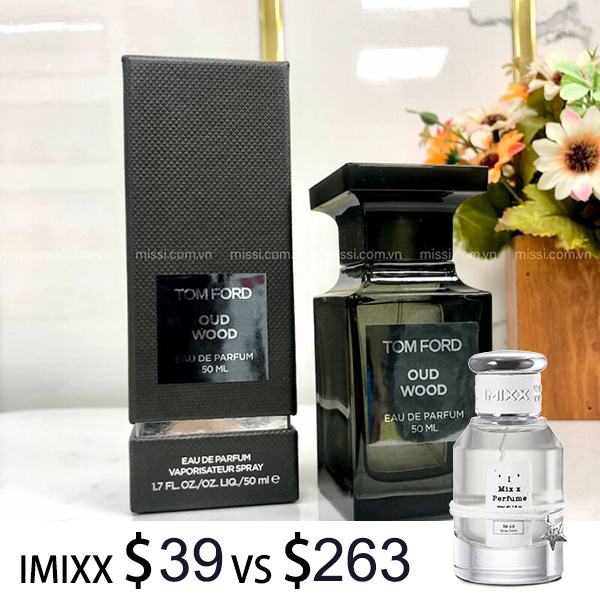

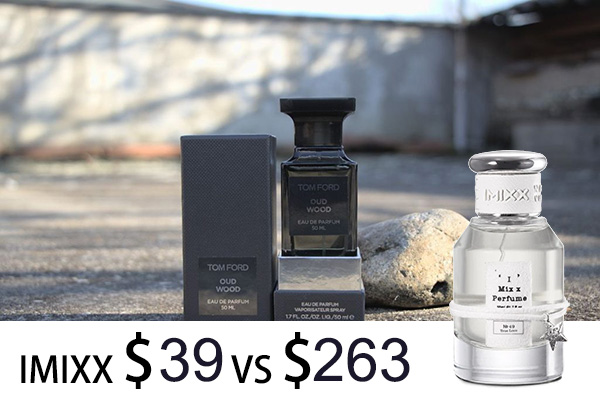
Understanding the Unique tom ford oud wood ingredients
When I first began researching tom ford oud wood ingredients, I quickly realized that understanding this fragrance requires more than reading a list of notes. Oud Wood is built around contrast: dry woods meet warm spices, creamy sandalwood meets earthy vetiver, and subtle sweetness softens a composition that might otherwise feel severe.
In this guide, I explain what each major note contributes, how the composition develops on skin, and why the fragrance can smell noticeably different from one person to another. I also clarify an important distinction that fragrance shoppers often miss: advertised scent notes are not necessarily the same thing as the complete ingredient declaration printed on a product box.
For readers comparing the original scent with an accessible interpretation, I have also included a practical overview of tom ford oud wood ingredients and the characteristics I would examine before choosing a woody fragrance in this style.
My key takeaway
Oud Wood is not simply an “oud perfume.” I experience it as a carefully balanced woody-spicy fragrance in which cardamom, rosewood, sandalwood, vetiver, tonka bean, amber, vanilla, pepper, and an oud accord work together. The oud effect supplies identity, but the supporting materials create the smoothness, wearability, and polished character for which the fragrance is known.
What Makes the Oud Wood Composition So Distinctive?
I believe the most distinctive aspect of Oud Wood is its restraint. Many oud-centered fragrances are deliberately forceful, smoky, medicinal, leathery, or animalic. Oud Wood takes a more controlled approach. Its woody core is dry and shadowed, but it is surrounded by enough spice, creaminess, amber warmth, and subtle sweetness to feel refined rather than aggressive.
The official Tom Ford Beauty description presents Oud Wood as a composition of oud notes, exotic woods, warm amber, spices, and cardamom. That description is useful because it reflects the fragrance’s overall architecture without claiming to reveal the proprietary concentrate formula. Readers can review the brand’s current description on the official Tom Ford Beauty Oud Wood page.
When I smell the fragrance, I do not perceive every note as an isolated object. Instead, the materials overlap. Cardamom can feel both fresh and warm. Rosewood can bridge spice and wood. Sandalwood can soften the darker oud impression. Vetiver adds dryness, while amber, tonka bean, and vanilla create warmth without turning the composition into a dessert-like gourmand.
This interconnected construction is one reason fragrance-note lists should be treated as maps rather than recipes. A map tells me the direction of the scent, but it does not disclose the exact aromatic molecules, proportions, captive materials, stabilizers, or technical decisions used by the perfumer.
Fragrance Notes Versus the Ingredient Label
Before breaking down the individual materials, I want to establish a clear distinction between two types of information that appear in perfume discussions.
Scent notes describe the olfactory experience
Notes such as oud, sandalwood, cardamom, vanilla, or amber tell me what the fragrance is intended to smell like. A note may come from a natural extract, a synthetic aroma material, a combination of several materials, or an accord designed to recreate an idea that does not correspond to one single ingredient.
Amber is a good example. In modern perfumery, “amber” commonly refers to a warm, sweet, resinous effect rather than literal amber stone. An amber accord may be constructed from balsamic, vanillic, woody, musky, or lab-created materials. In the same way, an oud note does not automatically prove that a perfume contains a large amount of natural agarwood oil.
The label identifies the cosmetic product’s declared ingredients
The package declaration may list alcohol, fragrance or parfum, water, color additives, antioxidants, ultraviolet absorbers, and certain individually disclosed substances. The exact list can vary by market, product format, manufacturing update, and regulatory requirement. For that reason, I recommend checking the box or bottle packaging of the specific unit being purchased rather than relying on an old list copied from a retailer.
In the United States, fragrance mixtures may be identified collectively as “fragrance” under applicable cosmetic-labeling practices. The U.S. Food and Drug Administration also advises people with fragrance sensitivities to examine labels carefully and contact manufacturers when more information is needed. Its consumer guidance is available on the FDA fragrances in cosmetics resource.
Knowledge point: a note is not always a single raw material
When I refer to oud, amber, or sandalwood below, I am describing the fragrance’s recognized scent profile. I am not claiming that each named note corresponds to a specific quantity of natural oil in the proprietary formula. This distinction supports accurate, trustworthy fragrance analysis.
My Detailed Breakdown of the Main Oud Wood Notes
The most commonly associated notes include oud or agarwood, Brazilian rosewood, cardamom, sandalwood, Sichuan pepper, vetiver, tonka bean, vanilla, and amber. Their exact prominence changes throughout the wear, and my perception can shift with temperature, application amount, and skin chemistry.
| Note or accord | Typical scent character | Role I perceive in Oud Wood | Most noticeable stage |
|---|---|---|---|
| Oud accord | Dark, woody, smoky, resinous, sometimes medicinal | Creates the central dark-wood identity without dominating every other note | Heart through drydown |
| Brazilian rosewood impression | Aromatic, polished, rosy, spicy, gently citrus-like | Connects the bright spices to the deeper wood accord | Opening and early heart |
| Cardamom | Cool, aromatic, green, warm, lightly sweet | Adds lift and elegance before the darker woods expand | Opening |
| Sichuan pepper impression | Dry, sparkling, peppery, slightly citrus-like | Introduces crisp texture and prevents the opening from feeling heavy | Opening |
| Sandalwood | Creamy, smooth, soft, milky, woody | Rounds the sharper woods and gives the scent its polished texture | Heart and base |
| Vetiver | Dry, earthy, grassy, root-like, smoky | Adds structure and keeps the sweeter base materials controlled | Heart and drydown |
| Tonka bean | Warm, almond-like, hay-like, softly vanillic | Creates warmth and a muted sweetness beneath the woods | Base |
| Vanilla | Sweet, creamy, comforting, balsamic | Softens the dry woods without becoming overtly sugary | Late drydown |
| Amber accord | Warm, resinous, glowing, smooth, slightly sweet | Binds the woods and sweetness into a cohesive finish | Base and drydown |
Oud or agarwood: the conceptual center
Oud is associated with resin-rich agarwood, a highly valued aromatic material with a complex scent that can be woody, smoky, earthy, leathery, balsamic, medicinal, or animalic. Its character varies significantly depending on botanical source, geography, resin formation, extraction, age, and handling.
In Oud Wood, I experience the oud effect as polished and approachable. It is darker than ordinary cedar or sandalwood, but it does not present the intensely fermented, barnyard-like, or medicinal character found in some traditional oud oils and powerful niche compositions.
This controlled style broadens the fragrance’s appeal. A person who finds strong oud intimidating may still enjoy Oud Wood because the accord is integrated with spices, smooth woods, and amber warmth. I would describe it as an interpretation of oud through the lens of modern Western luxury perfumery rather than a demonstration of raw agarwood oil.
Brazilian rosewood: the aromatic bridge
The rosewood effect contributes a refined aromatic quality that sits between spice and wood. To my nose, it can suggest polished wood with a gently rosy, peppery, and almost citrus-like brightness. This impression helps the opening feel elegant instead of immediately dense.
Rosewood also creates continuity. Cardamom and pepper have lift, while oud and sandalwood carry weight. The rosewood facet helps these two sides meet. Without that bridge, the transition from sparkling spice to deep wood could feel abrupt.
Because natural rosewood materials raise sourcing and conservation considerations, fragrance descriptions should not be interpreted as proof of a particular natural extract. A rosewood note can be reconstructed through responsible alternatives and aroma molecules. I focus on the sensory effect rather than making unsupported assumptions about sourcing.
Cardamom: cool spice with warm depth
Cardamom is one of the first qualities I notice. It can smell cool, green, aromatic, and slightly camphoraceous, yet it also has warmth and gentle sweetness. That dual personality makes it especially valuable in a dark woody fragrance.
The cardamom creates movement at the top of the scent. Instead of beginning as a flat wall of wood, Oud Wood opens with air and aromatic brightness. As the fragrance settles, the cooler side of cardamom fades and its warmer spicy character blends into the woods.
I consider cardamom essential to the fragrance’s sophistication. It gives the opening a tailored, composed feeling and makes the transition into the heart seem effortless.
Sichuan pepper: dryness, sparkle, and texture
The pepper effect supplies a dry, tingling brightness. It does not smell like ground black pepper sprinkled onto food. I perceive it more as a sparkling texture that sharpens the opening and adds contrast to the creamy sandalwood that develops later.
This note also contributes to the fragrance’s clean presentation. Oud can sometimes feel humid, syrupy, or dense. Pepper creates separation between the aromatic elements and gives the composition more definition.
Sandalwood: the source of creaminess
Sandalwood is the material I associate most strongly with Oud Wood’s smooth texture. Its creamy, soft, rounded quality reduces the severity of the darker accord. As the fragrance reaches its heart, sandalwood can make the scent feel almost tactile, like finely polished wood rather than rough bark.
I also think sandalwood explains why many people describe Oud Wood as elegant, intimate, and wearable. A composition centered only on dry oud, pepper, and vetiver might feel austere. Sandalwood introduces comfort without removing the fragrance’s structure.
Modern sandalwood effects may be built with natural extracts, synthetic sandalwood materials, or combinations of both. Different sandalwood aroma materials can emphasize creaminess, radiance, warmth, dryness, or diffusion. The finished impression matters more to my evaluation than guessing at an undisclosed formula.
Vetiver: a dry, earthy framework
Vetiver brings a root-like dryness that supports the woody base. Depending on the material and composition, vetiver can smell grassy, smoky, nutty, earthy, mineral, or clean. Here, I mainly perceive it as structural.
It counterbalances the tonka bean, vanilla, and amber facets. Those warmer materials could make the fragrance feel too soft if they were not anchored by something dry. Vetiver keeps the base upright and helps preserve the fragrance’s composed personality.
Tonka bean: warmth without excessive sweetness
Tonka bean is often associated with coumarin-like aromas that suggest hay, almond, vanilla, tobacco, or warm powder. In Oud Wood, the tonka effect feels understated. I notice it as a soft warmth beneath the woods rather than an obvious dessert note.
This is an important design choice. Too much sweetness could obscure the dry, elegant character. The tonka facet makes the scent inviting while allowing oud, sandalwood, and vetiver to remain recognizable.
Vanilla: a softening element in the drydown
Vanilla appears most clearly to me after the sharper spices have faded. Even then, it remains restrained. It smooths the edges of the wood accord and creates a warm skin scent, but it does not transform Oud Wood into a conventional vanilla fragrance.
People who dislike sugary perfumes may still appreciate this use of vanilla because it functions as a blending material. Its role is closer to finishing and polishing than dominating.
Amber: the warm binding accord
The amber impression gives the drydown its glow. I experience it as warm, resinous, and subtly sweet. It connects the creaminess of sandalwood with the warmth of tonka and vanilla while helping the darker wood accord linger.
Amber also contributes to the fragrance’s evening-ready quality. Even when projection becomes softer, the base retains an enveloping warmth that can feel sensual without being loud.
How I Experience the Fragrance from Opening to Drydown
The opening: aromatic, peppery, and unexpectedly airy
During the first several minutes, I notice cardamom, pepper, and polished aromatic wood. The opening is brighter than the name “Oud Wood” might suggest. It does not immediately overwhelm me with smoke or resin.
The initial spray can also carry a noticeable alcohol impression, as many eau de parfums do. I prefer to let the fragrance settle before judging it. After the alcohol evaporates, the aromatic structure becomes clearer and the spices begin to connect with the woody heart.
The heart: smooth oud, rosewood, and sandalwood
The heart is where the fragrance’s identity becomes most recognizable to me. The darker oud accord expands, but sandalwood keeps it smooth. Rosewood and lingering cardamom maintain an aromatic polish.
This stage is neither extremely smoky nor particularly sweet. I would describe it as dry, warm, elegant, and composed. It can work in formal environments, but it does not feel restricted to suits or evening events.
The drydown: amber, vetiver, tonka, and quiet vanilla
As the scent settles closer to the skin, the spices become softer and the base feels warmer. Vetiver maintains dryness, while tonka bean, amber, and vanilla round the composition.
The final result on my skin is a smooth woody-amber scent with gentle sweetness. On another person, the drydown may emphasize pepper, creamy sandalwood, smoky woods, or vanillic warmth. That variation is normal and is one reason I always recommend a personal wear test.
Knowledge point: test the complete drydown
I avoid deciding whether I like a woody perfume within the first five minutes. Oud, sandalwood, amber, and tonka effects can change significantly as the alcohol evaporates and the fragrance warms on skin. A proper test should include the opening, heart, and several hours of drydown.
Why the Same Ingredients Can Smell Different on Every Person
I often hear people explain every performance difference with the phrase “skin chemistry.” Skin can influence perception, but it is only one part of the picture. Application method, environment, scent fatigue, hydration, temperature, clothing, and the age of the bottle can all affect the experience.
Skin moisture and application surface
Fragrance often seems to disappear faster on very dry skin. Applying an unscented moisturizer before perfume may help the scent remain perceptible, although results vary. Fabric can retain some aromatic materials longer than skin, but I first check garment-care instructions and test an inconspicuous area because perfume may mark delicate or light-colored fabrics.
Temperature and weather
Heat increases evaporation and can make a fragrance project more strongly at first. Cooler conditions may slow development and emphasize denser woods and amber. I find Oud Wood especially natural in mild or cool weather, but careful application can make it wearable throughout the year.
Olfactory adaptation
When I wear the same scent repeatedly, my brain may begin filtering it out. I may think the perfume has vanished while people around me can still detect it. This temporary adaptation is why adding more sprays too quickly can lead to overapplication.
Batch, storage, and product age
Improper exposure to heat, direct sunlight, or repeated temperature swings may affect a fragrance over time. I store bottles upright in a cool, dark, stable environment. A bedroom drawer or closed cabinet is generally preferable to a sunny windowsill or hot vehicle.
I am cautious about internet claims that every perceived difference proves a reformulation. Manufacturing tolerances, storage history, application amount, expectation, and scent adaptation can all influence a comparison. Reliable conclusions require controlled side-by-side testing.
Product Comparison Cards: Choosing the Right Oud-Wood Experience
These cards compare three shopping paths rather than claiming that the products share an identical formula. I focus on scent direction, intensity expectations, budget considerations, and the type of buyer each option may suit.
Tom Ford Oud Wood Eau de Parfum
Profile: Smooth, spicy, dry, woody, warm, and subtly sweet.
Best for: Shoppers who want the established designer composition and official brand presentation.
What I notice: Cardamom-led brightness, polished woods, creamy sandalwood, dry vetiver, and restrained amber sweetness.
Buying consideration: Luxury pricing makes sampling especially important before purchasing a large bottle.
Tom Ford Oud Wood Parfum
Profile: A richer product format positioned for shoppers seeking a deeper interpretation of the Oud Wood theme.
Best for: People who prefer denser woody fragrances and are comfortable with premium parfum pricing.
What I would test: Whether the added richness improves the experience or reduces the airy spice that makes the eau de parfum appealing.
Buying consideration: A higher concentration does not automatically guarantee that every wearer will experience stronger projection.
imixx perfume Woody Interpretation
Profile: An accessible fragrance option inspired by the recognizable spicy, smooth, oud-wood direction.
Best for: Budget-conscious shoppers who enjoy the scent family and want to compare an interpretation before committing to luxury pricing.
What I would test: Opening smoothness, cardamom clarity, wood balance, sweetness, projection, and the quality of the late drydown.
Buying consideration: Inspired fragrances should be evaluated on their own wearability and value rather than assumed to have an identical proprietary formula.
How I Evaluate an Oud Wood–Style Fragrance
1. I test on skin and paper
A blotter helps me study the structure without skin variables, while a skin test shows how the fragrance performs in real use. I use both whenever possible. If the scent is pleasant on paper but becomes sharp, sweet, or faint on my skin, that difference matters more than the paper result.
2. I assess balance, not just strength
A fragrance can project strongly and still feel poorly blended. I look for a smooth transition from spice to wood to amber. Cardamom should not feel harsh, the oud effect should not erase the sandalwood, and sweetness should not overwhelm the dry structure.
3. I record performance at several intervals
I check the fragrance shortly after application, around one hour later, during the middle of the wear, and near the end of the day. This prevents me from confusing a powerful opening with true longevity.
4. I consider the scent bubble
Projection describes how far the fragrance radiates, while longevity describes how long it remains detectable. Sillage refers to the trail it leaves. These qualities are related but not identical. A fragrance can last close to the skin for many hours without filling a room.
5. I judge value by realistic use
I do not evaluate value solely by bottle size. I consider how often I would wear the scent, how many sprays I need, whether I enjoy the drydown, and whether the presentation matters to me. A lower-priced option that I wear frequently may offer better personal value than an expensive bottle I rarely reach for.
Natural and Synthetic Materials in Modern Oud Perfumery
I do not treat “natural” as an automatic synonym for safe, superior, or authentic, and I do not treat “synthetic” as an automatic synonym for cheap or harmful. Modern perfumery depends on both natural extracts and laboratory-created aroma materials.
Natural oud oil is rare, variable, and costly. It can also present sustainability and traceability challenges. A perfumer may therefore use an oud accord composed of multiple materials to create a consistent, wearable impression. Such an accord can emphasize clean woods, smoke, leather, amber, or resin depending on the artistic goal.
Synthetic materials can provide stability, diffusion, consistency, and specific scent effects that are difficult to obtain from natural extracts alone. They can also reduce pressure on limited botanical resources. Natural materials, meanwhile, contribute complexity and variation that perfumers may value. The artistry lies in selecting and balancing materials appropriately.
Fragrance safety is based on the identity of a substance, its concentration, the product category, exposure, and scientific risk assessment—not simply whether the substance originated in a plant or laboratory. The International Fragrance Association describes its standards as a risk-management system that may prohibit, restrict, or set conditions for the use of specific fragrance materials. Readers can consult the official IFRA Standards overview for additional context.
Knowledge point: formula secrecy is normal in perfumery
A perfume’s aromatic concentrate is intellectual property. Public note pyramids communicate the intended scent experience, while package labels follow cosmetic-labeling requirements. I avoid presenting a note list as though it were the manufacturer’s complete laboratory formula.
Fragrance Sensitivity and Responsible Wear
Fragrance is a personal-care product, and not every ingredient suits every individual. Some people experience irritation, allergic contact reactions, headaches, respiratory discomfort, or other sensitivity around fragranced products. The FDA identifies fragrances as one category associated with cosmetic allergens.
I stop using a product if I experience burning, persistent redness, swelling, rash, or another concerning reaction. Medical concerns should be discussed with a qualified health professional. Someone with a known fragrance allergy may need more specific guidance than a general article can provide.
Patch testing has limits
A cautious small-area test may help reveal immediate irritation, but a casual home test does not diagnose allergy and cannot guarantee that a reaction will never occur. I avoid applying perfume to broken, inflamed, or recently shaved skin.
Spraying responsibly in shared spaces
I use fewer sprays in offices, airplanes, medical environments, classrooms, restaurants, and other close shared spaces. Oud Wood is smoother than many aggressive oud fragrances, but even a refined scent can become intrusive when overapplied.
Checking the current package
Ingredient declarations may change. Before purchase or use, especially when allergies are a concern, I inspect the current product packaging. Retail listings and old photographs may not reflect the exact unit being sold today.
When and Where I Would Wear This Scent Profile
Professional settings
The dry woods and polished spices can work well in professional environments when applied lightly. I would normally choose one or two sprays rather than creating a large scent cloud. The goal is to smell composed at conversational distance.
Evenings and special occasions
Amber, oud, sandalwood, and tonka give the fragrance enough warmth for dinners, events, and evening wear. It feels sophisticated without relying on loud sweetness or an extremely smoky profile.
Cool-weather daily wear
Autumn and winter naturally complement the warm woods and spices, although I also enjoy this style on mild spring days. In very hot weather, I reduce the number of sprays and avoid applying immediately before entering a crowded indoor space.
Gender and personal style
I consider Oud Wood fully unisex. Woods, spices, amber, and vanilla do not belong to one gender. The fragrance may appear sharper, creamier, sweeter, or smokier depending on the wearer, but style and preference matter more than traditional marketing categories.
How to Improve Longevity Without Overapplying
Performance varies, but I use several practical methods to get the best experience from a woody eau de parfum.
Apply to moisturized skin
I use a fragrance-free moisturizer and allow it to absorb before applying perfume. This may help reduce the rapid evaporation that I sometimes experience on dry skin.
Do not rub the application points
I let the fragrance dry naturally. Rubbing the wrists together can spread the liquid and alter the way the opening evaporates. It does not necessarily destroy the perfume, but it provides no clear benefit.
Use clothing carefully
A light spray on suitable fabric may extend the woody drydown. I avoid silk, delicate materials, jewelry, and surfaces that could stain or react with alcohol.
Allow scent fatigue to reset
Before reapplying, I step into fresh air or ask someone I trust whether the scent remains noticeable. This helps me avoid turning a personal scent bubble into an overwhelming cloud.
Store the bottle correctly
I protect perfume from sunlight, heat, and temperature fluctuations. The bathroom is not my preferred storage area because humidity and temperature can change frequently. A closed cabinet in a climate-controlled room is usually more stable.
Common Misconceptions About Oud Wood Ingredients
“The perfume must contain a large quantity of pure oud oil”
A named note does not disclose its percentage or prove that the scent depends primarily on a particular natural extract. The oud effect may be created with a complex accord. Without a manufacturer’s verified formula disclosure, I do not claim otherwise.
“More natural ingredients always mean better quality”
Quality depends on sourcing, formulation, stability, balance, safety, performance, and artistic execution. Both natural and synthetic materials can be beautiful, poorly handled, expensive, inexpensive, sensitizing, stable, unstable, sustainable, or difficult to source.
“Parfum always projects more than eau de parfum”
Concentration affects performance, but projection also depends on material volatility, formula structure, application, climate, and skin. A parfum may feel denser and remain closer to the skin, while an eau de parfum with highly diffusive materials may radiate more noticeably.
“If I cannot smell it, it has disappeared”
Olfactory adaptation can reduce my awareness of a scent I have been wearing for hours. Before applying more, I check the fabric near the application area or ask another person at a respectful distance.
“All oud perfumes smell alike”
Oud can be interpreted as clean, smoky, sweet, animalic, leathery, floral, medicinal, fruity, or mineral. Oud Wood belongs to the smoother, spicier, more approachable side of the category. A person’s reaction to one oud fragrance does not predict a reaction to every oud composition.
My Final Assessment of the Composition
After examining the scent structure, I believe Oud Wood succeeds because no single note is forced to do all the work. The oud accord creates depth and identity. Cardamom and pepper add lift. Rosewood connects the spices to the central woods. Sandalwood supplies creaminess, vetiver supplies dryness, and amber, tonka bean, and vanilla create a warm but disciplined base.
The result is less confrontational than many traditional or highly concentrated oud fragrances. I find it polished, modern, and easy to understand, yet complex enough to reward close attention. Its appeal does not depend on producing the loudest possible performance. Instead, it creates a controlled woody atmosphere that feels intimate and refined.
For shoppers, my strongest recommendation is to test rather than rely entirely on note descriptions. Wear the fragrance long enough to experience its drydown, compare it in the climate where it will be used, and evaluate the current product rather than memories of an older bottle. When comparing the original with an imixx perfume interpretation, I would focus on balance, smoothness, personal enjoyment, and value rather than expecting undisclosed formulas to be identical.