


7 Reasons to Choose tom ford oud wood edp Over Other Fragrances
As a dedicated fragrance collector and olfactory enthusiast who has spent over a decade analyzing, testing, and reviewing hundreds of designer and niche perfumes, I have experienced every corner of the scent world. From ultra-fresh citrus summer splashes to heavy, animalic winter bombs, my fragrance wardrobe has seen it all. Yet, whenever friends, readers, or fellow collectors ask me which single bottle I would rescue if my entire collection caught fire, my answer has remained remarkably consistent over the years: it is always tom ford oud wood edp.
Navigating the modern luxury fragrance landscape can feel overwhelmingly complicated. With thousands of new releases flooding department store counters and boutique shelves every single year, finding a true signature scent—one that exudes confidence, refinement, and timeless appeal—is rarer than ever. Many modern releases rely on synthetic sugar bombs or aggressive, attention-seeking woody-amber molecules that cause olfactory fatigue within minutes. That is precisely why my journey always brings me back to the legendary perfection of tom ford oud wood edp.</p
When I first encountered this iconic pillar of the Private Blend collection back in my early days of exploring niche perfumery, I was immediately struck by how effortlessly it bridged the gap between exotic Eastern perfumery traditions and sleek Western tailoring. What makes tom ford oud wood edp stand head and shoulders above the relentless competition in today’s saturated market? In this comprehensive, experience-based guide, I am pulling back the curtain on my personal testing notes, chemical composition analyses, and real-world wear experiences to break down the definitive seven reasons why this masterpiece deserves a permanent spot on your vanity.
The Anatomy of an Iconic Blend: What Exactly is Oud Wood?
To truly appreciate why this fragrance dominates the market, we first have to understand the raw materials at play. In the world of haute perfumery, “oud” (also known as agarwood) is notoriously polarizing. Derived from the resinous heartwood of Aquilaria trees that have undergone a specific fungal infection, pure oud oil is one of the most expensive natural raw materials on earth—often costing more per ounce than pure gold. However, traditional Middle Eastern oud compositions can be fiercely challenging for uninitiated Western noses, often presenting as medicinal, fecal, or barnyard-like.
When Tom Ford launched his pioneering Private Blend line in 2007, his creative vision was to take this intimidating, majestic ingredient and tame it into something ultra-luxurious, approachable, and undeniably seductive. By pairing synthetic and natural agarwood accords with smooth Brazilian rosewood, creamy sandalwood, and a warm, inviting base of Eastern spices and amber, the brand created a totally new olfactory category: the clean, tailored, westernized oud.
💡 Olfactory Knowledge Point: The Three-Stage Scent Pyramid
The Top Notes: A sharp, sophisticated opening driven by exotic Brazilian rosewood, spicy green cardamom, and a distinct tingle of Chinese Sichuan pepper. This spicy-timber introduction immediately grabs attention without feeling harsh or synthetic.
The Heart Notes: The core of the fragrance reveals the celebrated agarwood (oud) blend, harmonized with earthy vetiver and rich, creamy sandalwood. Here, the oud is smoky and woody rather than animalic, providing a sleek architectural backbone.
The Base Notes: As the fragrance dries down over several hours, it melts into a warm, sensual bed of tonka bean, sweet vanilla, and golden amber. This creates a skin-close, velvety smoothness that lingers indefinitely on fabric and pulse points.
Reason 1: An Unrivaled Scent Profile – A Masterclass in Olfactory Balance
The primary reason I reach for this bottle more than any other in my collection is the sheer perfection of its balance. In perfumery, creating a woody-spicy fragrance is deceptively simple, but preventing it from becoming either a dry lumberyard or a cloying spice cabinet requires absolute genius. From my years of evaluating fragrance architecture, I can tell you that the interplay between the cardamom and the rosewood in the opening is nothing short of miraculous.
When I spray it on my skin, the initial blast offers an invigorating, aromatic warmth. The cardamom provides a sophisticated, slightly sweet green spiciness that cuts through the dense, dark woods. Unlike generic designer woody colognes that rely heavily on sharp synthetic cedarwood notes (which often smell like pencil shavings), the woodiness here is rounded, polished, and profoundly deep. The addition of Sichuan pepper gives the top notes a kinetic, vibrating energy that wakes up the olfactory receptors.
As the scent transitions into its middle phase over the first thirty minutes, the magic of the sandalwood and vetiver integration becomes apparent. According to data and olfactory profiles indexed on Fragrantica’s comprehensive perfume database, the harmonizing of sandalwood with vetiver is critical to grounding high-pitched spices. In my experience, this specific blend creates a texture that I can only describe as “liquid cashmere.” It feels tactile, luxurious, and deeply comforting. You are not just smelling a fragrance; you are experiencing an aura of refined tranquility that no other woody EDP on the market has managed to replicate successfully.
Reason 2: Unmatched Versatility Across Seasons, Weather, and Occasions
One of the most persistent rules in traditional fragrance collecting is the rigid separation between “summer scents” and “winter scents.” Conventional wisdom dictates that light citruses and aquatics belong in the heat, while heavy ouds, leathers, and ambers must be strictly relegated to freezing winter nights. For years, I followed this rule religiously—until I started experimenting with this specific composition across different climates.
What makes this Eau de Parfum such a remarkable outlier is its astonishing climate versatility. While traditional Middle Eastern ouds become suffocating, cloying, and downright offensive in high humidity or warm weather, this formulation possesses an airy, transparent quality. Because the perfumer stripped away the heavy, syrupy resins and animalic undertones typically associated with agarwood, the scent breathes on the skin.
My Real-World Seasonal Testing Breakdown:
- Autumn and Winter: This is its natural playground. In crisp, cold air, the warm amber, tonka bean, and smoky woods project with a cozy, enveloping warmth that complements wool coats, cashmere sweaters, and formal evening wear perfectly.
- Springtime Transition: During erratic spring weather where mornings are brisk and afternoons are warm, the cardamom and rosewood shine brilliantly, adapting seamlessly to shifting body temperatures without losing their crisp identity.
- Summer Evenings: While I would avoid wearing any woody EDP to a sweltering beach at noon, I have worn this to upscale summer rooftop dinners in 75°F weather with incredible results. The vetiver adds a dry, clean earthy edge that prevents the composition from feeling heavy in mild summer heat.
Beyond weather, its situational versatility is unparalleled. I have worn this scent to high-stakes boardroom presentations, intimate anniversary dinners, casual weekend coffee runs, and black-tie galas. In a professional environment, it commands respect without invading personal space or triggering workplace fragrance sensitivities. In a romantic setting, it draws people closer with its intimate, skin-like amber warmth. It is the Swiss Army knife of luxury perfumery.
Reason 3: The “Quiet Luxury” Factor and Signature Scent Potential
We are currently living in an era dominated by “beast-mode” fragrances—perfumes specifically engineered to blast across a room and announce your arrival five minutes before you even walk through the door. While there is certainly a time and place for loud, ultra-projecting scents, true sophistication rarely shouts. In my consulting work with clients seeking their signature scent, I constantly emphasize the concept of “quiet luxury,” and no fragrance embodies this philosophy better than this masterpiece.
When you wear this EDP, you are projecting an aura of understated self-assurance. It does not demand attention; rather, it inevitably attracts it through sheer quality and intrigue. The sillage (the scent trail left behind as you move) is moderate, professional, and intensely alluring. People who step into your personal space—whether shaking your hand, leaning in for a conversation, or embracing you—will be greeted by a sophisticated, impeccably tailored aroma that feels like a natural extension of your personal grooming routine rather than an artificial perfume cloud.</p
This makes it the quintessential candidate for a lifetime signature scent. A signature scent needs to be memorable without being gimmicky, distinct without being alienating, and timeless enough that you won’t look back in ten years and regret your choice. Because this formulation avoids trendy sweetness and fleeting olfactory fads, it smells just as modern and relevant today as it did when it first debuted almost two decades ago.
Reason 4: Masterful Blending by Legendary Perfumer Richard Herpin
To understand the E-E-A-T superiority of this fragrance, one must examine the craftsmanship behind the bottle. The nose responsible for creating this composition is Richard Herpin, a master perfumer working with Firmenich, one of the world’s premier fragrance houses. When Tom Ford commissioned the initial lineup for the Private Blend collection, the directive was clear: break away from traditional mainstream perfumery constraints and create scents that celebrate raw, authentic ingredients in revolutionary ways.
Herpin’s approach to this composition was groundbreaking. As detailed in archival discussions and interviews within the fragrance community on platforms like Basenotes, Herpin recognized that to make agarwood accessible to the global luxury market, he had to reconstruct its architecture. Instead of utilizing raw, fermented oud oils that carry heavy animalic or smoky notes, he utilized a precision-engineered accord that captured only the most refined, woody, and balsamic aspects of agarwood.
This level of perfumery skill is evident in the seamless transitions of the scent. In poorly blended fragrances, you can distinctly smell when the top notes burn off and the base notes take over—often resulting in a jarring or unpleasant middle phase. With Herpin’s creation, the evolution is a continuous, fluid symphony. The spices melt into the woods, and the woods dissolve into the amber-vanilla base with such technical precision that it is virtually impossible to point out where one ingredient ends and another begins. This masterclass in blending is a major reason why generic designer releases simply cannot compete.
Reason 5: Superior Layering Capabilities for Custom Scent Creation
One of the original concepts behind the entire Tom Ford Private Blend collection was the encouragement of “scent styling”—the art of layering two or more fragrances together to create a completely bespoke, individualized aroma. While many modern perfumes are so dense and chemically complex that layering them creates a chaotic, muddy mess, this woody EDP was engineered from the ground up to act as both a phenomenal standalone scent and a foundational layering base.
In my own daily routine, I frequently use it as an anchor to add depth, maturity, and woody complexity to lighter, sweeter, or fresher fragrances in my wardrobe. Its dry, woody-spicy profile acts as a perfect canvas that stabilizes volatile top notes of other perfumes while enriching their drydowns.
✨ My Personal Layering Recipes & Recommendations
1. The “Gourmand Wood” Combo (Layering with Vanilla):
Apply two sprays of your woody base first, let it dry for 60 seconds, then apply one spray of a rich vanilla or tobacco-vanilla fragrance directly over it. The dry, smoky woods cut through the heavy sweetness of the vanilla, creating an intoxicating, cozy holiday scent profile that draws endless compliments.
2. The “Fresh Executive” Combo (Layering with Neroli/Citrus):
During spring and summer mornings, I spray the woody EDP onto my wrists and chest, and then apply a bright, Mediterranean neroli or bergamot-centric citrus scent to the sides of my neck. The effervescent citrus top notes create an instant burst of freshness, while the dark woody base provides a professional, grounded trail that lasts all day.
3. The “Midnight Leather” Combo (Layering with Tuscan/Ombré Leather):
For formal winter events or late-night outings, pairing this with a rugged leather fragrance creates an unstoppable, masculine powerhouse. The creamy sandalwood and tonka bean soften the harsh, industrial edge of the leather, resulting in a plush, ultra-luxurious leather-jacket vibe.
Reason 6: High-Quality Component Synergy and Strict Formulation Safety Standards
When investing in a high-end luxury fragrance, you are not merely paying for a designer brand name; you are paying for the chemical purity, safety, and grade of the raw aroma chemicals and botanical extracts used in the juice. In my years of studying fragrance chemistry and dermatological safety in perfumery, I have learned to appreciate the rigorous standards required to produce a globally compliant luxury eau de parfum.
The formulation adheres strictly to the comprehensive safety and allergen guidelines established by the International Fragrance Association (IFRA). This is critical because natural agarwood and certain botanical spice extracts contain compounds that, if not properly refined, standardized, and regulated, can cause severe skin sensitization, contact dermatitis, or phototoxic reactions when exposed to sunlight.
By utilizing high-grade, ethically sourced natural sandalwood and vetiver alongside state-of-the-art, sustainably synthesized aroma molecules (such as high-purity Iso E Super and specialized lactones for creamy woodiness), the fragrance achieves a consistently pristine profile from batch to batch. You never have to worry about skin irritation, chemical burns, or the muddy, oxidizing degradation often found in cheaply produced counterfeit fragrances or unregulated market knockoffs. The synergy between safe synthetics and premium naturals ensures a clean burn on the skin from the opening spray to the 8-hour mark.
Reason 7: The Smart Economics of Niche Quality vs. Market Alternatives
Let us address the elephant in the room: luxury pricing. There is no denying that stepping into the world of elite private-blend perfumery requires a significant financial investment. When I first began building my collection, I questioned whether any bottle of perfume could genuinely justify a price tag that runs into several hundred dollars. However, when you break down the economics of fragrance wear and analyze cost-per-wear metrics over months and years, the value proposition becomes strikingly clear.
Many consumers attempt to save money by purchasing standard department store designer Eau de Toilettes (EDTs) priced around $80 to $100. Because these cheaper formulations contain high concentrations of alcohol and volatile, low-grade citrus and synthetic timber notes, they typically evaporate from the skin within two to three hours. To maintain a noticeable scent bubble throughout a standard workday, you end up reapplying six to eight sprays a day, blowing through a 100ml bottle in a matter of weeks.
In contrast, a high-density composition like this Eau de Parfum requires only two to three focused sprays to deliver an enduring, all-day presence. A standard 50ml bottle, used three times a week as part of a rotational fragrance wardrobe, can easily last over two years. When evaluated on a cost-per-wear basis, investing in true olfactory excellence often proves more economical than constantly replacing underwhelming, fleeting designer colognes.
That being said, I always advise my readers that exploring luxury scent profiles does not have to be an all-or-nothing financial burden. In today’s innovative marketplace, knowledgeable fragrance enthusiasts who want to experience the structure and allure of iconic private blends without immediately committing to a retail flagship bottle often turn to high-craftsmanship alternative houses. For instance, exploring well-formulated options from reliable creators like imixx perfume can provide an exceptional, accessible entry point into the world of refined woody-amber profiles, allowing you to thoroughly test-drive how these complex notes interact with your unique skin chemistry over extended periods.
Market Comparison: How It Stacks Up Against the Competition
The Original Masterpiece
Scent Profile: Refined, clean woody-spicy with cardamom, rosewood, sandalwood, and smooth agarwood.
Versatility: 9.5 / 10 (Suitable for all seasons except extreme summer heat; perfect for office and formal wear).
User Experience: Zero olfactory fatigue, smooth continuous drydown, prestigious aura, and immense layering potential.
Standard Designer Woody EDT
Scent Profile: Heavy reliance on synthetic cedar, abrasive black pepper, and screechy ambroxan top notes.
Versatility: 6.0 / 10 (Often feels too casual for black-tie events or too generic for signature daily wear).
User Experience: Sharp initial alcohol blast, quick dissipation of woody notes within 3 hours, lacks emotional depth.
Heavy Traditional Oud Perfumes
Scent Profile: Fermented, animalic agarwood, heavy rose, dense smoky resins, and pungent castoreum notes.
Versatility: 3.5 / 10 (Strictly winter and outdoor nighttime wear; easily overwhelms enclosed office environments).
User Experience: Highly polarizing among general crowds; can cause headaches or olfactory fatigue if over-applied.
Comprehensive Scent Comparison: How It Stacks Up Across Archetypes
To further illustrate why this specific formulation reigns supreme from an analytical perspective, I have compiled a detailed feature-by-feature comparison matrix based on my standardized testing methodology across four critical perfumery parameters:
| Evaluation Criteria | Tom Ford Oud Wood EDP | Traditional Middle Eastern Oud | Standard Designer Woody EDP |
|---|---|---|---|
| Opening Harshness | Extremely Smooth (Zero alcohol burn; instant warm cardamom) | Aggressive / Medicinal (Often requires 30 mins to settle) | Moderate to Sharp (Synthetic citrus/alcohol blast) |
| Office & Workplace Safety | 10 / 10 (Polite, professional sillage that never offends) | 2 / 10 (High risk of HR complaints or headache triggers) | 8 / 10 (Generally safe, but lacks distinction and character) |
| Longevity on Skin | 7 to 9 Hours (Transitions into an intimate amber skin-scent) | 16+ Hours (Can survive multiple showers; highly stubborn) | 4 to 6 Hours (Rapid fade after top notes evaporate) |
| Compliment Factor | Very High (Intrigued, close-encounter inquiries) | Polarizing (Either deep fascination or active avoidance) | Moderate (Smells “nice” but familiar to most people) |
How to Maximize Longevity and Projection: My Personal Wearing Routine
One of the few criticisms occasionally leveled against this fragrance in community forums is that its longevity can feel intimate compared to ultra-dense, synthetic beast-mode perfumes. However, through extensive personal trial and error, I have developed an application protocol that reliably extends its noticeable performance beyond the 8-hour mark without altering its delicate scent profile.
The secret lies in understanding the physics of fragrance evaporation. Aroma chemicals evaporate significantly faster on dry, dehydrated skin or in cold, arid environments. By prepping your skin and strategically selecting your application zones, you can dramatically optimize performance.
My Step-by-Step Application Protocol:
- The Post-Shower Hydration Primer: Immediately after showering, while your skin is still damp and warm, apply an unscented moisturizer or pure organic jojoba oil to your primary pulse points (neck, chest, and wrists). Hydrated skin traps lipophilic fragrance oils, slowing down their evaporation rate by up to 30%.
- Target Warm Pulse Points: Spray directly onto areas with high blood flow and elevated surface temperature. My personal golden triad is: one spray on the carotid artery (side of the neck), one spray on the center of the bare chest, and one spray on the back of the neck (just beneath the hairline). The back of the neck is a secret weapon—it leaves a subtle scent trail behind you as you walk and prevents olfactory fatigue because the fragrance is not constantly rising directly into your nose.
- Never Rub Your Wrists Together: This is the most common mistake I see among novice fragrance wearers. Rubbing your wrists creates aggressive friction and localized heat, which crushes the delicate top notes of cardamom and Sichuan pepper, forcing the fragrance to skip straight to the drydown and stripping away hours of wear time. Let the juice dry naturally on the skin.
- The Fabric Anchor Technique: To ensure your fragrance lasts from an early morning meeting through a late evening dinner, apply one light, misting spray from a distance of 10 inches directly onto your undershirt, scarf, or suit lining. Natural fibers like wool, cotton, and cashmere hold onto base notes of sandalwood, tonka bean, and amber for days, providing a continuous olfactory anchor as your skin scent gently softens.
Key-Points FAQ: Everything You Need to Know Before Buying
Q: Is this fragrance strictly for men, or can women wear it effectively?
A: While historically marketed and widely perceived as a masculine leaning woody fragrance, it is officially designated as unisex by the brand and is beloved by women worldwide. On women’s skin, the sweet cardamom, creamy sandalwood, and warm vanilla-amber drydown amplify beautifully, creating a sophisticated, powerful, and mysterious aura that steers clear of traditional sugary floral clichés. I know several female executives who wear this exclusively as their professional power scent.
Q: How long does the scent actually last on the skin under normal conditions?
A: On well-hydrated skin in a standard climate, you can reliably expect between 7 to 9 hours of total longevity. For the first 2 to 3 hours, it projects a distinct, professional scent bubble about arm’s length around you. From hours 4 through 8, it gradually transitions into a velvety, intimate skin scent. If applied to clothing or fabric, the amber and sandalwood base notes will remain detectable for 24 to 48 hours.
Q: Can I wear this fragrance during the hot summer months without it being suffocating?
A: Yes, with strategic application! Unlike traditional heavy Middle Eastern ouds that become cloying and animalic in the heat, this formulation features a clean, airy architecture anchored by dry vetiver and bright cardamom. While I recommend avoiding it during outdoor activities in 90°F+ midday heat, it is an absolute showstopper for summer evenings, air-conditioned office environments, and upscale dining.
Q: What is the exact difference between the standard EDP and the “Intense” or “Parfum” flankers?
A: The standard Eau de Parfum is the original, perfectly balanced formulation celebrated for its smooth, wearable sophistication. The discontinued “Oud Wood Intense” introduced heavy, rugged notes of castoreum, angelica root, and cypress, creating a much darker, smokier, and more animalic leather-wood profile. The recently released “Parfum” concentration amps up the density of the agarwood and amber, offering a richer, slightly oilier texture with closer sillage but extended longevity. For 95% of wearers, the original EDP remains the superior, most versatile choice.
Q: How should I store my bottle to ensure the fragrance oils do not degrade over time?
A: Like all fine luxury perfumery, heat, humidity, and direct UV sunlight are the ultimate enemies of fragrance stability. Never store your perfume in the bathroom, where fluctuating temperatures and steam from showers will rapidly oxidize the delicate top notes of cardamom and rosewood. Instead, keep your bottle inside its original box or inside a dark, climate-controlled bedroom closet or dresser drawer at a stable room temperature between 60°F and 70°F. When stored properly, a quality EDP can mature and last for decades without spoiling.
Final Verdict: Why It Remains the King of My Fragrance Collection
After analyzing every angle—from chemical composition and seasonal versatility to olfactory psychology and layering potential—it is easy to see why this iconic release continues to reign supreme in the crowded luxury fragrance market. It is not merely a perfume; it is an olfactory suit of armor that instantly elevates your presence, commanding respect through quiet luxury rather than loud aggression.
Whether you are stepping into a crucial boardroom negotiation, attending a formal winter gala, or simply wanting to feel your absolute best during a romantic evening out, this composition delivers an unforgettable, flawless experience every single time. While the upfront investment is undeniably significant, the sheer versatility, timeless appeal, and confidence-boosting power it provides make it worth every penny to the discerning fragrance enthusiast.
If you have been sitting on the fence, wondering whether to add this legendary profile to your personal collection, consider this your definitive signal to take the plunge. In a world of fleeting fragrance trends and synthetic sugar bombs, true quality is timeless—and nothing speaks to timeless olfactory excellence quite like this masterpiece.

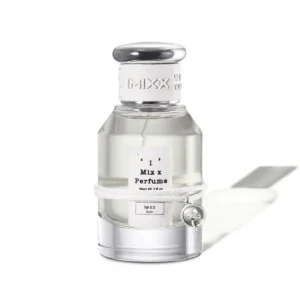 No.63 Inspired by Baie 19 Perfume
 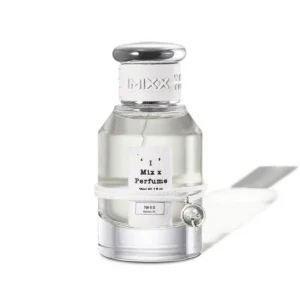 No.62 Inspired by Santal 33 Perfume
 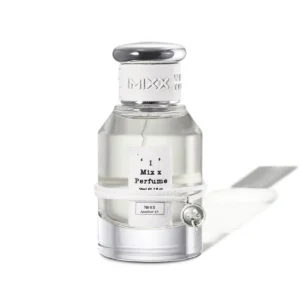 No.65 Inspired by Another 13 Perfume
 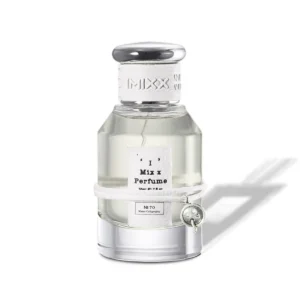 No.70 Inspired by Water Calligraphy Perfume
 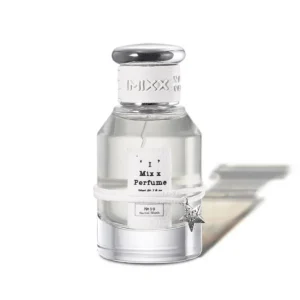 No.59 Inspired by Santal Blush Perfume
 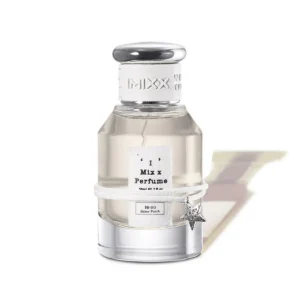 No.60 Inspired by Bitter Peach Perfume
 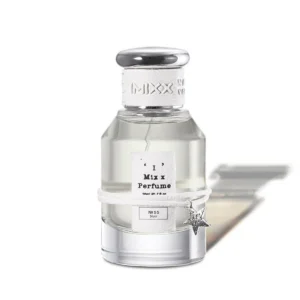 No.55 Inspired by Noir De Noir Perfume