

How to Use tom ford oud wood candle for a Luxurious Atmosphere
When I want a room to feel polished, intimate, and quietly expensive, I focus on more than décor. Lighting, scent, texture, temperature, and sound all influence how a space feels. The tom ford oud wood candle can become the finishing element that brings those details together, but the way I place, light, and manage it matters just as much as the fragrance itself.
In this guide, I explain how I use the tom ford oud wood candle as inspiration for a complete luxury scent ritual. I cover room preparation, candle placement, wick care, fragrance layering, burn timing, safety, décor pairing, entertaining ideas, and practical ways to create a refined atmosphere without making a room feel overpowering.
My approach in one sentence
I treat a luxury candle as part of the room’s design rather than as a simple air freshener: I prepare the space, create a clean burn, give the fragrance time to develop, and extinguish it before the scent becomes tiring.
What Makes This Oud Wood Candle Feel Luxurious?
Luxury in home fragrance is rarely about strength alone. A room does not feel more sophisticated simply because the scent is louder. I associate a luxurious atmosphere with balance: the fragrance should be noticeable when I enter the room, yet it should leave enough space for conversation, food, flowers, and the natural character of the home.
The official fragrance description centers on oud notes, exotic woods, and warm amber. That combination helps explain why the candle works particularly well in rooms where I want depth and warmth rather than a bright, sugary, or highly floral mood. Oud-style compositions often feel darker and more architectural, while amber can add softness and a subtle glow. Woods create the bridge between those two effects.
For the manufacturer’s current description and product information, I recommend checking the official TOM FORD BEAUTY candle collection. Product size, pricing, packaging, and availability can change, so the official page is a more reliable source for purchasing details than an older review or social media post.
The Atmosphere I Expect From the Fragrance
I would describe the overall mood as warm, composed, and evening-oriented. It can make a home office feel more intentional, give a living room a hotel-lounge character, or help a bedroom feel calm and cocooning. The effect is generally more restrained than a dessert-inspired candle and less airy than a citrus-centered candle.
That does not mean it belongs only in dark rooms or formal interiors. I have found that a woody fragrance can also create a beautiful contrast in a bright, minimal space. Against pale walls, natural linen, light oak, and simple ceramics, the scent supplies depth that the visual design may intentionally leave out.
Fragrance Character at a Glance
| Element | Atmospheric Effect | Best Pairing |
|---|---|---|
| Oud-style depth | Dark, contemplative, and sophisticated | Low lighting, leather, dark wood, or stone |
| Exotic woods | Dry warmth and architectural structure | Oak, walnut, linen, wool, and ceramics |
| Warm amber | Softness, intimacy, and an inviting glow | Warm lamps, brass details, and neutral textiles |
| Spiced impression | Energy without excessive sweetness | Evening drinks, reading, or small gatherings |
How I Prepare a Room Before Lighting the Candle
A luxurious result begins before I strike a match. Lighting a premium candle in a cluttered, stale, or overly fragrant room can waste much of its effect. I spend a few minutes creating a clean sensory background so the woody fragrance can unfold clearly.
1. I Remove Competing Odors
I first deal with obvious household smells. Cooking aromas, pet bedding, trash, damp towels, strong cleaning products, and yesterday’s room spray can compete with a complex candle. I do not try to cover those smells with more fragrance. Instead, I remove the source, wipe nearby surfaces if needed, and let the room reset.
This step is especially important in an open-plan kitchen and living area. Garlic, frying oil, coffee, scented dish soap, and a woody candle can create a muddled result when they are all present at once. I prefer to finish cooking, clean the kitchen, and allow some time for the air to clear before beginning the scent ritual.
2. I Ventilate Briefly
When outdoor air quality and weather conditions are suitable, I open a window or door briefly before lighting the candle. The goal is not to leave a strong draft blowing across the flame. I simply want to refresh the room and reduce stale air before closing the window or moving the candle away from direct airflow.
The U.S. Environmental Protection Agency recommends proper ventilation when candles or incense are burned indoors. Its broader indoor-air guidance also emphasizes source control, ventilation, and filtration as practical tools for reducing indoor pollutants. I therefore avoid treating any candle as something that should burn continuously in a sealed room.
3. I Simplify the Visual Field
Scent feels more luxurious when the room looks intentional. I clear unnecessary items from the coffee table, straighten cushions, hide visible charging cables, and remove empty glasses or packaging. I do not aim for a showroom. A book, a ceramic tray, fresh flowers, or a textured throw can make the room feel lived-in while still appearing composed.
4. I Adjust the Lighting
Overhead lighting can flatten the effect of candlelight. I usually turn off the brightest ceiling fixture and rely on two or three lower sources instead. A table lamp, floor lamp, wall light, and the candle flame can create layers. I favor warm-looking light in the evening because it supports the amber and woody character of the fragrance.
Knowledge point: scent cannot fix sensory clutter
A luxury candle works best after unwanted odors, harsh lighting, and visual mess have been reduced. I think of fragrance as the final layer, not the first repair.
Where I Place the tom ford oud wood candle
Placement affects both fragrance distribution and safety. I choose a stable, heat-resistant surface where the candle can remain visible and undisturbed. I keep it away from curtains, books, bedding, paper, dried plants, loose fabric, and busy walkways.
The National Candle Association advises keeping a burning candle at least 12 inches away from combustible items and never leaving it unattended. I use those points as non-negotiable boundaries, even when I am arranging the candle for a photograph or formal table setting.
Living Room Placement
In a living room, I often place the candle on a substantial coffee table, console, or side table rather than on a high shelf. A central but protected position helps the fragrance move through the seating area. I avoid placing it directly beside an open window, air-conditioning vent, ceiling-fan draft, or frequently opened door because moving air can disturb the flame and lead to uneven burning.
If the room is large, I do not immediately assume I need several strong scented products. I start with one candle and give it time. A refined fragrance may take longer to become apparent than an aggressive room spray, but the slower development is part of what makes the atmosphere feel natural.
Bedroom Placement
In a bedroom, I place the candle well away from bedding and never on an unstable stack of books. A dresser or cleared vanity can work when it is made from, or protected by, a suitable heat-resistant surface. I burn the candle while I am awake and present, then extinguish it before I become sleepy.
I never use candlelight as an overnight fragrance method. For me, the luxury is in a deliberate pre-sleep ritual: tidy the room, dim the lights, light the candle during reading or skincare, extinguish it safely, and let the residual fragrance remain.
Bathroom Placement
A bathroom can make a woody candle feel spa-like, particularly when paired with clean towels, stone, glass, and warm water. However, I keep the vessel away from splashes, hanging towels, cosmetic packaging, and the edge of the sink or tub. I also avoid carrying or repositioning the candle while the wax is liquid.
Home Office Placement
For focused work, I position the candle where I can see it but where papers, notebooks, cables, and sleeves cannot reach the flame. I tend to use a shorter scent session in an office than in a living room. The aim is to establish a calm transition into deep work, not to keep the room heavily fragranced throughout the day.
Entryway Placement
An entryway fragrance creates an immediate impression, but narrow halls can be busy and drafty. If the entry table is close to coats, mail, doors, or foot traffic, I choose a safer location in the adjoining room. The fragrance can still reach the entrance without placing an open flame in a vulnerable spot.
My Step-by-Step Candle-Lighting Ritual
I follow a repeatable process because consistency improves both atmosphere and candle care. It also prevents me from rushing through the safety checks that are easy to overlook when guests are arriving or I am tired at the end of the day.
Step 1: I Read the Manufacturer’s Label
Before the first burn, I check the vessel, wick, packaging, and caution label. Manufacturer-specific directions take priority because construction can vary between candles. I look for guidance on wick length, recommended burn duration, minimum remaining wax, and any instructions specific to the container.
Step 2: I Inspect and Trim the Wick
I remove loose debris and trim the wick according to the manufacturer’s directions before lighting. A neglected wick can become too long, develop a mushroom-shaped carbon buildup, smoke, or create an unstable flame. I use a wick trimmer or clean scissors and allow the candle to cool fully before performing any maintenance.
I do not trim a burning wick, touch hot wax, or drop wick fragments into the wax pool. A clean vessel and centered wick support a more polished experience and reduce the visual distraction of soot or debris.
Step 3: I Confirm the Surface and Clearance
I check that the candle is upright, stable, and separated from combustible objects. I also consider what might change after I light it. A curtain may move when the heating system turns on. A pet may jump onto the table. A guest may place a napkin or menu near the vessel. I plan for those possibilities rather than evaluating only the still room in front of me.
Step 4: I Light It Before I Need the Full Effect
I do not wait until the exact moment guests arrive. A scented candle needs time to warm and release fragrance. I light it early enough for the room to develop character, but I remain in the space and follow the candle’s labeled burn instructions.
For a relaxed evening at home, I often make lighting the candle the transition point between practical tasks and personal time. Once it is lit, I put away my phone charger, lower the lights, start music, and stop treating the room like a workspace.
Step 5: I Observe the Flame
I check the candle shortly after lighting. The flame should not be excessively high, visibly unstable, or producing persistent smoke. I keep it away from drafts and do not leave the room assuming everything will remain unchanged.
Step 6: I Extinguish It Deliberately
I follow the manufacturer’s extinguishing directions and avoid handling the candle until the wax and container have cooled. The National Candle Association generally recommends that candles not burn longer than four hours and that they cool for at least two hours before relighting, while also emphasizing that the manufacturer’s directions should be followed.
When the fragrance has reached the level I want, I do not keep burning the candle merely because wax remains. Ending the session at the right point protects the atmosphere from becoming dense or tiring.
My five-part pre-light check
- The wick and wax surface are clean.
- The candle is on a stable, heat-resistant surface.
- Combustible objects are at least 12 inches away.
- The candle is away from drafts, children, and pets.
- I will remain present and awake for the entire burn.
How Long I Let the Fragrance Develop
Fragrance perception changes over time. Immediately after lighting, I may notice only a subtle impression near the candle. As the wax warms, the scent begins to move through the room. Room size, ceiling height, ventilation, temperature, candle condition, and personal sensitivity all affect how quickly that happens.
I avoid promising a universal number of minutes because real homes are different. Instead, I assess the room in stages. After the fragrance begins to spread, I briefly step into another area and return. Re-entering helps me notice the scent more accurately because my nose may adapt while I remain beside the candle.
Signs That the Scent Level Is Right
The scent level is right when I notice the woody warmth upon entering but can still focus on conversation, food, music, or reading. The fragrance should create context rather than demand constant attention.
If I can taste the fragrance while eating, feel distracted by it, develop discomfort, or notice persistent smoke, the experience is no longer luxurious. I extinguish the candle safely and refresh the room as appropriate.
Why I Avoid Scent Fatigue
The nose naturally adapts to a continuous aroma. That can tempt me to assume the candle has stopped working and add another scented product. Guests entering from outside may experience the room much more strongly than I do. I therefore resist stacking fragrance simply because I have become accustomed to it.
How I Style the Candle for Different Luxury Moods
The same candle can support several visual directions. I change the surrounding materials, lighting, music, and room function while allowing the woody scent to remain the common thread.
Quiet Hotel Lounge
Best for: Evening conversation and drinks
I pair it with: A shaded lamp, low instrumental music, a walnut tray, clear glassware, and one simple floral arrangement.
Overall effect: Polished, restrained, and social without feeling formal.
Modern Minimalist Retreat
Best for: Reading, journaling, and resetting
I pair it with: Pale linen, light wood, matte ceramics, a single warm lamp, and minimal tabletop décor.
Overall effect: Clean and calm, with the scent adding depth to a visually simple room.
Dark Library Mood
Best for: Focused reading and late-evening relaxation
I pair it with: Leather, deep wood tones, wool, a focused reading lamp, and a tidy stack of current books kept safely away from the flame.
Overall effect: Intimate, reflective, and enveloping.
Warm Contemporary Styling
For a contemporary room, I use the candle as a dark visual accent. Neutral walls, a cream sofa, a textured rug, and pale wood can sometimes feel visually light. A dark candle vessel, a bronze object, and one deeper textile create enough contrast to make the room feel grounded.
Traditional Styling
In a traditional interior, I avoid adding too many ornate objects around the candle. The fragrance already contributes richness. A simple tray, a small arrangement, and a lamp with a fabric shade can prevent the scene from becoming visually heavy.
Seasonal Styling
During fall and winter, the fragrance naturally complements wool, velvet, wood, books, and warm drinks. In spring or summer, I lighten the surroundings rather than abandoning the candle. White flowers, linen, clear glass, and fresh air before the burn can keep the atmosphere balanced.
Comparing Three Ways to Create a Scented Atmosphere
I choose a scent method based on the mood, duration, room, and level of supervision. A candle offers visual warmth and a gradual fragrance experience, but it is not the right tool for every situation.
Luxury Scented Candle
Best feature: Fragrance plus visible flame
Best setting: Supervised evenings, reading, bathing, or entertaining
Consideration: Requires active fire-safety practices and cannot be left unattended
My choice when: I want the room transformation to feel ceremonial and intimate.
Passive Diffuser
Best feature: Continuous fragrance without a flame
Best setting: Entryways, offices, or spaces needing a low-maintenance option
Consideration: Less control over immediate scent intensity and no candlelight effect
My choice when: I need an ongoing background scent and cannot supervise a flame.
Room Spray
Best feature: Fast, targeted scent
Best setting: Quick room refreshes before guests arrive
Consideration: The effect may be shorter and can feel abrupt if overapplied
My choice when: I need speed rather than a slow, atmospheric ritual.
I do not automatically combine all three. Layering multiple fragranced products can create unnecessary intensity or conflicting accords. I start with one method and add another only when the fragrances are compatible and the room genuinely needs it.
How I Layer the Scent Without Overdoing It
Scent layering can make a home feel cohesive, but restraint is essential. I begin by identifying the candle’s broad character: wood, amber, spice, and warmth. I then choose supporting details that either echo that character or provide a clean contrast.
Fragrance Pairings I Consider
Dry woods, soft amber, subtle leather impressions, gentle spice, and restrained vanilla can feel harmonious. Fresh linen or mild citrus can provide contrast when used lightly. I avoid placing several powerful oud, smoke, incense, gourmand, and floral products in one room at the same time.
I also remember that personal fragrance contributes to the environment. A strongly scented body product, perfume, hair product, bouquet, and candle may all compete. Before a dinner or gathering, I evaluate the complete scent picture rather than treating the candle in isolation.
Using Personal Fragrance as a Related Ritual
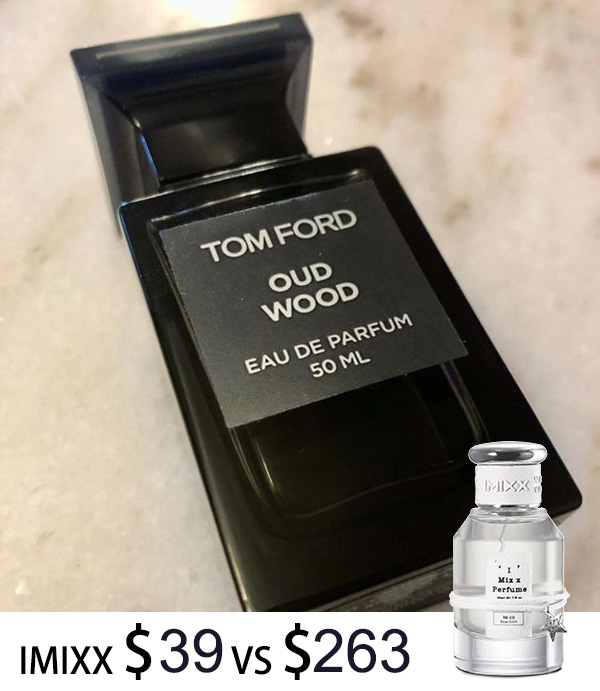
For readers who enjoy the deeper, more intense side of an oud-inspired scent profile, imixx perfume offers an additional way to explore a related personal-fragrance mood. I keep home fragrance and personal fragrance distinct in application, but coordinating their general character can make an evening feel more intentional.
Food and Candle Fragrance
I am cautious about burning a strong woody candle directly beside a meal. Food has its own aroma, and guests should be able to taste it clearly. For dinner, I may scent the living area before the meal, extinguish the candle safely, and allow only a soft residual fragrance to remain.
After dinner, I can relight it only after the required cooling period and in accordance with the product instructions. This creates a natural transition from dining to conversation without forcing the candle to compete with the food.
Knowledge point: luxury is often subtraction
When the room already contains flowers, food, perfume, cleaning products, and another home fragrance, I remove competing scents before adding more. A clear fragrance story usually feels more expensive than a crowded one.
How I Use the Candle When Entertaining
A scented candle can establish a memorable welcome, but hosting adds movement, distractions, and safety considerations. I plan the burn as carefully as I plan drinks, music, and seating.
Before Guests Arrive
I clean and ventilate the room, then place the candle where it cannot be bumped by coats, bags, serving trays, or people reaching for food. I light it with enough time for the room to develop a gentle fragrance while remaining present.
I check the restroom, entryway, and main seating area, but I do not feel obligated to scent every room. A single coherent atmosphere is better than several unrelated candles burning throughout the home.
During the Gathering
I periodically check the flame and surrounding area. As glasses, napkins, gifts, and serving dishes accumulate, I maintain the candle’s safety clearance. If the room becomes busy or I cannot supervise it properly, I extinguish it.
For a Dinner Party
I prefer unscented candles on the dining table and reserve the woody scented candle for a nearby living room or lounge area. This protects the food experience while preserving the visual and aromatic mood elsewhere.
After Guests Leave
I extinguish the candle before beginning a distracted cleanup. I allow the wax and container to cool completely before touching, covering, or moving the vessel. I also check that the wick area is clean and ready for the next session.
Common Mistakes I Avoid
Burning the Candle in a Draft
A draft can disturb the flame and contribute to uneven burning or smoking. I refresh the room before lighting, then position the candle away from open windows, fans, vents, and frequently opened doors.
Using the Candle to Hide Bad Odors
Covering an odor rarely creates a truly clean atmosphere. I remove the odor source first. Fragrance should add character to a clean room, not mask a maintenance problem.
Leaving the Wick Untrimmed
Wick care is not merely cosmetic. I follow the label and inspect the wick before each burn. I never improvise by trimming a hot or burning wick.
Burning It for Too Long
More burn time does not necessarily produce a better experience. A long session can lead to scent fatigue and may affect flame behavior. I follow the manufacturer’s maximum burn guidance and never exceed it simply to make the purchase feel more economical.
Moving the Vessel While the Wax Is Liquid
Hot wax and a heated container can cause injury or spills. I choose the location before lighting and leave the candle there until it is extinguished and fully cooled.
Placing Décor Too Close to the Flame
Books, dried flowers, ribbons, decorative moss, fabric, and paper may look beautiful in a styled photograph, but they do not belong within the safety zone of a burning candle. I keep the arrangement simple and preserve at least the recommended clearance from combustibles.
Assuming an Expensive Candle Needs Less Supervision
Price and branding do not change the nature of an open flame. I apply the same fundamental safety rules to every candle: burn within sight, keep away from combustible materials, and keep away from children and pets.
How I Help the Candle Burn Cleanly and Evenly
Good candle care protects the appearance of the wax, vessel, and surrounding area. It can also reduce common problems such as soot, debris, an oversized flame, and uneven wax patterns.
I Follow the First-Burn Instructions
The first session can influence how the wax behaves later, but I avoid applying a rigid internet rule to every candle. Vessel width, wax formulation, wick design, and manufacturer testing vary. I follow the instructions supplied with the product rather than forcing the candle to burn until an arbitrary wax-pool depth is reached.
I Keep the Wax Free of Debris
Match fragments, wick trimmings, dust, and decorative materials do not belong in the wax. Before lighting, I inspect the surface and remove loose debris only when the candle is completely cool.
I Stop Using a Damaged Vessel
I do not burn a candle in a cracked, chipped, or otherwise compromised container. I also stop at the minimum wax level specified by the manufacturer rather than burning the candle to the absolute bottom.
I Store It Thoughtfully
Between uses, I store the cooled candle in a clean, dry area away from excessive heat and direct sunlight. I keep dust away from the wax and avoid placing objects inside the vessel.
Knowledge point: the label is the primary instruction
General candle advice is useful, but the manufacturer knows the tested design of its vessel, wick, and wax. I use general safety guidance as a foundation and the product label as the specific operating guide.
Safety and Indoor-Air Considerations
A luxurious atmosphere should never come at the expense of comfort or safety. Candles are combustion sources, and people differ in their sensitivity to fragrance and smoke. I pay attention to the room, the flame, and the people sharing the space.
Core Fire-Safety Rules
I never leave a burning candle unattended. I keep it away from children, pets, combustible materials, drafts, and unstable surfaces. I do not move it while the wax is liquid, and I make sure it is completely extinguished before leaving the room or going to sleep.
For additional consumer guidance, I refer to the National Candle Association’s candle safety recommendations. Its guidance includes keeping candles at least 12 inches away from combustible objects, using stable holders, and maintaining supervision.
Ventilation and Sensitivity
The EPA identifies candles as a possible indoor source of particulate matter and advises ensuring proper ventilation when burning candles and incense. More information is available through the EPA’s indoor particulate matter guidance.
I consider the needs of people with asthma, migraines, fragrance sensitivity, respiratory conditions, or other health concerns. When anyone experiences discomfort, I extinguish the candle, ventilate appropriately, and avoid pressuring them to tolerate the fragrance for the sake of ambiance.
I also avoid candle use when outdoor wildfire smoke is affecting indoor-air management. During smoky conditions, public-health guidance may favor keeping outdoor air out and reducing activities that generate additional indoor particles. In those circumstances, I choose a flame-free atmosphere with warm electric lighting, clean textiles, and music.
When I Choose Not to Light It
- When I am about to sleep or leave the room.
- When children or pets could reach the candle.
- When the only available surface is unstable or crowded.
- When the vessel is damaged.
- When a guest is sensitive to fragrance or smoke.
- When air-quality conditions make indoor combustion undesirable.
- When I cannot give the flame my full supervision.
My Luxury Atmosphere Checklist
| Stage | What I Do | Why It Matters |
|---|---|---|
| Reset | Remove odor sources and clear visual clutter | Creates a clean sensory background |
| Refresh | Ventilate when conditions are appropriate | Reduces stale air before the scent session |
| Style | Use layered lighting and restrained décor | Supports the warm, woody atmosphere |
| Inspect | Check the label, wick, wax, and vessel | Promotes safer, cleaner operation |
| Place | Use a stable surface away from drafts and combustibles | Protects flame stability and room safety |
| Burn | Remain present and follow labeled time limits | Prevents neglect and excessive scent buildup |
| Close | Extinguish safely and allow full cooling | Completes the ritual without rushed handling |
Frequently Asked Questions About the tom ford oud wood candle
Final Thoughts: A Luxury Candle Works Best as a Ritual
For me, the most effective way to use the tom ford oud wood candle is to make it part of a complete room ritual. I start with clean air and a tidy environment, build layers of warm light, choose a safe location, maintain the wick, and give the fragrance enough time to become noticeable without overwhelming the space.
The woody and amber character can make an ordinary evening feel more intentional, but the candle should remain one element of the experience. Comfortable seating, thoughtful music, pleasing textures, good conversation, and responsible candle care all contribute to the final result.
I also remember that restraint is central to luxury. I do not need to fill every room with fragrance, burn the candle for the maximum possible time, or surround it with elaborate decorations. One carefully placed candle, used safely and supported by a calm environment, can make a stronger impression than a crowded display.
By treating scent as part of the home’s design—and by respecting the open flame—I can create an atmosphere that feels warm, composed, and personal rather than staged. That is the difference between merely lighting a candle and creating a memorable sensory experience.

