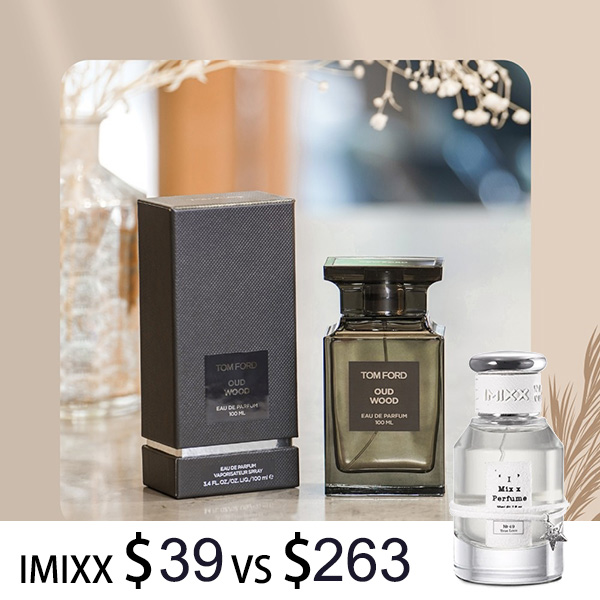

Why tom ford oud wood 3.4 Is Perfect for Fragrance Enthusiasts
When I think about tom ford oud wood 3.4, I think of a fragrance purchase that goes beyond simply adding another attractive bottle to a shelf. The 3.4-ounce, or 100 ml, presentation gives me enough fragrance to study how its character changes across seasons, settings, clothing, skin conditions, and application methods. That makes it especially appealing to anyone who treats fragrance as a serious interest rather than an occasional accessory.
For readers who admire this style but are also comparing accessible options, I recommend exploring tom ford oud wood 3.4 alternatives before deciding which bottle best fits their budget, collection, and wearing habits. I never assume that the most expensive option is automatically the most useful one. Instead, I compare scent structure, versatility, bottle size, wearing frequency, and cost per use.
What makes this fragrance particularly interesting to me is its controlled approach to oud. It does not depend on an aggressively animalic, medicinal, or challenging interpretation. The official Tom Ford description presents Oud Wood Eau de Parfum as a composition built around oud notes, exotic woods, spices, cardamom, sandalwood, vetiver, tonka bean, and amber. In practical terms, I experience the idea as polished woods wrapped in dry spice and restrained warmth rather than an overpowering wall of smoke.
That balance explains why the 100 ml format can make sense for a committed fragrance wearer. It gives me the presence I want from a luxury woody scent while remaining flexible enough for work, evenings, dinners, travel, cooler weather, and carefully controlled warm-weather use. In this guide, I will explain what the bottle size means, how the fragrance develops, who may enjoy it, when I would wear it, how I evaluate performance, and what I would compare before buying.
My Key Takeaway
I consider the 3.4-ounce bottle most suitable for someone who already knows that refined woody, spicy, and amber fragrances fit their personal style. It offers better long-term utility than a small bottle, but only when the owner genuinely expects to wear it regularly.
What Does the 3.4-Ounce Size Actually Mean?
In the United States, fragrance bottles are commonly described in fluid ounces. A 3.4-ounce bottle is generally the familiar 100 ml full-size format. I view this as a substantial bottle rather than a casual trial size. It is large enough to become a signature-scent option, but it is still manageable to store, display, and use over several years when it is protected from heat, humidity, and direct sunlight.
The number of sprays a bottle provides will vary because atomizers release different amounts of liquid. My spraying style also matters. A person who uses two sprays per wearing will keep the bottle much longer than someone who applies six to eight sprays and refreshes later in the day. For that reason, I do not promise an exact number of wears. I use a practical estimate instead.
| Usage Pattern | Sprays per Wearing | How I View the 100 ml Size | Best For |
|---|---|---|---|
| Light application | 2–3 sprays | A long-term bottle that may last several years | Office wear, close settings, fragrance rotation |
| Moderate application | 4–5 sprays | A practical signature-scent quantity | Frequent social, professional, and evening wear |
| Heavy application | 6 or more sprays | A bottle that can still be used steadily without feeling scarce | Enthusiasts who enjoy noticeable projection |
| Occasional rotation | 2–5 sprays | A collector-size bottle requiring careful storage | Large collections and seasonal wardrobes |
I would not buy a 100 ml bottle solely because it appears to offer a better price per milliliter. A large bottle only creates real value when I use it. If I am uncertain about the fragrance, I begin with a sample, discovery size, or smaller bottle. Once I know that I enjoy both the opening and the drydown, the larger presentation becomes easier to justify.
Why the Scent Profile Appeals to Serious Fragrance Fans
A Refined Interpretation of Oud
Oud can take many forms in perfumery. Some compositions emphasize leather, smoke, barnyard facets, sweetness, medicinal sharpness, or dense resin. Oud Wood takes a smoother route. I perceive it as an elegant woody fragrance in which the oud concept supports the composition instead of dominating every stage.
This distinction matters because many fragrance enthusiasts want complexity without sacrificing wearability. I can appreciate an experimental oud fragrance as art while still finding it difficult to wear in normal life. Oud Wood occupies a more practical middle ground. It introduces the darker atmosphere associated with oud while keeping the overall profile dry, tailored, and socially approachable.
Cardamom Creates a Memorable Opening
The spicy opening is one of the reasons I find the fragrance immediately recognizable. Cardamom can feel aromatic, cool, gently sweet, and slightly green at the same time. Here, it gives the woods a polished lift. Instead of beginning with a heavy block of resin, the fragrance opens with movement and contrast.
Pink pepper contributes brightness and texture without turning the fragrance into a fresh citrus scent. The opening feels crisp enough to attract attention, yet it does not abandon the deeper woody direction promised by the name. I find that transition especially satisfying because the fragrance communicates its identity early without revealing everything in the first minute.
Sandalwood and Vetiver Add Structure
As the scent settles, I pay attention to the relationship among sandalwood, vetiver, and the oud accord. Sandalwood contributes smoothness and a creamy impression, while vetiver can create dryness, earthiness, and a subtle root-like quality. Together, they prevent the heart from becoming flat.
The result feels architectural to me. The spices form the entrance, the woods create the central structure, and the warmer materials soften the edges. This is not a fragrance I experience as a simple sequence of isolated notes. I experience it as a continuous woody atmosphere with changing levels of spice, dryness, warmth, and softness.
Amber and Tonka Bean Make the Drydown Wearable
Amber and tonka bean help the base feel comfortable on skin. Tonka can suggest soft sweetness, warmth, almond-like nuances, or a smooth tobacco effect, depending on the composition. In Oud Wood, I do not interpret it as a dessert-like finish. Instead, it rounds the dry woods and makes the fragrance easier to live with over several hours.
This controlled warmth is important. Too much sweetness could weaken the sophisticated, restrained personality. Too little warmth could make the fragrance feel severe. The balance creates a drydown that I can wear close to the body without feeling that the scent has become either harsh or sugary.
Knowledge Point: Oud Is Not One Uniform Smell
When I evaluate an oud fragrance, I separate the idea of natural agarwood from the broader “oud accord” used in modern perfumery. Different formulas may emphasize smoky, woody, leathery, medicinal, sweet, resinous, or animalic qualities. I judge the finished composition rather than assuming every fragrance labeled “oud” will smell alike.
My First-Person Wearing Experience
I approach fragrance testing in stages. First, I spray once on a blotter to understand the broad structure. Then I test it on clean skin because skin temperature, natural oils, and personal chemistry can change how a fragrance develops. Finally, I wear it during a normal day rather than making a decision after ten minutes in a store.
In the opening, I notice aromatic spice and polished wood. The fragrance does not feel loud in a sugary or aggressively fresh way. Its presence is more controlled. During the heart, the woods become smoother and more connected, while the sharpness of the opening decreases. In the drydown, I detect warmth, soft earthiness, and a close woody trail.
My experience can differ from another wearer’s experience. Temperature, humidity, skin moisture, number of sprays, clothing, and even nose fatigue can affect perception. That is why I treat longevity reports as personal observations rather than universal facts.
I also avoid judging performance by repeatedly placing my nose directly against the application point. Doing that can cause temporary olfactory fatigue and make the scent appear weaker than it is. Instead, I check it periodically from a natural distance and ask whether I notice it during movement.
Performance: What I Realistically Expect
Performance is one of the most debated parts of Oud Wood. Some wearers are satisfied with its refined projection, while others expect a stronger or longer-lasting result from a luxury fragrance. I understand both perspectives. The scent profile suggests richness, but its actual presentation is often more elegant than forceful.
On my skin, I would evaluate it by four separate measurements:
- Opening projection: How clearly the scent radiates during the first hour.
- Personal scent cloud: Whether I can detect it around myself during normal movement.
- Skin longevity: How long a recognizable trace remains on the application point.
- Useful longevity: How long the fragrance remains present enough to serve its intended purpose.
Useful longevity matters more to me than a faint trace that survives for many hours. A fragrance may technically remain detectable on skin late in the day while no longer creating an appreciable scent cloud. I therefore test whether it remains expressive, not merely whether I can find one final molecule by pressing my nose against my wrist.
To improve consistency, I apply fragrance to clean, moisturized skin and avoid rubbing my wrists together. Friction does not literally destroy every note, but rubbing can spread the liquid, increase evaporation, and alter how I experience the opening. I prefer to spray and let the fragrance dry naturally.
I sometimes apply one or two sprays to clothing, provided the material is suitable and the fragrance does not stain it. Fabric can retain scent longer than skin, but I test an inconspicuous area first. Delicate fabrics, light colors, silk, jewelry, and finished surfaces deserve caution.
Knowledge Point: More Sprays Are Not Always Better
I increase application gradually. A fragrance can feel subtle to its wearer because of nose fatigue while remaining obvious to everyone nearby. For offices, airplanes, medical environments, classrooms, and shared vehicles, I use fewer sprays and prioritize other people’s comfort.
Why the 100 ml Bottle Works for Collectors
It Provides Enough Liquid for Real Experimentation
A fragrance enthusiast rarely tests a scent in only one way. I want to know how it behaves in cool air, dry heat, rain, air conditioning, formal clothing, casual clothing, and different application patterns. A full bottle gives me room to experiment without treating every spray as precious.
I can wear two sprays on the chest for a quiet office day, four sprays around the neck and shoulders for dinner, or a combination of skin and clothing for an outdoor evening. This experimentation helps me learn not only the fragrance but also my own preferences.
It Can Function as a Collection Anchor
In a fragrance wardrobe, I like having a few dependable anchors. These are scents that can solve many situations without requiring a long decision. Oud Wood can serve that role for someone who prefers woody elegance. It is distinctive enough to feel special, yet familiar enough to work in settings where a highly experimental fragrance might be distracting.
I would place it in the refined woody category of my collection. Around it, I might build contrasting options: a bright citrus for hot weather, a clean aromatic scent for the gym or casual daytime, a floral or musky skin scent, and a richer amber fragrance for winter nights.
The Bottle Suits Long-Term Familiarity
Some fragrances become more rewarding as I learn them. The first wearing may focus my attention on cardamom. A later wearing may reveal the vetiver. On another day, I may notice how the amber emerges from clothing after several hours. A large bottle supports that slow familiarity.
This matters to collectors because fragrance appreciation is not always immediate. My favorite bottles are not necessarily the ones that produced the biggest first impression. Often, they are the ones that continued revealing useful details after months of wear.
Who Is Most Likely to Enjoy It?
I would recommend sampling this fragrance to people who enjoy dry woods, cardamom, subtle amber, restrained sweetness, and a polished unisex presentation. It may appeal to wearers who want a darker fragrance without the heaviness of a thick gourmand or intensely smoky leather scent.
I also think it works well for people transitioning from mainstream designer fragrances into more premium or niche-style compositions. The scent has enough familiarity to remain approachable, but its dry woody structure feels more distinctive than many conventional fresh fragrances.
However, it may not satisfy everyone. A buyer seeking an extremely animalic oud, huge room-filling projection, syrupy sweetness, prominent rose, or a dramatic incense cloud may find it too controlled. Likewise, someone who mainly enjoys aquatic, citrus, or laundry-clean profiles should test it carefully before committing to 100 ml.
Best Match
Collectors who enjoy elegant woody fragrances, moderate sweetness, cardamom, sandalwood, vetiver, and understated luxury.
Consider Sampling First
Wearers who demand very strong projection, highly animalic oud, intense sweetness, or guaranteed all-day power.
Strongest Use Case
A versatile signature scent for professional settings, dinners, dates, travel, and cool-to-mild weather.
Is It Masculine, Feminine, or Truly Unisex?
I regard Oud Wood as unisex. Fragrance materials do not have an inherent gender, even though marketing traditions often categorize woods, spices, and leather as masculine and florals or sweet notes as feminine. On skin, the fragrance can appear sharper, softer, warmer, or drier depending on the wearer.
On one person, the cardamom and vetiver may create a tailored, traditionally masculine impression. On another, the sandalwood, tonka bean, and amber may feel smooth and sensuous. I prefer to judge whether the scent matches my personality, wardrobe, and comfort rather than relying on a gender label.
The bottle’s understated appearance also supports broad appeal. It communicates seriousness and luxury without using a highly gendered visual identity. For couples who enjoy the same scent family, a 100 ml bottle may even become a shared fragrance, although each person should test it independently.
When I Would Wear It
Professional Settings
For an office, I would use two or three sprays, depending on workplace culture and physical proximity to coworkers. The fragrance feels composed and mature, making it a natural match for tailored clothing, presentations, client dinners, and formal meetings. I avoid overspraying because elegance can quickly become intrusion in a shared indoor space.
Date Nights and Evening Events
The warm woods and spices make the fragrance attractive for dinner, a cocktail lounge, a concert, or a quiet date. It creates intimacy without depending on obvious sweetness. I find that quality especially useful when I want to smell polished rather than overtly seductive.
Travel
The scent’s versatility makes it useful during trips, although the 100 ml bottle may be inconvenient or restricted in carry-on luggage depending on the container and applicable airport rules. I prefer transferring a small amount into a reliable travel atomizer rather than carrying the full bottle unnecessarily.
Cool and Mild Weather
Autumn, winter, and cool spring days are natural settings for this profile. Lower temperatures support the woods and amber without making them feel dense. In mild weather, the spice remains lively and refined.
Warm Weather With Restraint
I can wear it during summer evenings or in air-conditioned environments, but I reduce the number of sprays. Heat can amplify fragrance and make woods or amber feel heavier. One or two carefully placed sprays may work better than a winter-style application.
Product Comparison: Which Woody Option Fits My Needs?
I do not compare fragrance only by price. I compare the wearing experience, concentration, mood, bottle size, and role in a collection. The following cards summarize how I would think about several related choices.
Oud Wood Eau de Parfum, 100 ml
Profile: Spicy, dry, woody, warm, polished.
My reason to choose it: I want the recognizable balance of cardamom, oud notes, sandalwood, vetiver, tonka bean, and amber in a versatile full-size bottle.
Potential limitation: Wearers seeking massive projection may want a more forceful composition.
Oud Wood Parfum
Profile: A richer interpretation emphasizing woods, amber, sandalwood, vetiver, oud notes, and warm spices.
My reason to choose it: I want a more amplified, concentrated-feeling variation and am willing to compare the higher price.
Potential limitation: Greater richness does not automatically mean it will suit every environment better.
Oud Minérale Eau de Parfum
Profile: Oud, marine notes, fir balsam, pink peppercorn, styrax, ambergris accord, and smoky woods.
My reason to choose it: I want a more unusual contrast between dark woods and mineral or marine freshness.
Potential limitation: Its oceanic character serves a different mood and is not a direct substitute.
imixx perfume Inspired Option
Profile: Designed for shoppers exploring a woody-spicy experience at a more accessible price point.
My reason to choose it: I want to evaluate the general scent direction or expand my rotation while controlling cost.
Potential limitation: An inspired fragrance should be evaluated on its own smell, development, ingredients, and performance rather than assumed to be identical.
I always recommend testing products side by side when possible. Brand, concentration, raw-material choices, formula, maceration, atomizer output, and skin chemistry can all change the experience. Even fragrances with similar note descriptions may behave differently after thirty minutes or several hours.
How I Decide Whether the Price Is Worth It
Luxury fragrance value is personal. I cannot determine value by price alone because two buyers may use the same bottle very differently. One may wear it three times a week for years, while another may display it and use it twice per season.
I use five questions:
- Do I enjoy the drydown? The opening sells many fragrances, but the drydown occupies most of the wearing experience.
- Will I use it at least several times per month? Frequent use improves the practical value of a large bottle.
- Does it fill a real gap? I avoid buying another woody scent simply because the bottle is attractive.
- Can I afford it without sacrificing priorities? Fragrance is discretionary, so I keep the purchase within a comfortable budget.
- Have I tested it on skin? I do not rely entirely on paper strips, online reviews, or note lists.
I also calculate cost per wear rather than focusing only on the initial price. A costly bottle worn 200 times may provide more personal value than a cheaper bottle worn five times. However, cost-per-wear logic should not become an excuse to overspend. It is useful only when my expected wearing frequency is realistic.
How to Test Before Buying a 3.4-Ounce Bottle
Step 1: Smell the Opening Without Making a Decision
I spray the fragrance and wait. The first minute contains alcohol evaporation and highly volatile materials. It can be attractive, but it does not represent the full wearing experience.
Step 2: Evaluate the Heart After 30 to 90 Minutes
This stage tells me whether I genuinely enjoy the woody structure. I ask whether the cardamom remains balanced, whether the woods feel smooth or scratchy, and whether the fragrance suits my personal space.
Step 3: Check the Drydown Several Hours Later
I pay attention to what remains after the initial excitement disappears. If the base feels pleasant, comfortable, and recognizably connected to the opening, the fragrance has passed an important test.
Step 4: Wear It on More Than One Day
Weather and mood can influence perception. I test the fragrance at least twice and ideally in different conditions. A scent that feels too dry on one cold day may seem perfectly balanced in a warmer indoor environment.
Step 5: Ask for Honest Feedback
I may ask someone I trust whether the projection is appropriate. I do not let another person’s taste replace my own, but feedback helps me detect overspraying or poor situational fit.
Knowledge Point: Skin Chemistry Is Real but Often Oversimplified
Skin temperature, moisture, oil levels, environment, and application can influence evaporation and perception. However, I avoid claiming that body chemistry completely transforms every formula. I test methodically and compare the same number of sprays under similar conditions.
How I Apply It for Different Levels of Projection
| Situation | My Starting Application | Reasoning |
|---|---|---|
| Office or classroom | 1–3 sprays | Keeps the fragrance close and respectful. |
| Dinner or date | 3–5 sprays | Creates a noticeable but controlled scent cloud. |
| Outdoor evening | 4–6 sprays | Open air can reduce perceived projection. |
| Airplane or medical setting | Zero or one spray | Close shared environments call for maximum restraint. |
These numbers are starting points, not rules. Atomizer output and individual sensitivity vary. I apply less first because adding another spray is easy, while removing an overpowering fragrance is difficult.
Storage Tips for Protecting a 100 ml Bottle
A full-size bottle may remain in a collection for years, so storage matters. I keep fragrance in a cool, stable, dark location. A bedroom drawer, cabinet, or closed wardrobe is usually preferable to a sunny windowsill or humid bathroom.
I avoid rapid temperature changes. Repeated cycles of heat and cooling can be harder on a fragrance than a reasonably stable room temperature. I also keep the cap secure and avoid unnecessary decanting. Every transfer creates opportunities for leakage, contamination, or increased air exposure.
I do not panic when a fragrance naturally changes color over time. Some materials can deepen in color without making the product unusable. However, if the smell changes dramatically, becomes sour, loses its recognizable structure, or the liquid develops an unusual appearance, I examine how it was stored.
Authenticity and Responsible Purchasing
Popular luxury fragrances attract unauthorized listings and counterfeit products. I prefer established retailers, authorized stores, or sellers with clear contact information, return terms, and verifiable customer service. A low price alone does not prove that an item is fake, but an implausible price combined with poor packaging, missing documentation, inconsistent labeling, or an untraceable seller increases risk.
I compare the bottle, box, batch information, printing quality, cap fit, atomizer, and seller history, but I do not rely on one visual detail as absolute proof. Packaging can change, legitimate batches can vary, and counterfeiters can imitate individual features. The purchasing source is often more informative than a single box-code photograph.
For inspired fragrances, I look for transparent labeling that makes the product’s independent identity clear. I want accurate ingredient information, responsible marketing, accessible customer service, and realistic performance claims. A trustworthy alternative should not pretend to be the original product.
Fragrance Safety and Skin Sensitivity
Fragrance is a cosmetic product, and responsible use matters. The U.S. Food and Drug Administration’s fragrance guidance explains that fragrance ingredients in cosmetics must satisfy applicable safety requirements and that companies are responsible for marketing safe, properly labeled products.
The International Fragrance Association Standards provide a globally recognized risk-management framework that can restrict, limit, or prohibit specific fragrance materials for particular uses. These standards do not mean that every person will tolerate every fragrance, because individual sensitivities and allergies can still occur.
I stop using a product if I experience persistent redness, itching, swelling, burning, breathing difficulty, or another concerning reaction. For a serious reaction, I seek appropriate medical help. People with known allergies, asthma, eczema, migraines triggered by scent, or highly reactive skin may wish to consult a qualified healthcare professional and test cautiously.
I never spray fragrance into my eyes, mouth, or broken skin. I also keep bottles away from children, pets, flames, and high heat because alcohol-based perfumes are flammable. These basic habits allow me to enjoy fragrance without treating it carelessly.
Why Enthusiasts Continue Discussing Oud Wood
Fragrance communities often return to Oud Wood because it sits at an interesting intersection. It is luxurious but wearable, dark but not overwhelmingly heavy, spicy but not culinary, and warm without becoming an obvious gourmand. That combination gives people several angles to debate.
Some enthusiasts focus on its historical role in making a polished oud style more familiar to a broad luxury audience. Others discuss performance, reformulation perceptions, batch differences, value, or alternatives. I find these conversations useful when they describe testing conditions clearly. I find them less useful when they present one person’s skin result as a universal fact.
The fragrance also works as a reference point. When I smell another cardamom-and-wood composition, I may compare its dryness, sweetness, oud character, and projection with Oud Wood. A reference fragrance helps develop olfactory vocabulary, even when I ultimately prefer something else.
My Honest Advantages and Drawbacks
Advantages I Appreciate
- Polished woody-spicy profile.
- Approachable interpretation of oud.
- Works across professional and social settings.
- Balanced sweetness and dryness.
- Unisex presentation.
- 100 ml size supports frequent wear.
- Useful reference point for fragrance collectors.
Drawbacks I Would Consider
- Luxury pricing requires careful evaluation.
- Projection may feel restrained to some wearers.
- A 100 ml bottle is excessive for occasional use.
- It may be too smooth for lovers of challenging oud.
- Online performance reports can be inconsistent.
- Blind buying carries significant risk.
My Final Verdict
I believe tom ford oud wood 3.4 is perfect for fragrance enthusiasts who value refinement, versatility, and long-term exploration more than raw volume. The 100 ml bottle provides enough liquid to become a signature scent, a collection anchor, or a shared reference for understanding modern woody perfumery.
Its appeal comes from balance. Cardamom and pink pepper create energy, woods establish depth, vetiver contributes dryness, and amber with tonka bean provides controlled warmth. The oud character is present as part of a polished structure rather than presented as a deliberately difficult challenge.
I would not call it a universal purchase. No fragrance is. People who prioritize massive projection, extreme longevity, heavy sweetness, rose-heavy oud, or strongly animalic materials may prefer another direction. Buyers who wear fragrance infrequently may also receive better value from a smaller bottle.
For me, the right buying process is simple: sample it, wear it several times, evaluate the drydown, compare the cost with realistic use, and then decide whether 100 ml fits my life. When those conditions are met, the bottle can provide years of sophisticated, flexible wear.
Frequently Asked Questions About tom ford oud wood 3.4
Authoritative References
- Tom Ford Beauty: Oud Wood Eau de Parfum Official Product Information
- International Fragrance Association: IFRA Standards
- U.S. Food and Drug Administration: Fragrances in Cosmetics
Editorial note: Fragrance perception, projection, and longevity vary by wearer, application, climate, storage, and formulation. This article reflects my evaluative approach and is not medical advice.