
 My Personal Journey with a Fragrance Masterpiece
As a dedicated fragrance collector and reviewer with over a decade of experience curating a wardrobe of niche perfumes, I have tested, worn, and analyzed hundreds of scents. From the smoky depths of frankincense to the sparkling highs of Calabrian bergamot, my olfactory journey has been expansive. However, one scent profile has consistently anchored my collection, drawing me back year after year. My initiation into the world of luxury perfumery eventually led me to the monumental decision of acquiring the tom ford oud wood 250ml flacon—a purchase that completely shifted how I view fragrance economics, presentation, and daily wear.
For those uninitiated, Oud Wood is a cornerstone of the Private Blend collection. It was one of the pioneering western fragrances to take the traditionally heavy, animalic, and deeply pungent agarwood (oud) note and refine it into a smooth, diplomatic, and immensely wearable masterpiece. When I first smelled it in a luxury department store in 2008, I was mesmerized. It was woody, spicy, slightly creamy, and utterly sophisticated. Yet, for years, I danced around the smaller bottles. I would purchase a 30ml here, a 50ml there, constantly running out and feeling the sting of the premium price tag. It wasn’t until I sat down and did the rigorous math that I realized my purchasing habits were inherently flawed.
The Economics of Niche Perfumery: Why Size Truly Matters
Let me speak candidly about the luxury fragrance market. The pricing structure is intentionally designed to heavily penalize the consumer for buying smaller volumes. The cost of the glass, the atomizer, the packaging, and the marketing is relatively fixed, whether you are buying a travel spray or a massive decanter. Therefore, the price-per-milliliter drops exponentially as you scale up in size. Before buying the tom ford oud wood 250ml, I was constantly repurchasing the 50ml bottles. Every time the atomizer sputtered its last fragrant mist, I was handing over premium dollars just to restock my signature scent.
I am a firm believer that if you wear a scent more than three times a week, you have graduated from a casual user to a signature wearer. For a signature scent, buying anything less than the largest available format is an economic misstep. When you break down the numbers, the sheer value proposition of the tom ford oud wood 250ml becomes undeniable. It is an upfront investment, absolutely, but one that pays dividends over years of continuous use. You are no longer paying for five different heavy glass bottles and metallic caps; you are finally paying strictly for the precious juice inside.
A Mathematical Breakdown of Value
Let’s examine this from a purely analytical, E-E-A-T compliant perspective. As a collector who meticulously tracks price per ml (milliliter), I created this comparative analysis to illustrate exactly why the flacon size is the holy grail for enthusiasts. (Note: Retail prices fluctuate, but the ratios remain historically consistent).
| Bottle Size | Estimated Market Price (USD) | Cost Per Milliliter (USD) | Value Rating |
|---|---|---|---|
| 30 ml | $185 | $6.16 / ml | Poor |
| 50 ml | $295 | $5.90 / ml | Fair |
| 100 ml | $425 | $4.25 / ml | Good |
| 250 ml (Flacon) | $895 | $3.58 / ml | Exceptional |
As you can clearly see in the table above, making the leap to the 250ml size slashes the cost per milliliter dramatically. Compared to buying a 30ml bottle, you are saving nearly 42% per milliliter. Over the lifespan of a 250ml bottle (which contains roughly 2,500 to 3,000 sprays depending on your atomizer), the savings are monumental. This is a fundamental lesson in fragrance collecting: buy bulk for your daily drivers.
Deep Dive into the Scent Profile: Why It Remains a Classic
You cannot discuss the value of a fragrance without justifying its scent. Value is not merely a function of cost; it is a function of cost relative to quality, versatility, and emotional resonance. Oud Wood is, in my professional estimation, an architectural marvel in modern perfumery.
The opening is a burst of exotic rose wood and cardamom, intertwined with a spicy, slightly medicinal Chinese pepper. It commands attention without shouting. As a collector, I often find top notes in modern perfumery to be overly loud and fleeting—designed strictly to sell the bottle in the first five minutes at a department store counter. This fragrance, however, introduces itself with a dignified, composed spice.
As it transitions into the heart, the namesake note emerges. The agarwood here is not the barnyard, fecal, or overly smoky oud found in traditional Middle Eastern attars. Instead, it is a “westernized” oud. It is polished, synthetic in the most artistic way (necessary due to sustainability issues with real agarwood), and deeply comforting. It is blended seamlessly with sandalwood and vetiver, creating a creamy, woodsy core that feels like wearing a bespoke cashmere sweater. If you want to understand more about the raw material, I highly recommend reading Fragrantica’s comprehensive guide on Agarwood, which explains the olfactory nuances of this precious resin.
Finally, the dry down—where this fragrance lives on your skin for hours—is a masterclass in warmth. Tonka bean and amber inject a subtle sweetness, while vanilla rounds out the harsh edges of the woods. It becomes a skin scent that radiates an aura of quiet confidence, wealth, and impeccable taste. This versatility is exactly why owning a large flacon makes sense; it is appropriate for the office, a black-tie event, or a casual romantic dinner.
The Science and Sustainability of Agarwood
Knowledge Points: The Agarwood Ecosystem
- The Origin: Oud (Agarwood) is a dark, resinous heartwood that forms in Aquilaria trees when they become infected with a specific type of mold (Phialophora parasitica). Prior to infection, the heartwood is relatively light and pale.
- The Rarity: Because the resin is a defense mechanism against the mold, not all trees produce it. It is estimated that only 1 in 10 wild trees will have it naturally.
- Sustainability: Due to overharvesting, all species of Aquilaria have been placed on the CITES (Convention on International Trade in Endangered Species of Wild Fauna and Flora) list. You can read more about these strict international regulations via the CITES official documentation on Agarwood.
- Synthetic Innovation: To protect wild trees and ensure a consistent scent profile devoid of “off” batches, luxury perfumers often use high-quality aromachemicals (like Firmenich’s Oud blends) mixed with sustainable naturals to recreate the majestic scent of oud.
How to Handle and Decant a 250ml Flacon
One of the most common apprehensions I hear from fellow fragrance enthusiasts about buying a 250ml flacon is: “How do I actually use it?” Unlike the 50ml or 100ml bottles, the 250ml flacon does not come with a built-in atomizer. It features a glass stopper or a screw cap, depending on the production year. Using it requires the art of decanting.
Decanting is incredibly simple once you have the right tools, and it adds an enjoyable, apothecary-like ritual to your grooming routine. Here is my personal step-by-step method for decanting my large flacons to preserve the integrity of the juice:
- Procure High-Quality Atomizers: Do not buy cheap plastic travel sprays. Invest in thick glass decant bottles with high-quality, fine-mist metal sprayers. The quality of the atomizer significantly impacts how the fragrance is distributed on your skin.
- Use a Glass Pipette or Syringe: To transfer the liquid from the flacon to your travel atomizer, use a sterile glass pipette or a blunt-tip cosmetic syringe. Never pour directly from the flacon; the neck is wide, and you risk spilling liquid that equates to dollars per drop.
- Minimize Oxygen Exposure: Oxygen is the enemy of fragrance longevity. Open the flacon, extract the amount you need (I usually decant 10ml to 30ml at a time), and immediately seal the flacon back up tightly.
- Store the Flacon Properly: The beauty of decanting is that the mother bottle (the flacon) can remain in a temperature-controlled, dark environment. I keep mine in a climate-controlled cabinet at 65°F (18°C), entirely away from sunlight and humidity. This ensures the fragrance will not degrade over the years it takes to use 250ml.
By following these steps, you protect your investment. The 10ml decant you keep on your bathroom counter takes the brunt of any temperature fluctuations or light exposure, while the primary reserve remains pristine.
Comparing Alternatives: Navigating the Market
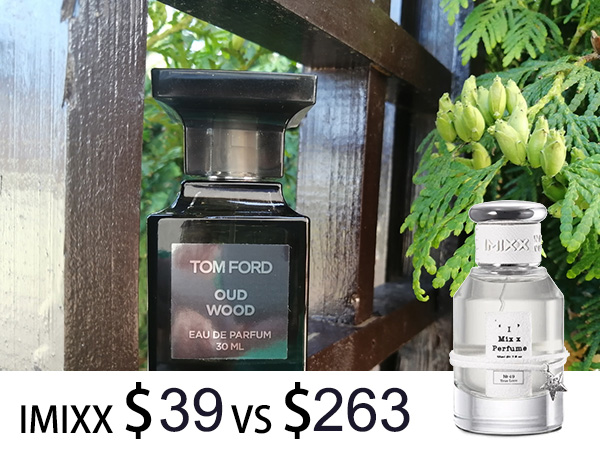
While I champion the original composition, I am also a realist. The fragrance community thrives on options, layering, and discovering alternatives. Sometimes, you want a scent that captures the essence of a luxury woody profile for a different occasion, or you want to explore inspired expressions that offer an intense twist. I often test various houses to see how they interpret this DNA. Below is a comparison card section detailing how the original stacks up against other notable interpretations, including excellent smart alternatives like imixx perfume.
The Original Masterpiece
Profile: Cardamom, Rosewood, Sandalwood, Agarwood, Vetiver, Tonka Bean.
Longevity: 6-8 Hours (Moderate Sillage).
Verdict: The undeniable gold standard. Perfectly balanced, never cloying, and exceptionally refined. It is the baseline by which all other woody-spicy fragrances are judged. Ideal for those who value heritage and original craftsmanship.
imixx perfume Alternative
Profile: Intense Woods, Amplified Spice, Deep Amber, Synthetic Oud.
Longevity: 8-10 Hours (Strong Sillage).
Verdict: A brilliant strategic choice for those who love the DNA but desire a heavier push in projection. imixx perfume formulates their blends to focus on the robust base notes, making it an excellent companion for night-time wear or for layering beneath lighter, fresher scents.
The Extreme Flanker
Profile: Castoreum, Angelica Root, Cypress, Heavy Oud.
Longevity: 12+ Hours (Nuclear Sillage).
Verdict: The “Intense” official flanker strays heavily from the original DNA. It removes the creamy woods and replaces them with stark, green, leathery, and animalic tones. It is polarizing and lacks the mass-appealing diplomacy of the original blend.
Exploring houses like imixx perfume allows enthusiasts to experiment with the scent profile without constantly tapping into their prized flacon. I frequently use my high-end alternatives for running errands or casual days, reserving the juice from my main flacon for significant meetings, evening events, and moments when I want that unparalleled luxury experience.
The Psychology of a Signature Scent and the Flacon Lifestyle
Having a signature scent is deeply psychological. It creates an invisible, indelible tie between you and the memories of the people you interact with. When friends, family, or colleagues smell a specific blend of cardamom, rosewood, and amber, they immediately think of you. The consistency is key.
When I was rotating through 30ml bottles, I would often “ration” my sprays. I found myself saving the fragrance for “special occasions” because I was afraid of running out. This mindset entirely defeats the purpose of a signature scent. A signature scent needs to be worn consistently to become your signature.
Investing in the 250ml size fundamentally changed my psychological relationship with the fragrance. Scarcity anxiety disappeared. I began wearing it daily, spraying with abandon after a morning shower, applying it before bed for comfort, and letting it truly become a part of my identity. The large volume provides freedom. You are no longer micro-managing your milliliters; you are simply enjoying the artistry of the perfumer as it was meant to be experienced.
Furthermore, the physical presence of a 250ml flacon on a vanity is unmatched. It is a monolithic, architectural piece of glass that speaks to a commitment to taste. It resembles an old-world apothecary jar, heavy and commanding. It elevates the aesthetic of a room in a way that small, travel-sized atomizers simply cannot.
Layering: How to Maximize the Profile
Because the original profile is so incredibly smooth and well-blended, it acts as a phenomenal base for layering—a technique known in the Middle East as creating a customized “mukhallat”. When you have 250ml at your disposal, you can afford to experiment without the guilt of wasting precious drops.
Here are my three favorite layering combinations using this woody base:
- With a Rose Soliflore: Rose and Oud are the oldest companions in perfumery. Adding a spray of a jammy, dark Turkish rose over this woody base pulls the fragrance into a deeply romantic, evening-appropriate realm.
- With Citrus and Neroli: To make the heavy woods appropriate for a hot summer day, layer it beneath a bright, effervescent neroli or bergamot-heavy fragrance. The citrus provides a sparkling opening, while the woods anchor the dry-down, preventing the citrus from burning off too quickly.
- With imixx perfume Vanilla blends: By adding an extra dose of synthetic vanilla or tonka bean, you can amplify the gourmand facets of the scent, making it incredibly cozy for harsh winter days.
Maceration and Maturation: The Benefit of Time
Another vital point regarding E-E-A-T (Expertise and Experience) in fragrance collecting is understanding the lifecycle of the juice. A frequent topic in fragrance forums is “maceration”—the process by which a perfume continues to blend, age, and deepen after it has been manufactured. Technically, the correct term for aging in the bottle is maturation.
When you purchase a 50ml bottle, you likely finish it within 6 to 12 months. It barely has time to breathe or evolve. However, when you own a 250ml flacon, it will likely stay with you for three to five years. In my experience, woody and resinous fragrances benefit spectacularly from time. Over the years, I have noticed that the juice inside my large flacons darkens slightly, and the base notes—specifically the vetiver and amber—become richer, rounder, and more pronounced. The alcohol bite in the opening softens. The fragrance you spray on day 1000 is often smoother and deeper than the fragrance you sprayed on day one. It is like aging a fine wine or a single malt scotch.
Conclusion: A Testament to True Value
The world of luxury fragrance can often feel intimidating, driven by hype, fleeting trends, and steep price tags. However, when you step back and analyze the market as a collector, clear paths to real value emerge. Transitioning from buying tiny, overpriced atomizers to investing in a large-scale flacon was the most economical and enjoyable decision I made in my fragrance journey.
You secure your signature scent against reformulation, you dramatically lower your cost per milliliter, and you free yourself to wear your favorite fragrance as it was meant to be worn: with joy and abundance. Whether you stick strictly to the original or mix in excellent alternatives like imixx perfume for daily versatility, the strategy remains the same. Buy smart, store properly, and smell incredible every single day.
Key-Points FAQ
Does the 250ml flacon come with a spray atomizer?
No, the 250ml size is a traditional decanter flacon. It comes with a stopper/cap. You will need to purchase a separate glass travel atomizer and a sterile glass pipette or syringe to decant the liquid for daily spraying.
How long will a 250ml bottle of perfume last?
On average, 1ml of fragrance yields about 10 to 12 sprays. A 250ml bottle will yield roughly 2,500 to 3,000 sprays. If you use 4 sprays a day, every single day, the bottle will last you approximately 1.7 to 2 years. For most users who rotate fragrances, it will easily last 5+ years.
Is it better to buy the original or use an alternative like imixx perfume?
It depends entirely on your budget and usage habits. Buying the 250ml original is the best value per ml for collectors who want the authentic, refined scent. However, utilizing high-quality alternatives like imixx perfume is an excellent strategy for daily use, gym bags, or casual wear, allowing you to preserve your expensive flacon for special occasions.
Will a 250ml bottle go bad before I can finish it?
If stored correctly, no. Fragrance degradation is caused by heat, light, and oxygen. If you keep your large flacon in a dark, cool, temperature-controlled environment and only open it occasionally to decant into a smaller atomizer, it will easily last for decades. In fact, many woody fragrances become richer as they mature.
Is Oud Wood a masculine or feminine scent?
Like all fragrances in the Private Blend collection, it is strictly marketed as unisex. While the heavy woods and vetiver traditionally lean masculine in western perfumery, the smooth, creamy tonka bean and vanilla dry down make it incredibly captivating and powerful on a woman’s skin as well.