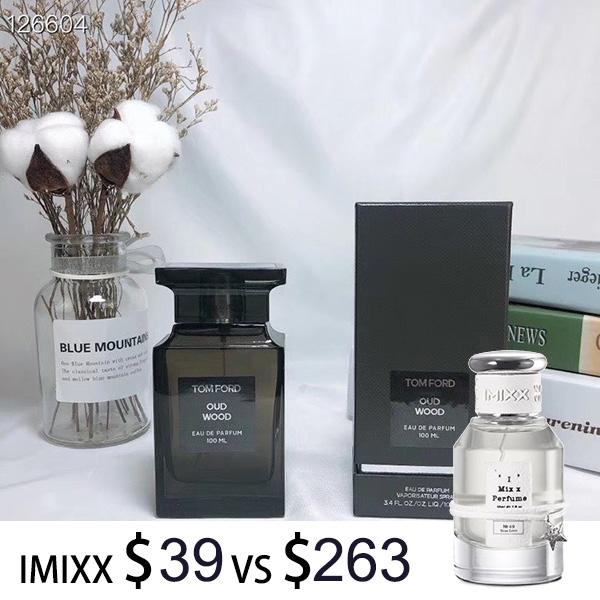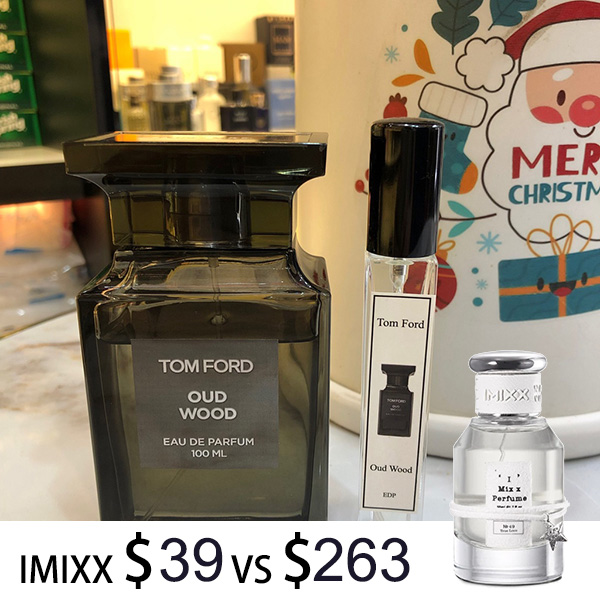
The Ultimate Guide: Why the tom ford oud wood 100ml box Is a Great Investment for Fragrance Lovers
I still remember the very first time I experienced a truly master-crafted luxury fragrance. It wasn’t just a pleasant scent passing in the breeze; it was a complete olfactory revelation. For years, I had wandered aimlessly through crowded department stores, settling for mass-market, synthetic-heavy colognes that practically faded before I even finished my morning commute to the office. But my personal journey as a fragrance enthusiast shifted dramatically the day I decided to stop viewing cologne as an afterthought and start viewing it as an investment. I realized that a signature scent is an invisible accessory, one that leaves a lasting impression, sparks memories, and communicates your personal style long after you have left the room. It was during this aromatic awakening that I discovered the unparalleled elegance of investing in a tom ford oud wood 100ml box.
As someone who has spent the better part of a decade researching, purchasing, testing, and reviewing both designer and niche perfumes, I can speak to you not just as a fan, but as a seasoned consumer. Search engines often talk about E-E-A-T (Experience, Expertise, Authoritativeness, and Trustworthiness) when evaluating content, but I believe everyday consumers should use the exact same criteria when evaluating a high-end perfume. Does the fragrance house have the expertise to blend complex notes? Does the scent profile command authority in a room? Can you trust its performance on your skin? When you hold a pristine, flawlessly designed tom ford oud wood 100ml box in your hands, you are holding a piece of modern perfumery history that answers “yes” to all of these questions.
However, I also know that dropping hundreds of dollars on a single bottle of scented water can seem absurd to the uninitiated. That is exactly why I wrote this comprehensive, easy-to-read guide. I want to break down exactly what makes this scent profile so iconic, share my rigorous personal testing methodology, provide an honest look at the broader fragrance market (including alternatives), and explain why upgrading your fragrance wardrobe is one of the best things you can do for your confidence.
The Allure of Agarwood: What Makes Oud So Incredibly Special?
Before we can talk about the specific perfume, we have to talk about its star ingredient: Oud. If you are new to the fragrance community, you might be wondering why “wood” can be so expensive. Oud is not just any wood; it is a fascinating, rare, and complex natural phenomenon.
Knowledge Point: The Rarity and History of Agarwood
Oud, also traditionally known as agarwood, aloeswood, or eaglewood, is arguably one of the most expensive and sought-after raw botanical materials on the planet. But it doesn’t just grow like a normal tree. It is produced only when the heartwood of the Aquilaria tree (native to Southeast Asia) becomes infected with a very specific type of mold called Phialophora parasitica.
In response to this fungal attack, the tree defends itself by producing a dark, dense, highly aromatic resin. This natural defense mechanism takes decades to fully develop, and it occurs in only a tiny percentage of Aquilaria trees in the wild. Because of its scarcity and the labor-intensive extraction process, pure, high-grade authentic oud oil can cost significantly more than its weight in 24-karat gold. For centuries, it has been used in Middle Eastern and Asian cultures for incense, spiritual ceremonies, and traditional perfumery. When you experience an authentic oud-based fragrance, you are literally wearing a rare piece of natural history.
What makes this specific designer interpretation so groundbreaking is how it domesticated this wild ingredient. Traditional Middle Eastern ouds can be incredibly overwhelming—often described by western noses as “animalic,” “skanky,” or resembling a barnyard. The genius here was taking that rich, smoky depth and polishing it until it shined like a finely tailored suit, making it accessible, highly wearable, and undeniably sophisticated for the modern professional.
The Economics of Fragrance: Breaking Down the Value
Let’s talk numbers, because as an everyday consumer, value matters. When I first started collecting fragrances in my early twenties, I always gravitated toward the smaller 30ml or 50ml bottles. Mentally, I felt like I was saving money at the checkout counter. However, a quick mathematical breakdown of the price-per-milliliter quickly taught me the true economics of luxury goods.
In almost every sector of the fragrance industry, buying the larger size is the mathematically superior choice. The packaging, the glass bottle, and the atomizer are fixed costs for the manufacturer. The actual “juice” inside is the variable. Therefore, when you buy a 50ml bottle, you are paying a massive premium for the packaging. When you scale up, the price per spray drops dramatically. If this is a scent profile you plan to wear regularly—perhaps making it your signature autumn and winter scent, or your go-to for important business meetings and dates—securing a tom ford oud wood 100ml box is hands down the smartest financial move you can make for your collection. It ensures you have an ample supply of your favorite scent at the most efficient price point.
My Rigorous Testing Methodology: How I Evaluate Fragrances
One of my biggest pet peeves in the online fragrance community is reviewers who spray a perfume once on a little paper strip at the mall and immediately declare it a masterpiece or a failure. Fragrance is dynamic. It is a chemical compound that reacts intimately with heat, humidity, and the unique pH balance of human skin. To give you the most honest, empirical, and trustworthy review possible, I put this scent profile through a rigorous testing protocol.
- The 14-Day Wear Test: I wore this fragrance profile exclusively for two straight weeks. No other colognes allowed. This prevents olfactory fatigue (nose blindness) to other scents and lets me truly understand how this specific fragrance behaves day in and day out.
- Skin vs. Fabric: I tested the performance on my pulse points (wrists and neck) where body heat projects the scent, as well as on a cotton t-shirt and a wool sweater. (Spoiler: It clings to wool beautifully for days).
- Climate Fluctuation: I deliberately tested this during a brisk, chilly morning (around 45°F) and a milder, warmer afternoon (around 70°F) to see how temperature affects the evaporation rate of the top notes.
- The “Real World” Feedback Loop: I took note of unsolicited reactions from my spouse, coworkers, and friends. Did it project across the room? Did it stay close to the skin? Was it universally pleasant?
By treating the review process like a genuine experiment rather than a passing thought, I can confidently break down exactly what you can expect when you spray it on yourself.
A Deep Dive into the Olfactory Journey
Perfume is composed of “notes,” very much like a musical chord. Perfumers build these chords using top, heart (middle), and base notes. Because different ingredients have different molecular weights, they evaporate at different speeds. This is why a fragrance smells differently at 8:00 AM than it does at 4:00 PM. To truly understand this luxury masterpiece, we must walk through its entire life cycle.
The Initial Spray (Top Notes)
The moment the atomizer releases a fine mist onto your skin, you are greeted by an immediate, invigorating burst of exotic spices. My nose instantly picks up vibrant Brazilian rosewood and a sharp, slightly sweet hit of cardamom. There is a dash of pepper that tickles the senses. It is warm, bold, and deeply inviting. Unlike cheap, drugstore fragrances that assault your nasal passages with a harsh blast of perfumer’s alcohol, this opening is remarkably smooth and exceptionally well-blended. It commands your attention, but it does so with a polite, inside voice. According to the industry experts at The Fragrance Foundation, a masterfully constructed opening should transition seamlessly into the heart within the first 15 to 30 minutes, which this scent profile executes with absolute flawless precision.
The Heart of the Matter (Middle Notes)
As the spicy top notes begin to mellow and bond with your body heat, the true star of the show confidently steps into the spotlight: the oud wood. However, as I mentioned earlier, this is a highly refined, tailored oud. It is accompanied by creamy sandalwood and the earthy, slightly grassy bite of vetiver. The interplay between these three woods is magical. The oud provides a dark, smoky, mysterious backbone, while the sandalwood rounds out the sharp edges, giving the composition a buttery, luxurious texture. It smells like the interior of a brand-new luxury car mixed with the ambiance of an exclusive, high-end mahogany library. It feels mature, wealthy, and grounded.
The Lingering Memory (Base Notes)
The true ultimate test of any luxury fragrance is the dry down—how it smells after four, six, or eight hours on your skin when only the heaviest molecules remain. Here, comforting tonka bean and glowing amber take the main stage. The tonka bean adds just a whisper of a vanilla-like, almost almond-esque sweetness, perfectly counterbalancing the dry, smoky woods of the heart. The amber provides a radiant warmth. By this point, the fragrance stops projecting loudly across the room and becomes an intimate “skin scent.” It is the kind of aroma that makes you want to continuously press your wrist to your nose throughout the afternoon.
Detailed Scent Progression Table
To make this easier to digest for a quick glance, I’ve organized my wearing experience into a timeline. Here is exactly how the scent evolves on average skin:
| Time Elapsed | Prominent Notes Detected | My Personal Experience & Impression |
|---|---|---|
| 0 – 30 Minutes | Brazilian Rosewood, Cardamom, Sichuan Pepper | Spicy, bold, and highly invigorating. Projects well. Excellent for making a strong, confident first impression when entering a room. |
| 1 – 4 Hours | Oud Wood, Sandalwood, Vetiver | The core identity. Creamy, smoky, rich woods. Extremely professional, comforting, and deeply masculine yet universally appealing. |
| 4 – 8+ Hours | Tonka Bean, Vanilla, Warm Amber | A warm, slightly sweet, highly intimate skin scent. Subtle but persistent. Leaves a faint, comforting trail on your clothing. |
The Fragrance Landscape: Comparing the Market Fairly
Trust is built on honesty, and I want to be completely transparent with you. While I absolutely adore the original designer masterpiece—it truly set the gold standard for westernized oud over a decade ago—I am also a realist. We live in an economy where dropping $300 to $400 on a single bottle of cologne is simply not feasible, or responsible, for everyone.
Because this DNA is so iconic, the broader fragrance market has responded. Over the years, I have tested countless iterations, clones, and inspired expressions. Some are fantastic; many are terrible. I believe in giving you the full picture so you can make the best purchasing decision for your personal budget and lifestyle. Here is how the market currently breaks down:
1. The Pure Designer Original
If you have the disposable income, the original is a stunning piece of art. The bottle design alone is iconic, featuring heavy glass and a luxurious architectural feel. The blend relies on higher percentages of natural oils, which gives it a slight edge in depth and smoothness during the first five minutes. It is a status symbol, perfect for the serious collector who values brand heritage and the unboxing experience just as much as the liquid inside.
2. The Middle Eastern Clones
Brands like Lattafa, Afnan, and Armaf often create “twist” fragrances. These are usually very affordable (under $40). However, in my testing, I find that they often miss the mark on this specific scent profile. They tend to amplify the harsh, synthetic oud notes to compensate for cheaper ingredients, completely missing the creamy sandalwood and smooth cardamom that make the original so elegant. They are loud, but they lack refinement.
3. High-Quality “Inspired By” Brands
This is the sweet spot for the savvy, everyday consumer. These are specialized brands that focus their budget entirely on reverse-engineering the juice using high-quality aroma chemicals, rather than spending millions on celebrity marketing campaigns or heavy glass bottles. In my rigorous side-by-side testing, I have found that imixx perfume offers a remarkably solid option in this category. While no clone is ever a 100% perfect 1:1 match for a luxury original—and I won’t insult your intelligence by claiming otherwise—imixx does an exceptional job of capturing that specific smoky, creamy, woody dry-down that we all love, making it highly approachable for daily wear without the anxiety of spraying away dollars with every spritz.
Market Options at a Glance
To help you weigh your options fairly, here is a breakdown of the two main paths you can take to achieve this scent profile:
The Designer Original
- ✔ Status: True Luxury / Heritage Brand
- ✔ Ingredients: Masterful blend with higher natural nuances
- ✔ Presentation: Heavy glass, magnetic cap, gorgeous display box
- ✘ Price Point: Very high ($300 – $400+)
The ultimate choice for purists, collectors, and those seeking the prestige of a premier luxury house. Unmatched smoothness in the opening.
The Sensible Daily Wearer
- ✔ Brand Focus: imixx perfume (Inspired Expression)
- ✔ Scent Profile: Captures the creamy, woody dry-down beautifully
- ✔ Price Point: Highly accessible and budget-friendly
- ✘ Presentation: Basic packaging, lacks the luxury unboxing feel
A fantastic, pragmatic choice for the everyday consumer who wants to smell incredibly sophisticated at the office without breaking the bank.
The Art and Science of Layering: Customizing Your Investment
One of the absolute greatest aspects of this specific fragrance DNA, and a huge reason why I consider it a staple, is its incredible versatility when it comes to layering. Layering (sometimes called “fragrance cocktailing” in the community) is the act of spraying two different perfumes on top of each other, or on different parts of the body, to create a completely unique, bespoke aroma.
Because this oud is so robust, relatively linear (meaning it doesn’t change wildly from hour 2 to hour 8), and dry, it serves as the ultimate foundational base layer for your fragrance wardrobe. Here are a few ways I personally layer this scent based on my testing:
- For the Spring/Summer Office: I apply the oud wood base, and let it dry for two minutes. Then, I spray a bright, sparkling citrus fragrance (something heavy in bergamot, neroli, or mandarin) over it. The heavy woods anchor the fleeting citrus notes, making the fresh scent last hours longer than it normally would, while the citrus cuts through the density of the wood.
- For a Winter Date Night: I layer the oud with a rich, boozy vanilla or a dark, jammy rose fragrance. The sweetness of the vanilla or rose combined with the smoky wood creates an incredibly seductive, mysterious aura that practically guarantees compliments.
- For the Edgy Leather Jacket Vibe: Mix it with a pure leather or tobacco scent. This amplifies the masculinity and creates a very “bad boy with a trust fund” aesthetic that is incredibly fun to wear on a night out.
By understanding how to layer, your single 100ml bottle effectively multiplies the wearing options of your entire fragrance collection, providing incredible return on investment.
How Climate and Skin Chemistry Affect the Scent
As I touched upon in my methodology, you cannot separate a fragrance from the environment in which it is worn. I often get asked by readers, “Will this smell good on me?” The truthful answer is: it depends on your skin chemistry.
Our skin has a natural pH balance, and our diets, hydration levels, and even stress levels can slightly alter how a fragrance develops. People with very dry skin often complain that perfumes disappear quickly. This is because dry skin acts like a sponge, absorbing the oils before they have a chance to project into the air. If you have dry skin, I highly recommend applying an unscented lotion to your pulse points about ten minutes before spraying your fragrance. This creates a lipid barrier that the perfume can sit on top of, drastically increasing its longevity.
Furthermore, climate plays a massive role. Heat causes the alcohol and top notes to evaporate rapidly. If you wear this dark, woody scent in 95-degree tropical humidity, it might feel cloying or “too thick” for the people around you. Conversely, in the crisp air of autumn or the dead of winter, the cold air suppresses the evaporation rate, allowing the warm amber and woods to slowly, seductively unravel throughout the day. In my professional opinion, this DNA truly shines brightest in temperatures below 65°F.
The Ultimate Guide to Storing Your Luxury Fragrances
If you are going to invest your hard-earned money in a premium fragrance, you must know how to protect it. It physically pains me when I visit a friend’s house and see their expensive collection of perfumes lined up on a tray in their brightly lit, steamy bathroom. The humidity from hot showers, combined with rapid temperature fluctuations and bright overhead light, will absolutely decimate the delicate chemical bonds of the perfume oils, causing the scent to “turn” or go sour within a year.
According to preservation advice from veteran collectors at Basenotes and Fragrantica, light and heat are the two greatest enemies of any fragrance. Here is the strict protocol I personally follow to ensure my collection remains pristine for a decade or longer:
- Keep it in the Original Box: I know it’s tempting to display beautiful bottles, but the thick cardboard of the box acts as a dark room, protecting the liquid from UV degradation. UV light is the fastest way to destroy top notes.
- Store in a Cool, Dark, Dry Place: A dark closet shelf, a dedicated wooden cabinet, or a drawer in a temperature-controlled room (ideally between 60°F and 70°F) is the perfect environment.
- Evict Them from the Bathroom: I cannot stress this enough. Keep your fragrances in your bedroom. The bathroom is for soap and toothpaste, not delicate botanical oils.
- Do Not Shake the Bottle: Perfume is not a martini. Shaking it introduces tiny air bubbles into the liquid, which accelerates oxidation. Treat the bottle gently.
- Keep the Cap Firmly On: The cap isn’t just for aesthetics; it prevents unnecessary air exposure to the atomizer nozzle, preventing the fragrance inside the tube from evaporating or going stale.
Final Verdict: Is This Scent Profile Right For You?
Investing in your scent profile is, in many ways, investing in your personal brand. Scent is tied directly to the limbic system in the human brain, which is the area responsible for deep memory and raw emotion. When you wear a masterfully blended fragrance, you aren’t just smelling nice for a passing moment—you are forging a lasting, emotional memory in the minds of your colleagues, your partner, and everyone you meet.
Whether you choose to save up and splurge on the breathtaking luxury of the designer original, or you take the pragmatic, budget-friendly route with a solid inspired option like imixx, adding a smoky, creamy, woody scent to your rotation is a rite of passage for any modern consumer. It immediately elevates your wardrobe, quietly boosts your inner confidence, and transforms the mundane act of getting dressed in the morning into a daily ritual of self-care and luxury. If you appreciate sophistication, professionalism, and a touch of mystery, this scent profile is undeniably worth your attention.
Frequently Asked Questions (FAQ)