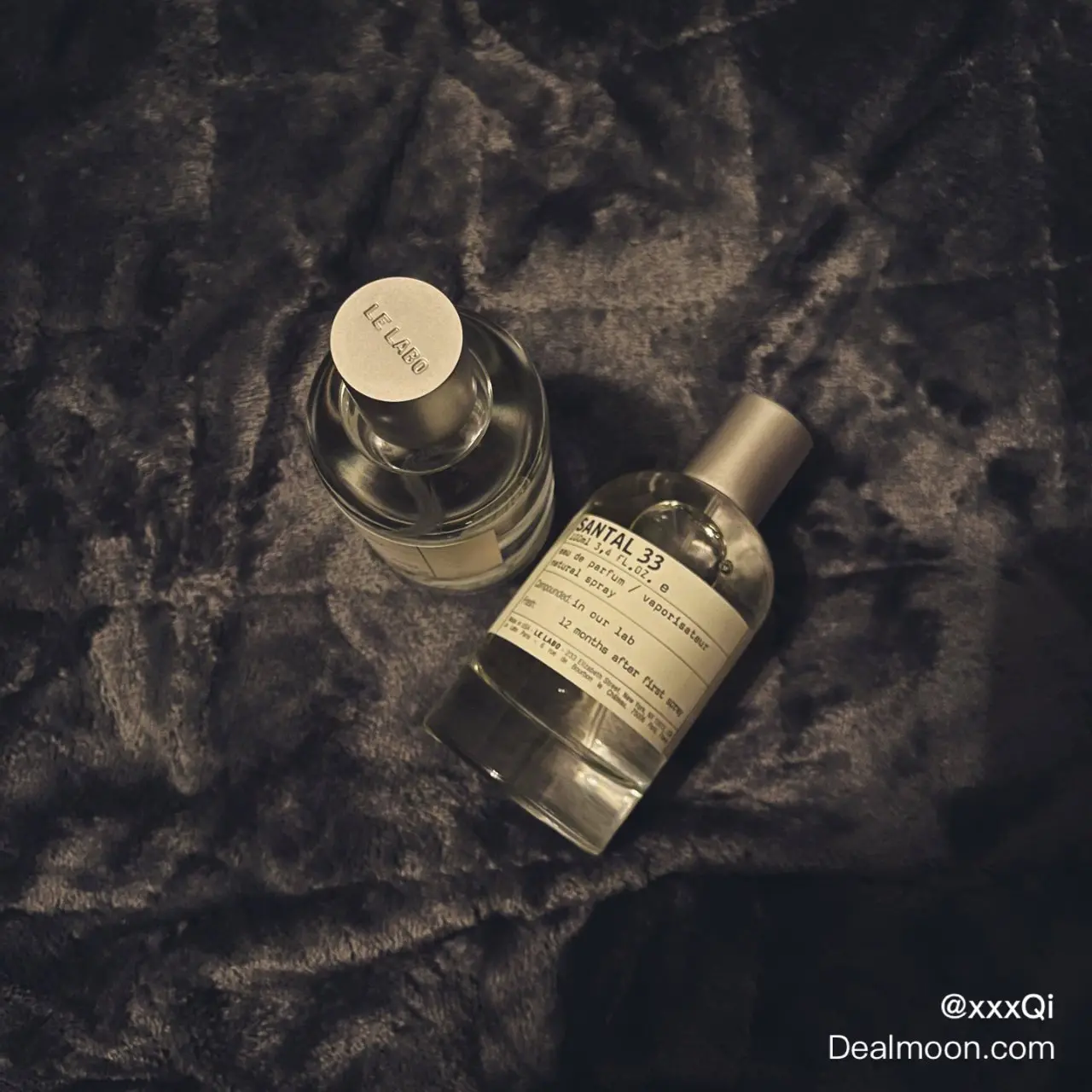

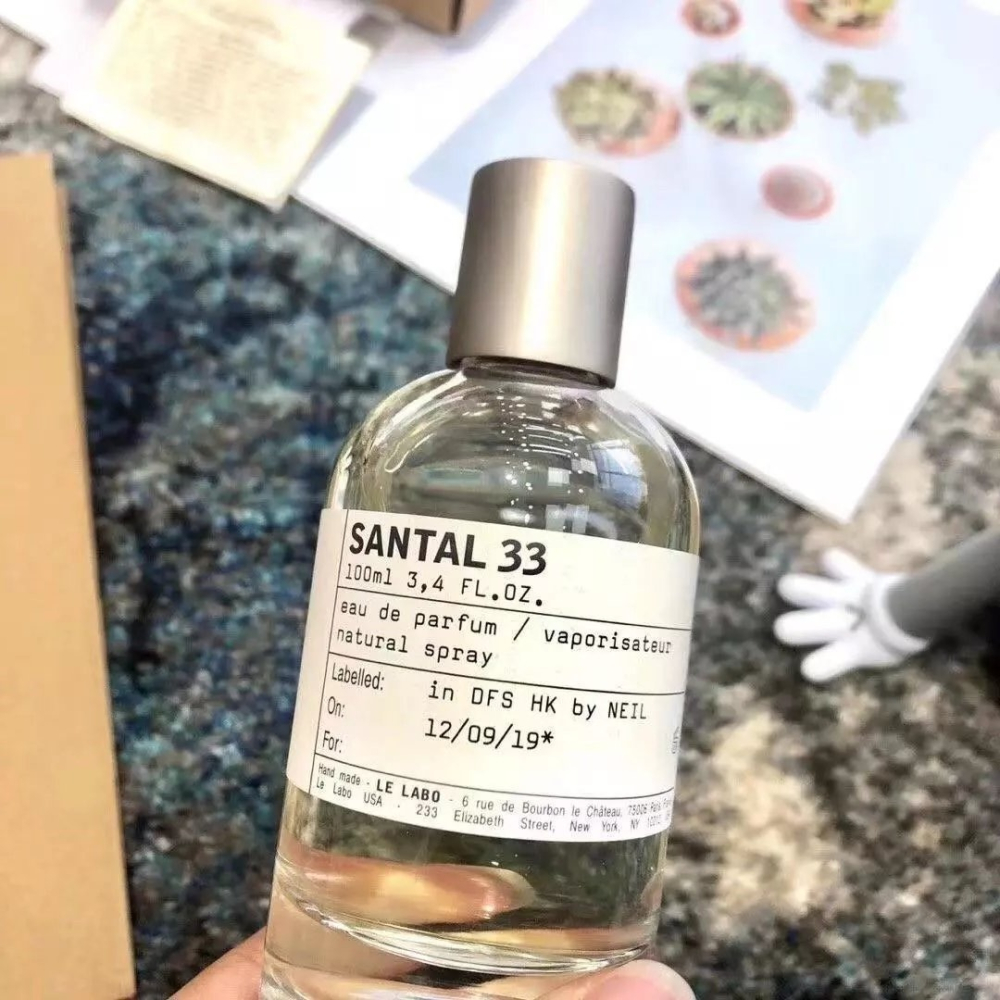
How to Tell If Your santal 33 perfume original Is Authentic: 5 Tips
When I evaluate a bottle of santal 33 perfume original, I never rely on one dramatic “real versus fake” clue. Counterfeiters can reproduce boxes, labels, barcodes, and even convincing fragrance openings. At the same time, authentic packaging may vary slightly because of bottle size, production date, regional labeling requirements, personalization, storage conditions, or ordinary manufacturing updates.
That is why I use a layered authentication process. I investigate the seller first, inspect the packaging and bottle second, examine traceability details third, evaluate how the fragrance develops fourth, and preserve the transaction record in case professional verification or a payment dispute becomes necessary.
This distinction matters because authenticity is not only about owning the correct bottle. An unidentified fragrance may contain ingredients that were not disclosed, stored correctly, or handled according to the standards expected from an established manufacturer. U.S. Customs and Border Protection specifically includes perfume among the consumer products that may be counterfeited and warns that fake goods can create financial, legal, and safety risks.
In this guide, I will explain the five checks I personally consider most useful. I will also show you which popular “authentication tricks” are unreliable, how to inspect a secondhand listing before paying, and what to do when a bottle still feels suspicious.
My most important authentication rule
No label, barcode, batch code, cap, spray pattern, or scent impression can prove authenticity by itself. I look for consistency across the seller, price, bottle construction, label information, fragrance behavior, and purchase documentation.
Why Authenticating Santal 33 Requires More Than a Quick Smell Test
Santal 33 is widely recognized for its dry, woody, leathery, musky, and softly spicy character. Its reputation and strong secondary-market demand also make it an attractive target for misleading listings. Some sellers offer genuine used bottles, while others sell diluted products, refilled bottles, reconstructed testers, replicas, or bottles whose origin cannot be verified.
A quick smell test is not enough because fragrance perception is highly variable. I may interpret the same scent differently depending on temperature, humidity, skin chemistry, application amount, recent exposure to other fragrances, and temporary nose fatigue. A bottle that has been stored in direct sunlight or excessive heat may also smell different even if it began as an authentic product.
Reformulation discussions make the situation even more complicated. Fragrance formulas, ingredient availability, regulatory requirements, and manufacturing processes can evolve. Therefore, an older authentic bottle may not smell identical to a recently produced one. That difference does not automatically mean either bottle is counterfeit.
I also avoid treating online photos as final proof. A dishonest listing may use photographs copied from an authentic product while shipping something completely different. Conversely, an honest seller may take poorly lit photographs that make a genuine bottle look questionable.
The Difference Between Authentic, Damaged, Diluted, and Counterfeit
Before I judge a bottle, I separate four possibilities:
- Authentic and properly stored: The bottle, liquid, and packaging are genuine and have been kept under reasonable conditions.
- Authentic but deteriorated: The bottle may be real, but heat, sunlight, oxidation, evaporation, or contamination has affected the scent.
- Authentic bottle with altered contents: A genuine empty or partially used bottle may have been diluted or refilled with another liquid.
- Counterfeit product: The bottle, packaging, trademark presentation, or contents were produced without authorization and presented as genuine.
This distinction prevents me from making an overly confident conclusion based only on performance. Weak longevity may indicate a fake, but it can also result from under-application, olfactory adaptation, skin dryness, poor storage, or an altered authentic bottle.
Quick Authenticity Comparison Table
| Authentication Area | More Reassuring Signs | Potential Warning Signs | How Much Weight I Give It |
|---|---|---|---|
| Seller | Clear identity, credible history, detailed photographs, return policy, traceable payment | New anonymous account, copied images, pressure tactics, nonrefundable payment | Very high |
| Price | Reasonable for the size, fill level, age, and condition | Far below normal market value without a credible explanation | High |
| Label and print | Clean alignment, readable text, consistent spacing, plausible customization | Spelling errors, distorted type, blurry ink, conflicting information | Medium to high |
| Bottle construction | Even glass, secure sprayer, appropriate cap fit, tidy assembly | Loose components, rough glass, leaking collar, obviously poor construction | Medium |
| Codes and records | Codes are present where expected and information is internally consistent | Missing, altered, duplicated, or contradictory identifiers | Medium |
| Fragrance development | Coherent transition from opening to drydown with recognizable woody depth | Harsh opening that collapses immediately into a flat or unfamiliar base | Medium |
| Purchase protection | Receipt, order confirmation, return terms, credit-card protection | Cash-only sale, gift-card demand, cryptocurrency demand, no documentation | Very high |
Tip 1: Investigate the Seller Before Inspecting the Bottle
I begin with the seller because provenance is often more informative than a close-up photograph of a cap. A genuine-looking bottle offered by an untraceable seller at an implausible price remains a high-risk purchase.
Buy From a Traceable Source Whenever Possible
The lowest-risk route is generally an official brand boutique, the brand’s own website, or another retailer whose authorization and business identity can be independently verified. When I buy through a marketplace or resale platform, I treat the individual seller—not the marketplace logo—as the party whose credibility must be evaluated.
I look for a consistent selling history, original photographs, realistic product descriptions, and a willingness to answer specific questions. I become cautious when an account was created recently, lists many identical “personal bottles,” uses the same description for every item, or has no record of selling fragrance-related products.
Ask for Original, Timestamped Photographs
Before paying, I request photographs taken specifically for the transaction. I may ask the seller to place a handwritten note showing the date and account name beside the bottle. Useful angles include:
- The front label photographed straight on
- The back and bottom of the bottle
- The sprayer and collar with the cap removed
- The box from every side
- Any batch, production, or retail stickers
- The fill level under neutral lighting
- The original receipt with personal information covered
A legitimate seller may protect private information, but should usually be able to demonstrate physical possession of the item. Refusing every request for a new photograph is not proof of fraud, although it increases uncertainty.
Reverse-Check Suspicious Listing Images
I compare the seller’s photos with other listings to see whether identical images have been reused. Cropped brand photographs, mismatched backgrounds, inconsistent bottle fill levels, and images with several different aspect ratios can indicate that the seller assembled the listing from unrelated sources.
I also read the description closely. A listing that alternates between different bottle sizes, concentration names, or purchase dates may have been copied carelessly. Internal contradictions are often more revealing than minor packaging differences.
Treat an Unrealistically Low Price as a Risk Signal
A discount alone does not prove that a bottle is fake. Used bottles, damaged boxes, discontinued packaging, unwanted gifts, and partial bottles can sell below retail. However, I expect the seller to provide a believable explanation that matches the photographs.
The Federal Trade Commission advises consumers to research unfamiliar sellers, review refund terms, and be cautious when branded products are offered at steep discounts. I follow that advice because an unusually low price can create urgency and make shoppers overlook obvious inconsistencies.
Read the Federal Trade Commission’s online shopping guidance.
Use a Payment Method With Buyer Protection
I avoid payment methods that are difficult or impossible to reverse. A seller who insists on gift cards, wire transfers, cryptocurrency, or an unprotected person-to-person payment creates unnecessary risk.
When possible, I use a credit card or a marketplace checkout process that clearly covers items that are counterfeit, materially different from the description, or never delivered. Before buying, I save the listing, seller messages, photographs, return policy, and order confirmation.
Seller Risk Card: Lower-Risk Purchase
Typical profile: Established retailer or well-documented private seller
Evidence: Original photos, coherent purchase history, receipt, clear returns, protected payment
My response: I continue with physical inspection, while remembering that reputable provenance reduces risk but does not replace inspection.
Seller Risk Card: Higher-Risk Purchase
Typical profile: Anonymous or recently created account with many identical bottles
Evidence: Copied images, vague origin story, extreme discount, urgency, no returns, unprotected payment
My response: I do not let attractive packaging override weak provenance. I either request stronger evidence or walk away.
Tip 2: Inspect the Label, Box, and Printing as a Complete System
After evaluating the seller, I inspect the packaging. I do not ask whether one letter looks “perfect.” Instead, I ask whether all printed elements appear professionally produced and mutually consistent.
Check Typography, Spacing, and Alignment
I examine the front label under bright, neutral light. Authentic luxury packaging usually demonstrates deliberate typography and controlled spacing. Warning signs may include:
- Misspelled words
- Uneven line spacing
- Letters that change thickness within the same line
- Blurry edges or ink bleed
- Text placed noticeably off-center without a plausible reason
- Different information on the bottle and box
- Punctuation, capitalization, or measurement formats that appear inconsistent
I remain cautious about rigid photo comparisons because labels can be personalized, and legitimate packaging may vary across dates, sizes, stores, and markets. A small difference from an online image is not automatically suspicious. Several unrelated printing problems appearing together are more meaningful.
Look for Natural Label Application
I check whether the label is attached cleanly, lies reasonably flat, and appears appropriate for the bottle. A badly skewed label, excessive adhesive residue, obvious bubbling, rough cutting, or a second label hiding damaged print can justify further investigation.
However, I do not reject a bottle solely because a paper label shows minor wear. Paper can absorb moisture, collect oils from handling, discolor, or lift slightly over time. A heavily used authentic bottle may look less polished than a newly manufactured counterfeit.
Compare the Box and Bottle Information
I compare the fragrance name, concentration, volume, unit formatting, and any identifiable production information. The details should tell one coherent story.
For example, a box for one size combined with a bottle of another size is a serious problem unless the seller clearly disclosed replacement packaging. A seller who says the bottle has never been opened but provides a mismatched box should explain why.
Inspect the Quality of the Outer Packaging
I look at the box material, folds, seams, printing density, and interior construction. Poorly cut edges, visible glue strings, washed-out print, misshapen inserts, and very thin material can raise concern.
Still, shipping damage must be separated from manufacturing quality. A crushed corner may result from delivery. The more useful question is whether the package appears professionally manufactured beneath the damage.
Knowledge Point: Packaging variations are normal
Brands periodically adjust labels, compliance wording, box construction, barcodes, stickers, and distribution details. I compare a bottle with confirmed examples from a similar period, size, and market rather than assuming every authentic bottle must match one current website photograph.
Tip 3: Examine the Bottle, Sprayer, Cap, and Traceability Details
The bottle provides another layer of evidence. Counterfeit packaging has improved, so I focus on the combined quality of the glass, hardware, assembly, and identifiers.
Inspect the Glass From Multiple Angles
I hold the bottle against a plain background and rotate it slowly. I look for even walls, clean edges, a stable base, and a generally refined finish. Large bubbles, rough seams, unusual distortion, sharp edges, or a visibly uneven base may indicate poor manufacturing.
One tiny glass irregularity is not definitive. Glass production can produce minor variation. I become more concerned when poor glass quality appears together with weak printing, loose hardware, and questionable seller history.
Check the Atomizer and Collar
I remove the cap and inspect the atomizer assembly. The sprayer should sit securely and operate consistently. I look for leaking around the collar, obvious tool marks, a crooked stem, loosely attached components, or signs that the bottle has been opened and reassembled.
A genuine bottle can develop a faulty sprayer after heavy use, so hardware damage alone does not prove counterfeiting. However, an allegedly new bottle with residue, scratches around the collar, and an unstable sprayer deserves scrutiny.
Test the Spray Pattern Carefully
When I am legally and safely able to test the bottle, I spray it onto a fragrance blotter. A healthy atomizer generally produces a controlled mist rather than a narrow stream or heavy droplets.
The first spray after a long period of nonuse may be weak because the atomizer tube needs to refill. I test more than once before reaching a conclusion. I also avoid spraying suspicious liquid directly onto my skin until I have greater confidence in its source.
Evaluate the Cap Fit Without Overvaluing It
I check whether the cap fits naturally and sits securely. A cap that is unusually loose, poorly formed, or inconsistent with the bottle may be a warning sign.
Cap weight, magnetic behavior, surface feel, or fit should never become a universal authenticity test. Packaging components may change, and counterfeiters can imitate simple hardware characteristics. I use the cap only as one part of the overall pattern.
Review Batch Codes and Product Identifiers
I look for batch or production identifiers in the locations expected for that bottle and package. I ask three questions:
- Is the identifier present?
- Does it look naturally applied rather than recently added or altered?
- Is it consistent with the rest of the product’s claimed origin and age?
A code is supporting evidence, not proof. Counterfeiters can copy visible codes from authentic products, and public batch-code websites may contain incomplete or inaccurate data. A code that returns a date online does not establish that the bottle itself is genuine.
Be Careful With Barcodes and QR Codes
A scannable barcode confirms only that the printed pattern can be read. It does not verify the liquid, bottle, seller, or chain of custody. A counterfeit label can reproduce a valid retail barcode.
The same logic applies to QR codes. I consider where the code directs me, whether the destination is an official domain, and whether the code is expected for that packaging period. I never enter payment credentials or personal information on a suspicious page opened from an unknown code.
Knowledge Point: A valid code does not authenticate the contents
Codes can be copied. The strongest evidence comes from a consistent chain of details: reputable provenance, correct construction, plausible identifiers, coherent fragrance development, and protected purchase records.
Tip 4: Evaluate the Fragrance From Opening to Drydown
Scent evaluation is useful, but I perform it only after checking the seller and physical product. Human smell is subjective, and memory is less precise than most people assume.
Use a Blotter Before Applying to Skin
If the bottle’s origin is uncertain, I first spray a clean fragrance blotter in a ventilated space. I do not intentionally inhale the wet spray at close range. Instead, I allow the alcohol to settle and observe the fragrance at intervals.
I may evaluate it at approximately:
- Two to five minutes
- Fifteen to thirty minutes
- One to two hours
- Four to six hours
- The following day on the blotter
This timeline helps me distinguish a complete fragrance structure from an opening that initially resembles the reference but collapses quickly.
Look for Coherent Development
An authentic santal 33 perfume original should not be judged by one isolated note. I expect a recognizable progression involving dry woods, spice, leather-like facets, musk, and a lingering sandalwood-centered impression. Different wearers may also perceive green, smoky, creamy, papery, or cucumber-like nuances.
I become cautious when the liquid smells aggressively chemical beyond the normal alcohol opening, remains completely flat, turns sour unusually quickly, or develops an unrelated sweet base that does not resemble the expected structure.
However, disagreement with another reviewer’s description is not evidence of fraud. Fragrance descriptions are interpretations, not laboratory certificates.
Compare Side by Side Under Controlled Conditions
When I have access to a trusted sample, I compare both products on identical blotters. I spray the same number of times, at the same distance, in the same room, and at nearly the same moment.
I label the blotters discreetly or ask another person to randomize them. A blind comparison reduces expectation bias. If I know one sample is expensive and the other is questionable, I may unconsciously interpret ordinary differences as proof.
Do Not Use Longevity as a Standalone Test
Performance depends on skin condition, environment, spray amount, clothing, and olfactory adaptation. Santal-style woody materials can also remain detectable to other people after the wearer stops noticing them.
I test on paper and fabric as well as skin, provided the liquid appears safe enough to handle. If the fragrance disappears unusually fast on every surface, that supports concern, but it still does not prove counterfeiting without other evidence.
Check the Liquid Without Relying on Color Alone
I inspect the liquid against a white background for unusual cloudiness, sediment, separation, or floating particles. These may suggest contamination, poor storage, or alteration.
Color is less reliable. Fragrance liquids can deepen slightly with age, light exposure, oxidation, or ingredient variation. Product photography and screen settings can also distort color. I never declare a bottle fake merely because its liquid appears a little lighter or darker than a photograph.
Fragrance Comparison Card: More Reassuring
Opening: Noticeable alcohol that settles normally rather than remaining harsh
Development: Dry woods, spice, leather-like depth, musk, and sandalwood evolve coherently
Drydown: Recognizable woody character remains on a blotter for an extended period
Interpretation: Supports authenticity when the seller and physical details are also credible
Fragrance Comparison Card: More Concerning
Opening: Solvent-like harshness remains dominant
Development: The scent stays flat or shifts into an unrelated profile
Drydown: It vanishes rapidly from both paper and fabric or leaves an unpleasant residue
Interpretation: Justifies further investigation but should not be treated as proof by itself
Tip 5: Verify the Purchase Record and Know What to Do Next
The final step is documentation. If a bottle is questionable, good records can be more valuable than another hour of comparing fonts.
Request Proof of Purchase
A receipt, order confirmation, boutique record, or gift receipt can strengthen the product’s history. I check whether the date, retailer, bottle size, and seller’s explanation are consistent.
A receipt can also be forged or reused, so I do not treat it as absolute proof. I look for a complete, credible chain: the seller purchased the item, retained it, and is now transferring that same item.
Contact the Original Retailer or Brand
When appropriate, I contact the retailer or brand through contact details obtained independently from the official website. I provide clear photographs, purchase information, and relevant identifiers.
I understand that a company may be unable or unwilling to authenticate a bottle remotely. A refusal to provide authentication does not imply the product is fake. It simply means I must rely on the evidence available or seek an in-person specialist.
Visit the official Le Labo website for current brand and customer-service information.
Preserve Evidence Before Opening a Dispute
If I suspect that I received a counterfeit or materially misrepresented product, I save:
- The complete listing
- The seller profile
- Every message exchanged with the seller
- Photographs and unboxing video
- Shipping label and packaging
- Payment confirmation
- Return policy visible at the time of purchase
- Side-by-side comparison photographs
- Any response from the brand, retailer, or marketplace
I avoid modifying, decanting, discarding, or using a large amount of the product before the dispute is resolved. Altering the item can make it more difficult to demonstrate its original condition.
Report Suspected Counterfeit Goods Through the Proper Channel
I first use the marketplace or payment provider’s dispute procedure. If the transaction appears fraudulent, I may also report it to the appropriate consumer-protection authority.
U.S. Customs and Border Protection advises consumers to purchase directly from trademark holders or authorized retailers when possible and explains that counterfeit goods can involve broader consumer and economic harms.
Review U.S. Customs and Border Protection information about counterfeit goods.
My practical decision rule
When the seller history is weak, the price is implausible, the packaging contains several inconsistencies, and the scent behaves abnormally, I do not keep searching for one magical confirmation. I treat the combined risk as sufficient reason to avoid or dispute the purchase.
Five Popular Authenticity Tests I Do Not Trust
1. “The Barcode Scans, So It Must Be Real”
A barcode is a printed data pattern. It can be copied from a genuine box. Scanning may identify the product category, but it does not confirm who manufactured the bottle or what liquid is inside.
2. “The Batch Code Appears in a Database”
A copied code may produce a believable manufacturing date. Public databases may also contain incomplete or user-submitted information. I use a batch result as a consistency check, not as authentication.
3. “The Cap Has the Correct Weight”
Hardware measurements can vary, and counterfeiters can reproduce weight. A correct cap weight cannot establish the origin of the bottle or liquid.
4. “It Lasts All Day, So It Is Genuine”
Long-lasting synthetic aroma materials are widely available. A counterfeit fragrance can be powerful, while an authentic fragrance may perform softly on a particular wearer. Longevity is only one observation.
5. “The Cellophane Looks Perfect”
Wrapping methods may vary, and resale items may have been opened. More importantly, attractive wrapping can be reproduced. I focus on provenance and the full product rather than one piece of plastic.
How I Evaluate an Online Listing Before Buying
I use a simple sequence to avoid emotional purchases.
Step 1: Confirm the Exact Product
I identify the bottle size, concentration, approximate age, fill level, condition, packaging, and whether the bottle has been personalized or refilled through an official service. Vague listings create preventable confusion.
Step 2: Compare the Price With Similar Items
I compare like with like. A partially used bottle without a box should not be compared directly with a sealed current-retail bottle. I account for shipping, platform fees, taxes, and condition.
Step 3: Read the Seller’s Entire History
I examine feedback patterns rather than relying on the percentage score alone. Repetitive generic reviews, sudden account activity, or complaints about authenticity are especially relevant.
Step 4: Request Specific Evidence
I ask for timestamped images, the bottle base, the atomizer, the box, and proof of purchase. I phrase my request politely and specifically.
Step 5: Read the Return and Authentication Policies
I confirm whether suspected counterfeit products are covered, how quickly a claim must be filed, and whether I must return the item. I save a copy of the policy.
Step 6: Use Protected Checkout
I keep communication and payment on the platform. A request to move the transaction elsewhere usually removes useful protections.
What an Authentic Bottle Can Still Look Like
An authentic bottle is not necessarily flawless. Depending on its age and history, it may have:
- A stained or slightly lifting paper label
- A scratched cap
- A faded box
- A small amount of evaporation
- A replaced outer package
- A personalized label
- A fragrance profile changed by storage
- A sprayer weakened through use
The seller should disclose these conditions. Wear that matches the product’s age can be more believable than an old bottle that looks unnaturally untouched.
What a Counterfeit Bottle Can Get Right
A counterfeit product may still include:
- A scannable barcode
- A plausible batch code
- A convincing box
- A clean label
- A substantial cap
- A strong fragrance
- Positive marketplace reviews
- Photographs of an authentic bottle
This is why I prioritize the chain of custody. Physical details are important, but they are easier to imitate than a credible purchase history supported by documentation and protected payment.
My Final Five-Point Authentication Checklist
1. Seller Credibility
I verify the seller’s identity, history, photographs, pricing logic, return policy, and accepted payment method.
2. Packaging Consistency
I inspect spelling, typography, label application, box construction, volume information, and consistency between every printed component.
3. Bottle and Hardware Quality
I examine the glass, base, sprayer, collar, cap, leakage, tool marks, identifiers, and signs of refilling or reassembly.
4. Fragrance Development
I test on a blotter, observe the opening and drydown, and compare it with a trusted reference under controlled conditions when possible.
5. Documentation and Protection
I preserve receipts, messages, photographs, shipping materials, return terms, and payment records before any dispute deadline expires.
Frequently Asked Questions About Santal 33 Authenticity
Can I authenticate Santal 33 using only the batch code?
No. I use a batch code only as a supporting consistency check. A valid code can be copied from an authentic bottle, and third-party databases may not contain complete or authoritative records.
Does a scannable barcode prove that the perfume is authentic?
No. A barcode can identify a product format, but counterfeit packaging can reproduce a genuine barcode. It does not verify the bottle’s manufacturer, seller, or contents.
Should every authentic Santal 33 label look identical?
No. Labels may differ because of bottle size, production period, region, personalization, regulatory wording, or packaging updates. I compare bottles from similar periods and markets instead of expecting every label to match one photograph.
Is a weak-smelling bottle automatically counterfeit?
No. Weak performance can result from storage damage, low application, dry skin, olfactory adaptation, age, or environmental conditions. I combine performance testing with seller, packaging, and bottle evidence.
What should I do if I think my bottle is fake?
I stop using the product, photograph everything, preserve the packaging, contact the seller through the original platform, and open a dispute before the deadline. I also contact the brand or retailer when appropriate and use official consumer-reporting channels if fraud is suspected.
Can an authentic bottle smell different from a store tester?
Yes. Storage, age, application, skin chemistry, environmental conditions, and fragrance updates can create noticeable differences. A controlled blotter comparison is more useful than relying on memory.
Is buying a used bottle always unsafe?
No. Many used bottles are genuine, but resale purchases require stronger provenance checks. I prefer detailed seller history, timestamped photographs, proof of purchase, protected payment, and a clear return policy.
Can a genuine bottle be refilled with a different fragrance?
Yes. A genuine empty bottle can be altered or refilled outside an official service. That is why authentic-looking glass and labels do not prove that the current contents are genuine.
Final Thoughts
When I assess a santal 33 perfume original, I focus on evidence rather than internet myths. The seller and transaction history come first. The label, box, bottle, sprayer, identifiers, and fragrance development then help me determine whether the product tells one consistent story.
The most persuasive conclusion comes from multiple independent signs pointing in the same direction. A trusted source, reasonable price, coherent documentation, professionally made packaging, appropriate bottle construction, and recognizable scent development together provide much stronger reassurance than a barcode scan or cap-weight comparison.
When the evidence remains mixed, I do not force a verdict. I contact the seller, retailer, marketplace, payment provider, or brand and preserve every record. Avoiding one uncertain purchase is usually less costly than trying to recover money after an unprotected transaction.
Editorial note: This guide reflects my practical consumer-evaluation process and is intended for educational purposes. Packaging and product details may change. Only the trademark owner or a qualified specialist may be able to provide a definitive assessment in a particular case.