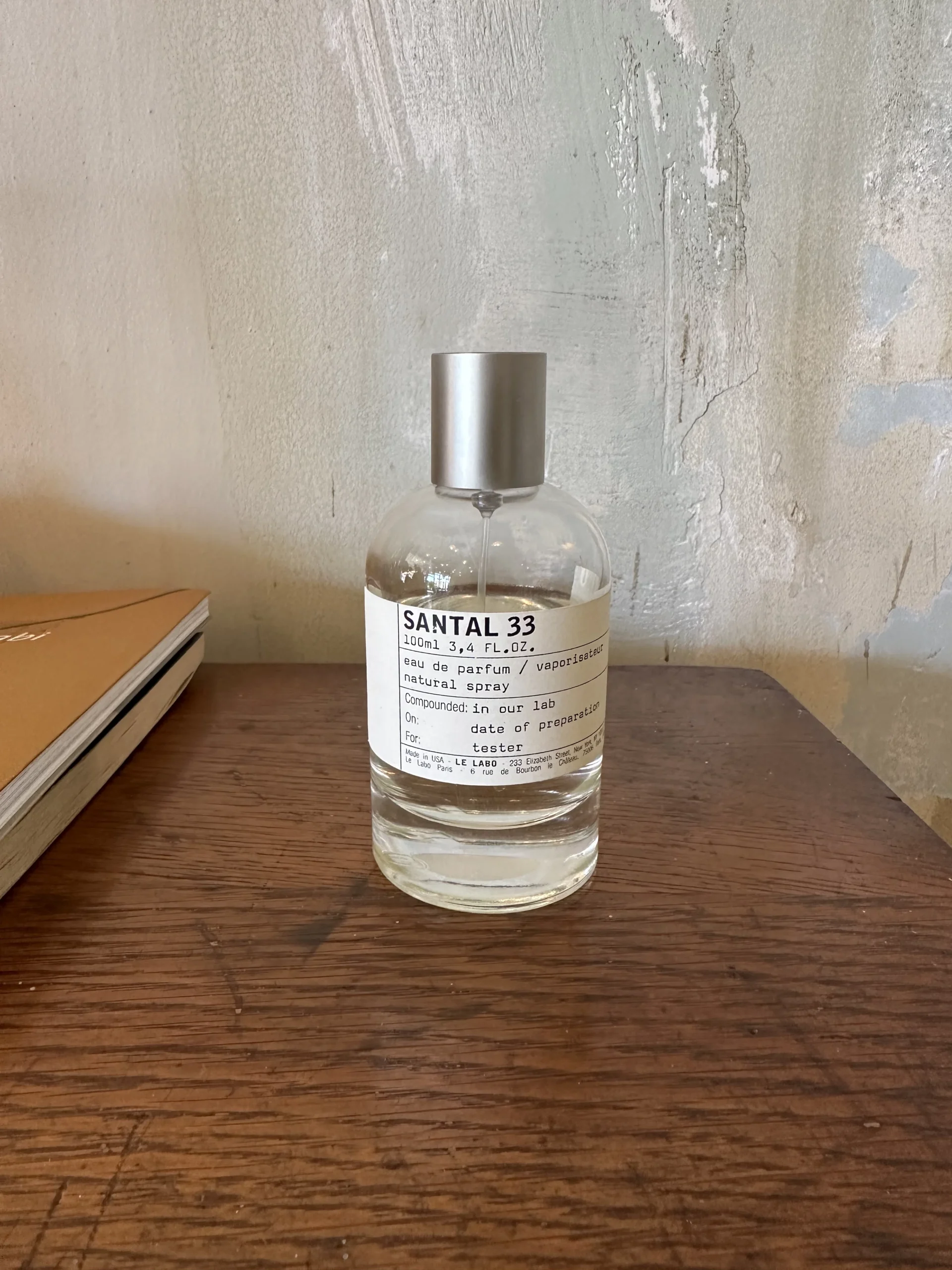
Breaking Down Santal 33 Ingredients: 5 Key Components
When I talk about santal 33 ingredients, I am not talking about a full laboratory formula or a disclosed manufacturing recipe. Like most fine fragrances, the exact formula is proprietary. What I can break down, however, is the publicly known note structure, the way those notes behave on skin, and why this sandalwood-centered scent profile has become so recognizable in modern perfumery.
For me, understanding santal 33 ingredients starts with one simple idea: this fragrance does not smell iconic because of one single note. It works because dry woods, creamy sandalwood, airy florals, spice, leather, musk, and amber-like materials are balanced in a way that feels both clean and smoky, both soft and rugged, both familiar and distinctive.
In this guide, I am breaking down santal 33 ingredients through five key components: sandalwood, cedarwood, cardamom, iris-violet florals, and the musky leather-amber drydown. I will also share how I evaluate this scent family from a real-wear perspective, what each component contributes, and how to choose a high-quality inspired option from imixx perfume if you love the profile but want a more accessible way to wear it.
Quick Take: What Makes This Scent Profile So Recognizable?
The signature character comes from a dry, creamy sandalwood effect supported by cedarwood, cardamom spice, soft powdery florals, and a musky leather-amber finish. The result feels minimalist, woody, slightly smoky, and gender-neutral without becoming too sweet or too heavy.
My First-Person Impression of the Scent Structure
The first time I paid close attention to this scent profile, I understood why people describe it in such different ways. Some people notice creamy wood immediately. Others get pencil shavings, clean paper, soft leather, spice, or even a slightly mineral freshness. That split reaction is part of what makes the composition interesting.
On my skin, the opening feels dry and aromatic rather than sweet. Cardamom gives it a cool-spiced lift, while cedarwood and sandalwood quickly create the recognizable woody backbone. As it settles, the floral side becomes more noticeable, especially the powdery iris-violet effect. Later, the musky leather impression gives it warmth and staying power.
I do not experience this type of fragrance as a simple “sandalwood perfume.” It is more like a full atmosphere: warm wood, clean fabric, dry spice, soft smoke, and skin-like musk. That is why people often associate it with hotel lobbies, boutiques, creative studios, or polished urban minimalism. It smells personal, but it also creates a room-like aura.
Important Note: Ingredients vs. Notes vs. Accords
Before breaking down the five key components, I want to make an important distinction. In fragrance writing, people often use the word “ingredients” casually, but perfume brands usually disclose notes, not the complete formula. A note is what the fragrance is designed to smell like. An accord is a blended effect created from multiple materials. An ingredient is an actual raw material or aroma molecule used in the formula.
That means when I discuss sandalwood, cedarwood, cardamom, iris, violet, leather, musk, and amber-style effects, I am describing the scent architecture rather than claiming access to the exact hidden formula. The official fragrance description highlights cardamom, iris, violet, sandalwood, cedarwood, leathery notes, and musky notes, while retailers and reviewers often discuss similar note impressions.
For readers who want to understand fragrance terminology more deeply, I recommend checking brand information directly from Le Labo’s official product page, broad fragrance education from Cosmetics Info, and ingredient safety context from IFRA. I use references like these to separate marketing language from practical fragrance interpretation.
Article Table: 5 Key Components Behind the Scent Profile
| Key Component | What It Smells Like | Role in the Fragrance | Why It Matters |
|---|---|---|---|
| Sandalwood | Creamy, woody, soft, warm, slightly milky | Forms the central woody identity | Gives the scent its smooth, addictive backbone |
| Cedarwood | Dry, pencil-like, crisp, structured | Adds sharpness and architectural dryness | Prevents the sandalwood from feeling too creamy or heavy |
| Cardamom | Cool, spicy, aromatic, slightly green | Brightens the opening | Creates the first impression and gives movement |
| Iris and Violet | Powdery, floral, clean, papery | Softens the woods and adds elegance | Makes the fragrance feel refined rather than purely rugged |
| Leather, Musk, and Amber-Like Drydown | Warm, skin-like, smoky, sensual, lasting | Anchors the base | Gives depth, longevity, and the signature close-to-skin trail |
Component 1: Sandalwood as the Creamy Woody Core
Sandalwood is the emotional center of this scent profile. When I smell the composition after the opening settles, sandalwood is what gives it that smooth, warm, creamy character. It is not sugary, edible, or syrupy. Instead, it feels soft, polished, and quietly sensual.
In perfumery, sandalwood is prized because it can make a fragrance feel rounded and expensive. It can soften sharp edges, extend the drydown, and create a warm background that works beautifully with spice, florals, musk, and leather. In this scent family, sandalwood does not act alone. It is supported by drier woods and musky materials, which keep the fragrance from becoming too soft or lotion-like.
What I find most interesting is the contrast between creaminess and dryness. A purely creamy sandalwood scent can feel cozy, almost like a soft body cream. Here, the sandalwood has a more structured personality. It feels clean, slightly smoky, and modern. That is one reason the scent works across seasons and styles. It can feel casual with a white T-shirt, polished with a blazer, and intimate in the evening.
Knowledge Point: Why Sandalwood Feels “Smooth”
Sandalwood-style materials often create a soft, rounded woody impression. In a composition like this, that smoothness helps connect the brighter spice opening to the warmer musky base, making the fragrance feel seamless rather than separated into obvious stages.
How Sandalwood Performs on Skin
On my skin, sandalwood tends to become more noticeable after the first 20 to 40 minutes. The opening may feel spicy and dry, but the heart becomes warmer and smoother. This is when the fragrance starts to feel more personal. It is no longer just a cloud of wood and spice; it becomes a skin scent with a soft aura.
Skin chemistry matters here. On some people, the sandalwood effect becomes creamy and elegant. On others, the cedar and leather sides may dominate. That explains why some wearers describe the fragrance as warm and inviting while others find it sharp, dry, or even challenging.
Component 2: Cedarwood for Dryness, Structure, and Lift
Cedarwood is the component that gives the fragrance its clean, dry architecture. When I smell the early and middle stages, cedarwood is what creates the pencil-shaving, freshly cut wood, and crisp paper effect. It makes the composition feel more structured and less creamy.
Without cedarwood, the sandalwood might feel too smooth or too soft. Cedar adds tension. It gives the scent vertical lift, almost like a clean wooden frame around a softer interior. This is one reason the fragrance can feel minimalist and modern instead of heavy or traditional.
I also think cedarwood helps explain why this scent profile feels so gender-neutral. It does not lean into syrupy sweetness, tropical creaminess, or heavy floral romance. Cedar keeps the fragrance dry, architectural, and wearable for many personal styles.
The Pencil-Shaving Effect
Many people describe this kind of cedar-sandalwood blend as smelling like pencil shavings. I understand that description, but I do not see it as negative. In the right balance, that dry pencil-like effect can smell clean, nostalgic, and sophisticated. It gives the fragrance a tactile quality, as if you can almost feel the grain of the wood.
In my experience, this dry wood effect is strongest during the first hour. Later, the scent softens into musk, leather, and creamy woods. That evolution is part of the appeal. It starts crisp and defined, then becomes warmer and more intimate.
Component 3: Cardamom for Cool Spice and First Impression
Cardamom is one of the most important opening elements. It gives the fragrance a cool-spicy brightness that keeps the woods from feeling flat. I notice it as a green, aromatic, slightly peppery lift rather than a warm baking spice.
This matters because woody fragrances can sometimes feel dense from the first spray. Cardamom creates movement. It gives the scent an opening spark, making the first impression feel alive and slightly surprising. It also helps bridge the gap between dry woods and powdery florals.
When I test sandalwood-centered fragrances, I always pay attention to the spice balance. Too much spice can make the scent feel harsh. Too little spice can make it feel dull. In this scent profile, cardamom works because it adds air without turning the fragrance into a typical spicy cologne.
Wear-Test Note
When I wear this scent style, I usually notice cardamom most clearly in the first 10 to 30 minutes. After that, it becomes less obvious, but it still shapes the fragrance by keeping the woods crisp and slightly aromatic.
Why Cardamom Makes the Scent Feel Modern
Cardamom gives the fragrance a contemporary edge because it avoids old-fashioned heaviness. Instead of smelling like a classic amber or dense oriental-style composition, the opening feels spacious. It has enough spice to be memorable but enough dryness to stay clean.
This is one of the reasons I think the scent became so widely adopted by people who usually avoid traditional perfume categories. It does not announce itself as a floral, a sweet gourmand, or a conventional masculine cologne. It opens with something more abstract: cool spice over dry wood.
Component 4: Iris and Violet for Powdery Softness
Iris and violet are subtle but essential. Without them, the composition could feel too woody, too smoky, or too leathery. These floral notes add a powdery, papery softness that makes the fragrance feel more refined.
I do not smell the floral side as a bouquet. It does not feel like fresh roses, white flowers, or a garden. Instead, the floral impression is abstract and textural. It reminds me of clean paper, soft suede, cosmetic powder, and a faintly violet haze.
This powdery floral layer is one of the reasons the fragrance feels elegant. It softens the sharpness of cedarwood and gives sandalwood a more polished finish. It also helps the scent feel wearable in professional settings because it adds cleanliness without turning soapy.
Iris vs. Violet: What Each One Adds
Iris often brings a refined, powdery, slightly rooty elegance. Violet can add a soft floral sweetness, a clean purple-toned effect, or a papery freshness. Together, they create a delicate layer that floats above the woods.
When I smell this scent style, I do not separate iris and violet as two obvious flowers. I experience them as a shared softness. They are like a thin fabric draped over cedar and sandalwood, making the woods feel smoother and more intimate.
Component 5: Leather, Musk, and Amber-Like Materials in the Drydown
The drydown is where the fragrance becomes most sensual. Leather, musk, and amber-like materials create warmth, depth, and staying power. This is also where the scent starts to feel more personal, because the base interacts strongly with skin chemistry.
The leather effect is not the smell of a heavy leather jacket or smoky saddle room. To me, it is smoother and more abstract. It adds a suede-like warmth, a faint animalic edge, and a sense of lived-in texture. Musk gives the fragrance a skin-like softness, while amber-like materials can add a warm, diffusive glow.
This base is important because it keeps the fragrance from disappearing too quickly. Woody notes can be long-lasting, but the musky leather-amber drydown gives the scent a lingering trail. It is the part people often notice hours later on clothing, scarves, or skin.
Knowledge Point: Why the Drydown Feels So Personal
Musk and leather-style accords often sit close to the skin. They can smell slightly different from person to person, which is why this fragrance profile may feel creamy on one wearer, dry on another, and smoky or musky on someone else.
How the 5 Components Work Together
The magic of this scent profile is not simply that it contains sandalwood, cedarwood, cardamom, iris, violet, leather, and musk. The magic is in the tension between them.
Sandalwood gives softness. Cedarwood gives dryness. Cardamom gives lift. Iris and violet give powdery elegance. Leather and musk give warmth and sensuality. Each component corrects or balances another. If the sandalwood feels too creamy, cedar sharpens it. If the cedar feels too dry, florals soften it. If the base feels too warm, cardamom and clean woods keep it airy.
That balance is why the fragrance feels simple at first but complex over time. It is not loud in a traditional way. It does not rely on obvious sweetness or a dramatic floral heart. Instead, it creates a memorable signature through texture: creamy, dry, spicy, powdery, leathery, and musky all at once.
Product Comparison Cards: Understanding the Wear Experience
Original Scent Profile
Best for: People who want the benchmark sandalwood, cedarwood, cardamom, floral, leather, and musk profile.
What I notice: A dry-spicy opening, creamy woods in the heart, and a musky leather drydown.
Wear style: Minimalist, polished, modern, and gender-neutral.
imixx perfume Inspired Interpretation
Best for: People who love the recognizable woody-spicy profile and want a more accessible everyday option.
What I look for: A strong sandalwood-cedar backbone, a clear cardamom lift, and a smooth musky drydown that does not become too sweet.
Wear style: Easy to wear daily, especially for work, casual outings, and clean evening looks.
Who Should Choose This Scent Family?
Best for: Wearers who enjoy woody, dry, clean, slightly smoky, and skin-like fragrances.
Who may not love it: People who prefer very sweet, fruity, aquatic, or bright citrus perfumes.
My recommendation: Test it on skin before judging it from paper, because the musky and woody drydown can change significantly after the first hour.
How I Evaluate Quality in a Sandalwood-Inspired Fragrance
When I evaluate a fragrance inspired by this scent family, I do not expect it to copy every molecule. What I care about is whether it captures the experience: dry wood, creamy sandalwood, cool spice, powdery softness, and a musky leather finish.
The first thing I test is the opening. A good version should not smell like harsh alcohol for too long. After the first few minutes, I want to notice cardamom-like spice and clean dry woods. The opening should feel crisp, not sour or muddy.
The second thing I test is the heart. This is where sandalwood and cedarwood should feel balanced. If the scent becomes too sharp, it may lack creaminess. If it becomes too creamy, it may lose the dry modern identity. The best versions keep both sides in tension.
The third thing I test is the drydown. This is where cheaper woody fragrances can fall apart. I look for a smooth musky base, a soft leather-like warmth, and a lingering woody trail. I do not want the drydown to turn overly synthetic, sugary, or flat.
Why This Scent Became a Modern Signature
I believe this fragrance profile became popular because it fits modern taste in a very specific way. It feels distinctive without being overly decorative. It smells luxurious without depending on obvious sweetness. It is gender-neutral without feeling bland. It has enough projection to be noticed, but it can also feel intimate when worn lightly.
Another reason it became a signature scent is that it works as a lifestyle fragrance. Some perfumes smell like an occasion. This one smells like an identity. It can feel like clean design, soft leather, polished wood, and quiet confidence. That makes it appealing to people who want a fragrance that feels personal but not overly romantic, sporty, or traditional.
From an SEO and consumer education perspective, this is also why people search for the ingredient breakdown. They are not only asking what the notes are. They are trying to understand why the scent feels so recognizable and why it performs differently from other sandalwood fragrances.
Common Misunderstandings About the Ingredient Profile
Misunderstanding 1: It Is Only a Sandalwood Fragrance
Sandalwood is central, but the scent would not be the same without cedarwood, cardamom, florals, leather, and musk. Calling it only a sandalwood fragrance oversimplifies the structure.
Misunderstanding 2: The Floral Notes Make It Feminine
I do not find the iris and violet effect traditionally feminine here. The florals are powdery and textural, not sweet or bouquet-like. They add polish rather than a floral personality.
Misunderstanding 3: Leather Means Heavy or Animalic
The leather impression is more like soft suede or warm skin than a heavy leather jacket. It supports the base without overpowering the woods.
Misunderstanding 4: A Stronger Version Is Always Better
Projection is not the only sign of quality. With this scent family, balance matters more. If the fragrance becomes too loud, it may lose the clean, intimate elegance that makes the profile appealing.
How to Wear This Scent Profile
I like this scent style most when it is applied with restraint. Two to four sprays are usually enough for daily wear, depending on concentration and skin type. Because the drydown can linger on fabric, I recommend being careful with scarves, jackets, and sweaters if you do not want the scent to stay for days.
For daytime, I prefer wearing it with clean, simple outfits because the scent already has a strong identity. For evening, it pairs well with darker clothing, leather textures, or minimalist styling. It is not a fragrance that needs much help. It creates its own atmosphere.
Seasonally, I find it most comfortable in fall, winter, and cool spring weather. In summer, I would wear it lightly, especially indoors or at night. Heat can amplify the musky and woody base, so a lighter hand works better.
Who Will Enjoy This Ingredient Style Most?
You will probably enjoy this scent family if you like woody perfumes, clean musks, soft leather, dry spice, and fragrances that feel stylish without smelling overly sweet. It is also a strong choice if you want something gender-neutral and recognizable but still refined.
You may not enjoy it if you prefer fresh citrus, watery aquatics, sugary vanilla, tropical fruits, or very bright florals. This profile is dry, woody, and musky. It has warmth, but it is not a dessert fragrance. It has florals, but it is not a floral bouquet.
For me, the best way to appreciate it is to wear it for a full day. The first spray does not tell the whole story. The drydown is where the fragrance becomes softer, warmer, and more personal.
My Final Thoughts
After breaking down the five key components, I understand the appeal of this scent profile even more clearly. Sandalwood gives it creaminess. Cedarwood gives it structure. Cardamom gives it brightness. Iris and violet give it powdery elegance. Leather, musk, and amber-like materials give it warmth and longevity.
What makes the fragrance memorable is not one isolated note but the way these components work together. It feels clean but smoky, soft but dry, simple but layered. That balance is difficult to achieve, which is why people continue to search for ingredient explanations, comparisons, and high-quality inspired options.
If you love this woody-spicy style and want an accessible way to experience it, I would look for an imixx perfume interpretation that respects the sandalwood-cedar backbone, keeps the cardamom opening crisp, and finishes with a smooth musky leather drydown. That is the combination that makes this scent family so recognizable and so wearable.
Key-Points FAQ
What are the main notes in this fragrance profile?
The main publicly discussed notes include sandalwood, cedarwood, cardamom, iris, violet, leather, and musk. These notes create a dry, creamy, spicy, powdery, and musky woody scent.
Is sandalwood the most important component?
Yes, sandalwood is the core identity, but it does not work alone. Cedarwood, cardamom, florals, leather, and musk shape the final scent and make it more complex.
Why does it smell different on different people?
Skin chemistry, body temperature, climate, and application amount can change how the woody, musky, and leather notes develop. Some people get more creaminess, while others notice more dryness or spice.
Is this scent profile masculine or feminine?
I consider it gender-neutral. The dry woods and leather create structure, while the powdery florals and musk add softness. It does not fit neatly into only one traditional category.
What should I look for in an inspired version?
Look for a balanced sandalwood and cedarwood base, a noticeable cardamom opening, soft powdery florals, and a smooth musky leather drydown. A good version should feel polished, not harsh or overly sweet.