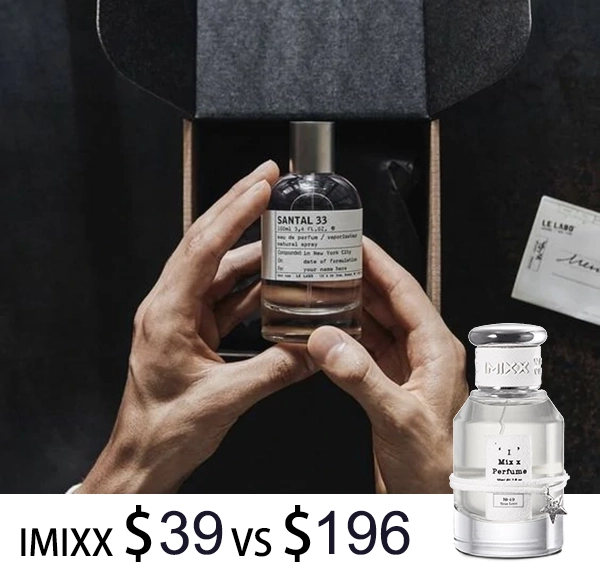

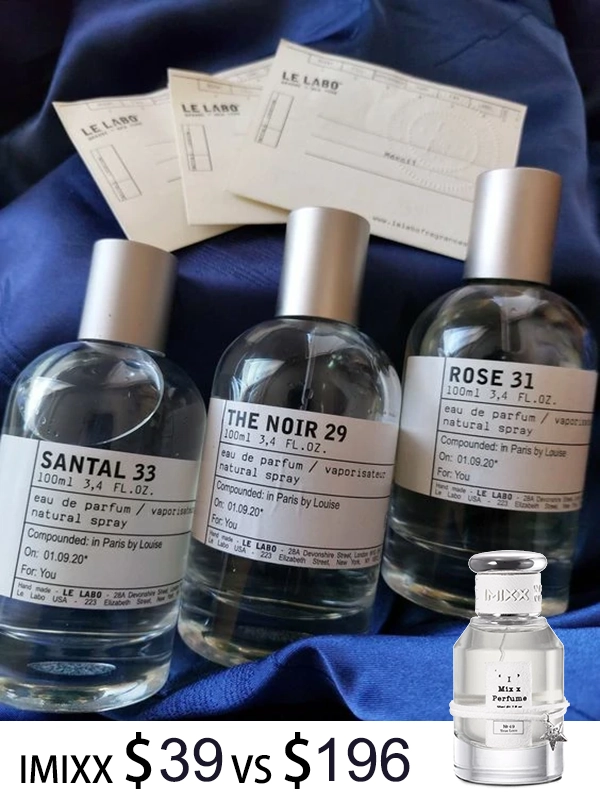
Exploring the Popularity of santal.33: 5 Key Insights
I still remember the first time I noticed santal.33 in real life. It was not on a fragrance counter, not in a glossy ad, and not during a formal perfume consultation. It was in the air around someone walking past me: warm, woody, slightly smoky, a little creamy, and strangely familiar even though I could not name it yet. Later, when I began paying closer attention to modern niche fragrances, I realized that santal.33 had become more than a perfume people wear. It had become a cultural signal.
What fascinates me most is not only that this scent became popular, but how it stayed popular. Many fragrances have a viral moment. A few become bestsellers. Far fewer turn into reference points that people use to describe an entire style of scent. This fragrance sits in that rare category. It helped make creamy sandalwood, dry woods, leather-like textures, and minimalist luxury feel relevant to people who may never have thought of themselves as fragrance collectors.
In this article, I want to explore the popularity of santal.33 from a practical, human-centered point of view. I will look at the scent profile, the emotional appeal, the social media effect, the role of niche branding, and the reason so many people search for alternatives that capture a similar mood. I will also share my own way of evaluating whether this style of fragrance is worth buying, how I compare similar scent profiles, and what I believe shoppers should know before choosing a bottle.
Knowledge Point: Why This Topic Matters
A fragrance like this is not popular only because of its ingredients. It is popular because it connects scent, identity, memory, design, price perception, and social recognition. When I evaluate a perfume through an E-E-A-T lens, I look at real experience, ingredient transparency, brand positioning, user intent, and whether the recommendation helps someone make a confident decision.
Article Table: Quick Overview of the 5 Key Insights
| Key Insight | What It Means | Why It Helps Shoppers |
|---|---|---|
| 1. Signature sandalwood identity | The scent feels woody, creamy, dry, and slightly smoky. | It helps shoppers understand whether they like modern woods. |
| 2. Gender-neutral appeal | It avoids a strictly masculine or feminine identity. | It works for people who prefer flexible, personal fragrances. |
| 3. Minimalist luxury branding | The label, bottle, and boutique experience feel understated. | It explains why the fragrance feels exclusive without being loud. |
| 4. Social recognition | Many people recognize the scent in public spaces. | It helps buyers understand why compliments and familiarity matter. |
| 5. Demand for accessible alternatives | Shoppers want a similar mood without always paying luxury pricing. | It supports smarter comparison shopping based on value and wearability. |
My First Impression: Why This Scent Feels So Recognizable
When I smell santal.33, the first thing I notice is the contrast. It feels smooth and rough at the same time. The sandalwood impression gives it warmth and creaminess, but the dry woody structure keeps it from becoming too sweet. There is also a leathery, smoky edge that makes it feel urban rather than purely natural. To my nose, that balance is the first reason it became so recognizable.
Many bestselling perfumes are easy to enjoy because they are sweet, fresh, floral, or clean. This one became famous for a different reason: it feels textured. It has personality. It does not smell like a simple room spray, a basic cologne, or a predictable designer fragrance. It smells like a mood. That mood is part cabin, part studio apartment, part expensive hotel lobby, and part worn leather jacket.
I believe this is why so many people remember it after smelling it once. The scent profile has a strong identity. Even when someone does not know the official note pyramid, they often describe it with emotional words: cozy, smoky, cool, intimate, expensive, dry, creamy, or mysterious. That emotional vocabulary matters for SEO and for real shoppers, because people often search for perfumes based on how they want to feel rather than on ingredient names alone.
Why Sandalwood Works So Well in Modern Fragrance
Sandalwood has a long history in perfumery because it can add warmth, softness, and depth. It often acts like a bridge between sharper notes and smoother base notes. In a fragrance built around a sandalwood-style profile, the result can feel comforting without becoming sugary. According to Britannica, sandalwood is valued for its fragrant wood and essential oil, which helps explain why the material has such a strong association with warmth, ritual, and luxury.
From my perspective, sandalwood’s strength is its flexibility. It can feel meditative, clean, creamy, smoky, or sensual depending on what surrounds it. In this fragrance style, the sandalwood effect is not presented as soft background warmth. It becomes the main character. That gives the perfume a distinctive identity that people can recognize even when they are not fragrance experts.
Knowledge Point: Sandalwood Is Not Always Sweet
Many new fragrance buyers expect sandalwood to smell creamy and sweet. In reality, sandalwood-style fragrances can be dry, smoky, milky, dusty, leathery, or even pencil-shaving-like. That complexity is one reason this scent profile feels more sophisticated than a simple warm perfume.
Insight 1: The Scent Profile Feels Distinct Without Being Difficult
The first key insight is that santal.33 became popular because it is distinctive but still wearable. Some niche fragrances are admired by enthusiasts but feel too experimental for everyday use. Others are easy to wear but not memorable. This fragrance sits in the middle. It has enough uniqueness to stand out, but it is not so strange that it becomes unapproachable.
When I wear or test fragrances in this family, I pay attention to four stages: the opening, the heart, the drydown, and the scent trail. The opening usually feels sharper and more aromatic. The heart becomes woodier and creamier. The drydown is where the smooth sandalwood-like warmth and leathery dryness settle into the skin. The scent trail is often what makes people turn their heads.
That scent trail is important. A fragrance can smell beautiful up close but disappear too quickly to make an impression. On the other hand, a fragrance can project too aggressively and become overwhelming. The popularity of this style comes from its ability to feel noticeable without always feeling loud. It can be intimate, but it can also create a recognizable aura around the wearer.
What I Smell in the Structure
I experience the scent as a blend of dry woods, creamy sandalwood, soft spice, subtle smoke, and a leather-like texture. It is not a dessert fragrance. It is not a fresh aquatic. It is not a typical blue cologne. It is closer to a modern woody signature scent. That makes it appealing to people who want something polished but not overly formal.
There is also a certain dryness that keeps the fragrance from feeling too heavy. This dryness gives it a clean edge, but not in the usual laundry-musk way. Instead, it feels clean because it is structured, airy, and controlled. That is one reason people wear it to offices, dinners, creative workspaces, and casual weekends.
Why It Feels Personal
Another reason this fragrance became popular is that it behaves differently on different people. Skin chemistry, temperature, humidity, and application amount can change how woody, smoky, or creamy it feels. On some people, the leathery side is more noticeable. On others, the creamy sandalwood effect becomes smoother and softer. This variation makes the fragrance feel personal, which strengthens emotional attachment.
From an E-E-A-T perspective, I think it is important to be honest about that. No review can promise exactly how a perfume will smell on every person. The best advice is to test a scent on skin, wear it for several hours, and pay attention to the drydown. A quick paper strip impression can help, but it does not tell the whole story.
Insight 2: Gender-Neutral Fragrance Helped It Reach a Wider Audience
The second key insight is that santal.33 became popular during a broader shift toward gender-neutral fragrance. Many shoppers no longer want scent choices divided into strict “for him” and “for her” categories. They want fragrances that match personality, mood, setting, and style. This scent fits that shift perfectly.
To my nose, it does not rely on traditional gender coding. It is not built around a sugary floral bouquet, nor is it built around a heavy aftershave-style freshness. The woody, smoky, leathery, and creamy qualities make it feel balanced. That balance allows different people to interpret it in their own way.
This is one of the reasons I see it discussed so often in fragrance communities. People recommend it as a signature scent, a shared fragrance between partners, a minimalist wardrobe staple, or a scent for people who dislike obvious perfume. It gives shoppers permission to choose based on taste rather than category.
Why Gender-Neutral Does Not Mean Plain
Sometimes people assume that gender-neutral perfume must be simple, soft, or barely noticeable. I disagree. The best gender-neutral fragrances often have strong character. They simply avoid leaning too heavily into old marketing rules. This fragrance proves that a scent can feel bold and flexible at the same time.
That flexibility also supports everyday wear. I can imagine this style with denim, a black blazer, a white T-shirt, a wool coat, or a clean button-down shirt. It does not demand a specific outfit. It adapts to the wearer’s personal style, which is a major advantage for people who want one reliable signature scent.
Knowledge Point: What “Gender-Neutral” Means in Fragrance
In practical shopping terms, gender-neutral usually means the fragrance is marketed and composed to feel wearable across personal styles rather than fixed gender categories. It does not mean the scent lacks strength, identity, or sensuality.
Insight 3: Minimalist Luxury Made the Fragrance Feel Like a Lifestyle
The third key insight is that popularity did not come from scent alone. The branding helped shape the experience. Minimalist packaging, simple labels, boutique-style presentation, and an artisanal feel all made the fragrance feel like part of a lifestyle. It did not look like a typical celebrity perfume or a department-store blockbuster. It looked personal, almost custom.
When shoppers buy fragrance, they are rarely buying only liquid in a bottle. They are buying identity, atmosphere, and confidence. A minimalist bottle on a dresser communicates a certain taste. It says the wearer values design, restraint, and quality. Whether or not every shopper consciously thinks about that, branding plays a powerful role in how a perfume is perceived.
That perception matters because luxury today is often quieter than it used to be. Many people no longer want obvious logos or loud status symbols. They want something that feels insider, curated, and intimate. A fragrance with a clean label and a strong scent identity fits perfectly into that desire.
The Boutique Effect
The boutique experience also contributes to the mythology. When a fragrance is associated with careful blending, personalized labels, and a focused retail environment, the buyer feels closer to the product. This sense of craft can make the purchase feel more meaningful than simply grabbing a bottle from a crowded shelf.
Of course, branding should never replace quality. A beautiful label cannot save a scent someone does not enjoy. But strong branding can help a good fragrance become memorable. In this case, the scent and the presentation worked together. The bottle looked understated, while the fragrance smelled unmistakable.
Why Minimalism Works for SEO and Buyer Intent
From a search perspective, people often look for terms like “minimalist fragrance,” “best sandalwood perfume,” “signature scent,” “niche perfume,” and “unisex woody fragrance.” These searches reveal intent. Shoppers are not always looking for a technical ingredient breakdown. They are often looking for a scent that fits a self-image. This is why content about santal.33 should not only describe notes; it should explain lifestyle relevance, wearability, and decision-making.
That is also why I focus on human-centered language. A shopper wants to know: Will this smell good on me? Will it last? Will people notice it? Is it worth the price? Can I wear it daily? Does it feel too common now? These are practical questions, and a helpful article should answer them directly.
Insight 4: Social Recognition Turned It Into a Modern Fragrance Icon
The fourth key insight is social recognition. Some fragrances become popular because people discover them privately. Others become popular because people talk about them publicly. This fragrance belongs strongly to the second group. It has been discussed in beauty content, fashion circles, workplace conversations, social media posts, and fragrance forums.
When a scent becomes recognizable, it gains a new kind of power. People are not only wearing it because they enjoy it. They are wearing it because it communicates something familiar. In some cities and creative industries, it became almost a scent uniform. That can be a compliment or a criticism, depending on how someone feels about popularity.
Personally, I think this tension is part of what keeps the fragrance interesting. Some people love that it is recognizable. Others worry that it has become too common. Both reactions prove the same point: the scent has cultural presence. Most perfumes never reach that level of recognition.
The Compliment Factor
One reason people continue searching for this fragrance is the compliment factor. Woody, creamy, and slightly smoky scents often create a memorable trail. They can feel close to the skin but still noticeable to others. When someone receives compliments, the fragrance becomes tied to confidence and positive feedback.
However, I always recommend keeping expectations realistic. Compliments depend on environment, application, personal chemistry, and the people around you. A fragrance should first make you feel good. Compliments are a bonus, not the only measure of value.
Why Popularity Can Be Both Good and Bad
Popularity makes a fragrance easier to trust. If many people enjoy a scent, new shoppers may feel more comfortable trying it. But popularity can also make a fragrance feel less unique. This is especially true for people who want a signature scent that no one else around them wears.
My view is simple: if a fragrance genuinely suits you, popularity should not automatically disqualify it. Style is personal. A well-known scent can still feel individual when it fits your skin, your wardrobe, and your daily life. At the same time, if you want a similar mood with a different price point or slightly different performance, it makes sense to compare alternatives carefully.
Insight 5: The Search for Smart Alternatives Is Part of the Story
The fifth key insight is that the demand for alternatives has become part of the fragrance’s popularity. When a scent becomes iconic, shoppers naturally look for ways to access the same mood at a more comfortable price. That does not mean they want a cheap-smelling fragrance. It means they want value, performance, and a scent profile that fits their lifestyle.
This is where imixx perfume enters the conversation for many shoppers. A well-made inspired fragrance can be useful when someone loves the general style of creamy sandalwood, dry woods, and soft smoky texture but does not want to commit to a luxury price immediately. For me, the key is not only similarity. The key is whether the fragrance feels balanced, wearable, and satisfying on skin.
I also believe shoppers should compare fragrances honestly. A luxury original may offer a specific brand experience, while a high-quality inspired option may offer stronger accessibility. The right choice depends on priorities: budget, longevity, projection, packaging, daily use, and how close the scent needs to feel to the familiar profile.
How I Evaluate an Inspired Sandalwood Fragrance
When I compare an inspired fragrance in this family, I look at five things. First, I check whether the opening feels harsh or balanced. Second, I evaluate whether the sandalwood-style heart feels creamy and woody rather than flat. Third, I test the drydown because that is where quality becomes clearer. Fourth, I observe longevity over several hours. Fifth, I consider whether I would actually wear it in real life.
This practical testing matters because a fragrance can smell similar in the first five minutes but become very different after two hours. The drydown is where many woody fragrances reveal their true character. A good alternative should not only copy the first impression. It should maintain a pleasant, wearable structure from opening to finish.
Product Comparison Cards: How I Compare Popular Buying Options
Option 1: Luxury Original Style
Best for: Shoppers who want the complete boutique and brand experience.
Scent direction: Dry sandalwood, soft spice, leathery woods, smoky warmth, and a recognizable niche signature.
Pros: Iconic identity, strong recognition, premium presentation, and established reputation.
Considerations: Higher price point and wider public recognition may make it feel less unique to some wearers.
Option 2: imixx perfume Inspired Interpretation
Best for: Shoppers who want a similar sandalwood mood with stronger value and daily-wear practicality.
Scent direction: Creamy woods, warm drydown, soft smoky character, and a wearable unisex profile.
Pros: More accessible pricing, easy to wear often, and useful for people testing the scent family before committing to luxury pricing.
Considerations: The overall experience may differ from the boutique presentation of the luxury original.
Option 3: Other Woody Sandalwood Fragrances
Best for: Shoppers who enjoy sandalwood but want a different personality.
Scent direction: Can range from creamy and milky to spicy, resinous, smoky, or clean.
Pros: More variety and a better chance of finding something less recognizable.
Considerations: Not every sandalwood fragrance captures the same dry, leathery, urban character.
How santal.33 Fits Into the Larger Fragrance Market
The popularity of santal.33 also makes more sense when I look at the fragrance market as a whole. Fragrance has become one of the most emotionally driven beauty categories. People are not only buying scent for special occasions. They are buying fragrance for self-expression, mood-setting, comfort, and identity.
Industry coverage from McKinsey has pointed to fragrance as a growing beauty sector, with fragrance expected to remain a major category in the global beauty market. That broader momentum helps explain why a recognizable woody niche scent could move beyond fragrance enthusiasts and reach mainstream shoppers.
The rise of social media also changed how people discover perfume. In the past, many shoppers found fragrance through department stores, magazines, or personal recommendations. Now, people discover scents through short videos, aesthetic photos, review blogs, online communities, and “signature scent” lists. A fragrance with a strong story and recognizable identity is naturally suited to that environment.
Why Niche Fragrance Became More Mainstream
Niche fragrance used to feel intimidating to many shoppers. It was associated with higher prices, unusual notes, and specialized boutiques. Today, niche fragrance language has become more common. Shoppers talk about projection, sillage, drydown, layering, dupes, extrait concentration, and note breakdowns with much more confidence than they did a decade ago.
This shift helps explain why santal.33 could become a mainstream reference point while still keeping a niche identity. It gave people an accessible entry into a more sophisticated scent vocabulary. Even people who do not collect perfumes may know what it means when someone says they want a “Santal-style” woody scent.
Is It Still Worth Wearing If It Is So Popular?
This is one of the most common questions I hear about santal.33. My answer is yes, if it genuinely suits you. Popularity alone should not stop anyone from wearing a fragrance they love. A white shirt, a leather jacket, or a pair of classic sneakers can be popular and still look great when styled well. Fragrance works in a similar way.
That said, I understand why some people hesitate. If you live in a city where many people wear the same scent, it may not feel as personal. If your goal is to smell completely unique, you may want to explore nearby woody fragrances or inspired options with slight differences. But if your goal is to smell polished, warm, modern, and recognizable, the scent still has a strong case.
For me, the better question is not “Is it too popular?” The better question is “Does it work for my life?” If you enjoy the dry sandalwood profile, if it performs well on your skin, and if it matches your style, then it can still be a smart choice.
When I Think It Works Best
I think this scent profile works especially well in cooler weather, evening settings, creative workplaces, casual luxury environments, and moments when someone wants to feel composed without smelling overly formal. It can work year-round, but the woody warmth often feels especially satisfying in fall and winter.
Application matters. Because this style can be recognizable, I prefer a moderate approach. One to three sprays are often enough, depending on concentration and setting. In a close office or shared car, less is better. For outdoor evenings or cooler weather, a little more may work.
How to Test santal.33 Before Buying
Before buying santal.33 or any inspired sandalwood fragrance, I recommend testing it in a realistic way. Do not judge only from a paper strip. Spray it on skin, wear it for at least six hours, and notice how it changes. Pay attention to whether you enjoy the opening, the middle, and the final drydown.
I also recommend testing it in the environment where you plan to wear it. A perfume can feel amazing in a store and too strong in an office. It can feel soft indoors and more noticeable outdoors. Temperature, fabric, and skin moisture all affect the experience.
My Simple Testing Checklist
| Testing Step | What I Check | Why It Matters |
|---|---|---|
| First 10 minutes | Sharpness, smoke, spice, and initial woodiness | Some fragrances are polarizing only at the opening. |
| After 1 hour | Creaminess, balance, and comfort | The heart shows whether the scent is truly wearable. |
| After 4 hours | Drydown, softness, and skin chemistry | The drydown is what you live with the longest. |
| Full day impression | Longevity, compliments, and personal comfort | A fragrance should feel good beyond the first impression. |
Safety, Sensitivity, and Responsible Fragrance Use
A helpful fragrance review should include more than praise. It should also discuss responsible use. Fragrance is personal, but it is also shared with people nearby. I believe the best fragrance wearers are considerate. They understand that not everyone wants to experience a strong scent in a small room.
The U.S. Food and Drug Administration notes that fragrances are among common allergen categories found in some cosmetic products, which is a reminder that sensitivity can happen even with popular scents. For general consumer awareness, I recommend reviewing the FDA’s information on allergens in cosmetics, especially if you have sensitive skin or a history of fragrance reactions.
My practical advice is simple: patch test when appropriate, avoid spraying fragrance on irritated skin, do not overspray in shared spaces, and stop using any product that causes discomfort. A fragrance should add pleasure to your routine, not create problems for you or the people around you.
Knowledge Point: Fragrance Strength Is Contextual
A scent that feels perfect outdoors may feel too strong in an elevator. A fragrance that seems subtle to you may be more noticeable to someone sitting nearby. I always consider setting, temperature, and distance before applying more.
How I Would Choose Between the Original and an Inspired Option
If I were choosing between the luxury original and an inspired option from imixx perfume, I would start with my reason for buying. If I wanted the full boutique experience, the original bottle, and the emotional satisfaction of owning the exact luxury product, I would consider the original. If I wanted the scent mood for everyday use at a more accessible price, I would seriously consider the inspired option.
There is no single correct answer for every shopper. Some people value brand heritage above all. Others care more about performance per dollar. Some want a collector’s piece. Others want a reliable daily scent. The smartest choice is the one that matches your actual use case.
Buy the Luxury Original If…
You want the official brand experience, you love the bottle and label, you have tested it on skin, and you feel emotionally connected to the exact product. This is especially true if fragrance collecting is part of your lifestyle and you enjoy owning iconic bottles.
Consider imixx perfume If…
You love the woody sandalwood mood, want a more budget-conscious option, plan to wear it often, or are still deciding whether this scent family truly belongs in your wardrobe. An inspired option can be a practical way to enjoy the overall direction without treating every spray like an expensive decision.
Common Mistakes People Make When Buying santal.33
The first mistake is buying only because it is famous. A fragrance can be iconic and still not suit your skin or taste. I always encourage people to sample first when possible. Fame is useful for discovery, but personal testing should guide the final decision.
The second mistake is expecting universal compliments. Many people love this scent profile, but fragrance is subjective. Some may find it warm and elegant. Others may find it too dry, smoky, or familiar. That is normal. A good fragrance does not need unanimous approval.
The third mistake is overspraying. Because this scent style can have a recognizable trail, too much can feel heavy. I prefer controlled application, especially in professional or crowded environments.
The fourth mistake is ignoring the drydown. The opening is only one part of the experience. Woody fragrances often become smoother, dustier, creamier, or more leathery over time. The drydown should be the deciding factor.
The fifth mistake is assuming all sandalwood fragrances smell alike. They do not. Some are sweet and creamy. Some are smoky and dry. Some are spicy, resinous, powdery, or clean. Understanding those differences helps shoppers make better choices.
Who I Think Will Love This Scent Profile
I think santal.33 is most likely to appeal to people who enjoy woody scents, minimalist style, gender-neutral fragrance, and a balance of warmth and dryness. It is also a strong option for someone who wants a signature scent that feels modern rather than traditional.
It may be less ideal for people who prefer very sweet gourmands, bright citrus colognes, soft florals, or barely-there skin scents. It also may not satisfy someone who wants a completely unknown fragrance. The scent is famous, and that fame is part of the experience.
Best Occasions
I would wear this scent profile for dinner, dates, creative meetings, fall and winter days, city walks, casual luxury outfits, and situations where I want to smell composed but not overly polished. It is not limited to formal events. In fact, I think it works best when it feels slightly effortless.
Best Seasons
Fall and winter are the easiest seasons for this fragrance style because the woody warmth feels natural in cooler air. Spring can also work if applied lightly. In summer, I would be more careful, especially in humid weather, because smoky and woody notes can feel stronger in heat.
Why the Name Became Search-Friendly
From an SEO perspective, santal.33 is powerful because the name itself is memorable. It is short, specific, and easy to associate with a single scent identity. People search for it in many ways: review, dupe, alternative, smell like, notes, longevity, price, and whether it is worth it. That range of search intent shows how deeply the fragrance has entered consumer awareness.
Good content around this keyword should serve several types of readers. Some are beginners who want to know what it smells like. Some are comparison shoppers looking for value. Some are fragrance enthusiasts evaluating performance. Some are gift buyers who need a clear recommendation. A strong article should help all of them without sounding robotic or over-optimized.
That is why I use the keyword naturally. Keyword stuffing makes fragrance writing feel awkward and less trustworthy. A better approach is to answer real questions clearly, use related terms like sandalwood perfume and woody unisex fragrance, and provide useful comparisons that match shopper intent.
Final Verdict: Why santal.33 Remains Popular
After looking at the scent, branding, market timing, social recognition, and demand for alternatives, my conclusion is that santal.33 remains popular because it gives people a clear identity in a bottle. It smells modern, warm, woody, dry, and memorable. It feels gender-neutral without feeling plain. It carries luxury cues without relying on loud packaging. It is recognizable enough to be iconic and flexible enough to become personal.
I also think its popularity continues because it introduced many people to a more textured way of wearing fragrance. Instead of choosing something simply fresh, sweet, or floral, shoppers discovered that a woody scent could feel intimate, stylish, and emotionally expressive. That is a major reason this fragrance still appears in conversations about signature scents.
For shoppers, my advice is to approach it with both curiosity and practicality. Test the scent family on skin. Decide whether you want the luxury original experience or a more accessible inspired option from imixx perfume. Think about where you will wear it, how often you will use it, and whether the drydown feels like you. A fragrance is worth buying when it fits your life, not just when it is famous.
Key-Points FAQ About santal.33
What does santal.33 smell like?
To me, it smells like dry sandalwood, creamy woods, soft spice, subtle smoke, and a leathery warmth. It is woody, modern, and gender-neutral rather than sweet or traditionally floral.
Why is santal.33 so popular?
It became popular because it has a memorable scent profile, minimalist luxury branding, strong social recognition, and broad gender-neutral appeal. It feels distinctive while still being wearable.
Is santal.33 suitable for everyday wear?
Yes, it can be suitable for everyday wear if you enjoy woody fragrances and apply it moderately. I think it works especially well in cooler weather, creative workplaces, evening settings, and casual luxury environments.
Is santal.33 masculine or feminine?
I consider it gender-neutral. Its woody, smoky, creamy, and leathery qualities make it flexible across personal styles rather than tied to traditional masculine or feminine fragrance categories.
What is the best alternative if I want a similar scent mood?
If you want a similar sandalwood-inspired mood at a more accessible price, imixx perfume is a practical option to consider. I recommend comparing the opening, drydown, longevity, and overall wearability before choosing.