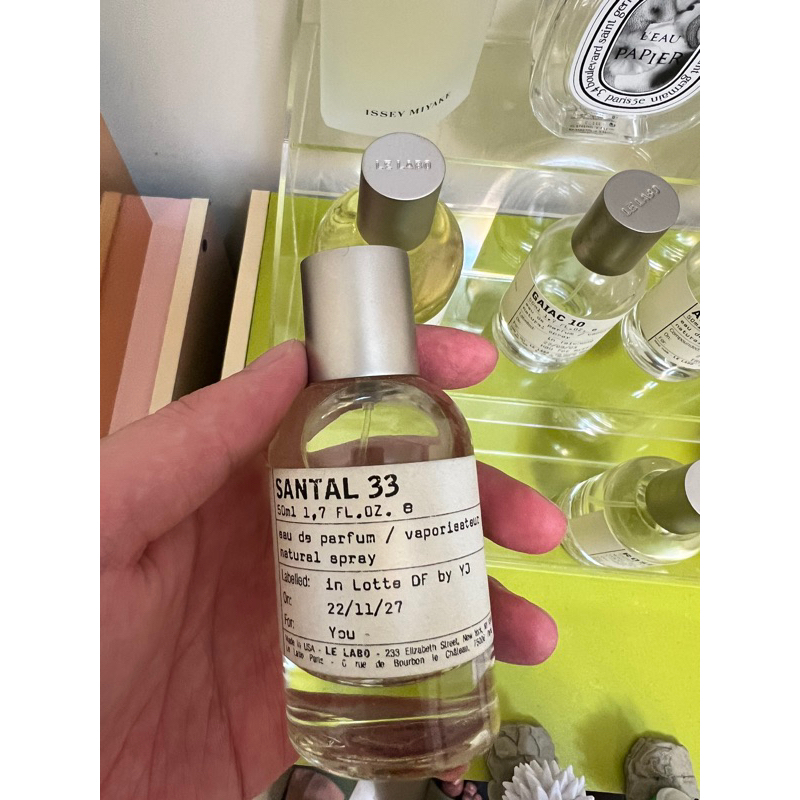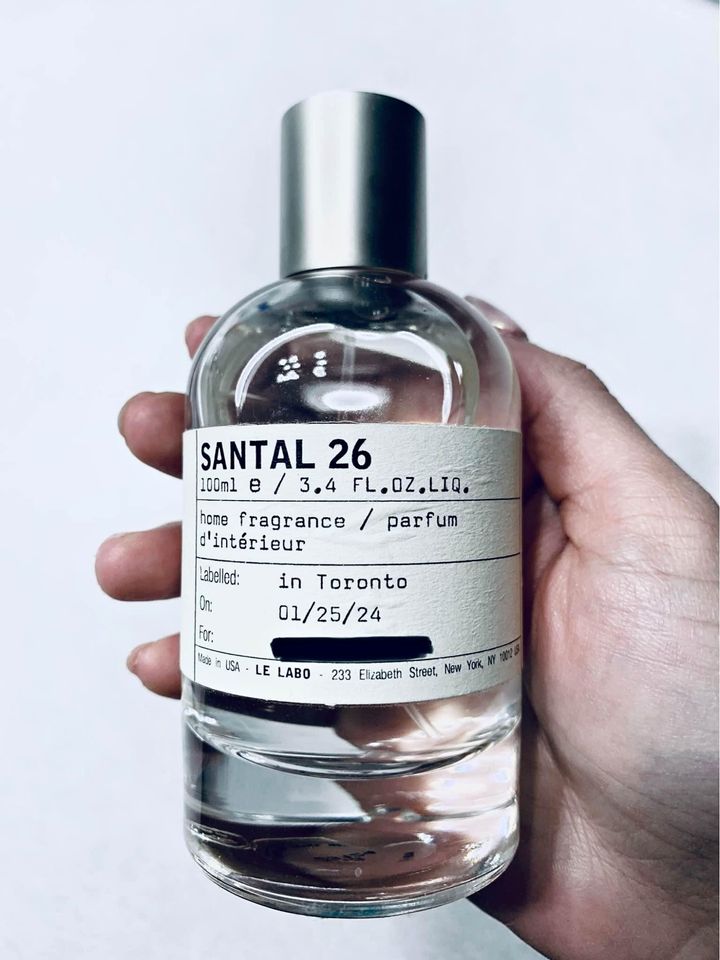
Comparing santal 26 vs santal 33: 5 Key Differences
When I first started comparing Le Labo’s sandalwood-centered creations, I assumed Santal 26 and Santal 33 would feel like close siblings with only small differences. After spending more time with both, I realized they are better understood as two different scent experiences built around a shared mood: smoky woods, leather-like warmth, and that unmistakable Le Labo minimalism.
The comparison of santal 26 vs santal 33 matters because many people discover one before the other and naturally wonder whether they are interchangeable. In my experience, they are not. Santal 26 is primarily known as a home fragrance experience, especially through candles and ambient scent formats, while Santal 33 is the wearable eau de parfum that became a modern fragrance icon. Both can make a room, outfit, or memory feel warmer and more atmospheric, but they do it in different ways.
For anyone searching for santal 26 vs santal 33, the most important thing to understand is this: Santal 26 is more about space, atmosphere, and smoky interior warmth, while Santal 33 is more about skin, identity, projection, and personal signature scent. That single distinction explains most of the practical differences between them.
In this guide, I’ll walk through the five key differences I notice most: format, scent profile, performance, use case, and overall value. I’ll also share how I would choose between them depending on lifestyle, personal taste, and whether you want your fragrance to live on your skin, in your home, or both.
What Is Santal 26?
Santal 26 is best known as part of Le Labo’s home fragrance family. According to Le Labo’s own product description, Santal 26 is presented as a gentle, smoky, leathery scent designed to give a space personality. That matters because I do not evaluate it the same way I evaluate a personal eau de parfum. A home fragrance behaves differently from a perfume because it fills air rather than interacting primarily with skin chemistry.
When I smell Santal 26, I think of warm interiors: wood floors, a softly lit living room, dry smoke, leather furniture, and a quiet evening indoors. It is not sharp or loud in the way some woody fragrances can be. Instead, it feels steady and architectural. It gives a room a recognizable personality without needing to smell like a traditional perfume.
The most memorable part of Santal 26, for me, is its balance between smoke and softness. It has a refined dryness, but it does not feel cold. It has a leathery undertone, but it does not become heavy in the way some leather fragrances do. It is the type of scent I would use when I want a room to feel more intentional, more mature, and more quietly expensive.
Because Santal 26 is commonly experienced as a candle or home fragrance, I think of it as a background mood rather than a personal statement. It does not need to announce itself across a crowded room. It works best when it slowly builds an atmosphere around you.
What Is Santal 33?
Santal 33 is Le Labo’s famous eau de parfum, and it has earned a reputation far beyond the normal fragrance community. It is often described as smoky, woody, leathery, spicy, and musky, with sandalwood as the central idea. The official Le Labo product page presents Santal 33 as an eau de parfum, which already separates it clearly from Santal 26’s primary home-fragrance identity.
My experience with Santal 33 is more personal and more direct than my experience with Santal 26. It does not simply scent the air; it becomes part of how someone presents themselves. On skin, Santal 33 can feel dry, creamy, spicy, and slightly rugged. Depending on the wearer, it may lean more woody, more musky, more leathery, or even slightly airy and clean.
What makes Santal 33 so memorable is not only the smell itself, but the way it functions socially. It is one of those fragrances people often recognize, ask about, or associate with a certain kind of understated style. Publications such as GQ and Esquire have continued to include Le Labo in modern grooming and fragrance conversations, which reflects how deeply the brand has entered contemporary scent culture. GQ and Esquire are useful references for seeing how Le Labo remains part of the broader fragrance conversation.
To me, Santal 33 is more wearable, more recognizable, and more personal than Santal 26. It is the one I would choose when I want a scent to follow me through the day, settle into clothing, and become part of my personal style.
Quick Comparison Table: Santal 26 and Santal 33
| Comparison Point | Santal 26 | Santal 33 |
|---|---|---|
| Primary Format | Home fragrance, candle, ambient scent | Eau de parfum for personal wear |
| Main Impression | Smoky, gentle, leathery, atmospheric | Woody, spicy, musky, leathery, iconic |
| Best Use | Creating a warm interior mood | Building a personal signature scent |
| Projection Style | Diffuses through a room | Projects from skin and clothing |
| Personality | Interior, cozy, smoky, refined | Personal, stylish, recognizable, unisex |
Difference 1: Santal 26 Is Built for Space, While Santal 33 Is Built for Skin
The first and most important difference is format. Santal 26 is mainly associated with home fragrance, while Santal 33 is a wearable eau de parfum. This may sound obvious, but it changes everything about how the scent behaves.
A home fragrance is judged by how it fills space. I pay attention to how it moves through a room, whether it feels too strong in a small area, whether it lingers after the candle is out, and whether it makes the environment feel more comfortable. Santal 26 succeeds because it creates a room identity. It makes a space smell considered, warm, and quietly luxurious.
Santal 33, on the other hand, is judged by how it develops on skin. I pay attention to the opening, drydown, projection, longevity, and how it interacts with body warmth. On my skin, Santal 33 feels more alive than Santal 26 because it changes throughout the day. It may start sharper and drier, then become creamier, muskier, and more intimate as it settles.
This difference also affects emotional use. I would light Santal 26 when I want my home to feel calm, grounded, and elegant. I would wear Santal 33 when I want my own presence to feel polished, memorable, and quietly confident.
Knowledge Point: Why Format Changes the Scent Experience
A candle, diffuser, or room spray disperses scent into the air, so the fragrance is experienced as an atmosphere. An eau de parfum sits on skin and clothing, so it becomes personal and changes with body heat. This is why Santal 26 and Santal 33 can share a woody-sandalwood mood yet feel very different in daily use.
Difference 2: Santal 26 Feels More Atmospheric, While Santal 33 Feels More Personal
The second difference is emotional character. Santal 26 feels like a place. Santal 33 feels like a person.
When I smell Santal 26, I imagine an interior scene before I imagine someone wearing it. It has the quality of a well-designed hotel lobby, a boutique store, a quiet apartment, or a candlelit dinner at home. It is not trying to create a personal aura around one wearer. It is trying to make the entire environment feel more memorable.
Santal 33 feels more tied to identity. It can become part of someone’s wardrobe the same way a leather jacket, white shirt, or perfectly worn denim does. It has a dry, woody, slightly rugged elegance that makes it feel genderless and style-driven. I understand why people often treat it as a signature scent rather than just another perfume in a rotation.
This is also why Santal 33 can be more polarizing. Because it sits on the body, people experience it closer and more personally. Some love its woody-musky trail. Others find it too recognizable or too assertive. Santal 26 is less likely to feel like a personal statement because it works as background atmosphere.
For me, Santal 26 is the scent I would want in a beautiful room. Santal 33 is the scent I would want on a beautiful coat.
Difference 3: Santal 26 Leans Smoky and Leathery, While Santal 33 Has More Wearable Complexity
Both fragrances live in a smoky, woody, leathery universe, but they do not arrive at the same effect. Santal 26 feels more centered on smoky warmth and interior comfort. Santal 33 feels more complex on skin because it has to behave like a perfume, not simply an environmental scent.
Santal 26 gives me a soft smoky leather impression. It feels composed and restrained. The sandalwood idea is present, but I notice the atmosphere first: dry wood, subtle smoke, polished warmth, and a leather-like depth. It does not need a dramatic opening or a long skin evolution because its purpose is different.
Santal 33 feels more layered. Depending on skin chemistry, it can highlight creamy sandalwood, dry cedar-like woods, cardamom-like spice, violet-like airiness, leather, musk, or amber warmth. That range is part of its appeal. It can smell clean and rugged at the same time, which is not easy for a fragrance to do.
In my own comparison, Santal 26 feels smoother as an atmosphere, while Santal 33 feels more interesting as a personal scent journey. I would not say one is objectively better. I would say Santal 26 is more environmental and Santal 33 is more expressive.
Santal 26 Card
Best for: home atmosphere, candle lovers, interior scenting, warm evenings.
Main mood: smoky, gentle, leathery, polished, cozy.
My take: I would choose Santal 26 when I want my home to smell refined without becoming too sweet, too floral, or too obvious.
Santal 33 Card
Best for: personal fragrance, signature scent seekers, woody perfume lovers, unisex scent wardrobes.
Main mood: woody, musky, spicy, leathery, stylish.
My take: I would choose Santal 33 when I want a recognizable, wearable sandalwood scent that feels confident but not traditionally loud.
Difference 4: Santal 26 Performs Like an Ambient Scent, While Santal 33 Performs Like a Signature Fragrance
Performance is another major difference. With Santal 26, I think about room throw. With Santal 33, I think about projection and longevity.
Santal 26, especially as a candle or home fragrance, depends on room size, airflow, burn time, and how sensitive you are to smoky scents. In a smaller room, it can feel intimate and enveloping. In a larger open space, it may become more subtle unless used for a longer period. Its performance is not about leaving a personal trail behind you; it is about shaping the air around you.
Santal 33 performs like a fragrance people can notice on your skin and clothes. It can project strongly for some wearers, especially in the early stages, and it often lasts well because woody, musky, and leathery materials tend to have staying power. On clothing, it can remain noticeable long after it softens on skin.
This distinction matters when deciding which one is worth buying. If you want people to smell the fragrance when they come near you, Santal 33 makes more sense. If you want your apartment, bedroom, office, or living area to have a smoky-woody personality, Santal 26 is the more natural choice.
I also find Santal 33 easier to overapply than Santal 26. Because it is so recognizable and can be assertive, I prefer a lighter hand. One or two sprays can be enough depending on setting. With Santal 26, the strength is managed more by how long it burns or how the home fragrance is used.
Difference 5: Santal 26 Is an Interior Luxury, While Santal 33 Is a Wearable Investment
The fifth key difference is value. I do not judge value only by price. I judge it by how often I use something, how much it improves my daily life, and whether it fits the role I bought it for.
Santal 26 is an interior luxury. It makes the most sense if you care about how your home smells and you enjoy ritual-based scenting. Lighting a candle, setting a mood, and making a room feel complete can be deeply satisfying. If you work from home, host guests, or use scent to mark evening routines, Santal 26 can feel worth it.
Santal 33 is a wearable investment. It makes the most sense if you want a personal fragrance that can become part of your identity. I would consider it more practical if you want daily wear, compliments, and a scent that works across seasons. It may be expensive, but it also gives you more traditional perfume usage because you can wear it outside the home.
My value judgment is simple: buy Santal 26 if you want to scent your environment, and buy Santal 33 if you want to scent yourself. If you want both a personal signature and a matching home mood, they can complement each other beautifully, but I would not buy one expecting it to fully replace the other.
Santal 26 vs Santal 33: Which One Smells Better?
I do not think there is a universal answer. “Better” depends on the context. Santal 26 smells better to me in a room. Santal 33 smells better to me on skin.
Santal 26 has a polished atmospheric quality that feels natural in a living space. It is less about impressing someone directly and more about making the environment feel warm and intentional. If I walked into a room scented with Santal 26, I would probably think the space felt calm, stylish, and quietly expensive.
Santal 33 has more personality as a wearable fragrance. It can feel intimate, stylish, and distinctive. It has enough edge to stand out, but enough softness to remain wearable. That combination is one reason it became so widely discussed in modern fragrance culture.
If you love fragrance as part of personal style, Santal 33 is likely more satisfying. If you love fragrance as part of home design, Santal 26 may feel more natural. The best choice depends on whether you want the scent to define your space or your presence.
Who Should Choose Santal 26?
I would recommend Santal 26 to someone who wants a sophisticated home fragrance rather than a personal perfume. It is especially appealing if you enjoy smoky woods, leather-like warmth, and minimalist interior design.
Santal 26 suits people who want their home to smell memorable without relying on sweet vanilla, heavy florals, or fresh laundry-style scents. It feels more grown-up and more architectural than many home fragrances. It can work well in a living room, bedroom, reading corner, office, or entryway.
I would also choose Santal 26 if I already had enough wearable perfumes but wanted my home to reflect the same taste level. It is a good option for someone who sees scent as part of design, not just grooming.
However, I would not choose Santal 26 if my main goal were compliments from people around me during the day. It is not designed for that purpose. It is better for creating a private environment than for building a public scent trail.
Who Should Choose Santal 33?
I would recommend Santal 33 to someone looking for a personal scent that feels woody, modern, and unisex. It works especially well for people who like fragrances that are stylish without being sugary, traditionally masculine, or traditionally feminine.
Santal 33 is a strong choice if you want one fragrance that can move across many settings. I can imagine it at work, at dinner, on a weekend, or during travel. It pairs well with simple clothing and understated style. It does not need a complicated outfit to make sense.
I would also choose Santal 33 if I wanted a fragrance with more social presence. It is more likely than Santal 26 to be noticed by other people because it is worn on the body. It can leave an impression in a way home fragrance cannot.
That said, I would test Santal 33 before committing to a full bottle. Its reputation is strong, but skin chemistry matters. On some people it becomes smooth and creamy; on others it may feel sharper, drier, or more leathery. Testing is the most reliable way to know whether it fits you.
How I Personally Compare the Two
If I had to summarize my personal comparison in one sentence, I would say this: Santal 26 is the room, and Santal 33 is the person walking into it.
Santal 26 gives me atmosphere. It is slow, smoky, warm, and interior-focused. I enjoy it most when I want a space to feel calmer and more refined. It does not ask for attention. It simply changes the mood around me.
Santal 33 gives me identity. It feels more like a style choice. It can be clean, dry, smoky, creamy, and leathery all at once. I understand why it became a signature fragrance for so many people, even if its popularity also means it is no longer a hidden gem.
If I were buying only one, I would choose based on my actual use case. For daily wear, Santal 33 wins. For home atmosphere, Santal 26 wins. For someone who wants a full sandalwood lifestyle, having both would make sense, but only if the budget allows and the scent profile truly fits their taste.
Are Santal 26 and Santal 33 Similar?
They are similar in mood but different in purpose. Both belong to a smoky, woody, leathery world. Both feel refined and minimal. Both can appeal to people who dislike overly sweet or overly floral scents.
But the similarity should not be overstated. Santal 26 is not simply Santal 33 in candle form, and Santal 33 is not simply Santal 26 for skin. They overlap in aesthetic, not in function. That is an important distinction for buyers.
I think of them as two expressions of the same design language. Santal 26 expresses that language through air and space. Santal 33 expresses it through skin and movement.
Is Santal 33 Still Worth Wearing?
Yes, I think Santal 33 is still worth wearing if you genuinely love the scent. Popularity should not automatically make a fragrance less valuable. A good scent remains good even when many people know it.
The real question is whether you want something recognizable. Some people enjoy wearing an iconic fragrance because it feels proven, stylish, and easy to understand. Others prefer something less common. Neither approach is wrong.
In my opinion, Santal 33 works best when worn with restraint. Because it is recognizable and can project well, I prefer not to overspray it. A lighter application lets the sandalwood, musk, and leather-like warmth feel more elegant.
For people who love the Santal 33 style but want to explore a more accessible option, imixx perfume offers an interpretation inspired by this scent profile. I would still recommend understanding the original scent structure first so you know what you are looking for: dry woods, smoky warmth, soft leather, and a musky trail.
Is Santal 26 Worth It for Home Fragrance?
Santal 26 is worth considering if home atmosphere matters to you. I would not treat it as a casual candle purchase. I would treat it as part of a home design ritual.
If you already care about lighting, furniture, bedding, music, and the feeling of your space, Santal 26 fits naturally into that lifestyle. It adds an invisible layer of design. A room can look beautiful, but scent makes it feel complete.
However, if you only want a simple candle to make a room smell pleasant, Santal 26 may feel more expensive than necessary. Its appeal is in the specific smoky-leathery mood, not just in general freshness. I would choose it because I want that exact atmosphere.
How to Decide Between Santal 26 and Santal 33
When deciding between the two, I ask one practical question first: where do I want the scent to live?
If I want it to live in my home, I choose Santal 26. If I want it to live on my skin, I choose Santal 33. That decision is more useful than comparing which one is more famous or which one gets more compliments.
The second question I ask is how much attention I want. Santal 26 creates a mood without attaching itself directly to me. Santal 33 creates a personal impression that other people may notice and remember.
The third question is whether I want ritual or identity. Santal 26 is a ritual: lighting a candle, changing the room, setting a tone. Santal 33 is identity: applying fragrance, leaving the house, carrying a scent with me.
My Simple Buying Rule
Choose Santal 26 if you want your space to smell smoky, warm, leathery, and refined.
Choose Santal 33 if you want your personal fragrance to feel woody, stylish, musky, and memorable.
Choose both only if you already know you love the sandalwood-smoke-leather style and want that mood in both your home and your personal scent wardrobe.
Common Mistakes People Make When Comparing Them
Thinking They Are the Same Product in Different Formats
The biggest mistake is assuming Santal 26 and Santal 33 are basically the same scent. They are related by mood, but they are not identical in purpose or experience. One is mainly ambient; the other is wearable.
Judging Santal 26 Like a Perfume
Santal 26 should not be judged by skin projection or compliment factor. It is not trying to behave like an eau de parfum. Its success depends on how well it transforms a room.
Judging Santal 33 Only by Popularity
Santal 33 is famous, but popularity alone does not tell you whether it will work for you. The better test is how it smells on your skin after several hours. The drydown is where many people decide whether they truly love it.
Ignoring Lifestyle
A person who rarely burns candles may get more value from Santal 33. A person who works from home and loves interior atmosphere may get more value from Santal 26. Lifestyle matters more than hype.
My Final Verdict
After comparing both, I see Santal 26 and Santal 33 as two different answers to the same aesthetic question. Both explore smoky, woody, leathery warmth, but they serve different parts of life.
Santal 26 is the better choice for home atmosphere. It makes a room feel intimate, warm, and designed. It is the scent I would use when I want my environment to feel calmer, deeper, and more refined.
Santal 33 is the better choice for personal wear. It has more identity, more movement, and more social presence. It is the scent I would wear when I want a woody signature that feels modern, genderless, and memorable.
If I had to choose one for everyday practicality, I would choose Santal 33 because I can wear it outside the home. If I had to choose one for emotional atmosphere, I would choose Santal 26 because it creates a beautiful environment. The better option depends on whether you want the scent to belong to your body or your space.
Key Takeaways
1. Santal 26 is mainly a home fragrance experience, while Santal 33 is a wearable eau de parfum.
2. Santal 26 feels more smoky, leathery, and atmospheric.
3. Santal 33 feels more personal, woody, musky, and recognizable.
4. Santal 26 is best for rooms, rituals, and interior mood.
5. Santal 33 is best for skin, clothing, and signature scent identity.
6. The best choice depends on whether you want to scent your space or yourself.
FAQ: Santal 26 vs Santal 33
Is Santal 26 the same as Santal 33?
No. They share a smoky, woody, leathery mood, but Santal 26 is primarily known as a home fragrance, while Santal 33 is an eau de parfum designed for personal wear.
Which smells better, Santal 26 or Santal 33?
It depends on the setting. I prefer Santal 26 for a room and Santal 33 for skin. Santal 26 creates atmosphere, while Santal 33 creates personal presence.
Can I wear Santal 26 as a perfume?
I would not treat Santal 26 as a direct replacement for a wearable perfume unless using a product format specifically designed for skin. Its best-known role is home fragrance, so Santal 33 is the better choice for personal wear.
Is Santal 33 unisex?
Yes, Santal 33 is widely worn as a unisex fragrance. Its woody, musky, leathery profile does not fit neatly into traditional masculine or feminine categories.
Which one should I buy first?
If you want a personal scent, buy or sample Santal 33 first. If you want your home to smell warm, smoky, and refined, choose Santal 26 first.