

What Is Perfume Rehab? Top 5 Fragrance Rehabs You Should Know About
When I first heard the phrase perfume rehab, I pictured a whimsical, imaginary spa for tired, faded fragrances that had lost their sparkle on my shelf. I imagined tiny bottles resting in miniature robes, recovering from the trauma of being left in a hot car. Over time, however, I realized that perfume rehab is much more than a cute nickname or a fleeting social media trend. It is a highly practical, expert-informed approach to extending the life, performance, and emotional value of the fragrances I love most. Whether you are dealing with a vintage masterpiece or a modern niche release, understanding how to care for your olfactory investments is absolutely crucial.
In my own collection, which has grown over the years to include everything from fresh, volatile citrus colognes to dense, resinous extraits, I have successfully brought “dead” perfumes back to wearable life. I have rescued bottles that were turning sour on the top notes, and I have learned exactly how light, ambient air, fluctuating heat, and insidious humidity quietly destroy even the most luxurious scents long before the bottle is empty. In this comprehensive guide, I am going to share exactly how perfume rehab works, the fascinating cosmetic science behind fragrance degradation, and the top methods and preservation services you should know about if you truly care about maintaining your collection for decades to come.
What Is Perfume Rehab, Really? A Deep Dive into Fragrance Preservation
When I talk about fragrance preservation, I am referring to the entire, holistic process of rescuing, refreshing, and protecting perfumes that are aging, oxidizing, evaporating, or simply not performing the way they once did when you first broke the cellophane seal. It is a comprehensive discipline that includes everything from mindful, everyday storage habits and sterile decanting techniques to professional-level restoration, the repair of broken or leaking atomizers, and smart usage rotations that effectively slow down the ticking clock on every single bottle you own.
In my years of hands-on experience, I have found that this practice is split into two distinct categories: preventive and corrective. Preventive rehab focuses on protecting new or gently used bottles before any serious, irreversible chemical damage occurs. This is the ideal state. Corrective rehab, on the other hand, is the triage phase. It involves trying to salvage bottles that already show distressing signs of discoloration, a souring of the top notes, or significantly weakened longevity. The golden rule I have learned the hard way is this: the sooner I act, the more of the original fragrance character, the delicate top notes, and the intended sillage I can preserve. Waiting until a perfume smells entirely like celery or nail polish remover is waiting too long.
The Psychology of the Fragrance Collector
Beyond the physical acts of preservation, there is a psychological component to caring for your scents. For many of us, perfumes are bottled memories. They represent specific eras of our lives, past relationships, or moments of profound confidence. When a perfume turns bad, it feels like losing a tangible connection to that memory. Engaging in proactive fragrance care is not just about protecting a financial investment—though with the rising cost of niche perfumery, that is certainly a factor—it is about preserving our own personal histories. Treating your bottles with respect elevates the daily ritual of applying scent from a mundane task to an act of self-care and mindfulness.
The Hard Science Behind Fragrance Degradation
To truly master the art of rescuing a dying fragrance, you have to understand what is killing it in the first place. Perfume is not a static object; it is a complex, delicate chemical emulsion of essential oils, aroma-chemicals, water, and perfumer’s alcohol (ethanol). From the moment it is manufactured, it is in a constant, slow state of change. Understanding the four horsemen of fragrance degradation—oxidation, light, heat, and humidity—is the foundation of any successful preservation strategy.
Oxidation: The Silent, Inevitable Perfume Killer
One of the biggest reasons I employ preservation techniques so religiously is oxidation. This is the slow, inexorable chemical reaction that happens when the oxygen in the ambient air interacts with the fragile fragrance molecules inside your bottle. Every single time I press down on the atomizer to spray a perfume, a microscopic amount of the liquid is expelled, and an equal volume of oxygen is drawn back into the bottle to replace it. Over months or years, that trapped oxygen acts like a slow poison. It dulls bright, sparkling top notes, deepens the color of the juice (often turning it a dark, bruised brown), and introduces sour, acrid, or metallic off-notes.
From a chemical perspective, natural materials are the most susceptible. Ingredients heavy in terpenes—such as citrus oils (bergamot, lemon, grapefruit, mandarin), aldehydes, and certain delicate white florals—are incredibly vulnerable to oxidation. The terpenes break down into peroxides, which are responsible for that sharp, “turned” smell that ruins the opening of an old fragrance. Conversely, heavier base notes like patchouli, vetiver, amber, and vanilla are much more stable and can actually undergo a process called maceration, where they round out and become richer over time. This is why fresh, sparkling, summer-appropriate fragrances are almost always the first to “turn” if they are not stored with extreme care, while heavy oriental fragrances seem to last a lifetime.
Photodegradation: The Destructive Power of Light and UV Rays
In my early days of collecting, the absolute fastest way I ever ruined a bottle was through bad storage—specifically, proudly displaying my beautiful, jewel-like glass bottles on a sunny vanity right next to a bright window. It looked stunning for Instagram, but it was a death sentence for the juice inside. Light, especially the ultraviolet (UV) spectrum found in natural sunlight, is catastrophic for fragrance.
UV light causes photodegradation. The high-energy photons essentially bombard the complex molecular bonds of the aroma-chemicals, breaking them apart. This not only destroys the intended scent profile, leaving it flat and unrecognizable, but it also rapidly degrades the synthetic dyes used to color the perfume. If you have ever seen a vibrant blue or pink perfume fade to a sickly, pale yellow within a few months, you have witnessed photodegradation in action. The damage is irreversible. Once those bonds are broken, no amount of chilling or resting will stitch them back together.
Thermal Degradation: Why Heat and Humidity are Your Enemies
Heat is the accelerator of the fragrance world. In chemistry, adding heat to a system increases kinetic energy, which causes chemical reactions (like oxidation) to happen at a vastly accelerated rate. Storing a perfume in a hot car, near a radiator, or in a constantly fluctuating environment means the fragrance is aging in dog years. Furthermore, excessive heat accelerates evaporation. Even with a seemingly tight crimped atomizer, ethanol is highly volatile. If the bottle gets hot, the pressure inside builds, and the alcohol can slowly leak out as a vapor, leaving behind a thick, syrupy, and imbalanced concentration of fragrance oils.
Humidity is a more subtle, but equally dangerous, enemy. This is why the bathroom is universally considered the worst place in the house to store perfume. The constant cycle of steam from the shower followed by cooling creates micro-condensation. Over time, moisture can seep into the microscopic gaps in the atomizer mechanism, destabilizing the alcohol-oil emulsion and introducing water into the formula. This can make the fragrance cloudy and severely compromise its structural integrity. According to a detailed report on fragrance longevity by Allure, keeping perfumes out of the bathroom is the single most important rule for the everyday consumer.
Shelf Life Myths and the Ideal Storage Environment
Walk up to any beauty counter, and a sales associate will likely quote a typical perfume shelf life of about three to five years after opening. There is often a little symbol on the bottom of the box—a jar with an open lid and “36M” written inside, indicating 36 months. However, in my extensive experience, this is more of a legal and regulatory guideline than a hard expiration rule. Properly stored fragrances—kept meticulously in their original boxes, completely shielded from light and heat—can smell absolutely beautiful for a decade, two decades, or even longer. Vintage perfume collectors routinely buy and wear fragrances from the 1970s and 80s that smell phenomenal because they were stored perfectly in dark, cool basements.
Experts and archivists, such as those at the legendary Osmothèque in Versailles (the world’s largest scent archive), store historical fragrances in argon-flushed cellars at around 12°C (53.6°F) to halt molecular degradation. For the everyday collector at home, aiming for a stable temperature between 50–60°F (10–15°C) is the absolute gold standard. This temperature range is cool enough to slow down chemical reactions significantly, but not so cold that it causes the essential oils to separate or crystallize out of the alcohol solution. This simple habit alone feels like a foundational, transformative technique, because it dramatically slows down degradation before any intensive, panic-driven steps are needed.
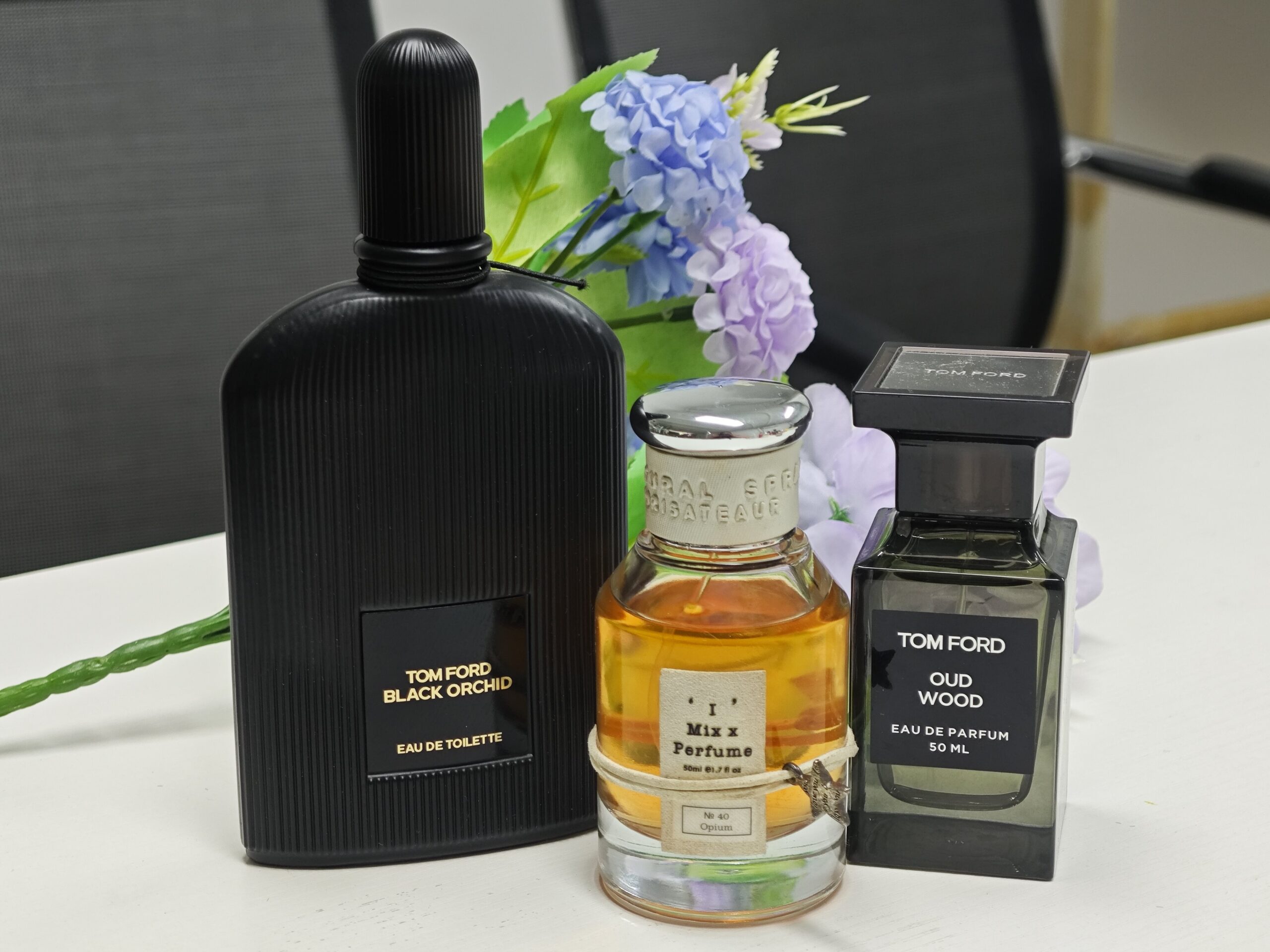
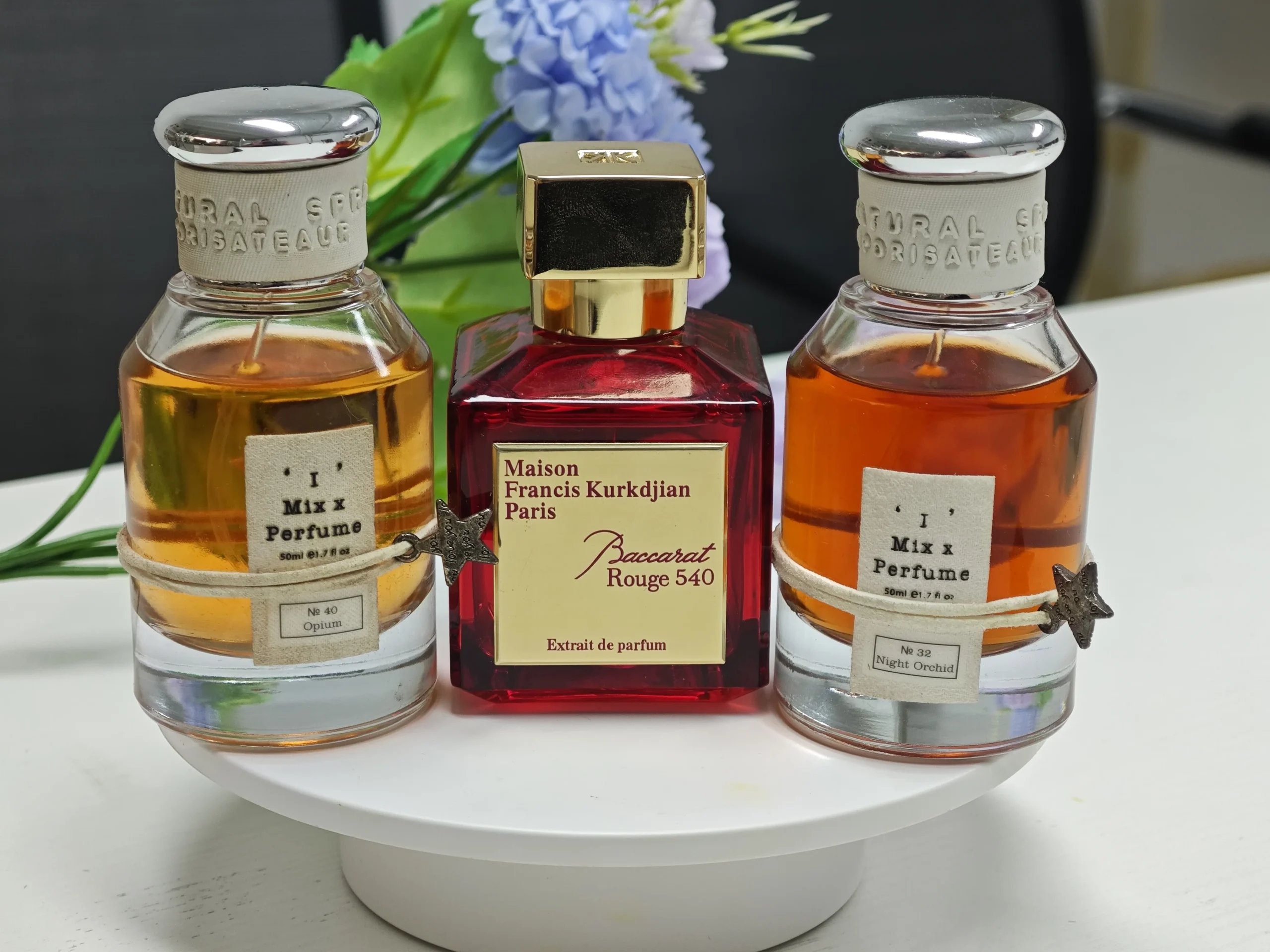
By combining smart storage with selective decanting, gentle cleaning of atomizers, and early intervention when subtle changes appear, I can nurture a bottle far beyond the standard timeline. I have found this to be true whether I am caring for a rare discontinued masterpiece or a modern release from an imixx perfume discovery set. The rules of chemistry apply universally to all fragrances.
Core Fragrance Preservation Factors at a Glance
| Factor | Scientific Impact on Perfume | My Personal Rehab Strategy |
|---|---|---|
| Air (Oxidation) | Oxygen reacts with volatile terpenes. Dulls bright top notes, shifts the liquid’s color to a darker hue, and introduces sour, metallic, or “celery-like” off-notes over time. | Keep original caps tightly secured. Minimize unnecessary, compulsive spraying. Decant heavily used, half-empty bottles into smaller, airtight glass atomizers to reduce the oxygen-to-liquid ratio. |
| Light (UV & Ambient) | Photons break down fragile molecular bonds through photodegradation, especially destroying delicate floral and citrus notes. Fades synthetic dyes rapidly. | Store all bottles strictly in their original cardboard boxes, inside solid wood drawers, or opaque cabinets. Absolutely zero exposure to windows, direct sunlight, or bright display lights. |
| Heat | Increases kinetic energy, accelerating both evaporation of ethanol and the chemical reactions that age the perfume. Causes the scent to collapse and lose its structural complexity. | Aim for highly stable, cool temperatures around 50–60°F (10–15°C). Avoid keeping bottles near radiators, heating vents, or in car glove compartments during the summer. |
| Humidity | Constant temperature swings and moisture can cause micro-condensation inside the atomizer and bottle, introducing water that degrades the carefully balanced formula and causes cloudiness. | Keep perfumes in completely dry, low-humidity areas of the home, such as a bedroom closet. Never, under any circumstances, store them in a bathroom near showers or sinks. |
| Packaging Integrity | Poor manufacturing seals, cracked collars, or damaged sprayers allow a constant influx of air and rapid evaporation of the alcohol base. | Regularly test atomizers. Wrap loose necks with PTFE (plumber’s tape) if necessary. Clean crusty nozzles with rubbing alcohol. Extract juice into a new decant if the original bottle is structurally compromised. |
The Top 5 Perfume Rehab Methods I Personally Rely On
Over years of trial, expensive errors, and deep research into fragrance chemistry, I have systematically narrowed my approach down to five core intervention and preservation methods. These are the highly specific, actionable techniques I personally lean on when I want to save a struggling, beloved bottle, or when I want to aggressively protect a brand-new, expensive favorite from entirely avoidable damage.
1. The Foundation: Dark, Cool, Stable Storage Environments
My first line of defense is seemingly simple, but incredibly difficult for some collectors to adhere to: I keep my fragrances in dark, cool, and relatively dry spaces with as little temperature fluctuation as humanly possible. I know the allure of the aesthetic vanity display. I know how beautiful a crystal flacon looks when the morning sun hits it. But you have to choose between aesthetics and longevity.
- The Box is Your Best Friend: I keep about 90% of my collection in their original cardboard boxes. Fragrance houses design these boxes not just for marketing, but to block out light. They are custom-fit to prevent the bottle from rattling and to shield the glass from UV exposure.
- Dedicated Storage Furniture: I use a solid wood apothecary-style cabinet situated in the coolest room of my house, far away from any exterior walls that fluctuate in temperature with the seasons. It is far away from radiators, sunny windows, and the steamy environment of the master bathroom.
- Accessibility vs. Agitation: I organize my collection so I can easily reach the bottles I want to wear without constantly shuffling, shaking, or handling the others unnecessarily. Constant physical agitation isn’t terrible, but minimizing handling reduces the risk of dropping and breaking the glass.
2. Advanced Tactics: Smart Decanting for Half-Empty Bottles
This is a technique that separates the casual consumers from the hardcore preservationists. When a larger bottle (say, a 100ml flacon) is half empty or more, the volume of ambient air inside the bottle is greater than the volume of liquid. This massive air-to-liquid ratio dramatically speeds up oxidation. To combat this, I actively manage the oxygen exposure through smart decanting.
- The Transfer Process: I use sterile, medical-grade syringes (without the sharp needle, just the blunt tip adapter) to carefully extract the remaining juice directly from the atomizer tube. I then transfer it into smaller, high-quality glass atomizers—preferably amber or cobalt blue glass, which inherently block UV rays.
- Minimizing Headspace: By filling a 10ml or 30ml travel atomizer to the very brim, I eliminate the “headspace” (the pocket of air in the bottle). This significantly slows down the oxidation of the remaining juice.
- Strategic Usage: This technique allows me to store the original, half-empty “mother” bottle safely away in deep storage, while keeping a smaller, fresh decant on my vanity for daily use. It works exceptionally well for preserving the volatile top notes in citrus-heavy colognes, aldehydic classics, and delicate, watery floral compositions.
3. Mechanical Maintenance: Atomizer & Seal Checkups
Some of my biggest, most satisfying preservation wins came from simply fixing a mechanical failure. A leaky sprayer or a loose, improperly crimped cap acts as an open door, slowly evaporating the precious fragrance inside and letting destructive oxygen flow freely in.
- The Sniff Test: I regularly inspect caps, metal collars, and atomizers. If I pick up a bottle that I haven’t sprayed in months, and the outside of the nozzle smells strongly of the perfume, it means the seal is compromised and vapor is escaping. It should be relatively scentless until sprayed.
- Cleaning Protocol: Over time, the essential oils and resins in perfumes can build up and dry inside the microscopic nozzle, clogging the sprayer and causing it to “spit” rather than mist. I clean clogged sprayers by wiping them gently with a cotton swab dipped in 90% isopropyl alcohol.
- Total Replacement: If a bottle’s design is notoriously leaky (which happens occasionally even with high-end niche brands), or if the atomizer completely fails, I do not hesitate to pry off the metal collar with pliers, extract all the juice, and decant the entire volume into a reliable, airtight, high-quality screw-top glass spray bottle for long-term survival.
4. The Philosophy of Rotation: Resting My Collection
In the past, I would obsessively overuse one or two “signature” bottles until they deteriorated, carrying them in my hot gym bag or leaving them in my car. Now, I approach my fragrances like a carefully curated seasonal wardrobe. I rotate my fragrances and give them dedicated “rest” periods in optimal, climate-controlled storage. This philosophy functions like passive, long-term rehab for the entire collection.
- Seasonal Segregation: Seasonal rotation keeps heavy, resinous, amber-based scents safely tucked away in the cool dark during the extreme heat waves of summer. Likewise, it keeps light, delicate, aquatic perfumes away from the severe dryness of winter heating systems.
- Limiting Exposure: Resting bottles in deep, dark storage between their designated seasons limits their repeated, daily exposure to ambient room light and minor temperature changes.
- Heightened Awareness: Rotation has an added benefit: distance makes the nose grow fonder, and sharper. By taking a few months off from a specific scent, I reset my olfactory fatigue. When I return to it, I can instantly notice if there have been any early chemical changes in the scent profile, allowing me to take timely, aggressive corrective actions if needed.
5. The Extremes: Professional-Level Restoration and Archival Tools
For exceptionally rare, highly sentimental, or incredibly expensive vintage bottles that show serious deterioration, basic home storage is sometimes not enough. In these rare cases, I look to professional-grade approaches that mirror the lab-like handling and preservation standards used by cosmetic chemists and professional archivists.
- Inert Gas Preservation: Borrowing a brilliant trick from the high-end wine collecting community, some serious fragrance collectors use inert gas sprays (like 100% Argon gas, sold as wine preservers). By spraying a tiny, heavy layer of argon gas into a splash bottle before sealing it, the gas creates a protective blanket over the liquid, displacing the lighter oxygen and completely halting further oxidation.
- Dedicated Fragrance Coolers: While a standard kitchen refrigerator is a terrible idea due to extreme cold and high moisture from food, specialized thermoelectric cosmetic or wine coolers are excellent. They maintain a steady, vibration-free environment at exactly 55°F, with controlled humidity, mimicking the perfect conditions of a subterranean French chateau cellar.
- Academic Consultation: When dealing with historical perfumes, I consult expert resources on fragrance chemistry, reading up on cosmetic shelf-life studies and preservation best practices from respected industry platforms. Resources like Byrdie provide excellent, chemist-backed insights into the molecular behavior of aromatics over time.
Comparing Perfume Rehab Approaches: From Daily Habits to Advanced Care
Not all preservation strategies are created equal in terms of effort, financial cost, and overall impact. I like to conceptualize these strategies in three distinct tiers. This mental framework helps me ruthlessly prioritize what to do first with each individual bottle, based on its current condition, its chemical vulnerability, and its financial or sentimental value.
Tier 1: Everyday Habits
These are the foundational, low-effort daily actions that protect almost every bottle I own. They cost absolutely nothing but yield the highest long-term return.
- Store all bottles in dark, cool, dry places, entirely out of the line of sight of windows.
- Ensure original caps are pushed down tightly immediately after every single use to limit ambient air exposure.
- Ban perfumes from high-risk zones: never store them in steamy bathrooms or fluctuating car interiors.
Tier 2: Intermediate Interventions
I escalate to these methods when I notice the first subtle visual color shifts or a softer, less vibrant performance in the top notes.
- Actively decant highly-used, half-empty bottles into smaller, airtight glass atomizers.
- Perform mechanical triage: repair or replace damaged atomizers, and seal leaky necks with PTFE tape.
- Implement a strict seasonal rotation to ensure fragrances avoid the climatic extremes of summer and winter.
Tier 3: Advanced Archival Care
These techniques are strictly reserved for rare, highly sentimental, or high-value vintage fragrances where the cost justifies the extreme effort.
- Invest in dedicated, vibration-free, climate-controlled thermoelectric wine cellars set precisely to 55°F.
- Utilize inert gas flushing (Argon) to displace oxygen in splash bottles before long-term storage.
- Rely heavily on UV-protective amber or cobalt lab glass for any and all long-term archival decanting.
How I Apply Perfume Preservation in Real Life: A Case Study
In my own daily routine, preservation protocols start from the exact moment a new bottle arrives at my door. Before I even spray it for the first time, I make several calculated decisions. I decide exactly where it will live in my dark storage cabinet based on its note profile. I estimate how often I will wear it during the current season. If I know it’s a scent I will only wear a few times a year, I might immediately pull a small 5ml decant for my quick-access vanity tray, and immediately consign the pristine mother bottle to the back of the dark drawer, untouched. This proactive mindset treats each fragrance as a fragile, finite chemical masterpiece that deserves thoughtful handling, rather than a robust household cleaning product that can withstand casual neglect.
Last year, I successfully rescued a five-year-old bottle of a delicate, incredibly expensive neroli and jasmine summer blend. Due to a careless oversight, it had been sitting on a well-lit vanity corner for an entire summer. When I sprayed it, I was hit with a sharp, metallic, almost celery-like tang—a classic sign of terpene oxidation. I immediately initiated a rescue protocol. I moved the bottle to a dark, 55°F climate-controlled cabinet. I carefully decanted the remaining 15ml of juice into a tiny, airtight amber glass vial, significantly reducing the deadly oxygen-to-liquid ratio. Then, I let it rest undisturbed for two months. While I could not scientifically reverse the damage and bring back the sparkling, effervescent top notes entirely, the harsh metallic edge softened significantly, and the lush, heavy floral heart was stabilized and preserved. This allowed me to continue enjoying the rest of the juice, rather than pouring a $200 investment down the drain. Even when I cannot fully reverse the aging process, these targeted tactics usually slow the chemical decline enough to preserve the core emotional character of the scent.
🚨 Early Warning Signs Your Perfume Needs Immediate Intervention
- 🎨
Dramatic Color Shifts
If a vibrant pink juice has turned a sickly yellow, or a pale golden liquid has deepened into a dark, muddy brown (especially when compared to older photos or your memory of the new bottle), rapid oxidation is occurring. Note: Vanilla-heavy scents naturally darken over time without spoiling, but drastic changes in fresh scents are a red flag. - 👃
The “Nail Polish” Opening
If the very first spray hits your nose feeling unnervingly flat, distinctly sour, metallic, or strongly resembles acetone (nail polish remover) or celery, the top notes have broken down. If the dry-down still smells okay after 20 minutes, the bottle is damaged but salvageable. If the bad smell persists, it is dead. - 💦
Mechanical Failure
If the sprayer suddenly starts to leak down the side of the glass, feels sticky when depressed, or the metal collar feels looser than normal, the airtight seal is broken. Massive amounts of air are actively entering the bottle, and rapid evaporation is imminent.
Evidence, Expertise, and Further Resources
To shape and continually refine my approach to saving and storing fragrances, I don’t just rely on anecdotal collector lore. I rely heavily on expert-backed resources regarding oxidation chemistry, ingredient volatility, and archival storage best practices. Understanding the fundamental breakdown of how unstable terpenes and robust resins react to environmental stress is what separates superstition from actual preservation.
For example, detailed breakdowns provided by cosmetic chemists emphasize the supreme importance of rigorous air, light, and temperature control in prolonging product quality. If you want to dive deeper into the hard science of cosmetic chemistry and learn precisely how professional archivists approach the challenge of maintaining historical scent profiles, I highly recommend exploring comprehensive, authoritative overviews. You can read fantastic, scientifically grounded insights on fragrance longevity at Harper’s Bazaar, or dive into deep cosmetic storage science over at Byrdie Beauty.
Perfume Care & Preservation: Key FAQs
Does this process work on perfumes that already smell completely “off”?
In my empirical experience, these techniques can sometimes soften mild off-notes and definitely slow down further deterioration, but we must be realistic: you cannot magically un-oxidize a molecule. You cannot fully restore a fragrance that has significantly oxidized or turned sour down to its base notes. For severely altered scents, the best I can usually do is stabilize the liquid to prevent it from evaporating completely, and treat the bottle as an aesthetic collector’s piece or a nostalgic sniff, rather than a reliable daily wear option.
Is refrigerating my perfume a good long-term storage strategy?
Yes and no, and the distinction is vital. Some hardcore collectors use dedicated thermoelectric fragrance refrigerators (like wine coolers) set to around 55°F. This is excellent. However, I absolutely never put perfume in a standard kitchen fridge or freezer. The temperature is too aggressively cold (which can cause delicate essential oils to separate, crystallize, or turn cloudy), the lighting is harsh every time you open the door, and the internal humidity from food can do incredible harm. Aim for a consistently cool, dark, low-humidity environment that mimics a subterranean cellar, not a frozen food aisle.
How can I definitively tell if an older perfume is still safe to use on my skin?
When I evaluate a vintage or older bottle, I look closely at three factors: color clarity, smell, and skin reaction. If the juice is extremely dark, physically cloudy with floating particles, or smells strongly like vinegar, metal, or acetone, I consider it chemically past its prime. Most mild aging changes (like a slightly flattened top note) are not inherently unsafe to wear. However, oxidized terpenes can sometimes become mild skin sensitizers. When in doubt, I err on the side of caution: I spray a tiny test patch on my wrist, or better yet, I only spray it onto my clothing rather than directly onto bare skin to avoid any potential contact dermatitis.
If I only have time for one thing, what is the absolute most important preservation habit?
If I had to ruthlessly choose just one single habit to recommend, it would be strictly controlled, consistent storage: keeping bottles permanently in their original cardboard boxes, inside a dark, cool drawer or closet, with their caps pushed down as tightly as possible. This one zero-cost lifestyle change tackles the three biggest killers simultaneously: it completely eliminates photodegradation (light damage), mitigates thermal degradation (heat), and physical caps help slow oxidation. It offers the absolute highest protective impact for the least amount of effort.
