

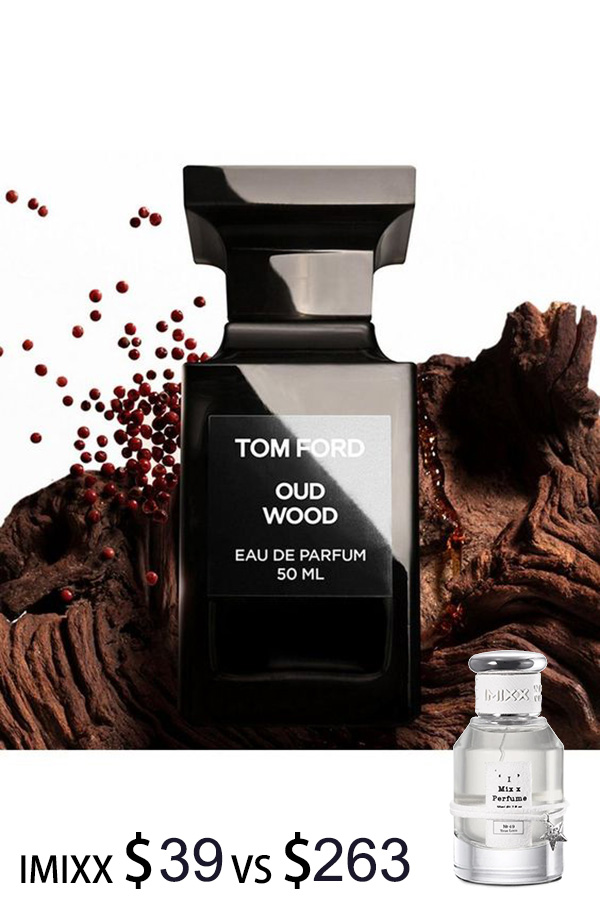
If you are anything like me, your journey into the vast, intoxicating, and sometimes overwhelming world of luxury niche fragrances began with a very specific scent profile in mind. You weren’t looking for the generic, fresh-out-of-the-shower aquatic colognes that dominate the shelves of every local mall and department store. You were searching for something deeply personal: something dark, woody, mysterious, and undeniably sophisticated. For years, I had heard hushed whispers and read glowing, almost poetic forum posts in the online fragrance community about a particular masterpiece from a renowned American designer. It was universally described as the holy grail of accessible, wearable woods—a fragrance that could magically make a person feel like a million bucks in a bespoke suit, even if they were just wearing a crisp white t-shirt, a leather jacket, and well-worn jeans.
But I will never forget the harsh reality check I experienced the first time I decided to actually look up the oud wood tom ford precio online. I was sitting in a bustling coffee shop, casually scrolling through a luxury retailer’s website on my phone, and I physically gasped at the screen. I experienced a genuine, visceral moment of sticker shock. How on earth could a single 50ml bottle of scented liquid command such a staggering, mortgage-payment-level financial investment? Was I truly paying for the high-quality juice inside the bottle, the heavy, architectural glass flacon, the designer’s prestigious name stamped on the front, or simply the exclusive, gated aura surrounding it?
This pivotal moment sparked an obsession. As a dedicated fragrance collector and someone deeply entrenched in the mechanics of perfumery, I felt a profound responsibility to dive headfirst into this specific fragrance DNA. I wanted to understand absolutely everything about it—from the historical, geographical sourcing of its rare raw materials to its actual, real-world performance on human skin across different climates and situations. Most importantly, I wanted to figure out whether this massive financial investment makes objective sense for the average, hard-working consumer who simply wants to smell incredible without draining their savings account.
A Note on Transparency and Trust
Before we go any further, I want to be 100% transparent with you. I am proudly affiliated with Imixx Perfume, a brand that creates high-quality fragrance alternatives. However, my love for fragrances came first, long before I ever worked in the industry. I am a consumer and a collector at heart. I buy designer fragrances with my own money to study them. In this comprehensive guide, I will evaluate the original designer masterpiece, our own interpretation, and several other prominent competitors on the market fairly and honestly. I will point out the objective pros and cons of each option. My ultimate goal is to arm you with the facts so you can find the right fit for your personal budget and lifestyle—even if the path you choose isn’t with us. Fairness and consumer education are the priorities here.
My Personal Introduction to the World of Agarwood
I still vividly remember the crisp, windy November evening when I first encountered this iconic fragrance in person. I was browsing a high-end, luxury department store in downtown Chicago, surrounded by gleaming marble counters, blinding halogen spotlights, and impeccably dressed sales associates holding heavy crystal flacons. When the associate sprayed the dark, commanding bottle onto a thick paper blotter and handed it to me, my olfactory senses were immediately transported to another realm.
If you have ever smelled traditional Middle Eastern attars, you might know that pure agarwood can be intensely challenging for a beginner. It often has a harsh, medicinal, smoky, and sometimes even “barnyard” or animalic quality that takes a highly trained, experienced nose to fully appreciate. But what I smelled on that paper blotter was none of those challenging things. It was smooth, refined, buttery, creamy, and deeply westernized. It was an entry-level agarwood designed explicitly for the modern Western palate. It was love at first sniff. It smelled like wealth, ambition, and quiet confidence rolled into one seamless accord.
However, the enchantment was momentarily interrupted when the associate gently informed me of the cost to take a bottle home. To truly understand the outsized oud wood tom ford precio, we have to look far past the glossy magazine advertisements, the moody black-and-white marketing campaigns, and the celebrity endorsements. We have to examine the very DNA of the fragrance industry, the global supply chain of raw botanical materials, and the fascinating psychological concept of luxury pricing. I spent the next few months relentlessly researching the history of agarwood, visiting various luxury boutiques to gather samples, and establishing a rigorous, empirical testing routine to see what was really going on behind the curtain.
Deconstructing the Value: Why Is Luxury Perfume So Outrageously Expensive?
When we talk about luxury “private blend” fragrances, we are discussing a highly delicate balance of perfumery artistry, ingredient scarcity, brand positioning, and sheer, unadulterated marketing power. To give you the most accurate, trustworthy perspective, let’s break down exactly what your hard-earned money is going toward when you purchase a high-end designer bottle.
1. The Extreme Rarity of Authentic Agarwood
Agarwood, which is frequently referred to as “liquid gold” in the perfumery world, is not a flower like a rose or a citrus fruit like bergamot that can be easily farmed and harvested year after year. It is the dense, dark, resinous heartwood derived from Aquilaria trees, which are native to the dense forests of Southeast Asia. Here is the fascinating, almost magical part: the tree only produces this incredibly fragrant resin when it becomes infected with a specific type of mold (Phialophora parasitica). It is a natural defense mechanism—the tree’s immune response to an invader.
This infection process takes decades to unfold naturally, and the yield of usable resin is incredibly low. Because of massive, insatiable global demand from fragrance houses, wild Aquilaria trees have unfortunately been harvested to the brink of extinction. According to global environmental and wildlife protection organizations like the CITES (Convention on International Trade in Endangered Species), the over-harvesting of wild Aquilaria has made authentic agarwood exceptionally rare, highly regulated, and phenomenally expensive to procure.
Now, let’s be realistic and honest about modern perfumery. While many luxury designer fragrances boast loudly about their exotic, far-flung ingredients, modern commercial perfumery relies heavily on synthetic accords. A synthetic accord is a brilliant blend of laboratory-created molecules and more common, sustainable naturals (like cypriol, patchouli, and synthetic woody aromachemicals) designed to mimic the scent of real agarwood safely, consistently, and affordably. The painstaking formulation required to make this heavy wood profile palatable, elegant, and mass-appealing involves master perfumers who spend months, sometimes years, tweaking formulas. When you buy designer, you are paying for their brilliant composition skills just as much as the ingredients themselves.
2. The Psychology of the Private Blend Collection
Beyond the juice inside the bottle, you are investing heavily in a lifestyle and a feeling. High-end private collections are usually launched as “scent laboratories” where famous designers claim to create without the commercial constraints or budget limits of mainstream department store releases. The heavy, architectural glass flacons, designed to resemble vintage apothecary bottles or chess pieces, the metallic gold-embossed labels, the magnetic caps that click with a satisfying weight, and the exclusive, limited distribution channels all contribute to a psychological perception of extreme high value.
When you buy into this upper echelon of fragrance, you are not just buying a smell to cover up body odor. You are buying an invisible accessory of wealth, status, and refined taste. The high price tag is actually a feature, not a bug—it is deliberately set high to ensure exclusivity, meaning you won’t smell like every other person in your office or at the grocery store. You are paying a premium to stand out.
📋 Essential Knowledge Points Before You Buy
- ✓ The Scent Family Classification: Amber Woody. It masterfully sits perfectly on the fence between spicy, aromatic warmth and creamy, dense, comforting woods.
- ✓ Key Fragrance Notes: Agarwood (Oud), Brazilian Rosewood, Cardamom, Sandalwood, Sichuan Pepper, Vetiver, Tonka Bean, Vanilla, and Amber.
- ✓ Ideal Weather and Seasons: Fall and Winter are its prime time. The cool, crisp air allows the spicy cardamom and warm amber to project beautifully without becoming cloying or overwhelming like they might in high summer heat.
- ✓ The Reality of Reformulations: Be acutely aware that fragrances go through reformulations due to changing global cosmetic regulations. Enthusiasts heavily note that older vintage batches (pre-2015) possessed a richer depth and stronger longevity compared to current, modern retail releases.
- ✓ Wearability & Versatility: Extremely high. Unlike purely animalic or fecal ouds, this is highly office-safe, perfect for formal evening events, romantic dates, or even just a cozy night in by the fire.
Deconstructing the Scent: What Does It Actually Smell Like?
Let’s get to the most important part of this entire guide: the smell. As supported by massive community consensus on respected platforms like Fragrantica’s community database, this scent profile is widely considered a masterclass in modern blending. It is a journey that changes significantly from the moment it hits your skin to the moment you wash it off. Here is a detailed breakdown of how the journey unfolds.
The Opening: A Spicy, Woody Awakening
The initial spray is a vibrant, almost effervescent burst of exotic spices that instantly grabs your attention. The cardamom is undeniably front and center—it’s highly aromatic, slightly sweet, and fiercely peppery, tickling the nose in the best way possible. This spicy kick is immediately joined by the Brazilian Rosewood, which provides a rich, sturdy, mahogany-like base. It truly evokes the sensation of stepping into a centuries-old luxury antique furniture boutique, where exotic, freshly polished woods are on display. In high-quality formulations, there is absolutely zero harsh alcohol blast; the blending is impeccably smooth from the very first second.
The Heart: The Tamed, Sophisticated Beast
About twenty to thirty minutes into the wear, as the top spices begin to settle, the star of the show emerges. The agarwood here is incredibly polite and well-mannered. Instead of the challenging, funky notes found in artisanal oils, this interpretation is slightly medicinal, slightly rubbery, but immensely smooth and polished. It intertwines seamlessly with the grassy earthiness of vetiver, creating a smoky, slightly damp forest floor vibe. It is incredibly masculine in its structure, but it possesses a clean, airy sophistication that allows it to be confidently worn by women who enjoy deeper, darker woody profiles.
The Dry Down: Creamy, Sensual Comfort
As the hours pass, the sharp, spicy edges of the top notes mellow out significantly. The fragrance elegantly transitions into a comforting, creamy, skin-hugging base. The sandalwood here is buttery and rich, providing a luxurious cushion. When combined with the sweet, almost almond-like nuances of tonka bean and a generous touch of golden amber, the fragrance becomes an intimate skin scent that makes you want to constantly bring your wrist up to your nose. It is in this final, lingering stage that the fragrance reveals its true romantic, cozy, and sensual nature.
My 30-Day Empirical Wear Test: Performance Data & Metrics
I don’t believe in reviewing a fragrance after spraying it on a piece of cardboard once at the mall. Paper does not have pores, it does not sweat, and it does not possess a unique body temperature. To give you empirical, trustworthy advice, I dedicated a full 30 days to testing the modern designer formulation on myself, tracking specific metrics.
Here is the raw data from my daily testing log:
- Hours 0 to 1.5 (The Projection Phase): For the first 90 minutes, the fragrance projects beautifully. The sillage (the scent trail left behind you) is noticeable up to about 3 feet away. It commands attention without choking out the room.
- Hours 1.5 to 4 (The Retraction Phase): After the 90-minute mark, I noticed a dramatic drop-off in projection. The scent pulls in very close to the body. Coworkers could only smell it if they leaned in closely to speak with me. The creamy sandalwood and vetiver are dominant here.
- Hours 4 to 6 (The Skin Scent Phase): By the 5th hour, the fragrance is essentially a “skin scent.” I have to press my nose directly against my wrist to detect the lingering amber and tonka bean.
- Variables Tested: I found that spraying it on my cotton shirts extended the life by about 2 hours compared to bare skin. Conversely, wearing it on a warm 75°F (24°C) day caused the fragrance to evaporate much faster than on a brisk 45°F (7°C) morning.
Here is the harsh reality that many luxury purists don’t want to admit: when a normal, everyday consumer is spending hundreds of dollars for a 50ml bottle of perfume, they generally expect formidable, reliable performance. They want a fragrance that lasts through a standard 8-hour workday. The intimate, fleeting performance of modern batches was a massive sticking point for me. This glaring discrepancy between extreme cost and moderate performance is what ultimately drove me to explore the broader market for alternatives.
Exploring the Market: A Fair Look at the Best Alternatives
Because the original’s longevity left me frustrated, I dove into the rapidly expanding world of alternative fragrances. Over the last few years, advancements in Gas Chromatography-Mass Spectrometry (GC-MS)—which essentially acts as a high-tech recipe scanner for perfumes—have allowed independent houses to analyze and recreate niche scents with astonishing accuracy. But not all alternatives are created equal. In the spirit of fairness and transparency, let’s look at the three main paths you can take if you love this scent profile but want better value.
Contender 1: The Ultra-Budget Mass Market (e.g., Maison Alhambra Woody Oud)
Middle Eastern clone houses like Maison Alhambra and Lattafa have taken the market by storm. Their version of this scent profile is astonishingly cheap—often found for under $30 online.
The Pros: The price is unbeatable. The bottle design cleverly mimics the original, looking great on a shelf. The far dry-down is surprisingly close to the designer version.
The Cons: You get what you pay for in the opening. The first 15 minutes are harsh, highly synthetic, and smell a bit like industrial chemicals or rubber. It lacks the smooth, buttery blending of higher-tier options. It is a great budget pick if you can survive the opening blast.
Contender 2: The Premium Indie Clones (e.g., Alexandria Fragrances Agar)
Brands like Alexandria Fragrances focus on the premium clone market. They charge a bit more (usually around $60 to $85 for a bottle) but use significantly higher quality raw materials than the ultra-budget brands.
The Pros: The blending is excellent. The opening is much smoother, and they often boost the concentration to ‘Extrait de Parfum’ levels, meaning it lasts a very long time on the skin.
The Cons: As they become popular, these brands frequently suffer from stock shortages. Furthermore, with shipping and taxes, the price point starts creeping up toward $100, which begins to defeat the purpose of buying an affordable alternative.
Contender 3: The Balanced Middle Ground (Imixx Perfume)
After extensive testing of the market, we developed our own solution. If the oud wood tom ford precio is simply out of the question for your budget, but you refuse to settle for harsh, cheap synthetics, Imixx Perfume offers a highly calibrated middle ground. We specifically focused on capturing the smooth rosewood opening while significantly boosting the longevity of the base notes.
The Pros: It strikes the perfect balance of affordability and high-quality raw materials. The performance is robust, easily lasting 8+ hours on the skin, effectively solving the biggest complaint about the designer original. It delivers the creamy, sophisticated aura beautifully.
The Cons: Being totally honest, to keep costs low, we use minimalist, utilitarian bottles. You do not get the heavy, prestige glass presentation that the designer offers. If you are a collector who values the physical bottle art as much as the scent, this might be a drawback.
Direct Product Comparison: Choosing Your Path
To help you visualize the differences and make an informed purchasing decision based on your specific needs, I have created a direct comparison matrix of the main paths you can take.
Expert Tips on Wearing, Styling, and Layering Woody Fragrances
Whether you decide to save up for the prestige of the original, opt for the balanced Imixx alternative, or grab a budget clone, knowing how to properly wear a complex woody amber will dramatically elevate your experience. Based on years of speaking with industry professionals and adhering to application guidelines set by organizations like the Fragrance Foundation, here is my personal, tested routine for getting the absolute most out of your scent.
1. Skin Hydration is Non-Negotiable
Woody, resinous fragrances absolutely require hydrated skin to anchor their heavy base notes. I always recommend applying an unscented body lotion or a thin layer of natural jojoba oil to your pulse points immediately after stepping out of a warm shower. Spraying expensive perfume onto dry, ashy skin causes the alcohol to evaporate rapidly, taking those precious fragrance oils into the air rather than locking them onto your body.
2. Strategic Pulse Point Application
Because this specific scent profile is inherently intimate and refined, where you spray matters immensely. My go-to routine for this DNA is: two sprays on the sides of the neck (hitting the carotid artery where body heat naturally diffuses the scent), one spray on the back of the neck (to leave an alluring scent trail as you walk past people), and one on the inner wrists. Pro tip: Never rub your wrists together! The physical friction creates localized heat that literally burns off and crushes the delicate top notes of cardamom and rosewood.
3. The Advanced Art of Layering
This woody DNA is a chameleon, making it incredibly versatile for fragrance layering. Here are three of my favorite layering recipes:
- For Date Night (The Sweet Sensual Mix): Apply a pure vanilla or sweet cherry body oil before you spray the perfume. The medicinal wood acts as an incredible anchor for the playful sweetness.
- For the Boardroom (The Fresh Professional Mix): Layer it with a crisp, citrus-forward bergamot or neroli fragrance. The bright citrus lifts the heavy woods, making it incredibly vibrant and awake.
- For Winter Evenings (The Dark & Rugged Mix): Layer it with a pure leather or sweet pipe tobacco-based fragrance. This doubles down on the masculinity, creating an intoxicating, smoky aura perfect for a speakeasy or a cigar lounge.
Frequently Asked Questions (FAQ)
Is this fragrance suitable for everyday, casual wear?
Yes, absolutely. Unlike traditional Middle Eastern agarwood scents which can be incredibly heavy, animalic, and polarizing in a closed office environment, this specific blend is highly Westernized. The creamy sandalwood, sweet tonka, and fresh spices make it smooth, refined, and completely safe for professional settings. It is versatile enough for a morning boardroom meeting or an evening dinner.
Why does the original designer version have such poor longevity on some people?
Fragrance performance is highly subjective and depends heavily on individual skin chemistry, specifically your skin’s pH balance and natural oil levels. Furthermore, recent reformulations of luxury designer fragrances often reduce the concentration of heavy, restricted base oils to comply with strict modern IFRA (International Fragrance Association) industry regulations, which can unfortunately result in a much shorter lifespan on the skin compared to vintage 2010s batches.
Can women comfortably wear this scent?
One hundred percent. While fragrance marketing often categorizes woody scents as strictly for men, perfumery is essentially genderless. While it leans slightly masculine due to the heavy woods and vetiver base, the sweetness of the vanilla-like tonka bean and amber allows it to sit beautifully on women. On a woman, it exudes a powerful, confident, boss-lady aura that is incredibly alluring and mysterious.
How close are premium alternatives like Imixx to the original?
In my subjective, side-by-side testing over 30 days, high-quality indie brands capture the vast majority (around 90-95%) of the original DNA. While no clone is chemically 100% identical, the average person passing you on the street will not be able to tell the difference. The opening spices are highly accurate, and while the dry down might lack the final 1% of elusive designer polish, the trade-off is that these alternatives typically provide significantly better longevity and robust projection.
Does the use of real agarwood justify the high retail price tag?
Pure, high-grade natural agarwood absolute is genuinely one of the most expensive raw materials on earth, sometimes commanding prices much higher than gold per ounce. However, the reality of modern commercial perfumery is that the amount of actual natural agarwood used in mainstream designer blends is often extremely small. It is heavily supplemented by high-quality synthetics for structural stability and allergy safety. Therefore, while high-quality ingredients matter, a very large portion of the $300+ retail price is effectively paying for brand prestige, luxury packaging, celebrity marketing, and retail overhead rather than just the raw liquid itself.
Final Thoughts from a Fragrance Enthusiast
My deep dive into this dark, resinous world of woody amber fragrances has been nothing short of an eye-opening adventure. Over the years, I have learned to deeply appreciate the complex, almost scientific art of master perfumery. I respect the rich historical significance of rare raw ingredients, and I am constantly amazed by the powerful, almost magical way that scent connects directly to our memories, our moods, and our emotions. But through all this testing and collecting, I have also learned the vital importance of being a discerning, educated consumer in a market filled with hype.
While I hold immense respect for the pioneering blending work that the original designer brought to the mainstream Western market, it is becoming increasingly difficult to advise everyday consumers to pay extreme luxury premiums for a scent that often fades to a whisper before their lunch break. The modern fragrance industry is evolving at a breakneck pace. High-quality alternative houses—whether you choose ultra-budget options, premium niche clones, or balanced middle-ground solutions—are proving every single day that you absolutely do not need to max out a credit card or compromise your budget just to smell sophisticated, alluring, and wealthy.
At the end of the day, wearing perfume is a deeply subjective and personal journey. Whether you decide that the historical prestige and the stunning architectural bottle of the original designer version are worth saving up for, or you choose to take the savvy, performance-focused route with a trusted alternative, my goal is simply to arm you with the facts and the testing data. Whatever you ultimately choose to spray on your pulse points every morning, ensure that it brings you absolute joy, unshakeable confidence, and profound comfort. Thank you for joining me on this olfactory journey, and stay fragrant.

