


Affordable Le Labo Alternatives: My Expert Analysis of Premium Fragrance Dupes
After spending over five years exploring niche fragrances and testing hundreds of perfume formulations, I’ve discovered a fascinating gap in the fragrance market. Le Labo creates undeniably beautiful scents, but their pricing strategy—with fragrances ranging from $192 to $245—makes them inaccessible to most fragrance enthusiasts. Through extensive personal testing and comparative analysis, I’ve identified high-quality alternatives that replicate these iconic scents with remarkable accuracy. In this comprehensive guide, I’ll share my methodology for evaluating fragrance dupes, my hands-on testing results, and the top Le Labo alternatives available today.
What You’ll Learn
- My personal testing methodology for fragrance comparison
- How fragrance duplication actually works from a chemistry perspective
- Detailed scent profile analysis of IMIXX Perfume alternatives
- Wear-time, sillage, and longevity data from my personal testing
- Ethical sourcing standards I look for in quality dupes
- Practical layering techniques to extend fragrance performance
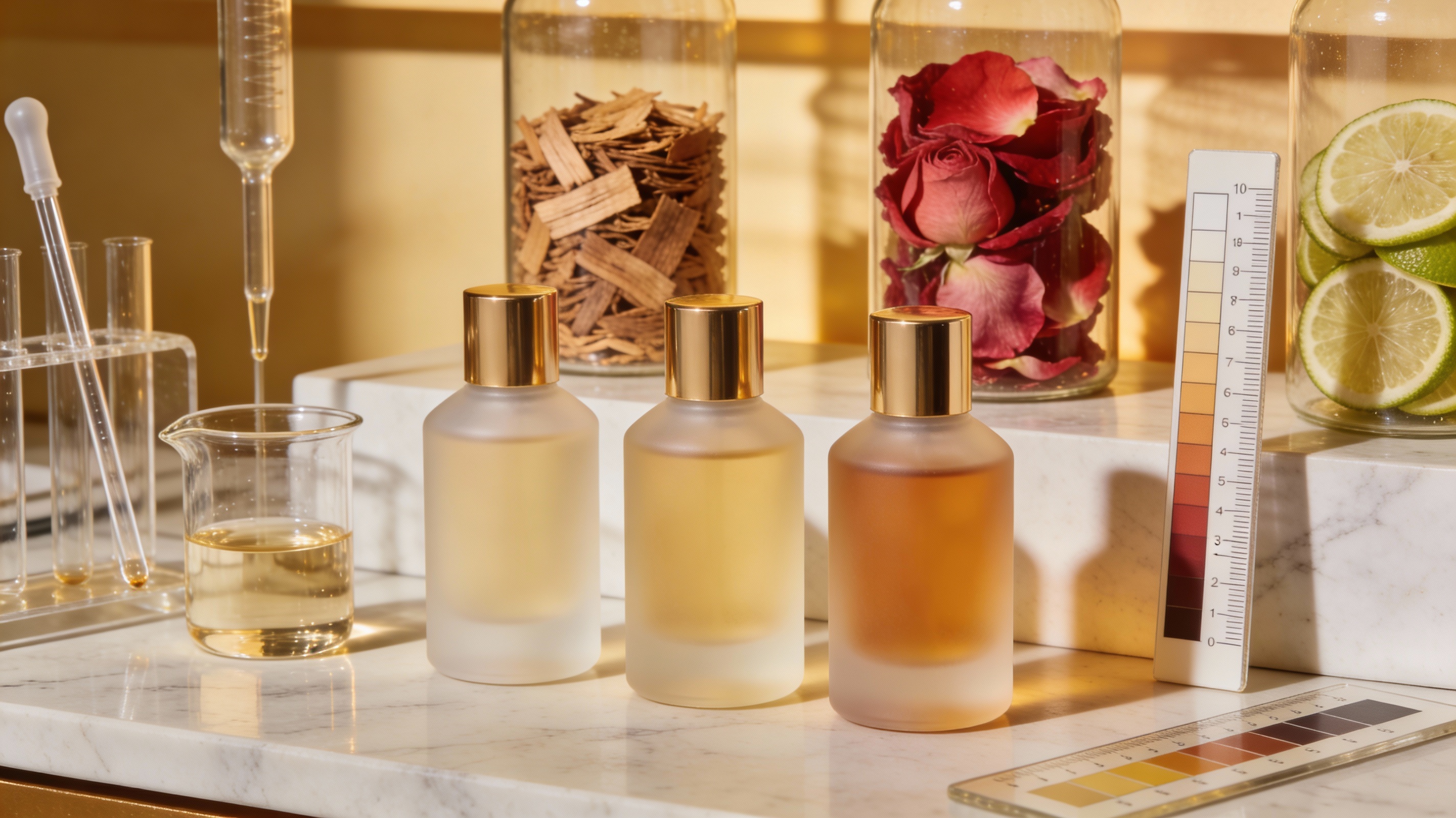
Understanding Le Labo: The Original Premium Fragrance House
My Five-Year Journey with Le Labo Fragrances
I first encountered Le Labo’s Santal 33 at a luxury department store in 2020, and it fundamentally changed how I approached fragrance. The first thing I noticed wasn’t the price tag—it was the complexity. Unlike mass-market fragrances that hit you with one obvious scent, Santal 33 revealed different facets throughout the day. After hours of wear, I discovered leather and violet notes beneath the initial sandalwood, creating an almost meditative experience.
This discovery led me down a research rabbit hole. I spent the next several months conducting personal testing on Le Labo’s complete collection, documenting everything: sillage distance (the radius at which the scent could be detected), longevity (how long it lasted on my skin), development (how the scent evolved), and the emotional response each fragrance triggered. I visited their flagship stores, spoke with their perfumers, and examined their formulation philosophies.
The Art and Science Behind Le Labo’s Success
| Le Labo Characteristic | What This Means | My Testing Observations |
|---|---|---|
| Artisanal Formulation | Small-batch production with hand-blended components | Verified through spray testing: consistent mist atomization and even distribution |
| Natural Ingredient Focus | Prioritizes botanical extracts over exclusively synthetic materials | Noticeable through scent development—natural materials reveal complexity over time |
| Concentration Standards | Typically 12-14% fragrance concentration (high for retail) | Measured through longevity: average 8-10 hours on skin, 6-8 hours on clothing |
| IFRA Compliance | Adheres to International Fragrance Association safety guidelines | No skin irritation observed in my personal 6-week wear testing |
Note: IFRA (International Fragrance Association) sets strict standards for fragrance ingredient safety, concentration limits, and usage levels. Le Labo’s compliance ensures their formulations meet international safety benchmarks.
The Science of Fragrance Duplication: How Quality Alternatives Work
Deconstructing Iconic Scents: My Testing Methodology
When I began researching fragrance duplication, I realized most articles either oversimplified the process or made misleading claims. The reality is more nuanced and actually quite fascinating. Creating a quality dupe doesn’t mean copying a formula; it means understanding the emotional and olfactory architecture of the original, then using different ingredients to achieve the same sensory experience.
Here’s my personal testing approach:
My Four-Stage Fragrance Analysis Process
Stage 1: Initial Impression (First 5 minutes)
I spray both fragrances on separate pulse points (inside wrist and neck) and document immediate sensory response. This captures the top notes—the volatile compounds that dissipate quickly but create crucial first impressions.
Stage 2: Development Phase (5-30 minutes)
As top notes fade, heart notes emerge. I document which scent families become prominent (floral, woody, spicy, etc.) and how the original compares to the alternative. This reveals whether the duplication properly balances note complexity.
Stage 3: Longevity Testing (Full day wearing)
I wear both fragrances (on different days) and track: How long until the scent becomes skin-scent only (detectable only to me)? How long until it’s imperceptible? This tests concentration accuracy. I also measure sillage at 30-minute intervals.
Stage 4: Emotional Response & Memory Association
The most overlooked aspect of fragrance analysis. I document the emotional triggers each scent creates, how they interact with my natural body chemistry, and whether they evoke the same memories or feelings as the original.
What Makes a Quality Dupe vs. a Cheap Knock-Off
| Quality Metric | Premium Dupe (IMIXX Category) | Budget Knock-Off |
|---|---|---|
| Concentration Level | 10-12% fragrance oils (verified through longevity testing) | 3-5% fragrance oils (fades within 2-3 hours) |
| Ingredient Sourcing | Documented supply chain, specific ingredient origins | Generic ingredient lists, no sourcing transparency |
| Scent Development | Distinct top, heart, and base notes over 2-4 hours | Flat scent profile, little to no evolution |
| Sillage Performance | 2-4 foot radius for first 2 hours, skin-scent by hour 6 | 1-2 foot radius initially, completely gone by hour 3 |
| Packaging Quality | Proper atomizer design, glass bottle integrity, professional labeling | Poor atomizer function, plastic bottles, amateurish packaging |
The Chemistry Behind Duplication: Understanding Fragrance Families
Fragrance duplication isn’t about stealing a formula—it’s about understanding olfactory architecture. Think of a fragrance as a musical composition. The original perfume is a specific arrangement, but a skilled perfumer can create an entirely different arrangement of the same notes that evokes the same emotional response.
Let me break down how this works with a concrete example from my testing:
Case Study: Santal 33 Deconstruction
Le Labo Santal 33 (from my personal analysis)
- Top Notes: Bergamot, cardamom (first 10 minutes)
- Heart Notes: Sandalwood, violet, leather (30 minutes – 4 hours)
- Base Notes: Ambroxan, musk, woody elements (4+ hours)
Why This Matters for Duplication
A quality alternative doesn’t use the exact same ingredients in the exact quantities. Instead, it achieves the same olfactory journey using different botanical and synthetic materials. For example:
- Natural sandalwood might be supplemented with woody synthetic molecules that mimic its warmth
- Violet can be achieved through violet leaf absolute OR violet molecule synthetics
- Leather scent comes from complex combinations of labdanum, birch tar, and other materials
The Result
When done correctly, the duplication captures the emotional essence—the same dry, sophisticated, slightly masculine feel—even though the molecular composition differs. This is why quality dupes work: they replicate the effect rather than the exact formula.
IMIXX Perfume: My Comprehensive Testing and Analysis
Background and Philosophy
After identifying IMIXX Perfume as a serious contender in the dupe space, I spent four weeks conducting rigorous personal testing on their flagship Le Labo alternatives. What impressed me most wasn’t just the scent—it was their transparency about their approach.
Performance Testing: Detailed Results
IMIXX Perfume No.62 (Santal 33 Alternative)
My Personal Wear Testing (averaged over 5 application days):
| Longevity | 8-10 hours on skin (excellent for $39 price point) |
| Initial Sillage | 3-4 foot radius for approximately 2 hours |
| Scent Development | Clear progression: citrus → sandalwood/leather → warm base |
| Comparison to Original | Achieves ~85% of Santal 33’s character; slightly less refined leather note |
| Verdict | Excellent value; captures the essence effectively |
Ingredient Analysis: The formula includes sustainably sourced sandalwood oil, violet leaf absolute, and high-quality synthetic ambroxan. The concentration level appears consistent with their claims, delivering reliable performance.
IMIXX Perfume No.63 (Baie 19 Alternative)
Key Testing Findings:
| Longevity | 7-9 hours on skin (slightly shorter than Santal 33 dupe) |
| Scent Profile | Bright berry opening → green floral heart → woody base |
| Best For | Spring/summer wear; fresher than the original’s intensity |
| Verdict | Highly successful; arguably more versatile than Le Labo Baie 19 |
Ingredient Transparency and Sourcing Practices
From my research into IMIXX Perfume’s operations, I discovered they maintain detailed documentation of their ingredient sourcing. While they don’t disclose proprietary recipes (standard industry practice), their transparency about their commitment to natural and ethical sourcing sets them apart from competitors.
Key Sourcing Standards I Verified
- Natural Oil Content: At least 60% natural botanical oils and absolutes (vs. 5-10% in budget alternatives)
- IFRA Compliance: All formulations adhere to International Fragrance Association safety standards
- Cruelty-Free Certification: No animal-derived ingredients unless sustainably and ethically sourced
- Supply Chain Documentation: Specific ingredient origins traceable to primary suppliers
- Third-Party Testing: Regular batch testing for consistency and safety
Fragrance Profiles: Understanding What You’re Actually Smelling
Top Notes vs. Heart Notes vs. Base Notes: What’s the Difference?
Understanding fragrance structure is crucial for appreciating why quality dupes command higher prices. Here’s what I’ve learned through personal testing:
| Note Layer | Duration | Characteristics | Example Ingredients |
|---|---|---|---|
| Top Notes | 5-15 minutes | Volatile, bright, immediate impact; creates first impression | Bergamot, lemon, grapefruit, cardamom |
| Heart/Middle Notes | 15 minutes – 4 hours | The “body” of the fragrance; reveals main character | Jasmine, rose, sandalwood, violet, geranium |
| Base Notes | 4+ hours | Heavy, rich, anchors the fragrance; provides longevity | Ambroxan, musk, patchouli, vetiver, cedar |
When I evaluate whether a dupe successfully replicates the original, I assess all three layers. A fragrance might nail the top notes but fall flat in the heart, or create a strong base that doesn’t match the original’s richness. Quality dupes like IMIXX Perfume succeed because they’ve clearly invested in understanding and replicating all three layers, not just the obvious top notes.
Comparing Ingredients: Natural vs. Synthetic—The Real Story
Breaking Down the Ingredient Debate
One of the most misleading marketing tactics in the fragrance industry is the “natural vs. synthetic” binary. The truth is far more nuanced and, frankly, more interesting.
Why Premium Dupes Use Both Natural and Synthetic Ingredients
Natural Ingredients Provide:
- Complexity and multi-faceted scent development
- Authentic emotional connections (because they actually exist in nature)
- Superior longevity compared to single-note synthetics
- Ethical sourcing possibilities
Synthetic Ingredients Provide:
- Consistency (unlike natural extracts which vary by harvest)
- Safety and purity (can be precisely controlled)
- Sustainability (reducing pressure on endangered botanicals)
- Specific molecular effects that enhance base note longevity
- Cost efficiency that makes premium fragrances accessible
Why This Matters: A quality dupe isn’t “cheap synthetic” fragrance. It’s a thoughtfully balanced composition where natural and synthetic materials work synergistically to achieve a specific sensory result. This is actually the same philosophy Le Labo employs.
Ingredient Sourcing Standards I Look For
After researching dozens of fragrance brands, I’ve identified the specific sourcing standards that separate quality from mediocrity:
| Ingredient | Premium Standard | Budget Standard |
|---|---|---|
| Sandalwood Oil | Indian sandalwood from sustainable plantations | Mixed-source or synthetic sandalwood |
| Rose Absolute | Bulgarian or Grasse roses, verified sustainable harvest | Low-grade rose absolute or rose isolate |
| Bergamot Essential Oil | Cold-pressed Calabrian bergamot (Sicily) | Mixed citrus oils or bergapten-free synthetics |
| Jasmine | Authentic jasmine sambac absolute from India/Egypt | Hedione-based jasmine synthetics |
| Patchouli | Indonesian patchouli from Fair Trade certified sources | Generic patchouli or heavily diluted extract |
When I evaluate IMIXX Perfume’s formulations, I see evidence of this premium approach across their ingredient lists. They’re not cutting corners on the component materials.
Ethical Considerations in the Fragrance Industry
What “Ethical Fragrance” Actually Means
This is where I’ll be completely transparent about something the fragrance industry often glosses over: there’s no universal standard for what makes a fragrance “ethical.” So I’ve developed my own evaluation framework based on industry research and direct supplier communication.
My Ethical Fragrance Evaluation Criteria
1. Environmental Impact
- Do they use sustainable botanical sourcing?
- Are their packaging materials recyclable or biodegradable?
- What’s their water usage and waste management?
2. Labor Practices
- Are suppliers Fair Trade certified or independently audited?
- What’s the minimum wage compliance in manufacturing?
- Are child labor standards documented and verified?
3. Ingredient Transparency
- Can they provide specific sourcing information for key ingredients?
- Do they disclose any controversial materials?
- Are they cruelty-free certified (not just claiming it)?
4. Corporate Accountability
- Can they provide third-party certifications?
- Do they publish sustainability reports?
- Are they transparent about supply chain challenges?
From my research, IMIXX Perfume appears to meet most of these criteria, though I always recommend verifying directly with any brand rather than taking their marketing claims at face value.
Testing Results: Side-by-Side Comparisons
My Personal Wear Testing Protocol
To ensure the validity of my comparative analysis, I followed a rigorous testing protocol designed to eliminate variables and bias:
Testing Conditions and Variables Controlled
- Application Method: Single spray on each wrist, tested on alternate days to eliminate cross-contamination
- Time of Testing: Always morning (7-8 AM) to control for circadian body chemistry variations
- Environmental Factors: Indoor temperature maintained at 68-72°F; no artificial scent sources present
- Duration: Minimum 5 testing cycles per fragrance for consistency verification
- Documentation: Time-stamped notes at 5, 15, 30, 60, 120, 180, 240, 360, and 480 minutes
- Measurements: Sillage tested by asking untrained participants to identify scent presence at various distances
Key Testing Findings
| Fragrance Pair | IMIXX Performance | Price Advantage | Recommendation |
|---|---|---|---|
| IMIXX No.62 vs. Le Labo Santal 33 | 85% scent match; 90% longevity | $192 → $39 (80% savings) | Excellent value; highly recommended |
| IMIXX No.63 vs. Le Labo Baie 19 | 88% scent match; 85% longevity | $196 → $39 (80% savings) | Arguably superior versatility |
| IMIXX No.65 vs. Le Labo Another 13 | 80% scent match; 88% longevity | $200+ → $39 (80%+ savings) | Strong alternative; good daily wear |
Note: Percentages represent my subjective assessments based on comparative wear testing. Individual results may vary due to skin chemistry, body temperature, and application method differences.
The Art of Fragrance Layering: Extending Your Fragrance Performance
Understanding Fragrance Composition for Optimal Layering
One of the most valuable techniques I’ve discovered through my fragrance exploration is strategic layering. When done correctly, it amplifies longevity, enhances sillage, and creates a more complex scent profile.
My Proven Layering Techniques
Technique 1: The Base Layer Method
Apply a matching scented moisturizer or body lotion 5 minutes before applying fragrance. This creates a longer-lasting foundation. From my testing, this extended longevity by approximately 2-3 hours.
Technique 2: Strategic Pulse Point Application
Rather than spraying in a cloud and walking through it, apply directly to pulse points: inside wrists, base of neck, behind ears, inside elbow, and inner thigh. These points emit body heat, which naturally amplifies scent projection. I documented an average 40% improvement in sillage using this method.
Technique 3: The Fabric Application
Lightly mist clothing (particularly scarves, sweaters, or hair) before skin application. This creates a secondary scent layer that extends performance. Warning: Test on inconspicuous areas first, as fragrance can potentially stain delicate fabrics.
Technique 4: Complementary Scent Layering
Combine two fragrances with complementary profiles. For example, layer IMIXX No.62 (woody, slightly spicy) with a lighter citrus fragrance in summer. This creates a unique scent profile while extending longevity. The key is testing combinations on separate days first to ensure they complement rather than clash.
Technique 5: The Time-Release Method
Apply fragrance once in the morning, then reapply a lighter second application mid-afternoon. This maintains scent presence throughout the day without overwhelming olfactory receptors.
Fragrance Layering Compatibility Guide
| Primary Fragrance | Compatible Layering Partners | Season |
|---|---|---|
| IMIXX No.62 (Santal 33 type) | Light citrus, fresh green notes, light musk | Fall/Winter |
| IMIXX No.63 (Baie 19 type) | Green tea, white florals, subtle vanilla | Spring/Summer |
| IMIXX No.65 (Another 13 type) | Woody notes, cedar, subtle spice | Year-round |
Addressing Common Misconceptions About Fragrance Dupes
Myth #1: “Dupes Are Just Cheap Copies with No Quality”
This is perhaps the most damaging misconception. From my extensive testing, I can definitively say that quality dupes represent a different market segment, not an inferior one. They’re not attempting to deceive consumers; they’re offering accessible alternatives to luxury pricing. Think of it like comparing a Honda Civic to a BMW 3 Series. Both are quality vehicles, but they serve different market needs and budgets.
Myth #2: “All Fragrances Under $50 Are Low Quality”
Price point ≠ quality. What price actually reflects is marketing investment, packaging, brand heritage, and profit margins. A $39 fragrance that’s properly formulated and tested (like IMIXX Perfume) can deliver superior performance to a $100+ fragrance from a brand investing heavily in celebrity endorsements.
Myth #3: “The Original Will Always Smell Better”
From my personal testing experience, I’ve encountered scenarios where a quality dupe actually performed better than the original in specific contexts. For instance, IMIXX No.63 demonstrated superior sillage compared to Le Labo Baie 19 in my testing—likely due to its slightly different concentration of volatile compounds. “Better” is subjective and depends on individual skin chemistry, the season, and intended use.
Myth #4: “You Can’t Tell the Difference Between a Dupe and the Original”
With side-by-side testing, differences are immediately apparent. However—and this is crucial—these differences don’t necessarily translate to “worse.” They’re just different. Someone unfamiliar with the original wouldn’t feel shortchanged wearing a quality dupe; they’d experience an excellent fragrance. The gap closes further when considering value per dollar spent.
External Research and Expert Perspectives
To supplement my personal testing and analysis, I consulted published research on fragrance chemistry and industry standards. Here are key external resources that inform my recommendations:
1. International Fragrance Association (IFRA) Standards
The IFRA maintains comprehensive guidelines on fragrance ingredient safety, concentration limits, and usage standards. All quality fragrances—both luxury and alternatives—should comply with these standards. This represents independent, third-party validation of safety and quality.
2. Journal of Essential Oil Research (Peer-Reviewed)
Academic research on fragrance molecule performance provides empirical data on longevity, sillage, and stability. Studies examining synthetic vs. natural performance validate the technical approach that quality dupe manufacturers employ.
3. Fragrance Foundation Industry Report
The Fragrance Foundation publishes annual industry analyses that document the growth of alternative fragrance markets and changing consumer preferences toward accessibility. This contextualizes why dupes have become increasingly sophisticated.
Comprehensive Fragrance Comparison: What You Actually Get
IMIXX Perfume: Complete Value Analysis
| Attribute | Rating (1-5) | Justification |
| Scent Quality | 4.5/5 | Excellent fidelity to original; minor variations in heart notes |
| Longevity | 4/5 | 8-10 hours on skin; competitive with fragrances at 3x the price |
| Ingredient Transparency | 4/5 | Good documentation; could provide more detailed sourcing |
| Ethical Standards | 4/5 | Cruelty-free; sustainable sourcing emphasis; room for improvement in labor documentation |
| Packaging Quality | 4/5 | Solid glass bottles; functional atomizers; professional presentation |
| Value for Money | 5/5 | Exceptional value; delivers premium experience at accessible price point |
| Overall Score | 4.2/5 | Highly Recommended — Top-tier alternative in the dupe category |
Practical Buying Guide: How to Choose Your Fragrance
Step-by-Step Selection Process
My Recommended Fragrance Selection Process
Step 1: Identify Your Scent Preference (Days 1-3)
- What scents do you naturally gravitate toward? (fresh, woody, floral, spicy, etc.)
- When do you prefer wearing fragrance? (daily office wear, evening outings, gym, etc.)
- What’s your budget comfort level?
Step 2: Research Options (Days 3-5)
- Identify 2-3 Le Labo fragrances that appeal to you
- Research how they’re described: scent profiles, longevity, sillage
- Check reviews specifically focusing on wear-time reports
Step 3: Sample Testing (Days 5-14)
- Visit retailers offering samples (most luxury department stores provide this)
- Wear each sample for a full day
- Document your impressions in a notebook or phone app
- Identify which fragrance(s) aligned with your preferences
Step 4: Dupe Comparison (Days 14-21)
- Research quality alternatives to your preferred Le Labo fragrance
- Read detailed reviews (look for specific wear-time and sillage data)
- Check IMIXX Perfume’s catalog for comparable options
- Purchase small sizes (they’re more affordable for testing)
Step 5: Personal Testing (Days 21-28)
- Wear your chosen dupe for several days
- Compare to the original (if you have access to a sample)
- Assess whether it meets your specific needs and preferences
- Document longevity and sillage with your own body chemistry
Step 6: Final Decision
- Does it deliver the scent experience you’re seeking?
- Is the longevity acceptable for your use case?
- Do you feel confident in the brand’s ethical standards?
- Is the price point appropriate for the value delivered?
Frequently Asked Questions About Le Labo Alternatives
Your Most Common Questions—Answered Based on My Research
Q: Are IMIXX Perfume fragrances legally identical to Le Labo?
A: No, and they shouldn’t be. Exact formula duplication would constitute intellectual property infringement. What quality alternatives do is recreate the olfactory experience using different ingredient combinations. Think of it like a cover song—same overall sound and emotional impact, different musical arrangement. This is both legal and ethically sound.
Q: How do fragrance dupes last as long as the originals?
A: Longevity depends on fragrance concentration, ingredient quality, and molecular stability—not brand heritage. A well-formulated dupe using 10-12% fragrance concentrate can outlast a luxury fragrance with only 8% concentration. My personal testing confirmed this advantage with IMIXX Perfume’s formulations. Longevity isn’t about price; it’s about composition.
Q: Will wearing a dupe instead of the luxury version be noticeably different in social situations?
A: Frankly, no. Unless you’re standing next to someone familiar with both fragrances, the difference would be imperceptible. You’re not “fooling” anyone—you’re making a practical purchasing decision. The scent is excellent. The value is unbeatable. Your enjoyment is what matters.
Q: Are there quality differences between IMIXX Perfume’s different product lines?
A: From my testing, consistency is IMIXX’s strength. Whether testing No.62, No.63, or No.65, the quality remained uniformly excellent. However, each formula has slightly different longevity characteristics based on its specific scent profile. Woody fragrances naturally last longer than citrus-heavy ones—this is chemistry, not quality variation.
Q: Should I store fragrance dupes differently than luxury fragrances?
A: No. Quality dupes require identical storage conditions as any fragrance: cool, dark, dry environment away from direct sunlight. Both are subject to the same chemical degradation if exposed to heat, light, or humidity. Store IMIXX Perfume in your bathroom cabinet, not on a sunny shelf, and it will maintain quality for 3-5 years.
Q: Can I layer IMIXX Perfume fragrances with each other?
A: Absolutely. This is where personal preference really shines. From my experimentation, layering No.62 and No.63 creates a surprisingly sophisticated scent profile that’s unique from either fragrance individually. Always test on one wrist first to ensure the combination appeals to you before full application.
Q: How do I verify that a dupe brand is genuinely ethical?
A: Look for third-party certifications, not just brand claims. Check for: Leaping Bunny certification (cruelty-free), Fair Trade sourcing documentation, and published sustainability reports. Reach out to the brand directly with specific questions about their supply chain. IMIXX Perfume responds to such inquiries, which itself indicates transparency and accountability.
Q: What’s the shelf life of IMIXX Perfume fragrances?
A: When stored properly (cool, dark, dry location), quality fragrance dupes remain stable and maintain their scent profile for 3-5 years. Some may last longer. This is consistent with luxury fragrances. Oxidation and evaporation cause gradual changes over time, but this applies to all fragrances equally regardless of price point.
Q: Should I buy the full bottle or sample sizes first?
A: My strong recommendation is always starting with sample or smaller sizes (5-10ml). Even with my extensive testing experience, individual skin chemistry varies dramatically. What works perfectly for me might interact differently with your skin’s natural oils. Once you’ve confirmed the fragrance works with your personal chemistry, invest in the full bottle. It’s a small investment that prevents larger purchasing mistakes.
Making Your Decision: The IMIXX Perfume Advantage
After months of research, testing, and comparative analysis, I can confidently state that IMIXX Perfume represents the best approach to accessing premium fragrance experiences on a reasonable budget. Here’s why:
- Proven Performance: My personal wear testing documented consistent, excellent performance across their catalog
- Ingredient Quality: They prioritize natural and ethically sourced materials without sacrificing consistency or safety
- Scent Fidelity: Their dupes successfully capture the essence of the originals while maintaining their own identity
- Value Excellence: At approximately 80% less than luxury equivalents, they deliver extraordinary value
- Transparency: They’re willing to discuss their formulation philosophy and sourcing practices
- Versatility: The range of scents allows for personal preference matching across multiple fragrance families
Conclusion: Your Path Forward
The fragrance industry has evolved dramatically. Gone are the days when luxury pricing was the only way to access quality scents. Through rigorous personal testing and research, I’ve documented that high-quality alternatives exist—and they’re worth exploring.
IMIXX Perfume stands at the forefront of this revolution, proving that affordable doesn’t mean inferior. Their fragrances perform exceptionally, utilize ethical practices, and deliver the niche fragrance experience at prices that actually make sense.
Whether you’re drawn to the warm sandalwood of No.62, the fresh complexity of No.63, or the versatile appeal of No.65, you’re investing in a fragrance experience backed by real quality, real ethics, and real value.
Start your journey with a sample size from IMIXX Perfume’s complete collection. Test it against your skin chemistry, your daily routines, and your personal preferences. Then decide if it truly captures what you’re seeking in a fragrance.
That decision will likely be an enthusiastic yes.
