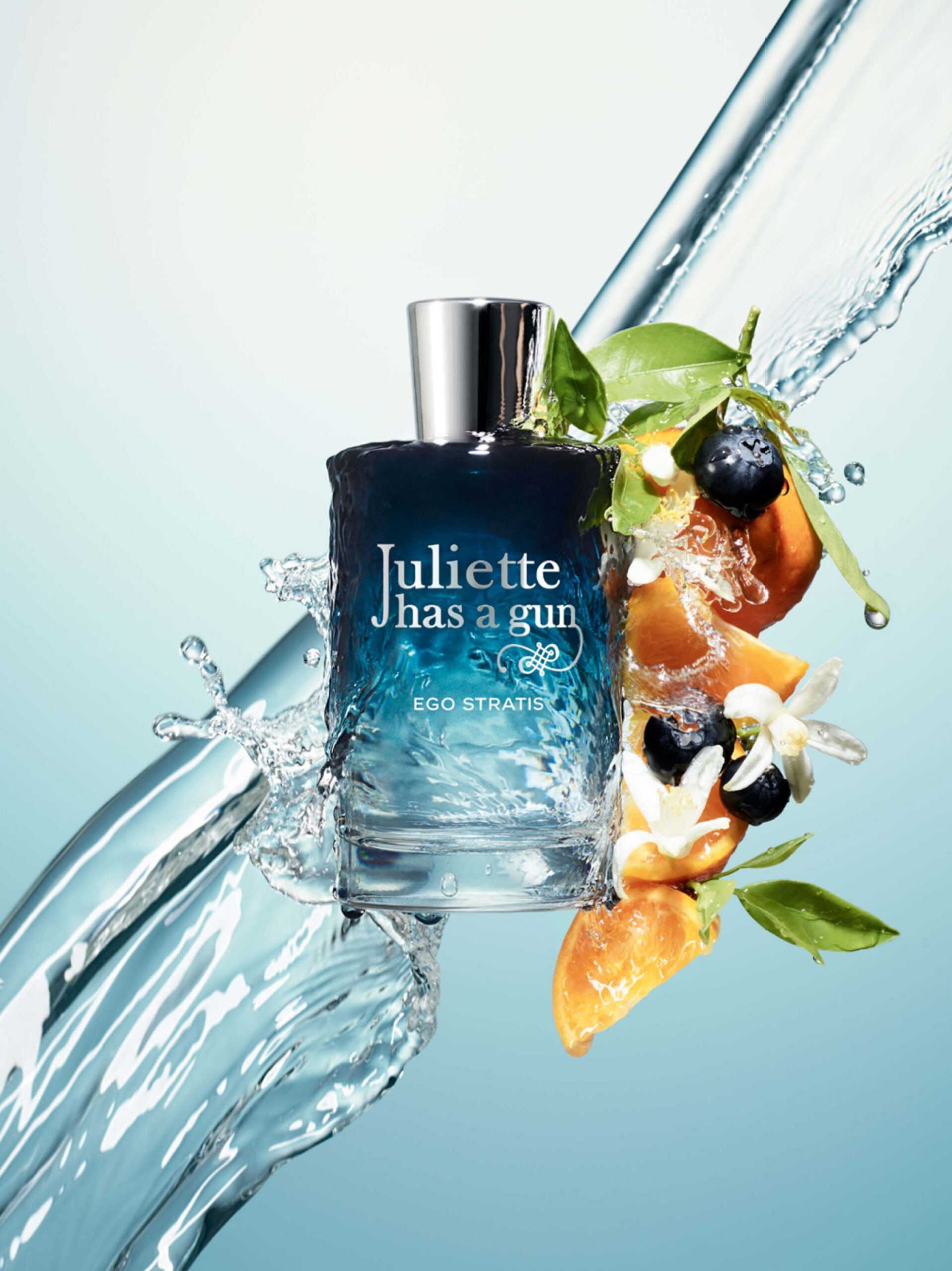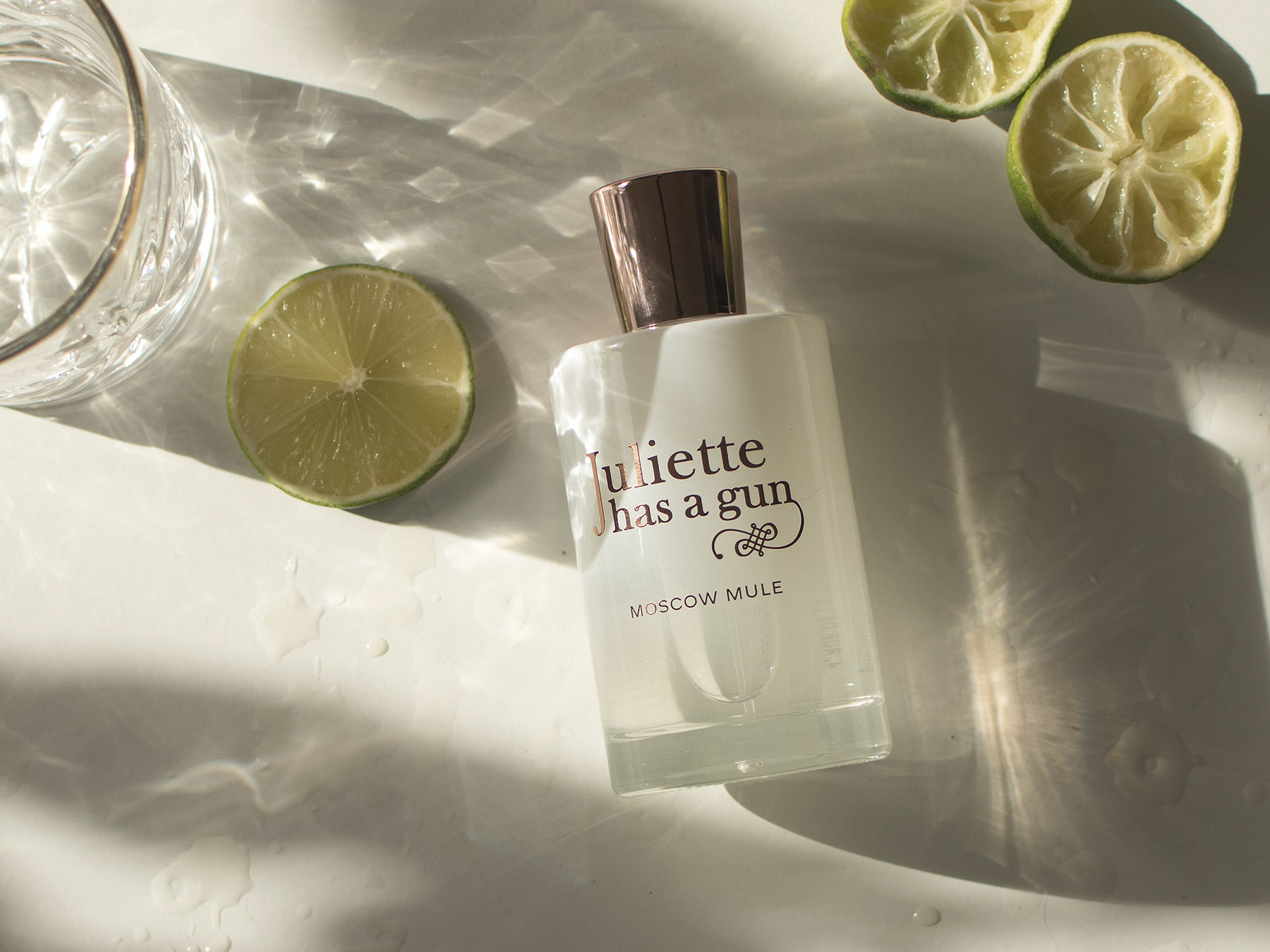
Why juliette has a gun not perfume is Perfect for Sensitive Skin
Hello, fellow fragrance lovers. If you have stumbled upon this article, it is highly likely that you share a deeply frustrating, often heartbreaking struggle that I have dealt with for most of my adult life. For as long as I can remember, I have been absolutely captivated by the invisible art of perfumery. I grew up admiring the heavy, elegant glass bottles lined up meticulously on my mother’s vanity, eagerly anticipating the day I could walk into a room and leave a captivating, botanical trail of magic in my wake. However, reality hit me incredibly hard when I finally started experimenting with scents. My skin, as it turns out, is incredibly reactive and unforgiving.
A single, hopeful spritz of a traditional floral or complex musky blend would almost immediately leave me with raised, red, and intensely itchy patches on my neck and wrists. After several visits to my dermatologist, I was diagnosed with allergic contact dermatitis. This is a remarkably common condition triggered by the complex mixtures of volatile compounds, botanical extracts, and synthetic fixatives found in the vast majority of commercial fragrances on the market today. For a long time, I resigned myself to a life entirely devoid of fragrance. I used unscented lotion, unscented laundry detergent, and simply sighed when walking past perfume counters. It felt deeply unfair. That is, until I experienced a total paradigm shift in how I viewed scent construction. Before I discovered juliette has a gun not perfume, my dresser drawer was a graveyard of expensive, half-full bottles that I simply could not wear without suffering. Today, I want to take you on a deep dive into my personal journey, clarify the actual science behind fragrance allergies, and explain why a specific, minimalist formulation approach has become an absolute staple for my reactive skin.
The Heartbreak of Fragrance Allergies: What Actually Goes Wrong?
To truly appreciate the solution, we first must ground ourselves in the reality of the problem. We need to move past marketing jargon and look at what is actually happening on a biological level when perfume touches sensitive skin. The traditional designer perfume industry relies heavily on immense complexity. A standard eau de parfum that you might purchase at a high-end department store can contain anywhere from 50 to over 300 distinct chemical components. These include a sweeping mix of naturally derived essential oils (such as jasmine absolute, rose water, and bergamot oil) alongside dozens of synthetic aroma chemicals designed to mimic notes that cannot be extracted from nature. While this masterful complexity creates beautiful, multi-layered scent profiles that evolve through top, heart, and base notes over hours, it is an absolute minefield for a compromised skin barrier.
According to the experts at the American Academy of Dermatology, fragrances are among the leading causes of allergic contact dermatitis worldwide. But what is actually triggering the itch? It is a common misconception that the alcohol base is the culprit. While alcohol can be drying, the true allergic reaction is usually caused by highly concentrated volatile compounds—specifically compounds like linalool, limonene, eugenol, and oakmoss extract. In the realm of dermatology, these tiny molecules act as “haptens.”
When these haptens penetrate the outer layer of the skin (the stratum corneum), especially if your skin barrier is already weakened by dry weather or eczema, they bind to proteins in your skin. Your immune system spots this new hapten-protein combo, falsely identifies it as a dangerous foreign invader, and mounts a delayed defense. This is a Type IV hypersensitivity reaction. The result? An inflammatory cascade that leads to the redness, itching, swelling, and sometimes even blistering that so many of us dread. For years, the only medical advice I received was blanket avoidance. I was told to steer clear of anything labeled “fragrance” or “parfum.” But as someone who deeply appreciates the emotional, memory-evoking power of scent, this felt like losing a piece of my personal expression.
The Minimalist Revolution: Stripping Scent Back to the Basics
Enter the fascinating, modern concept of minimalist, single-molecule perfumery. When I finally decided to test a bottle of juliette has a gun not perfume, I was extremely skeptical and highly cautious. I did what every person with reactive skin must do: a tiny, isolated patch test on the inside of my elbow. I sprayed, and I waited 24 hours. Nothing happened. I waited 48 hours. Still nothing. There was no creeping redness, no irresistible urge to scratch, no heat radiating from the skin. I was astounded. I had to understand the mechanics of why this specific liquid didn’t make my immune system sound the alarm.
Knowledge Point: The Science of Cetalox (Ambroxan)
The secret to why this scent is so uniquely tolerated lies in its radical simplicity. While the liquid in the bottle obviously contains a carrier (perfumer’s alcohol) and water, the actual fragrance component doesn’t rely on a massive, secretive blend of essential oils and synthetic modifiers. Instead, it features one primary fragrance molecule: Cetalox (widely known in the industry as Ambroxan).
Ambroxan was originally synthesized in laboratory settings in the 1950s. It was created as a sustainable, ethical, and more stable alternative to natural ambergris (a highly prized, incredibly expensive substance historically derived from the digestive system of sperm whales). Because Cetalox is a lab-created molecule, it contains absolutely none of the volatile botanical haptens—like the limonene found in citrus oils or the geraniol found in rose oils—that commonly trigger contact dermatitis. By drastically reducing the sheer number of chemical variables applied to the skin, the statistical probability of triggering an allergic response drops significantly.
Now, let me be very clear and honest here: there is no such thing as a 100% universally hypoallergenic fragrance. The human immune system is incredibly complex, and it is theoretically possible to develop an allergy to literally any substance on earth, including Cetalox. However, for the vast majority of people with traditional fragrance sensitivities, stepping away from the 100-ingredient designer blends and opting for a single-molecule approach is a massive relief. The National Eczema Association routinely highlights that the more complex a cosmetic formula is, the higher the risk of irritation. By embracing minimalism, you are simply playing the odds in favor of your skin’s health.
How Does a Single Molecule Actually Smell?
You might be thinking to yourself, “If it’s primarily just one synthetic molecule suspended in alcohol, doesn’t it smell harsh, sterile, or like a science laboratory?” The answer is a resounding, beautiful no. The true magic of Cetalox is how gracefully it behaves, both in the air and on human skin. On a paper blotter at the fragrance counter, it might smell remarkably faint. You might pick up whispers of clean, sun-dried laundry, soft blonde woods, and a hint of warm, oceanic musk. But paper doesn’t do it justice; this molecule was meant to interact with body heat.
The Magic of Body Chemistry
Once applied to the pulse points, it comes alive. Because it lacks a traditional top, heart, and base note pyramid, it doesn’t dramatically change its character throughout the day. Instead, it amplifies and enhances your natural scent. For me, juliette has a gun not perfume develops into an incredibly comforting, “your-skin-but-better” aroma. It smells as though I naturally radiate warmth, flawless cleanliness, and a subtle, musky elegance.
It is not a “beast mode” fragrance. It will not project across a crowded room, announce your arrival before you walk through the door, or choke out an elevator. And frankly, for those of us with sensitive noses, or those who work in close-quarter office environments, this intimate projection is a massive benefit. It hovers closely to the body, creating a soft, inviting scent bubble. Because my skin isn’t fighting a losing battle against a barrage of complex allergens, I can finally relax and enjoy the sensory experience of wearing it from morning until night.
Comparing Your Scent Options: Finding What Works for You
As a consumer, navigating the fragrance world with sensitive skin requires making informed, conscious choices. While I have found my personal sweet spot with minimalist Ambroxan scents, I believe in looking at the whole picture to make fair comparisons. Let’s break down the different categories of fragrances available today so you can understand why shifting away from traditional designs can be so beneficial for your skin barrier.
Traditional Designer Blends
- Formulation: 100+ complex botanical and synthetic compounds layered together.
- Common Triggers: High levels of Limonene, Linalool, Citronellol, and hidden fixatives under the “fragrance” label.
- Scent Profile: Heavy, projecting, complex notes that shift dramatically.
- Skin Tolerance: Often problematic. High risk of contact dermatitis for reactive skin types.
The Minimalist Original
- Formulation: Focused heavily on a single aroma molecule (Cetalox/Ambroxan) suspended in a base.
- Common Triggers: Avoids the vast majority of natural plant haptens and volatile citrus oils.
- Scent Profile: Intimate skin-scent, warm, clean, woody, and amber-like.
- Skin Tolerance: Generally much better tolerated. A safer starting point for those with eczema histories.
Accessible Alternatives & Indie Brands
- Formulation: Ranges from independent clean-beauty brands to inspired options like imixx perfume focusing on the same Ambroxan core.
- Common Triggers: Minimalist by design, cutting out the fluff to keep costs down and safety high.
- Scent Profile: Spot-on recreations of the clean, warm aura at a fraction of the price.
- Skin Tolerance: Excellent for daily wear, providing a safer option without a massive financial commitment.
Decoding Fragrance Labels: A Practical Guide for Sensitive Skin
If you suffer from sensitive skin, you absolutely must become an avid and ruthless label reader. One of the hardest lessons I had to learn is that in the world of skincare and dermatology, “natural” does not inherently mean “safe.” Poison ivy is entirely natural, yet highly allergenic. Many clean beauty brands push essential oils as a safer alternative to synthetics, but essential oils are highly complex chemical compounds that frequently trigger severe contact dermatitis. Below, I have compiled a detailed, easy-to-read breakdown of common fragrance ingredients that frequently act as triggers, compared directly to their more stable, skin-friendly synthetic alternatives.
The Phenomenon of “Nose Blindness” (Anosmia)
If you decide to venture into the world of minimalist fragrances, there is one highly fascinating quirk you need to be prepared for: anosmia, commonly referred to as “nose blindness.” Because Cetalox is a relatively large, heavy molecule, human olfactory receptors process it differently than light, zesty citrus notes.
Many people will spray a Cetalox-based perfume on their wrists, smell a burst of gorgeous, woody amber for about ten minutes, and then suddenly… nothing. It seems to completely disappear. Do not panic, and please, do not over-spray! The fragrance is still there, projecting beautifully to everyone around you. Your brain has simply categorized the scent as a “safe background environment” and stopped alerting you to it. You will likely catch delightful whiffs of it hours later when your body heats up or a breeze catches your collar. This subtle, peek-a-boo nature is exactly what makes it so un-intrusive and elegant for daily wear.
How to Safely Test and Wear Any New Fragrance
Even when dealing with a product that is highly vetted and designed specifically to be simple, I always advocate for rigorous best practices. If you have a compromised skin barrier, you can never be too careful. Here is the exact, step-by-step methodology I use when introducing any new scented product into my routine:
- The Inner Arm Patch Test: Never spray a new perfume directly onto your neck or chest first. Apply one single, small spritz to the inner crook of your elbow. The skin here is thin and highly reactive, making it the perfect early-warning system. Wait a full 48 hours. Delayed hypersensitivity reactions (like contact dermatitis) can take two days to show up.
- Fortify the Skin Barrier First: The Mayo Clinic notes that maintaining a healthy skin barrier is crucial for preventing contact dermatitis. Right after you shower, apply a thick, plain, unscented ceramide cream to your pulse points. Let it sink in. A fortified lipid barrier acts as a physical shield, reducing the amount of fragrance compounds that can penetrate the stratum corneum. As an added bonus, well-moisturized skin holds onto scent much longer!
- The Hair and Clothing Technique: If you are currently experiencing a severe eczema flare-up or simply want to be ultra-cautious, bypass the skin entirely. Spritz the fragrance onto your hairbrush before running it through your hair, or spray the inside lining of your jacket and the hem of your skirt. Fabric holds onto the large Ambroxan molecules beautifully, giving you all the scent with zero skin contact.
- Broaden Your Horizons: While I personally adore how accessible brands like imixx perfume make this scent profile, fairness dictates exploring the wider market. If Ambroxan doesn’t suit your personal chemistry, look into independent brands focusing on Iso E Super (another minimalist, skin-friendly molecule that smells slightly more like cedarwood), or explore solid wax perfumes which eliminate the drying effect of alcohol carriers entirely.
The Psychological Impact of Finding Your Signature Scent
It is incredibly easy for people who do not have skin conditions to dismiss the importance of perfume. “Just don’t wear it,” they say. But scent is deeply tied to the limbic system in our brains—the center of memory and emotion. Having a signature scent is a way of curating how you present yourself to the world; it is an invisible accessory that leaves a lasting impression on the people you love.
For years, feeling excluded from this sensory experience made me feel subtly “less-than.” Finding a fragrance methodology that respected my body’s boundaries was nothing short of empowering. It wasn’t just about smelling nice; it was about reclaiming a ritual. The ritual of getting ready for a date, the ritual of applying a comforting scent before reading a book on a rainy Sunday, the ritual of someone hugging you and saying, “You always smell so good.” Minimalist perfumery gave me that back.
Conclusion: Embracing Scent on Your Own Terms
My journey from a completely fragrance-free, frustrated existence to finally possessing a signature scent has been incredibly rewarding. We do not have to settle for the painful trade-off of rashes, hives, or an agonizingly itchy neck just to smell elegant. The steady innovation of single-molecule, minimalist perfumery proves that sometimes, less truly is more. By intentionally eliminating the volatile botanicals and the massive, complex synthetic mixes that act as haptens to trigger contact dermatitis, we are left with a clean, pure, and highly stable aroma. It is a scent that dances with our natural chemistry rather than fighting an aggressive war against our skin’s immune system.
Whether you ultimately choose to invest in the designer original, explore a high-quality alternative like imixx perfume, or branch out into other single-molecule niche brands, the Cetalox/Ambroxan experience is a true revelation for the sensitive community. It proves that we can safely participate in the joy of fragrance, curating our own invisible aesthetic without paying a painful physical price. Be patient with your skin, read your labels meticulously, and never be afraid to patch test. Your perfect, irritation-free signature scent is out there waiting for you.
Key-Points FAQ: Everything You Need to Know
- 1. Why are minimalist fragrances often better tolerated by sensitive skin?
- Minimalist fragrances dramatically reduce the number of potential chemical triggers. By relying heavily on a single, stable synthetic molecule like Cetalox (Ambroxan), they bypass the complex cocktails of natural botanical oils (like citrus and rose extracts) that contain volatile compounds which frequently cause allergic contact dermatitis.
- 2. Is it guaranteed that I won’t have an allergic reaction to Cetalox/Ambroxan?
- No. In dermatology, there is no such thing as a 100% guaranteed hypoallergenic substance. Anyone can theoretically develop an allergy to anything. However, because Cetalox lacks the common volatile haptens found in traditional perfumes, it is statistically much less likely to cause a reaction. Always perform a 48-hour patch test before full wear.
- 3. What does Cetalox actually smell like?
- On a paper test strip, it has a subtle, clean, woody, and slightly musky profile reminiscent of ambergris. However, it is highly reactive to human body heat. When applied to pulse points, it amplifies your natural scent, resulting in a warm, intimate, “your-skin-but-better” aroma that stays close to the body.
- 4. Are there fair, budget-friendly alternatives to the designer minimalist scents?
- Yes, absolutely. The market has expanded nicely. You can explore inspired blends from brands like imixx perfume that utilize the same core Ambroxan molecules, or look into indie fragrance houses that specialize in other single-molecule scents (like Iso E Super) to find a skin-friendly option that fits your budget.
- 5. How should I safely apply perfume if I am prone to eczema flare-ups?
- First, build your barrier by applying a plain, unscented ceramide cream to your pulse points after a shower. If your skin is currently flaring up, avoid direct contact entirely. Instead, mist the fragrance lightly onto your clothing, the inside of your jacket, or spray your hairbrush before brushing your hair.