

Author: The Imixx Perfumes Scent Formulation Team
About the Authors: We are a team of fragrance industry veterans, supply chain specialists, and scent engineers. Our goal is to demystify the fragrance industry, explaining how popular scents are constructed, why retail prices fluctuate, and how consumers can find high-quality alternatives.
Editorial Note: This guide aims to provide an objective overview of the “Flower Market” scent profile, the science of olfactory recreation, and a fair comparison of the top alternatives available to USA consumers today, including our own formulations.
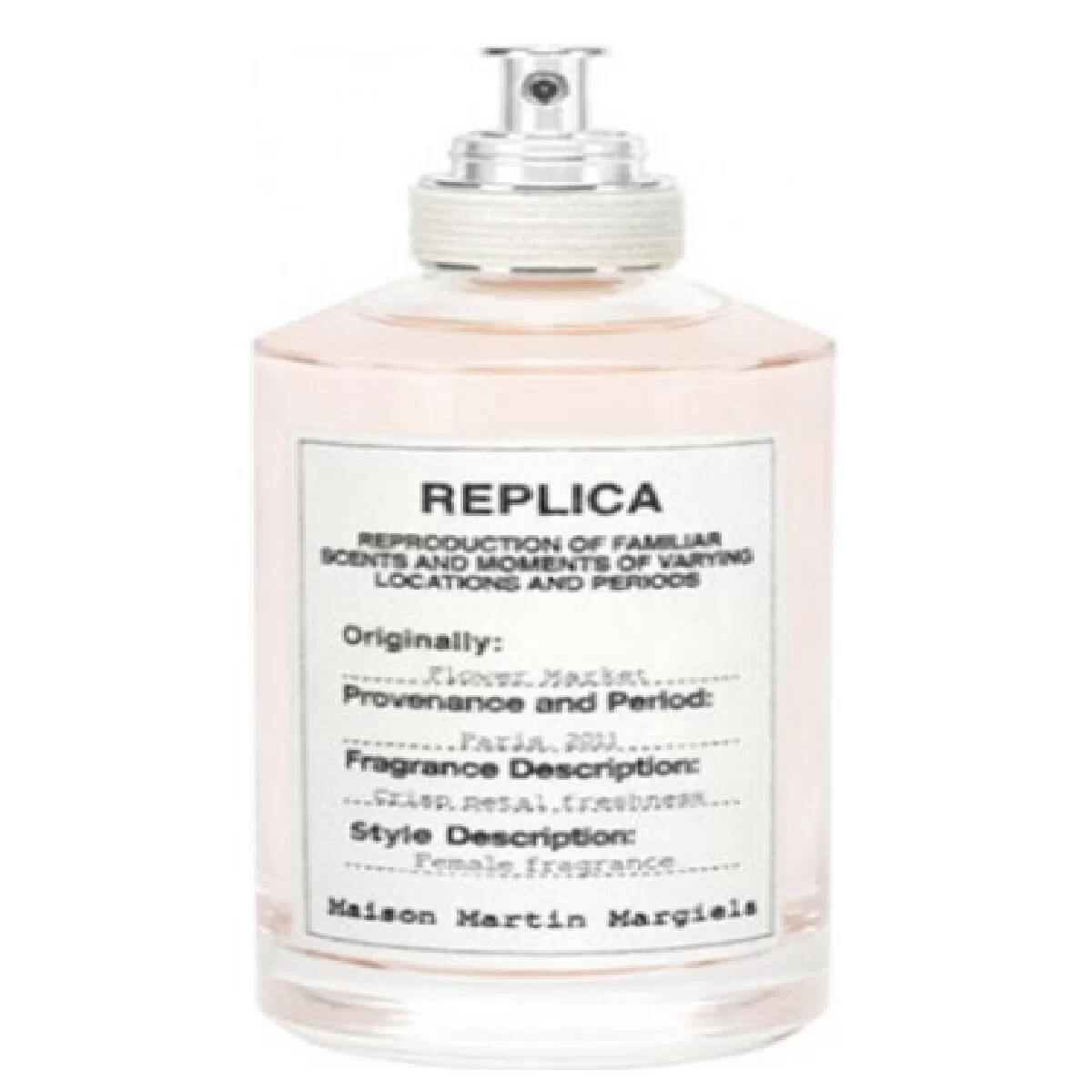
How to Smell Like a Fresh Parisian Flower Shop: The Ultimate Maison Margiela Flower Market Dupe Guide
Article Summary & Quick Takeaways
- The Olfactory Goal: The iconic Maison Margiela Replica Flower Market is celebrated for its photorealistic “wet petals and crushed stems” aroma, capturing the exact atmosphere of a florist’s cooler.
- Consumer Challenges: USA buyers frequently express frustration over the original’s $160+ retail price, its fleeting longevity (typical of Eau de Toilette formulations), and persistent community rumors regarding its discontinuation or scarcity.
- The Science of Alternatives: We explain how modern laboratories use Gas Chromatography-Mass Spectrometry (GC-MS) to read the “recipe” of a scent, and why proper maceration (aging) is the secret to avoiding harsh, synthetic-smelling dupes.
- Market Comparison: We objectively review the top alternatives on the market—including Oil Perfumery, Alexandria Fragrances, and our own Imixx formulation—so you can choose the format (oil vs. spray) and price point that fits your needs.
- Maximizing Performance: Discover practical, chemistry-backed tips on how to properly apply green floral fragrances to make them last all day on your skin.
Introduction: The Allure of the Florist Fridge Vibe
There is a very specific, almost universal sensory memory associated with walking into a floral boutique early in the morning. As you open the heavy glass door of the commercial florist fridge, you aren’t just hit with the smell of flowers. You are greeted by the sharp, bitter tang of freshly snapped green stems, the mineral scent of cold water in metal buckets, and the delicate, dewy aroma of blooming petals. It is a scent that feels alive, crisp, and incredibly refreshing.
For years, fragrance enthusiasts across the USA have chased this exact experience, and for a long time, the holy grail was Maison Margiela Replica Flower Market. Released as part of their famous “Replica” line—which aims to reproduce familiar scents and moments of varying locations and periods—it achieved cult status. It bypassed the heavy, powdery, “grandma-esque” floral stereotypes and delivered pure, botanical realism.
However, if you spend any time browsing fragrance communities like the Reddit r/Perfumes subreddit or Fragrantica forums, you will quickly notice a recurring set of frustrations regarding this beloved scent.
First, there is the investment. Traditional designer fragrances carry steep retail premiums. Second, and perhaps most heavily discussed, is the longevity. As an Eau de Toilette (EDT), many users report the crisp green notes evaporating from their skin within a few hours. Finally,
constant inventory shortages and rumors of discontinuation have sent fans scrambling to find a reliable Maison Margiela Flower Market dupe.
But how do you find a replacement that actually smells like a flower shop, rather than a synthetic bathroom air freshener? In this comprehensive guide, we are taking off our marketing hats and putting on our lab coats. We will break down exactly how these scents are built, why some alternatives fail, and review the best options on the market today so you can make an informed decision.
Deconstructing the Scent: What Makes “Flower Market” So Special?
To evaluate any alternative, we first need to understand the anatomy of the original. Creating a photorealistic “wet floral” fragrance is one of the most difficult tasks for a perfumer. Florals can easily become cloying (too sweet) or indolic (heavy and animalic). The magic of a florist scent lies in its restraint and its “green” characteristics.
The Olfactory Pyramid Explained
In standard perfumery, scents are built in a three-tier pyramid, representing how different molecules evaporate off the warmth of your skin over time.
- Top Notes (The Hook – Lasts 15 to 45 mins): The fragrance opens with Crisp Green Leaves and Freesia. Here is a fascinating industry secret: natural Freesia yields almost no usable essential oil for perfumery. Therefore, perfumers must reconstruct its scent in the lab using a blend of safe aroma-chemicals (like Linalool) to capture its peppery, airy, and slightly citrusy floral character. This synthetic mastery, combined with a “crushed foliage” accord, provides that immediate blast of cold florist air.
- Heart Notes (The Core – Lasts 2 to 4 hours): As the crisp greens settle, the heart reveals Grasse Rose, Sambac Jasmine, and Egyptian Tuberose. Unlike the heavy, seductive white florals used in evening perfumes, the Tuberose and Jasmine used in this profile are engineered to have a watery, sheer quality. They smell like they are covered in morning dew rather than basking in the hot sun.
- Base Notes (The Anchor – Lasts 4+ hours): Peach, Cedarwood, and Oakmoss anchor the composition. The cedarwood is crucial; it subtly replicates the scent of the wooden workbenches where the florist cuts the stems. Oakmoss adds a microscopic touch of earthiness, grounding the volatile floral notes so they don’t simply float away immediately.
The Consumer Dilemma: Why the Hunt for Alternatives?
If the original is so beautiful, why are thousands of USA consumers searching for alternatives every month? The answer lies in practical performance and retail economics.
1. The Reality of Eau de Toilette (EDT) Longevity
The original Flower Market is classified as an Eau de Toilette. According to industry standards (often discussed by beauty authorities like Allure), an EDT typically contains between 5% to 15% fragrance oil suspended in alcohol and water. While this lighter concentration is fantastic for creating a bright, explosive opening (perfect for capturing those delicate green notes), it inherently lacks the heavy molecular density required to bond to the skin for 8+ hours. Many consumers feel that paying luxury prices for a scent requiring midday reapplications is not a practical investment.
2. Scarcity and Discontinuation Rumors
While brands rarely announce discontinuations outright until inventory is completely gone, the fragrance community relies on availability trends. When a beloved scent disappears from the shelves of major US retailers (like Sephora or Nordstrom) for months at a time, panic ensues. This scarcity drives up prices on the secondary market (like eBay), where consumers risk buying expired or counterfeit bottles.
3. Unpacking the “Luxury” Markup
A $160 bottle of perfume is not just $160 worth of liquid. Traditional retail structures dictate that the consumer pays for:
- Elaborate marketing campaigns and celebrity endorsements.
- Custom-designed glass bottles and heavy caps.
- The department store’s profit margin (which can be up to 50%).
- Brand prestige and heritage.
By stepping away from traditional retail and looking at direct-to-consumer alternatives, buyers can often find higher concentrations of fragrance oils at a fraction of the cost, purely by eliminating the middleman.
The Science of Alternative Perfumery: How Dupes Are Actually Made
There is a misconception that “dupe” brands sit in a room sniffing a designer perfume and randomly mixing oils until it smells similar. In reality, high-quality alternative perfumery relies on advanced analytical chemistry.
Gas Chromatography-Mass Spectrometry (GC-MS)
Think of GC-MS as a highly advanced nutritional label reader for scents. When a lab wants to study a fragrance, they vaporize a sample and pass it through a machine. The machine separates the vapor into individual molecules and identifies their exact chemical structure and weight.
This provides scent engineers with a precise “recipe” of the fragrance. They can see exactly which musks were used, the exact ratio of floral isolates, and the specific woody bases. While high-end brands often use proprietary captive molecules, skilled chemists can use this blueprint to reconstruct a highly comparable olfactory profile using widely available, high-quality raw materials.
The Crucial Step Ignored by Cheap Knock-offs: Maceration
If you have ever purchased a very cheap imitation fragrance from a discount bin, sprayed it, and immediately coughed because it smelled like pure rubbing alcohol, you have experienced a lack of maceration.
Maceration is the perfume industry’s version of aging wine. Once the fragrance oils are mixed with perfumer’s alcohol, the solution must be left to rest in a temperature-controlled environment for weeks. During this time, the chemical compounds bond, the sharp edges of the alcohol soften, and the fragrance becomes round, smooth, and cohesive. Quality alternative brands build proper maceration time into their supply chains, while low-tier knock-offs skip it to rush products to shelves.
Evaluating the Market: The Best Flower Market Alternatives Compared
Because the demand for this specific wet-floral scent is so high, several reputable alternative fragrance houses have attempted to recreate it. To help you make an informed choice, we have objectively evaluated some of the most popular options available in the USA, looking at their formats, strengths, and weaknesses.
1. Oil Perfumery – Impression of Flower Market
Oil Perfumery is a highly popular brand that specializes entirely in perfume oils (no alcohol). They offer a 10ml stainless steel rollerball.
- Pros: Extremely affordable (usually under $20). Because it is an oil, it lacks the volatile alcohol that causes rapid evaporation, meaning it sits on the skin for a very long time. It is highly portable and great for travel.
- Cons: Perfume oils do not project. Because there is no alcohol to lift the scent into the air, the “sillage” (the scent trail you leave behind) is very intimate. People will only smell it if they lean in close. Additionally, oils can sometimes feel a bit heavier, slightly missing the “airy, cold breeze” effect of an alcohol-based spray.
2. Alexandria Fragrances – Flower Market Impression
Alexandria Fragrances is a well-respected clone house known for creating Extrait de Parfum (very high concentration) sprays.
- Pros: Excellent longevity due to the Extrait concentration. They generally capture the essence of the scent very well and offer a traditional spray experience.
- Cons: Their price point is higher than many other dupe houses (often $40-$60+ for a smaller bottle). Some community reviews note that while the floral notes are strong, it can sometimes lean slightly sweeter or more dense than the watery original.
3. Imixx Perfumes – Inspired by Flower Market
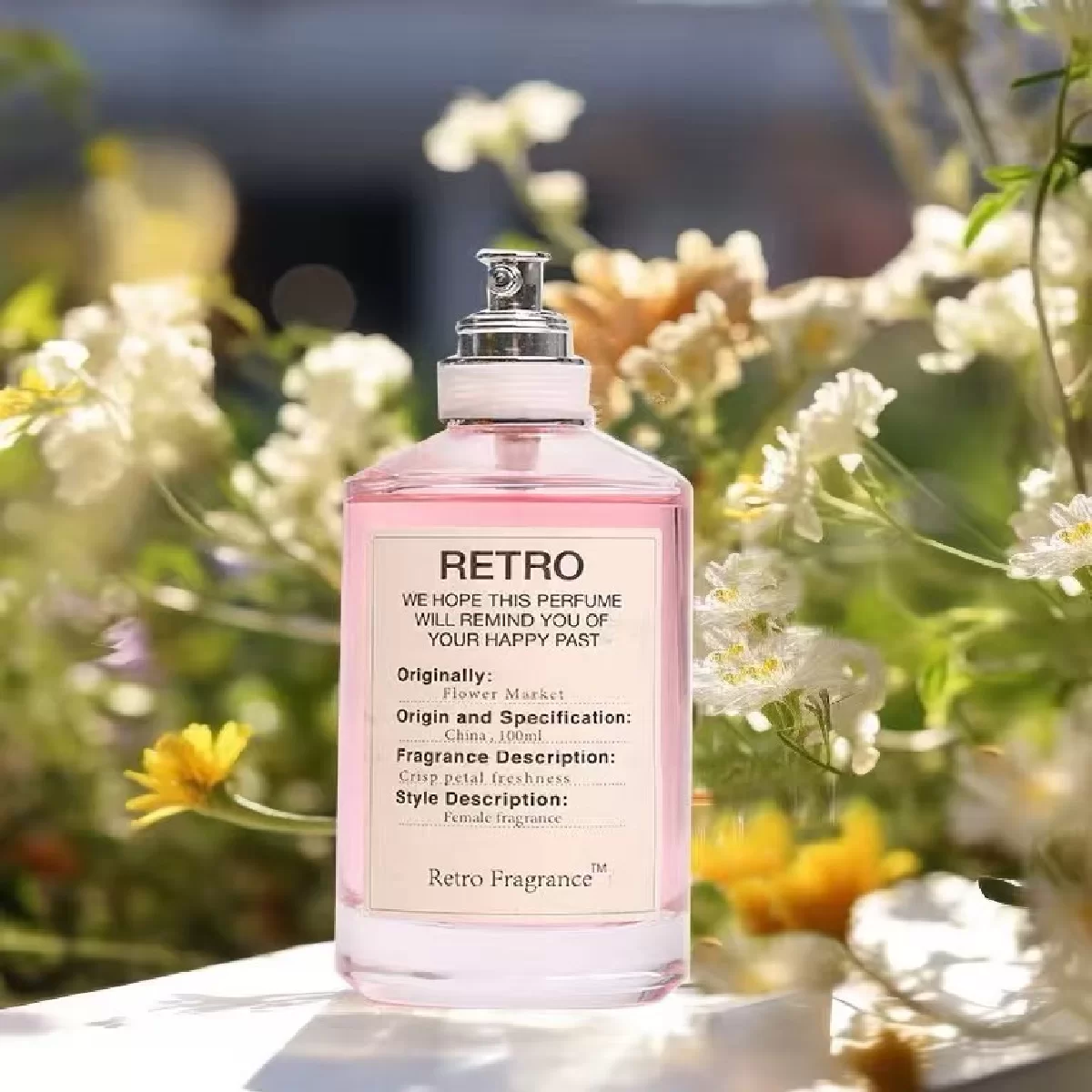
As the authors of this guide, we created our Imixx Inspiration of Flower Market specifically to address the gap between the low projection of oils and the higher prices of Extrait houses.
- Our Approach: We formulated this as an Eau de Parfum (EDP). Based on our internal development, an EDP provides the perfect balance—enough alcohol to create that beautiful, room-filling “florist cooler” projection, but with a high enough oil concentration to significantly extend the longevity past the 2-4 hours typical of the original EDT.
- Scent Profile: By utilizing careful GC-MS analysis, we focused heavily on retaining the crisp, slightly bitter “snapped stem” greenness in the opening, ensuring the jasmine and tuberose remain watery and sheer rather than heavy.
- Value: Operating a direct-to-consumer model allows us to offer this complex formulation at a highly accessible price point for everyday wear.
Quick Reference: Alternative Perfume Formats Compared
The table below breaks down the general expectations of the different formats discussed above to help you choose what fits your lifestyle.
| Brand / Format | Concentration Type | Expected Projection (Sillage) | General Longevity on Skin | Best Suited For |
|---|---|---|---|---|
| Original Maison Margiela | Eau de Toilette (Spray) | Moderate initially, then intimate | 2 to 4 hours | Collectors wanting the original bottle; those who prefer very light scents. |
| Oil Perfumery | Perfume Oil (Rollerball) | Very Intimate (Skin Scent) | 8+ hours (but very close to skin) | Travelers; people working in scent-sensitive environments (hospitals, close offices). |
| Alexandria Fragrances | Extrait de Parfum (Spray) | Strong | 8+ hours | Those who want maximum power and are willing to pay a mid-tier price. |
| Imixx Perfumes | Eau de Parfum (Spray) | Moderate to Strong | 6 to 8 hours (variable by skin type) | Everyday wearers looking for the optimal balance of authentic airy projection, longevity, and affordability. |
How to Make Your Floral Perfume Last All Day: Scent Chemistry 101
Regardless of whether you purchase the original designer bottle or a high-quality alternative like the Imixx EDP, how you apply your fragrance drastically affects its performance. Delicate green floral notes are inherently volatile (they evaporate quickly). Here are lab-backed tips to extend the life of your scent.
1. The Moisture Barrier Mechanism
Fragrance molecules need something to hold onto. Dry skin acts like a sponge, absorbing the oils rapidly and leaving nothing to project into the air. This is why perfumes often seem to vanish faster in the dry winter months. Before applying your perfume, hydrate your skin with an unscented lotion or a light body oil (like jojoba or sweet almond oil). The lipid layer creates a barrier, allowing the fragrance oils to sit on top of the skin and slowly release throughout the day. Some enthusiasts even use a tiny dab of Vaseline on their pulse points before spraying.
2. Target Heat Emitters (Pulse Points)
Don’t just spray randomly into the air and walk through it—that wastes the majority of your perfume. Target your pulse points: the inner wrists, the base of the throat, behind the earlobes, and the inner elbows. The blood vessels here sit closer to the skin’s surface, emitting slight body heat that acts as a natural, continuous diffuser for the fragrance.
3. Stop the Friction (Do Not Rub!)
This is the most common consumer mistake. When you spray perfume on your wrists and rub them together vigorously, the friction creates acute heat. This heat literally crushes the delicate, highly volatile top notes (like the Freesia and Green Leaves). It forces the fragrance to dry down instantly, ruining the carefully engineered journey of the scent. Simply spray, and let the liquid air dry naturally.
4. Strategic Layering for Sillage
If you want to create a unique signature scent or boost performance, consider fragrance layering. A crisp green floral pairs beautifully with a single-note synthetic base like Iso E Super or Ambroxan. These large molecules act as “fixatives.” When sprayed under a floral perfume, they can drastically increase the sillage (the scent trail) and longevity without altering the core florist shop vibe.
5. Proper Storage to Prevent Degradation
Do not store your perfume on your bathroom counter. The constant fluctuations in heat and humidity from your daily showers will break down the chemical bonds of the fragrance oils, causing the top notes to spoil or turn sour. Store your perfumes in a cool, dark, and dry place, like a dedicated drawer in your bedroom or a closet shelf, to ensure they remain fresh for years.
Frequently Asked Questions (FAQ)
To provide further clarity, we have compiled answers to the most commonly searched questions by USA consumers regarding this specific scent profile.
What perfume smells exactly like Maison Margiela Flower Market?
While scent is subjective, modern alternative houses utilize GC-MS technology to get incredibly close. The Imixx Perfumes Inspired by Maison Margiela Flower Market is formulated to capture the essential crisp green leaves, freesia, and sheer jasmine notes, offering a highly comparable experience with improved Eau de Parfum longevity.
Is Replica Flower Market by Maison Margiela discontinued?
While the brand has not always released an official global statement, it has become notoriously difficult to find in major USA retailers like Sephora, leading to widespread speculation in the fragrance community that it is either discontinued or facing severe, long-term supply chain shortages. This has significantly driven up the demand for high-quality alternatives.
What are the best affordable dupes for Replica Flower Market?
The best option depends on your preferred format. For those who want a long-lasting oil rollerball, Oil Perfumery is a popular choice. For those who want a traditional spray with greater longevity and airy projection that mimics the original EDT experience (but lasts longer), the EDP formulation from Imixx Perfumes offers excellent value.
How long does Maison Margiela Flower Market last on the skin?
The original designer formulation is an Eau de Toilette (EDT). Due to its lighter concentration and the inherently volatile nature of fresh green notes, general consumer consensus indicates a longevity of roughly 2 to 4 hours. EDP alternatives are often sought out to extend this wear time to 6-8 hours.
What are the main notes in Maison Margiela Replica Flower Market?
The fragrance is categorized as a Green Floral. The core structure features opening notes of Green Leaves and Freesia, a heart of Sambac Jasmine, Egyptian Tuberose, and Grasse Rose, and a base of Peach, Cedarwood, and Oakmoss. The goal is to smell like cold water, green stems, and fresh petals.
Is Maison Margiela Flower Market a summer or winter perfume?
Because of its bright, watery, and green profile, it is predominantly viewed as a Spring and Summer fragrance. The crispness of the green notes cuts through high humidity beautifully, providing a refreshing aura. However, many consumers wear it in the winter as an uplifting mood-booster to remind them of spring.
Conclusion: Finding Your Perfect Florist Vibe
The desire to capture the vibrant, wet, and deeply botanical scent of a Parisian flower shop is entirely understandable. It is an aroma that evokes freshness, new beginnings, and clean elegance. However, you do not necessarily need to navigate stock shortages or pay premium luxury retail prices for an Eau de Toilette to experience it.
By understanding the mechanics of fragrance concentration, the science of GC-MS formulation, and the realities of retail markups, USA consumers now have incredible power. Whether you choose the intimate, long-lasting nature of a perfume oil, the high-end power of an Extrait, or the balanced, everyday elegance of an Eau de Parfum, the market offers fantastic solutions.
If you are looking for a beautifully balanced, everyday spray that accurately captures the crushed stems and dewy jasmine of the original while offering the sustained performance of an EDP, we invite you to explore our formulation. Discover the Imixx Perfumes Inspiration of Flower Market here, and bring the essence of a fresh floral boutique into your daily routine.
Curious about how other luxury scents are constructed? Explore our full range of meticulously formulated, direct-to-consumer fragrances at Imixx Perfumes.
