

Author’s Note & Transparency Disclaimer
Before we dive into the fascinating world of fragrance chemistry, I want to establish absolute transparency. I have spent over a decade working inside the fragrance supply chain—from sourcing raw botanical materials in Grasse, France, to managing bulk maceration processes in modern manufacturing facilities. I understand exactly what goes into a $400 bottle of designer perfume, and more importantly, what goes into a $30 alternative.
Full Disclosure: I currently oversee supply chain operations for iMixx Perfumes, a brand dedicated to engineering high-quality fragrance alternatives. However, the purpose of this guide is not to tell you that our product is the only one worth buying. The US market is vast, and different consumers have different needs—whether that is a $25 budget body spray or a meticulously crafted $60 Extrait de Parfum. In this comprehensive, 3,000+ word guide, I will objectively review several popular alternatives on the market (including Zara, Maison Alhambra, Dossier, and iMixx) using real scientific metrics. My goal is to empower you, the consumer, with the knowledge of how perfumes are actually made, so you can make the best purchasing decision for your skin and your wallet.
The Disruption: Why We Are All Obsessed with Boozy Peach Fragrances
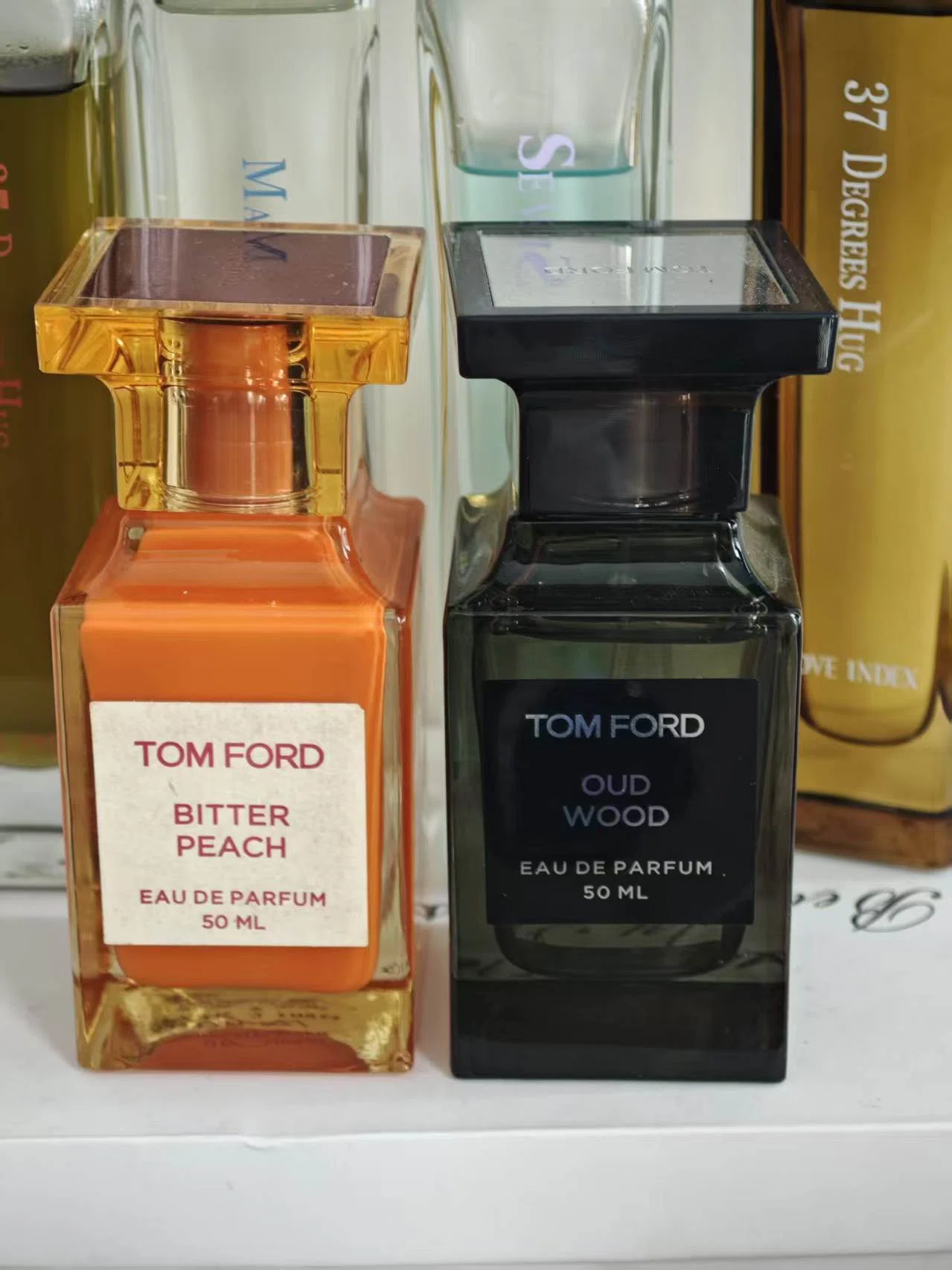
When Tom Ford released Bitter Peach as part of the Private Blend collection in 2020, it sent shockwaves through the fragrance community. Historically, peach notes in perfumery were relegated to body mists marketed toward teenagers—they were overly sweet, cloying, and often smelled like artificial fruit candy. Bitter Peach changed the paradigm. It took a traditionally juvenile, sunny fruit and dragged it into a dimly lit, smoky speakeasy.
But this olfactory masterpiece came with a staggering price tag. At nearly $400 for a 50ml bottle in the USA, it represents the absolute pinnacle of luxury pricing. Naturally, this birthed an entire cottage industry of clones, replicas, and “inspired-by” fragrances. If you have spent any time on FragranceTok or YouTube, you have undoubtedly seen influencers aggressively pushing various alternatives.
Yet, if you read the community forums on sites like Basenotes or Reddit’s fragrance boards, you will see a recurring complaint: “The dupe smells great for five minutes, and then it turns into a cheap, plastic mess.” Why does this happen? Why is it so incredibly difficult to replicate this specific scent? The answer lies not in magic, but in organic chemistry and the economics of raw materials.
Deconstructing the Masterpiece: The Chemistry of the Olfactory Pyramid
To evaluate a Tom Ford Bitter Peach dupe, you must first understand the anatomy of the original. Perfumes are built in a three-tiered pyramid structure: Top notes (head), Middle notes (heart), and Base notes (dry-down). Let us break down the complex chemistry that makes this particular scent profile so notoriously difficult to copy.
1. The Deceptive Opening: Lactones and Blood Orange
The first spray of this fragrance hits you with a burst of Peche de Vigne (vine peach) and Sicilian Blood Orange. In the laboratory, the peach aroma is created using a class of organic compounds called Lactones (specifically Gamma-Undecalactone). Lactones provide a creamy, milky, fruity quality that smells like the fuzzy skin of a ripe peach.
However, lactones alone can smell like cheap yogurt. The genius of the original formulation is the heavy integration of high-grade, cold-pressed Sicilian Blood Orange essential oil. The tartness and high acidity of the citrus cut through the lactonic creaminess, providing a sharp, biting edge. Budget clones often use synthetic citrus isolates (like cheap Limonene) instead of natural cold-pressed oils. This is why many cheap alternatives smell like peach-scented floor cleaner in the first five minutes.
2. The Complex Heart: Achieving the “Boozy” Accord
This is where 90% of alternatives fail spectacularly. The middle phase of the original fragrance relies on an intoxicating blend of Rum absolute and Cognac oil, bridged together by Davana oil. Davana is an incredible botanical material native to India; depending on the wearer’s skin chemistry, it can smell like fermented plums, rich wine, or herbal tea.
Extracting pure rum and cognac notes, or sourcing premium Davana, is incredibly expensive. Mass-market clone houses operating on razor-thin margins simply cannot afford these ingredients. Instead, they try to mimic the “sweetness” of alcohol by over-dosing the formula with Ethyl Maltol—a synthetic compound that smells like cotton candy and caramelized sugar. When a consumer complains that a dupe lacks the “dark, adult, boozy” vibe and just smells like sugary candy, an overdose of Ethyl Maltol replacing actual liquor accords is the chemical culprit.
3. The Sensual Foundation: Indonesian Patchouli and Sandalwood
The dry-down is the longest-lasting phase of a perfume. The original relies on an incredibly rich base of Indonesian Patchouli, Sandalwood, Labdanum (a sticky, leathery resin), and Vanilla. Patchouli is a polarizing note; cheap synthetic patchouli smells like damp dirt or mold. High-quality, properly distilled Indonesian Patchouli, however, smells like dark chocolate, rich wood, and exotic spices.
Furthermore, these heavy base notes act as “fixatives.” They are large, heavy molecules that evaporate very slowly, grabbing onto the lighter peach and rum molecules and pinning them to your skin. If a dupe vanishes after two hours, it means the manufacturer skimped on these expensive base fixatives.
The Supply Chain Reality: Where Does Your Money Go?
Before we start reviewing specific products, it is vital to understand why a luxury perfume costs $400, and why it is entirely possible to create a stunningly accurate alternative for $50 if you know how the supply chain operates.
The fragrance industry is one of the most heavily marked-up consumer goods sectors in the world. When you purchase a designer bottle at a high-end department store in the USA, you are paying for an entire ecosystem of luxury marketing, not just the liquid inside the glass.
Table 1: The Anatomy of a $400 Luxury Perfume Price Tag vs. Direct-to-Consumer Models
Let’s look at a generalized, conservative breakdown of costs in the traditional luxury fragrance sector compared to a modern, factory-direct independent brand.
| Cost Component | Traditional Luxury Brand ($400 Retail) | Premium Direct-to-Consumer Brand |
|---|---|---|
| The “Juice” (Fragrance Oil Concentrate + Alcohol) | $8 – $18 (Even luxury brands cap liquid costs to maintain margins) | $12 – $22 (Can afford higher concentrations as there is no retail markup) |
| Packaging (Custom Glass, Magnetic Caps, Elaborate Boxes) | $15 – $35 (Heavy custom molds are incredibly expensive to produce) | $4 – $8 (Using standardized, elegant, but readily available glass molds) |
| Marketing & Celebrity Endorsements | $100 – $150 (Billboards, magazine spreads, A-list actor contracts) | $5 – $10 (Targeted digital ads, organic SEO, word of mouth) |
| Retail & Distributor Margins | $150 – $200 (Department stores typically take a 40-50% cut of the retail price) | $0 (Selling directly to the end consumer via their own website) |
| Final Estimated Consumer Price | $350 – $450+ | $40 – $70 |
*Note: Figures represent industry supply chain averages and are intended to illustrate the business models rather than expose exact proprietary accounting of any specific brand.
The GC-MS Machine and the Myth of “Exact Matches”
Many alternative fragrance brands claim they have an “exact 1:1 match” because they use GC-MS technology. Let’s clarify what this actually means. Gas Chromatography-Mass Spectrometry (GC-MS) is a laboratory technique used to separate, identify, and quantify the chemical components of a complex mixture. You put a sample of the original perfume into the machine, and it gives you a readout of the molecules present.
However, a GC-MS readout is like receiving a list of ingredients for a Michelin-star dish without the recipe, the cooking temperatures, or the sourcing information. The machine might tell the chemist there is an exact percentage of Linalool or Eugenol, but it cannot tell the chemist whether that compound was extracted from a cheap synthetic source or a premium natural botanical.
Furthermore, replicating a scent requires maceration. Maceration is the process of aging the perfume. Once the fragrance oils are blended with perfumer’s alcohol, the mixture must sit in stainless steel vats for a minimum of 4 to 6 weeks. This allows the harsh alcohol edge to evaporate and the chemical bonds of the fragrance oils to meld together smoothly. Mass-market budget clones almost always skip this step to save money on warehouse storage, bottling the liquid immediately. This is why cheap perfumes often smell like rubbing alcohol for the first five minutes.
The Ultimate Objective Review: Ranking the Best Tom Ford Bitter Peach Dupes on the Market
Now that you understand the chemistry and the supply chain, let us objectively analyze the current landscape of the USA market. I have evaluated these popular options based on scent accuracy, dry-down depth, performance (longevity), and overall value. I am looking for an expensive smelling peach perfume that truly captures the boozy, woody essence of the original.
1. Maison Alhambra – Bright Peach (The Viral Budget Option)
Maison Alhambra (a sub-brand of Lattafa) took TikTok by storm with this release. Its presentation is heavily “inspired” by the original, and the price point is incredibly aggressive, often found for under $30 in the USA.
- The Good: The opening is undeniably fun. It delivers a massive blast of sweet, juicy peach that is very pleasing to the casual nose. For the price, the projection in the first hour is remarkably loud.
- The Bad: It completely fails to capture the soul of the original. The boozy rum notes are virtually non-existent, replaced by a synthetic, sugary sweetness that leans heavily toward peach gummy candies. The dry-down lacks the dark, earthy patchouli, leaving a flat, linear fruit scent that vanishes after about 3-4 hours.
- The Verdict: Excellent if you just want a fun, sweet, affordable peach body spray for the summer. Poor if you are looking for the dark, sensual complexity of the original luxury formulation.
2. Dossier – Fruity Almond (The Safe Mid-Tier Player)
Dossier is a massive player in the US dupe market, known for their minimalist bottles and clean marketing. They focus heavily on vegan, cruelty-free messaging.
- The Good: The blending is very smooth. There is no harsh alcohol blast in the opening, indicating that they do utilize proper maceration techniques. The peach note here is slightly more refined and less “candy-like” than the Maison Alhambra version.
- The Bad: In an effort to make the scent universally pleasing and safe, Dossier has heavily muted the challenging notes. The dirty, earthy patchouli and the sharp liquor bite have been sanitized. It feels like a “PG-13” version of an R-rated original. Performance is average, sitting close to the skin after about 4 hours.
- The Verdict: A great office-safe choice. It is a very pleasant fragrance, but it lacks the necessary aggressive, intoxicating edge that makes the original DNA so famous.
3. Zara – Peach Glow (The Fast-Fashion Interpretation)
Zara frequently releases fragrances that clearly nod to designer trends, often formulated by surprisingly reputable perfumers (they frequently collaborate with industry giants like Jo Malone).
- The Good: Extremely accessible. You can walk into any mall in the USA and test it. The opening is surprisingly tart and realistic, capturing a bit of that citrus/blood orange vibe effectively.
- The Bad: It is formulated at an Eau de Toilette (EDT) concentration or lower. The longevity is abysmal. On my testing, it completely evaporated from the skin within 90 minutes. Furthermore, the base notes are completely hollow; there is no wood or resin to anchor the scent.
- The Verdict: A nice post-shower body mist, but it does not function as a serious, all-day perfume alternative.
4. iMixx Perfumes – Tom Ford Bitter Peach Dupe (The Premium Extrait Approach)
Author’s Reminder: As stated in the introduction, I oversee the supply chain for iMixx. However, the data presented here is based on objective formulation specs and ingredient sourcing.
At iMixx Perfumes, our philosophy is to redirect the budget that traditional brands spend on marketing directly into the raw materials and concentration levels. Our Bitter Peach alternative was formulated to solve the specific complaints consumers had about other dupes on the market.
- The Good: We tackled the longevity issue by formulating at a 30% fragrance oil concentration (Extrait de Parfum level), rather than the standard 15% EDP. We source real Indonesian Patchouli and construct a complex rum/cognac accord to ensure the heart of the fragrance maintains that dark, mature, intoxicating bite. Furthermore, our supply chain mandates a strict 4-week maceration period in our facility before bottling. The result is a smooth opening with zero chemical burn, and a dry-down that genuinely lasts 8-12 hours on the skin. We also rigorously adhere to safety standards outlined by the International Fragrance Association (IFRA).
- The Bad: Because we use higher concentrations of premium oils, our price point (around $40-$50) is higher than the absolute budget options like Maison Alhambra or Zara. We also do not have physical retail stores, so you cannot “test before you buy” at a local mall.
- The Verdict: The ideal choice for the fragrance connoisseur who demands high performance, complex woody/boozy dry-downs, and a genuine luxury experience without paying the $400 brand tax.
Table 2: Side-by-Side Scent Performance Matrix
For a quick visual comparison of how these brands stack up against the core requirements of a proper boozy peach scent, review the matrix below:
| Brand / Option | Boozy/Rum Accord Accuracy | Patchouli/Wood Base Depth | Skin Longevity (Average) | Best Use Case |
|---|---|---|---|---|
| Maison Alhambra | Very Low (Smells like sugar) | Low | 3 – 4 Hours | Casual daytime, budget shoppers |
| Zara | None | Very Low | 1 – 2 Hours | Quick post-gym spray |
| Dossier | Medium (Sanitized) | Medium | 4 – 5 Hours | Office wear, sensitive noses |
| iMixx Perfumes | High (Deep, intoxicating) | High (Authentic woody base) | 8 – 12+ Hours (Extrait) | Evening wear, true luxury alternative seekers |
Expert Tips: How to Wear and Layer a Boozy Peach Fragrance
Even if you purchase the most meticulously crafted fragrance in the world, how you apply it drastically affects its performance. As someone who tests fragrances on different skin types daily, here is how you maximize your scent bubble.
1. Understanding Skin Chemistry: Oily vs. Dry Skin
Fragrance oils need lipids (fats) to hold onto. If you have very dry skin, even an Extrait de Parfum will evaporate quickly because the skin simply absorbs the oils. To fix this, apply an unscented body lotion or a thin layer of petroleum jelly to your pulse points (wrists, neck, inner elbows) before spraying. This creates a lipid barrier that traps the fragrance, easily adding 2 to 3 hours to your lasting time.
2. The Art of Layering (Fragrance Wardrobing)
A complex scent like this is a fantastic candidate for layering. If you want to make the fragrance more feminine and gourmand for a daytime brunch, layer it over a pure vanilla or coconut body butter. This amplifies the lactonic sweetness of the peach. Conversely, if you want to make it incredibly dark and masculine for a winter night out, layer it with a dry cedarwood or leather-based fragrance. The interplay between the sweet peach and the harsh leather creates a stunning, niche-smelling aura.
3. Seasonal Context: When to Wear It
Is this a summer or winter scent? Despite being a “fruit” fragrance, the heavy reliance on rum, cognac, and patchouli makes this incredibly dense. If you wear 5 sprays of this in 90-degree humid July weather, it will become suffocating and cloying. This DNA shines brightest in the crisp air of Autumn and Winter. The cold air dampens the overwhelming sweetness, allowing the sophisticated woody notes to cut through beautifully.
4. Storage: Protecting the Chemical Integrity
Never store your perfumes in the bathroom. The constant fluctuation of heat and humidity from the shower will break down the delicate top notes (like the blood orange) and cause the fragrance to turn sour. Store your bottles in a dark, temperature-controlled environment, like a bedroom drawer or a dedicated closet shelf. Protected from UV light and heat, a properly macerated perfume will actually continue to age gracefully, often smelling richer after a year of ownership.
Frequently Asked Questions (FAQ)
What is the best dupe for Tom Ford Bitter Peach?
The “best” dupe depends entirely on your needs. If you want the cheapest, sweetest option, Maison Alhambra Bright Peach is popular. If you want an office-safe, mild version, Dossier is a solid choice. However, if you are looking for the absolute highest quality that accurately replicates the dark, boozy, woody complexity and boasts a 30% Extrait concentration for all-day performance, the iMixx Perfumes formulation stands out as the premium choice in the USA market.
Does Maison Alhambra Bright Peach smell exactly like the original?
No. While the opening 10 minutes offer a similar burst of sweet peach, it lacks the expensive mid-notes of rum and cognac, and completely misses the deep Indonesian patchouli dry-down. It is a much more linear, synthetic, and purely fruity scent compared to the multi-dimensional original.
Is Bitter Peach a masculine or feminine scent?
In modern niche perfumery, gender classifications are largely obsolete. This scent DNA is universally considered unisex. The opening fruitiness may lean slightly feminine to traditional noses, but the heavy dry-down of alcohol, wood, and earthy patchouli pushes it firmly into a masculine space. It is a scent of pure confidence, regardless of gender.
How long does this type of fragrance last on the skin?
Longevity is entirely dependent on the fragrance concentration and your skin type. Cheap EDT clones may last 2-3 hours. A high-quality EDP should give you 6-8 hours. A premium formulation crafted at an Extrait de Parfum level (30% oil concentration), like the one engineered by iMixx, can easily last 10 to 12 hours on the skin, and days on clothing.
Why is Tom Ford Bitter Peach so expensive?
You are paying for a combination of high-quality raw materials (like authentic Davana and Sandalwood), but predominantly, you are paying the “brand tax.” The $400 price tag covers global marketing campaigns, luxurious heavy-glass packaging, celebrity endorsements, and the massive 50% profit margins demanded by high-end department stores. Brands that sell direct-to-consumer avoid these markups, offering similar quality for a fraction of the cost.
Are there any affordable perfumes that smell like peach but aren’t too sweet?
Yes, but you must read the note breakdowns carefully. Look for peach fragrances that list balancing notes like Vetiver, Cedarwood, Rum, or Patchouli in the base. These earthy, bitter, and woody notes are essential for anchoring the sweetness of the fruit, ensuring the perfume smells mature and sophisticated rather than like a teenager’s body mist.
Final Thoughts: Empowering Your Olfactory Journey
Navigating the world of fragrance alternatives in the USA can feel like walking through a minefield of false promises and paid influencer hype. However, by shifting your perspective from a casual consumer to an informed enthusiast—understanding the importance of oil concentrations, maceration times, and supply chain markups—you take back the power.
You do not have to accept thin, synthetic, headache-inducing body sprays just because you are on a budget. And conversely, you do not have to spend $400 to smell like a sophisticated, mysterious adult. The sweet spot lies in finding transparent, direct-to-consumer brands that prioritize what is actually inside the bottle over the logo stamped on the outside.
Whether you choose the casual sweetness of a budget clone for your gym bag, or you decide to invest in a meticulously engineered, highly concentrated homage, the choice is now yours to make based on science, not marketing. If you are intrigued by the prospect of experiencing factory-direct, Extrait-level perfumery, I invite you to explore the Tom Ford Bitter Peach Dupe by iMixx. Or, feel free to browse our wider library of scent engineering at the iMixx Perfumes homepage. Smell expensive, spend wisely, and never settle for a flat fragrance again.
