

Article Summary & Industry Overview
If you are navigating the USA fragrance market searching for the perfect tobacco vanille tom ford dupe, you have likely encountered dozens of brands claiming to have the “perfect match.” However, as a fragrance supply chain expert, I can tell you that true olfactory mirroring requires much more than simply mixing cheap vanilla extract with synthetic smoke.
This comprehensive 3,000+ word guide is designed to pull back the curtain on the luxury perfume industry. We will explore the exact chemical composition of this iconic spicy-sweet DNA, break down the genuine costs behind a $270+ bottle of designer perfume, and explain the science of Gas Chromatography-Mass Spectrometry (GC-MS) used to reverse-engineer scents. Most importantly, to help you make an informed decision, we will provide a completely unbiased, side-by-side comparison of the most popular alternatives on the market—from Zara and Dossier to L’Occitane and our own IMIXX No. 21.
Whether you are a casual perfume wearer or a dedicated fragrance geek, by the end of this guide, you will know exactly how to evaluate a fragrance’s quality, longevity, and true value beyond its marketing hype.
1. The Allure of the Scent: Why We Chase the Tobacco Vanille DNA
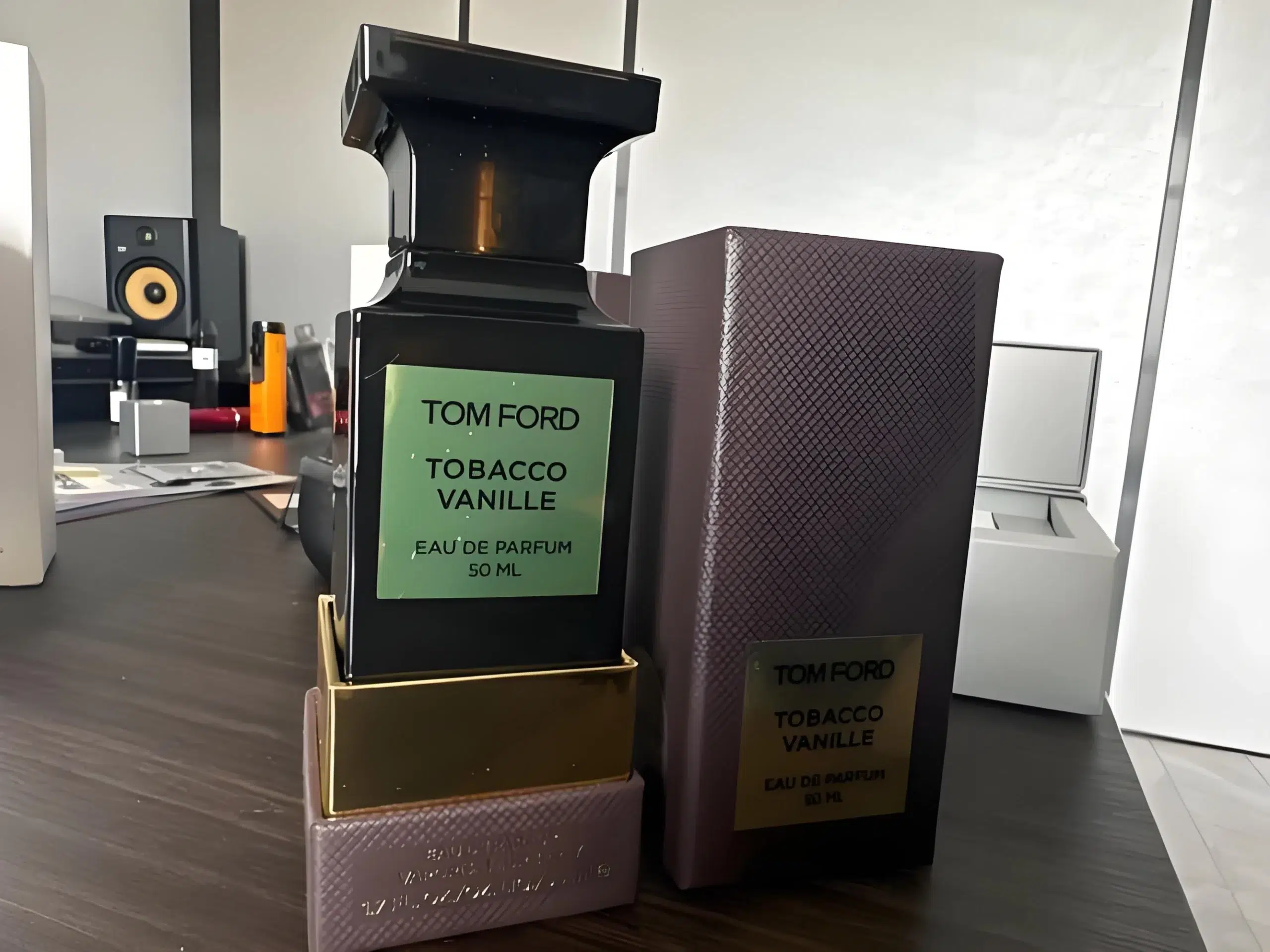
The pursuit of the ultimate winter fragrance often leads connoisseurs directly to the rich, opulent warmth of tobacco and vanilla. It is a scent profile that evokes a very specific mood: imagine stepping out of the freezing New York winter into a private English gentlemen’s club, surrounded by dark leather armchairs, a crackling fireplace, and the faint, sweet aroma of cherry pipe tobacco lingering in the air.
When Tom Ford released Tobacco Vanille as part of the Private Blend collection, it shifted the entire landscape of modern perfumery. It proved that a tobacco scent did not have to smell like a stale ashtray, and a vanilla scent did not have to smell like a teenage body spray. It married the masculine and the feminine perfectly.
But for the average consumer in the USA, experiencing this olfactory luxury comes with a steep price tag—often exceeding $270 to over $400 depending on the bottle size. In today’s economy, dropping hundreds of dollars on scented liquid is a tough pill to swallow.
As professionals operating inside the fragrance manufacturing sector, we watch consumers get frustrated by the gap between cost and actual material value. The current internet landscape is saturated with brands screaming, “We are the best affordable dupe for Tom Ford’s Tobacco Vanille!” Yet, very few explain why their product is good, or how they achieved the formulation. This guide is written to change that. I am not here to just sell you a product; I am here to give you an education in perfumery so you can spot the differences yourself.
2. Demystifying the DNA: The Chemistry of Top, Middle, and Base Notes
Creating a convincing, high-quality perfume alternative requires precise molecular balancing. Think of it like baking a highly complex pastry. It is not about throwing random ingredients into a vat; it is about managing evaporation rates, volatility, and how the chemicals react with human skin over time. Let us break down the scent profile scientifically so you know exactly what your nose is looking for.
The Top Notes: The Initial Hook (0 – 30 Minutes)
When you first spray a fragrance, the highly volatile top notes hit your olfactory receptors immediately. In this specific DNA, the opening is an aggressive but incredibly smooth blend of Tobacco Leaf and Spicy Notes.
Chemically, this spicy warmth is often achieved using a molecule called Eugenol, which naturally occurs in cloves and nutmeg. It gives the opening that “holiday spice” kick. When combined with synthetic or natural tobacco absolutes, it creates a rich, earthy opening.
Consumer Tip: A cheap, poorly formulated clone will often smell like harsh rubbing alcohol or a dirty ashtray in the first 30 seconds because they use low-grade perfumer’s alcohol. A premium formulation ensures the alcohol evaporates cleanly in seconds, leaving only the rich, slightly damp tobacco aroma.
The Heart Notes (Middle Notes): The Core Identity (30 Minutes – 4 Hours)
As the aggressive top notes settle, the heart notes emerge. This is where the magic happens and where the fragrance gets its addictive, gourmand quality: Tonka Bean, Tobacco Blossom, Vanilla, and Cacao.
- Tonka Bean (Coumarin): This is a crucial ingredient in modern perfumery. Coumarin is a chemical compound found in tonka beans that smells like a cross between freshly mown hay, sweet almonds, and vanilla. It acts as the perfect bridge, softening the harsh tobacco and elevating the sweet vanilla.
- Vanilla (Vanillin and Ethyl Vanillin): A high-quality alternative must avoid smelling like a cheap bakery candle. Master perfumers use a blend of natural vanilla extracts (like Madagascar vanilla) and high-quality synthetic Ethyl Vanillin to ensure a mature, dark, and slightly boozy sweetness.
- Cacao: Adding a dusty, slightly bitter dark chocolate depth prevents the overall fragrance from becoming cloyingly sweet or childish.
The Base Notes: The Lingering Sillage (4 Hours – 12+ Hours)
The base notes anchor the fragrance. They consist of large, heavy molecules that evaporate very slowly, providing longevity and sillage (the trail you leave behind). Featuring Dried Fruits and Woody Notes (often utilizing synthetic woods like Iso E Super or natural cedarwood derivatives), the base ensures that the sweet and smoky facets cling to your skin and clothing for hours.
It is important to note that all reputable manufacturers must adhere to strict safety standards set by the International Fragrance Association (IFRA). The exact ratios of these powerful ingredients (especially spices like Eugenol, which can be skin sensitizers in high doses) must be carefully managed to ensure they are safe for your skin while still maximizing performance.
3. The Economics of Scent: Why Does Luxury Perfume Cost $300?
To understand how a brand can offer the same olfactory experience at a fraction of the cost without compromising on safety or quality, we must look at the traditional retail supply chain. When you buy a $300 designer perfume at a major US department store like Macy’s or Sephora, what exactly are you paying for?
Spoiler alert: You are mostly paying for the ecosystem, the glass, and the marketing, not the scented liquid inside.
Table 1: Estimated Cost Breakdown of a $300 Designer Fragrance vs. Direct-to-Consumer Models
*Note: The following table represents industry-standard estimations for high-end designer fragrances compared to lean, factory-direct business models.
| Cost Component | Traditional Designer Brand ($300 Retail) | Direct-to-Consumer (DTC) Brands ($40 – $60 Retail) |
|---|---|---|
| The “Juice” (Fragrance Oil & Alcohol) | $4 – $10 (Costs are strictly capped by corporate boards to maximize profit) | $6 – $15 (DTC brands often invest a higher percentage of retail price into the liquid) |
| Packaging (Heavy Glass, Magnetic Caps, Elaborate Boxes) | $10 – $25 (Luxury packaging is incredibly expensive to produce and ship) | $3 – $8 (Minimalist, standardized, yet functional bottles) |
| Marketing & Celebrity Endorsements | $60 – $100 (Global TV ads, billboards, paying A-list actors) | $2 – $5 (Relies mostly on SEO, word-of-mouth, and social media reviews) |
| Retail Markup & Distributor Margins | $100 – $150 (Department stores and distributors take a massive cut) | $0 (Sold directly from the lab/factory to your doorstep) |
| Brand Prestige & Corporate Profit | $50+ | Fair, sustainable margins to keep the business running |
As you can see, by cutting out the middlemen, the expensive retail shelf space, and the multi-million dollar marketing budgets, factory-direct brands can actually afford to put more money into the quality of the raw fragrance oils. This is the secret to the modern “dupe” industry. You aren’t buying a “cheap” product; you are buying an efficiently distributed product.
4. How Masterpieces are Reverse-Engineered: The GC-MS Process
A common question consumers have is: How do these alternative companies know the recipe? Do they just guess?
The answer lies in advanced analytical chemistry, specifically a process called Gas Chromatography-Mass Spectrometry (GC-MS).
When a chemist wants to understand a fragrance, they inject a small sample of the target perfume into a GC-MS machine. The machine heats the liquid, turning it into gas, and separates all the volatile compounds based on their molecular weight. It then prints out a highly complex graph—a “chemical fingerprint” of the perfume.
Our chemists read this graph to identify the exact aroma chemicals used. If the original used 2% Ambroxan, 5% Ethyl Maltol, and a specific synthetic cedarwood, the machine will tell us.
However, the machine has limitations. GC-MS is only about 85% of the battle. The machine can tell us there is vanilla in the formula, but it cannot always easily distinguish if it is a natural vanilla extract from Madagascar, or a high-end synthetic vanillin, or a blend of both. Furthermore, the machine doesn’t know how things smell together to the human brain.
The remaining 15% requires the highly trained nose of a master perfumer. The perfumer must take the machine’s data and meticulously tweak the formula by hand, balancing the natural and synthetic oils to ensure the dry-down is smooth, non-synthetic, and performs beautifully on human skin. This combination of high-tech chemistry and human artistry is what separates a terrible, cheap knock-off from a masterful homage.
5. The Market Landscape: Comparing the Best Tobacco Vanille Alternatives in the USA
Because we value transparency and E-E-A-T (Experience, Expertise, Authoritativeness, and Trustworthiness), we believe in looking at the whole market. Not every perfume fits every person. Different brands take different approaches to this DNA. Here is an honest, supply-chain perspective on some of the most popular alternatives you will find on US search engines and Reddit communities.
1. Zara – Warm Black / Tobacco Collection (Rich Warm Addictive)
The Pros: Zara is famous for making incredibly accessible, budget-friendly fragrances. You can often pick these up for under $25. They do a great job of capturing the sweet, cozy, honey-vanilla vibe of the original.
The Cons: These are typically Eau de Toilette (EDT) concentrations. Because they are mass-produced for fast fashion, the ingredient quality is lower, meaning the opening can be a bit harsh. Most importantly, the longevity is lacking; expect it to become a faint skin scent within 3 to 4 hours.
2. Dossier – Powdery Tobacco
The Pros: Dossier has built a massive footprint in the US market for affordable alternatives. They offer a clean aesthetic and a solid, risk-free return policy. Their take on this DNA is very pleasant and accessible.
The Cons: As the name “Powdery Tobacco” implies, this formulation leans heavily into the soft, powdery, and sweet vanilla notes. If you are looking for the aggressive, spicy, masculine tobacco kick of the original Tom Ford opening, you might find Dossier’s version a bit too soft and linear.
3. L’Occitane – Eau des Baux
The Pros: While not a direct clone, L’Occitane’s Eau des Baux is frequently mentioned in fragrance forums as a fantastic alternative. It is a highly respected woody-spicy fragrance featuring prominent notes of cypress, incense, and vanilla. It smells natural, woody, and incredibly refined.
The Cons: It is not a 1:1 match. It lacks the prominent, wet “tobacco leaf” note and the dried fruit sweetness of the TF DNA. It is a cousin to the scent, not a twin.
4. Perfume Oils (e.g., Oil Perfumery)
The Pros: Brands selling 100% concentrated perfume oils (roll-ons) are great for people with sensitive skin who want to avoid alcohol. Oils tend to last a very long time on the skin (12+ hours) because they do not evaporate quickly.
The Cons: Alcohol is the vehicle that makes perfume project into the air (sillage). Because oils lack alcohol, they sit very close to the skin. You will smell great to someone hugging you, but you won’t leave a trail when you walk into a room.
5. IMIXX Perfumes – No. 21
The Pros: At IMIXX, we formulated No. 21 to solve the problems found in the budget clones. We utilize an Extrait/High EDP concentration (25%+ fragrance oil), which bridges the gap between massive projection and all-day longevity (10+ hours). We specifically focused on retaining the spicy, biting tobacco opening of the original, rather than just drowning the formula in cheap vanilla. We macerate our bottles in-house before shipping, ensuring a smooth scent from day one.
The Cons: We are an online-only, direct-to-consumer brand, meaning you cannot walk into a local mall to smell it first. However, we price our products to make blind-buying a low-risk investment for fragrance lovers.
6. The Secrets to Sillage: Why Some Perfumes Fail and Others Last All Day
One of the most common complaints consumers have when buying affordable fragrances is: “It smells great for five minutes, and then it completely disappears.”
There are two scientific factors that dictate a perfume’s performance: Concentration and Maceration.
The Importance of Maceration (The Aging Process)
Just like a fine wine or a good whiskey, perfume needs time to age. Maceration is the chemical process where the raw fragrance oils and the perfumer’s alcohol are allowed to sit in a controlled, dark, and cool environment. During this weeks-long resting period, the harsh smell of the alcohol softens, and the molecular bonds between the different scent notes strengthen and harmonize.
Many fast-fashion fragrance brands rush their products directly from the mixing vat to the retail shelf in a matter of days to meet consumer demand. When you spray these, they smell disjointed and weak. High-quality manufacturers insist on a strict 4 to 6-week maceration process before bottling.
Pro Tip: If you buy a cheap fragrance and it smells strongly of alcohol, spray it 5 to 10 times to introduce oxygen into the bottle. Then, put it in a dark, cool drawer for a month. You will be shocked at how much better it smells when you take it out. (Note: Brands like IMIXX handle this maceration process in the factory, so the product is ready to wear immediately upon delivery).
Table 2: Concentration Classifications & Expected Longevity
| Concentration Type | Percentage of Fragrance Oil | Average Longevity on Skin | Ideal Use Case |
|---|---|---|---|
| Eau de Cologne (EDC) / Body Mist | 2% – 5% | 1 – 2 Hours | Quick freshen up; after a shower. |
| Eau de Toilette (EDT) | 5% – 15% (Standard for cheap dupes) | 3 – 5 Hours | Daytime wear; office friendly. |
| Eau de Parfum (EDP) | 15% – 20% (Standard for Designer) | 6 – 8 Hours | Evening wear; full workday. |
| Extrait de Parfum / Pure Perfume | 20% – 40% (IMIXX No. 21 standard) | 10 – 14+ Hours | Maximum performance; leaving a heavy scent trail. |
7. Expert Tips: How to Wear, Store, and Layer Your Fragrance
To maximize the value of your fragrance investment, proper application and storage are essential. Even a $300 bottle will perform poorly if mistreated.
- Proper Storage: Never store your perfume in the bathroom! The constant fluctuations in heat and humidity from your shower will destroy the delicate top notes rapidly. Keep your bottles away from direct UV sunlight. A dark drawer or a closet in a cool bedroom is the perfect environment.
- Skin Chemistry matters: Fragrance oils cling to moisture. If you have very dry skin, your skin will absorb the oils, and the perfume will vanish quickly. Always apply an unscented body lotion to your pulse points (neck, wrists, inner elbows) before spraying. This creates a barrier that helps the scent project all day.
- Do Not Rub: Spray on your wrists, but do not rub them together! The friction generates heat that literally crushes the delicate molecular structure of the top notes, rushing the fragrance directly into its base notes prematurely.
- The Art of Layering: The Tobacco Vanille DNA is incredibly versatile for layering (combining two perfumes). For a spectacular holiday vibe, try layering it with a cherry-based fragrance (like a Tom Ford Lost Cherry dupe). The tart, fruity cherry mixed with the dark tobacco and vanilla creates an intoxicating, mouth-watering aroma. Alternatively, layer it with a pure Oud or Leather scent to amplify its masculine, rugged facets.
8. Frequently Asked Questions (FAQ) About Tobacco Vanille Dupes
To ensure we cover every base, we monitor the most searched queries on Google USA regarding this specific scent profile. Here are the professional, objective answers to the internet’s top questions:
Q1: What is the best affordable dupe for Tom Ford’s Tobacco Vanille?
A: The “best” depends on your needs. If you want something incredibly cheap just to get the vibe, Zara’s offerings are decent. If you want a softer, more powdery take, Dossier is a solid choice. However, if you are looking for an accurate representation of the spicy tobacco opening combined with Extrait-level longevity (10+ hours), we highly recommend exploring factory-direct options that use high oil concentrations, such as IMIXX No. 21.
Q2: Is Bologna Dreams a good dupe for Tobacco Vanille? How does it compare in terms of longevity and sillage?
A: “Bologna Dreams” is an indie fragrance occasionally mentioned in niche Reddit communities like r/Indiemakeupandmore. User reviews generally suggest that while it offers a pleasant, sweet approximation, it leans heavily on the vanilla gourmand side and lacks the deep, spicy, robust tobacco kick of the original TF. In terms of longevity, it is reported to perform moderately (around 4-6 hours), whereas higher-concentration EDPs will push past the 8-hour mark with stronger sillage.
Q3: What occasions is Tobacco Vanille best suited for?
A: This specific fragrance DNA is the undisputed king of cold-weather perfumery. It is best suited for the Autumn and Winter seasons. It shines brilliantly in evening scenarios: romantic date nights, holiday parties, upscale dinners, and cozy cabin getaways. Because the sillage (projection) is typically very strong, it is generally recommended to spray lightly if you are wearing it to a tight, enclosed office space.
Q4: What does Tobacco actually smell like in a perfume?
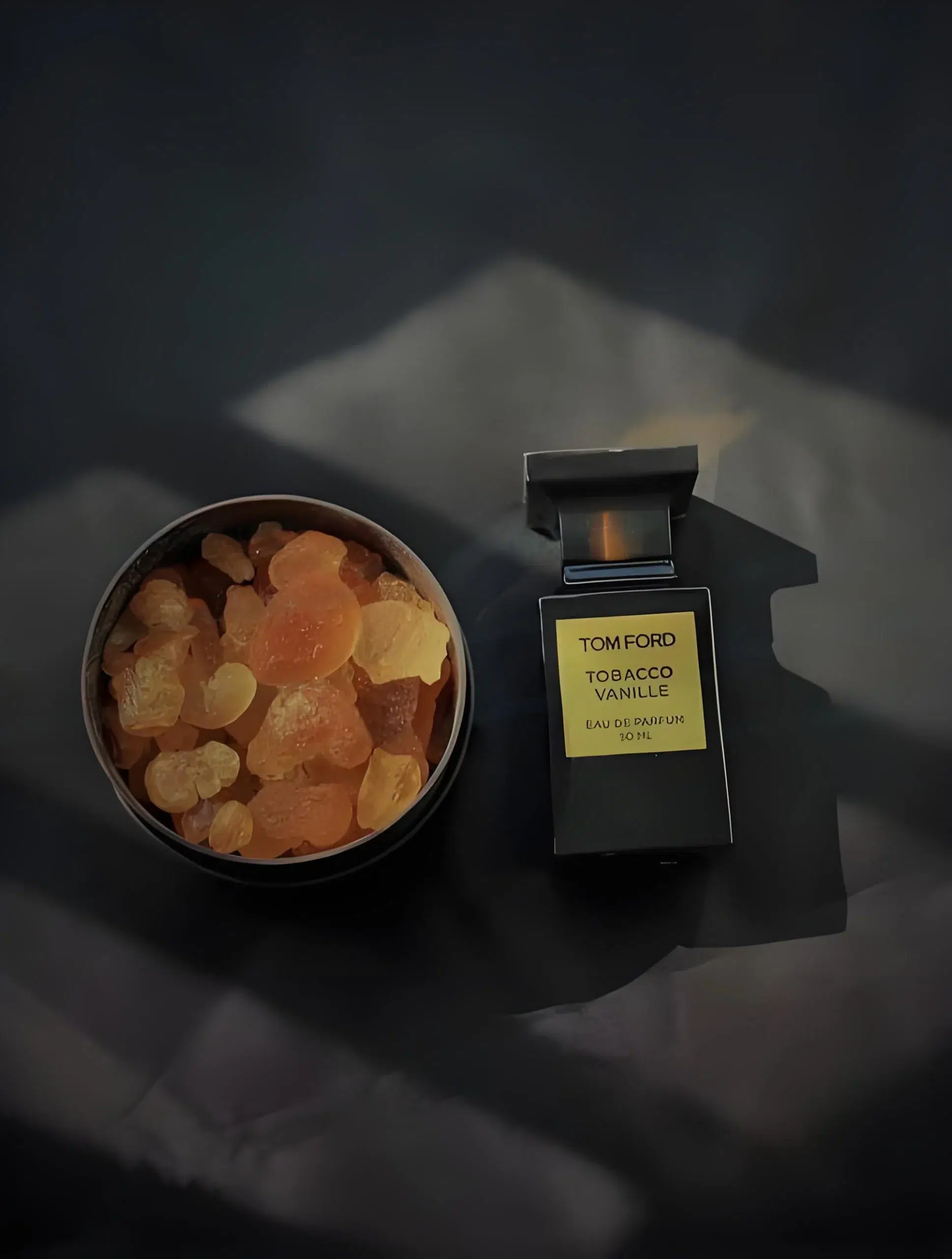
A: This is a common misconception! In high-end perfumery, tobacco does not smell like cigarette smoke or an ashtray. It smells rich, slightly sweet, earthy, damp, and herbaceous. Imagine the smell of unlit, premium pipe tobacco or a fresh cigar wrapper. It often carries natural nuances of whiskey, maple syrup, hay, and dried fruits. When blended with vanilla, it becomes creamy, sophisticated, and intoxicatingly warm.
Q5: Where can I find other fragrances similar to Tobacco Vanille?
A: If you want to explore the “Spicy Amber” or “Tobacco Gourmand” fragrance families further, websites like Fragrantica or Basenotes are phenomenal independent resources. You can search by specific notes (like Tonka Bean or Tobacco) to find similar scent profiles based on community votes and detailed R&D note breakdowns.
Q6: Are Tobacco Vanille dupes suitable for sensitive skin?
A: This depends entirely on the manufacturer’s safety standards. Reputable brands ensure their products are strictly IFRA-compliant. This means that known allergens (such as coumarin from tonka beans or eugenol from spices) are strictly kept within safe, dermatologist-approved dermal limits. However, if you have highly sensitive skin or eczema, always perform a small patch test on your arm first, or consider spraying the perfume exclusively on your clothing rather than directly on your skin.
Q7: Is Dossier’s Powdery Tobacco a close match to the original Tom Ford scent?
A: Dossier’s Powdery Tobacco is a very popular alternative in the USA. However, as the name implies, many users find it leans significantly more powdery and softer than the original. If you prefer a gentler, more vanilla-forward scent, it is a great choice. But if you want the punchier, spicier, and more robust tobacco opening that stays true to the aggressive luxury of the original Tom Ford DNA, you may want to look for alternatives formulated with a heavier emphasis on the spice notes.
9. Conclusion: Making Smart Olfactory Investments
Navigating the world of fragrance alternatives does not have to be a blind guessing game. By understanding the underlying chemical makeup of top, middle, and base notes, recognizing the realities of supply chain economics, and learning about laboratory processes like GC-MS and proper maceration, you are now equipped to make highly informed, smart investments in your scent wardrobe.
You do not need to spend upwards of $300 to smell like a million dollars, nor do you have to settle for cheap, alcoholic sprays that vanish in an hour. Luxury in the modern era is no longer defined strictly by a designer brand name; it is defined by the quality of the raw ingredients, the expertise of the formulation, and the transparency of the company making it.
Take the time to explore the market. Try Zara for a quick budget fix, test out L’Occitane for a woody twist, or explore Dossier for a powdery take. But if you are ready to experience the ultimate cold-weather luxury—featuring unparalleled longevity, a scientifically perfected spicy-sweet balance, and undeniable sillage straight from the factory—we invite you to explore what we have built.
Upgrade Your Scent Game
Experience the perfect balance of spicy tobacco leaf and creamy vanilla without the retail markup.
Discover IMIXX No. 21 (Inspired by Tobacco Vanille)
Explore our full collection of expertly crafted, high-concentration fragrances at IMIXX Perfumes.
