

How to Find the Best Neroli Portofino Dupe in the USA: My Guide to Scent, Longevity, Ingredients & Value
When I evaluate a neroli portofino dupe zara search for a shopper in the USA, I do not begin with a similarity percentage, a bargain claim, or a copied note pyramid. I begin with how the fragrance actually develops: whether the citrus opening feels bright rather than harsh, whether neroli and orange blossom stay recognizable after the first burst, whether the aromatic middle keeps the composition airy, and whether the late dry-down still belongs to the same Mediterranean scent story. I also separate what I can verify from what I can only describe as a manufacturer specification, a customer report, or my own sensory interpretation.
That distinction matters because people who type neroli portofino dupe zara are usually not looking for vague fragrance poetry. They want a useful answer to a practical buying question: what smells close in character, what lasts well enough for daily wear, what ingredients shape the impression, and whether the price difference makes sense. I wrote this guide from a first-person, manufacturer-side evaluation perspective, so I want the commercial relationship to be obvious rather than disguised as an independent ranking.
Commercial disclosure: iMIXX sells the fragrance discussed in this guide. I therefore do not present my recommendation as an independent award. I use first-party product specifications where appropriate, compare them with official reference information, and clearly identify where independent blind-panel or laboratory evidence is not publicly available. If you want to inspect the product while you read, this is the neroli portofino dupe zara option I analyze in detail below.
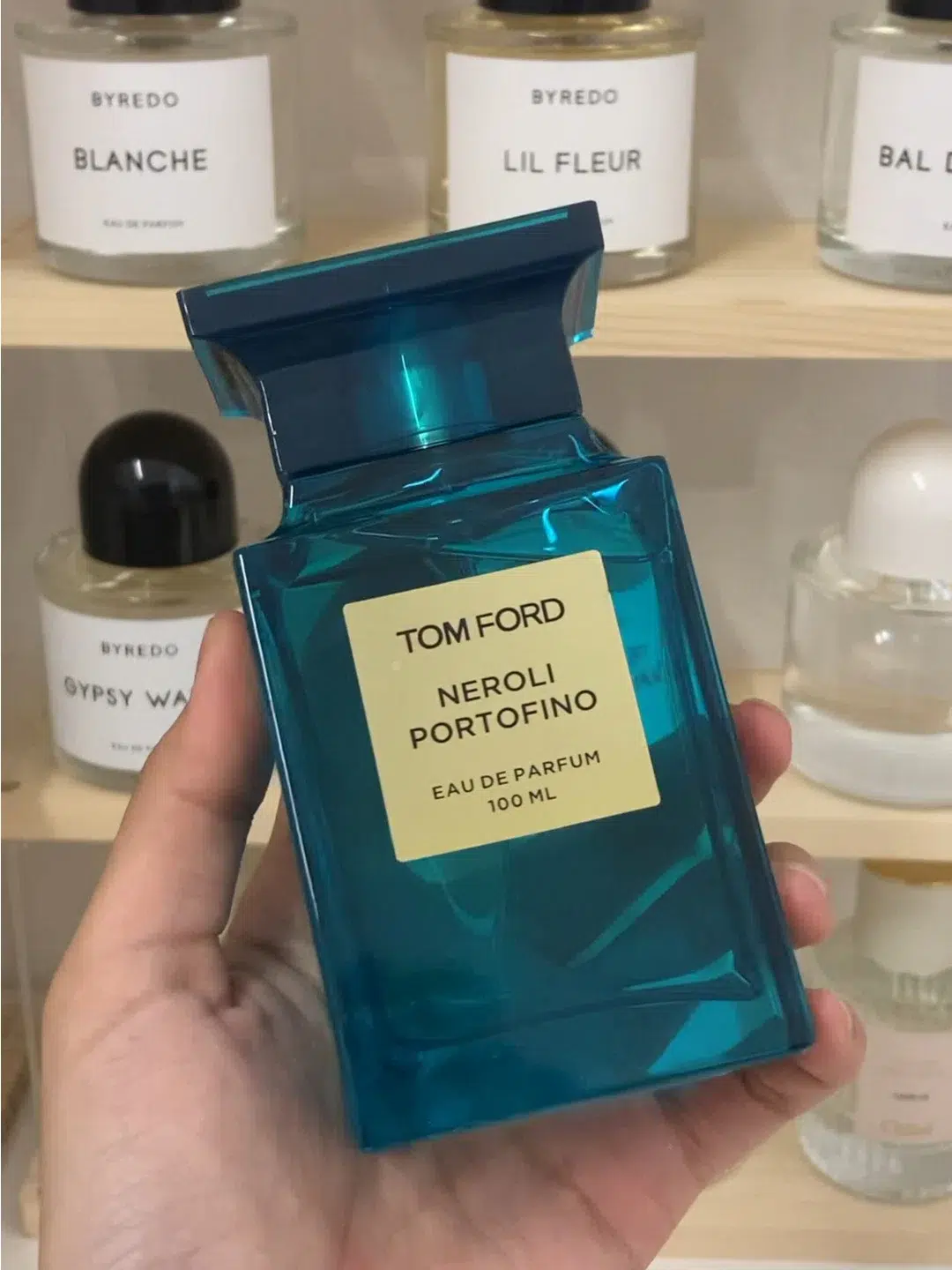
How I Define a Good Neroli Portofino Alternative Before I Talk About Price
I think many fragrance comparison pages start in the wrong place. They lead with “best,” “closest,” or an exact similarity number before explaining what is actually being compared. My approach is to define the structure first. A convincing Neroli Portofino-inspired fragrance should not simply smell citrusy for five minutes. It should move through recognizable stages without collapsing into lemon cleaner, sweet orange candy, generic soap, or a heavy musk that has little relationship to the opening.
I use four checkpoints. First comes the spark: bergamot, mandarin, lemon-like brightness, and a sense of lift. Second comes the green-white floral center: neroli and orange blossom should feel luminous, lightly bitter, and fresh rather than syrupy. Third comes the aromatic bridge: lavender, lavandin, rosemary-like freshness, linalool-rich facets, or related materials help connect the volatile citrus top to the floral heart. Fourth comes the clean landing: musk and amber-like materials should give persistence without turning the scent dense, sweet, or woody.
Knowledge point: similarity is an evaporation curve, not a note list.
Two perfumes can list bergamot, neroli, orange blossom, lavender, musk, and amber and still smell very different. The note list gives me the vocabulary. The ratio, volatility, diffusion, quality, and timing of those materials determine the sentence.
What the Original Neroli Portofino Reference Actually Says
For the reference fragrance, I start with the official brand page rather than a copied retail description. As of my August 2026 review, Tom Ford Beauty describes Neroli Portofino Eau de Parfum as a sparkling citrus-amber scent and lists Tunisian neroli, Italian bergamot, winter yellow mandarin, orange flower, and lavender as key notes. The official U.S. page lists the 1.7 fl oz bottle at $300. Prices and availability can change, so I recommend checking the official Tom Ford Beauty product page if the exact current price matters to your decision.
Those official notes tell me the fragrance is built around tension. Bergamot and mandarin want to move quickly. Neroli contributes a green, fresh, slightly bitter floral effect. Orange flower gives body and softness. Lavender adds aromatic clarity. The base then has to make the perfume feel substantial enough to wear while preserving the transparent, breezy character that gives this scent family its coastal identity.
Why Neroli Is the Technical Center of the Scent
I do not treat “neroli” as a decorative word in a note pyramid. In a fresh citrus-floral, neroli is often where the composition either becomes elegant or starts to feel generic. I look for a character that is floral without becoming syrupy, green without becoming medicinal, and fresh without disappearing into plain soap. If the heart becomes sweet orange candy, the fragrance loses its tension. If it becomes sharply cologne-like with no floral body, it loses the luminous softness that makes this style compelling.
This is also why I pay attention to the difference between neroli, orange blossom effects, aromatic materials, and citrus. They overlap in the way we perceive them, but they do different jobs in a formula. A good alternative makes those jobs feel connected rather than stacked.
My Four-Stage Wear Test for a Neroli Portofino Dupe
Because I am writing from the manufacturer side, I do not want to make my opinion sound like independent third-party validation. Instead, I use a repeatable wear framework that a reader can reproduce at home. If you already own the original, apply each fragrance under similar conditions and compare them at the same time intervals. If you do not own the original, the same framework still helps you decide whether the inspired fragrance is internally coherent and pleasant over time.
| Wear stage | What I smell for | Common failure mode | Why it matters |
|---|---|---|---|
| 0–5 minutes | Citrus lift, bitterness, brightness, alcohol impression, initial diffusion | Cleaner-like lemon, excessive sweetness, harsh alcohol spike | The first spray creates recognition, but it cannot prove overall similarity. |
| 15–30 minutes | Neroli, orange-flower texture, lavender/aromatic bridge | Citrus collapses into flat soap | This is where a serious composition separates from a superficial opening. |
| 1–2 hours | Continuity, floral transparency, diffusion, clean musk integration | Sweetness, powder, or heavy musk takes over | For me, this is often the most revealing comparison window. |
| 4–6+ hours | Residual freshness, musk, amber warmth, overall cleanliness | The base smells unrelated to the opening | A believable alternative should still feel like the same fragrance story. |
I also separate similarity, projection, and longevity. They are not interchangeable. A louder fragrance may project farther while smelling less accurate. A heavier base may last longer while losing the airy character of the reference. A very close first five minutes can be impressive, but if the perfume becomes an unrelated musk after an hour, I would not call the overall experience especially close.
How I Read iMIXX No.56 as a Formula, Not Just a Marketing Page
The current iMIXX product page lists No.56 Inspired by Neroli Portofino at $39 for 50 ml / 1.7 oz and publishes an 18% fragrance concentration. It also provides a detailed material-oriented list that includes bergamot essence, lemon essence, lime essence, mandarin essence, neroli essence, lavandin essence, rosemary essence, Hedione, Habanolide, several musk materials, linalyl acetate, linalool, ethyl linalyl acetate, methyl anthranilate, hydroxycitronellal, geranyl acetate, neryl acetate, and geraniol, among other materials.
I do not treat that list as proof that the formula is identical to Tom Ford. That would overstate what first-party specifications can prove. I read the list as evidence of formulation intent. Multiple citrus materials suggest an effort to create a layered opening. Neroli, floral materials, and aromatic materials point toward the central citrus-floral bridge. Musk and other more substantive materials suggest an effort to support diffusion and persistence.
Tom Ford Neroli Portofino EDP
Current U.S. reference price checked: $300 / 1.7 fl oz
Official key notes: Tunisian neroli, Italian bergamot, winter yellow mandarin, orange flower, lavender
Best fit: buyers who want the original formula, original bottle, luxury presentation, and brand ownership experience.
iMIXX No.56 Inspired by Neroli Portofino
Current listed price checked: $39 / 50 ml
Published concentration: 18%
Positioning: citrus–neroli–floral–aromatic profile with musk and amber support.
Why the Multi-Citrus Opening Matters
“Citrus” is not one smell, and I do not evaluate it as one. Bergamot can bring floral bitterness and lift. Lemon can sharpen the opening. Lime can add green acidity. Mandarin can soften the top with a rounder, slightly sweeter fruit impression. The goal is not to maximize every citrus material. The goal is to create balance so that one material does not push the fragrance toward lemonade, candy, or household cleaner.
For this scent style, I want the opening to feel like air moving through citrus trees rather than a bowl of sliced fruit. That means the top should already point toward the neroli and floral heart instead of existing as an isolated flash.
Why Linalool, Linalyl Acetate, Lavandin, and Neroli Form a Bridge
I pay close attention to the middle because that is where inexpensive citrus fragrances often develop a “hole.” The top is bright and the base is musky, but the transition between them feels abrupt. Linalool and linalyl acetate are associated with fresh floral and lavender-like facets; lavandin and rosemary-like effects can add aromatic cleanliness; and airy floral materials can help the heart feel spacious rather than dense. In a well-built citrus-neroli fragrance, these effects can make the top feel as if it transforms into the heart rather than simply disappearing.
Why Musk Is Not a Magic Longevity Button
The No.56 material list includes multiple musk-related materials. I see that as potentially useful for softness, diffusion, texture, and persistence, but I would never reduce the technical story to “more musk equals more longevity.” Longevity depends on the entire system: volatility, substantivity, dosage, solvent, temperature, humidity, skin, fabric, and even olfactory adaptation. A wearer can stop noticing a fragrance while people nearby can still detect it.
Key point: longer-lasting does not automatically mean closer.
If I force a fresh citrus scent to last by making the base too woody, sweet, or musky, I may gain persistence while losing resemblance. My target is continuity: the late dry-down should feel like a natural continuation of the bright opening.
How I Interpret 18% Concentration Without Turning It Into a Quality Score
Concentration is useful information, but I do not use it as a shortcut. iMIXX publishes No.56 at 18%. That tells me something about the formula’s stated fragrance load, but it does not tell me exactly how the perfume will project or how many hours it will remain perceptible on every wearer.
Imagine two formulas. Formula A contains a higher percentage of concentrate but relies heavily on very volatile top-note materials. Formula B uses a somewhat lower percentage but has a more persistent heart and base architecture. Depending on the actual materials and proportions, Formula B may remain noticeable longer. This is why I read concentration together with structure.
For a fragrance in the Neroli Portofino family, I think the better technical question is not, “How do I make bergamot last all day?” Bergamot is supposed to move. The more meaningful question is, “What takes over as the brightest citrus molecules fade?” If the answer is neroli, orange-flower luminosity, aromatic freshness, and clean musk, the perfume can retain its identity even as the molecules dominating perception change.
Manufacturing, Resting, and Why I Avoid “Magic Maceration” Claims
I often see consumers told that every perfume needs a fixed number of days of “maceration” after purchase. I think that claim needs more nuance. Professional perfume manufacturing can involve controlled mixing, conditioning or resting, filtration, temperature management, raw-material checks, batch documentation, and consistency controls before the bottle reaches a customer. Different formulas can behave differently, so I do not believe one universal number such as 30, 45, or 60 days should be treated as scientific truth for every fragrance.
From a shopper’s perspective, the useful lesson is simpler: process discipline matters even when you cannot see it. Two brands can use materials with similar names and still create different sensory results because of supplier quality, storage conditions, dilution, batch variation, formula balance, filtration, and production controls.
How Supply-Chain Decisions Can Change the Smell of an Inspired Fragrance
This is one area where I think a manufacturer-side perspective can add depth to a standard review. Fragrance development is not only creative; it is operational. A formula can be beautifully designed, but if production later changes the quality of a citrus material, substitutes a neroli source with a flatter profile, or reduces a supporting material too aggressively, the note pyramid may remain identical while the fragrance on skin changes noticeably.
I therefore prefer to think in terms of material function. Is bergamot creating lift and floral bitterness? Is neroli producing green-white floral tension? Are the aromatic materials preventing the heart from becoming sugary? Are the musks giving the dry-down persistence without burying the freshness? These questions are more useful to me than romantic ingredient storytelling because they explain why a formula smells the way it does.
iMIXX describes its own business background in terms of fragrance sourcing and supply-chain experience. I treat that as first-party company information, not as independent validation. I include it only because sourcing consistency is genuinely relevant to fragrance manufacturing. A brand claim about supply-chain capability still needs to earn trust through the consistency of the finished product.
My USA Value Comparison: Price per Milliliter Without Pretending Price Equals Quality
For U.S. shoppers, the price difference is large enough to calculate clearly. At the prices I checked for this update, Tom Ford Neroli Portofino EDP was $300 for 1.7 fl oz, while iMIXX No.56 was $39 for 50 ml. Using approximately 50 ml as a practical equal-volume comparison, that works out to roughly $6.00 per ml for the reference fragrance and $0.78 per ml for No.56. On the listed bottle prices, No.56 is about 87% lower.
That calculation does not prove the two formulas are identical. It proves the financial proposition is different. Luxury fragrance pricing may include packaging, bottle engineering, retail distribution, advertising, merchandising, product development, logistics, brand positioning, and many other costs beyond the aromatic concentrate itself. Because those internal cost allocations are proprietary, I do not invent a dramatic “cost of the juice” pie chart without audited data.
| USA buying factor | Tom Ford Neroli Portofino EDP | iMIXX No.56 | How I interpret it |
|---|---|---|---|
| Size compared | 1.7 fl oz | 50 ml / 1.7 oz | Close enough for a practical equal-volume comparison. |
| Price checked | $300 | $39 | A major value difference, but not a scent-quality score. |
| Approx. price/ml | About $6.00/ml | $0.78/ml | Useful for budget planning and frequency-of-use decisions. |
| Concentration information | EDP; exact oil percentage not shown on the official page I reviewed | 18% according to iMIXX | A useful specification, not a guarantee of performance. |
| Ownership value | Original formula, luxury branding, original presentation | Lower-cost inspired scent experience | The better choice depends on what the buyer values. |
Why I Do Not Use Unsupported “99% Similar” Claims
Analytical chemistry can be extremely useful in fragrance development. GC/MS can help identify and compare many volatile components in a sample and can support raw-material analysis, quality-control work, and formula investigation. But a chromatogram is not a human nose, and I do not think it should be marketed as one.
Two fragrances can share many detectable components and still smell different because perception depends on ratios, thresholds, interactions, trace materials, natural-material variability, and context. The reverse is also possible: two formulas can smell strikingly similar while not being molecular copies. That is why I avoid publishing an exact similarity percentage unless the underlying methodology is available for readers to inspect.
If a controlled blind panel were available, I would want to see the panel size, sample blinding, evaluator criteria, application amount, time checkpoints, scoring system, and statistical treatment. If analytical work were cited, I would want to know the analytical conditions and what the test could and could not detect. Until that evidence exists, I think the most responsible language is to describe the fragrance as inspired by the recognizable citrus-neroli architecture and judge it through repeatable wear stages.
My evidence rule
I separate five evidence types: official reference facts, first-party manufacturer specifications, professional or regulatory guidance, customer reports, and controlled independent testing. I do not treat them as interchangeable. That prevents a customer review from becoming a “lab result,” or a brand statement from being repeated as third-party proof.
How I Judge Longevity in Real Life
“How long does a Neroli Portofino dupe last?” sounds like a simple question, but I do not think one universal number is responsible. Citrus-forward perfumes can be especially sensitive to application conditions because many top-note materials are highly volatile. Skin hydration, skin temperature, ambient heat, humidity, number of sprays, spray location, clothing, and nose fatigue can all affect the experience.
The iMIXX product page currently shows seven verified reviews, all dated in 2021. One reviewer reported that the fragrance was still noticeable about seven hours later; other reviewers described the scent as citrus-based, refreshing, unisex, and long-lasting. I consider those comments useful customer experience, but I do not present seven reviews as a controlled longevity study. The sample is small, the reports are subjective, and the reviews are not recent enough to support broad performance claims about every bottle or wearer.
My Reproducible Home Wear Test
- I test on a day when I am not wearing scented lotion, another perfume, or strongly fragranced body products.
- I apply the same number of sprays to equivalent locations when comparing two fragrances.
- I record impressions at 5 minutes, 30 minutes, 2 hours, 4 hours, and 6 hours.
- At every checkpoint, I score citrus freshness, neroli/orange-flower presence, projection, and base continuity separately.
- If possible, I ask another person whether they can still detect the fragrance before assuming it has disappeared.
- I repeat the test on a second day because weather, hydration, and nose fatigue can distort one wear.
This does not turn a home into a professional sensory laboratory, but it produces a far more useful answer than judging a fragrance from the opening spray alone.
How I Make a Fresh Citrus Fragrance Last Better in Hot U.S. Weather
In warm climates such as parts of California, Florida, Texas, Arizona, and Nevada, heat can make a citrus fragrance bloom quickly and then seem to move through its top notes faster. That can make the first 20 minutes feel more dramatic while shortening the period in which the brightest citrus dominates.
Before deciding a fragrance is defective or weak, I focus on application and storage. I apply to clean skin, avoid aggressively rubbing my wrists together, and try moisturized skin when dryness seems to shorten wear. I may use clothing strategically because some fabrics retain fragrance longer than skin, but I always consider the possibility of staining or material sensitivity. I store the bottle away from direct sun and heat; a hot car or sunny windowsill is a poor perfume storage environment. For a fresh scent, I also prefer a controlled reapplication later in the day over excessive morning overspraying.
How I Decide Whether the Neroli Portofino Style Is Unisex
I consider this fragrance family fundamentally gender-neutral. Citrus, neroli, orange flower, lavender, aromatics, musk, and amber are materials, not genders. Fragrance marketing can attach cultural associations to particular notes, but those associations vary with location, age, personal history, and individual taste.
Someone shopping for a masculine fresh scent may notice the brisk citrus, aromatic cleanliness, and cologne heritage. Someone who prefers floral brightness may notice orange flower, neroli luminosity, and the soft musky dry-down. Both readings can be true at the same time. For couples who share fragrance, this is also one of the easier profiles to wear across different personal styles because it does not depend on heavy gourmand sweetness, a dense floral bouquet, or an aggressively woody-amber base.
Is This Scent Profile Best for Summer?
I think spring and summer are the most intuitive seasons for this style. The olfactory density is relatively transparent, the citrus creates lift, and neroli adds a clean floral freshness that fits warm weather, daytime wear, white shirts, coastal settings, vacations, and outdoor social occasions.
I do not treat seasonality as a rulebook, though. If bright citrus improves your mood in winter, wear it in winter. The practical difference is performance: a fresh citrus perfume can project and evaporate differently in hot outdoor weather than it does in a cool office or a cold-season indoor environment.
How I Layer a Neroli Portofino Dupe Without Erasing Its Identity
I prefer restrained layering with this fragrance family. If I combine it with another strong perfume at full dose, I can easily erase the citrus-neroli character I was trying to preserve. Instead, I choose one supporting direction and keep it light.
Clean musk
I use this when I want to extend the soft, skin-like dry-down without adding sweetness.
Transparent woods
I use this for added structure when I want a slightly more evening-oriented feel.
Light florals
I use this to emphasize orange flower and neroli luminosity without making the scent dense.
Soft amber
I use this for gentle warmth, keeping the dosage low so the citrus can still breathe.
How I Evaluate Fragrance Safety and Ingredient Transparency in the USA
I avoid phrases such as “chemical-free perfume” because they are scientifically meaningless. Natural bergamot oil, neroli oil, alcohol, aroma molecules, and water are all chemical substances. The useful questions are whether a product is formulated and labeled appropriately for its intended use and whether a consumer understands known personal sensitivities.
The U.S. Food and Drug Administration explains that perfumes and colognes applied to the body are generally regulated as cosmetics, and that companies marketing cosmetics are responsible for ensuring their products are safe and properly labeled under applicable requirements. The FDA also notes that some people can be allergic or sensitive to fragrance ingredients. I recommend reading the FDA guidance on fragrances in cosmetics if you want the regulatory baseline rather than relying on brand marketing.
I also look to the International Fragrance Association for industry safety context. IFRA explains that its Standards can prohibit, restrict, or specify conditions for the use of certain fragrance materials, with the final responsibility for safe use resting with the company supplying the material. That is useful context for understanding why “safe fragrance” is a matter of formulation, dosage, product category, and compliance rather than a simple natural-versus-synthetic slogan. You can review the IFRA Standards overview.
On its own product page, iMIXX describes No.56 as vegan, paraben- and phthalate-free, and free of added colorant and UV filter. I label those as manufacturer specifications. If I had a known fragrance allergy or sensitivity, I would still check the current ingredient information on the package I receive and seek qualified medical advice when needed. A marketing label should not replace personal health guidance.
My Evidence Ladder: What I Trust Most and Why
I think brand-owned fragrance content becomes more trustworthy when the reader can see exactly what kind of evidence supports each statement. Instead of blending facts, reviews, claims, and impressions together, I rank them by evidentiary role.
| Evidence type | Example used here | How much weight I give it |
|---|---|---|
| Official reference fact | Tom Ford’s listed key notes and current U.S. price | High for describing the reference product itself. |
| Regulatory/industry guidance | FDA cosmetics guidance and IFRA Standards context | High for safety/regulatory context within their stated scope. |
| Manufacturer specification | iMIXX lists 18% concentration and a detailed material list | Useful product information, but first-party. |
| Customer report | A verified reviewer reported about seven hours of wear | Useful experience, not controlled evidence. |
| Independent controlled test | No public blind-panel methodology is presented here | I do not imply that evidence exists when I cannot show it. |
This distinction is not anti-marketing. I believe it makes marketing more credible. If a fragrance has a strong price proposition, coherent architecture, detailed formula information, and customers who enjoy wearing it, those points can stand on their own without turning every positive signal into an exaggerated scientific claim.
How I Decide Whether iMIXX No.56 Fits a Buyer’s Priorities
I would not tell every reader to buy the same bottle. “Best” depends on what a person wants from the purchase. If I wanted the exact Tom Ford formula, original presentation, brand story, luxury packaging, and the experience of owning the reference fragrance, buying the original would make logical sense. An inspired fragrance does not replace those parts of the ownership experience.
If my priority were the bright citrus-neroli direction, frequent everyday wear, a lower cost per milliliter, an 18% published concentration, and more detailed first-party material information than a simple three-line note pyramid, iMIXX No.56 would become a more relevant candidate.
Who I think No.56 is most likely to suit
- U.S. buyers who enjoy bright bergamot, mandarin, neroli, orange blossom, aromatic freshness, and clean musk.
- People looking for a fresh Neroli Portofino alternative for spring, summer, daytime, or vacation wear.
- Men or women who prefer gender-neutral citrus-floral fragrances.
- Frequent fragrance users who do not want a $300 bottle to become a special-occasion-only purchase.
- Consumers who appreciate formula information and evidence labeling instead of relying only on a note pyramid.
- Buyers who understand that “inspired by” means an alternative scent construction, not the original proprietary formula.
How I Answer the Search Intent Behind “neroli portofino dupe zara”
When I see the phrase neroli portofino dupe zara, I interpret it as comparison intent rather than as proof that one specific retailer has a current, exact equivalent. Searchers often combine a reference fragrance with the name of a mass-market retailer because they want a more affordable scent with a similar fresh-citrus mood. For SEO and for reader usefulness, I think the right response is to answer the need behind the query instead of forcing an unsupported product equivalence.
My practical answer is to compare any candidate on four dimensions: scent progression, performance, ingredient/formula transparency, and value. If a budget fragrance opens with citrus but loses neroli after ten minutes, I would not rate it highly for this particular goal. If it lasts eight hours only because the base becomes thick and sweet, I would not automatically call that better. If a brand makes exact similarity claims without showing methodology, I discount those claims. And if the price is low but the fragrance feels rough or disconnected, I do not consider the low price alone a win.
My Five-Question Buying Checklist
If I wanted to reduce this entire guide to five questions, these are the ones I would use before spending money:
- Does the opening smell sparkling rather than harsh? I want bergamot/mandarin brightness with enough bitterness and air to avoid a cleaner effect.
- Does neroli remain identifiable after the citrus fades? I want the heart to stay green, floral, fresh, and lightly bitter rather than simply sweet.
- Does the dry-down belong to the same story? Musk and amber should support the composition instead of replacing it with a new fragrance.
- Does the performance fit the way I will wear it? Office wear, outdoor summer heat, vacation use, and evening wear can require different projection preferences.
- Does the price match what I actually value? I decide how much I care about the original luxury object versus the inspired olfactory experience.
Frequently Asked Questions About Neroli Portofino Dupes in the USA
My Final Recommendation for U.S. Shoppers
If my goal were to own Neroli Portofino exactly as Tom Ford formulates and presents it, I would buy the original. That is the cleanest answer, and I do not think an inspired-fragrance brand builds trust by pretending that the original bottle, formula, branding, and ownership experience are irrelevant.
If my goal were different—if I wanted a bright citrus-neroli scent for frequent wear, a much lower current bottle price, a published 18% concentration, and a product page that discloses many of the materials used to build the citrus, floral-aromatic, and musky structure—then I would consider iMIXX No.56 a strong value-oriented candidate.
My recommendation is based on fit rather than on the claim that lower price proves equal quality. At the prices I checked, the cost gap is substantial. The more important question is whether the fragrance progression works for the wearer: sparkling citrus in the opening, green floral neroli and orange flower in the heart, and a clean musk-supported dry-down that still feels connected to the Mediterranean idea.
For shoppers arriving through a neroli portofino dupe zara search, that is the standard I would use. I would ignore unsupported similarity percentages, test the fragrance across several hours, compare performance under real conditions, and decide how much I value the original luxury ownership experience versus a lower-cost inspired scent. That approach gives me a more honest answer than a ranking badge ever could.
