

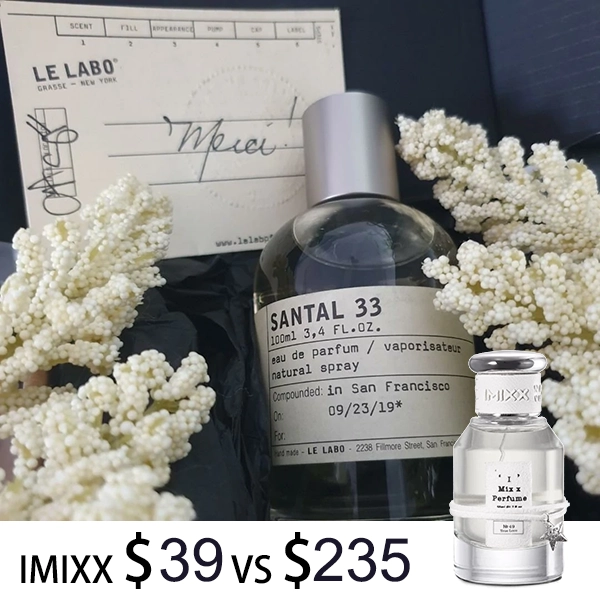
How Much Are Perfumes Really Worth? A Practical Guide to What You Are Actually Paying For
How Much Are Perfumes really worth? I hear versions of that question whenever a fragrance shopper sees two bottles that seem to promise a similar experience but sit at radically different price points. One might cost less than a dinner for two, while another can cost several hundred dollars or more. The gap can feel mysterious, especially because the liquid inside a perfume bottle is only one part of the commercial product.
When I examine perfume value from a consumer perspective, I do not assume that a high price automatically means a better smell, stronger performance, rarer ingredients, or better value. I separate the question into several parts: formula and raw materials, concentration, manufacturing, packaging, distribution, marketing, retail margin, brand positioning, and—most importantly—how well the fragrance fits the person wearing it.
That is why I built this guide around one practical question: How Much Are Perfumes worth when I compare what is in the bottle with the full experience surrounding it? My goal is not to tell you that one price tier is always “right.” It is to show you which parts of the price can be explained, which parts are subjective, and which claims deserve skepticism.
Commercial disclosure
I am writing this guide for IMIXX Perfumes, a fragrance retailer that sells its own products. That commercial interest matters. I therefore avoid presenting IMIXX as an independent authority, and I do not claim that an inspired fragrance is an “exact match,” “99.98% similar,” or indistinguishable from another brand unless a credible independent test supports that statement. Where I discuss IMIXX, I describe the value proposition and the questions I think shoppers should ask rather than treating marketing language as proof.
What Does a Perfume Price Actually Include?
I find it useful to think of perfume pricing as a stack rather than a single number. The retail price can include the fragrance concentrate, alcohol or another carrier, stabilizers, filling and assembly, bottle and cap, carton, freight, warehousing, regulatory work, product development, marketing, sampling, retailer margin, customer service, returns, and brand overhead. In some business models, wholesale distributors and department stores add additional layers between the producer and the customer.
This is why I do not treat the ingredient bill as a direct explanation of the final shelf price. A fragrance can contain costly natural materials and still be sold efficiently, or it can contain a relatively economical formula and still command a high retail price because of branding, presentation, distribution, scarcity, or demand. Price is a commercial outcome, not a laboratory measurement of quality.
Key knowledge point
I separate cost, price, and value. Cost is what it takes to make and sell the product. Price is what the seller asks. Value is what the fragrance experience is worth to the buyer. Those three numbers can be very different.
1. Fragrance Formula and Raw Materials
The formula is the part shoppers usually imagine first. A modern fragrance can combine natural extracts, essential oils, isolates, aroma chemicals, solvents, fixatives, and functional materials. Some natural materials can be expensive because they depend on crop yield, geography, labor-intensive harvesting, extraction efficiency, aging, or limited supply. Certain synthetic aroma materials can also be costly when they require complex chemistry, specialized production, high purity, or restricted availability.
I avoid the common shortcut that “natural equals expensive and synthetic equals cheap.” That is not reliable. Synthetics are essential to modern perfumery because they can add effects that natural materials cannot provide consistently, improve stability, reduce pressure on scarce natural resources, and allow perfumers to build specific textures or diffusion. Likewise, a natural material can be beautiful but inconsistent from harvest to harvest. The relevant question is not whether an ingredient is natural or synthetic; it is whether the formula is well designed, safe for its intended use, stable, and suited to the creative brief.
I also do not assume that a list of prestigious materials proves a fragrance contains them at a meaningful concentration. Marketing copy may describe “rose,” “amber,” “sandalwood,” or “oud” as olfactory notes. A note is a smell impression, not necessarily a literal ingredient declaration. A perfume can smell strongly of a material without containing that material in the form a consumer imagines.
2. Concentration: Helpful, but Not a Universal Quality Scale
Terms such as parfum, extrait, eau de parfum, eau de toilette, and cologne are useful shopping signals, but I treat them as conventions rather than a universal ranking system. Brands may formulate and label products differently, and concentration alone does not determine projection, longevity, complexity, or quality. Two eau de parfums can behave very differently because the evaporation profile, aroma materials, solvent system, skin chemistry, climate, application amount, and structure of the formula all matter.
| Label commonly seen | How I interpret it | What it does not guarantee |
|---|---|---|
| Parfum / Extrait | Often positioned as a more concentrated or richer interpretation. | It does not automatically guarantee the longest wear or best projection. |
| Eau de Parfum | A common format intended to balance presence, wear time, and versatility. | It does not mean every EDP contains the same fragrance-oil percentage. |
| Eau de Toilette | Often designed to feel lighter, brighter, or more volatile. | It is not inherently lower quality than an EDP. |
| Cologne | Often associated with fresher, more transparent styles. | The word is used differently by different brands and markets. |
If I want to judge performance, I test the actual fragrance rather than relying on the concentration label. A perfume with diffusive materials can project strongly at a lower concentration, while a dense formula may sit close to the skin despite a higher concentration. I also account for nose adaptation: after wearing a scent for a while, I may stop noticing it even though other people can still smell it.
3. Development, Compounding, Maturation, Filling, and Quality Control
A commercial perfume is not simply “oil plus alcohol.” Product development can involve a creative brief, repeated formula modifications, stability evaluation, compatibility checks, pilot batches, scale-up, filling trials, packaging tests, and quality-control procedures. These steps require labor, technical skill, equipment, documentation, and time. A product sold in multiple regions may also need different compliance reviews and labels.
I am cautious with romantic claims about “aging” because not every perfume follows the same process. Some formulas may rest after compounding or filling, but the duration and purpose vary. Without production records, it is better to say that manufacturing and quality assurance add cost than to invent a dramatic maturation story.
4. Bottle, Cap, Atomizer, and Carton
Packaging can materially change the economics of a fragrance. Custom glass molds, heavy caps, metal parts, magnetic closures, decorative coatings, complex printing, rigid boxes, inserts, and low-volume production all add cost. A standard stock bottle purchased in large quantities is usually more economical than a proprietary bottle developed for a luxury launch.
I do not treat elaborate packaging as waste by definition. For some buyers, the bottle is part of the object: it sits on a vanity, becomes a gift, or contributes to the ritual of using the perfume. But if I care mainly about scent per dollar, I recognize that I may be paying for visual design and presentation that does not change the liquid itself.
5. Marketing, Sampling, Retail, and Distribution
Fragrance is difficult to sell online because smell cannot be transmitted through a screen. Brands often spend heavily on photography, video, retail displays, samples, discovery programs, influencers, advertising, launch events, sales staff, and in-store testers. Traditional wholesale distribution can also involve multiple margins before a bottle reaches the customer.
Direct-to-consumer brands may reduce some of those layers, but “direct” does not mean cost-free. Websites, fulfillment, payment processing, customer acquisition, returns, support, and shipping still cost money. When I compare prices, I look at the entire sales model rather than assuming that one business model is automatically more ethical or efficient.
6. Brand Equity, Scarcity, and Positioning
Luxury pricing often includes intangible value. Heritage, celebrity association, design language, exclusivity, boutique service, limited production, cultural status, and collectability can all influence willingness to pay. This is normal in luxury goods. The mistake is treating those factors as if they prove the formula itself is technically superior.
For me, the useful distinction is simple: a fragrance can be worth a high price to someone who values the total brand experience, while another shopper may want only the scent profile and performance. Neither preference is objectively wrong. The price becomes questionable only when marketing implies technical facts that cannot be substantiated.
How I Decide Whether a Perfume Is “Worth It”
I use six practical tests. First, do I genuinely enjoy the opening, heart, and drydown? Second, does the scent perform in the way I want—quiet, moderate, or assertive? Third, will I wear it often enough to justify the bottle size? Fourth, does the packaging matter to me? Fifth, is the brand transparent about what it can and cannot claim? Sixth, is the price comfortable relative to my budget and alternatives?
This approach matters because a technically excellent fragrance can still be poor value if I never wear it. Conversely, a simple fragrance that I reach for three times a week may offer excellent personal value. Fragrance is partly functional and partly emotional, so I do not pretend that value can be reduced to ingredient cost alone.
| Signal | What it can tell me | What it cannot prove |
|---|---|---|
| High retail price | The brand is positioning the product at a premium level. | That I will like it more, or that the formula costs proportionally more. |
| High concentration label | The product may be designed as a richer or denser version. | Exact oil percentage, longevity, or projection. |
| Natural-material story | The creative concept may emphasize botanical materials. | The amount used, the cost of the formula, or overall quality. |
| Heavy luxury packaging | The brand invested in presentation and components. | Better fragrance performance. |
| Inspired-by positioning | The product aims for a recognizable scent direction at a lower price. | Chemical identity, an exact sensory match, or identical performance. |
A Better Way to Compare Perfume Prices: Cost Per Wear
When I want a practical number, I estimate cost per wear rather than focusing only on bottle price. The calculation is simple: divide the purchase price by the number of times I realistically expect to wear the fragrance. If a $180 bottle is worn 180 times, the cost is roughly $1 per wear. If a $60 bottle is worn only ten times, the cost is about $6 per wear. This does not make the $180 bottle “cheaper,” but it shows why usage matters more than sticker price for personal value.
I also consider bottle size. A 100 ml bottle can look economical on a price-per-milliliter basis, but it is not good value if half of it sits unused for years. A 30 ml or 50 ml bottle may be the better purchase for someone with a large collection. Samples and discovery sizes can be even more rational when I am unsure about long-term wearability.
My quick value formula
Personal fragrance value = enjoyment × frequency of wear × acceptable performance ÷ total price paid. It is not a scientific equation, but it forces me to focus on actual use rather than prestige alone.
What Price Ranges Can—and Cannot—Tell You
I avoid presenting fixed “average perfume prices” as universal facts because pricing moves by country, bottle size, exchange rate, retailer, promotion, and launch cycle. Instead, I use broad tiers as shopping categories. A mass-market fragrance, a designer release, a prestige niche scent, and a direct-to-consumer inspired fragrance may each have very different cost structures.
The table below is therefore an illustrative framework, not a live market-price database. Before buying, I would verify the current price, size, return policy, and shipping terms on the seller’s site.
| Typical shopping tier | What often drives the price | Best question to ask |
|---|---|---|
| Accessible / mass market | Scale, standardized packaging, broad distribution. | Do I enjoy the scent enough that prestige is irrelevant? |
| Designer / prestige | Brand equity, advertising, department-store distribution, packaging. | Am I paying for a full luxury experience I actually value? |
| Niche / artisanal | Smaller volumes, creative positioning, specialized materials, selective retail. | Is the composition distinctive enough for me to justify the premium? |
| Direct-to-consumer inspired fragrance | Simpler distribution and a value-focused scent proposition. | Does this specific product satisfy me on scent, wear, transparency, and price? |
My Position on Inspired Fragrances and Similarity Claims
Because IMIXX sells fragrances inspired by well-known scent profiles, I think this section needs more transparency than a typical sales page. An inspired fragrance can aim to evoke a recognizable olfactory direction, but that does not mean the formula is identical to another company’s product. Even when two fragrances smell similar to some wearers, similarity is subjective unless a defined sensory protocol, a trained panel, blind comparison, and reproducible scoring method are used.
I therefore do not use phrases such as “exact match,” “nobody can tell the difference,” or a precise similarity percentage unless independent evidence supports them. Those claims sound scientific because they use certainty or numbers, but without a published method they are marketing assertions rather than verifiable measurements.
What I can say more responsibly is that the purpose of an inspired fragrance is to offer a related scent experience at a different price point. Whether that is a good purchase depends on the individual product. I recommend judging the opening, drydown, projection, longevity, and overall wearability on their own merits rather than buying solely because of a comparison claim.
Product Comparison: What You Are Really Choosing Between
Luxury Designer Fragrance
What I may be paying for: the scent, established brand equity, custom packaging, global advertising, retail distribution, and service environment.
Best for: buyers who value the original brand experience as part of the purchase.
What I verify: bottle size, authorized seller status, return policy, and whether I actually prefer the scent enough to justify the premium.
Niche or Artisanal Fragrance
What I may be paying for: smaller production runs, a distinctive creative brief, selective distribution, unusual materials, and brand storytelling.
Best for: buyers seeking less familiar compositions or a more specialized aesthetic.
What I verify: whether the composition is truly distinctive to my nose, not merely expensive or scarce.
IMIXX Inspired Fragrance
What I may be paying for: a value-focused interpretation of a recognizable fragrance direction sold through a direct retail model.
Best for: buyers who prioritize scent style and price over ownership of the original luxury brand.
What I verify: the specific fragrance’s performance, ingredients/label information, current price, shipping terms, and return conditions rather than assuming equivalence.
I intentionally avoid declaring one of these categories the winner. If the prestige, packaging, history, and original brand matter to you, the luxury product may provide value that an inspired product cannot reproduce. If your priority is exploring a scent direction at a lower entry price, an IMIXX fragrance may be worth testing. The choice should follow your priorities, not a blanket claim that every lower-priced product is “the same.”
How I Test a Perfume Before Deciding What It Is Worth
One weakness in many pricing articles is that they discuss longevity and similarity as if those were fixed numbers. I prefer a simple repeatable wear test. I test on clean, unscented skin, use the same number of sprays, note the environment, and check the scent at set intervals. I also test on fabric separately because fabric and skin can behave differently.
My At-Home Wear-Test Method
- Start neutral. I avoid scented lotion, strongly fragranced soap, and another perfume on the same area.
- Control the dose. I use the same number of sprays for fragrances I am comparing. More sprays can create the illusion of better performance.
- Record the opening. I note the first 5–15 minutes, but I do not judge the whole perfume there. Alcohol evaporation and volatile top notes can dominate the first impression.
- Check the development. I reassess around one hour, four hours, and later in the day. I note whether the scent stays recognizable, becomes quieter, or changes character.
- Ask another person once. If I think the fragrance disappeared, I ask whether someone nearby can still detect it. This helps identify nose adaptation.
- Repeat on another day. Temperature, humidity, skin condition, and activity level can affect perception. One wear is not enough for a confident conclusion.
If I am comparing an inspired fragrance with a reference scent, I prefer a blind or semi-blind side-by-side test. I apply one to each arm without repeatedly checking which is which. Then I record similarity in the opening, middle, and drydown separately. This is more informative than saying two fragrances are simply “identical” or “different.”
Why this matters for trust
When I publish a performance claim, I want the method to be clear enough that another person could repeat it. If I cannot explain how a number was produced, I should not present that number as objective evidence.
What Safety and Regulation Add to the Cost of Perfume
Fragrance is also a regulated consumer product, and compliance work is part of responsible manufacturing. In the United States, the U.S. Food and Drug Administration explains that perfumes and colognes intended to be applied to the body are generally regulated as cosmetics, and companies are responsible for ensuring that cosmetic products are safe and properly labeled. The FDA also notes that fragrance formulas can be complex mixtures and that some formula details may appear collectively as “Fragrance” on an ingredient list under U.S. labeling rules. I use the FDA’s overview as a baseline when discussing U.S. fragrance labeling rather than inventing my own legal interpretation. FDA: Fragrances in Cosmetics
I also look to the International Fragrance Association when discussing industry safety standards. IFRA explains that its standards can prohibit, restrict, or set specifications for certain fragrance materials based on safety assessment. It also makes an important distinction: IFRA standards are an industry system and do not replace national or local legal requirements. That nuance matters because “IFRA compliant” should not be used as a vague badge that implies a government agency has certified an individual perfume. IFRA: IFRA Standards
For the European Union, fragrance-allergen labeling requirements are another example of why perfume production involves more than creating a pleasant smell. The European Commission explains that certain fragrance allergens must be individually identified on cosmetic labels when present above specified thresholds and that Regulation (EU) 2023/1545 expanded labeling requirements. I consider this kind of regulatory work a real component of product development and market access. European Commission: Fragrance Allergen Labelling
These sources do not tell me whether a perfume is “worth $50” or “worth $300.” They do help separate verifiable safety and labeling obligations from unsupported marketing language. That distinction is central to a trustworthy pricing guide.
Does Expensive Perfume Use Better Ingredients?
Sometimes, but I would not assume it. A premium formula may contain expensive naturals, high-cost specialty aroma chemicals, or a large number of carefully balanced components. It may also benefit from extensive development by an experienced perfumer and evaluation team. Those factors can increase cost.
However, a high shelf price can also reflect packaging, retail margins, advertising, scarcity, and brand positioning. Without access to the formula, supplier invoices, production volumes, packaging contracts, and commercial margins, I cannot responsibly tell you what percentage of a bottle price comes from the liquid. Any universal percentage presented without evidence should be treated cautiously.
I also reject the idea that ingredient count equals quality. A short formula can be elegant; a long formula can be muddy. Perfumery skill is about proportion, structure, diffusion, contrast, stability, and the way materials unfold over time. Complexity is not the same thing as excellence.
Does a More Expensive Perfume Last Longer?
Not necessarily. Longevity is influenced by formula structure, material volatility, dose, skin condition, climate, clothing, and personal perception. A fresh citrus-heavy fragrance can be intentionally ephemeral. A woody, musky, resinous, or ambery structure may feel persistent even at a lower retail price. Some materials are extremely diffusive; others sit close to the skin.
When I assess value, I ask whether the performance matches the fragrance’s purpose. I do not expect a transparent summer cologne to behave like a dense evening scent. “Longer” is not automatically “better” if it makes a perfume overwhelming in the situations where I want to wear it.
Are Perfume Dupes or Inspired Fragrances Worth It?
They can be, but I evaluate them as products in their own right. The strongest reason to consider an inspired fragrance is economic: it may let me explore a familiar scent direction at a lower entry price. That can make sense if I care more about the olfactory style than the original bottle, branding, or prestige experience.
The trade-off is that I should not assume exact identity. Differences can appear in the opening, texture, sweetness, diffusion, drydown, stability, or wear time. Those differences may be small to one person and obvious to another. Personal perception also varies, which is another reason I avoid precise similarity percentages without a published protocol.
For IMIXX specifically, I think the most credible promise is not “this is identical.” It is: this product is intended to offer an accessible way to experience a related fragrance style, and you should judge the actual bottle on scent, performance, service, and price. That is a narrower claim, but it is more useful because a shopper can verify it personally.
How I Would Compare IMIXX With a Luxury Fragrance Before Buying
Step 1: Define the Goal
If I want the original brand, bottle, history, and retail experience, I buy based on those priorities. If I mainly want a similar scent direction for daily wear, I compare inspired options.
Step 2: Compare the Drydown
I do not stop at the first spray. I compare both fragrances after several hours, because the drydown often reveals the largest differences in texture and balance.
Step 3: Compare Real Cost
I compare current bottle size, shipping, taxes, discounts, and expected number of wears—not a vague “fraction of the price” statement.
Step 4: Check Service Terms
I read return and exchange terms before ordering. A lower price does not create value if the product cannot be returned under conditions I am comfortable with.
Common Perfume Pricing Myths I Would Stop Repeating
Myth: The More Natural the Formula, the Better the Perfume
I do not use “natural” as a synonym for quality. Natural extracts can be beautiful and expensive, but synthetic materials are foundational to modern perfumery. They can provide consistency, safety advantages in specific contexts, new olfactory effects, and alternatives to scarce or ethically problematic natural sources. What matters is how responsibly and skillfully the formula is built.
Myth: Eau de Parfum Always Lasts Longer Than Eau de Toilette
I treat concentration labels as clues, not guarantees. Formula architecture can matter more than the category printed on the box. I test the specific scent on my skin before drawing a conclusion.
Myth: A Heavy Bottle Means Better Juice
A substantial bottle may reflect higher packaging cost and a more luxurious tactile experience. It tells me nothing definitive about formula quality. I value the bottle if I enjoy it, but I do not confuse glass weight with perfumery skill.
Myth: If Two Perfumes Share Notes, They Smell the Same
Note lists are simplified descriptions. Two fragrances can both list rose, vanilla, woods, and musk yet smell very different because of material choice, proportions, supporting ingredients, and structure. I use note lists to orient myself, not to predict exact similarity.
Myth: A Precise Similarity Percentage Is Automatically Scientific
A number such as 95%, 99%, or 99.98% looks objective, but it is meaningless unless I know what was measured, who measured it, how many people participated, whether the test was blinded, what scoring scale was used, and whether results were reproducible. Without methodology, precision is not evidence.
Who Should Spend More—and Who Probably Does Not Need To?
I think a higher-priced fragrance can make sense for a collector who cares about an original composition, a particular perfumer’s work, rare presentation, limited availability, brand heritage, or the emotional significance of owning the authentic product. It can also make sense as a gift when packaging and recognition are part of the experience.
A lower-priced fragrance can make more sense for someone building a wardrobe, experimenting with scent families, wearing fragrance heavily, or prioritizing day-to-day enjoyment over prestige. Students, frequent travelers, people who like rotating scents, and shoppers who want to reduce the financial risk of trying a new style may all value affordability differently.
I would not define either group as “smart” or “wasteful.” The rational choice depends on what the buyer actually values. The trustworthy role of a pricing guide is to make those trade-offs visible, not to shame one preference and push everyone toward the seller’s own catalog.
A Practical Buyer Checklist I Use Before Paying for Any Perfume
- I test on skin whenever possible instead of judging only from paper.
- I give the fragrance time to reach the drydown.
- I compare current prices for the same bottle size rather than relying on old “average price” figures.
- I check whether the seller is authorized when authenticity of the original brand matters to me.
- I read return, exchange, and shipping terms before ordering.
- I treat concentration labels as guidance rather than guarantees.
- I separate note descriptions from literal ingredient claims.
- I look for transparent safety and labeling information.
- I distrust unsupported “exact match,” “identical,” or ultra-precise similarity claims.
- I estimate cost per wear based on how often I will realistically use the fragrance.
Frequently Asked Questions About Perfume Value and Pricing
How much are perfumes really worth?
I do not think there is one universal “true value.” A perfume’s retail price can reflect formula cost, packaging, manufacturing, marketing, distribution, brand equity, and margin. Its personal value depends on how much I enjoy it, how often I wear it, and whether the total experience justifies the price to me.
Why can two perfumes with similar notes have very different prices?
I look beyond the note list. The fragrances may use different materials, concentrations, packaging, production volumes, retail channels, advertising budgets, and brand positioning. Notes describe an impression; they do not disclose the formula or the cost structure.
Does a higher perfume concentration always mean better quality?
No. I use concentration labels as general guidance, not a quality ranking. A well-made eau de toilette can be more enjoyable or better suited to a purpose than a heavier parfum. Performance depends on the whole formula, not concentration alone.
Are expensive perfumes made from more expensive ingredients?
Sometimes, but not always. Premium formulas may use costly naturals or specialty aroma materials, but the final retail price can also include significant spending on packaging, marketing, distribution, and brand positioning. Without internal cost data, I would not claim that ingredient cost explains a specific percentage of the price.
Are IMIXX fragrances exact copies of luxury perfumes?
I would not describe them as exact copies without independent analytical and sensory evidence. IMIXX products are positioned as inspired fragrances that aim to offer related scent directions at a more accessible price. I recommend comparing each fragrance on its own scent, drydown, performance, and value.
How can I make a fair longevity comparison?
I use the same number of sprays on clean skin, test in similar conditions, check at consistent time points, and repeat on another day. I also ask another person whether they can still smell the fragrance, because nose adaptation can make me think a scent has disappeared when it has not.
Is a perfume dupe worth buying?
It can be if I prioritize a familiar scent style and lower entry price over the original bottle, brand history, and luxury retail experience. I still test the product on its own merits and avoid assuming that inspired means chemically identical or indistinguishable.
What is the most reliable way to judge perfume value?
I combine sensory testing with practical economics. I ask whether I love the scent, whether its performance suits my use case, how often I will wear it, what the bottle size is, what service terms apply, and what the cost per wear is likely to be. That gives me a more realistic answer than price or prestige alone.
Final Take: What I Believe Perfume Is Really Worth
After separating the formula from the packaging, the marketing from the evidence, and the price from the personal experience, I come back to a simple conclusion: perfume is worth what the full experience is worth to the person buying it—but factual claims about that experience still need evidence.
I can justify a higher price when I genuinely value the original composition, the brand, the bottle, the service, the scarcity, or the creative story. I can justify a lower-priced inspired fragrance when I mainly want an enjoyable scent direction and practical everyday wear. What I will not do is pretend that price alone proves quality or that marketing language proves chemical or sensory identity.
For IMIXX, that means I prefer a transparent value proposition over exaggerated certainty. I can invite shoppers to explore our fragrances, compare them carefully, and decide whether the scent and price work for them. I do not need an unverifiable “exact match” statistic to make that case. In my view, a fragrance brand earns more trust by being clear about what it knows, what it measures, and what remains subjective.

