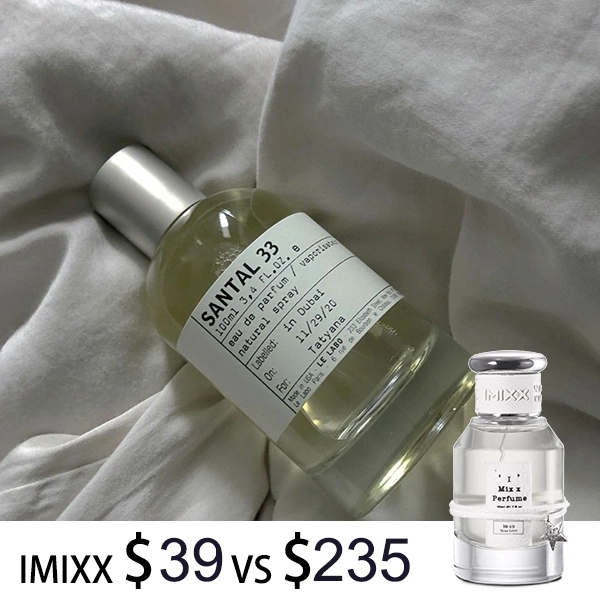


How Do You Build the Best Perfume Collection Without Breaking the Bank?
When I think about building the Best Perfume Collection, I do not picture a shelf crowded with dozens of expensive bottles. I picture a smaller, smarter wardrobe of fragrances that I genuinely want to wear. Each bottle has a purpose, each scent adds something different, and I am not paying twice for fragrances that smell almost the same.
That distinction matters because perfume collecting can become expensive surprisingly quickly. A beautiful bottle, a hyped launch, or an impressive note list can make a fragrance feel like an essential purchase before I have even tested it properly. My solution is to slow the buying process down and focus on usefulness, scent variety, cost per wear, and how a fragrance actually performs on my skin. If I want to explore multiple scent directions without immediately committing to luxury-level prices, I start by browsing a focused Best Perfume Collection and comparing options by scent family, season, occasion, and the role each fragrance could fill.
My goal is not to own the most perfume. It is to get the most enjoyment from the perfume I own. That approach has a second advantage: it makes a fragrance wardrobe easier to understand. Instead of staring at twenty bottles and still feeling as though I have nothing appropriate to wear, I can quickly choose something fresh for daytime, polished for work, warm for an evening out, or memorable for a special occasion.
In this guide, I will explain exactly how I would build a versatile fragrance collection on a realistic U.S. budget. I will cover the scent categories I prioritize, the buying mistakes I avoid, the way I test longevity and drydown, how I compare value, and how I decide whether another bottle truly deserves space on my shelf.
My core rule: I never judge a perfume collection by bottle count. I judge it by how many real situations the collection covers, how often I enjoy wearing it, and how little unnecessary overlap I have paid for.
What Makes a Perfume Collection “Good” in the First Place?
I believe the strongest perfume wardrobe sits at the intersection of variety, wearability, personal taste, and sensible spending. Price alone does not tell me whether a fragrance deserves a place in my collection. Neither does popularity.
A $300 bottle that I wear twice a year can be poorer value for me than a $50 fragrance I reach for three times a week. At the same time, I do not automatically assume the cheapest option is the best deal. If I dislike the drydown, struggle with the performance, or already own three similar scents, even a deeply discounted perfume can be wasted money.
Before I buy anything, I ask myself five questions:
- Does this fragrance fill a real gap? I want a reason for adding it beyond “I like it.”
- Would I actually wear it in my normal life? A scent can be impressive without being useful to me.
- Does it smell different enough from what I already own? I try to avoid accidental duplicates.
- Have I experienced the drydown? The first five minutes are not enough for me to judge a full bottle.
- Is the price reasonable for the amount I expect to wear it? I think in cost per wear rather than prestige.
The Collection Roles I Prioritize
I like to give every fragrance a job. These jobs can overlap, but the framework prevents me from buying six perfumes for Saturday night while having nothing comfortable to wear to work on Monday morning.
| Collection Role | What I Look For | Typical Scent Direction | Budget Priority |
|---|---|---|---|
| Everyday fragrance | Easy, comfortable, versatile, not overwhelming | Citrus, clean musk, aromatic, light woods | High |
| Work fragrance | Controlled projection and polished character | Fresh woods, iris, musk, soft florals | High |
| Warm-weather scent | Freshness without becoming harsh in heat | Bergamot, marine notes, neroli, green notes | Medium to high |
| Cool-weather scent | Warmth, richness, depth | Amber, vanilla, woods, spice, tobacco-style accords | Medium |
| Evening fragrance | More presence and personality | Amber, leather-style accords, woods, gourmand notes | Medium |
| Special-occasion scent | Distinctive character and emotional impact | Whatever feels memorable to me | Low until essentials are covered |
I do not necessarily need six bottles to fill these six roles. One intelligently chosen fragrance might cover work, daytime, and warm-weather use. Another might handle evenings, dates, and colder months. That is why a deliberate four-bottle collection can sometimes be more versatile than a random fifteen-bottle collection.
How I Build the Best Perfume Collection on a Realistic Budget
My first strategy is simple: I build from the center outward. I buy the fragrances that solve the greatest number of everyday needs before I spend money on highly specialized scents.
For example, if I am starting with nothing, I would rather own one versatile fresh fragrance and one warm evening fragrance than two dramatic evening scents. The first combination gives me more possible wear occasions.
Step 1: I Establish a Total Budget Before Shopping
I decide what I am comfortable spending over a period of time, not merely what I can afford today. That distinction protects me from impulse purchases.
For example, if I set a six-month fragrance budget of $300, I do not treat that as permission to spend all $300 during my first shopping session. I might reserve around half for core fragrances, keep a portion available for sampling, and leave the rest untouched until I discover a genuine gap.
I personally like a framework similar to this:
- 60% for core fragrances: the scents I expect to wear most frequently.
- 20% for exploration: samples, travel sizes, discovery purchases, or new scent families.
- 20% held back: money I do not spend until a clear collection need appears.
Holding part of the budget back is one of the most useful habits I know. Without that reserve, I can easily spend everything on what excites me today and have nothing left when I later discover a fragrance that fits my lifestyle much better.
Step 2: I Buy Versatility Before Novelty
A dramatic smoky, spicy, or ultra-sweet fragrance may be fascinating, but it is not always the smartest first bottle. Early in a collection, I want high-frequency wear.
My first perfume should normally work in several settings. My second should create meaningful contrast. My third can become more specialized. By the fourth or fifth purchase, I have enough context to know which direction deserves expansion.
Card 1: Everyday Fresh
Best for: Work, daytime, errands, casual plans
Scent direction: Citrus, aromatic herbs, clean woods, musk
Why I prioritize it: This is usually my highest-wear slot, so the cost per wear can become extremely low.
Buying strategy: I look for comfort and versatility before extreme projection.
Card 2: Signature Woody
Best for: Smart casual settings, dinners, transitional weather
Scent direction: Cedar, sandalwood-style notes, amber, subtle spice
Why I prioritize it: Woods can bridge daytime and evening use without feeling overly formal.
Buying strategy: I compare the late drydown carefully because that is often where woody fragrances differ most.
Card 3: Warm Evening
Best for: Dates, dinners, colder weather, events
Scent direction: Amber, vanilla, spice, deep woods
Why I add it: It creates clear contrast with a clean daytime fragrance.
Buying strategy: I use fewer sprays and care more about richness than all-day versatility.
Why I Test Before I Commit to a Full Bottle
If I could give only one money-saving recommendation to someone building a fragrance wardrobe, it would be this: do not confuse a great opening with a great perfume.
The top notes I smell immediately after spraying can be exciting, bright, and attention-grabbing. But those notes may change significantly as a fragrance develops. What matters to me is whether I still enjoy the scent hours later.
I therefore judge fragrances in stages.
My Four-Stage Wear Test
Stage one: the opening. I notice the first impression, but I try not to make a buying decision from it. Citrus, aromatics, fruits, and bright spices can dominate this stage.
Stage two: the heart. After the opening settles, I pay attention to the fragrance’s main personality. Florals, spices, woods, fruits, and aromatic elements often become easier to understand here.
Stage three: the drydown. This is especially important to me because the base may remain on my skin far longer than the opening. Musk, amber-style notes, woods, vanilla, resins, and other lasting materials can shape the fragrance for hours.
Stage four: the memory test. After the wear, I ask myself whether I actually want to smell it again. This sounds simple, but it helps separate genuine enthusiasm from the temporary excitement of trying something new.
Knowledge point: I never treat a paper blotter as a perfect substitute for skin testing. A blotter is useful for narrowing choices, but my purchasing decision depends on how the fragrance develops when I actually wear it.
I Calculate Value by Cost per Wear, Not Bottle Price
One of the biggest changes in the way I shop for perfume is that I no longer ask only, “How much does this bottle cost?” I also ask, “How often will I realistically wear it?”
Imagine that I buy a $60 fragrance and wear it 100 times. Ignoring the fact that the bottle will probably still contain perfume after those 100 wears, my purchase cost has already fallen to about $0.60 per wear.
Now imagine a $200 fragrance that I wear four times because I discover that it is too heavy, too sweet, or too formal for my lifestyle. That bottle may be more luxurious, but it has delivered much less practical value.
This does not mean I never buy something expensive. It means expensive perfume has to earn its place. If I deeply enjoy a scent and expect to wear it frequently for years, a higher initial price can still make sense. What I try to avoid is paying a premium for a fragrance that spends most of its life untouched.
My Simple Cost-per-Wear Formula
Purchase price ÷ estimated number of wears = estimated cost per wear
I do not need the result to be mathematically perfect. The purpose is to force myself to consider actual use. It is a decision tool, not an accounting system.
I Avoid Paying for Fragrance Duplication
Duplication is one of the quietest ways perfume collections become expensive. I may love woody amber fragrances, for example, but owning six bottles that serve the same purpose rarely gives me six times the enjoyment.
Before I buy something new, I compare it against my existing collection in four categories:
- dominant scent family;
- season and temperature;
- occasion;
- overall mood or effect.
If a new fragrance matches an existing bottle in all four categories, I need a strong reason to buy it. Maybe I genuinely prefer the new fragrance and intend to replace the old one. That can be reasonable. But if I am merely adding another version of something I already own, I usually keep my money.
Knowledge point: Similar notes do not always mean identical fragrances.
I compare the complete wearing experience rather than judging two perfumes by a note list alone. Proportion, structure, concentration, and the way ingredients interact can make fragrances with similar listed notes feel very different.
How Many Perfumes Do I Actually Need?
There is no universal correct number, and I think that is important for anyone researching the Best Perfume Collection to understand. A person who enjoys fragrance as a serious hobby may reasonably own far more bottles than someone who simply wants reliable options for work, weekends, and evenings.
For practical use, however, I think a collection of four to six thoughtfully selected fragrances can cover an enormous amount of territory.
A Four-Fragrance Starter Wardrobe
If I wanted maximum usefulness with minimal spending, I could build around these four slots:
- A clean everyday fragrance for work and casual daytime wear.
- A warm or woody fragrance for evenings and cooler weather.
- A bright warm-weather fragrance for hot days, vacations, and outdoor use.
- A distinctive personal favorite that feels special, expressive, or memorable.
The fourth slot is important. A collection should not become so practical that it loses personality. Perfume is emotional as well as functional. I want at least one bottle that I wear simply because it makes the experience of getting dressed more enjoyable.
When I Move From Four Bottles to Six
I expand only when I can identify a specific limitation in the existing wardrobe. Maybe my everyday fragrance becomes too bright in cold weather. Maybe my evening fragrance feels too heavy for summer. Maybe I discover that I want a quieter scent for close office environments.
At that point, adding a fifth or sixth perfume improves versatility instead of simply increasing quantity.
How I Compare Eau de Toilette, Eau de Parfum, and Other Concentrations
I do not assume that a higher concentration automatically means a better fragrance. Concentration terminology can give me a general idea of a product’s positioning, but formulas, materials, intended effect, and individual skin behavior all influence the wearing experience.
An eau de toilette may feel brighter and more suitable for hot weather. An eau de parfum may feel richer or more persistent. A parfum or extrait-style product may use a higher concentration and create a denser experience. But those are tendencies, not guarantees of which one I will prefer.
That is why I compare the actual fragrance instead of buying according to concentration labels alone.
I Also Distinguish Longevity From Projection
These terms are often mixed together, but I treat them differently.
Longevity is how long I can detect the fragrance.
Projection is how far the scent seems to radiate from me during a given stage of wear.
A fragrance can remain detectable on skin for many hours while staying relatively close. Another can project strongly at first and then become much quieter.
For my money, I care about whether performance suits the situation. I do not need my office fragrance to announce itself across a room. In fact, excessive projection can make a perfume less useful in professional or shared environments.
I Match Fragrances to Climate and Season
Temperature can change the way I experience a scent, so I consider my actual climate before building a collection.
In hotter conditions, I often prefer freshness, lift, or transparency. Citrus, aromatic notes, green notes, light woods, marine-style accords, and clean musk can be easier for me to wear when temperatures rise.
When the weather cools, I may want more warmth and density. Amber-style accords, vanilla, woods, spice, resinous elements, or richer gourmand directions can become more appealing.
These are preferences rather than rigid rules. If I want to wear vanilla in July, I can. The reason I think seasonally is financial: I want to know whether the perfume I am considering fits the weather I encounter often enough to justify buying it.
Why Samples and Smaller Sizes Can Save Me More Than Sales
A discount is only valuable if I end up liking what I bought. That is why I often consider sampling a more important money-saving strategy than waiting for a sale.
Suppose a full bottle normally costs $100 and is discounted to $70. Saving $30 feels great—unless I discover after three wears that I dislike it. In that case, the discount encouraged a $70 mistake.
A small tester, sample, or travel format may cost more per milliliter, but it can dramatically reduce the risk of making the wrong full-bottle purchase.
Knowledge point: A higher price per milliliter does not automatically mean worse value.
If a small format helps me avoid a full bottle I would barely use, the smaller purchase may save far more money overall.
How I Read Fragrance Notes Without Being Misled by Them
Note lists are useful, but I do not treat them as literal ingredient lists or perfect predictions of how a perfume will smell.
A note such as cherry, leather, ocean air, cotton candy, or tobacco can describe an olfactory effect rather than a direct dose of that material. I use notes as navigation: they help me identify fragrance families I may want to explore, but smelling the finished perfume is what determines whether I enjoy it.
For U.S. shoppers who want to understand cosmetic fragrance labeling more broadly, the U.S. Food and Drug Administration’s fragrance guidance explains that perfume and cologne are generally regulated as cosmetics when they are intended to make a person more attractive, and it also explains how fragrance ingredients may be identified on cosmetic labels.
I find that regulatory distinction useful because the romantic language of perfumery and the technical language of cosmetic labeling are not the same thing. A marketing note pyramid is designed to communicate the scent experience; it should not be confused with a complete chemical formula.
What I Look for When Evaluating Fragrance Safety and Transparency
Saving money never means ignoring product quality or responsible use. I want to know who is selling the perfume, whether the labeling looks legitimate, whether basic product information is available, and whether the seller makes unrealistic claims.
I also remember that fragrance sensitivity varies from person to person. The FDA notes that some people can be allergic or sensitive to fragrance components, and its consumer information about cosmetic allergens provides additional context about fragrance-related sensitivities.
If I know I react to a particular ingredient or fragranced product, I do not rely on price, popularity, or marketing terms to override that knowledge. I read available labeling and contact the manufacturer when necessary.
For broader fragrance-industry safety standards, I also consider information published by the International Fragrance Association’s IFRA Standards program. IFRA describes its standards as a risk-management system that can prohibit, restrict, or set conditions for certain fragrance materials based on safety considerations.
My trust checklist before purchasing:
- I know who the seller is.
- I can find clear product and quantity information.
- The price does not look impossibly low without explanation.
- The packaging and listing information appear consistent and professional.
- The seller provides usable customer-service or return information.
- I avoid treating dramatic marketing claims as scientific facts.
How I Shop Sales Without Letting Sales Shop for Me
Sales can absolutely help me build the Best Perfume Collection for less, but only if I reverse the usual process.
I do not start with the sale page and ask, “What should I buy?” I start with my collection and ask, “What do I actually need?” Then I see whether something that fits that need is discounted.
This protects me from the psychology of a bargain. A 40% discount does not save me money if I would never have considered the product at its normal price.
My Sale Rule
Before purchasing, I ask myself: If this perfume were not discounted today, would I still want to sample or eventually own it?
If the answer is no, I usually close the page.
Why I Do Not Chase Every Trend
Fragrance trends move quickly. A certain note can suddenly appear everywhere. One scent profile becomes viral, and within weeks I can feel as though my collection is incomplete if I do not own something similar.
I try to separate inspiration from urgency.
A trend can introduce me to an interesting scent family, and I enjoy that. But I do not assume a trending perfume will suit my taste, climate, workplace, skin, or spending priorities.
If something keeps my attention after the excitement fades, then I consider testing it. If I forget about it two weeks later, I have learned something useful without spending anything.
I Use a Waiting Period for Nonessential Bottles
My core fragrances solve practical needs, so I can make those decisions relatively quickly after sufficient testing. For optional additions, I prefer a waiting period.
I add the fragrance to a wish list and wait. During that period, I ask whether I keep thinking about the actual scent or whether I am thinking about the bottle, hype, discount, or fear of missing out.
This distinction has saved me from many purchases that would have created clutter rather than enjoyment.
Three Budget Approaches I Would Recommend
Lean Starter Collection
Goal: Maximum versatility with minimum duplication.
My approach: Two or three full-size scents plus careful sampling.
Priority: Everyday fresh, versatile warm/woody, then one personal favorite.
Ideal for: Someone starting from scratch or rebuilding after too many impulse purchases.
Balanced Fragrance Wardrobe
Goal: Cover work, seasons, evenings, and special occasions.
My approach: Four to six complementary fragrances.
Priority: Strong distinction between scent roles and seasons.
Ideal for: Someone who wears fragrance regularly and wants variety without excess.
Enthusiast Collection
Goal: Explore fragrance as a hobby while keeping spending intentional.
My approach: Larger sample library, selective full bottles, and stricter duplication checks.
Priority: Exploration without turning every interesting test into a purchase.
Ideal for: Someone who enjoys studying scent families and comparing interpretations.
How I Know When a Full Bottle Is Worth Buying
After testing a fragrance, I look for more than a positive reaction. “I like it” is not enough because I like many perfumes.
I want several signals to line up:
- I enjoyed the opening and the drydown.
- I wanted to wear it again after the test.
- I can name at least two realistic situations where I would use it.
- It adds something my collection does not already provide.
- I am comfortable with its performance.
- The price fits the budget I established before shopping.
If most of those conditions are missing, I probably do not need the bottle.
My 30-Day Method for Building a Smarter Perfume Wardrobe
If I were starting today, I would resist the temptation to build everything in a single weekend. Instead, I would spread the process over a month.
Days 1–5: I Audit What I Already Like
I list fragrances, body products, candles, foods, flowers, woods, spices, and other smells I naturally enjoy. I am not trying to turn every favorite smell into perfume. I simply want clues.
I also write down what I dislike. Knowing that I struggle with extremely sweet fragrances, strong powdery effects, or certain heavy notes can save just as much money as knowing what I love.
Days 6–10: I Define My Real-Life Roles
I consider where I spend my time. Do I work in an office? Am I mostly outdoors? Do I live somewhere hot? Do I attend formal events? Do I want something subtle around other people?
My real schedule tells me more about what I need than social media does.
Days 11–20: I Test Contrasting Scent Families
I intentionally avoid testing ten nearly identical perfumes. Instead, I compare distinct directions: fresh aromatic, woody, floral, amber, gourmand, green, or whatever categories interest me.
This teaches me my preferences much faster.
Days 21–25: I Retest the Finalists
Anything that impressed me gets another wear. I want to know whether the attraction survives a second encounter.
I also test in realistic conditions whenever possible. A work candidate should feel appropriate during a normal day. A warm-weather candidate should make sense when the temperature is actually warm.
Days 26–30: I Buy Only the Highest-Value Gaps
At this point, I compare my finalists by function rather than excitement alone. I choose the fragrance that gives me the most useful new capability.
Then I stop.
I do not immediately spend the remaining budget just because I planned to build a collection. Money left unspent is not a failed fragrance purchase. It is flexibility for the future.
Common Perfume Collection Mistakes I Try to Avoid
Buying Only for Compliments
I enjoy positive reactions, but I am the person who will smell my fragrance most often. If I dislike the scent but everyone else supposedly loves it, that is not a good purchase for me.
Buying Several Similar Fragrances at Once
This often happens when I discover a new fragrance family I love. Suddenly I want every interpretation. I slow down and let the first bottle settle into my routine before deciding whether I need another.
Judging Performance After Going Nose-Blind
Sometimes I stop noticing a fragrance that may still be perceptible around me. Instead of automatically assuming the perfume disappeared, I consider whether olfactory adaptation may be influencing my impression and avoid compensating with excessive spraying.
Thinking More Sprays Always Equal Better Value
Overspraying makes a bottle disappear faster and can make fragrance uncomfortable for people nearby. I would rather choose an appropriate amount for the environment.
Saving Every “Good” Bottle for a Special Occasion
I understand wanting to preserve something expensive, but perfume delivers value when I enjoy it. If a fragrance is appropriate for ordinary life, I let myself wear it.
Buying a Backup Bottle Too Early
My preferences may change, and a large bottle can last much longer than expected. I rarely need an immediate backup simply because I like a fragrance today.
How I Store Perfume to Protect the Money I Spent
Once I have bought fragrances I love, I want to treat them properly. I generally keep my bottles away from excessive heat, strong direct sunlight, and dramatic temperature swings.
A cool, stable indoor location is more attractive to me than displaying every bottle on a sunny windowsill. I also keep bottles properly closed when they are designed with removable caps or similar packaging.
I do not obsess over creating laboratory conditions at home. My goal is simply to avoid obvious environmental stress that can affect a cosmetic product over time.
How I Decide Whether a Collection Is Complete
For me, “complete” does not mean I can never buy another fragrance. It means I do not currently have an unmet need.
If I can comfortably choose something for work, hot weather, cooler evenings, casual weekends, dates, events, and moments when I want a personal favorite, my wardrobe is functioning.
That changes the question from “What should I buy next?” to “Do I need to buy anything next?”
The second question is much better for my budget.
My Final Checklist Before Adding Another Bottle
Before I purchase, I check:
- Have I tested the fragrance beyond the opening?
- Would I wear it in my real life, not an imagined lifestyle?
- Does it fill a gap or meaningfully improve an existing category?
- Do I already own something that performs the same job?
- Can I comfortably afford it within my pre-set fragrance budget?
- Am I buying the perfume itself rather than reacting to hype or a temporary discount?
- Do I trust the seller and understand what I am buying?
- Would a smaller size satisfy my needs?
- Can I picture myself reaching for it repeatedly six months from now?
The Real Secret to Building the Best Perfume Collection
The biggest lesson I have learned from thinking strategically about fragrance is that a great collection grows through editing as much as buying.
I want contrast without chaos. I want enough choice to express different moods without owning so many similar scents that choosing becomes difficult. I want fragrances that feel enjoyable at 8 a.m. on an ordinary Tuesday, not just bottles that look impressive in a photograph.
That is also how I keep spending under control. I sample before committing, test the drydown, consider the climate, calculate realistic use, avoid unnecessary duplicates, and give optional purchases time before I buy them.
When I follow those principles, I do not need the most expensive perfume shelf to feel as though I have the Best Perfume Collection for my life. I need the right fragrances, selected intentionally, at prices that leave me happy to wear them rather than nervous about using them.
Key-Points FAQ: Building a Perfume Collection on a Budget
Final Thoughts
I see perfume collecting as a process of refinement rather than accumulation. Every new fragrance should either solve a problem, add a meaningful new experience, or bring me enough enjoyment to justify its place.
When I start with versatile scents, test before committing, understand how a fragrance develops, compare cost per wear, resist unnecessary duplication, and leave room in my budget for future discoveries, I can create a collection that feels luxurious without requiring unlimited spending.
Most importantly, I do not let the search for the “perfect” collection prevent me from enjoying the fragrances I already own. The point of perfume is to wear it. A thoughtful bottle used and enjoyed is worth far more to me than an impressive shelf of fragrances I am always saving for later.