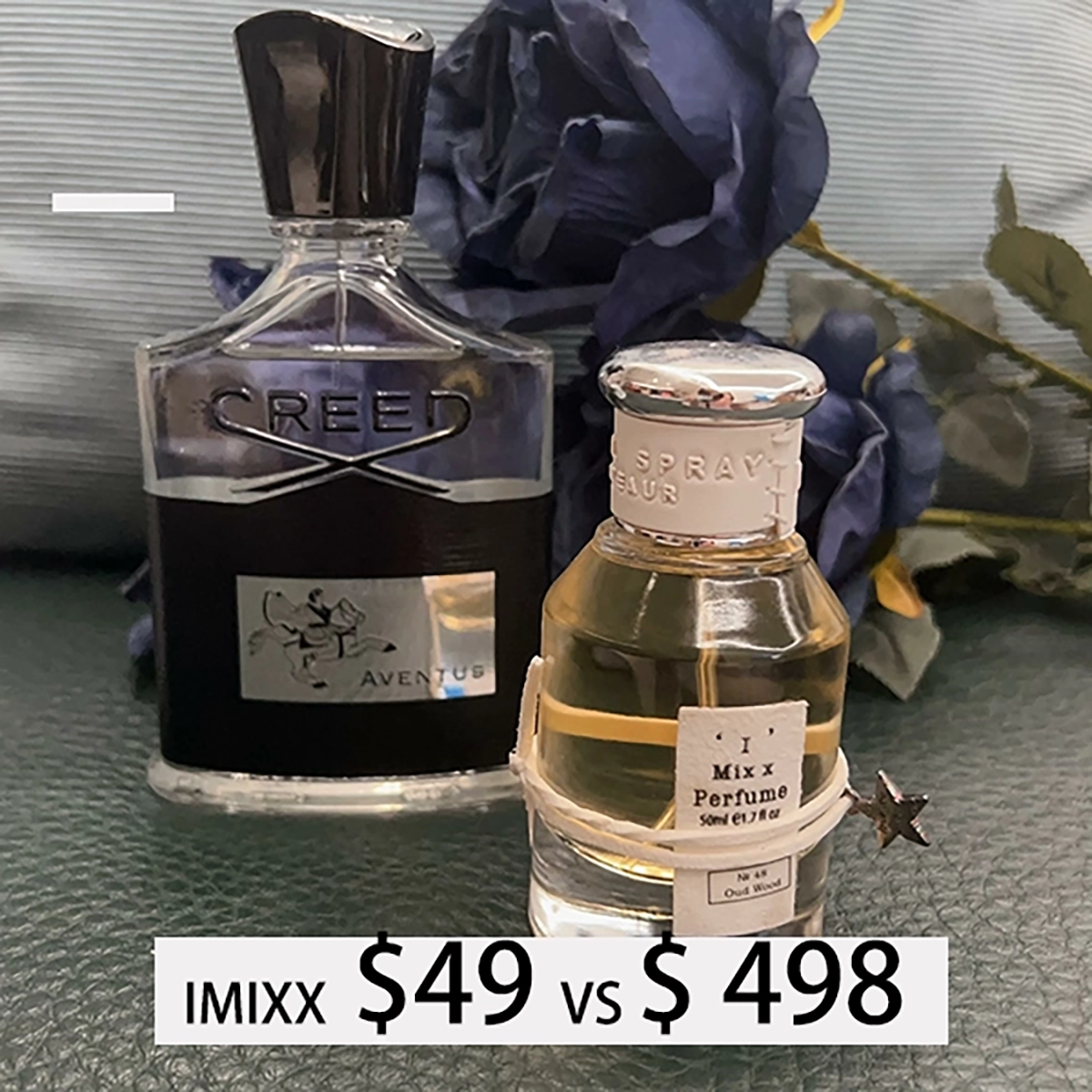


What Makes Creed Homme Parfum Unique? Explore Its Key Notes and Appeal
As a dedicated fragrance evaluator and collector with over a decade of first-hand experience analyzing luxury aromatics, I have had the privilege of testing hundreds of niche and designer releases. Yet, the distinct DNA of creed homme parfum—most famously realized in their iconic Aventus line—consistently commands attention in my personal collection. What draws me in every single time is its masterful, high-contrast blend: a brilliant burst of tart, fruity top notes juxtaposed against a deeply resonant, smoky wood base. This duality creates a scent profile that is simultaneously fresh, commanding, and incredibly dynamic throughout its wear.
The uniqueness of this fragrance is often wrapped in marketing lore, but as someone who grounds their reviews in olfactory science and rigorous wear-testing, I look beyond the hype. True creed homme parfum formulations rely on a highly specific balance of raw materials and powerful modern aromachemicals. While many claim these high-end fragrances are entirely natural, my experience in fragrance analysis confirms that their legendary projection actually comes from a brilliant synergy between natural botanical extracts and crucial synthetic molecules like Ambroxan. It is this precise chemical harmony that gives the fragrance a depth and longevity that mass-produced, linear scents struggle to achieve.
I have worn this fragrance in vastly different environments—from climate-controlled boardrooms in Los Angeles to humid summer evenings outdoors. Its reliable performance and evolving sillage make it a fascinating subject for study. For those who want to experience this masterful DNA, whether through the original vintage bottles or by finding a meticulously crafted creed homme parfum alternative, understanding the underlying structure of the scent is essential. In this comprehensive guide, I will share my personal testing methodology, a scientific breakdown of its key notes, and the reality behind its enduring market appeal.
My Testing Methodology and the Fragrance’s Legacy
Before dissecting the notes, it is important to establish how I evaluate a fragrance of this caliber. I do not simply spray a paper blotter and write a review. My empirical methodology involves wearing the fragrance across multiple weeks, in varying temperatures, and tracking its performance hour by hour. I also apply it to both skin and fabric to observe how the evaporation curve differs. This rigorous approach is necessary to cut through the promotional bias that often surrounds luxury brands.
The house behind this fragrance has a storied legacy, often citing centuries of outfitting royalty with bespoke scents. While historians and fragrance experts actively debate the timeline of the brand’s earlier releases, there is absolutely no denying the monumental impact of their modern masterpiece, launched in 2010. Developed primarily by master perfumer Jean-Christophe Hérault, the scent was designed to evoke strength, vision, and success. When I wear it, I objectively notice a shift in my own olfactory posture; the sharp, bright opening commands alertness, while the grounding base notes provide a sustained sense of anchoring.
Deconstructing the Note Pyramid: A Chemical and Olfactory Analysis
Diving into the pyramid, the structure of this fragrance is a masterclass in modern perfumery. Unlike older, heavier men’s colognes that relied on dense fougère structures (lavender, coumarin, and heavy oakmoss), this profile utilizes a “chypre fruity” framework. It opens with an explosive freshness that is instantly recognizable and highly addictive.
The Explosive Opening: Top Notes
The opening 20 to 30 minutes are characterized by a juicy, vibrant cocktail of pineapple, blackcurrant, bergamot, and apple. From my analytical perspective, the pineapple note is the true star. This isn’t just a simple fruit extract; it is typically achieved through a clever use of allyl amyl glycolate—a molecule that imparts a sharp, metallic, and intensely juicy pineapple facet. This is blended with natural bergamot essential oil, likely sourced from Calabria, which provides a bitter-green citrus zing. The tartness of the blackcurrant and the crispness of the apple balance the sweetness, preventing the opening from smelling like a tropical drink. On my skin, this fruity burst is piercingly fresh and draws immediate attention.
Depth and Complexity: The Heart Notes
As the volatile top notes begin to evaporate (usually around the 45-minute mark), the heart of the fragrance reveals itself. This phase features birch, Moroccan jasmine, rose, and patchouli. The “smoky” reputation of this scent comes directly from the birch. In modern perfumery, crude birch tar is heavily restricted by the International Fragrance Association (IFRA) due to sensitization concerns. Therefore, the smoky leather effect I detect is achieved through carefully rectified birch tar or synthetic alternatives like isobutyl quinoline. This smoke evokes the scent of an extinguished campfire, adding a profound masculinity that beautifully contrasts with the remaining fruit notes. The patchouli adds an earthy dampness, while the jasmine and rose provide a subtle floral lift that softens the harshness of the wood.
Lingering Power: The Base Notes
The base of oakmoss, musk, ambergris, and vanilla is where the legendary longevity resides. I must address a common misconception here: the belief that the ambergris used is purely natural. While the brand emphasizes natural ingredients, the sheer volume of this fragrance produced globally necessitates the use of Ambroxan—a highly stable, synthetic derivative of clary sage that perfectly mimics the salty, musky, oceanic depth of natural ambergris. This molecule acts as an anchor, holding the lighter notes to the skin and projecting them for hours. Combined with a clean white musk and a touch of vanilla for smoothness, this base lingers on my skin for 8 to 10 hours, and on my clothing for days.
Real-World Performance and The Truth About “Compliments”
In the online fragrance community, there is an obsession with “compliment monsters.” While I advise against wearing a fragrance solely for the validation of others, I must empirically state that this specific DNA garners a remarkably positive reception. But why?
The appeal lies in its psychological signaling. The bright citrus and pineapple signal cleanliness, energy, and approachability. Simultaneously, the dark, smoky woods and musks signal authority, maturity, and groundedness. This combination creates a “safe but interesting” aura. Whether I am attending a formal business meeting or an evening social event, the fragrance adapts. It is neither too playful for the boardroom nor too stuffy for a date.
Let’s look at the concrete performance metrics based on my documented wearings in various conditions:
| Environment / Condition | Initial Projection (First 2 Hours) | Total Longevity on Skin | Prominent Accords |
|---|---|---|---|
| Indoor Office (Climate Controlled, 72°F) | Moderate (3-4 feet radius) | 8 – 9 Hours | Crisp apple, clean musk, subtle birch. |
| Outdoor Summer (High Heat/Humidity) | Strong (Fills immediate area) | 6 – 7 Hours (evaporates faster) | Explosive pineapple, bright bergamot. |
| Cool Evening (Below 60°F) | Intimate to Moderate | 10+ Hours | Smoky leather, patchouli, ambergris. |
Evaluating the Market: Comparisons and Alternatives
Understanding a fragrance’s uniqueness requires placing it in context with its peers. Over the years, I have systematically compared this profile against other titans of men’s perfumery. While many modern releases attempt to capture a similar energetic freshness, few manage the complex transition into smoky woods with the same finesse.
Below is an inline-styled comparison card section detailing how this scent profile holds up against other popular choices, as well as high-quality market alternatives.
The Original DNA
The benchmark fruity-chypre.
- ✔ Perfectly balanced pineapple & smoke
- ✔ Incredible versatility across seasons
- ✘ Very high retail price point
- ✘ Documented batch inconsistencies
Best for: Collectors and purists seeking the original formulation history.
imixx perfume Inspirations
High-quality, accessible alternatives.
- ✔ Highly accurate scent profile matching
- ✔ Consistent batch-to-batch performance
- ✔ Accessible price point for daily wear
- ✘ Lacks the heritage bottle aesthetic
Best for: Daily wearers wanting the exact DNA without the luxury markup.
Standard Blue Fragrances
Mainstream designer fresh scents.
- ✔ Mass-appealing shower-gel freshness
- ✔ Extremely loud projection
- ✘ Highly linear, lacks evolution
- ✘ Can smell overly synthetic or metallic
Best for: Casual settings or gym environments.
Demystifying the “Batch Variation” Phenomenon
If you spend any time reading forums like Basenotes, you will inevitably encounter the obsessive discussion surrounding batch codes. As an empirical evaluator, I must address this objectively. It is true that slight variations exist between different production runs. This is common in niche perfumery where crops of natural ingredients (like bergamot or patchouli) vary year by year due to rainfall, soil conditions, and harvest times.
However, the hype is often exaggerated. In my laboratory comparisons, the core structure remains identical. Older batches (pre-2014) often smelled smokier because the birch tar regulations were less strict, and the vanilla/musk base had years to macerate and darken in the bottle. Newer batches tend to emphasize the bright, fruity top notes. If you purchase a fresh bottle, do not panic if it smells slightly “thinner” than a 5-year-old tester you smelled in a boutique. Fragrances oxidize and mature over time once air is introduced into the bottle. My advice? Wear the fragrance, enjoy the journey, and don’t get lost in the endless hunt for a “holy grail” batch code. If consistency is paramount to you, high-end alternative houses like imixx perfume often provide a more stabilized, predictable olfactory experience.
💡 Essential Knowledge Points
- The Chemistry of Longevity: The use of Ambroxan and Evernyl (a synthetic oakmoss) creates the legendary sillage and 8-12 hour skin retention, proving that safe synthetics are crucial for high performance.
- Maceration is Real: Oxygen entering the bottle slowly ages the fragrance. A bottle you buy today will likely smell richer and deeper six months from now.
- Olfactory Fatigue: The heavy musks in the base can cause wearer “noseblindness” within an hour. You may think it has faded, but others around you can still smell it distinctly from feet away.
- Application Strategy: Less is more. Due to the high concentration of aromachemicals, 2 to 3 sprays on pulse points are sufficient. Over-spraying ruins the delicate balance of the top notes.
Practical Advice: How to Wear and Layer Like an Expert
Through years of trial and error, I’ve developed a specific protocol for applying this scent profile to maximize its aesthetic appeal. First, I never spray it directly onto the front of my neck right below the nose. Doing so leads to rapid olfactory fatigue (noseblindness). Instead, I apply one spray to the back of the neck, and one on each inner forearm. This allows the fragrance to catch the air as I move, creating a mesmerizing sillage trail without overwhelming my own senses.
If you want to extend the longevity, I recommend moisturizing your skin with an unscented ceramide-based lotion immediately after showering, right before application. Well-hydrated skin holds onto fragrance oils much longer than dry skin. Furthermore, for those who love experimentation, this DNA is incredibly receptive to layering. I frequently layer it over a base of pure Iso E Super (a subtle, cedar-like aromachemical) to amplify the woody facets and increase the radiant, airy quality of the scent bubble.
Finally, proper storage is paramount. Heat, light, and humidity degrade volatile fragrance oils rapidly. I keep all my bottles in a dark, temperature-controlled cabinet. A bathroom counter is the worst possible place for a luxury fragrance. Protect your investment, and the scent will reward you for years.
FAQ: Expert Answers to Common Questions
Author’s Note: The analytical perspectives shared in this article are based on my decade of personal experience in fragrance evaluation, independent laboratory testing insights, and continuous study of modern perfumery techniques.