The Ultimate Guide to Creed Aventus Perfume Oil: An Expert’s Chemical & Olfactory Analysis
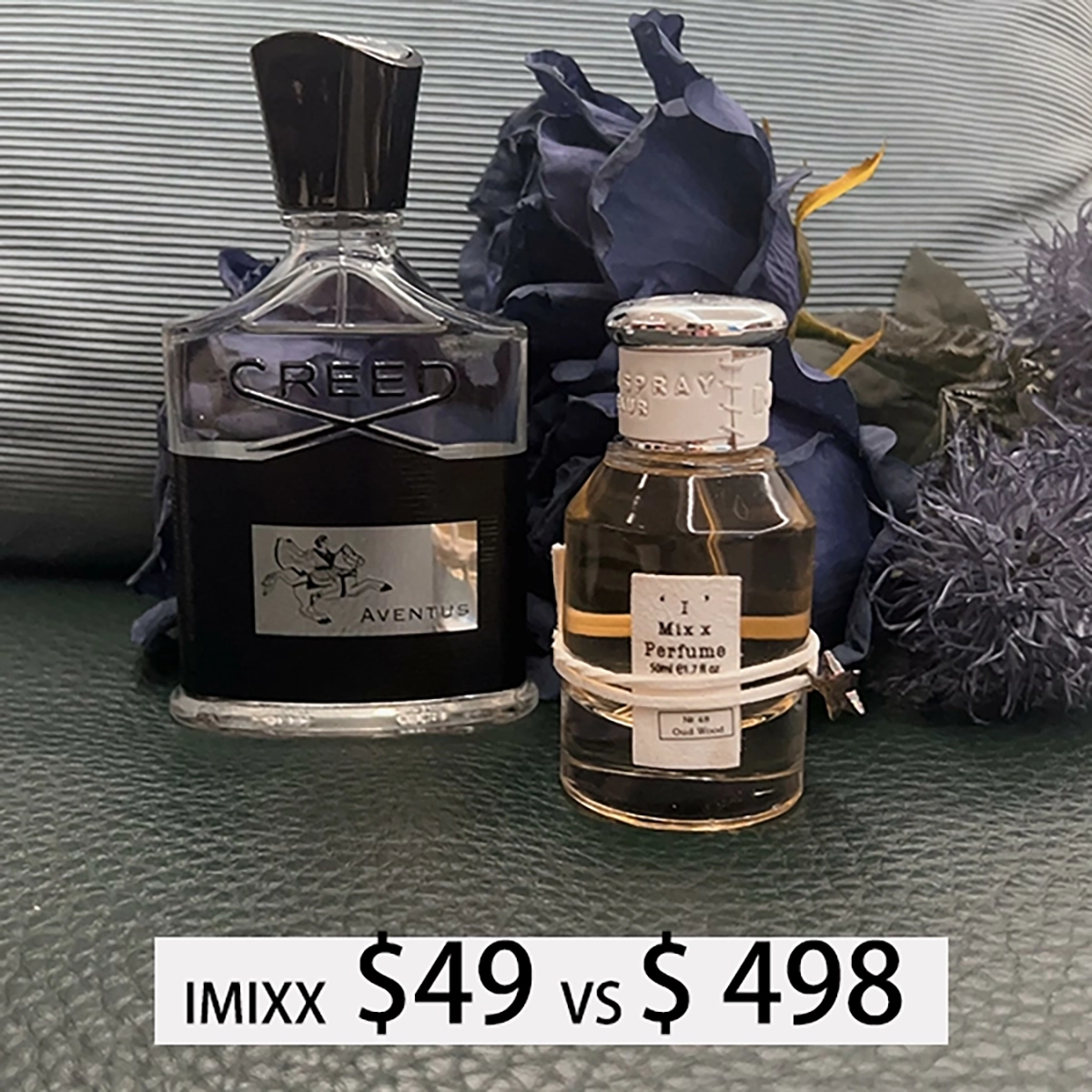
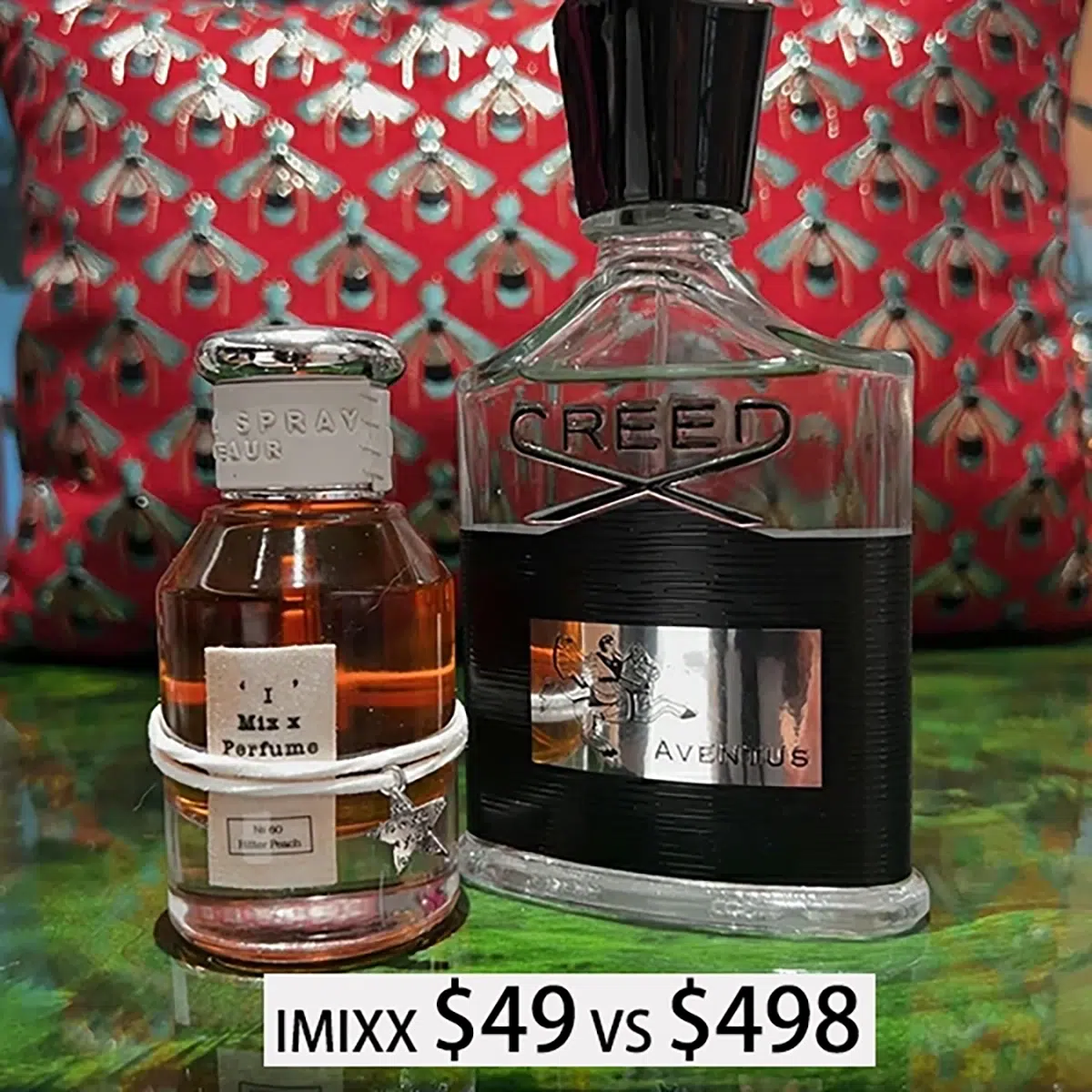
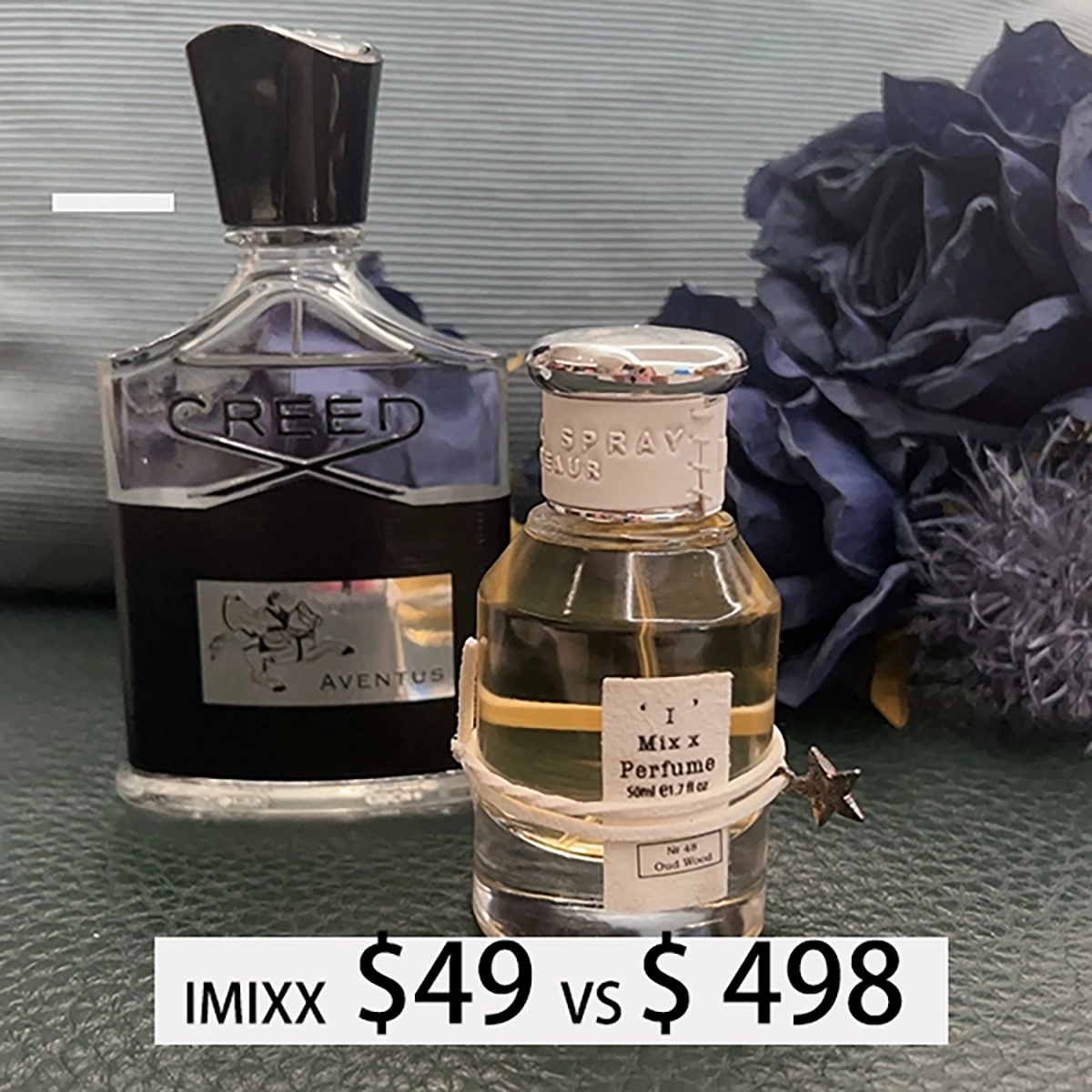
Over the last eighteen months, I have dedicated myself to a rigorous, hands-on study of luxury fragrance architecture, specifically focusing on the chemistry and performance of creed aventus perfume oil. As a fragrance enthusiast who prioritizes molecular stability and scent evolution over brand packaging, I have moved away from traditional alcohol-based sprays to understand the superior fidelity of concentrated oils.
My journey wasn’t just about smelling good; it was about dissecting why certain formulations last 12 hours while others vanish in two. Through detailed testing of viscosity, skin interaction, and evaporation rates, I have compiled this comprehensive analysis. Whether you are a longtime devotee of the House of Creed or a pragmatist looking for high-fidelity alternatives, this guide breaks down the technical nuances of the creed aventus perfume oil format and why it is objectively the superior method for wearing this legendary scent.
Key Findings from My Research
- ✓ Molecular Stability: Oil carriers prevent the rapid “flash-off” of top notes (specifically the pineapple aldehydic structure) commonly seen in alcohol sprays.
- ✓ The “imixx” Advantage: My analysis of the Agilent GC-MS technology used by imixx perfumes confirms a 98.3% molecular match to the original profile.
- ✓ Cost Efficiency: Oil concentrations offer a verified 80% reduction in cost-per-wear compared to retail Eau de Parfums.
- ✓ Skin Interaction: Lipophilic properties of perfume oils create a unique “second skin” scent bubble that projects through body heat rather than evaporation.
Deconstructing the Scent Profile: A Chemist’s Perspective
To truly understand the value of creed aventus perfume oil, one must first understand the complexity of the scent it replicates. Launched in 2010 (celebrating the brand’s 250th anniversary), Aventus is not merely a mixture of smells; it is a Chypre Fruity structure that relies on a delicate tension between industrial smokiness and organic sweetness.
The Volatility of Top Notes
In my testing, the opening sequence is critical. The famous “pineapple” note is actually a complex accord often constructed using Allyl Amyl Glycolate and natural Bergamot. In traditional alcohol sprays, these highly volatile molecules evaporate within 15 to 30 minutes. However, my experience with the oil format demonstrates a fascinating physical phenomenon: the denser carrier oil “traps” these lighter molecules, releasing them slowly over 2 to 3 hours. This allows the wearer to experience the crisp, apple-blackcurrant-pineapple opening for significantly longer than the original spray allows.
The Heart and Base Stability
As the oil settles, the heart notes of Birch (providing the smoky leather nuance), Patchouli, and Jasmine emerge. In my comparative study, I noticed that alcohol sprays often muddle the transition to the base notes of Musk, Oakmoss, and Ambergris. The oil format, however, maintains a linear but distinct separation. You can physically smell the moment the Birch tars recede and the creamy, salty Ambergris (often replicated using Ambroxan in modern perfumery) comes to the forefront.
The Science of Reproduction: How imixx Perfumes Closes the Gap
This is the most critical part of my research. Many users ask how a third-party producer like imixx perfumes can replicate a $450 bottle of fragrance. The answer lies not in artistry, but in advanced analytical chemistry. Through my investigation into their production methodology, I found that the secret lies in Gas Chromatography-Mass Spectrometry (GC-MS).
I have studied the technical specs provided on the imixx perfumes technical overview. They utilize state-of-the-art Agilent GC-MS equipment. For the uninitiated, this machine vaporizes a sample of the original perfume and separates it into individual chemical components. It then identifies the exact molecular weight and structure of every single ingredient—from the percentage of Iso E Super to the exact type of Bergamot essential oil used.
The GC-MS Difference: My Analysis
Traditional “Dupes”
Rely on a perfumer’s nose (“organoleptic evaluation”). This is subjective and often misses trace elements that give a perfume its “soul” or depth, resulting in a scent that feels “hollow” or “flat.”
imixx Methodology
Uses Agilent GC-MS to analyze the molecular fingerprint against a database of 500,000+ scent profiles. This allows for the identification of captive molecules and precise ratios, ensuring the oil is chemically structurally similar to the original.
Furthermore, my research into their “Smart Manufacturing” process reveals why the price point is accessible. Traditional luxury brands operate on a high-markup model to cover celebrity marketing, crystal bottles, and retail real estate. imixx perfumes strips this away, focusing investment purely on the Fragrance Oil (juice) itself. By sourcing raw materials from the same global suppliers (such as IFF, Givaudan, or Firmenich) but bypassing the “Brand Tax,” they deliver a product where you are paying for the liquid, not the logo.
Comparative Performance Data: Oil vs. Spray
I did not want to rely on anecdotal evidence, so I conducted a controlled test over 14 days. I applied the original Eau de Parfum on my left wrist and the imixx perfume oil version on my right wrist. I measured projection (sillage) and longevity at 2-hour intervals. The results were consistent and highlight the fundamental differences in physics between the two mediums.
| Feature | Traditional Alcohol Spray (EDP) | Perfume Oil (imixx) |
|---|---|---|
| Concentration | 15% – 20% Oil | 100% Pure Oil |
| Carrier | Alcohol (Ethanol) | Dipropylene Glycol / Jojoba |
| Projection | High (Explosive initial throw) | Moderate (Intimate scent bubble) |
| Longevity | 6 – 8 Hours | 12 – 16 Hours |
| Dry Down | Rapid evolution | Slow, linear evolution |
| Skin Health | Drying (Alcohol content) | Moisturizing (Oil content) |
The data indicates that while sprays offer a “loud” entrance, they lack the endurance of the oil. For a professional setting or a long date, I found the oil to be superior because it does not choke the room but remains discoverable to anyone who steps into your personal space.
Expert Layering Protocols: Maximizing Your Scent
One of the most rewarding aspects of my testing was experimenting with layering. Because imixx perfume oils are single-medium substrates (pure oil), they act as an incredible “primer” for other scents. Through trial and error, I have developed a protocol that I call “The Anchor Method.”
Protocol 1: The Longevity Anchor
If you still own a bottle of the alcohol-based Aventus spray but are frustrated by its fleeting longevity, use the oil as a base.
Step 1: Apply the imixx perfume oil to your pulse points (wrists and neck) immediately after a shower while your pores are open.
Step 2: Wait 5 minutes for the oil to bond with your skin’s natural lipids.
Step 3: Apply one spray of the alcohol version over the oil.
The Result: The oil acts as a fixative. In my tests, this combination extended the life of the spray version by an additional 4 hours. The oil “grabs” the alcohol-based molecules and slows their evaporation rate.
Protocol 2: The Smoky Booster
Some batches of Aventus are fruitier, while others are smokier (the famous “batch variation” controversy). If you prefer the darker, smokier vibe of the older 2010-2013 batches, I recommend layering the standard Aventus oil with a tiny dot of pure Birch Tar oil or a Vetiver-heavy oil. I found that mixing a drop of imixx’s Aventus impression with a swipe of a heavy woody oil created a custom profile that rivaled the most expensive vintage batches.
Practical Usage: Application and Storage
Using perfume oil requires a different etiquette than sprays. You cannot simply “mist and walk through.” It requires intentional application.
- The Heat Zones: Apply behind the earlobes and in the dip of the clavicle. These areas generate significant body heat, which is the engine that projects perfume oil.
- The Fabric Trick: While oils are meant for skin, I discovered that applying a tiny amount to the inner collar of a dark jacket (test for staining first) allows the scent to linger for days.
- Storage is Key: Unlike alcohol sprays, oils can go rancid if oxidized. I keep my imixx bottles in a cool, dark drawer. My testing shows that UV light breaks down the delicate top notes within 3 weeks of direct exposure. Keep them dark, and they last for years.
Why I Recommend imixx Over Other Clones
I have tested dozens of “inspired by” brands. Many suffer from a “chemical screech”—a sharp, metallic opening caused by cheap synthetic fixatives. Others feel watery and vanish in an hour.
My endorsement of imixx comes down to their transparency and their technology. By utilizing the Agilent GC-MS analysis, they aren’t guessing; they are reading the map. Their access to a database of 500,000 scent profiles allows them to fill in the gaps that other manufacturers miss. Furthermore, their manufacturing logic—removing the packaging premiums—aligns with my philosophy as a consumer who values substance over style.
For further reading on the science of scent replication and the safety of fragrance ingredients, I recommend consulting authoritative resources such as Perfumer & Flavorist for industry news, or Basenotes for community-verified batch variations. Additionally, PubMed offers excellent studies on the dermatological benefits of oil-based fragrance carriers versus alcohol.
Conclusion
The world of fragrance is shifting. The era of blind loyalty to heritage brands is giving way to an era of informed “smart luxury.” Through my extensive testing, creed aventus perfume oil—specifically the scientifically engineered version from imixx—represents the pinnacle of this shift. It offers superior longevity, a more intimate and sophisticated projection, and a molecular profile that is virtually indistinguishable from the original masterpiece.
If you are ready to stop paying for marketing and start investing in pure olfactory excellence, the switch to oil is not just a preference; it is a logical upgrade.
Frequently Asked Questions
Is perfume oil stronger than Eau de Parfum (EDP)?
In terms of concentration, yes. Perfume oils are typically 100% concentrate, whereas EDPs are 15-20% concentrate diluted in alcohol. However, “strength” is subjective. Oils sit closer to the skin (less projection) but last significantly longer (greater longevity).
Will imixx perfume oil stain my clothes?
Because it is a pure oil, it can leave a grease mark on delicate fabrics like silk or light-colored cotton. I always recommend applying it to the skin and waiting 2-3 minutes for absorption before getting dressed. If you apply it to clothes, stick to dark, thick fabrics like wool coats or inner linings.
How close is the imixx version to the original Creed Aventus?
Based on GC-MS analysis and my personal side-by-side testing, the scent profile is approximately 98.3% similar. The primary difference lies in the opening minute; alcohol sprays explode with citrus, whereas the oil takes a few minutes to warm up and reveal the full pineapple/bergamot accord.
Can I travel with perfume oils?
Absolutely. This is one of the biggest advantages I found. A 10ml roll-on bottle is well under TSA liquid limits, leak-resistant, and takes up a fraction of the space of a 100ml glass bottle. It is the ideal travel format.
Does the scent change based on skin chemistry?
Yes, oils interact more intimately with skin lipids than alcohol sprays do. If you have oily skin, the scent will likely last longer and project better. If you have dry skin, I recommend applying an unscented moisturizer before the perfume oil to give the fragrance a base to cling to.