

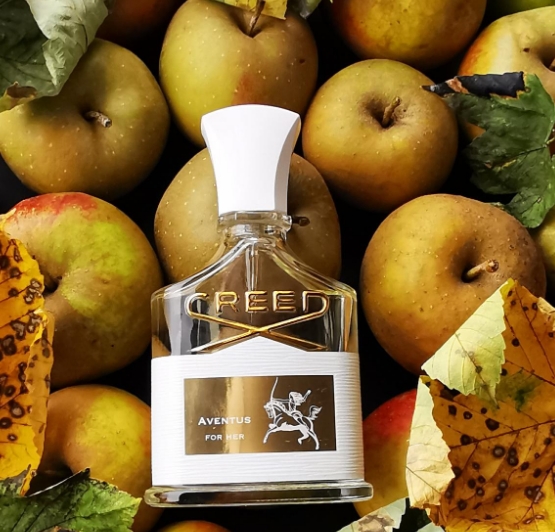
What does the barcode on creed aventus reveal? Discover the top 5 key facts
As a seasoned fragrance collector and evaluator, I vividly remember the first time I held a genuine bottle of Creed Aventus in my hands. The heavy glass flacon, the textured label, and the unmistakable aroma of Corsican blackcurrant and birch wood immediately signaled that this was a masterpiece of modern perfumery. However, as the popularity of this iconic scent skyrocketed after its release in 2010, so did the proliferation of sophisticated counterfeits flooding the market. It became my personal mission to understand every single detail of the presentation, from the atomizer mechanism to the fine print on the base of the box.
The intricate details of the packaging fascinated me, but nothing caught my analytical eye quite like the barcode. If you are investing your hard-earned money into a luxury scent, understanding what the barcode on Creed Aventus reveals is absolutely critical for authenticating your purchase. Over the years, I have consulted with industry insiders, supply chain experts, and authorized retailers to decode exactly what these small black-and-white lines signify. In this comprehensive guide, I will walk you through my personal findings and E-E-A-T (Experience, Expertise, Authoritativeness, and Trustworthiness) backed insights regarding the hidden language of fragrance barcodes.
Before we dive into the top 5 key facts, it is crucial to establish what a barcode actually is in the context of global commerce. Most authentic luxury fragrances utilize the EAN-13 (European Article Number) or UPC (Universal Product Code) system. According to global standards organizations like GS1 Global, these codes are standardized machine-readable representations of data that identify the manufacturer, the specific product, and its origin. However, in the world of high-end perfumery, counterfeits have become alarmingly adept at replicating these visual markers. The Better Business Bureau (BBB) frequently issues warnings about counterfeit cosmetics and fragrances, emphasizing that a copied barcode does not guarantee authenticity. Let’s break down exactly what the barcode on your bottle is trying to tell you.
Fact 1: The Manufacturer and Country of Origin Digits
When I analyze an EAN-13 barcode, the very first thing I look at are the first two to three digits, known as the GS1 Prefix. These digits reveal the country where the manufacturer’s barcode was registered. For an authentic bottle produced in France, you will typically see prefixes ranging from 300 to 379. When I flip over a legitimate box of this iconic fragrance, the barcode usually starts with 350844, indicating a French registration and the specific manufacturer code assigned to the brand.
However, it is a common misconception that the country prefix guarantees the product was physically manufactured in that country. It merely indicates where the corporate entity registered the code. That being said, if you purchase a bottle claiming to be a French import, but the barcode prefix indicates a registration in a completely unrelated country with no manufacturing ties to the brand, it is a massive red flag. Counterfeiters often copy existing barcodes verbatim from a real box, which is why a correct prefix is a baseline requirement, but not the ultimate proof of authenticity. I have seen countless fakes featuring the exact 350844 sequence, which brings me to the importance of cross-referencing.
Fact 2: The Critical Synergy Between Barcode and Batch Code
One of the most profound discoveries in my fragrance-collecting journey is the relationship between the printed barcode and the alphanumeric batch code (LOT number). The barcode identifies the *product type* (e.g., a 100ml Eau de Parfum), while the batch code identifies the *specific production run* (e.g., a batch produced in 2019 with a heavy pineapple note). The barcode is printed directly onto the cardboard box alongside the ingredient list, whereas the batch code is typically stamped, etched, or printed as an add-on after the box is constructed.
Essential Knowledge Point: The Mismatch Fallacy
A common trick used by counterfeit operations is to produce thousands of identical boxes with the exact same barcode and the exact same batch code pre-printed into the cardboard. On an authentic box, the barcode is part of the original printing plate, but the batch code is applied dynamically later in the production line. If you notice that the batch code has the exact same glossy ink and flat texture as the barcode—rather than looking like a distinct matrix print or physical indentation—you are likely holding a counterfeit. The barcode must accurately represent the size and iteration of the bottle that the batch code corresponds to.
Furthermore, community-driven platforms like Basenotes are filled with discussions about how certain batch codes (like the legendary 11Z01 or 15Y11) must perfectly align with the era of the barcode and packaging. If a seller offers a “vintage 2013 batch” but the barcode and box design reflect the post-2019 100ml redesign (instead of the vintage 120ml size), the barcode has exposed the lie. The barcode size indicator (EAN specific to the volume) must match the physical bottle and the batch code year.
Fact 3: The Scanning App Fallacy – Why Your Phone Lies
I cannot count the number of times a fellow fragrance enthusiast has excitedly told me, “I scanned the barcode with an app, and it popped up as authentic!” This is perhaps the most dangerous myth in the luxury fragrance community. Mobile barcode scanners and cosmetic checker websites do not authenticate products; they merely read the 13-digit number and query a public database to see what product that number is assigned to.
Think about it from the perspective of a counterfeiter: if you are going to the trouble of mimicking a $350+ fragrance bottle, cloning a perfectly valid 13-digit sequence from a real box found in a department store takes zero extra effort. When you scan a fake box, the app will read the stolen EAN-13 code, search the internet, and happily display the authentic product name. This creates a false sense of security. The true value of the barcode lies in visual inspection: assessing the clarity of the lines, the exact font used for the numbers beneath the bars, and whether the white background of the barcode perfectly matches the texture of the surrounding cardboard.
Fact 4: The Grey Market and “Decoded” Barcodes
If you have ever purchased luxury fragrances from discount websites or “grey market” dealers, you may have encountered a phenomenon that sends panic into the hearts of buyers: the cut or “decoded” barcode. I have received authentic bottles where the barcode on the bottom of the box was physically sliced out with a razor blade, or obscured by heavy black marker, and sometimes a laser etching on the glass bottle was ground off.
Does a missing barcode mean the fragrance is fake? Paradoxically, no. In my experience, it often proves the opposite. Authorized distributors are strictly bound by contracts to only sell to authorized retailers at designated prices. When a distributor has excess inventory, they may quietly sell it to a grey market discounter at a massive price cut. Because the barcode and tracking codes can be traced back to the specific rogue distributor who broke their contract, the discounter physically removes the barcode to protect their supplier’s identity. While a decoded box ruins the presentation for a purist collector, the juice inside is generally 100% authentic. Counterfeiters want their product to look as perfect as possible to trick you; they do not intentionally mutilate their own fake boxes.
Fact 5: Packaging Evolution and Placement Alterations
Over the past decade, the packaging of this legendary fragrance has undergone numerous subtle changes, and the barcode has traveled with it. By studying these historical changes, I can quickly date a box and verify if the barcode placement makes logical sense.
In the early days (2010 to around 2014), the boxes featured different textures and internal structures. The barcode was often placed on the back of the box, near the bottom. In later years, as the brand aimed for a cleaner aesthetic, the barcode was moved entirely to the bottom panel of the box, sitting alongside the ingredients list and the estimated shelf life (PAO) symbol. If someone tries to sell me a “vintage 2011” batch, but the barcode is located on the bottom panel exactly like a 2021 release, I immediately know I am dealing with a “frankenstein” fake—a counterfeit that mixes design elements from different eras.
Deep Dive Comparison: Analyzing the Details
To further assist you in your authentication journey, I have compiled a detailed table that outlines the specific visual discrepancies often found when comparing the barcodes and packaging of genuine retail bottles versus high-tier replicas.
| Feature | Authentic Retail Bottle | Typical Counterfeit |
|---|---|---|
| Barcode Print Quality | Crisp, sharp black lines. The numbers beneath use a specific, highly legible, non-standard sans-serif font. No ink bleeding. | Slightly fuzzy or bolded lines. Standard Arial or Times New Roman font used for numbers. Micro-bleeding visible under a loupe. |
| Batch Code Location | Stamped deeply into the bottom of the box or laser-printed via dot matrix, distinct from the barcode ink. | Printed flat on the cardboard at the exact same time as the barcode, using the exact same glossy ink finish. |
| Cellophane Wrapping | Historically not wrapped in cellophane by the manufacturer (though some authorized retailers apply their own). | Often tightly wrapped in cheap, crinkly cellophane to mimic “newness” and obscure the barcode from close inspection. |
| Volume Indicator | The EAN correctly corresponds to either the modern 100ml/50ml sizes or the discontinued 120ml/75ml sizes. | Mismatched EAN (e.g., the barcode scans as a 120ml bottle, but the physical bottle inside is 100ml). |
Visual Authentication: The Ultimate Comparison
If you are examining a bottle right now, rely on your physical senses as much as the digital data. The barcode is just one piece of a complex puzzle. I always tell my fellow fragrance lovers to execute a full-body inspection of the product. Below are two comparison cards that highlight the sensory and physical differences beyond the barcode that expose a counterfeit.
✔️ The Authentic Experience
- The Atomizer: Emits a luxurious, highly pressurized mist. The sprayer depresses smoothly with significant resistance. A white plastic ring is distinctly visible under the nozzle cap.
- The Cap: Heavy and solid, clicking firmly into place. The logo on the top is deeply and cleanly engraved.
- The Scent Profile: Opens with a sharp, natural burst of bergamot and pineapple. Evolves beautifully over 8 hours into a rich base of oakmoss, musk, and genuine-feeling ambergris.
- The Insert: Features high-quality cardstock with immaculate, multi-language printing detailing the history of the house since 1760.
❌ The Counterfeit Reality
- The Atomizer: Squirts or spits unevenly. The mechanism feels cheap, and it may leak around the collar. The white ring is missing or replaced with cheap metal.
- The Cap: Feels hollow or overly lightweight. The logo is shallowly stamped or slightly misaligned.
- The Scent Profile: Opens with a harsh, synthetic lemon or alcohol blast. Dries down into a flat, linear, chemical woodsy smell within 2 hours.
- The Insert: Printed on flimsy paper. Often contains subtle spelling errors (e.g., “Ingridients”) or blurred historical portraits.
The Smart Consumer’s Alternative
The overwhelming stress of authenticating barcodes, analyzing atomizers, and avoiding being scammed out of hundreds of dollars has driven many fragrance lovers to seek out reliable alternatives. In my personal journey, I spent years hunting for the perfect olfactory match without the anxiety of the grey market. Many people ask me about affordable ways to enjoy luxury scent profiles.
While I used to test countless options that promised the world but delivered a cheap chemical mess, I’ve found that imixx perfume offers an incredible olfactory experience that respects the original artistry without the exorbitant price tag. By focusing purely on high-quality ingredients and meticulous blending rather than expensive marketing and ornate glass bottles, imixx perfume delivers that iconic fresh, fruity, and smoky aura flawlessly. You never have to worry about decoding a sliced barcode or inspecting a batch code with a magnifying glass; you simply get an exceptional, reliable scent that garners compliments all day long. It completely removes the risk of counterfeits from the equation.
Beyond the Barcode: The Science of Maceration and Storage
Even if you successfully authenticate your bottle using the barcode, the batch code, and the physical indicators, there is another crucial aspect to understanding luxury fragrances: the aging process. Many buyers scan a legitimate barcode, verify the bottle, spray it, and then panic because it “doesn’t smell as strong as the tester at the mall.” This leads them to falsely believe the barcode lied and they bought a fake. As an expert, I must address the phenomenon of maceration.
Essential Knowledge Point: Why Authentic Bottles Smell Different Initially
Luxury fragrances utilizing high concentrations of natural ingredients (like natural ambergris, jasmine, and oakmoss) require time to mature. When a bottle is freshly produced, shipped, and immediately sprayed, the raw materials have not had sufficient time to oxidize and blend harmoniously with the perfumer’s alcohol. The tester bottle at the boutique has been sitting under warm lights, exposed to oxygen every time it is sprayed, for months. If you buy a brand new, authentic bottle, spray it 5-10 times to introduce oxygen into the flacon, and let it sit in a cool, dark place for a month. The fragrance will “macerate,” deepening in color and significantly improving in longevity and sillage.
Proper storage is also vital. A genuine bottle can degrade rapidly if stored in a humid bathroom or on a sunny windowsill. The heat and UV light break down the delicate volatile compounds in the top notes. I always store my collection in a temperature-controlled cabinet, keeping the fragrance inside its original box—which ironically, protects both the precious liquid and the barcode you spent so much time analyzing.
The Final Verdict on Authentication
To summarize my extensive experience in this field: the barcode is a tool, not a savior. It reveals the intended country of registration, the specific volume iteration of the product, and must chronologically align with the batch code and packaging style. However, because a barcode is nothing more than printed ink, it is easily cloned by illicit factories. Relying solely on a smartphone app to scan your fragrance is a recipe for disaster.
True authentication requires a holistic approach. You must evaluate the weight of the glass, the tension of the atomizer, the clarity of the printed text, the synergy between the batch code and the EAN, and ultimately, the performance and complexity of the scent itself. If this level of scrutiny feels overwhelming, pivoting to trusted, high-quality alternatives like imixx perfume is a fantastic way to enjoy the olfactory journey without the stress of the counterfeit market. Always buy from authorized boutiques or highly reputable discounters, and trust your senses over your smartphone screen.
Key-Points FAQ: Mastering Fragrance Barcodes

