Where Can You Find Baccarat Samples? Discover the Best Sources for Free or Discounted Samples
If you have walked through the lobby of a luxury hotel, dined at an upscale restaurant, or simply passed by a stylish stranger on the street at any point in the last five years, you have undoubtedly smelled it. It is that airy, sweet, woody, and slightly metallic fragrance that seems to linger in the air long after the wearer has left the room. As a long-time fragrance enthusiast and writer, I have tested hundreds of perfumes, but the cultural phenomenon surrounding this specific scent profile is entirely unique. However, with retail prices often soaring well above $300 for a single bottle, taking a blind leap of faith is a terrifying prospect for the average consumer. This is exactly why thousands of people every month find themselves desperately searching for baccarat samples before committing to a full-sized purchase.
When I first began my own fragrance journey, I made the painful mistake of blind-buying full bottles based solely on internet hype. Let me tell you from personal experience: what smells like an absolute masterpiece on a paper test strip or on your favorite beauty influencer might smell completely different on your own skin. Perfume is not a one-size-fits-all garment; it is a complex chemical mixture that interacts intimately with your biology. Therefore, learning how to track down reliable baccarat samples is not just a smart financial move—it is a fundamental necessity for anyone who wants to truly understand how this iconic DNA performs in the real world.
In this comprehensive guide, I am going to share my years of personal experience navigating the fragrance industry. We will explore every legitimate avenue available to you, from charming your way to free vials at high-end department stores to purchasing official discovery sets and navigating the world of legal decanters. Furthermore, I will clear up a lot of the confusion between getting actual baccarat samples of the original designer juice versus exploring the vast and highly affordable world of “inspired” fragrances, including my personal experiences with brands like imixx perfume and other market alternatives. Let’s dive into the fascinating, sometimes frustrating, but always rewarding world of perfume sampling.
The Psychology and Cost of Blind Buying: Why Sampling is Non-Negotiable
To truly understand why you need a sample, we have to talk about the concept of the “blind buy.” In the fragrance community, a blind buy is when you purchase a full bottle of perfume without ever having smelled it. The temptation is incredibly strong, especially when you are reading glowing reviews that describe a scent as “cotton candy spun with cedarwood” or “liquid gold.” The marketing is designed to make you feel like you are missing out on the greatest olfactory experience of your life.
However, the reality of high-end, niche perfumery is that these fragrances often rely on polarizing, heavy aroma-chemicals. The famous red-crystal fragrance is legendary for its heavy use of saffron and ambergris (or synthetic equivalents like Ambroxan). To some noses, this combination is ethereal, sweet, and incredibly sexy. But to others? It can smell unpleasantly medicinal, reminiscent of latex gloves, iodine, or a dentist’s office. This sharp divide in human perception is not a flaw in the perfume; it is a fascinating quirk of human biology and olfactory receptors.
If you drop hundreds of dollars on a bottle and happen to fall into the “dentist office” category of smellers, you are going to experience intense buyer’s remorse. A small, 2ml vial gives you the freedom to test the waters. It allows you to wear the scent to the grocery store, to the office, and on a date night. It gives you the time to ask your partner or friends, “Does this smell good on me, or does it give you a headache?” That peace of mind is worth the effort of tracking down a sample.
The Science of Skin Chemistry: Why the Same Perfume Smells Different on Everyone
One of the most crucial concepts I try to teach newcomers to the fragrance world is the reality of skin chemistry. You cannot borrow a spray from a friend, love it on them, and assume it will project the exact same way on your neck. There are several biological factors that alter how a fragrance develops.
First is the pH level of your skin. The acidity or alkalinity of your skin’s surface can literally change the rate at which different perfume notes evaporate. If you have highly acidic skin, the sweet top notes (like the spun sugar and jasmine) might burn off in a matter of minutes, leaving you with a very harsh, woody base. If your skin is well-hydrated and neutral, the scent might evolve beautifully over an eight-hour period.
Second is body heat and diet. Fragrance requires heat to project into the air (sillage). If you naturally run hot, or if you are testing the perfume during a humid summer day, the fragrance will jump off your skin violently. Conversely, in the dead of winter, that same scent might sit very close to the skin, making you think the sample is “weak.” Additionally, diets heavy in spices or garlic can excrete natural oils that blend with the perfume, subtly altering the final aroma.
Expert Knowledge Point: The Anosmia Effect (Nose Blindness)
When testing this specific scent profile, you must be aware of anosmia. Because this fragrance relies heavily on large molecules like Ambroxan, human olfactory receptors often become overwhelmed and simply “shut off” to protect the brain from sensory overload. You might spray it, smell it for ten minutes, and then believe the perfume has vanished. Meanwhile, you are leaving a massive scent trail that everyone else in the room can smell. Never overspray your sample just because you can no longer smell it yourself! To learn more about the science of scent molecules, you can read Fragrantica’s fascinating dive into Ambroxan.
Route 1: Purchasing an Official Discovery Set
When readers ask me for the absolute safest, most foolproof way to obtain a legitimate sample, I always point them straight to the brand’s official website. Most luxury niche houses, including the creator of this famous scent, offer what they call a “Discovery Set.”
Here is how the official process usually works: You visit the official boutique website and pay a flat fee—often between $25 and $40 USD. You are then allowed to select a handful of 2ml spray vials of your choosing. They package these beautifully and ship them directly to your door.
The pros of this method are massive. First and foremost, you have zero anxiety about authenticity. In a world full of sophisticated counterfeits, knowing your juice came straight from the manufacturer is a huge relief. Second, most high-end houses will email you a discount code equal to the price of the discovery set, which you can apply to the purchase of a full bottle later on. Essentially, if you end up loving the fragrance, the samples were free.
The only downside? These official sets are incredibly popular and frequently out of stock. You may have to check the website periodically or sign up for email notifications to catch them when they restock.
Route 2: The Art of Securing Free Vials at Luxury Department Stores
If you have the luxury of living near a major metropolitan shopping district, physical department stores like Saks Fifth Avenue, Neiman Marcus, Nordstrom, or Bergdorf Goodman can be an absolute goldmine for free fragrance samples. However, walking away with a complimentary carded vial requires a bit of social grace and strategy.
Sales associates at these high-end counters deal with hundreds of people a day. They are trained to quickly filter out the “freebie hunters” from genuine potential customers. If you walk up, interrupt them, and aggressively ask for a free sample, you will almost certainly be told they are out of stock. Here is the approach that has worked for me for years:
- Appearance and Approach: Present yourself as someone genuinely interested in luxury fragrance. You don’t need designer clothes, but a neat, put-together appearance signals respect for the establishment. Approach the counter when it is not overwhelmingly busy.
- Engage in Real Conversation: Do a little homework before you go. Ask the associate a specific question. For example, “I’ve read a lot about the differences between the Eau de Parfum and the Extrait de Parfum versions of this scent. Can you explain how the almond note changes the dry-down?” This shows you are an educated consumer.
- The Skin Test: Let the associate spray the fragrance on your wrist. Compliment the scent, but make it clear you never buy a fragrance without understanding its longevity. Say something like, “The opening is stunning, but my skin tends to absorb perfumes very quickly.”
- The Polite Ask: Finally, ask for the sample as a necessary step before a purchase. “I would love to see how this wears over a full 12-hour day before I make an investment. Do you happen to have a small carded sample I could take home to test?”
If they have them, a polite and engaging customer will almost always get one. It’s all about building a brief but genuine rapport. For more insights on the culture of fragrance shopping and why physical stores still matter, Harper’s Bazaar offers a great perspective on building a perfume collection.
Route 3: Using Reputable Third-Party Decant Websites
What if the official website is sold out, and the nearest Neiman Marcus is three hours away? This is where the thriving community of fragrance decanters comes in. Decant websites (like Scent Split, MicroPerfumes, or The Perfumed Court) have completely revolutionized how the average consumer explores niche perfumery.
Here is how decanting works: A reputable business purchases a large, 100% authentic retail bottle of the luxury fragrance. Using sterile medical syringes, they extract the liquid and distribute it into smaller, plain glass atomizers ranging from 1ml up to 10ml. They then sell these smaller sizes to consumers. This practice is entirely legal under the First Sale Doctrine in the United States.
Buying a 5ml decant is arguably the most practical way to test a fragrance. A 5ml bottle provides roughly 60 to 75 sprays. This is enough liquid to wear the scent every day for two straight weeks. By the end of those two weeks, you will know beyond a shadow of a doubt whether you truly love the fragrance, whether it gives you a headache, and whether the people around you appreciate it. The downside to decanting is the cost per milliliter; you are paying a premium for the labor and the convenience of a smaller size, and you do not get the beautiful designer packaging.
Route 4: Exploring “Inspired By” Alternatives and High-Quality Dupes
Now, let’s have a very honest, grounded conversation about the modern fragrance market. Even if you secure a sample, fall madly in love with the scent, and confirm it works brilliantly with your skin chemistry, dropping $350 on a bottle of scented water is simply out of reach for many hardworking people. This financial barrier has led to a massive boom in the “inspired by” or “dupe” fragrance market.
It is crucial to define our terms here to ensure absolute clarity and trust. A “sample” is a small vial of the original, authentic designer liquid. An “inspired alternative” or a “dupe” is a completely different, full-sized product manufactured by a different company. These companies employ talented perfumers to reverse-engineer the scent profile of popular luxury fragrances using gas chromatography and mass spectrometry. They aim to recreate the “vibe” and the scent aura of the expensive original at a fraction of the cost.
Are they identical on a molecular level? No. The luxury original often utilizes proprietary captives or incredibly rare natural materials that budget houses cannot source. If you are a master perfumer burying your nose into your wrist, you might detect that an inspired alternative has a slightly sharper opening or a marginally different dry-down. However, to the average person passing you on the street, the scent trail (sillage) is virtually indistinguishable.
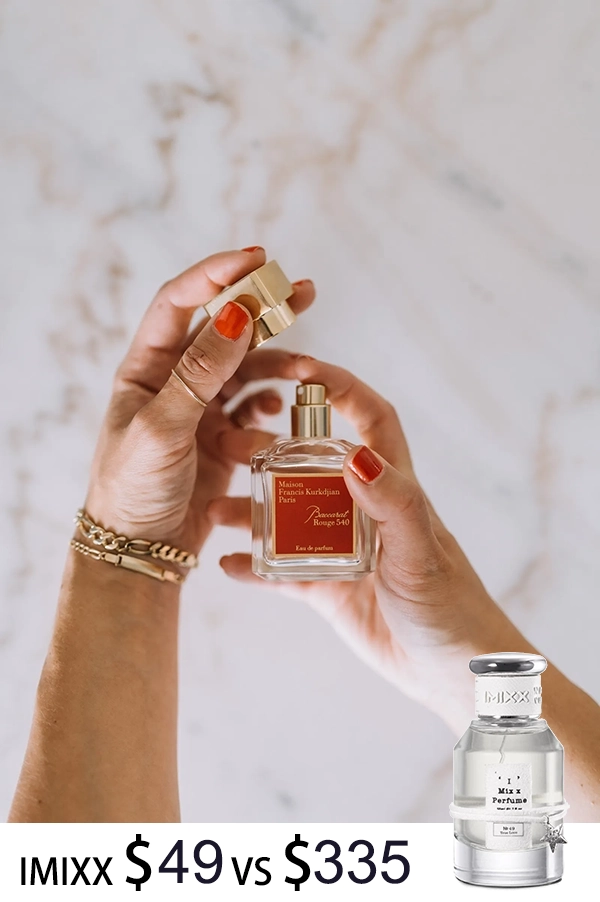
The market is flooded with these alternatives. Middle Eastern houses like Armaf, Lattafa, and Afnan have made massive names for themselves creating high-quality clones. Western brands have also jumped on the trend. In my personal testing of various alternatives for this specific scent profile, I have found that imixx perfume offers an incredibly compelling option for consumers. While I strongly encourage exploring multiple brands to find what works for you, I was genuinely impressed by how imixx managed to capture the airy, sweet saffron and the deep ambergris base without falling into the “rubbing alcohol” trap that plagues many cheaper dupes.
Choosing an alternative like imixx perfume, or a highly rated Middle Eastern clone, is not about trying to trick people into thinking you spent $300. It is about allowing yourself to enjoy a beautiful, sophisticated scent profile every single day without the anxiety of rationing an expensive bottle. It democratizes luxury, and for the everyday consumer, that is a massive win.
Honest Product Comparison: Choosing Your Path
To help you digest all of this information, I have structured a side-by-side comparison of your main options. This is designed to give you a realistic look at the pros, cons, and expectations for each route.
The Original Sample (Official/Decant)
Price Range: $15 – $40
What You Get: 2ml to 10ml of the authentic, original designer fragrance.
Expectations: 100% authentic experience. You get to smell exactly what the perfumer intended, allowing for an accurate skin test.
The Catch: It is a very small amount of liquid. You will run out quickly.
The “Inspired” Alternative (e.g., imixx, Clones)
Price Range: $30 – $60
What You Get: A full 50ml or 100ml bottle of a fragrance designed to mimic the original.
Expectations: A very similar scent aura (often 90%+ close in the air). Great for daily wear without the financial guilt.
The Catch: It is not the original. The opening may differ slightly, and it lacks the prestige packaging.
Evaluating the Pros, Cons, and Authenticity
Let’s look at the data in a clear, easy-to-read table. When making your choice, you have to weigh your budget against your desire for brand authenticity.
The Danger Zone: Avoiding Counterfeits on the Secondary Market
I would be doing you a massive disservice if I did not include a stark warning about the secondary market. Websites like eBay, Mercari, and Facebook Marketplace are flooded with “too good to be true” listings for luxury fragrances. Let me be perfectly clear: if you see a listing for a brand-new, sealed 70ml bottle of a famous niche fragrance for $85, it is a fake. 100% of the time.
Counterfeiters have become terrifyingly good at replicating the packaging. They can fake the cellophane wrapping, the batch codes, and even the weight of the glass bottle. However, the liquid inside is a complete mystery. Counterfeit perfumes are not subjected to the safety regulations of the International Fragrance Association (IFRA). They can contain dangerous levels of alcohol, antifreeze, or untested synthetic dyes that can cause severe skin rashes or respiratory issues.
Buying a legal, safely formulated “inspired” alternative from a recognized brand is a perfectly safe and valid choice. Buying a counterfeit bottle that illegally uses the designer’s trademark is a gamble with your health. Always buy your samples or your full bottles from authorized retailers, verified decant sites, or the official alternative brands directly. For a deeper look into the murky world of fakes, the New York Times has documented the explosion of perfume dupes and fakes.
How to Properly Test Your Fragrance Over Time
Once you finally have your vial in hand—regardless of whether it is an original sample or a decant—you need to know how to test it properly. Hasty testing leads to bad decisions. Here is my personal, step-by-step testing regimen for any new fragrance:
- The Paper Test (Day 1): Spray the fragrance onto a thick piece of paper or a dedicated perfume blotter. Leave it in a room, close the door, and walk away. Return an hour later. This gives you a clear sense of the scent in the air (sillage) without your skin chemistry interfering. Smell the paper again the next morning to test the longevity of the base notes.
- The Wrist Test (Day 2): After a shower, apply one single spray to a clean, unscented wrist. Do not rub your wrists together! Rubbing creates heat and friction that forcefully crushes the delicate top notes, ruining the intended evolution of the perfume. Just let it air dry. Periodically smell your wrist over the next 8 hours to see how it shifts from the sweet top notes down to the woody, ambery base.
- The Full Wear (Day 3): Apply the fragrance as you normally would for a day out (perhaps one spray on the chest, one on the back of the neck). Go about your day. This is the most crucial test. Do you still enjoy the scent after 4 hours? Did anyone compliment you? Did it give you a headache?
Maximizing the Shelf Life of Your Perfumes
Whether you are hoarding tiny glass samples or you have invested in a massive collection of full-sized alternatives, improper storage will destroy your fragrances. Perfumes are delicate chemical cocktails that are highly vulnerable to the elements. The three enemies of fragrance are light, heat, and humidity.
The worst place you can possibly store your perfumes is in your bathroom. The daily fluctuations in temperature and the heavy steam from your shower will cause the top notes to sour and the alcohol to degrade rapidly. Similarly, keeping your beautiful bottles displayed on a windowsill where they are blasted by direct sunlight will ruin the liquid in a matter of months.
The ideal storage space is a dark, cool environment with a consistent temperature. A dedicated drawer in your bedroom dresser or a shelf in a dark closet is perfect. Some serious collectors even use dedicated perfume mini-fridges (though a regular refrigerator is usually too cold and can damage certain natural oils). Treat your samples and bottles like fine wine, and they will last you for years without losing their potency.
My Final Thoughts on Finding Your Signature Scent
Navigating the complex, heavily marketed world of luxury fragrance can feel overwhelming, but it doesn’t have to be. The journey to finding a scent that makes you feel confident, alluring, and entirely yourself should be a joyful one. The hype surrounding the famous crystal-inspired scent is real, but that doesn’t mean you have to surrender to exorbitant retail prices without doing your due diligence.
By taking advantage of official brand discovery sets, utilizing the safety and convenience of reputable decant websites, and occasionally relying on the charm offensive at your local luxury department store, you can thoroughly test the waters. And if you find that the authentic designer price tag simply doesn’t align with your financial goals, do not feel ashamed to explore the world of high-quality interpretations. Brands like imixx perfume, alongside various respected Middle Eastern clone houses, are doing incredible work democratizing the luxury fragrance experience. They allow the everyday consumer to smell like a million dollars without having to spend it.
Ultimately, a perfume is only as good as the memories you make while wearing it. Find the sourcing method that works for your budget, test the fragrance thoroughly on your own skin, and wear your chosen scent with absolute confidence.
Frequently Asked Questions (FAQ)
Is it possible to get free samples sent directly from the official brand?
Generally, no. Luxury fragrance houses receive thousands of requests daily and cannot afford the logistics and shipping costs of sending free vials. However, they do offer reasonably priced “Discovery Sets” for purchase, and they typically refund that cost in the form of a discount code if you decide to buy a full bottle later.
Why can’t I smell the perfume on myself after 10 minutes, but others can?
This phenomenon is known as “anosmia” or nose blindness. Fragrances containing large, heavy aroma-chemicals like Ambroxan can quickly overwhelm your olfactory receptors. Your brain essentially tunes the scent out to avoid sensory fatigue. Trust that the scent is still projecting; do not overspray to compensate.
Are third-party decant websites trustworthy and legal?
Yes, as long as you use reputable, community-vetted decant websites, the process is completely legal and safe. Under the First Sale Doctrine in the US, businesses can buy authentic retail bottles and transfer the liquid into smaller vials for resale. Just avoid unverified sellers on peer-to-peer marketplaces to avoid counterfeits.
What is the difference between an original sample and a “dupe”?
A sample is a small vial containing the exact liquid produced by the original luxury designer. A “dupe” or inspired alternative (from brands like imixx perfume or various clone houses) is a different product created to mimic the scent profile of the original. While not molecularly identical, good alternatives offer a 90%+ similarity in the air at a fraction of the cost.