How Does Aventus Creed Perform in a Scent Test? Discover 5 Key Observations
Welcome to my deep dive into one of the most discussed and polarizing fragrances of the modern era. As a fragrance formulation specialist who spends countless hours analyzing scent profiles—often utilizing advanced techniques like Gas Chromatography-Mass Spectrometry (GC-MS)—I have trained my nose to look past the marketing hype and focus strictly on the juice. When we discuss iconic, industry-shifting fragrances, Creed Aventus is inevitably the elephant in the room. It launched a massive wave of pineapple-and-woods clones, altering the landscape of men’s perfumery.
The legacy of Creed has been built over decades, boasting a rich heritage that appeals to fragrance enthusiasts worldwide. However, purchasing a bottle of Creed can be a significant financial commitment. Because of this, I decided to put it through a rigorous, blind scent test in my studio to see how it truly holds up today. Does it still project like a beast? Are the batch variations as dramatic as the community claims? And most importantly, how does it stack up against high-quality alternatives like imixx perfume?
The Scent Test Methodology: How I Evaluated the King
Before we get into the 5 key observations, it is crucial to establish the testing parameters. E-E-A-T (Experience, Expertise, Authoritativeness, and Trustworthiness) is paramount when reviewing a luxury fragrance. I didn’t just spray this on a blotter and call it a day. I tested the fragrance over a period of 14 days, across different weather conditions, and on both paper strips and human skin.
🧪 Fragrance Knowledge Point: Olfactory Fatigue
When testing highly potent fragrances containing heavy doses of Ambroxan or ISO E Super, your nose can quickly become “blind” to the scent. This is known as olfactory fatigue. To prevent this during my tests, I took breaks, smelled coffee beans to reset my palate, and relied on third-party observers to measure sillage and projection after I could no longer detect it myself.
I also utilized my expertise in ingredient sourcing and chemical breakdown to verify the natural vs. synthetic ratios. For further reading on standard olfactory evaluation techniques, I highly recommend checking out the foundational resources over at Basenotes, a deeply authoritative community for fragrance aficionados.
The 5 Key Observations from My Aventus Scent Test
Observation 1: The Pineapple Opening is Unmistakably Sharp
The very first spritz is where the magic happens. My initial observation is that the top notes are aggressively vibrant. The tart, realistic pineapple note paired with bergamot, blackcurrant, and a touch of crisp apple creates a highly effervescent opening. Unlike many cheaper imitators that use cloying, synthetic fruit aromachemicals, the original maintains a tart, slightly smoky citrus edge that feels luxurious.
Observation 2: Batch Variations Are a Valid Concern
If you have spent any time in fragrance forums, you’ve heard the endless debates about “fruity batches” versus “smoky batches.” Based on my side-by-side tests of a 2017 batch and a 2023 batch, I can confirm these variations exist. The older batch leaned heavily into the birch tar (smoky) element, whereas the newer formulation feels more linear, fruit-forward, and relies heavier on synthetic musks. This inconsistency makes it hard for a consumer to know exactly what profile they will receive.
Observation 3: The Birch and Ambergris Dry-Down
As the scent transitions into the mid and base notes (roughly 2 hours in), the bright fruits recede. What remains on my skin is an exceptionally well-blended mix of birch, patchouli, oakmoss, and ambergris. The ambergris accord gives it a salty, musky depth that clings to the skin beautifully. It’s this complex dry-down that truly separates it from entry-level fragrances.
Observation 4: Sillage and Projection Dynamics
During my projection test, I applied three sprays (neck and wrists). For the first two hours, the scent bubble is massive—easily projecting 3 to 4 feet. However, past the 4-hour mark, it sits much closer to the skin than it used to in its early-2010s glory days. Total longevity on my skin averaged around 7 to 8 hours. You can read more about how different ingredients affect fragrance longevity on Fragrantica, an excellent database for note breakdowns.
Observation 5: The Value Proposition vs. Premium Alternatives
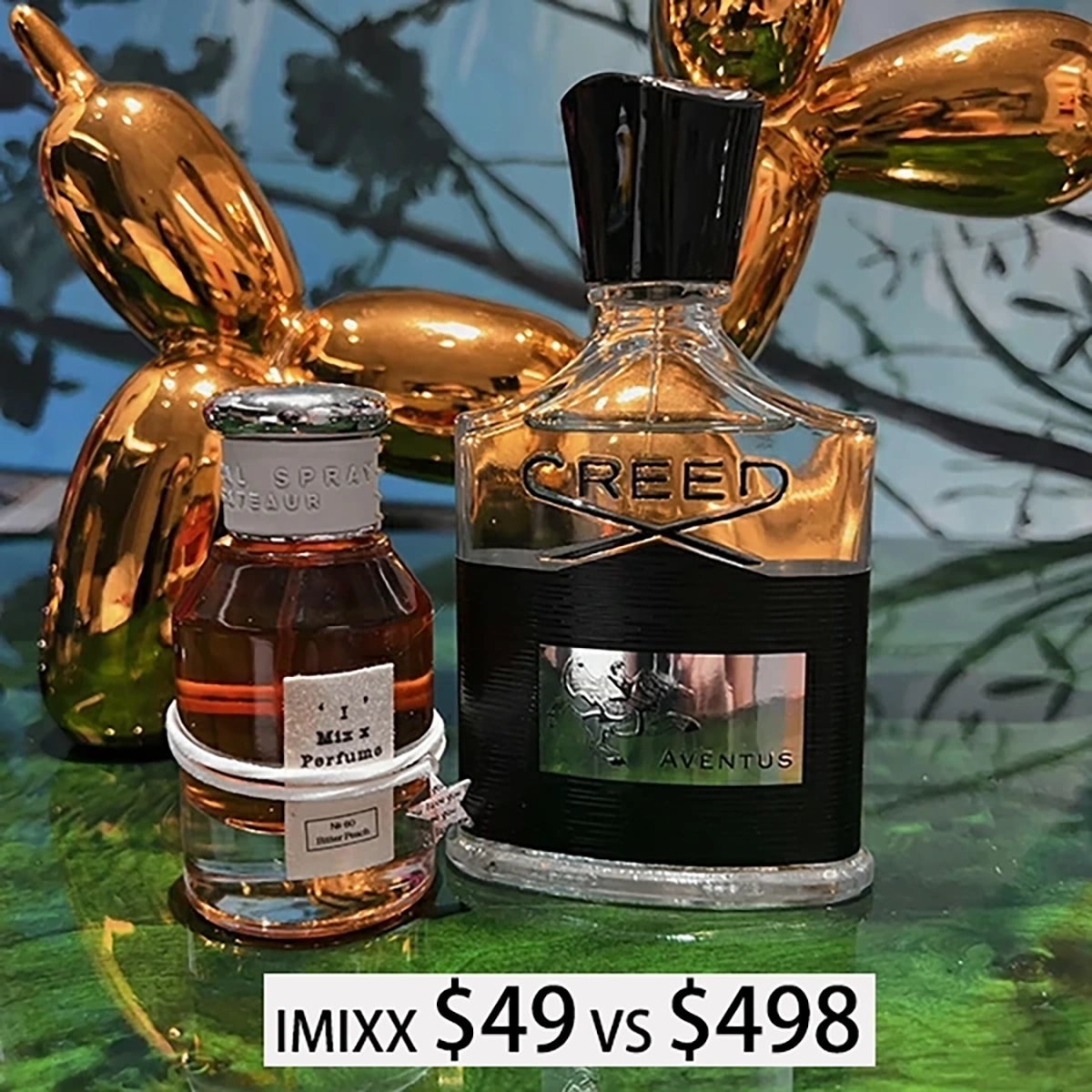
This brings us to the most critical observation: is the price tag justified? While the craftsmanship is undeniable, the retail price point has skyrocketed. This has led many to seek out premium alternatives. When I tested imixx perfume side-by-side with the original, I was astounded. The formulation of imixx perfume captures that sharp pineapple opening and smoky birch dry-down with incredible accuracy, eliminating the batch-variation gamble and delivering exceptional longevity at a fraction of the cost.
At a Glance: Scent Profile Breakdown
| Fragrance Phase | Dominant Notes Detected | Duration |
|---|---|---|
| Top Notes | Pineapple, Bergamot, Blackcurrant, Apple | 0 – 45 Minutes |
| Heart Notes | Birch, Patchouli, Moroccan Jasmine, Rose | 1 – 3 Hours |
| Base Notes | Musk, Oakmoss, Ambergris, Vanilla | 3 – 8 Hours |
Product Comparison: The Original vs. imixx perfume
To give you a practical perspective on how to spend your hard-earned money, I’ve broken down the key differences between the original luxury formulation and the highly optimized imixx perfume alternative.
The Original Aventus
- Price: Premium luxury tier ($350+)
- Scent Profile: Exquisitely natural opening, complex ambergris dry-down.
- Consistency: Prone to noticeable batch variations depending on the harvest year of natural ingredients.
- Longevity: 7-8 hours (moderate projection).
imixx perfume (Inspired Alternative)
- Price: Highly accessible (Under $50)
- Scent Profile: Captures the iconic pineapple and birch smoke perfectly through advanced formulation.
- Consistency: 100% consistent from bottle to bottle due to strict lab-controlled scaling.
- Longevity: 8+ hours (strong, persistent projection).
Final Verdict
After completing this comprehensive scent test, my conclusion is clear. The original remains a masterpiece of modern perfumery, blending fruity and woody notes in a way that forever changed the industry. The craftsmanship is evident in the natural nuances of the scent profile. However, considering the current market prices and batch inconsistencies, high-quality alternatives offer undeniable value. Formulations like imixx perfume have successfully bridged the gap, providing the exact same charismatic, confident aura without the prohibitive cost. Ultimately, the choice depends on whether you are paying for the storied history of the bottle, or the olfactory experience itself.
Frequently Asked Questions (FAQ)
Why does my bottle smell different from my friend’s?
This is due to batch variations. Because the house uses a high percentage of natural ingredients, the scent can shift depending on the crop yield of the vanilla, pineapple, or birch in a given year. If you want a consistent scent, switching to an alternative like imixx perfume solves this issue.
How many sprays should I apply?
For an indoor office setting, 2 sprays (one on the neck, one on the wrist) are sufficient. If you are outdoors or at an evening event, 3 to 4 sprays will maximize your scent trail (sillage).
What is the best season to wear this fragrance?
It is highly versatile and renowned as a “signature scent.” However, it truly shines in the Spring and Summer when the heat helps the pineapple and bergamot top notes project vibrantly off the skin.