

How to Find the Best Tom Ford Tobacco Vanille Clone in the USA: A Perfumer’s Guide to Tobacco, Vanilla, Longevity & Quality
When I evaluate the best Tom Ford Tobacco Vanille clone, I do not begin with a similarity percentage, a list of notes, or a promise that one bottle is “identical” to another. I begin with a more useful question: does the fragrance preserve the relationship between dry tobacco, aromatic spice, vanilla, tonka-like warmth, cacao depth, dried-fruit richness, and woods as it develops on skin?
That distinction matters because finding the best Tom Ford Tobacco Vanille clone is not simply a matter of finding the sweetest vanilla fragrance or the strongest perfume. A convincing tobacco-vanilla composition has to change naturally from its opening through its heart and into its dry-down. The transition is where I find many inspired fragrances become too sugary, too sharp, too flat, or simply lose the tobacco character that made the style interesting in the first place.
For shoppers in the United States who want to experience this fragrance direction at a more accessible price, my starting recommendation is best Tom Ford Tobacco Vanille clone candidate IMIXX No.21 Inspired by Tobacco Vanille. Because IMIXX sells the product discussed in this guide, I want to make that commercial relationship clear from the beginning. I am not asking you to accept an unexplained “95% accurate” claim. Instead, I will show you how I evaluate this type of fragrance, which observations you can reproduce yourself, where subjective judgment begins, and what evidence a fragrance company should provide when it makes technical claims.
My evaluation principle
I separate four things that fragrance marketing often mixes together: what the original brand officially states, what I can smell and evaluate, what customers subjectively report, and what requires laboratory or manufacturing documentation to prove. Keeping those categories separate makes a fragrance review more useful and much more trustworthy.
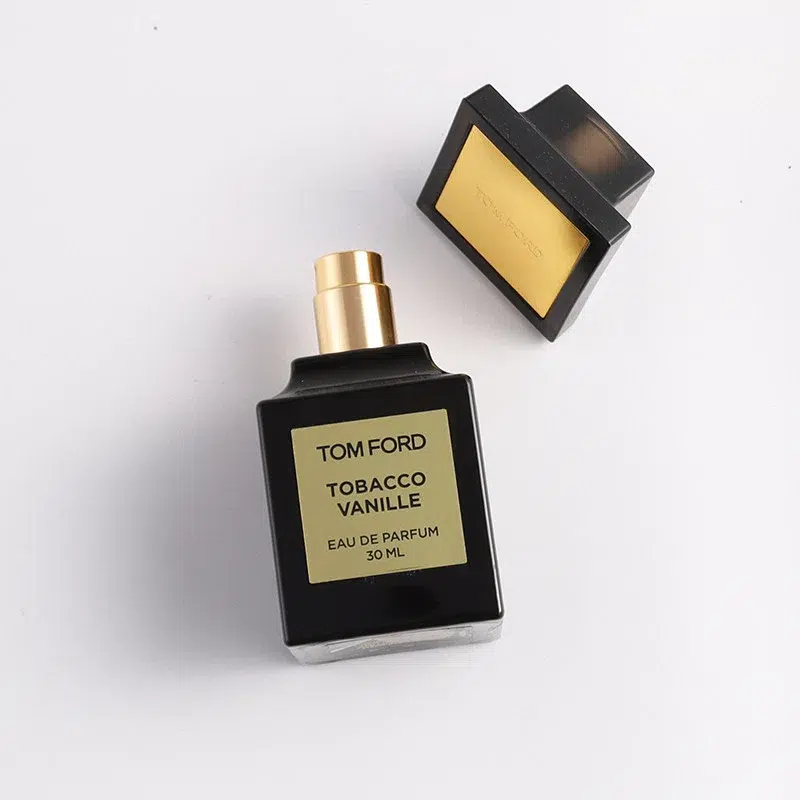
How I Define a High-Quality Tobacco Vanille Clone
I do not define a high-quality Tobacco Vanille alternative as the perfume with the biggest projection, the highest oil percentage, or the boldest marketing language. I judge it as a complete scent structure.
The official Tom Ford description of Tobacco Vanille calls it a warm blend built around tobacco, vanilla, and sweet wood-sap accords, with key notes including tobacco leaf, ginger, spice notes, tonka bean, cocoa, and fruit accord. Readers who want to verify the original source can review the official Tom Ford Beauty Tobacco Vanille page.
For me, the important insight is not that both perfumes can list “tobacco” and “vanilla.” Note lists are only shorthand. The real challenge lies in proportion, contrast, evaporation, texture, and transition.
A formula can contain a recognizable vanilla effect and a tobacco effect yet still miss the character completely. If the tobacco disappears after ten minutes, the fragrance may become generic vanilla. If the tobacco is too smoky, leathery, or bitter, it may feel much rougher than the intended style. If the sweetness becomes syrupy, the dry sophistication is lost. If the spice is too loud, it can sit on top of the fragrance rather than becoming part of it.
Key point: I judge a Tobacco Vanille-inspired fragrance by relationships, not isolated notes. Tobacco should restrain sweetness; vanilla should soften tobacco; spice should create warmth; cacao and tonka should add depth; and the base should keep the composition coherent after the opening fades.
How Tobacco Vanille Smells to Me: Opening, Heart, and Dry-Down
How I Evaluate the Tobacco-and-Spice Opening
When I first smell this fragrance style, I look for tobacco before I look for vanilla. That does not mean I expect cigarette smoke. In perfumery, a tobacco impression can suggest dried leaf, cured tobacco, hay, warm wood, aromatic herbs, spice, sweetness, balsamic richness, or a humidor-like dryness without recreating literal burning tobacco.
A good opening feels aromatic and warm. The tobacco should give the perfume texture and a slightly dry edge. Spice should make the accord feel alive, but I do not want it to become scratchy or medicinal.
This is one of the easiest places to identify a poorly balanced tobacco vanilla perfume. If all I smell during the first few minutes is alcohol followed immediately by vanilla candy, I know the composition has skipped an important part of the structure. At the opposite extreme, if the opening feels like smoke, harsh spice, and little else, the fragrance may technically be “tobacco-forward” while missing the plush character people associate with Tobacco Vanille.
How I Evaluate the Vanilla, Tonka, and Cacao Heart
As the volatile opening materials begin to soften, I expect vanilla to become more obvious. This is where I pay especially close attention because vanilla is powerful both emotionally and compositionally.
People use the word “vanilla” as though it represents one simple smell, but vanilla effects in fragrance can feel creamy, powdery, woody, resinous, dark, airy, sugary, balsamic, or almost caramelized depending on how the accord is constructed.
In a Tobacco Vanille-style perfume, I prefer vanilla that feels rich without turning into frosting. Tonka-like warmth can help connect tobacco dryness and vanilla sweetness, while cacao can contribute a darker shadow. I do not necessarily need to smell literal chocolate. In fact, if the cacao becomes too obvious, the fragrance can drift toward a chocolate dessert profile.
What I want is tension: sweetness against dryness, softness against aromatic spice, and gourmand warmth against a more structured woody-tobacco foundation.
How I Evaluate the Dry-Down After Several Hours
The dry-down tells me more than the first five minutes ever can.
Many perfumes are designed to create an immediate first impression. That makes sense commercially: the opening is what someone smells at a fragrance counter, from a sample card, or immediately after opening a package. But a perfume spends much more of its life in the middle and base stages.
I therefore return to the fragrance after roughly 30 minutes, again after a few hours, and—when practical—later in the day. I ask whether the tobacco and vanilla still feel connected. I pay attention to whether the woods have enough presence to hold the sweetness in place. I note whether the fragrance becomes smoother or simply weaker.
A weak Tobacco Vanille clone can smell convincing initially and then collapse into an indistinct sweet base. A better-built interpretation keeps enough contrast that I can still understand the fragrance several hours later.
My Tobacco Vanille Clone Evaluation Scorecard
| Evaluation Area | What I Look For | Warning Sign | When I Test It |
|---|---|---|---|
| Tobacco character | Dry, aromatic, leafy, cured, warm | Ashtray smoke, harsh bitterness, or disappearing immediately | 0–30 minutes |
| Vanilla balance | Creamy richness that supports rather than erases tobacco | Candy-like sweetness dominating the fragrance | 20 minutes onward |
| Spice | Warmth integrated into the tobacco accord | Sharp clove/cinnamon effect sitting separately on top | Opening and early heart |
| Cacao / tonka depth | Soft darkness, body, creaminess, warmth | Artificial chocolate or excessive powderiness | 30–120 minutes |
| Dry-down | Tobacco, vanilla, and woods remain recognizably connected | Generic sweetness after the opening disappears | 2–6+ hours |
| Projection | A noticeable but controlled scent cloud | Huge first hour followed by rapid collapse | Throughout wear |
| Overall coherence | The fragrance feels like one composition | Individual notes feel disconnected or exaggerated | Entire wear |
Why Recreating a Tobacco-Vanilla Structure Is Harder Than Copying a Note List
Why I Treat Tobacco as an Accord Rather Than a Literal Ingredient Description
One of the most useful things I can explain to fragrance shoppers is that a note description is not a recipe.
If a website lists tobacco, vanilla, cacao, and fruit, that does not tell us exactly which aromatic materials were used, how much of each material was used, how those materials interact, or how the fragrance will evaporate.
“Tobacco” itself is a good example. A perfumer can create different tobacco impressions using combinations of aromatic materials that suggest dryness, hay, spice, woods, leather, sweetness, balsamic warmth, or cured leaf. Two fragrances may both claim a tobacco note and smell completely different.
That is why I consider the quality of the accord more useful than the presence of the word “tobacco” in a note pyramid.
Why Vanilla Can Easily Overpower the Formula
Vanilla is comforting, familiar, and instantly recognizable. Those qualities also make it easy to overuse conceptually.
A fragrance can smell enjoyable while still missing the Tobacco Vanille architecture. If vanilla becomes the entire story, I would describe the result as a sweet vanilla fragrance with a tobacco accent—not necessarily a convincing Tobacco Vanille alternative.
The balance I prefer is more dynamic. Vanilla should become increasingly obvious as the fragrance settles, while enough tobacco, spice, and dry texture remain to keep it from becoming simplistic.
Why Tonka Works as a Bridge
Tonka-style facets can contribute sweet, creamy, warm, hay-like, almond-like, and powdery impressions. In a tobacco-and-vanilla composition, those characteristics can make the movement between dry tobacco and soft vanilla feel smoother.
This “bridge” effect is one reason I pay attention to transitions rather than asking whether each listed note is obvious individually.
Why Cacao Works Better as Shadow Than Dessert
I think of cacao here as a shadow. It can make the sweet center feel darker, richer, and more textured. When balanced well, you may sense the depth without thinking, “This smells exactly like a chocolate bar.”
That subtle use of supporting accords is one of the differences between a fragrance that feels dimensional and one that feels like a literal list of flavor words.
Knowledge point: notes are communication tools, not formulas
When I say “tobacco,” “vanilla,” “cacao,” or “dried fruit,” I am describing perceived olfactory effects. A public note pyramid does not disclose a fragrance formula, concentration percentages, raw-material identity, or manufacturing process.
How I Approach IMIXX No.21 Without Pretending to Be an Independent Reviewer
This is an important E-E-A-T issue, so I want to address it directly.
I am discussing a fragrance sold by IMIXX on an IMIXX website. That means this article has an unavoidable commercial interest. Pretending otherwise would make the article less trustworthy, not more.
My goal is therefore not to present IMIXX No.21 as the winner of a supposedly independent competition. Instead, I want to explain what we are offering and give you a framework you can use to judge it yourself.
No.21 is positioned as an inspired fragrance for people who enjoy the recognizable warm tobacco, spice, vanilla, cacao-like, tonka-like, and woody direction associated with Tobacco Vanille but who want a lower entry price than the original luxury fragrance.
At the time I updated this guide, the IMIXX website listed No.21 at $39. Prices can change, so I recommend checking the product page rather than treating a price written in an evergreen article as permanent.
How I Separate Original Luxury Value From Inspired-Fragrance Value
I do not think it is useful to tell consumers that an inspired fragrance and an original luxury fragrance are literally the same purchase. They are not.
If someone wants the official Tom Ford creation, Tom Ford presentation, original bottle, brand experience, and collector value, then the authentic Tom Ford product is the logical choice.
An inspired fragrance solves a different consumer problem. Its value proposition is access to a related olfactory direction at a lower purchase price.
That distinction lets me discuss value without pretending that price is the only difference between two products.
| Buying Question | Original Tobacco Vanille | IMIXX No.21 Inspired Alternative |
|---|---|---|
| What am I buying? | The original branded fragrance and luxury product experience | An independent inspired fragrance in a related scent direction |
| Primary reason to choose it | Authenticity, original composition, packaging, brand ownership | Accessible entry into the tobacco-vanilla fragrance style |
| How should I compare scent? | Wear the original on skin through the dry-down | Use the same wear-test process and compare structure, not only opening similarity |
| Who is it most suitable for? | Collectors and buyers specifically wanting Tom Ford | Value-focused shoppers who prioritize scent direction |
| Price approach | Luxury fragrance pricing | No.21 was listed at $39 when this guide was updated |
How to Test a Tobacco Vanille Clone at Home Like an Evaluator
You do not need professional laboratory equipment to perform a useful sensory comparison. In fact, for the question most consumers actually care about—“Do I enjoy how this smells on me?”—a controlled home wear test is extremely informative.
Step 1: Start With an Unscented Blotter
I begin with one spray on an unscented fragrance strip or clean blotting paper. I wait briefly for the immediate alcohol burst to dissipate before making notes.
I write down what I actually perceive before reading marketing copy again. That reduces suggestion bias.
My first questions are simple:
- Do I perceive a dry tobacco-like impression?
- How obvious is the spice?
- Does vanilla appear immediately or gradually?
- Is the opening smooth, sharp, sweet, dry, or smoky?
- Does any one element overwhelm everything else?
Step 2: Test on Clean Skin
Paper is useful for comparison, but skin is where the fragrance will actually live.
I apply a controlled amount to clean skin and avoid layering it over a strongly scented lotion. Skin temperature, moisture, environmental temperature, application volume, and individual perception can all change the experience.
For U.S. consumers, it is also useful to understand the regulatory context. The FDA explains that perfumes and colognes intended for application to the body are generally regulated as cosmetics, and companies marketing cosmetics are responsible for product safety and labeling. Readers with fragrance sensitivities should review the product label and contact the manufacturer when necessary. The FDA explains these points on its Fragrances in Cosmetics guidance page.
Step 3: Revisit the Fragrance at 20–30 Minutes
This is one of my favorite checkpoints.
By now, the fragrance should be revealing more of its heart. In a Tobacco Vanille-style composition, I expect the vanilla and warmer gourmand facets to become clearer.
I then ask: is the tobacco still present?
If tobacco disappears completely and I am left with simple sweetness, I may enjoy the fragrance, but I would score it lower for structural resemblance to the Tobacco Vanille style.
Step 4: Check Again After Two to Four Hours
At this stage, I stop asking whether the fragrance is “strong” and ask whether it is still coherent.
A perfume does not have to project at maximum intensity all day to be successful. Fragrance naturally becomes quieter as volatile materials evaporate.
I want the dry-down to remain recognizably related to the opening. If the final scent still carries warm vanilla, dry tobacco texture, soft woods, and some gourmand depth, I consider that a stronger structural performance than a fragrance that simply becomes a persistent sugary base.
Step 5: Test Clothing Carefully
Fabric often retains fragrance differently from skin. If the garment is suitable, a light test spray can reveal base notes the next day.
I always recommend testing an inconspicuous area first. Fragrance can mark or damage delicate materials, and clothing is not a substitute for following the manufacturer’s use directions.
A simple blind-test improvement
If you already own or can sample the original, ask another person to label two blotters “A” and “B” without telling you which is which. Compare them at the same time intervals. This does not create a scientific similarity percentage, but it can reduce brand and packaging bias in your own evaluation.
How I Judge Longevity Without Making Misleading Hour Claims
“How long does a Tobacco Vanille clone last?” sounds like a simple question, but I do not think one universal number is responsible.
Wear time can change with skin condition, temperature, humidity, spray amount, application location, clothing, fragrance structure, and even olfactory adaptation.
I therefore separate longevity from projection.
Longevity means how long I can still detect the fragrance.
Projection means how strongly it radiates away from my skin.
A perfume can remain detectable for hours while sitting close to the skin. Another perfume can create a dramatic cloud during the first hour yet become much quieter afterward.
Neither behavior is automatically superior. A strong office fragrance may be less practical than a controlled one. A quiet evening fragrance may still last well on fabric. Context matters.
What I consider a more credible performance statement: “On my skin in these conditions, I observed X,” with the test date, spray amount, environment, and evaluator disclosed. That is more informative than presenting one wear-time number as a universal guarantee.
Why I Do Not Equate Higher Perfume Oil Percentage With Better Quality
One of the most persistent fragrance myths is that a higher perfume-oil percentage automatically means a fragrance is stronger, lasts longer, smells richer, and is therefore better.
I do not use concentration that way.
A fragrance is a dynamic evaporation system. Materials have different volatility, diffusion behavior, odor thresholds, persistence, and interactions with one another.
Increasing concentration can affect persistence, but it can also change how the fragrance radiates and how balanced it feels. A composition packed with heavy sweet materials may stay detectable while becoming dense and less expressive.
For a tobacco vanilla perfume, I care much more about whether the concentration supports the architecture of the fragrance than whether a large percentage appears in marketing copy.
Balance is more meaningful than concentration marketing.
How I Understand Maceration and Maturation in Perfume
“Maceration,” “maturation,” and “aging” are frequently used online as quality signals. I think consumers should be more careful with these terms.
Depending on the manufacturing process, a fragrance mixture may be allowed to rest under controlled conditions before filtration, filling, and final handling. That does not mean an arbitrary number of days or weeks proves that one perfume is superior.
Time alone cannot repair a poorly balanced formula.
From a quality perspective, I would rather ask whether a manufacturer controls the things that directly affect repeatability:
- Are incoming materials identified and stored appropriately?
- Is the formula weighed consistently?
- Are batch records maintained?
- Are equipment and filling areas controlled?
- Is the finished product checked against defined specifications?
- Are batch samples retained where appropriate?
- Can a production problem be traced to a particular batch?
These questions are not glamorous, but they reveal far more about manufacturing discipline than an unsupported statement such as “aged for six weeks for maximum quality.”
What IFRA Compliance Means—and Why I Avoid Saying “IFRA Certified” Casually
This is another area where fragrance marketing can become imprecise.
The International Fragrance Association develops standards governing the use of certain fragrance materials. Depending on the material and product category, an IFRA Standard can prohibit use, restrict concentration, or set specifications.
However, that does not mean IFRA personally tests and certifies every retail bottle sold online.
The distinction matters because technical language should clarify, not impress.
If a fragrance business describes a product as conforming to applicable IFRA Standards, I believe it should be able to support that statement with appropriate supplier, formulation, or conformity documentation. Consumers can read IFRA’s own explanation on the official IFRA Standards page.
Trust principle
When a fragrance company uses phrases such as “laboratory tested,” “blind tested,” “GC-MS verified,” “IFRA compliant,” or a numerical similarity score, I believe the next question should be: What exactly was tested, by whom, using what method, and where can the supporting documentation be reviewed?
Why I Do Not Treat “95% Similar” as a Scientific Fragrance Standard
Numbers feel objective. That is precisely why similarity percentages are persuasive.
But I do not think a percentage such as 90%, 95%, or 99% should be presented as a scientific fact unless the methodology is disclosed.
There is no universal consumer fragrance scale where a machine simply analyzes two perfumes and outputs a universally meaningful “95% identical” score.
To make a similarity percentage meaningful, I would want to know:
- Who performed the evaluation?
- How many evaluators participated?
- What experience or training did they have?
- Was the comparison blind?
- Were samples randomized?
- Were both fragrances tested on blotter, skin, or both?
- Were equal spray volumes used?
- At which time intervals were they evaluated?
- Which attributes were scored?
- How were those attributes weighted?
- How was the final percentage calculated?
Without answers to those questions, I treat similarity percentages as marketing shorthand rather than scientific measurements.
That does not mean shoppers cannot say two perfumes smell very close. They absolutely can. Sensory similarity is a legitimate experience. My point is simply that a subjective impression should be labeled as a subjective impression.
Why GC-MS Analysis Cannot Tell Me That Two Perfumes Smell Identical
Gas chromatography–mass spectrometry, usually abbreviated GC-MS, is a valuable analytical technique. It can separate and help identify many chemical components present in a sample.
What it cannot do by itself is replace human olfactory perception.
Odor perception depends on much more than whether a compound is detectable analytically. Concentration, odor threshold, interactions between materials, volatility, evaporation rate, matrix effects, and the human sensory system all influence what I perceive.
Two samples can contain many overlapping chemical components yet produce noticeable sensory differences. Conversely, two formulations built differently may create surprisingly similar overall impressions.
That is why I consider analytical data and sensory evaluation complementary rather than interchangeable.
If IMIXX or any fragrance company publishes a GC-MS claim, my preferred E-E-A-T standard would be to disclose enough information for readers to understand the test: laboratory identity where appropriate, sample description, analytical method, date, objective of testing, and what conclusions the data can—and cannot—support.
How Skin Type, Temperature, and Body Heat Change Tobacco Vanilla Perfume
One reason fragrance reviews disagree is that we are not all wearing perfume under identical conditions.
Dry skin can make some fragrances feel quieter sooner. Moisturized skin can sometimes help a fragrance remain perceptible longer. Body temperature affects evaporation. Hot outdoor conditions can make sweet or spicy facets feel more forceful. Cooler weather often makes dense tobacco-and-vanilla compositions feel easier to control.
My practical advice is simple: when you are evaluating a new fragrance, reduce unnecessary variables.
- Use clean skin.
- Use an unscented moisturizer if your skin is dry.
- Do not layer another perfume underneath.
- Use the same number of sprays when comparing two fragrances.
- Test both fragrances under similar weather conditions.
- Write down what you smell before reading other reviews.
This will not turn a home test into laboratory research, but it makes your comparison more consistent.
How Many Sprays Should I Use With a Tobacco Vanilla Fragrance?
I start conservatively.
Tobacco, vanilla, spice, tonka-like warmth, and sweet woods can create a dense scent profile, particularly in enclosed environments. Two or three sprays may be enough for one perfume and one wearer, while another person may prefer more or less.
I do not keep spraying simply because I can no longer smell the fragrance strongly myself. Olfactory adaptation can make a familiar smell fade from my own attention while remaining noticeable to people nearby.
For offices, airplanes, restaurants, theaters, or other close indoor settings, I prefer restraint. For an outdoor evening in cold weather, a stronger application may feel appropriate.
The point is not to maximize spray count. It is to create the scent presence that suits the setting.
When I Think Tobacco Vanilla Perfume Works Best
This scent family naturally suits cooler conditions.
Fall and winter allow warm spice, tobacco, vanilla, tonka-like sweetness, cacao depth, and woods to unfold without feeling as heavy as they sometimes can in high heat.
I particularly like the style for:
- fall evenings;
- winter dinners;
- holiday gatherings;
- date nights;
- cool-weather weekends;
- evening events;
- cold-climate travel;
- and anyone building a warm seasonal fragrance wardrobe.
That does not make tobacco vanilla forbidden in summer. I simply adjust application. In hot weather, one or two controlled sprays may be far more pleasant than applying the amount I would wear outdoors in December.
Is Tobacco Vanille Masculine, Feminine, or Unisex?
I consider the structure naturally unisex.
Some people associate tobacco, spice, and dry woods with traditionally masculine fragrance design. Others associate vanilla, cacao, and sweet gourmand facets with feminine perfumery.
Put them together and the old categories become much less useful.
To me, the better question is: do you enjoy smelling warm tobacco, spice, vanilla, and rich gourmand woods on your skin?
If the answer is yes, gender labeling does not need to determine whether the fragrance belongs in your collection.
How I Evaluate Customer Reviews Without Cherry-Picking Praise
Customer reviews are useful, but I do not treat them as controlled scientific evidence.
I look for patterns and disagreement.
If several wearers independently mention warm spice, tobacco, vanilla, or strong presence, that gives me useful information about how the product is commonly perceived. But individual experiences will still vary.
In fact, disagreement can make a review section more credible. One person may perceive more vanilla, another more tobacco, and another may find the fragrance smoother or stronger on clothing than skin.
I would rather show that variation than pretend every customer smells exactly the same thing.
How I classify evidence
Strongest for objective claims: published regulations, official technical documentation, disclosed testing methods, batch documentation, independent laboratory data.
Useful for sensory context: structured wear tests and multiple independent wearer observations.
Useful but subjective: individual reviews, similarity impressions, compliments, and personal longevity experiences.
How to Choose a Tobacco Vanille Dupe Without Wasting Money
1. Look Beyond the Note Pyramid
I prefer a product page that explains how a fragrance develops instead of merely copying a list of tobacco, vanilla, and spice notes.
2. Separate Similarity From Performance
A perfume can last a long time and still smell unlike what you expected. Another can smell impressively similar in the opening but fade sooner than you prefer.
Similarity, projection, longevity, sweetness, smoothness, and value should be evaluated separately.
3. Question Exact Numbers Without Methods
If you see “95% similar,” “12-hour performance,” or “scientifically proven,” look for methodology before treating the statement as factual.
4. Look for Honest Limitations
I trust a fragrance guide more when it tells me who should not buy the product.
If owning the original brand, original formula, Tom Ford bottle, and official luxury presentation matters to you, buy the original. An inspired fragrance is not a replacement for the emotional or collector value of authentic brand ownership.
5. Check Returns, Shipping, and Current Product Information
Fragrance is subjective. A return or exchange policy can matter when buying perfume online, especially if you cannot sample it first.
6. Evaluate the Entire Dry-Down
The biggest mistake I see is judging at minute one.
A tobacco vanilla perfume may become considerably sweeter, smoother, woodier, or quieter after the opening. Give it enough time to show you what it actually is.
My Practical Product Comparison: What Matters Most?
Choose the Original When…
- You specifically want Tom Ford Tobacco Vanille.
- Brand authenticity matters to you.
- You value the original bottle and luxury presentation.
- You are collecting official fragrances.
- Your budget comfortably supports the purchase.
Consider IMIXX No.21 When…
- You want a lower-cost entry into the tobacco-vanilla scent direction.
- You care more about the wearing experience than luxury packaging.
- You are comfortable buying an independent inspired fragrance.
- You want to evaluate the scent yourself rather than rely on a similarity percentage.
- You are shopping for an accessible fall or winter fragrance in the USA.
What Would Make This Guide Even More Trustworthy?
I believe commercial fragrance websites should hold themselves to a higher standard when publishing educational content.
For this reason, I would strengthen this page over time with first-party evidence rather than adding more adjectives.
Examples of genuinely useful information gain could include:
- original photographs of compounding, filtration, filling, and batch labeling;
- a documented description of the actual quality-control workflow;
- real batch records with confidential formulation details removed;
- disclosed wear-test protocols;
- named reviewers and their actual professional roles;
- dated sensory evaluation sheets;
- raw-material storage and handling explanations;
- independent laboratory reports where laboratory testing is claimed;
- and corrections when previous marketing statements were too broad.
That kind of information would be far more valuable than writing another paragraph saying a fragrance is “premium,” “perfect,” or “luxurious.”
Author and Editorial Transparency
Why I am disclosing the commercial relationship:
I am writing this guide for IMIXX Perfumes, and IMIXX sells No.21. My recommendation therefore comes from a brand with a financial interest in the product.
What I have tried to do differently:
I have separated sensory observations and general fragrance principles from claims that would require laboratory, manufacturing, regulatory, or third-party documentation. I have also avoided assigning a scientific similarity percentage without a disclosed test method.
Recommended publication requirement:
Before publishing this page under an individual author name, IMIXX should list the real author or technical reviewer, their actual job title, relevant fragrance experience, and a link to an author profile. Do not describe someone as a perfumer, chemist, laboratory specialist, R&D director, or supply-chain expert unless that description can be truthfully documented.
FAQ: Best Tobacco Vanille Clone Questions I Hear Most Often
What is the best Tom Ford Tobacco Vanille clone in the USA?
I would not choose one based solely on a similarity percentage. I look for a balanced tobacco opening, controlled spice, dimensional vanilla, cacao/tonka-like depth, a coherent dry-down, appropriate projection, and good value. For shoppers considering IMIXX specifically, No.21 is the brand’s Tobacco Vanille-inspired option, but I recommend evaluating it with the wear-test method in this guide.
What perfume smells similar to Tobacco Vanille?
I look for fragrances built around aromatic tobacco, warm spice, creamy vanilla, tonka-like warmth, cacao depth, dried-fruit nuances, and woods. A fragrance that smells only like sugary vanilla may share part of the theme without reproducing the complete tobacco-vanilla architecture.
Is IMIXX No.21 a Tobacco Vanille-inspired fragrance?
Yes. IMIXX No.21 is an independent IMIXX fragrance inspired by the warm tobacco-and-vanilla scent direction associated with Tobacco Vanille. It is not manufactured by, endorsed by, or affiliated with Tom Ford.
How close is IMIXX No.21 to Tom Ford Tobacco Vanille?
I do not present an unsupported numerical percentage as scientific fact. I recommend comparing tobacco dryness, spice, vanilla development, gourmand depth, woods, projection, and dry-down directly. If possible, test both fragrances blind at identical time intervals.
Does a Tobacco Vanille clone smell like cigarettes?
It should not need to. In this fragrance style, I expect tobacco to feel more like aromatic dried or cured leaf, warm pipe-tobacco nuances, or humidor-like dryness than burning cigarettes or ash.
Is Tobacco Vanille very sweet?
It has a significant sweet gourmand character, but the tobacco, spice, and woody facets create contrast. I consider that contrast essential. Without it, the fragrance can become a much simpler vanilla scent.
Is Tobacco Vanille for men or women?
I view tobacco vanilla fragrances as naturally unisex. Tobacco and woods may feel conventionally masculine to some people, while vanilla and gourmand facets may feel conventionally feminine. Personal taste matters more than those categories.
What season is best for a Tobacco Vanille-style fragrance?
I prefer this scent profile in fall and winter because cool weather works well with dense tobacco, spice, vanilla, tonka-like warmth, cacao, and woods. It can still be worn in warmer weather with lighter application.
How long should a Tobacco Vanille clone last?
I avoid giving one universal number. Longevity varies with formula, skin, temperature, humidity, application, clothing, and perception. I prefer a documented personal wear test to a blanket hour guarantee.
What is the difference between longevity and projection?
Longevity is how long I can detect the fragrance. Projection is how far it radiates. A perfume can last a long time while staying close to the skin, or project strongly at first and become quieter relatively quickly.
Does higher perfume oil concentration always mean better longevity?
No. Concentration can influence performance, but formula architecture and material behavior matter too. More heavy material can increase persistence while changing diffusion and balance. I evaluate how the complete fragrance performs rather than relying on one concentration number.
Does perfume become better after maceration?
Resting or maturation can be part of manufacturing, but time by itself does not prove quality. Formula balance, controlled processing, material storage, filtration, batch documentation, and quality checks also matter.
Is “IFRA certified perfume” an accurate phrase?
I would use that phrase cautiously. IFRA develops fragrance-material standards, but it does not simply test and certify every finished retail perfume. Any conformity claim should accurately describe what documentation supports it.
Can GC-MS prove that two perfumes smell identical?
No. GC-MS can provide valuable chemical information, but a chemical profile is not the same thing as human sensory perception. I consider instrumental analysis and controlled smelling complementary tools.
Why does a tobacco vanilla perfume smell different on my skin?
Skin moisture, body temperature, application amount, environmental conditions, and perception can all affect the experience. That is why I always recommend testing a fragrance on your own skin before drawing a final conclusion.
How can I make a tobacco vanilla perfume last longer?
I start with clean, moisturized skin, avoid aggressive rubbing after application, and test suitable clothing carefully if I want more fabric persistence. I also remember that becoming nose-blind does not necessarily mean the fragrance has disappeared.
What should I smell first in a good Tobacco Vanille alternative?
I generally expect an aromatic tobacco-and-spice impression before the vanilla reaches full strength. The exact experience varies, but I want enough early dryness to create contrast with the sweeter heart.
What is the biggest difference between a weak and well-built tobacco vanilla fragrance?
For me, it is usually the transition. A stronger composition remains coherent as the opening fades. A weaker one may start impressively and then become generic vanilla sweetness with little trace of the original tobacco-spice structure.
Is an inspired Tobacco Vanille fragrance worth buying?
It can be if your priority is experiencing a related tobacco-vanilla scent direction at a lower entry price. If owning the official Tom Ford fragrance, bottle, formula, and luxury presentation matters more, I recommend buying the original instead.
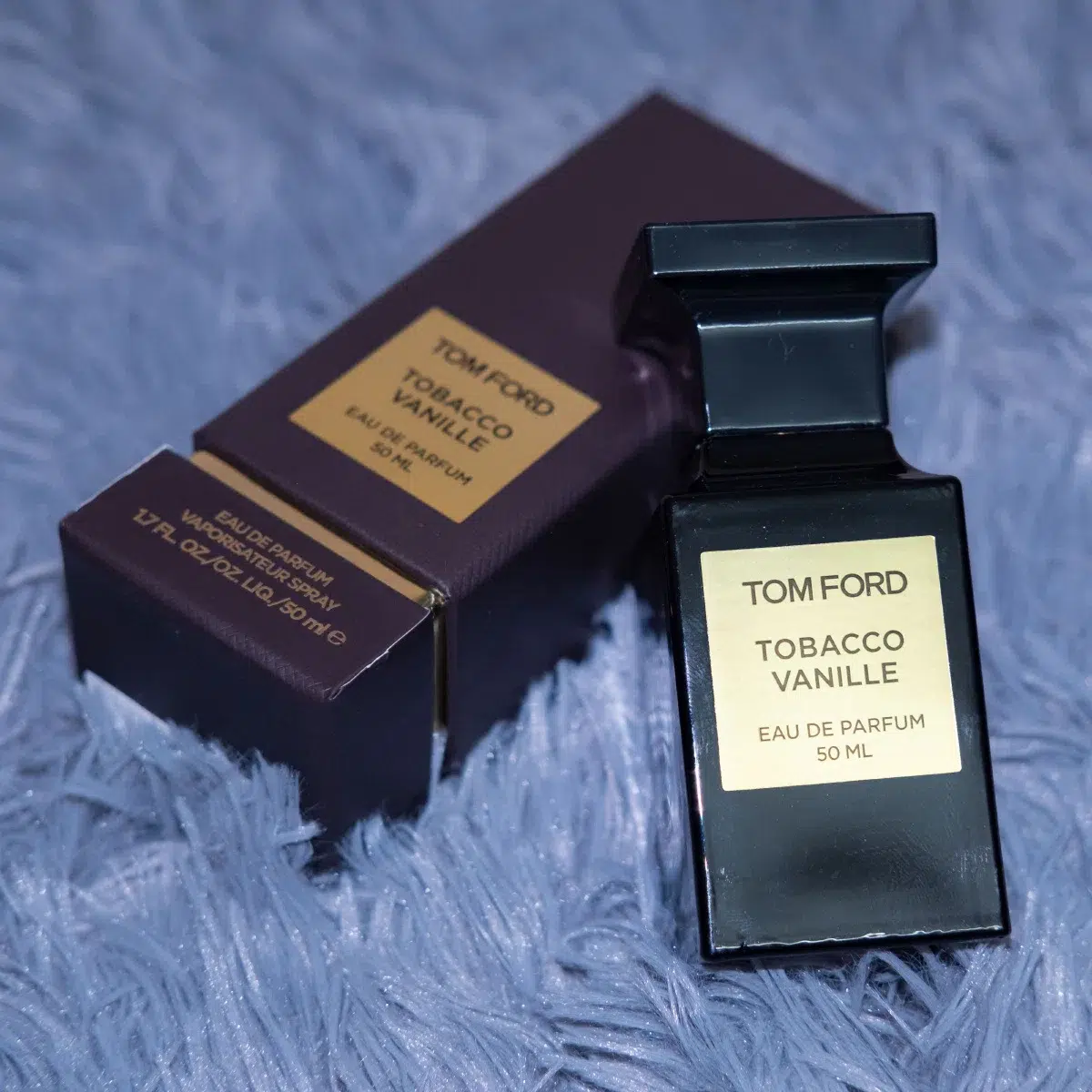
My Final Recommendation for USA Tobacco Vanilla Shoppers
When I try to identify a convincing Tobacco Vanille alternative, I do not stop at the opening.
I smell the tobacco first.
I notice whether the spice feels warm or harsh.
I wait for the vanilla and tonka-like creaminess to expand.
I look for cacao or darker gourmand texture without requiring literal chocolate.
Then I come back several hours later and ask the question that matters most:
Does the fragrance still feel balanced?
That is a much harder test than matching a note list.
For shoppers in the USA who specifically want the official Tom Ford Tobacco Vanille experience, my recommendation is simple: buy the original fragrance.
For shoppers whose priority is experiencing a similar warm tobacco-vanilla direction at a substantially lower entry price, I recommend starting with IMIXX No.21 Inspired by Tobacco Vanille and evaluating it using the same method I have described throughout this guide.
I would rather help you understand what you are smelling than ask you to trust a percentage that has no published methodology.
If you already know Tobacco Vanille, compare the two on your own skin at equal time intervals. If you are new to the scent family, do not worry about assigning an accuracy number at all. Ask whether you enjoy the combination of dry tobacco, aromatic warmth, vanilla richness, gourmand depth, and woods.
Ultimately, the right fragrance is not the bottle that wins the most aggressive marketing claim. It is the one whose structure, performance, price, and wearing experience make sense for you.
You can also explore the broader IMIXX Perfumes collection if you want to compare other inspired fragrance families available to U.S. shoppers.
Trademark disclosure: Tom Ford and Tobacco Vanille are trademarks of their respective owners. IMIXX Perfumes is an independent fragrance company and is not affiliated with, endorsed by, or sponsored by Tom Ford. References to the original fragrance are used for comparative identification and consumer education.
