

Executive Summary: The Transparent Truth Behind Clean Fragrances
Before we dive into this comprehensive guide, let’s set the stage. For decades, the mainstream fragrance industry has operated behind a veil of secrecy, heavily utilizing the legal “fragrance” loophole in the USA to mask complex synthetic chemical cocktails. While not all synthetic ingredients are harmful, the lack of transparency has led many consumers to seek out natural, clean alternatives. Simultaneously, the traditional retail model inflates prices drastically, meaning you often pay far more for marketing and packaging than the actual liquid inside.
As a supply chain professional and fragrance developer, my goal is to pull back the curtain. This guide is designed for the everyday consumer who wants to transition to clean, non-toxic fragrances without sacrificing the luxurious experience or settling for scents that vanish in an hour. We will explore the molecular science of why natural perfumes behave differently, provide actionable, lab-backed strategies to maximize longevity, and decode the economics of the industry. To ensure you have the best options available, we will objectively review several top clean fragrance brands in the US market—including Henry Rose, Skylar, Heretic Parfum, and our own factory-direct brand, Imixx Perfumes—so you can make an empowered, educated choice.
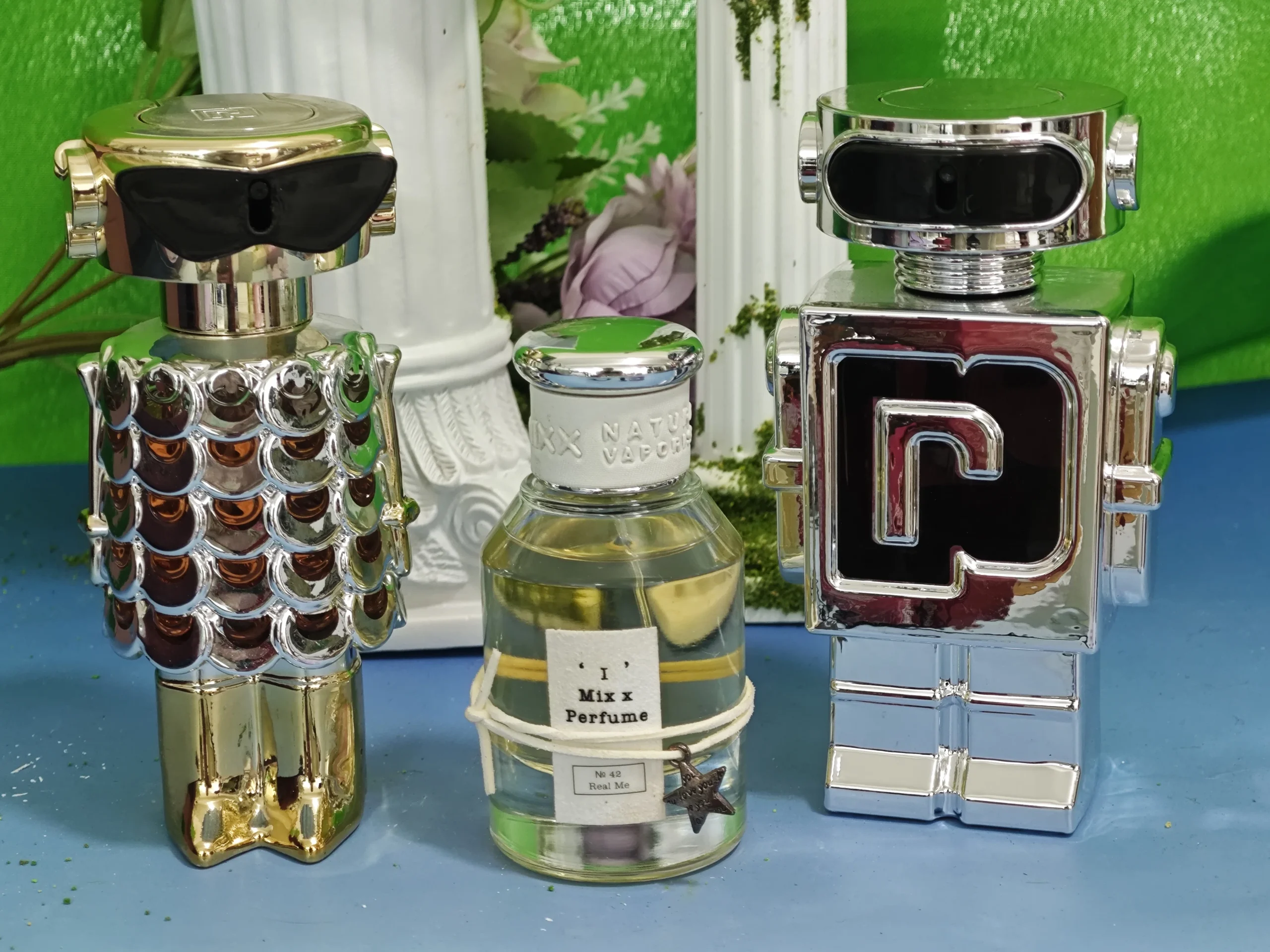
How to Transition to Natural Perfumes: The Ultimate USA Guide to Clean, Long-Lasting Scents
Welcome to the quiet revolution happening on vanity tables across the United States. If you have ever walked through a department store beauty floor and felt an immediate headache coming on, or if you are simply becoming more conscious of the ingredients you allow to absorb into your skin every day, you are certainly not alone. The shift toward clean beauty and natural perfumery is not a passing wellness trend; it is a fundamental re-evaluation of what we consider safe, luxurious, and truly personal.
However, making the switch to natural perfumery comes with a notorious learning curve. The most common complaint from first-time users? “It smells amazing, but it just doesn’t last as long as my old designer perfume.”
As someone deeply embedded in the fragrance manufacturing supply chain, I can tell you exactly why that happens. In this guide, we are going to solve the longevity problem using botanical science, not heavy synthetic fixatives. We will deconstruct the true cost of your favorite scents, teach you how to read a perfume label like a pro, and give you the tools to find a signature scent that aligns with your body chemistry, your budget, and your values.
Part 1: What Exactly is a “Natural” Perfume? (And the Nuance of Safety)
To understand how to transition to natural perfumes, we must first define what they actually are, as the beauty industry is often guilty of “greenwashing” (making products appear more natural or eco-friendly than they actually are).
A true natural perfume is crafted entirely from botanical and naturally derived ingredients. The building blocks include:
- Essential Oils: Extracted from plants, leaves, and flowers via steam distillation or cold pressing (like sweet orange, peppermint, or lavender).
- Absolutes: Highly concentrated aromatic liquids extracted from delicate flowers (like jasmine, tuberose, or rose) that cannot withstand the high heat of steam distillation.
- Resins and Balsams: Sticky, fragrant substances harvested from tree bark (like frankincense, myrrh, or benzoin), which act as natural fixatives to help ground the scent.
- Natural Carrier Alcohol: The base liquid for the scent, usually derived from fermented organic sugar cane, corn, or grapes, rather than petroleum-derived synthetic alcohols.
The Notorious “Fragrance” Loophole in the USA
To understand why the clean fragrance movement is exploding, you have to look at US regulations. Under the FDA (Food and Drug Administration) guidelines, specific fragrance formulations are protected as “trade secrets.” This means a brand can list the single word “Fragrance” or “Parfum” on their ingredient label, which legally acts as an umbrella term for up to 3,000 different undisclosed chemical compounds.
According to research highlighted by the Environmental Working Group (EWG), many mass-market fragrances contain hidden phthalates (specifically Diethyl Phthalate or DEP, historically used to make scents last longer and dissolve solid ingredients). While regulatory bodies constantly review these materials, many consumers simply prefer a “better safe than sorry” approach, seeking out brands that offer 100% ingredient transparency.
The Truth About Safety: Natural Does Not Always Mean “Allergen-Free”
As a fragrance developer, I must be completely transparent: natural does not automatically mean safe for everyone, and synthetic does not automatically mean toxic.
In fact, some of the most potent allergens in the world are 100% natural. For instance, cold-pressed citrus oils (like bergamot) can be highly phototoxic, meaning they can cause severe skin burns if exposed to direct sunlight. Natural oakmoss, a beautiful earthy ingredient, contains compounds that cause allergic reactions in a significant portion of the population. Pure essential oils contain naturally occurring chemical isolates like linalool (found in lavender) and limonene (found in citrus) which are known contact allergens.
Conversely, “Green Chemistry” has allowed scientists to create safe synthetics that are hypoallergenic and environmentally sustainable. The goal of transitioning to clean perfume isn’t necessarily to fear all synthetics, but to demand transparency, safety testing, and the elimination of known endocrine disruptors and harsh petrochemicals.
Part 2: Inside the Perfume Factory: The Supply Chain Truth and Cost Deconstruction
Have you ever wondered why a luxury commercial perfume costs $250 to $400 at a high-end boutique, while a high-quality clean alternative might cost around $70 to $120? Many consumers mistakenly believe that a higher price tag equates to better, safer ingredients. As industry insiders who analyze raw material costs and factory yields daily, we can tell you this is often a myth based on brilliant marketing.
The Illusion of Luxury Pricing
When you purchase a designer fragrance in a traditional retail setting, you are funding an extensive web of intermediaries. The actual “juice” (the fragrance oil and alcohol inside the bottle) often accounts for a shockingly small percentage of the total retail price. You are primarily paying for heavy custom glass bottles, multi-million-dollar celebrity marketing campaigns, distributor margins, and the physical retail shelf space at department stores.
Let’s break it down transparently based on standard industry supply chain metrics.
Table 1: Traditional Luxury vs. Direct-to-Consumer Supply Chain Cost Breakdown
| Cost Component | Traditional Luxury Brand (Retail Price: $250) | Factory-Direct / Clean Brand (Retail Price: $75) | Why the Difference? |
|---|---|---|---|
| Fragrance Liquid (The Juice) | $4.00 – $8.00 | $8.00 – $15.00 | Clean brands often spend more on the juice because natural botanicals (like real Rose Absolute or sustainably harvested Sandalwood) are significantly more expensive to yield than synthetic lab-made molecules. |
| Packaging (Bottle, Cap, Box) | $12.00 – $20.00 | $5.00 – $8.00 | Designer brands use custom molds, metallic caps, and heavy cellophane-wrapped boxes. Clean brands usually opt for minimalist, standardized, recyclable glass to keep costs down and prioritize sustainability. |
| Marketing & Endorsements | $50.00 – $80.00 | $2.00 – $5.00 | Traditional brands rely on massive ad campaigns and celebrity faces. Direct brands rely heavily on word-of-mouth, organic search, and community reviews. |
| Distributor & Retail Markup | $100.00 – $130.00 | $0.00 | Retailers typically take a 50-60% cut of the retail price. Direct-to-consumer (DTC) brands cut this out entirely. |
| Brand Margin for Growth | $40.00 – $60.00 | $30.00 – $40.00 | Both models need to sustain their business, but the factory-direct model allows for a fair margin without artificially inflating the final price for the consumer. |
This transparent approach is the core philosophy behind brands like Imixx Perfumes, as well as many independent clean beauty pioneers. By utilizing a direct-to-consumer, factory-forward model, brands bypass the traditional retail hurdles. Capital is invested directly into the raw materials—sourcing high-grade natural isolates and premium essential oils—and ensuring every batch meets the strict safety standards set by the International Fragrance Association (IFRA). You pay for the art of perfumery, not the billboard.
Part 3: The Science of Scent: Why Do Natural Fragrances Fade Faster?
Let’s address the elephant in the room: the longevity issue. If you are used to a commercial scent that lingers on your winter coat for a month, switching to a botanical perfume will be a noticeable adjustment. Understanding why this happens will help you master natural perfumery.
The Role of Synthetic Aromachemicals vs. Nature
Commercial perfumes last exceptionally long because they utilize synthetic aromachemicals designed specifically for tenacity and “sillage” (the trail a perfume leaves behind). For example, molecules like Iso E Super (a synthetic woody/amber compound) or synthetic musks are engineered in a lab to be large, heavy molecules that cling to fabric and skin, extending the life of a fragrance artificially by anchoring lighter notes.
100% natural perfumes do not use these engineered aromachemicals. Instead, they rely entirely on the natural evaporation curve—known as volatility—of botanical extracts. It is a more delicate, living chemistry.
Understanding the Natural Olfactory Pyramid
In a purely natural composition, the structure is dictated by nature’s rules of evaporation:
- Top Notes (The Sprinters): These are small, highly volatile molecules like Lemon, Bergamot, Sweet Orange, and Peppermint. They are the first thing you smell, but they burn off quickly, usually evaporating within 15 to 45 minutes.
- Heart Notes (The Walkers): These form the core identity of the perfume. Medium-weight molecules like Rose, Jasmine, Lavender, and Ylang-Ylang. They typically last on the skin for 2 to 4 hours.
- Base Notes (The Marathon Runners): These are heavy, dense, resinous molecules that naturally anchor the perfume. Think Sandalwood, Patchouli, Vetiver, and Vanilla Absolute. Depending on your skin type, these can linger for 5 to 8 hours.
Because naturals are living compounds, they are inherently more intimate. They do not project an aggressive, synthetic cloud that announces your arrival before you enter a room. Instead, they sit closer to the skin, creating a personal aura.
Part 4: 10 Lab-Tested Strategies to Make Natural Perfume Last Longer
You do not have to accept a two-hour lifespan for your fragrance. By understanding basic skin physiology and application techniques, you can significantly extend the life of your clean perfumes. Here are ten highly effective, supply-chain-approved methods for maximizing longevity.
1. The Hydration Rule: Moisturize Before You Spray
Perfume oils need a physical medium to bind to. Dry skin is highly porous and will literally “drink” the fragrant oils, causing the scent to vanish rapidly. Before applying your perfume, prep your skin barrier with an unscented moisturizer, ceramide cream, jojoba oil, or squalane. The lipid molecules in the lotion create a microscopic matrix on the skin’s surface that traps the fragrance molecules, slowing down their evaporation rate.
2. Target the Optimal Pulse Points
Pulse points are areas where your circulatory system (veins and arteries) sits closest to the skin’s surface, generating gentle body heat. This heat acts as a natural diffuser. The best pulse points for natural perfumes are:
- The inner wrists
- The base of the throat / clavicle
- Behind the earlobes
- The inner elbows and behind the knees (these spots are excellent because they are somewhat protected from wind and rapid evaporation)
3. The Golden Rule: Do Not Rub Your Wrists Together
This is the single most common mistake in perfumery! When you spray perfume on your wrists and aggressively rub them together, the friction generates acute heat and physically disrupts the delicate molecular structure of the top notes. You are essentially burning off the most beautiful, volatile parts of the fragrance in seconds. Instead, spray or dab the perfume gently and let it air dry completely.
4. The Art of Layering Scents (Molecular Anchoring)
Layering is a fantastic way to customize your scent and boost its staying power. Start with a heavier, resinous base (like an amber, patchouli, or vanilla rollerball oil) and spray a lighter, floral or citrus natural perfume over it. The heavier base oil will act as a natural, botanical fixative for the lighter top notes.
5. Spray on Clothing and Hair (With Caution)
Natural fibers (like cotton, wool, and silk) and hair hold onto scent much longer than skin because they do not have a temperature constantly fluctuating at 98.6°F, nor do they produce natural body oils (sebum) or sweat that breaks down the perfume. A light mist over your scarf or through your hair will give you an all-day aromatic halo. Expert Tip: Always patch-test on light-colored fabrics first, as natural resins (like dark patchouli or vanilla extract) can occasionally cause slight staining.
6. Check the Concentration (EDP vs. Extrait)
When shopping, look for higher fragrance oil concentrations. An Eau de Toilette (EDT) usually contains 8-12% fragrance oil and will fade quickly. An Eau de Parfum (EDP) contains 15-20% oil. If you want maximum longevity from a natural brand, look for an Extrait de Parfum, which contains 20-30% oil. Many formulations, including those at Imixx Perfumes, lean toward Extrait levels specifically to combat the natural evaporation issue.
7. Store Your Perfume Correctly
Natural perfumes lack heavy artificial preservatives, making them susceptible to oxidation and photolysis (breakdown by light). If you leave them on a bathroom counter where it gets hot and humid every time you shower, or on a sunny windowsill, the UV light and heat will degrade the delicate botanical oils rapidly, ruining the scent and longevity. Store your perfumes in a cool, dark drawer or closet.
8. Consider Your Diet and Hydration
Perfumery is a biochemical interaction. If you are dehydrated, your skin will be drier, absorbing the perfume faster. Furthermore, what you eat literally secretes through your pores. Diets high in bold spices (like garlic, cumin, or curries) or high-sulfur foods will naturally alter your skin’s scent profile and how the perfume projects.
9. Be Aware of Olfactory Fatigue (Nose Blindness)
Sometimes, your perfume hasn’t faded at all—your brain has just stopped registering it. This is a survival mechanism called olfactory fatigue. If you are constantly smelling the same scent, your olfactory receptors turn off to that specific stimulus to remain alert to *new* smells in the environment. Before you reapply and overwhelm the room, ask a friend if they can still smell your perfume.
10. Adjust for Climate and Humidity
Humid, warm summer air acts as a magnifying glass for perfume, making it project further and last longer (as the moisture in the air holds the scent molecules). In contrast, dry, cold winter air shrinks the projection of a scent and causes it to evaporate off the skin faster. In winter, you need heavier, woodier natural scents, applied over heavy moisturizers.
Part 5: The Maceration Process: A Factory Secret Explained
If you want to know how a legitimate fragrance factory ensures quality, you need to understand a process called maceration. Maceration is the aging and maturation process of a perfume, much like aging a fine wine in an oak barrel.
After the raw essential oils, absolutes, and carrier alcohol are blended together in the lab, they cannot be bottled and shipped immediately. The mixture must sit in a temperature-controlled, dark environment. During this resting period (which can last anywhere from a few weeks to several months), the chemical bonds of the different botanical extracts slowly fuse together, rounding out the harsh edges of the alcohol and stabilizing the final scent profile.
Many mass-market commercial brands rush this process to get products to store shelves faster to meet quarterly revenue targets. This often results in a perfume that smells overwhelmingly like harsh rubbing alcohol for the first 30 seconds after you spray it.
At transparent, quality-focused facilities, maceration is deeply respected. For example, in our production lines at Imixx Perfumes, blends undergo an extended aging process. This patience allows the natural materials to marry perfectly, creating a smoother, longer-lasting, and more complex profile right out of the bottle. If your natural perfume ever smells slightly deeper or richer six months after you bought it, do not worry; it is a living botanical entity, continuing to beautifully macerate in your own home.
Part 6: Body Chemistry: Why It Smells Different on You
Have you ever smelled a beautiful fragrance on a friend, rushed out to buy it for yourself, and realized it smells completely different (or even unpleasant) on your skin? This is the phenomenon of essential oil perfume body chemistry.
Highly synthetic commercial perfumes are relatively linear; they are engineered with robust molecules to smell largely the same on a paper blotter strip as they do on a human arm. Natural perfumes, however, are dynamic and reactive. They contain hundreds of complex organic compounds that interact directly with your skin’s unique biological makeup.
The Variables of Your Signature Scent:
- Skin pH (The Acid Mantle): The natural acidity of your skin (usually around pH 4.5 to 5.5) alters how certain volatile compounds evaporate. Highly acidic skin may burn through sweet or floral notes much faster, leaving only the base notes behind.
- Skin Type (Oily vs. Dry): Oily skin retains fragrance much longer because the natural sebum traps the scent molecules. Fragrances often smell richer, sweeter, and more intense on oily skin.
- Hormonal Fluctuations: Changes in estrogen, progesterone, and testosterone levels can drastically alter body temperature and sebum production, which in turn changes how a fragrance projects off your body throughout the month.
This means when you wear a natural fragrance, you are the final, missing ingredient. You are creating a bespoke, signature aroma that cannot be perfectly replicated by anyone else.
Part 7: Top Clean & Natural Perfume Brands in the USA (An Objective Guide)
To make a successful transition, it helps to know which brands are leading the charge in safety, transparency, and olfactory excellence. While we are incredibly proud of our factory-direct model at Imixx, we believe in educating consumers on all excellent options in the market so you can find the perfect fit for your lifestyle. Here are some of the most trusted clean fragrance brands available in the USA today:
1. Henry Rose
Founded by actress Michelle Pfeiffer out of frustration with the lack of industry transparency, Henry Rose is a pioneer. They are one of the only fine fragrance brands to be both EWG Verified™ and Cradle to Cradle Certified™. They use a highly vetted mix of safe synthetics and natural ingredients, proving that uncompromising safety and luxury can coexist. They are an excellent choice if strict, third-party verified safety is your absolute top priority.
2. Skylar
Skylar focuses heavily on the “hypoallergenic” aspect of clean beauty. Their scents are light, breezy, and perfect for everyday wear or office environments where heavy perfumes are frowned upon. They rigorously test to ensure their products are safe for highly sensitive skin and formulate without any endangered plant species.
3. Heretic Parfum
If you want 100% naturally derived perfumes with an edgy, disruptive brand ethos, Heretic is fantastic. They rely entirely on botanical extracts blended in organic non-GMO sugarcane alcohol. Because they use zero synthetic fixatives, their scents sit very close to the skin and are meant to be an intimate, aromatherapeutic experience.
4. Phlur
Phlur helped pioneer the modern clean fragrance movement online. They focus on transparency, sustainable sourcing, and evocative, mood-boosting scents. They blend both natural and safe synthetic ingredients to achieve great longevity while keeping their ingredient lists clean and accessible.
5. Imixx Perfumes (The Factory-Direct Option)
At Imixx Perfumes, we occupy a unique space in the market. Because we have roots deep in the supply chain, formulation, and manufacturing side of the business, our focus is on delivering ultra-high concentrations (Extrait de Parfum) of premium, IFRA-compliant blends without the traditional luxury retail markup. If you want laboratory-grade complexity, heavy botanical bases that actually last, and direct-from-factory pricing, exploring our Shop All page is the perfect starting point for your journey into high-quality, transparent scent.
Part 8: The “Nose Detox” – A 4-Week Transition Plan
If you have worn heavy commercial fragrances for years, your nose is accustomed to aggressive projection. Switching to natural perfume is like switching from heavily processed, artificially flavored candy to fresh, organic fruit. It takes time for your palate (or in this case, your olfactory receptors) to adjust. Here is a simple 4-week plan:
- Week 1: The Break. Stop wearing your traditional synthetic perfumes entirely. Let your nose rest. Use unscented body lotions and body washes.
- Week 2: The Introduction. Begin applying your new natural perfume only once a day, perhaps after your morning shower. Notice how the scent evolves over the first hour.
- Week 3: The Observation. Start applying the scent to your pulse points and your clothing. Observe how the scent smells differently on fabric versus your skin. You will start noticing the subtle complexities (the sharpness of the citrus, the warmth of the woods) that you couldn’t perceive before.
- Week 4: The Integration. By now, your olfactory senses have recalibrated. You will likely find that if you try to smell your old commercial perfume, it will smell shockingly harsh, metallic, or overwhelmingly chemical. Congratulations, you have successfully transitioned!
Part 9: Frequently Asked Questions (FAQ) About Natural Perfumes
Navigating the world of botanical and clean fragrances brings up a lot of questions. Here are the most common inquiries we receive from consumers making the switch, grounded in cosmetic science.
Are natural perfumes always better for sensitive skin?
Not always, which is a common misconception. While clean perfumes eliminate hidden synthetic chemicals like phthalates (which are known irritants), natural essential oils contain naturally occurring allergens (such as linalool, limonene, or eugenol). If you have highly reactive skin, a 100% natural perfume might actually cause a reaction. It is vital to always perform a patch test on your inner arm before applying a new fragrance broadly. The best clean brands rigorously follow the safety limits set by the International Fragrance Association (IFRA).
Do truly 100% natural perfumes exist?
Yes, truly 100% natural perfumes do exist. They are formulated exclusively using essential oils, absolutes, CO2 extracts, tinctures, and natural grain or grape alcohol. However, many “clean” brands (like Henry Rose or Ellis Brooklyn) use a hybrid approach: blending natural botanicals with “safe synthetics” (lab-made molecules that have been rigorously proven safe for human health) to improve longevity and create scent notes that cannot be extracted from nature, like the smell of fresh rain or sea salt.
Does natural perfume expire faster than synthetic perfume?
Generally, yes. Because natural perfumes lack heavy artificial preservatives (like BHT), they are more susceptible to oxidation and degradation. Typically, a natural perfume is best used within 12 to 24 months of opening. Over time, you may notice the liquid darkening in color—this is a completely normal aging process, especially for blends containing vanilla, jasmine, or patchouli. If the perfume starts to smell distinctly sour, like vinegar or old cooking oil, the carrier oils have gone rancid, and it is time to replace it.
Is organic perfume the exact same as natural perfume?
No, they are distinct terms. A “natural” perfume is made from botanical sources rather than lab-synthesized chemicals. An “organic” perfume takes this a step further, requiring that the botanical ingredients were grown, harvested, and processed without the use of synthetic pesticides, chemical fertilizers, or genetically modified organisms (GMOs). To be legally sold and marketed as organic in the USA, it usually requires strict certification by governing bodies such as the USDA.
Are natural perfumes vegan and cruelty-free?
Most modern natural and clean perfumes are both vegan and cruelty-free, but it is not an absolute guarantee. Historically, perfumery used animal-derived ingredients like ambergris (from sperm whales), civet paste, and deer musk as fixatives. Today, ethical clean brands strictly avoid these, using botanical alternatives (like ambrette seed to replicate a musky scent) or safe synthetic equivalents. Always check a brand’s specific FAQ or look for recognized certifications like Leaping Bunny to be 100% sure.
Conclusion: Embrace the Clean Fragrance Revolution
Transitioning to natural and clean perfumes is much more than just a simple beauty swap; it is a conscious lifestyle decision. It is about valuing supply chain transparency, prioritizing your physiological well-being, and learning to appreciate the nuanced, living beauty of botanical ingredients over the static, lab-engineered longevity of traditional mass-market scents.
Yes, natural perfumes require a bit more intentionality. You might need to prep your skin with a moisturizer before applying, and you might enjoy carrying a travel rollerball to touch up your scent in the late afternoon. But that act of reapplication shouldn’t be seen as a chore. Instead, it becomes a beautiful, mindful ritual—a brief moment in your busy day to pause, breathe in pure aromatics, and reset your mind.
By understanding the realities of the fragrance supply chain, the science of maceration, and the expert tricks to maximize longevity through skin hydration and layering, you are now fully equipped to navigate the world of clean fragrance with confidence. You no longer have to pay a 500% retail markup for a beautiful bottle filled with hidden ingredients.
We encourage you to explore the incredible brands leading this charge in the USA, from the rigorous, EWG-verified safety standards of Henry Rose to the 100% botanical focus of Heretic Parfum. And when you are ready to experience the difference of factory-direct, expertly macerated, high-concentration botanical blends that respect your skin and your wallet, we invite you to explore our creations.
Visit Imixx Perfumes today to find your new signature scent, and browse our expertly crafted, transparent collections at Shop All to continue your clean beauty journey.
