

Article Summary & Executive Overview
Following the heartbreak of the official Acqua di Gio Profumo discontinued announcement, fragrance enthusiasts across the USA have been relentlessly searching for the ultimate acqua di gio profumo dupe. However, navigating the world of fragrance clones often leads to disappointment—synthetic openings, poor longevity, and unsubstantiated marketing claims are rampant.
In this comprehensive, deep-dive guide, we step away from traditional marketing speak to look at the fragrance industry through the lens of supply chain mechanics and cosmetic chemistry. We will objectively analyze the chemical DNA that made the original a masterpiece, fairly compare the official ADG Parfum vs Profumo, and break down the economics of fragrance manufacturing to explain why a $180 price tag doesn’t always equal higher quality.
By understanding industry concepts like GC-MS (Gas Chromatography-Mass Spectrometry), maceration, and concentration levels, you will learn how to identify scientifically accurate, high-performance alternatives. Furthermore, to provide a balanced and trustworthy overview, we will evaluate several top contenders on the market today—including budget options like Lattafa, independent niche houses like Alexandria Fragrances, and direct-to-consumer factory models like Imixx Perfumes. Our goal is to empower ordinary consumers with industry knowledge, helping you make an informed decision without falling for empty hype.
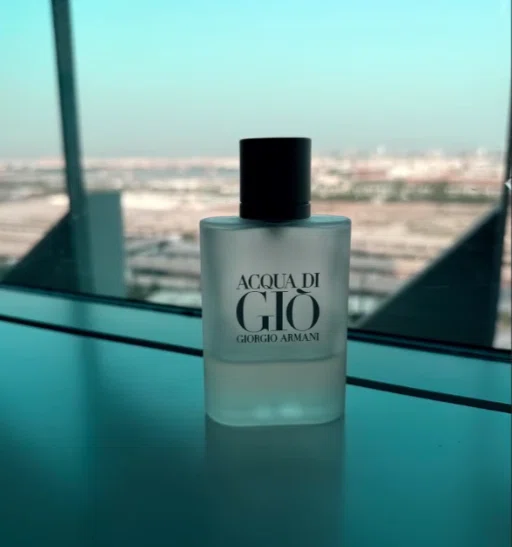
The Legacy: Why the Discontinuation of Acqua Di Giò Profumo Left a Massive Void
In the modern history of men’s perfumery, few releases have achieved the universally lauded status of Giorgio Armani’s Acqua Di Giò Profumo. Created by the legendary master perfumer Alberto Morillas and released in 2015, it was viewed as a masterful juxtaposition of light and dark. It took the brilliant, ethereal aquatic freshness of the original 1996 classic (which defined an entire decade of men’s grooming) and grounded it with a profound, dark, and smoky base of incense and patchouli.
To visualize the scent, imagine a man standing on jagged, black volcanic rocks on the Mediterranean coast; the bright, salty ocean spray crashes against the dark, ancient stone. That was Profumo.
When the news slowly trickled into the community that Acqua di Gio Profumo was discontinued, a wave of panic buying ensued across the USA. Bottles vanished from Sephora, Macy’s, and Ulta shelves, while secondary market prices on eBay and Mercari skyrocketed to unreasonable levels. But why did this specific discontinuation hurt the fragrance community so much?
From a purely formulation and chemical standpoint, Profumo achieved a very rare feat in the fragrance world. It is notoriously difficult to make highly volatile top notes—like citrus (bergamot) and marine accords (often synthesized using molecules like Calone)—last a long time on the skin. They evaporate quickly. Morillas solved this by tethering these light notes to heavy, resinous base notes (Incense and Patchouli) in a way that didn’t muddy the composition. The incense acted as an anchor, creating a long-lasting aquatic fragrance that remained fresh but possessed immense depth. It was, without hyperbole, a technical triumph in commercial perfumery.
Acqua Di Gio Parfum vs. Profumo: Did the Official Replacement Miss the Mark?
In response to the consumer outcry, the original brand released a successor in 2023: Acqua Di Giò Parfum. Many casual consumers naturally assumed this would be the exact same formula, simply repackaged in a more eco-friendly, refillable bottle. However, any seasoned fragrance evaluator or dedicated enthusiast will tell you that the ADG Parfum vs Profumo debate is highly nuanced.
While the new Parfum retains the aromatic, herbal heart of the composition—specifically the notes of clary sage, geranium, and rosemary—it fundamentally alters the dry-down experience. The signature “smoky incense” (often referred to as Olibanum) that gave Profumo its mature, mysterious, and slightly ecclesiastical edge has been significantly dialed back. In its place, the Parfum utilizes a cleaner, more generalized woody-amber base, often leaning heavily on modern aromachemicals like Ambroxan to push the projection.
For the average consumer walking into a department store, ADG Parfum is a fantastic, highly competent, and long-lasting aquatic fragrance. It is arguably more mass-appealing and office-safe. But for the die-hard fan, the soul of the fragrance—the dark, brooding smoke—has been sanitized. This precise formulation shift, prioritizing mass appeal over artistic edge, is exactly what triggered the massive surge in online searches for the best ADG Profumo clone.
The Fragrance Industry’s Supply Chain: Why Designer Colognes Cost So Much
To truly understand how to find a high-quality alternative that won’t break the bank, you must first understand why luxury fragrances cost what they do in the US market. As professionals who analyze raw material procurement and supply chain logistics, we often have to break hard truths to consumers: the “juice” (the actual scented liquid inside the bottle) in a $150 to $200 designer fragrance usually accounts for a very small fraction of the retail price.
The vast majority of your money goes toward an elaborate ecosystem of marketing and distribution. Here is a breakdown of where the costs typically lie in the traditional luxury model:
- Marketing & Celebrity Endorsements: Multi-million dollar ad campaigns featuring Hollywood A-list actors and massive billboard placements in Times Square or Los Angeles.
- Packaging & Bottle Design: Custom-molded heavy glass, magnetic caps, intricate atomizers, and elaborate presentation boxes add significant manufacturing and shipping weight costs.
- Retail Margins: Brick-and-mortar department stores and major beauty retailers demand massive wholesale discounts, often taking a 40% to 50% cut of the final retail price just to place the bottle on their shelves.
- Licensing Fees: Most fashion houses do not make their own perfume. They license their name to massive beauty conglomerates (like L’Oréal, Coty, or Estée Lauder), who handle the manufacturing and take their own profit margins.
By eliminating these intermediaries, independent and direct-to-consumer (DTC) fragrance houses can completely flip the cost structure. Instead of spending 80% on marketing and retail, they can reallocate capital directly into sourcing premium essential oils and higher concentrations of aromachemicals. This is basic supply chain economics. Organizations like the International Fragrance Association (IFRA) dictate the safe usage levels of raw materials, ensuring that any reputable independent house adheres to the exact same strict global safety standards as the major designer brands.
Table 1: Estimated Cost Structure Breakdown (Traditional Retail vs. Factory-Direct)
Note: The following table represents industry-standard estimations based on supply chain analysis and is intended to illustrate the economic models of different fragrance sectors. It does not reflect the exact confidential accounting of any specific brand.
| Cost Component | Traditional Luxury Brand ($150-$200 Retail) | Direct-to-Consumer/Indie Model ($40-$70 Retail) |
|---|---|---|
| Fragrance Oils / Raw Materials | Approx. 2% – 5% | Approx. 20% – 30% (Allows for higher oil concentration) |
| Marketing & Celebrity Campaigns | Approx. 25% – 30% | Approx. 5% – 10% (Primarily SEO & Organic Social Media) |
| Retail Markup (The Middlemen) | Approx. 40% – 50% | 0% (Sold directly via website to the USA) |
| Packaging (Bottle, Cap, Box) | Approx. 10% – 15% | Approx. 15% (Standardized, functional packaging) |
| Brand Licensing / Conglomerate Margin | Remaining % | Fair margin to sustain independent R&D |
Deconstructing the Scent: The Chemistry Behind the Profumo DNA
Creating a true, high-quality acqua di gio profumo dupe is not simply a matter of a perfumer blindly mixing essential oils in a beaker until it smells “close enough.” Modern perfumery is an exact science that relies heavily on advanced analytical chemistry, specifically Gas Chromatography-Mass Spectrometry (GC-MS).
If you read resources from industry authorities like Perfumer & Flavorist, you will understand how GC-MS works. In simple terms, a laboratory takes a physical sample of the original discontinued masterpiece, vaporizes it, and passes it through a machine that identifies the exact molecular weight, structure, and quantity of its individual chemical components. It gives the chemist a highly detailed “recipe” of the fragrance.
However, having the recipe is only half the battle. Sourcing the right ingredients to execute that recipe is where clones succeed or fail. To replicate the Profumo magic, a brand must perfect three distinct pillars:
- The Marine Accord: This is often achieved utilizing synthetic molecules like Calone 1951 or Cascalone to create that fresh, ozone, sea-breeze opening. If a clone uses cheap, unrefined aromachemicals here, the fragrance will smell like a harsh chemical household cleaner or take on a weird “fishy” or “egg-like” odor.
- The Aromatic Heart: Sourcing high-grade natural extracts of Clary Sage, Rosemary, and Geranium is vital. The quality of the Geranium, in particular, dictates whether the mid-notes smell like a sophisticated, wealthy gentleman or a cheap, dated barbershop splash.
- The Dark Base (The Ultimate Challenge): This is the blend of Patchouli (a leafy herb that smells earthy and woody) and Olibanum (Frankincense resin). Extremely cheap clones use low-grade synthetic patchouli which smells like damp, dirty earth. Premium formulations use fractionated patchouli (where the muddy, camphorous aspects are chemically removed, leaving only the clean woody facets) combined with high-quality incense resins to recreate that mysterious smoke.
Evaluating the Market: Budget Clones vs. Premium Extraits
When searching Google or browsing communities like Reddit’s r/Colognes or Fragrantica, you will inevitably encounter dozens of alternatives. To provide a fair, objective, and trustworthy guide, we must look at the entire landscape. The market is generally divided into mass-market budget clones and premium independent niche alternatives.
1. The Budget Middle Eastern Clones
Brands from the UAE have taken the USA market by storm, offering incredibly affordable alternatives.
- Lattafa Suqraat: If you read any Lattafa Suqraat review, you will see it is widely considered one of the most accessible clones on the market, often priced under $25. Pros: It captures the general “vibe” and DNA of Profumo incredibly well for the price. The packaging is also quite nice. Cons: Due to the low price point, it operates on thin margins. It typically uses an Eau de Toilette (EDT) concentration with harsher synthetic openings. Users frequently note that longevity is an issue, with the scent fading to a skin scent within 4 hours.
- Maison Alhambra Jorge Di Profumo: Another budget heavyweight. Pros: Excellent price-to-volume ratio and a bottle design that playfully mimics the original. Cons: Similar to Suqraat, it struggles to maintain the complex, deep patchouli base over a full 8-hour workday, often drying down to a generic woody musk.
2. The Premium Independent & DTC Brands
If you are willing to spend slightly more (typically in the $40 to $70 range), you enter the realm of independent brands that focus on higher oil concentrations and better raw materials.
- Alexandria Fragrances (Zest di Profumo): A highly respected name in the US clone community. Pros: Alexandria uses Extrait de Parfum concentrations, meaning longevity is vastly superior to the budget clones. They have a loyal following for their accuracy. Cons: Pricing is higher than Middle Eastern clones, and availability can sometimes be spotty depending on batch releases.
- Dua Fragrances (Intuition & Vision): Another powerhouse in the US indie scene. Pros: Known for “beast mode” performance and incredibly dense oil concentrations. Cons: The heavy oil concentration can sometimes make the opening notes feel a bit dense or “thick,” requiring the fragrance to sit on the skin for 20 minutes before it truly opens up.
- Imixx Perfumes (By Armani Acqua Di Gio Profumo Alternative): Operating on a direct-from-factory model. Pros: Imixx utilizes a strict Extrait de Parfum concentration while adhering to IFRA standards. By eliminating retail middlemen, they focus entirely on the quality of the raw materials, specifically targeting the smooth marine opening and the accurate, smoky incense base that budget clones miss. Cons: As a DTC brand, you cannot test it in a physical store before buying; you rely on online reviews and their formulation transparency. You can view their specific interpretation here: Imixx Profumo Dupe.
Table 2: Objective Comparison of Leading Alternatives
| Brand / Product | Estimated Price (USA) | Concentration | Longevity (Average) | Best Feature |
|---|---|---|---|---|
| Lattafa Suqraat | $20 – $30 | Eau de Parfum (EDP) | 4 – 6 Hours | Unbeatable budget price. |
| Maison Alhambra Jorge | $15 – $25 | Eau de Parfum (EDP) | 4 – 5 Hours | Great visual presentation. |
| Alexandria Fragrances | $40 – $65 | Extrait de Parfum | 8 – 10+ Hours | Established indie reputation. |
| Imixx Perfumes | $30 – $50 | Extrait de Parfum | 10 – 12+ Hours | High oil concentration & accurate incense base. |
The Science of Performance: Understanding Concentration and Maceration
One of the biggest frustrations for ordinary consumers is buying a fragrance that smells great in the first five minutes but disappears by lunchtime. To avoid this, you need to understand two critical industry terms: Concentration and Maceration.
Concentration refers to the ratio of pure fragrance oil to perfumer’s alcohol in the bottle.
- Eau de Toilette (EDT): Typically contains 5% to 15% oil. It projects loudly for the first hour because the high alcohol content evaporates quickly, but it fades fast.
- Eau de Parfum (EDP): Contains 15% to 20% oil. The industry standard for good performance.
- Extrait de Parfum: Contains 20% to 40% oil. Brands like Imixx, Dua, and Alexandria utilize this. Extrait doesn’t always “scream” across the room like an EDT, but it sits densely on the skin, creating a rich scent bubble that can last for 10 to 12 hours.
Maceration (or Maturation) is the fragrance equivalent of aging fine wine. Once the oils are mixed with the alcohol, the chemical bonds need time to stabilize. Premium manufacturers let large vats of the mixture sit in temperature-controlled environments for 4 to 8 weeks before bottling. This allows the harsh edge of the alcohol to burn off and the notes to round out.
If you buy a freshly manufactured budget clone and it smells “sharp” or “chemical,” it likely hasn’t macerated properly. A pro-tip from the fragrance community: spray the bottle 5-10 times to introduce oxygen into the tube, put it in a dark, cool closet, and let it sit for a month. You will often be amazed at how much smoother the scent becomes.
Expert Application Tips: How to Wear Aquatic Fragrances in the US Climate
Even with an Extrait de Parfum, your application technique dictates performance. The diverse climates across the USA—from the humid summers of Miami to the freezing, dry winters of Chicago—affect how your cologne performs.
- The Role of Skin Hydration: Fragrance oils are lipophilic; they bind to lipids (fats) on your skin. If you have dry skin, your body will absorb the oils rapidly, destroying the scent’s longevity. Always apply an unscented body lotion, moisturizer, or a light layer of petroleum jelly to your pulse points before spraying.
- Target Heat Zones: Your pulse points (the sides of the neck, behind the ears, inner elbows, and wrists) generate the most body heat. This heat acts as a natural diffuser, pushing the heavy incense and marine notes outward into the air.
- Never Rub Your Wrists: This is the most common mistake. Rubbing your wrists together creates friction and heat that literally breaks down the delicate molecular structure of the top notes (like the bright bergamot and sea spray). Simply spray and let the liquid air dry naturally.
- Fabric vs. Skin: For aquatic fragrances, consider the “clothing trick.” Spraying once on the collar of a 100% cotton t-shirt or a wool sweater will make the scent last exponentially longer—often for days—because fabric holds oils much better than human skin. Just be careful with dark oils on white clothing.
- Seasonal Adaptation: While Profumo (and its dupes) are considered “year-round signature scents,” the incense base truly shines in the cooler months or on summer evenings, while the marine top notes cut beautifully through the high heat of a summer day.
Frequently Asked Questions (FAQ): Decoding the World of ADG Profumo
1. What is the closest clone to Acqua di Gio Profumo?
Because scent is highly subjective, there is no single “perfect” answer. However, based on chemical composition and user consensus, independent houses that use Extrait de Parfum concentrations offer the closest complete experience. Brands like Alexandria Fragrances and Imixx Perfumes rank highly because they accurately capture the smoky incense base, whereas budget options like Lattafa Suqraat capture the opening but lack depth in the dry-down.
2. Why was Acqua di Gio Profumo discontinued by the manufacturer?
While Giorgio Armani never issued an official press release explaining the exact reason, industry insiders and supply chain experts point to a combination of factors. These include the rising and fluctuating costs of specific raw materials, corporate desires to streamline the massive ADG portfolio, and an industry-wide pivot toward eco-friendly, refillable packaging and slightly modernized formulas, which ultimately led to the launch of ADG Parfum.
3. Is Lattafa Suqraat a good dupe for ADG Profumo?
Yes, Lattafa Suqraat is an excellent budget-friendly entry point. It captures about 80% of the overall profile and is highly accessible. However, as noted in many reviews, you must manage your expectations regarding longevity. It typically performs like a moderate Eau de Toilette, lasting around 4 to 5 hours, and some users note a slightly more synthetic opening compared to higher-end clones.
4. What replaced Acqua di Gio Profumo on the market?
The official replacement from the brand is Acqua Di Giò Parfum. It comes in a similar dark bottle with a magnetic cap and is marketed as the modern evolution of the line.
5. Which is better: Acqua di Gio Profumo or Parfum?
This depends entirely on your personal taste. If you prefer a darker, more mature, mysterious, and “edgy” scent profile defined by heavy incense and patchouli, Profumo (or a high-quality clone) is superior. If you prefer a brighter, cleaner, more modern, and universally mass-appealing scent that is safer for the office, the new Parfum version might suit you better.
6. Does Maison Alhambra Jorge Di Profumo smell exactly like the original?
Maison Alhambra (a sub-brand of Lattafa) offers a very respectable approximation for its low price point. It mimics the opening marine and citrus notes well, but it falls somewhat flat in the base. It lacks the complex, rich olibanum (frankincense) that gave the original its legendary depth.
7. How long does a premium Extrait clone last on the skin?
A premium clone formulated at Extrait de Parfum concentration (typically 20%+ fragrance oil) should comfortably last 8 to 12 hours on moisturized skin, and easily 24+ hours on clothing. This is a significant upgrade over budget EDT clones.
8. Are cheap perfume clones safe to use?
Generally, yes. Whether you are buying a $20 Middle Eastern clone or a $50 USA-based indie brand, reputable companies adhere to safety guidelines set by the International Fragrance Association (IFRA). These guidelines regulate the usage levels of potential allergens. However, it is always recommended to avoid “flea market” knock-offs with no brand name, as their chemical sourcing cannot be verified.
9. Is Jazzab Silver similar to Acqua di Gio Profumo?
Jazzab Silver by Lattafa is frequently discussed in fragrance forums. While it shares the general aquatic and citrus DNA of the Acqua Di Giò family, most enthusiasts agree it is much closer to the original 1996 Eau de Toilette or the newer Profondo flanker. It does not have the dark incense base required to be a true Profumo dupe.
10. What is the best cheap alternative to Acqua di Gio Profumo?
If your budget is strictly under $25, Lattafa Suqraat is widely considered the reigning champion for the price. However, if you evaluate “best value” based on longevity and material quality rather than just upfront cost, spending $40-$50 on an Extrait de Parfum from an independent house provides a much better return on investment.
11. Does Acqua di Gio Profumo actually smell like incense and patchouli?
Absolutely. While the first 15 minutes are dominated by bright bergamot and salty sea spray, the heart and base of the fragrance are heavily anchored by rich Indonesian patchouli and smoky olibanum (incense). This contrast is the defining characteristic of the scent.
12. What are the main olfactory notes in Acqua di Gio Profumo?
The standard note breakdown is as follows:
Top notes: Sea Notes, Bergamot.
Heart notes: Rosemary, Sage, Geranium.
Base notes: Incense (Olibanum), Patchouli.
13. Is Acqua di Gio Parfum the exact same formula as Profumo?
No. While they share the same overarching DNA and herbal heart notes (sage and rosemary), the base formulations are tangibly different. The Parfum version drastically reduced the smoke/incense notes to create a cleaner, more modern woody dry-down.
14. Can I wear Acqua di Gio Profumo in the summer?
Yes, it is highly versatile. It is universally praised in the fragrance community as an ultimate “year-round signature scent.” The bright aquatic top notes make it refreshing enough for the high heat of a USA summer day, while the heavy incense base gives it enough depth and character for crisp autumn nights or formal evening events.
15. What is the best aquatic men’s fragrance clone overall?
The “best” is subjective, but for the specific balance of marine freshness and dark woods, Extrait-level formulations from brands like Alexandria Fragrances, Dua, or Imixx lead the pack due to their meticulous ingredient sourcing and superior performance over mass-market EDT alternatives.
16. Does Zara have an Acqua di Gio Profumo dupe?
Zara is famous for offering highly affordable fragrances that mimic designer trends. While scents like Zara Lisboa echo the original classic Acqua di Gio EDT, Zara does not currently have a permanent, widely recognized 1:1 clone of the dark, incense-heavy Profumo flanker in their lineup.
17. How can I tell if my fragrance has macerated properly?
If a new bottle smells overwhelmingly like rubbing alcohol or the notes feel “screechy” and disconnected, it may need time to macerate. As the fragrance matures, the alcohol scent subsides, the liquid may slightly darken in color (especially if it contains natural vanilla or resins), and the overall scent profile becomes richer, smoother, and longer-lasting.
Conclusion: Bridging the Gap Between Luxury and Accessibility
The discontinuation of a beloved, iconic fragrance like Acqua Di Giò Profumo is a frustrating reality of the profit-driven, fast-paced luxury beauty industry. It serves as a reminder that even modern masterpieces are subject to the whims of corporate streamlining and supply chain costs. However, this void in the market has also opened the door for incredible innovation and transparency from independent creators.
You no longer need to spend hundreds of dollars on the secondary market for a potentially expired or fake bottle. By understanding the underlying mechanics of fragrance creation—from GC-MS chemical analysis and the vital importance of maceration to the stark differences between an EDT and an Extrait de Parfum—you, the consumer, are empowered to make highly educated choices.
The search for the best acqua di gio profumo dupe isn’t just about finding a cheap mimicry; it’s about finding a brand that respects the structural integrity, the performance, and the high-quality raw materials of the original art piece. Whether you choose the incredible budget accessibility of a Middle Eastern house like Lattafa, the established indie reputation of Alexandria, or the factory-direct, high-concentration model of Imixx Perfumes, the power is in your hands.
We encourage you to explore these varied options. If you are seeking a high-performance, USA-accessible option that prioritizes pure oil concentration without the massive retail markup, exploring direct-to-consumer models is a logical and rewarding next step in your fragrance journey. True luxury is defined by the quality of the juice inside the bottle, not the multi-million dollar marketing budget behind it.
