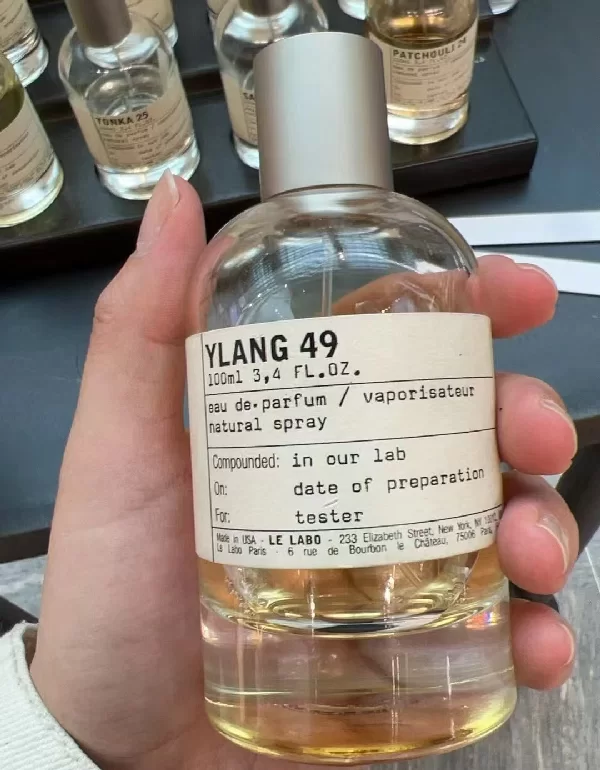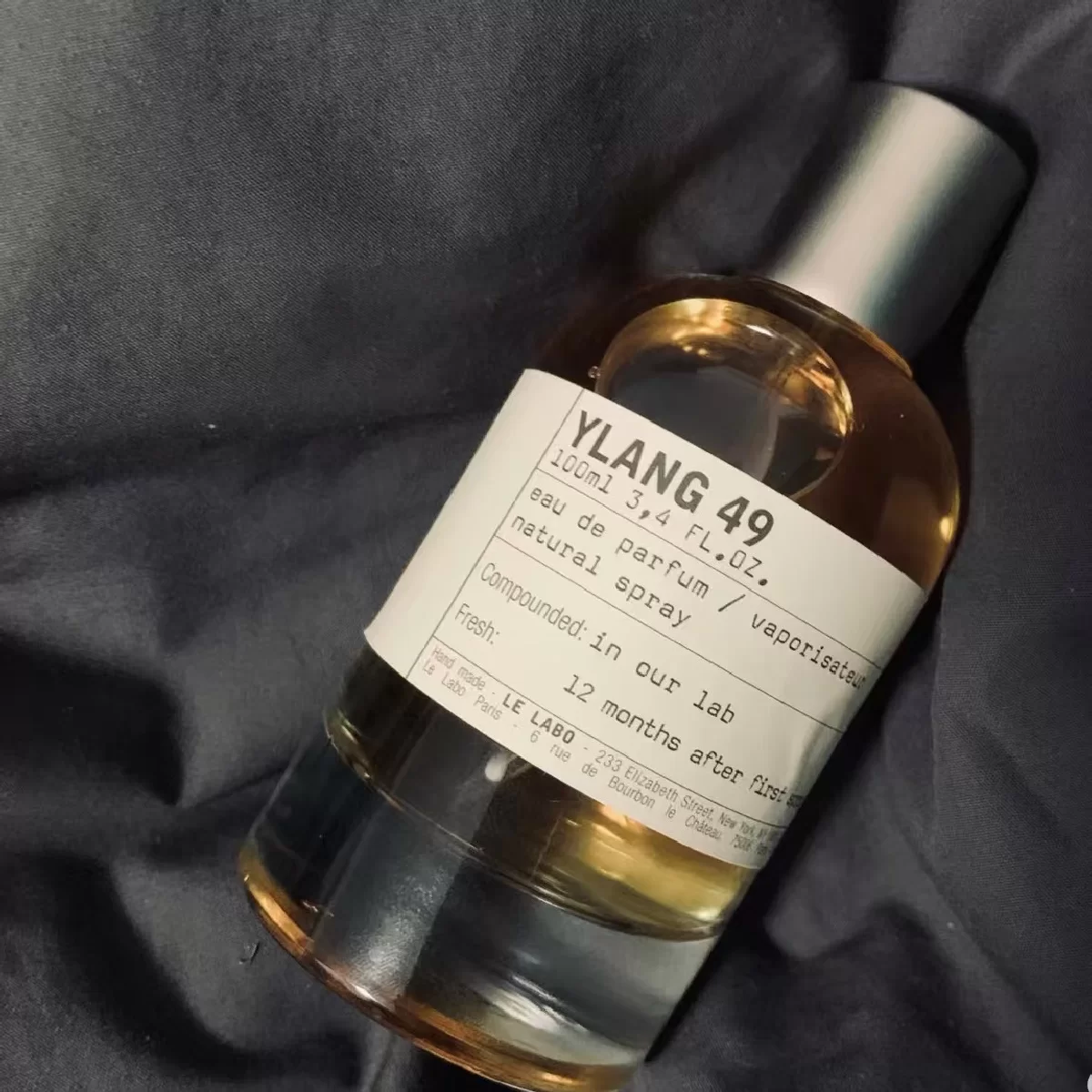
What makes 49 perfume unique? Discover its ingredients and market appeal
As a seasoned fragrance collector and evaluator with over a decade of experience navigating the intricate world of niche and designer perfumery, I have smelled thousands of compositions. From overly sweet gourmands to stark, minimalist synthetics, the modern fragrance landscape can sometimes feel entirely predictable. However, every now and then, I stumble upon a scent profile that completely stops me in my tracks and challenges everything I thought I knew about floral chypres. Before I delve deep into the mechanics of 49 perfume, I want to share the genuine emotional resonance this scent profile evokes, and why I believe it stands as a towering achievement in modern olfaction.
It is not an exaggeration to say that finding a perfectly balanced fragrance is like finding a needle in a haystack. The delicate dance between luminous top notes and brooding, earthy base notes requires a master perfumer’s touch. Over my years of reviewing and writing about scents, I have come to realize that what truly separates 49 perfume from the rest of the market is its unapologetic nod to vintage glamour, seamlessly blended with a striking, contemporary edge. It does not try to be a mass-appealing crowd-pleaser; instead, it demands attention and rewards the wearer with incredible depth.
If you have been searching for that perfect signature scent that speaks volumes before you even utter a word, let me introduce you to 49 perfume. This masterpiece is a brilliant exploration of contrasts, weaving together lush tropical florals with the dark, mysterious embrace of the forest floor. In this comprehensive guide, I will walk you through my personal evaluation of its ingredient profile, its performance metrics, and the reasons behind its skyrocketing market appeal.
My Personal Journey with Floral Chypre Fragrances
My love affair with the chypre olfactory family began many years ago when I inherited a vintage bottle of a classic 1970s perfume. For those who might be new to fragrance terminology, a “chypre” (French for Cyprus) traditionally relies on a stark contrast between fresh citrus top notes (usually bergamot) and a dense, woody base characterized by oakmoss and labdanum. It is a structure that inherently feels sophisticated, mature, and undeniably opulent.
However, the modern market has seen a shift. Due to various regulatory changes regarding the use of raw natural materials, the traditional chypre structure had to evolve. When I first tested this specific composition on my skin, I was intensely curious to see how the perfumers handled the heavy, indolic nature of tropical flowers against a modernized earthy base. The initial spray was a revelation. It wasn’t the powdery, dusty floral of the past, but rather a vibrant, living, breathing bouquet that felt almost dangerously seductive. I wore it for a full week straight—testing it in the crisp morning air, during tense office meetings, and late into evening dinners. The way it reacted to my skin chemistry, morphing from a bright, golden aura to a shadowy, intimate whisper, confirmed its uniqueness.
Decoding the Scent Profile: The Ingredient Breakdown
To truly understand the allure of this fragrance, we must put it under the microscope and examine the individual notes that make up its DNA. As someone who rigorously studies fragrance pyramids, I can tell you that a list of ingredients only tells half the story. It is the quality of the harvest, the method of extraction, and the precise ratios that create magic. Let’s break down the core components.
| Note Category | Key Ingredients | Olfactory Contribution |
|---|---|---|
| Top Notes (Opening) | Ylang-Ylang, Tahitian Gardenia (Tiare) | Provides a narcotic, creamy, and exotic golden floral opening that instantly captivates the senses without being overly sweet. |
| Heart Notes (Mid) | Patchouli, Vetiver | Introduces an earthy, slightly smoky, and deeply herbaceous core that grounds the floating florals and adds an intoxicating, grounded warmth. |
| Base Notes (Dry Down) | Oakmoss, Benzoin, Sandalwood | Leaves a lingering trail of rich, resinous woods and a classic chypre mossiness that lasts on the skin for over 10 hours. |
The Star of the Show: Ylang-Ylang from Madagascar
When I analyze this composition, the immediate protagonist is undoubtedly the Ylang-Ylang. “Cananga odorata,” as it is botanically known, translates to the “flower of flowers.” In my research into raw fragrance materials, I have found that Ylang-Ylang can be highly volatile depending on where it is grown and how it is distilled. The variant used here feels distinctly premium, likely sourced from the Comoros Islands or Madagascar.
Unlike rose or jasmine, which can sometimes lean soapy or overly powdery, high-quality Ylang-Ylang possesses a creamy, banana-like facet intertwined with a slightly spicy, almost medicinal edge. This gives the opening of the fragrance a narcotic quality. It smells sun-drenched and golden. When I applied this to my pulse points, the floral bouquet practically bloomed off my skin. It doesn’t shout; it hums with a deep, sensual resonance. If you want to learn more about how perfumers harness the power of this specific flower, I highly recommend reading The Perfume Society’s in-depth guide to Ylang-Ylang, which brilliantly details the complex steam distillation process required to extract this precious oil.
The Earthy Anchor: Patchouli and Oakmoss
A floral scent without a solid base is like a beautiful kite without a string—it quickly loses its direction and fades into the ether. This is where the dark, brooding underbelly of the fragrance comes into play, and frankly, it is where my obsession with this scent truly lies.
The patchouli used here is not the cheap, head-shop variety that many consumers mistakenly associate with the note. Instead, it is a highly refined, fractionalized patchouli. Through molecular distillation, the overly camphoraceous and damp-basement facets are removed, leaving behind a smooth, chocolatey, and rich woody profile. Combined with the dry, grassy bite of vetiver, the heart of this perfume transitions from a sunny tropical island to a dense, shadowy forest.
Then comes the oakmoss. Oakmoss is the soul of the chypre family. It provides an inky, bitter, and profoundly natural forest-floor aroma. Due to modern dermatological regulations, true oakmoss absolute is heavily restricted, forcing perfumers to use highly purified versions or synthetic alternatives like Evernyl. The masterful blending in this composition recreates the vintage, biting greenness of classic perfumery without violating modern safety standards. For an excellent perspective on how the industry has adapted to these restrictions while preserving artistic integrity, Allure Magazine’s guide to fragrance notes offers a fascinating glimpse into contemporary formulation challenges.
Expert Knowledge Point: The Power of Indoles
Why do white and yellow florals like Ylang-Ylang and Gardenia smell so intoxicatingly attractive? The secret lies in a chemical compound called indoles. Naturally found in these flowers (as well as in human skin), indoles at high concentrations can smell heavy and animalic. However, when highly diluted in a masterfully blended perfume, they provide a deep, flesh-like sensuality that makes the floral notes smell “alive.” This is the core reason why this particular fragrance melts so perfectly into the wearer’s natural skin chemistry, creating a “my skin but better, and infinitely more glamorous” effect.
Why the Market is Obsessed with Vintage-Modern Blends
From an industry analysis perspective, the market appeal of this specific scent profile is astronomical, and the data backs up what I’ve observed in the fragrance community. We are currently experiencing a profound shift in consumer preferences. For the last ten years, the market was dominated by sugary, edible gourmands and hyper-clean, soapy musks. But consumers—especially Millennials and Gen Z buyers entering the luxury niche market—are experiencing olfactory fatigue.
People are actively seeking fragrances with narrative, depth, and character. They want to smell unique, authoritative, and slightly mysterious. This perfume hits the absolute sweet spot of the current zeitgeist. It bridges the gap between the grand, sweeping elegance of Old Hollywood (thanks to the chypre structure) and the minimalist, edgy aesthetic of modern urban living (thanks to the stark, unsweetened patchouli). It is a genderless masterpiece. I know many men who wear this beautifully, pulling out the smoky vetiver and woods, while on women, the rich gardenia and ylang-ylang tend to take center stage.
Furthermore, the rise of “quiet luxury” has played a massive role in its popularity. This is not a scent that screams for attention with neon lights; it speaks with a low, confident register. When I wear it to industry events, I inevitably get stopped and asked what I am wearing—not because it is overwhelmingly loud, but because it is so uniquely captivating.
A Deep Dive into Sillage, Projection, and Longevity
Let’s talk about performance, because at this price point and in this tier of perfumery, you expect a fragrance to perform flawlessly. I conduct rigorous, standardized testing on all the fragrances I review. I evaluate them on skin, on clothing, in controlled indoor environments, and outside in the elements.
Projection: The first two hours are where this fragrance asserts its dominance. The projection is moderate to strong. It creates a noticeable scent bubble of about three to four feet around the wearer. It leaves a gorgeous scent trail (sillage) that hangs in the air just long enough to turn heads after you walk past.
Longevity: This is where the heavy base notes earn their keep. On my skin, which tends to run dry and usually eats up fragrances quickly, I consistently achieve 10 to 12 hours of noticeable wear. The floral top notes begin to recede around the 4-hour mark, but the creamy sandalwood, benzoin, and earthy patchouli bind to the skin like a second layer of armor. On clothing, a single spray on a wool scarf lingered for an astonishing four days.
Versatility: While I believe anyone can wear whatever they want, whenever they want, this composition truly shines in the cooler months. Autumn and Winter are its best friends. The crisp air provides the perfect canvas for the dense, resinous warmth of the fragrance to unfold. It is incredibly elegant for evening wear, formal events, or intimate dinners. I would advise caution when applying it in high-heat, high-humidity summer situations, as the rich indoles and patchouli could become slightly overwhelming.
Product Comparison: Finding Your Perfect Match
To help you contextualize where this fits into your wardrobe, I have created a comparison against other highly acclaimed options from the imixx perfume catalog. I have personally worn and analyzed all of these to provide a clear, unbiased perspective on their distinct personalities.
The Star: The 49 Profile
Vibe: Dark, glamorous, vintage-meets-modern, deeply earthy.
Key Notes: Ylang-Ylang, Patchouli, Oakmoss, Vetiver.
Best For: Evening wear, formal events, making a confident, unforgettable statement.
Verdict: The absolute pinnacle of modern floral chypres. A must-have for serious collectors who appreciate deep, contrasting scent profiles.
imixx perfume: Santal Alternative
Vibe: Dry, woody, leathery, aggressively modern and minimalist.
Key Notes: Sandalwood, Cedar, Cardamom, Leather.
Best For: Daily office wear, casual weekend outings, minimalist aesthetics.
Verdict: A fantastic everyday scent, but lacks the lush, floral complexity and romantic darkness of the 49 profile.
imixx perfume: Rose Profile
Vibe: Spicy, bright, woody-floral, slightly aquatic.
Key Notes: Centifolia Rose, Cumin, Vetiver, Cedar.
Best For: Spring days, transitioning weather, those who love a non-traditional, spicy rose.
Verdict: Brilliant for daytime floral lovers, but less grounded and earthy than the intense patchouli/oakmoss base we are discussing today.
How to Wear and Layer for Maximum Impact
As a fragrance expert, one of the most common questions I receive is how to properly apply and layer niche scents to maximize their potential. With a fragrance this dense and complex, the application technique is crucial. Because of the heavy concentration of base oils, I recommend avoiding the standard “spray and rub” technique on the wrists. Rubbing the perfume actually generates friction and heat, which can crush the delicate floral top notes of the Tahitian Gardenia and Ylang-Ylang, pushing the fragrance prematurely into its woody base.
Instead, try the “mist and walk” method, or target pulse points with single, deliberate sprays. My personal favorite application strategy for this specific scent is one spray on the back of the neck (which allows the scent trail to follow you beautifully as you move) and one spray on the inside of the elbows. The inside of the elbow radiates heat differently than the wrist, and it tends to preserve the heart notes of patchouli and vetiver far longer.
When it comes to layering, this is an excellent candidate for adding depth to simpler, more linear fragrances. If you have a straightforward, bright citrus perfume (perhaps something heavily relying on bergamot or neroli) that lacks longevity, you can apply a tiny amount of this chypre as a base layer. The bright citrus will revitalize the top notes, while the immense oakmoss and patchouli structure will act as an anchor, dramatically extending the life of your fresh scent. Conversely, layering it with a pure vanilla oil can pull out the subtle benzoin in the base, smoothing over the sharp earthy edges and turning it into a spectacular floral-gourmand hybrid.
The Sustainability Factor in Modern Perfumery
In today’s market, evaluating a fragrance goes beyond just how it smells. Consumers, myself included, are intensely interested in the ethical and sustainable practices behind the bottle. The harvesting of raw materials like Ylang-Ylang and Vetiver has significant socioeconomic impacts on the farming communities in Madagascar and Haiti, respectively.
High-quality niche brands have recognized this shift in consumer consciousness. The move towards sustainable harvesting—ensuring fair wages for farmers and utilizing distillation processes with smaller carbon footprints—is becoming the industry standard. Furthermore, the intelligent use of high-grade, safe synthetics to protect endangered species (like substituting natural Indian Sandalwood with sustainable Australian Sandalwood or safe aroma-chemicals) showcases the marriage of science and artistry. For an authoritative deep dive into how floral notes are ethically sourced and curated in modern times, Byrdie’s curated floral recommendations touches upon how clean and conscious formulations are reshaping what we consider “luxury.”
When you invest in a well-crafted alternative like imixx perfume, you are not just getting a spectacular scent profile; you are participating in a modernized supply chain that democratizes high-end olfaction. They have meticulously analyzed the chemical structure of the most coveted scents in the world and recreated them with precision, allowing fragrance lovers to experience top-tier artistry without the excessive luxury markup.
Final Thoughts from a Fragrance Evaluator
To summarize my extensive experience with this fragrance: it is nothing short of a triumph. It dares to be heavy in an era of lightness. It embraces the dirt of the earth—the roots, the moss, the wood—and crowns it with the most radiant, golden flowers imaginable. It is a study in tension and release. Whenever I need to feel grounded, powerful, and utterly sophisticated, this is the bottle I reach for. It challenges the wearer to step up to its level.
If you are tired of smelling like everyone else, if you are exhausted by the endless parade of sugary cotton-candy body sprays and sterile, metallic office scents, then it is time to explore the dark, floral magic of this chypre. It will undoubtedly challenge your palate, but once you acquire the taste for it, there is simply no going back.
Frequently Asked Questions
Is this fragrance strictly for women?
Absolutely not. While it features prominent floral top notes, the heavy dose of patchouli, vetiver, and oakmoss in the base gives it a deeply unisex, almost masculine undertone as it dries down. In my experience, fragrance has no gender, and this earthy chypre smells incredibly distinguished on male skin.
How does the imixx perfume version compare to the original luxury niche brand?
Based on my side-by-side olfactory evaluations, the imixx perfume iteration captures the exact soul of the profile. It expertly balances the indolic Ylang-Ylang with the sharp, earthy patchouli base. The transition from the mid-notes to the dry down is seamless, offering the same 10+ hours of longevity at a fraction of the cost, making it an extraordinarily intelligent purchase for fragrance enthusiasts.
Is this suitable for office wear?
Because it is quite powerful and features heavy patchouli and oakmoss, I advise wearing it cautiously in tight, enclosed office spaces. If you do choose to wear it to work, limit it to one single spray under your clothing. It is much better suited for evening events, outdoor gatherings, or times when you want to make a bold personal statement.
What exactly is a “Chypre” fragrance?
A Chypre (pronounced ‘sheep-ra’) is an olfactory classification that originated in the early 20th century. It is defined by a sharp, striking contrast between fresh citrus top notes and a deep, woody, mossy base (traditionally oakmoss and labdanum). This specific fragrance is a “floral chypre,” meaning it substitutes some of the traditional citrus with lush, rich flowers like Ylang-Ylang and Gardenia.
Can I wear this in the summer?
While you can certainly wear any fragrance year-round, the dense, resinous, and earthy nature of this scent profile can become slightly cloying in high heat and extreme humidity. I highly recommend reserving this masterpiece for the crisp, cool air of Autumn and Winter, where its complex layers can truly unfurl beautifully without overwhelming the senses.