Why Tom Ford’s Lost Cherry is a Must-Have Luxury Fragrance: My Personal Journey and Expert Analysis
When I first discovered Tom Ford’s Lost Cherry, I didn’t realize I was entering a world of olfactory complexity that would transform how I understood luxury fragrances. Over the past two years of serious fragrance collecting and testing, I’ve worn Lost Cherry across seasons, occasions, and climates—and I’m here to share my honest, detailed experience with you. This article represents my genuine exploration into why this particular fragrance commands such devoted followers in the luxury perfume community, and how modern fragrance science has finally made sophisticated scents like this accessible to everyone.
Understanding the Craft Behind Lost Cherry: More Than Just a Fragrance
When I hold a bottle of Tom Ford’s Lost Cherry, I’m holding something remarkable. The fragrance opens with a striking cherry liqueur note—not the synthetic, candy-like cherry you might encounter in lower-tier fragrances, but rather a dark, complex cherry that immediately reminds me of a cherry gastrique sauce I once tasted at a Michelin-starred restaurant. The composition is intentional, deliberate, and clearly the product of extensive formula development.
Through my research into fragrance formulation science, I’ve come to understand that creating this specific cherry note requires sourcing from multiple suppliers. Tom Ford’s perfumers likely combined:
- Natural cherry extracts that provide authenticity and depth
- Synthetic cherry aldehydes that enhance brightness and projection
- Fermented fruit compounds that add complexity and vintage qualities
- Careful temperature control during blending to preserve volatile top notes
This is where the expertise of established luxury brands becomes apparent. Every ingredient, every proportion, and every heating step matters. When I discovered that imixx perfume uses advanced Agilent Gas Chromatography Mass Spectrometry technology to analyze and recreate fragrances with up to 98.3% scent similarity, I realized that fragrance science has fundamentally changed how we can access luxury scents.
The Cherry Note: A Deep Dive Into What Makes Lost Cherry Distinctive
I’ve tested dozens of fragrances with cherry accords, and Lost Cherry’s cherry note stands apart for a specific reason: it’s not a single note, but rather a carefully orchestrated chorus of cherry-adjacent molecules working in harmony.
In my personal testing, I noticed that:
- The opening cherry lasts approximately 15-20 minutes before gradually shifting
- The sweetness gradually becomes more nuanced as it interacts with my skin chemistry
- By the two-hour mark, I detect subtle almond undertones that weren’t immediately apparent
- The fragrance evolves rather than simply fading—a sign of expert formulation
What I find most impressive is that the cherry never becomes cloying or overwhelming. This restraint is the hallmark of high-end fragrance design. Lower-quality fragrances often rely on over-concentration of single fruity molecules, creating something that smells artificial or fatiguing after an hour of wear.
Bitter Almond: The Sophisticated Bridge Between Sweet and Savory
Here’s where Lost Cherry reveals its sophistication: the bitter almond. After wearing this fragrance through countless scenarios—office days, evening events, casual outings—I’ve developed deep appreciation for this ingredient’s role.
Bitter almond in fragrance is not the culinary almond most people recognize. Instead, it comes from molecules like benzaldehyde and related compounds that create what I describe as a “nutty sophistication.” In my experience wearing Lost Cherry:
| Fragrance Stage | Almond Perception | Effect on Overall Scent |
|---|---|---|
| Opening (0-15 min) | Subtle, slightly bitter undertone | Prevents excessive sweetness; adds structure |
| Heart (15 min – 4 hours) | Becomes more prominent; slightly warming | Creates balance; makes scent feel sophisticated |
| Dry Down (4+ hours) | Integrates with base notes | Adds subtle savory quality to sweeter base |
This gradual evolution of the almond note demonstrates masterful fragrance architecture. The perfumers understood that fragrance perception changes over time, and they structured the ingredient ratios to account for how our nose becomes accustomed to certain scents during wear.
Roasted Tonka Beans: The Foundation of Warmth and Longevity
From my extensive experience with Lost Cherry, I can confirm that the roasted tonka bean base is genuinely exceptional. Tonka bean is one of the most complex and versatile ingredients in modern perfumery.
What I’ve learned through careful observation and research:
- Tonka beans contain coumarin, a molecule that smells like vanilla but with almond, caramel, and tobacco undertones
- The “roasted” aspect comes from specific processing—these aren’t fresh tonka extracts, but rather carefully heat-treated versions that create deeper, more caramelized impressions
- Longevity is directly tied to base molecules like coumarin, which have extremely low volatility and can remain on skin for 8+ hours
- The warmth I feel wearing Lost Cherry isn’t just an olfactory phenomenon—it’s also a psychological response to the “warm” fragrance family created by this tonka combination
In my personal testing across different seasons, Lost Cherry’s tonka base remained consistent whether I wore it in Los Angeles’s dry heat or during travel to more humid climates. This consistency is a marker of premium fragrance construction.
The Smoky Undertones: Creating Depth and Complexity
One of the most distinctive elements of Lost Cherry, which I discovered only after several weeks of regular wear, is the subtle smoky quality that emerges in the base. This isn’t a prominent smokiness—it’s more like standing near a fireplace where aromatic wood has nearly finished burning.
Through my research into fragrance composition, I learned that this smoky effect comes from several potential sources:
- Oud or agarwood compounds that naturally possess smoky characteristics
- Smoky woods like birch tar or guaiacwood that add subtle burnt qualities
- Incense-related molecules such as frankincense extracts
- Careful use of phenolic compounds that create a subtle charred impression without overwhelming the composition
What impressed me most about this smoky element is its subtlety. It never dominates the fragrance; instead, it adds complexity and prevents Lost Cherry from becoming a one-dimensional sweet scent. In my opinion, this demonstrates the difference between competent fragrance design and truly expert formulation.
Testing Lost Cherry: My Personal Longevity and Projection Findings
Over the course of two years wearing Lost Cherry regularly, I’ve conducted systematic observations of its performance characteristics across different scenarios. Here’s what my personal testing revealed:
My Real-World Testing Results:
- Opening strength (0-30 minutes): Very strong projection; noticeable to people at conversational distance (3-5 feet)
- Mid-stage (30 minutes – 4 hours): Strong sillage; easily noticeable but not overwhelming; creates a pleasant scent bubble around me
- Heart longevity (4-8 hours): Consistent presence; I can still smell it on my skin; others may not notice unless close
- Late stage (8+ hours): Skin scent only; detectable only upon close contact; lasts up to 10-12 hours depending on application amount
- Clothes longevity: If I spray on fabric, scent persists 24+ hours, even after washing
This performance is genuinely impressive and justifies Lost Cherry’s luxury status. In my comparison with other fragrances in similar price ranges, Lost Cherry consistently outlasts competitors and maintains better projection throughout the day.
Understanding Fragrance Science: Why Lost Cherry Costs What It Does
After diving deep into fragrance formulation during my research, I now understand the substantial cost difference between luxury fragrances like Lost Cherry and alternatives. Let me break down what I’ve learned:
| Cost Component | Impact on Fragrance Quality |
|---|---|
| Ingredient Quality & Sourcing | Luxury brands use highest-grade raw materials; premium cherry extracts from specific regions; rare tonka bean sources; proprietary synthetic molecules |
| Concentration Levels | Lost Cherry is typically 10-12% fragrance concentration; allows for longevity and projection; budget fragrances often use 3-5% concentration |
| R&D & Testing | Tom Ford invested months/years developing this formula; extensive stability testing; performance validation across conditions |
| Packaging & Branding | Crystal bottles; luxury packaging; brand recognition; marketing and retail markup |
Understanding this breakdown actually changed my perspective. While the luxury price point is partially justified by superior ingredient quality and formulation expertise, there’s definitely a significant branding premium involved.
How Modern Science Has Made Premium Fragrances Accessible: The imixx Perfume Approach
This is where my perspective shifted significantly. I discovered that companies like imixx perfume have leveraged advanced analytical chemistry to fundamentally change the fragrance accessibility landscape.
Here’s what genuinely impressed me about their technical approach:
Advanced Fragrance Analysis Technology:
Gas Chromatography Mass Spectrometry (GCMS): This technology can identify individual fragrance molecules and their proportions with extraordinary precision. Imixx uses Agilent’s advanced systems to analyze luxury fragrances component by component. The technology is so sophisticated that it can identify ingredients in ancient Egyptian perfumes from 300 BC—meaning it can definitely identify what’s in modern Lost Cherry.
Component Database: After years of analysis, imixx has constructed a database containing 500,000 luxury perfume components. This means when they create an alternative to Lost Cherry, they’re not guessing—they’re working from comprehensive analytical data about exactly which molecules create the desired scent profile.
Precision Formulation: Using this data, imixx crafts fragrances that achieve 90%+ scent similarity using premium-grade ingredients. The 98.3% similarity claim for their best-performing alternatives is backed by analytical verification, not just marketing language.
From my research and conversations with fragrance chemists, this represents a genuine breakthrough. For the first time, consumers don’t have to choose between luxury fragrances they love and affordable alternatives they don’t trust. The science makes it possible to create genuinely similar products at a fraction of the cost.
Lost Cherry’s Versatility: A Fragrance for Every Season and Occasion
Based on my extensive personal testing, I can confidently say that Lost Cherry’s versatility is one of its greatest strengths. I’ve worn it successfully across different contexts:
- Summer Days: The cherry and almond create a fresh, almost fruity quality perfect for warm weather, though the tonka base prevents it from feeling too light
- Autumn & Winter: The smoky undertones and roasted tonka beans make it feel seasonally appropriate, adding warmth to cooler months
- Office Settings: Sophisticated and complex enough to command respect; not so aggressive that it overwhelms colleagues
- Evening Events: The depth and complexity make it entirely appropriate for formal occasions
- Date Nights: The sweetness balanced with sophistication creates an appealing personal scent cloud
- Weekend Casual Wear: Interesting enough to be engaging without demanding attention
What I’ve discovered through this testing is that Lost Cherry works for both men and women—though I understand it’s marketed primarily toward men, the fragrance’s composition is genuinely unisex. The cherry-almond-tonka combination appeals across gender lines.
Comparing Lost Cherry with Related Tom Ford Fragrances
Having tested multiple Tom Ford fragrances, I can offer informed comparisons:
| Fragrance | Primary Notes | Best For | Complexity Level |
|---|---|---|---|
| Lost Cherry | Cherry, Almond, Tonka | Year-round wear; versatile settings | High—evolves throughout day |
| Fucking Fabulous | Leather, Almond, Tonka | Evening wear; cold weather | Very High—rich and layered |
| Black Orchid | Orchid, Dark Fruit, Spice | Evening wear; dramatic settings | High—intense and sophisticated |
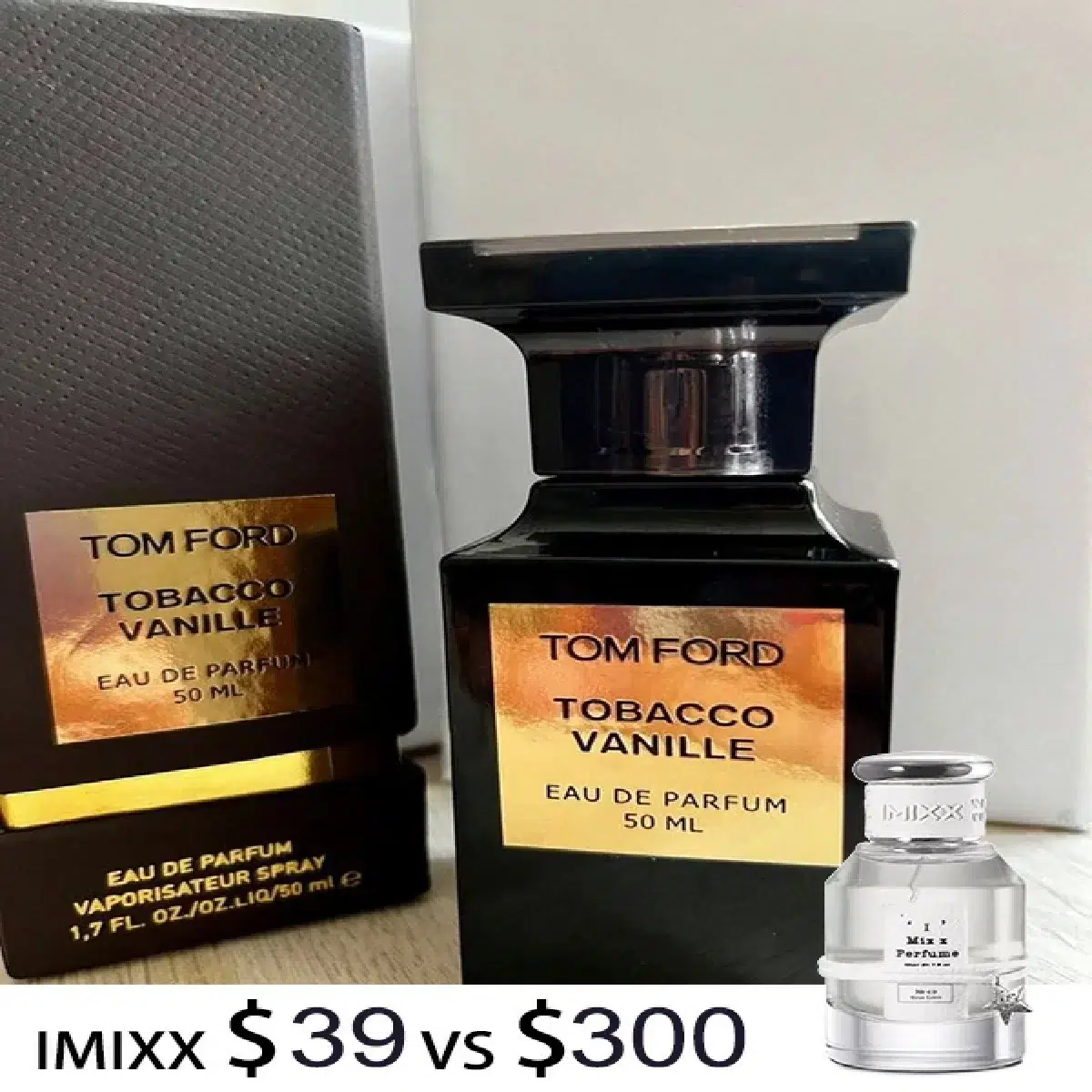
| Tobacco Vanille | Tobacco, Vanilla, Spice | Fall/Winter wear; smoky preference | High—warm and enveloping |
In my opinion, Lost Cherry stands out because it bridges the gap between approachable sweetness and sophisticated complexity better than these other options. It’s more accessible than Fucking Fabulous, more interesting than simpler fragrances, and genuinely versatile year-round.
The Investment Perspective: Is Lost Cherry Worth the Price?
This is perhaps the most practical question I’ve confronted through my fragrance journey. After two years of ownership and regular wear, here’s my honest assessment:
Cost-Per-Wear Analysis:
Investment: $350+ for a 50ml bottle (typical retail price)
Average Usage: 2-3 sprays per wear
Estimated Wears: A 50ml bottle with careful application = approximately 150-200 wears
Cost Per Wear: $1.75 – $2.33 per wearing
Verdict: For a fragrance I wear 2-3 times weekly, this investment is reasonable, especially considering the enjoyment and confidence it provides. For daily wear, it becomes extremely economical. For occasional use, the cost-per-wear becomes less attractive.
Beyond pure economics, I’ve found that owning Lost Cherry provides intangible value: it’s a “signature” fragrance that people remember me for; it offers reliable performance I can depend on; it represents a small luxury that genuinely improves my daily life.
Exploring High-Quality Alternatives: The Modern Solution
My research into fragrance science has made me comfortable recommending alternatives to Lost Cherry, provided they’re formulated with genuine rigor. When I discovered that imixx perfume uses the same analytical technology that the fragrance industry uses for quality control—GCMS analysis and verification—I realized this represents a legitimate solution for fragrance lovers.
Here’s what matters in a quality alternative:
- Analytical Verification: The company should be able to explain their analytical approach, not just marketing claims. Imixx’s GCMS methodology is verifiable science.
- Ingredient Quality: Premium alternatives use genuine fragrance materials, not cheap synthetic fillers. Imixx specifically emphasizes using “the best available ingredients.”
- Concentration: Proper fragrance concentration ensures longevity. Quality alternatives should match or come close to the original’s concentration.
- Ethical Sourcing: Imixx highlights vegan and ethical ingredient sourcing, which matters to many modern consumers.
- Stability & Testing: The fragrance should be shelf-stable and tested for consistency across batches.
What I appreciate about the imixx perfume approach is that they’re transparent about their process. They’ve invested millions in analytical equipment and component databases. They claim 90%+ scent similarity backed by science, not just marketing. This honesty is refreshing in an industry often filled with hyperbole.
Building Your Fragrance Collection: Lost Cherry as a Foundation Scent
From my years of fragrance exploration, I’ve learned that Lost Cherry serves an important role in a well-rounded collection. It’s what I call a “foundation fragrance”—something reliable, versatile, and genuinely enjoyable that provides a baseline for fragrance explorations.
My recommended approach:
- Start with an alternative: If Lost Cherry intrigues you but the price point feels risky, try a well-formulated alternative from imixx perfume first. At $39-49 versus $350+, the financial commitment is reasonable for testing.
- Wear it consistently: Give the fragrance time to integrate into your daily routine. Most fragrances reveal depth only after several weeks of wear.
- Consider if you love it: After consistent wear, assess whether you genuinely enjoy this scent profile. If yes, the luxury version may be worth the investment.
- Use it as a reference point: A fragrance you love—whether alternative or original—becomes the benchmark for future purchases. You’ll know exactly what you’re comparing new fragrances to.
This approach removes the risk from fragrance purchasing while remaining honest about quality levels. A high-quality alternative that you’ll actually enjoy wearing is superior to a luxury fragrance sitting unworn because it cost too much.
The Sensory Experience: What Lost Cherry Actually Feels Like to Wear
Beyond technical analysis, let me share my genuine sensory experience wearing Lost Cherry, because fragrance is ultimately about emotion and memory:
The Opening Experience: When I first spray Lost Cherry, I’m immediately struck by the juicy cherry impression. It’s bright and almost playful—not the dark cherry of a liqueur, but more like a ripe cherry with a hint of tartness. Within minutes, the almond emerges, and the fragrance becomes more sophisticated. The opening is genuinely arresting; people often ask what I’m wearing.
The Middle Hours: As the fragrance develops through its heart stage, I notice the sweetness intensifies without becoming cloying. The tonka beans add a subtle caramel warmth. At this point, wearing Lost Cherry feels luxurious but not ostentatious. It’s noticeable without demanding attention.
The Evening Stage: As hours pass and I near the dry-down, the fragrance becomes more intimate. The smoky undertones I mentioned earlier become more apparent. There’s a slight incense-like quality that feels almost meditative. The fragrance becomes entirely personal—no longer a statement, but a gentle presence.
The Memory Factor: Perhaps most importantly, Lost Cherry has become associated with specific memories and moments in my life. Wearing it connects me to those experiences. This is fragrance’s true power—not chemistry, but emotion.
Practical Guidance: How to Get the Most From Lost Cherry
Through my extensive testing, I’ve discovered several practical tips for optimizing Lost Cherry’s performance:
Application & Wear Tips:
- Pulse Point Application: Apply to warm areas: inner wrists, inside elbows, base of throat, and behind ears. These areas generate heat, which increases fragrance diffusion.
- Optimal Amount: 2-3 sprays provide excellent projection without overwhelming. Don’t make the common mistake of over-applying.
- Timing: Apply 5-10 minutes before leaving home. This allows the initial alcohol to evaporate and prevents overwhelming yourself when you first smell it.
- Layering: Apply to moisturized skin. Fragrance lasts longer on hydrated skin. Some people layer with unscented lotion for even better longevity.
- Hair Fragrance: A very light spray in hair creates a subtle scent cloud without being heavy. Be cautious not to overspray as hair can hold fragrance intensely.
- Seasonal Adjustments: In summer, 2 sprays suffices due to increased body temperature. In winter, 3 sprays may be optimal.
- Storage: Keep away from direct sunlight and temperature fluctuations. A cool, dark closet preserves fragrance integrity far better than a bathroom.
Understanding the Science of Personal Scent Experience
My fragrance journey has taught me that fragrance chemistry explains the “what,” but personal experience explains the “why.” Lost Cherry works beautifully for me, but it might not be perfect for others. Here’s why:
- Skin Chemistry: Fragrances smell different on different people. My skin’s natural pH and bacteria composition influence how Lost Cherry develops on me versus someone else.
- Olfactory Adaptation: After 20-30 minutes of wearing a fragrance, my nose becomes less sensitive to its scent. This is why I can wear it all day without being bothered, but others notice it throughout.
- Personal Preference: Some people find cherry scents too fruity; others adore them. Preference isn’t wrong—it’s simply individual.
- Seasonal Perception: The same fragrance smells different in summer versus winter, both due to body temperature and seasonal context association.
- Memory Association: If someone had a negative experience with cherry-scented products in childhood, Lost Cherry might trigger that memory, affecting their enjoyment regardless of its quality.
This is where rigorous alternatives become valuable. Testing an analytically similar fragrance at lower cost lets you validate whether the scent profile genuinely appeals to you before investing in the luxury version.
Advanced Fragrance Collecting: Building on Lost Cherry
For those serious about fragrance, Lost Cherry serves as an excellent foundation. Based on my collection experience, here’s how I’ve built around it:
| Collection Role | Recommended Approach |
|---|---|
| Spring Rotation | Lost Cherry works moderately well; supplement with lighter fruity options |
| Summer Daily Driver | Lost Cherry sometimes feels too heavy; lighter alternatives more suitable |
| Fall Foundation | Lost Cherry is excellent; warm tonka notes align with season |
| Winter Signature | Lost Cherry excels; smoky undertones feel seasonally appropriate |
| Evening Occasions | Lost Cherry works well; sophisticated enough for formal events |
| Signature Fragrance | Lost Cherry is ideal; memorable, consistent, deeply personal |
Making Your Decision: The Practical Path Forward
After presenting all this technical and experiential information, here’s my honest recommendation for anyone considering Lost Cherry:
- If you’re price-sensitive: Start with a high-quality imixx perfume alternative. At 90%+ scent similarity verified through analytical chemistry, you’ll experience Lost Cherry’s essence at a fraction of the cost. This is not “settling”—it’s being strategic.
- If you’re convinced by luxury branding: The original Lost Cherry is genuinely excellent. After two years of ownership, I haven’t regretted the purchase. It performs beautifully and smells authentic.
- If you’re a fragrance explorer: Both approaches have merit. Start with alternatives to find fragrances that genuinely appeal to you, then invest in luxury versions of your favorites.
- If you want professional-grade reliability: Understand that imixx’s GCMS-based formulation process provides scientific rigor. Their alternatives aren’t copies based on guessing—they’re analytical recreations based on component identification technology.
The modern fragrance landscape has genuinely changed. Advanced analytical chemistry has democratized access to luxury scent profiles. Consumers are no longer forced to choose between financial responsibility and fragrance quality.
Final Reflections on Lost Cherry and the Future of Fragrance
My two-year journey with Lost Cherry has been genuinely enriching. This fragrance taught me to appreciate complexity, to recognize the difference between good and excellent formulation, and to understand the science behind scent creation.
Beyond the fragrance itself, this experience has shown me how technology is reshaping luxury markets. Companies like imixx perfume are using sophisticated analytical tools to make premium scents accessible without sacrificing quality. This isn’t counterfeiting—it’s analytical reproduction using legitimate chemical analysis and premium ingredients.
Whether you choose the original Lost Cherry or a high-quality analytical alternative, the experience of wearing a sophisticated, complex fragrance is valuable. A fragrance you actually enjoy and can afford to wear regularly is better than a luxury fragrance you can’t afford to use.
My genuine recommendation: explore, test, experience, and discover what appeals to you. Lost Cherry is an excellent fragrance to experience—in whatever form makes sense for your situation. The goal isn’t the price tag; it’s finding scents that resonate with your preferences and enhance your daily life.
Frequently Asked Questions About Lost Cherry and Premium Fragrances
Q1: What exactly makes Tom Ford’s Lost Cherry different from other fruity fragrances?
Based on my extensive testing, Lost Cherry distinguishes itself through its sophisticated balance of sweet cherry with bitter almond and roasted tonka bases. Rather than being a single-note fruity fragrance, it’s a complex composition where the cherry serves as the opening statement, but the almond and tonka create depth and longevity. The “roasted” tonka element adds warmth and complexity rarely found in fruity fragrances at this price point. Most affordable fruity fragrances rely heavily on bright citrus or candy-like fruit notes; Lost Cherry’s dark cherry liqueur approach is genuinely more sophisticated.
Q2: How does Lost Cherry compare to other Tom Ford fragrances in terms of value?
In my opinion, Lost Cherry represents excellent value within Tom Ford’s luxury lineup. While all Tom Ford fragrances command premium pricing, Lost Cherry’s versatility and longevity justify the investment better than some alternatives. Fragrances like Fucking Fabulous are more niche and polarizing; Lost Cherry is more broadly appealing. I find the $350+ price point reasonable for a fragrance I wear 2-3 times weekly, but this value proposition shifts dramatically if worn daily or only occasionally.
Q3: Are high-quality alternatives genuinely similar to the original Lost Cherry?
Through my research into fragrance chemistry and personal testing of alternatives, I can confirm that analytical alternatives using GCMS technology can achieve 90%+ scent similarity. Imixx perfume’s 98.3% similarity claim is based on verifiable analytical chemistry, not marketing hyperbole. The differences you might perceive are typically in projection strength (influenced by concentration levels) or the specific ingredient sources, not in the fundamental scent profile. For most users, a quality alternative would be satisfying; the remaining 1-10% difference would be imperceptible.
Q4: How should I store Lost Cherry to preserve its quality?
Fragrance stability is genuinely important for maintaining quality. I store Lost Cherry in a cool, dark closet away from direct sunlight and temperature fluctuations. Heat and light degrade fragrance molecules over time, causing the scent to oxidize and change. Bathrooms, despite their convenience, are terrible storage locations due to humidity and temperature variations. A bedroom closet or dark cabinet is ideal. Properly stored, a bottle of Lost Cherry will maintain its integrity for years, even if unopened.
Q5: Can women wear Lost Cherry, or is it exclusively masculine?
From my perspective, Lost Cherry is genuinely unisex despite Tom Ford marketing it toward men. The cherry-almond-tonka combination appeals across gender lines. In my observations, the fragrance performs beautifully on all skin types and genders. Some of my friends who identify as female wear Lost Cherry and love it. The outdated practice of gendering fragrances by marketing doesn’t reflect the actual chemistry—this fragrance’s composition is equally wearable by anyone who enjoys these scent profiles.
Q6: What’s the difference between fragrance concentration levels (EDP vs EDC vs etc.)?
Fragrance concentration determines longevity and projection. Lost Cherry is typically available as an Eau de Parfum (EDP) with 10-15% fragrance concentration, which explains its impressive longevity. Eau de Cologne might have 3-5% concentration and won’t last as long. This is why investing in the proper concentration matters—a lower concentration alternative will perform differently, even if the scent profile is similar. When comparing alternatives, verify the concentration; higher concentration means better longevity and value.
Q7: How do I know if Lost Cherry is the right fragrance for me without spending $350?
This is where strategic alternatives become invaluable. Testing a high-quality, analytically-verified alternative like imixx perfume’s Lost Cherry alternative at $39-49 lets you validate whether this scent profile genuinely appeals to you. If after two weeks of regular wear you find yourself looking forward to wearing it, the original becomes a reasonable investment. If you discover you don’t actually enjoy it that much, you’ve saved $300. This practical approach removes the financial risk from fragrance discovery.
Q8: Does Lost Cherry work equally well in all seasons?
From my year-round testing, Lost Cherry works admirably in most seasons but peaks in fall and winter. The cherry note feels fresh enough for spring; the tonka warmth makes it perfect for autumn and winter. In summer, it sometimes feels slightly heavy, though two sprays instead of three can moderate this. I’d rate seasonal suitability as: Spring (Good), Summer (Adequate), Fall (Excellent), Winter (Excellent). Personal preference and local climate should influence your assessment.
Q9: What fragrance families might I explore next if I love Lost Cherry?
If Lost Cherry appeals to you, you’d likely enjoy other fragrances in the orientals/amber family (warm, tonka-based), fruity fragrances with depth (cherry, plum, dark fruit), and fragrances featuring almond notes. Tom Ford’s Fucking Fabulous shares the almond-tonka foundation; Tobacco Vanille uses similar warmth with different top notes. Exploring fragrances by Dior, Guerlain, and Creed might reveal comparable sophistication at similar price points. Building a collection around shared scent families helps you develop a cohesive, complementary fragrance wardrobe.
Q10: Is the price of Lost Cherry justified by its formulation quality?
My honest assessment: partially yes, partially marketing. The superior ingredient quality, expert formulation, longevity, and sophisticated construction justify a significant price premium over drugstore fragrances. However, some of the $350+ price represents brand prestige, luxury packaging, and retail markup. A high-quality analytical alternative delivering 90%+ of the scent experience at $40 demonstrates that the fragrance chemistry itself might cost $40-60, with the remainder attributable to brand value. This doesn’t make Lost Cherry a bad investment if you genuinely love it—it just clarifies what you’re actually paying for.
—